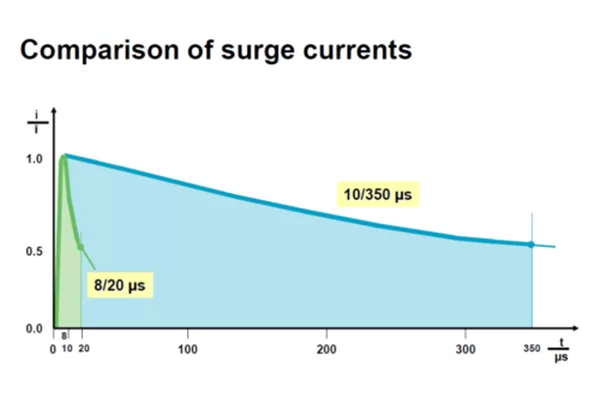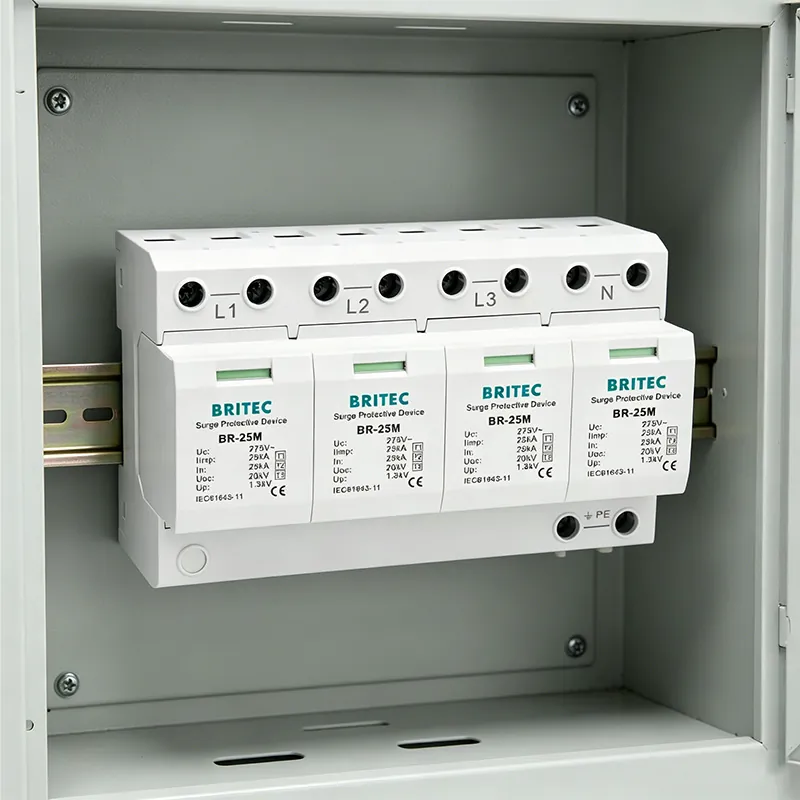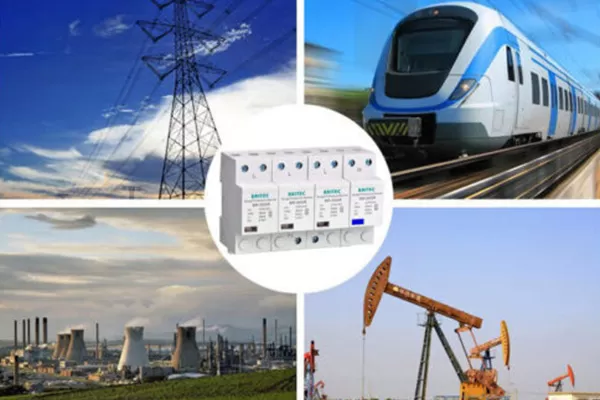

Modern electrical systems are becoming more complex as commercial buildings, factories, and industrial facilities increasingly rely on sensitive electronic equipment. Voltage surges caused by lightning strikes, grid switching operations, and internal electrical faults can damage equipment, interrupt operations, and increase maintenance costs.
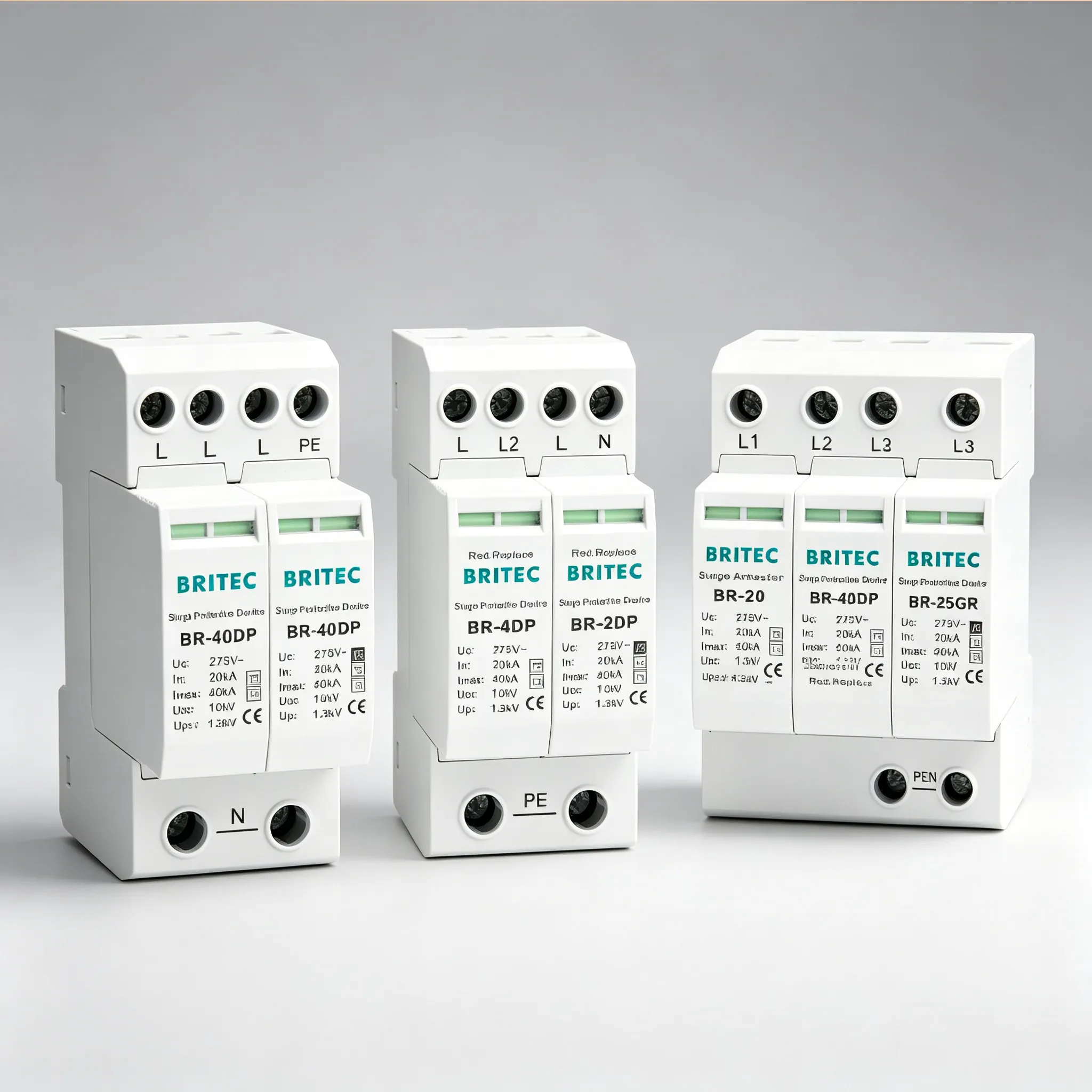
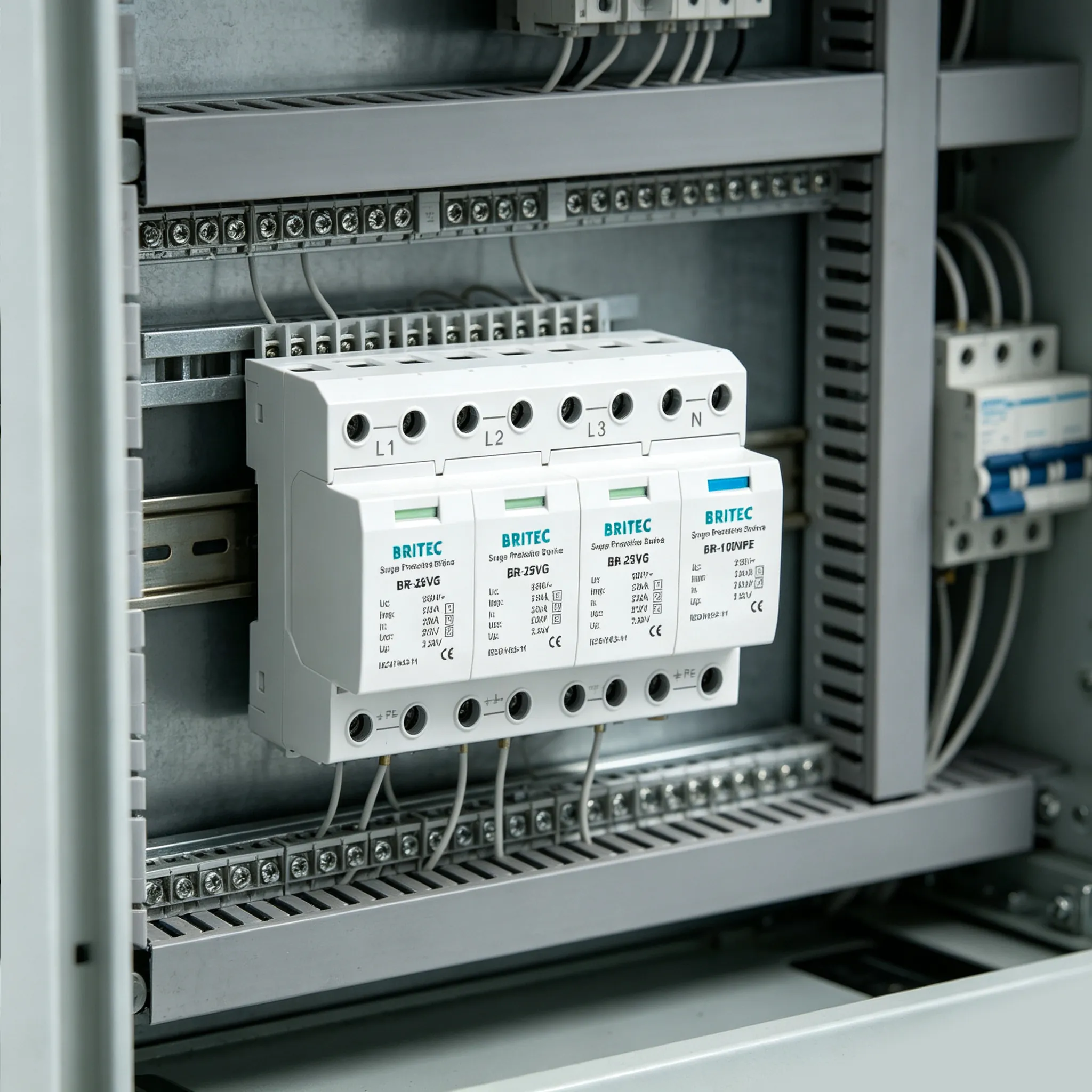
4 Pole Surge Protection Device provides complete surge protection by safeguarding three phase conductors and the neutral conductor in low voltage electrical systems. Compared with standard SPD configurations, an SPD 4P offers additional protection for systems where neutral line surge protection is required.
This article explains when to use a 4 Pole SPD, its applications in different earthing systems, differences compared with 3 pole SPD solutions, and how to select the right Low Voltage Surge Protector for commercial and industrial applications.
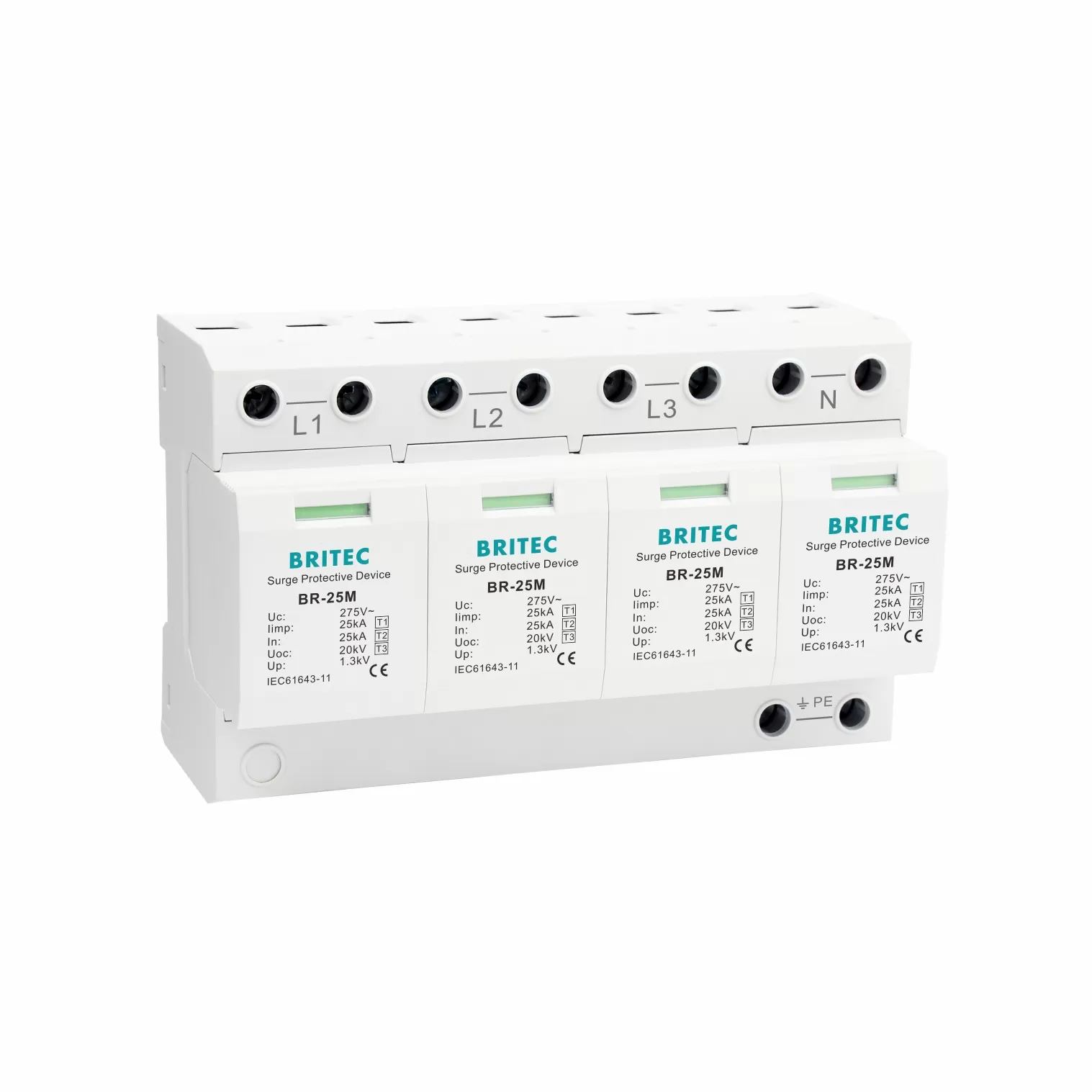
A 4 Pole Surge Protection Device is mainly used in electrical systems where protection is required for three phases plus neutral. It is commonly installed in commercial buildings, industrial facilities, and distribution systems that require higher protection reliability.
Choosing between a 3 pole SPD and a 4 pole SPD depends on the electrical system design, earthing arrangement, and whether the neutral conductor needs direct surge protection.
Three phase electrical systems are widely used in industrial plants, commercial buildings, data centers, and large electrical installations. These systems typically include three phase conductors and a neutral line, making a 4 Pole SPD an effective solution for complete protection.
In a three phase power distribution system, surge events can enter through any conductor. If only phase lines are protected while the neutral remains exposed, transient overvoltage may still reach connected equipment through the neutral path.
A properly selected SPD 4P protects:
This complete protection method helps reduce damage risks for motors, industrial controllers, communication equipment, and other sensitive electrical devices.
The neutral conductor plays an important role in many low voltage electrical systems. Although neutral lines normally operate at or near earth potential, surge currents can still travel through the neutral conductor during lightning events or electrical disturbances.
A 4 Pole Surge Protection Device is recommended when the neutral line requires additional protection, especially in systems with:
By protecting both phase conductors and the neutral line, a 4 pole configuration provides a more comprehensive surge protection solution compared with devices that only protect phase conductors.
Commercial and industrial buildings usually contain expensive electrical equipment that requires continuous operation. Manufacturing equipment, automation systems, servers, and control panels can be highly sensitive to transient overvoltage.
In these environments, a 4 Pole SPD is often selected as an Industrial Surge Protector because it provides reliable protection for complete three phase power distribution networks.
Typical installation locations include:
Installing a suitable surge protection device at the correct position helps improve electrical system stability and reduces unexpected equipment failures.
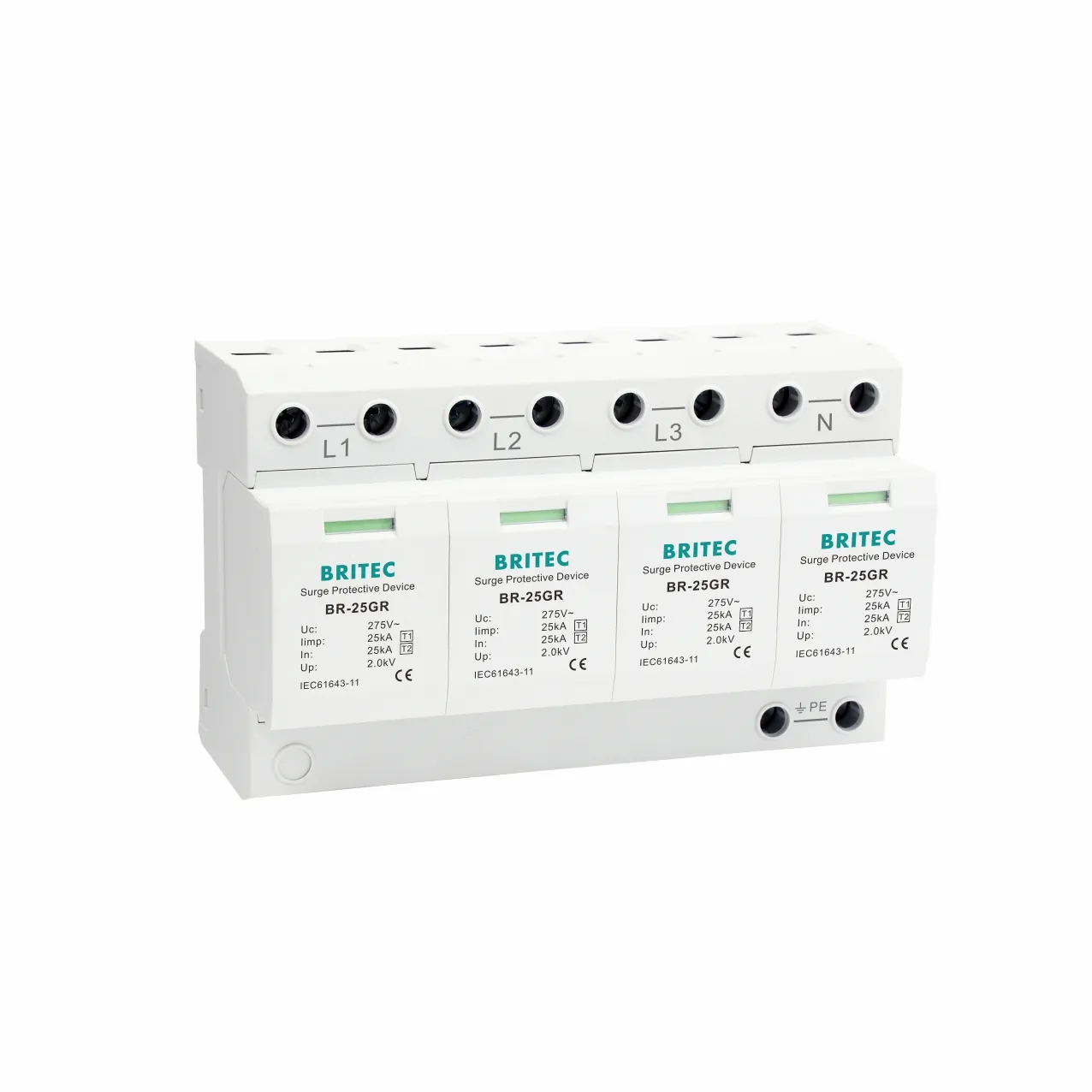
Some electrical systems require protection for all incoming power conductors. In these cases, a 4 Pole SPD provides a complete solution by combining phase and neutral surge protection in one device.
This configuration is particularly useful when:
Compared with partial protection solutions, a 4 pole design reduces potential weak points and improves overall surge protection performance.
A 4 Pole Surge Protection Device is widely used in different low voltage electrical systems where both phase conductors and the neutral conductor require protection. The selection of an SPD 4P depends largely on the earthing system, electrical network structure, and protection requirements.
Understanding different application scenarios helps engineers and contractors choose the correct Low Voltage Surge Protector to achieve reliable surge protection performance.
TN-S earthing systems are one of the most common electrical arrangements in commercial and industrial buildings. In this system, the neutral conductor and protective earth conductor are separated throughout the installation.
Because the neutral conductor is independently distributed, surge currents can appear between phase and neutral or neutral and earth during transient events. Installing a 4 Pole SPD provides protection for all three phases and the neutral conductor.
Typical advantages of using a 4 pole configuration in TN-S systems include:
For industrial facilities with sensitive automation equipment, a properly installed SPD 4P can help improve system reliability and reduce unexpected downtime.
TT earthing systems are commonly used in commercial buildings, rural electrical networks, and locations where the supply authority provides the neutral conductor while the customer installs an independent earth electrode.
In TT systems, surge protection between phase and neutral as well as neutral and earth is especially important. A 4 Pole Surge Protection Device is often selected because it provides complete protection for the incoming power supply.
The main benefits of using a 4 pole SPD in TT earthing systems include:
When installing an SPD in TT systems, engineers should carefully consider the required discharge capacity and coordination with the grounding system.
Industrial control panels contain sensitive components such as PLC controllers, variable frequency drives, sensors, and communication modules. These electronic devices can be easily affected by short-duration voltage spikes.
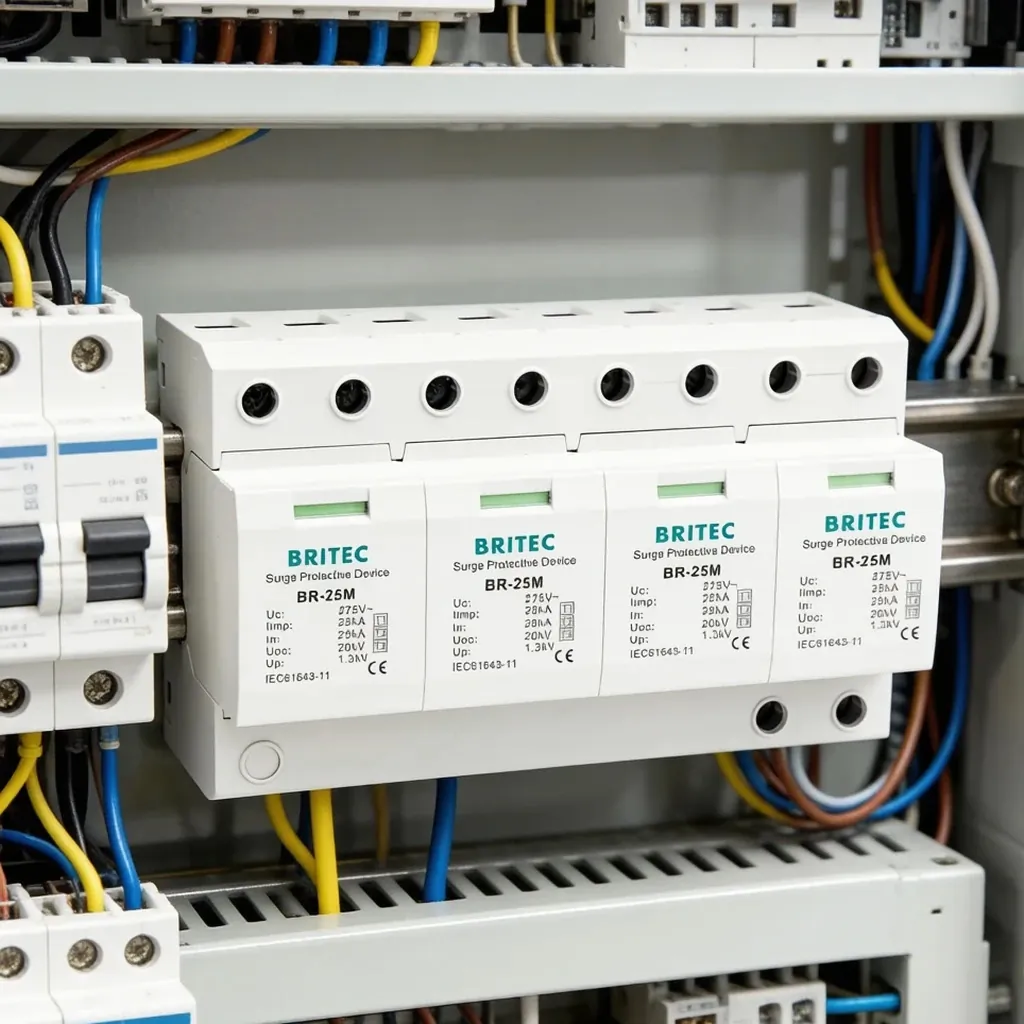
A 4 Pole SPD installed inside industrial control panels helps protect the entire power input circuit by limiting transient voltage before it reaches internal components.
Common applications include:
For industrial environments, selecting a suitable Industrial Surge Protector with sufficient discharge current capacity is essential to maintain continuous operation and protect expensive equipment.
Choosing between a 4 Pole SPD and a 3 pole SPD depends on the electrical system configuration and protection objectives. Although both solutions are designed to protect against transient overvoltage, they provide different protection coverage.
| Comparison | 4 Pole SPD | 3 Pole SPD |
|---|---|---|
| Number of Protected Conductors | Three phases + neutral | Three phases |
| Neutral Protection | Evet | Usually no direct neutral protection |
| Tipik uygulamalar | Commercial buildings, factories, TT/TN-S systems | Three phase systems without neutral protection requirements |
| Protection Coverage | Complete phase and neutral protection | Phase conductor protection only |
| Installation Complexity | Slightly higher due to additional pole connection | Generally simpler installation |
A 4 Pole Surge Protection Device is usually the better choice when neutral protection is required or when protecting critical electrical systems. A 3 pole SPD may be sufficient for applications where the neutral conductor does not require direct surge protection.
Before selecting an SPD, engineers should evaluate the electrical network design, grounding method, and equipment sensitivity.
Selecting the correct SPD 4P requires consideration of multiple technical factors, including system voltage, surge current capacity, and SPD classification. The wrong selection may reduce protection effectiveness or cause compatibility issues.
The first step when choosing a 4 Pole Surge Protection Device is confirming that the SPD voltage rating matches the electrical system.
Important parameters include:
For example, an SPD designed for a specific low voltage distribution system should not be installed in a network with a higher operating voltage than its rated capacity.
Correct voltage matching ensures stable operation and prevents unnecessary SPD failure.
The surge current capacity determines how much transient energy the SPD can safely handle. For industrial and commercial applications, choosing sufficient discharge capacity is critical.
Common parameters include:
Facilities located in areas with frequent lightning activity or large electrical loads generally require higher-capacity surge protection solutions.
Different electrical locations require different SPD types. A 4 Pole SPD can be designed as Type 1, Type 2, or combined protection depending on the installation requirements.
Selecting the correct SPD type ensures effective coordination between the building electrical system and surge protection equipment.
Proper installation is essential to ensure that a 4 Pole Surge Protection Device can effectively protect electrical equipment against transient overvoltage. Even a high-performance SPD 4P may not provide sufficient protection if the wiring method, installation location, or maintenance procedures are incorrect.
Engineers and electricians should follow applicable electrical standards and manufacturer recommendations when installing a Low Voltage Surge Protector in commercial and industrial power systems.
The wiring method directly affects the protection performance of a 4 Pole SPD. Incorrect connections can increase the residual voltage level and reduce the ability of the SPD to safely discharge surge energy.
Important installation practices include:
For a typical four pole configuration, the three phase terminals are connected to L1, L2, and L3 conductors, while the additional pole connects to the neutral conductor. The grounding terminal must be connected to the protective earth system to provide an effective discharge path.
Shorter connection distances help reduce inductive voltage effects during high-current surge events, improving the overall performance of the 4 Pole Surge Protection Device.
The installation location of a 4 Pole SPD determines its protection effectiveness. Surge protection devices should be installed at strategic points where they can limit transient voltage before it reaches sensitive equipment.
Common installation locations include:
For large industrial facilities, multiple levels of surge protection may be required. A coordinated protection system may include a Type 1 SPD at the service entrance and Type 2 or Type 3 SPDs closer to sensitive equipment.
This layered approach helps create a complete surge protection network and improves equipment reliability.
Although a 4 Pole Surge Protection Device is designed for long-term operation, regular inspection is necessary to ensure continued protection performance.
Maintenance activities typically include:
Many modern SPDs include visual status indicators that allow technicians to quickly determine whether the device remains operational. If the indicator shows failure, the SPD should be replaced immediately to restore surge protection capability.
Regular maintenance is especially important for industrial applications where electrical interruptions can result in significant production losses.
In SPD terminology, 4P means four protection poles are included in the surge protection device. A typical SPD 4P configuration protects three phase conductors and one neutral conductor in a low voltage electrical system.
This design allows the device to provide complete protection for three phase power networks where neutral line protection is required.
The service life of a 4 Pole Surge Protection Device depends on factors such as surge frequency, discharge capacity, installation environment, and electrical system conditions.
Under normal operating conditions, a quality SPD can typically provide several years of protection. However, the device should be inspected regularly and replaced after severe surge events or when the status indicator shows failure.
Yes. One of the main advantages of a 4 Pole SPD is that it provides protection for the neutral conductor in addition to the three phase conductors.
This makes it suitable for electrical systems where surge currents may enter through the neutral path, such as TN-S and TT earthing systems.
A 4 Pole Surge Protection Device is a surge protective device designed with four protection paths. It is commonly used in three phase low voltage electrical systems to protect phase conductors and neutral conductors from transient overvoltage.
It helps protect electrical equipment from damage caused by lightning-induced surges, switching operations, and other voltage disturbances.
A 4 Pole SPD is used in three phase systems when complete protection of both phase and neutral conductors is required.
Many commercial and industrial systems contain sensitive electronic equipment where neutral line surge protection can improve overall protection reliability and reduce equipment failure risks.
A 4 Pole Surge Protector is commonly installed in main distribution boards, electrical panels, industrial control cabinets, and other locations where surge protection is needed.
The ideal installation point depends on the building electrical design, protection requirements, and coordination with other surge protection devices.
Seçerken 4 Pole SPD manufacturer, buyers should evaluate product quality, technical capability, certifications, and manufacturing experience.
Important factors include:
A professional manufacturer can provide suitable Industrial Surge Protector solutions based on different electrical system requirements.
A Low Voltage Surge Protector can significantly reduce the risk of damage caused by lightning-induced surges, but it cannot completely eliminate all lightning risks.
A complete lightning protection strategy usually combines external lightning protection systems, proper grounding, and coordinated surge protection devices.
Factories commonly use different types of Industrial Surge Protectors depending on electrical system requirements.
Common solutions include:
The correct choice depends on factory power distribution design, equipment sensitivity, and expected surge exposure levels.
A 4 Pole Surge Protection Device is an effective solution for protecting three phase low voltage electrical systems where both phase and neutral protection are required. Compared with standard three pole solutions, an SPD 4P provides more complete protection coverage and is especially suitable for commercial buildings, industrial facilities, and critical electrical installations.
Seçerken 4 Pole SPD, users should consider system voltage, earthing arrangement, surge current capacity, SPD type, and installation requirements. Proper selection and installation ensure reliable protection against transient overvoltage and help extend the service life of electrical equipment.
For factories, commercial buildings, and industrial applications, choosing a reliable Industrial Surge Protector supplier is essential to build a safe and stable electrical protection system.