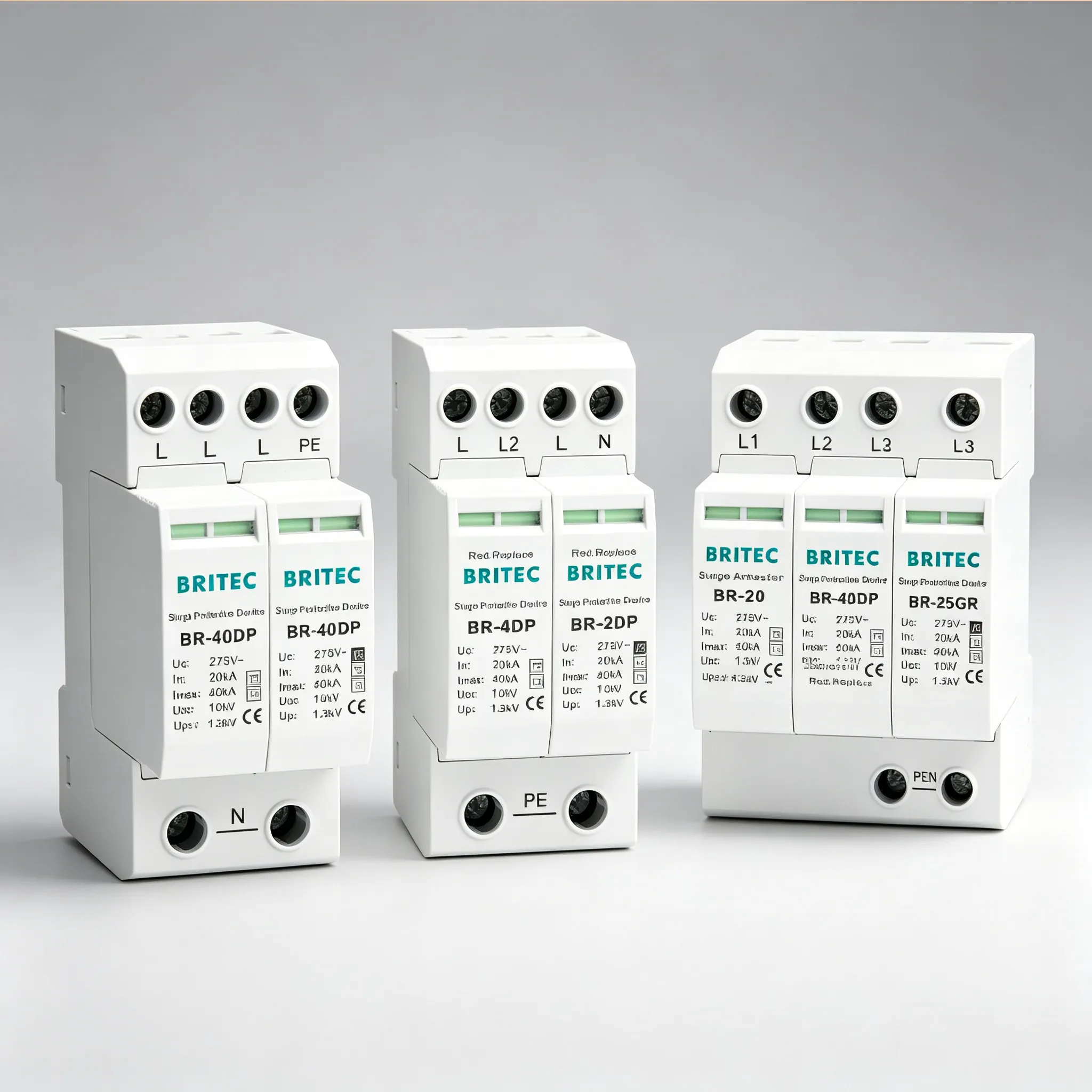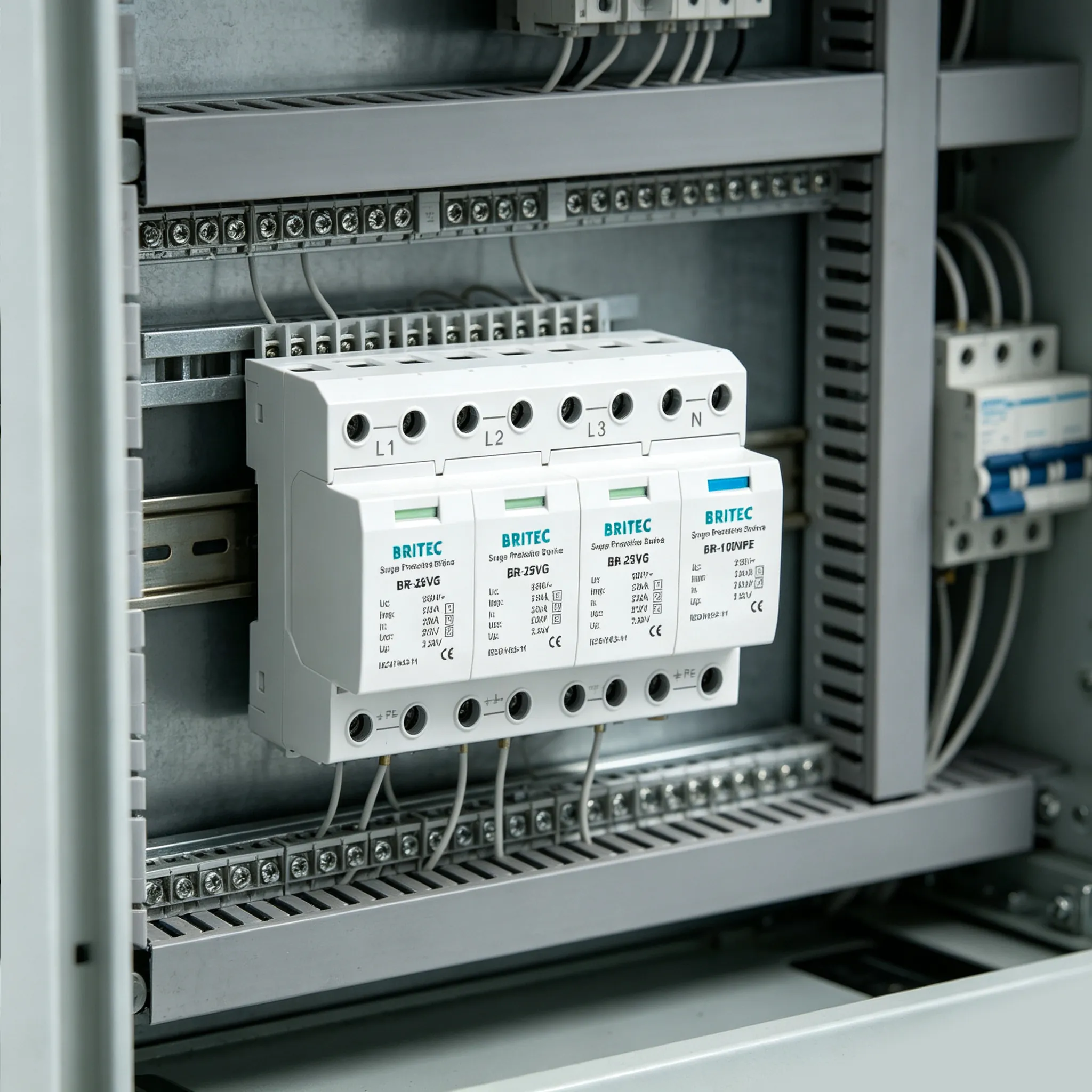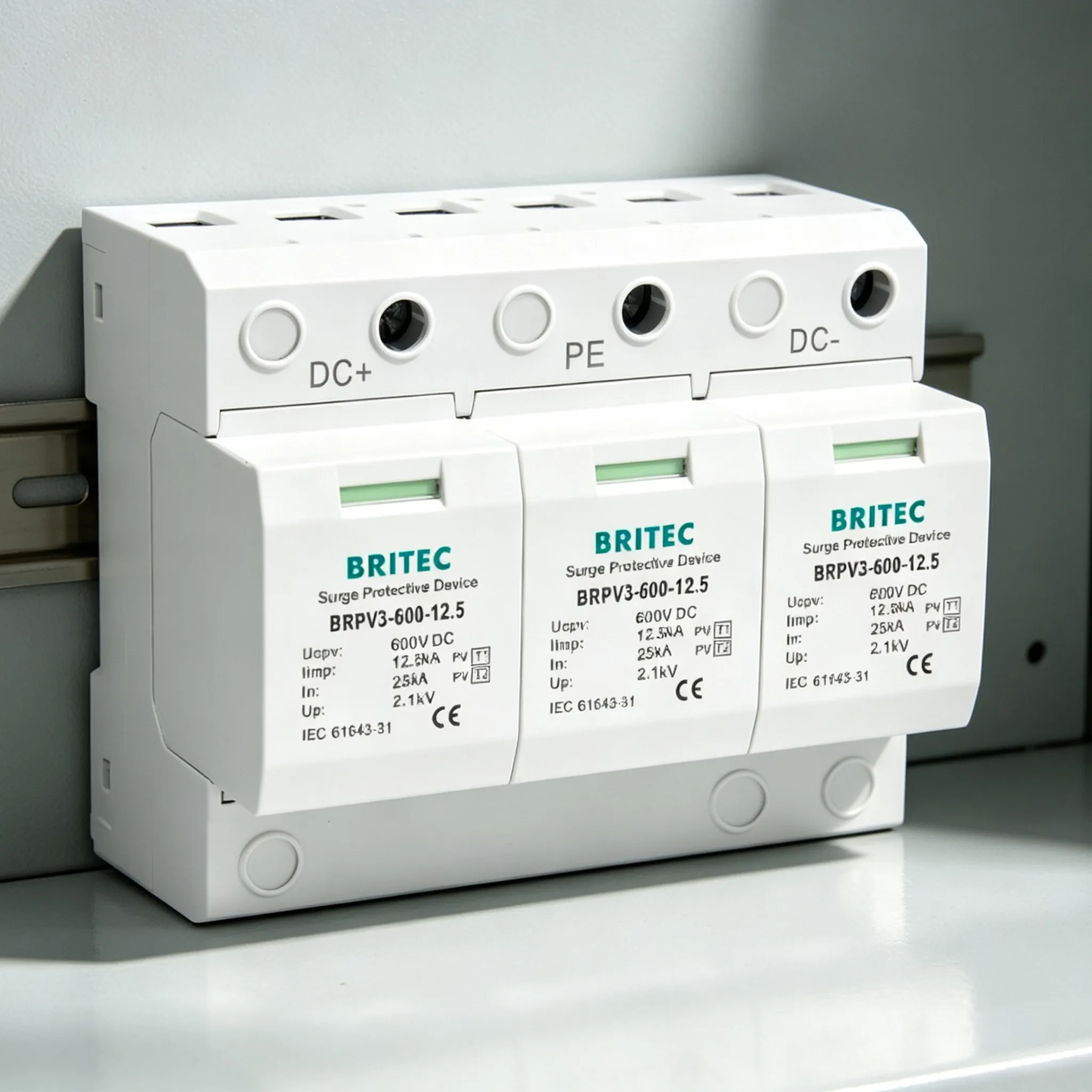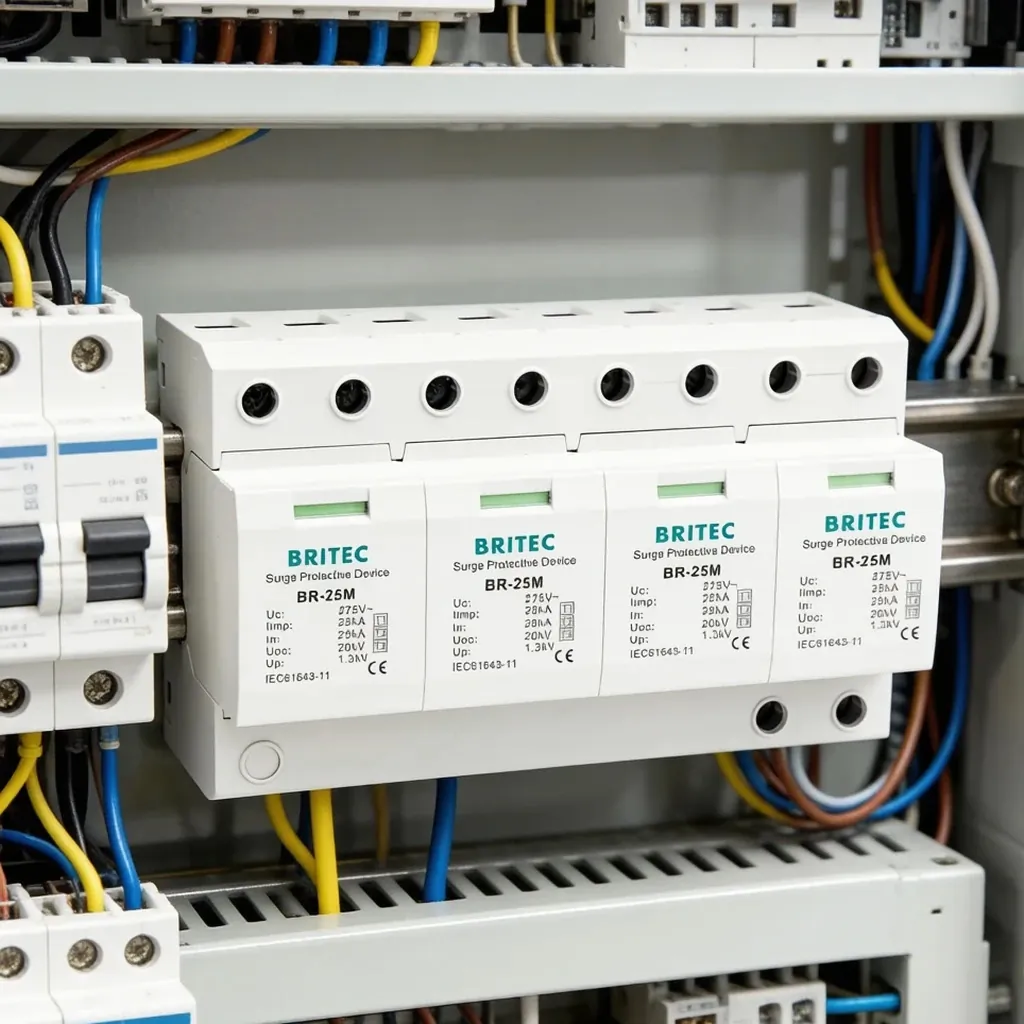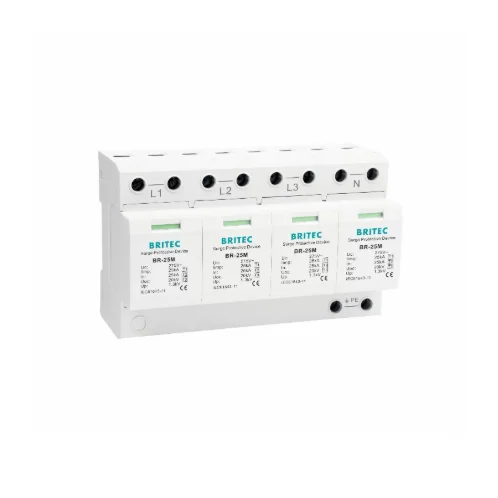

Choosing an SPD factory is not the same thing as choosing an SPD. A datasheet tells you what one sample did in a lab on one good day. An audit tells you whether the next 10,000 units will behave the same way. For procurement teams, EPC contractors and panel builders, that difference is where warranty claims, downtime and liability usually come from.
Bir SPD factory audit is a structured assessment of a surge protective device manufacturer’s legal status, type-test evidence, component sourcing, process control and traceability, carried out before a purchase order is issued. This guide gives you a practical, 9-point checklist you can run yourself, the documents to request in advance, the red flags that should end the conversation, and a weighted scorecard you can use to compare two factories that both claim to be “certified”.
Key takeaways
● A genuine SPD factory can show type-test reports issued in its own legal name by an accredited lab — not a supplier’s report borrowed from someone else.
● The metal oxide varistor (MOV) decides how an SPD ages. Audit where the MOV comes from before you audit anything else.
● A real factory owns an impulse generator. No 8/20 µs or 10/350 µs test set on site means no real production verification.
● Batch traceability and a written failure-analysis process matter more than a showroom.
● Score the audit, do not “feel” it. The weighted scorecard below turns a visit into a comparable number.
Surge protective devices are a safety component that spends most of its life doing nothing. That is exactly why they are easy to fake. Two devices can share the same 40 kA label, the same housing colour and the same DIN-rail footprint, yet behave completely differently after the third lightning season.
A datasheet shows the parameters a marketing team chose to publish. It rarely shows the varistor’s energy rating, the solder process, the thermal disconnector design, or whether the batch you receive matches the batch that was tested. When you audit the surge protective device manufacturer, you are buying evidence instead of promises.
There is also a commercial angle. A factory that passes a structured audit usually has lower total cost over a five-year contract, because consistent quality means fewer site returns, fewer emergency shipments and less engineering time spent on disputes. If you have not yet defined your commercial criteria, pair this article with our surge protector supplier selection criteria — the audit below is the physical verification of those criteria.
Never arrive at an SPD factory without documents in hand. Ask for the following at least one week before the visit, and read them before you board the plane. Factories that stall on this step are telling you something.
● Business licence and manufacturing scope. The registered name must match the name on the test reports and on the invoice.
● Quality system certificate. ISO 9001 as a baseline; ISO 14001 and ISO 45001 indicate a more mature operation.
● Product type-test reports. IEC/EN 61643-11 for AC power SPDs, IEC/EN 61643-31 for photovoltaic SPDs, IEC/EN 61643-21 for data and signal lines, UL 1449 for the North American market.
● Certificate numbers and issuing body. You will verify these online, not by eye.
● Bill of materials for the models you intend to buy. Brand and part number of the MOV or GDT is non-negotiable.
● Production flow chart and a recent routine-test record. One batch number is enough to test traceability later.
● Export references. Two contacts in your region who already buy from them.
Request the Britec document pack
Send us your target models and we will return the full pre-audit pack — business licence, ISO 9001, TUV and Intertek SEMKO test reports, and the BOM with varistor brand — usually within one working day.
Walk the line in the order below. It follows the physical flow of the product, which makes it much harder for a supplier to hide gaps.
Confirm that the address you are standing in is the address on the licence, and that the licence covers manufacturing rather than only trading. Trading companies and small assembly workshops present themselves as an SPD factory every day. Check the electricity meters, the number of shifts, and whether the tooling is actually running. Ask to see the mould or housing inventory: a factory that moulds its own housings controls dimensional consistency, which directly affects how the pluggable module seats in the base.
This is the single most valuable 20 minutes of the audit. A certificate is a piece of paper; a test report is data. Open the report and check four things: the applicant and manufacturer name match the factory’s legal name; the model numbers match what you are buying; the standard and edition are current, for example IEC 61643-11 rather than a withdrawn version; and the report includes the full test sequence rather than a single impulse test.
Then verify the certificate number in the issuing body’s public database. TUV Rheinland publishes on Certipedia, Intertek and UL have their own online directories. If a report cannot be found online, treat it as unproven.
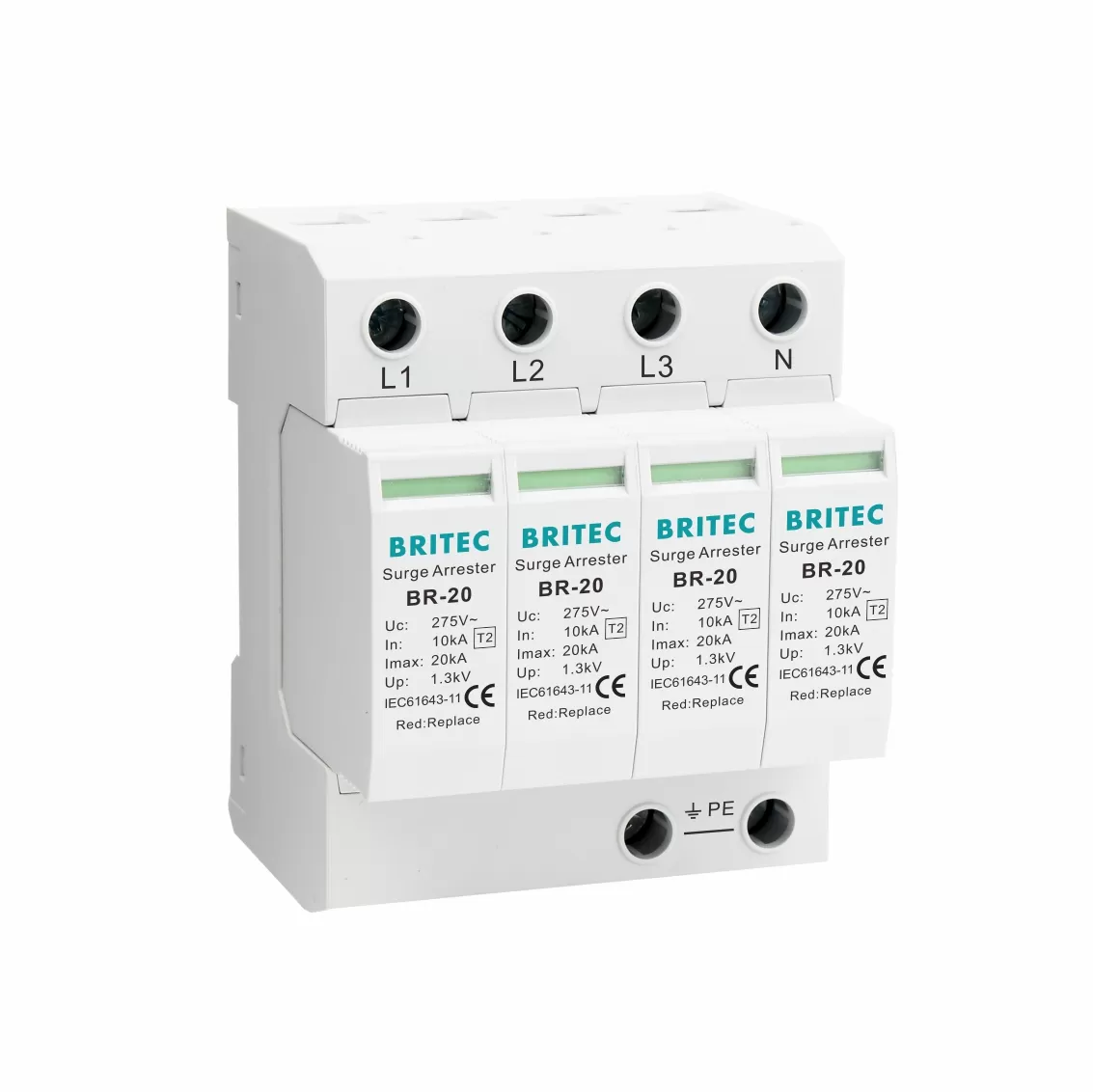
While you are there, look at the declared values with an engineer’s eye. A Type 1 lightning surge protection device is tested with a 10/350 µs waveform and declared with Iimp; Type 2 devices are tested with 8/20 µs and declared with In and Imax. If the sales team cannot explain the difference, the engineering depth behind the label is thin.
In a varistor-based SPD, the metal oxide varistor decides clamping performance, leakage current, thermal runaway behaviour and service life. Everything else is packaging. Ask which varistor brand and series is used, and whether the factory buys from the brand’s authorised channel or from the open market.
● Is the MOV disc diameter and energy rating consistent across the whole rated range?
● Are incoming varistors screened for clamping voltage and leakage before assembly?
● Is there a documented derating policy, or is the disc sized to just survive the type test?
● For DC and PV designs, is the varistor specified for continuous DC stress rather than repurposed from an AC model?
That last point is where many low-cost DC surge protectors fail in the field. DC arcs do not self-extinguish at a zero crossing the way AC arcs do, so the disconnector and the internal layout must be designed for it.
Ask to see the IQC station and the rejection log from the last month. A functioning IQC area has calibrated instruments, written acceptance criteria, and a bin of rejected parts. A factory with no rejection records is not a factory with perfect suppliers — it is a factory that does not inspect.
Look for work instructions at each station, operator training records, and a first-piece approval process. Pay attention to the thermal disconnector assembly and the torque-controlled terminals: both are common sources of field failure, and both are processes a workshop cannot fake consistently. Ask what happens when a station detects a defect — a mature line stops and records, an immature one passes the unit down and fixes it later.
This is where an SPD factory separates itself from an assembly shop. At minimum, expect to see:
● An impulse generator capable of 8/20 µs, and 10/350 µs if they build Type 1 devices.
● A temporary overvoltage (TOV) test set — this is what proves the device survives a neutral-loss event.
● Thermal stability or ageing test ovens with running records.
● Calibration certificates for each instrument, dated within the last 12 months.
● A routine-test or 100% screening station at end of line.
Ask the technician to run one routine test on a random unit from finished stock while you watch. A factory that does this without hesitation is a factory that does it every day. If you want to understand what these tests actually prove, our guide to how to test an industrial surge protection device goes through the measurements step by step.
Take a batch number from a finished carton and follow it backwards. Within 30 minutes a good factory can show you: which varistor lot was used, which supplier delivered it, which line and shift assembled it, the routine-test results, and who signed the release. Then follow it forwards: if that batch failed in the field, could they identify every other customer who received it? Traceability is the difference between a controlled recall and a brand-level incident.
Ask to meet the engineers, not only the sales team. A real engineering function can discuss coordination with upstream protection, let-through voltage at the equipment terminals, short-circuit withstand rating, and why a particular disconnector design was chosen. If your project needs a specific creepage distance, a private label, a modified Remote Signalling contact or a different rail footprint, an ODM-capable factory can draw it, tool it and type-test it. A trading operation cannot.
Check that the carton label, the product marking and the declaration of conformity all carry the same model, standard and rating. Confirm packaging passes drop testing for your shipping route, that manuals are available in your market language, and that the factory understands your destination’s documentation requirements. This is the least glamorous part of an SPD factory audit and one of the most common causes of delayed customs clearance.
| Red flag | What it usually means |
| Test report is in another company’s name | Trading company, or the design was never theirs |
| No impulse generator on site | No verification between type tests — only assembly |
| Varistor brand “changes with availability” | Spot-market buying; batch-to-batch performance drift |
| No rejection or rework records | Inspection is cosmetic; defects reach customers |
| Batch number cannot be traced backwards | No recall capability, no root-cause culture |
| Calibration certificates expired | Routine test data cannot be trusted |
| Refuses a live video audit without a reason | Something on the line is not meant to be seen |
| Price drops sharply after you ask for test reports | The first quote was not for the tested construction |
Most buyers leave a factory with an impression. Impressions do not survive a procurement meeting. Score each area from 0 to 5 (0 = absent, 3 = documented but inconsistent, 5 = documented and demonstrated live), multiply by the weight, and add them up. Use the same sheet for every factory so the numbers are comparable.
| Audit area | Weight | Score 0–5 |
| Certifications and verifiable type-test reports | 20% | |
| Component sourcing and MOV control | 20% | |
| Test lab and calibrated equipment | 15% | |
| Production process control | 15% | |
| Traceability and failure analysis | 10% | |
| Engineering depth and ODM support | 10% | |
| Legal, EHS and export readiness | 10% | |
| Weighted total | 100% |
● 80–100: approved supplier. Move to sampling and a pilot order.
● 60–79: conditional. Approved for a trial order with corrective actions in writing.
● Below 60: do not buy. The cost of the first field failure will exceed the unit-price saving.
Book a live video factory audit
Can’t travel? We run 45-minute live video audits covering the MOV store, the assembly line, the impulse test lab and the traceability records — you choose the batch number and we follow it on camera.
| Format | Best for | Limitation |
| Document review | Shortlisting three to five factories | Confirms paperwork, not practice |
| Live video audit | Repeat orders and fast qualification | Camera can be directed; you must choose what to see |
| On-site audit by your team | Strategic, high-volume programmes | Travel cost and time |
| Third-party inspection | Pre-shipment checks and disputed batches | Sample-level only; does not assess design capability |
Passing an audit is the beginning of qualification, not the end. Agree these points in writing before the first production order:
● Sampling plan. Reference ISO 2859-1 with an agreed AQL, and state who pays for rejected lots.
● Golden sample. Seal one approved unit at each site as the visual and dimensional reference.
● Change notification. Any change to the MOV supplier, housing material or disconnector design must be notified before shipment.
● Periodic re-test. One production sample per year sent to a third-party lab, at the factory’s cost.
● Warranty and liability. State the response time for a field failure and the format of the failure analysis report.
Where a buyer needs help turning these clauses into a workable specification, our article on how to choose a reliable SPD company for electrical projects covers the commercial side in detail.
Britec Electric Wenzhou has manufactured surge protective devices in Yueqing, Zhejiang since 2003. We are used to being audited, and we prefer it — our products are certified by Intertek SEMKO, TUV and CE, and our range covers AC, DC/PV, LED and data-line protection for customers across Europe, South America and Asia.
When you audit us, you can walk the same checklist in this article: the varistor store with lot records, the assembly line with work instructions at each station, the impulse test lab, and the batch file for any unit in finished stock. Our Type 2 surge protective devices are built on the same documented process as every other family we ship, and OEM/ODM projects are handled by our own engineering team rather than outsourced.
An SPD factory audit is a structured assessment of a surge protective device manufacturer before you place an order. It covers the legal entity, quality system, type-test evidence, component sourcing, production process control, test equipment and batch traceability. The output is a documented decision: approve, approve with conditions, or reject.
Allow a full working day on site for a first audit, plus half a day of document review beforehand. A focused re-audit of an existing supplier usually takes three to four hours, and a live video audit can be completed in 45 to 60 minutes if the document pack has already been reviewed.
For the factory, ISO 9001 is the baseline, with ISO 14001 and ISO 45001 as maturity indicators. For the products, look for IEC/EN 61643-11 for AC power SPDs, IEC/EN 61643-31 for photovoltaic applications, IEC/EN 61643-21 for data and signal lines, and UL 1449 if you sell into North America. Always verify the certificate number in the issuing body’s online database.
Yes, and it is now standard practice for repeat orders. A live video audit works well if you control the agenda: ask the operator to walk a specific batch number backwards through the records, request a routine impulse test on a random unit from finished stock, and check the calibration dates on camera. Remote audits are weaker on culture and housekeeping, so pair them with a third-party pre-shipment inspection for the first few orders.
A type test is a destructive, one-off qualification of a design performed by an accredited laboratory, and the result is the IEC 61643-11 or UL 1449 report you should be asking for. A routine test is a non-destructive check performed by the factory on production units to confirm consistency. A factory needs both: the type test proves the design, the routine test proves the batch.
Compare three fields against reality: the applicant and manufacturer name on the report must match the factory’s business licence; the model numbers must match the products you are quoting; and the certificate number must resolve in the issuing laboratory’s public register. Reports that are “confidential”, photocopied without a number, or issued to a different legal entity should be treated as unproven.
For standard catalogue models, most factories quote minimum order quantities in the range of 100 to 500 pieces per model. Customised products, private labelling or a modified housing usually require a higher minimum because of tooling and type-test cost. If a factory offers an unusually low MOQ on a customised design, ask which type test covers that configuration — often none does.
Use one for pre-shipment verification on your first three to five orders, and any time a batch is disputed. Third-party inspectors are good at confirming quantity, marking, packing and visual workmanship against your specification. They are not a substitute for a factory audit, because they assess a shipment, not the manufacturer’s design and process capability.
A good SPD factory does not fear a checklist — it keeps one. Run the nine points above, score what you see, and you will separate manufacturers from assemblers in a single visit. The suppliers worth keeping are the ones whose numbers you can verify twice: once in the test report, and once on the line.
Audit Britec before you buy
Send us your audit checklist and we will answer it point by point, with test reports, batch records and a live factory walkthrough. Inquiries are answered within 24 hours by our own engineering team.
● How to Choose a Surge Protector Supplier: 10 Criteria for B2B Buyers
● How To Choose A Reliable SPD Company For Electrical Projects
● SPD Manufacturer: Quick Guide to Surge Protective Device Basics
● Types Of Surge Protection Devices: Complete Buyer’s Guide
● Aşırı Gerilim Koruyucu Cihaz Derecelendirmelerini Anlama