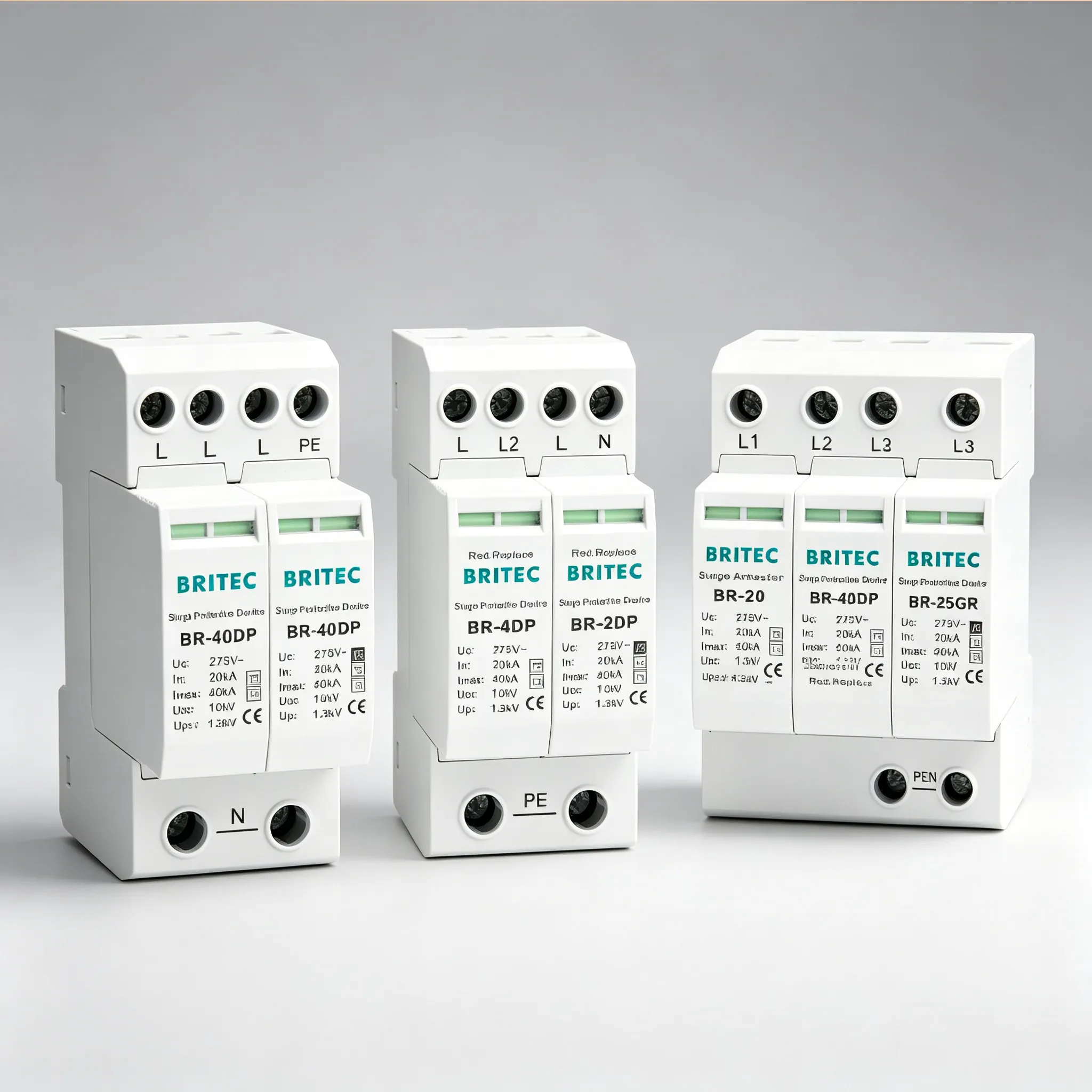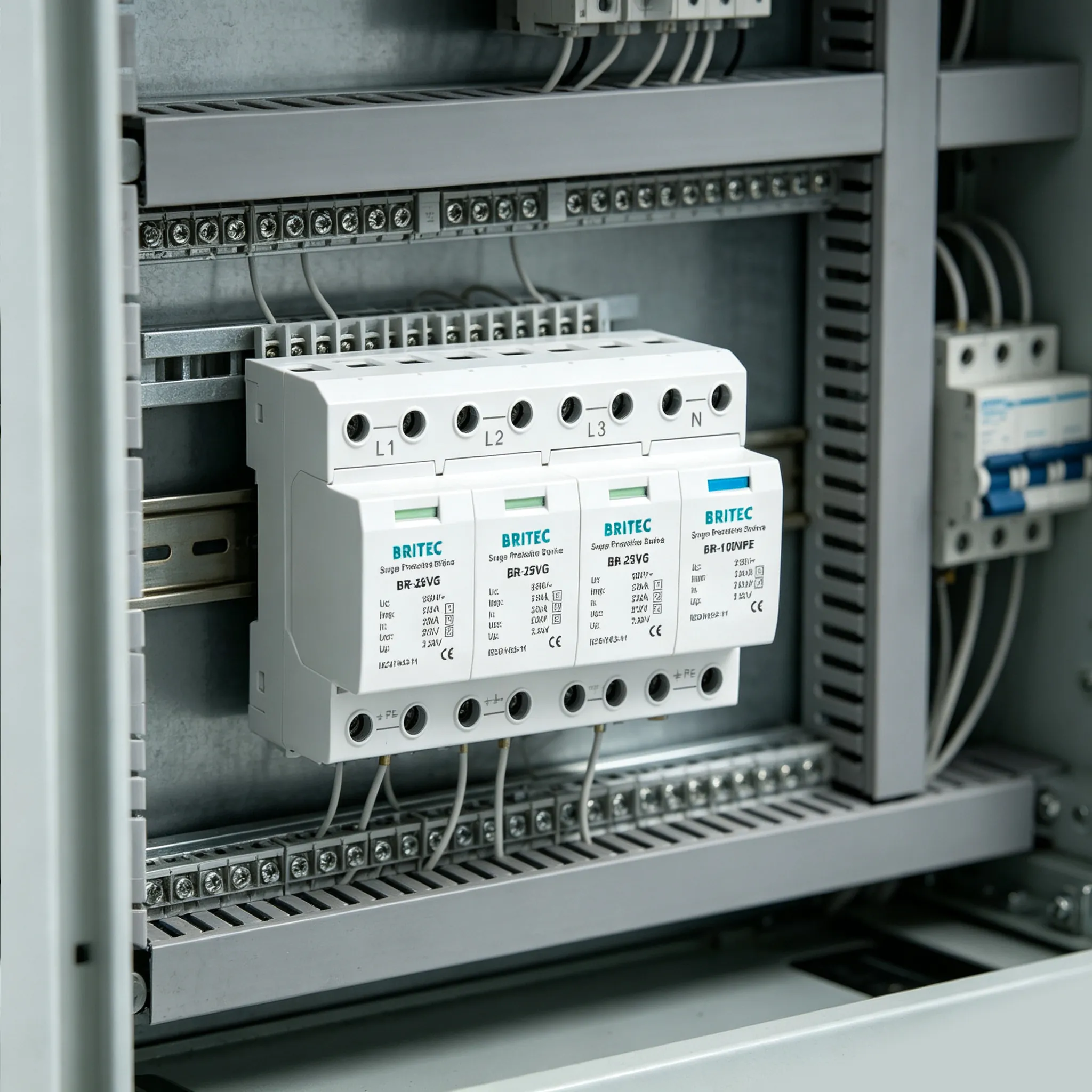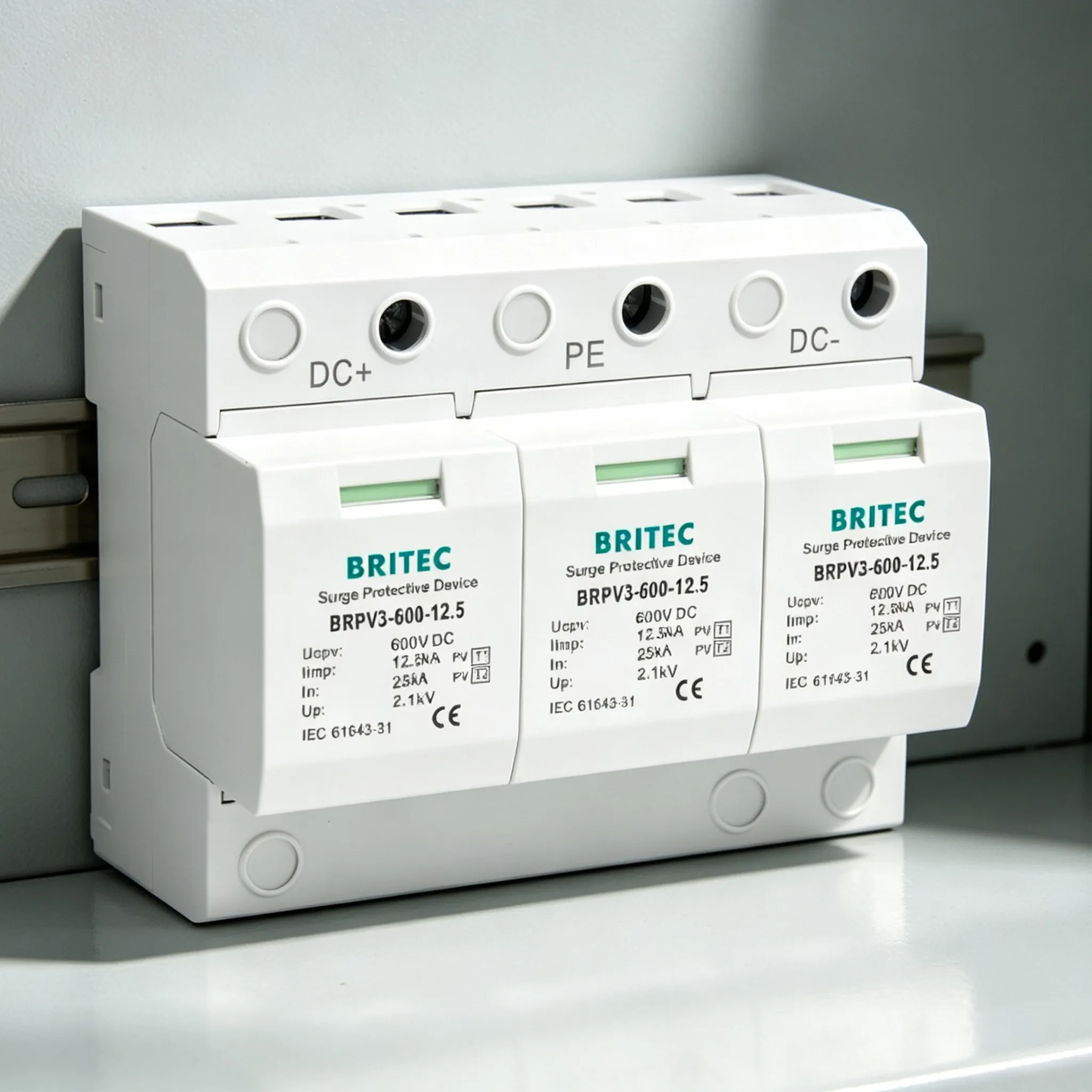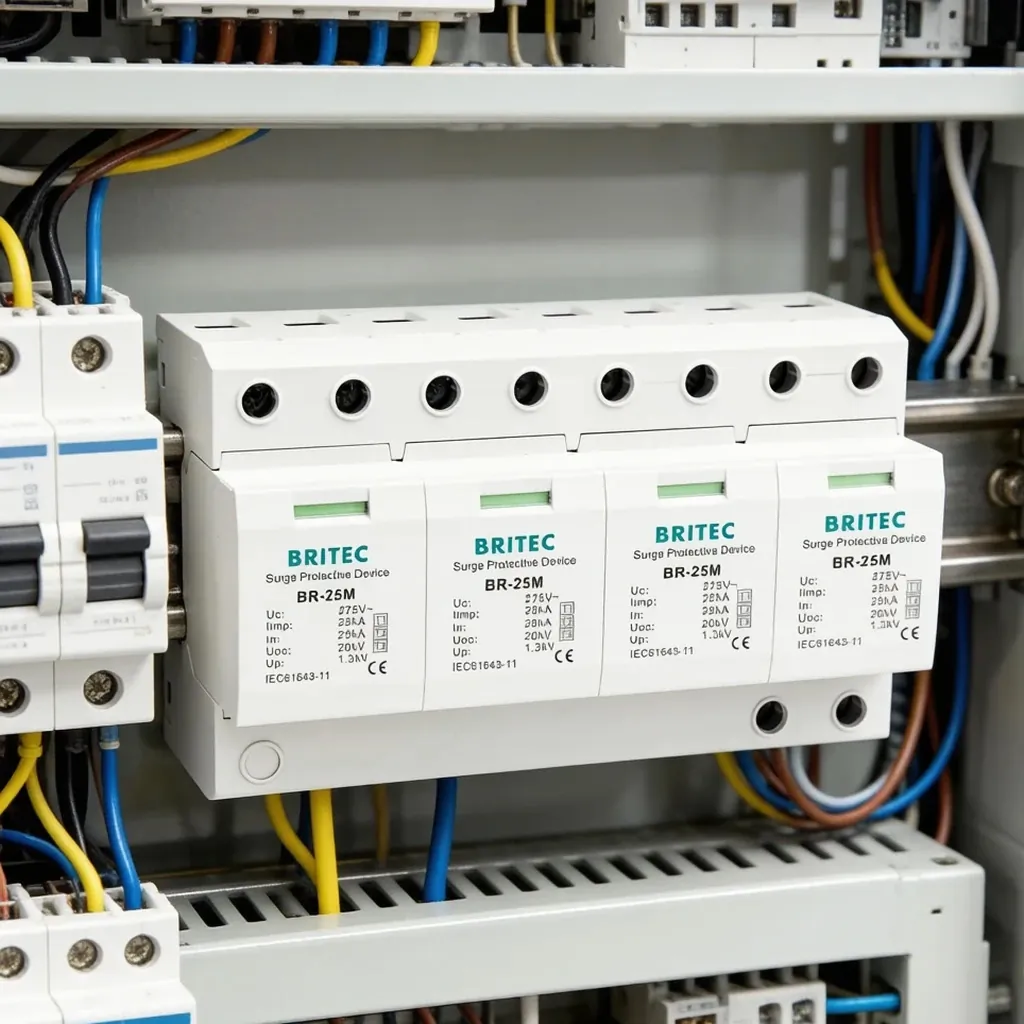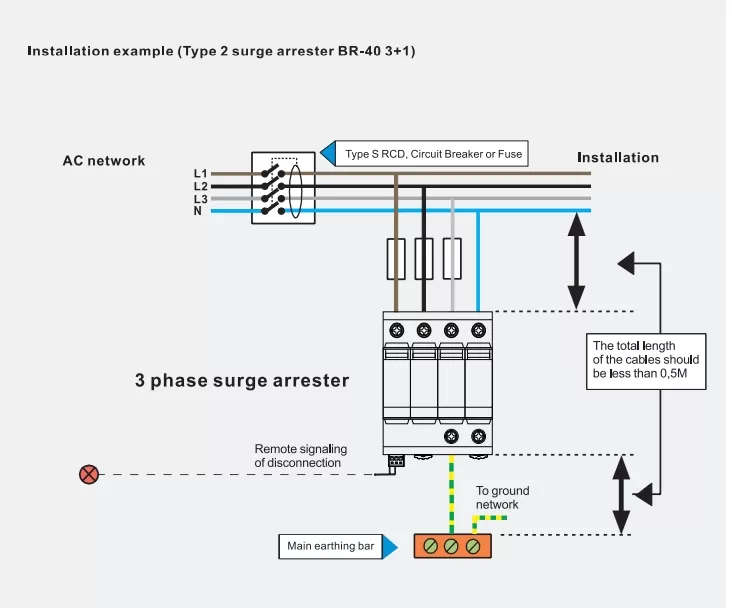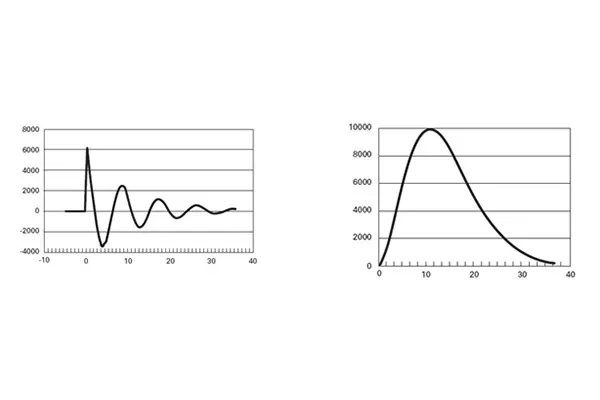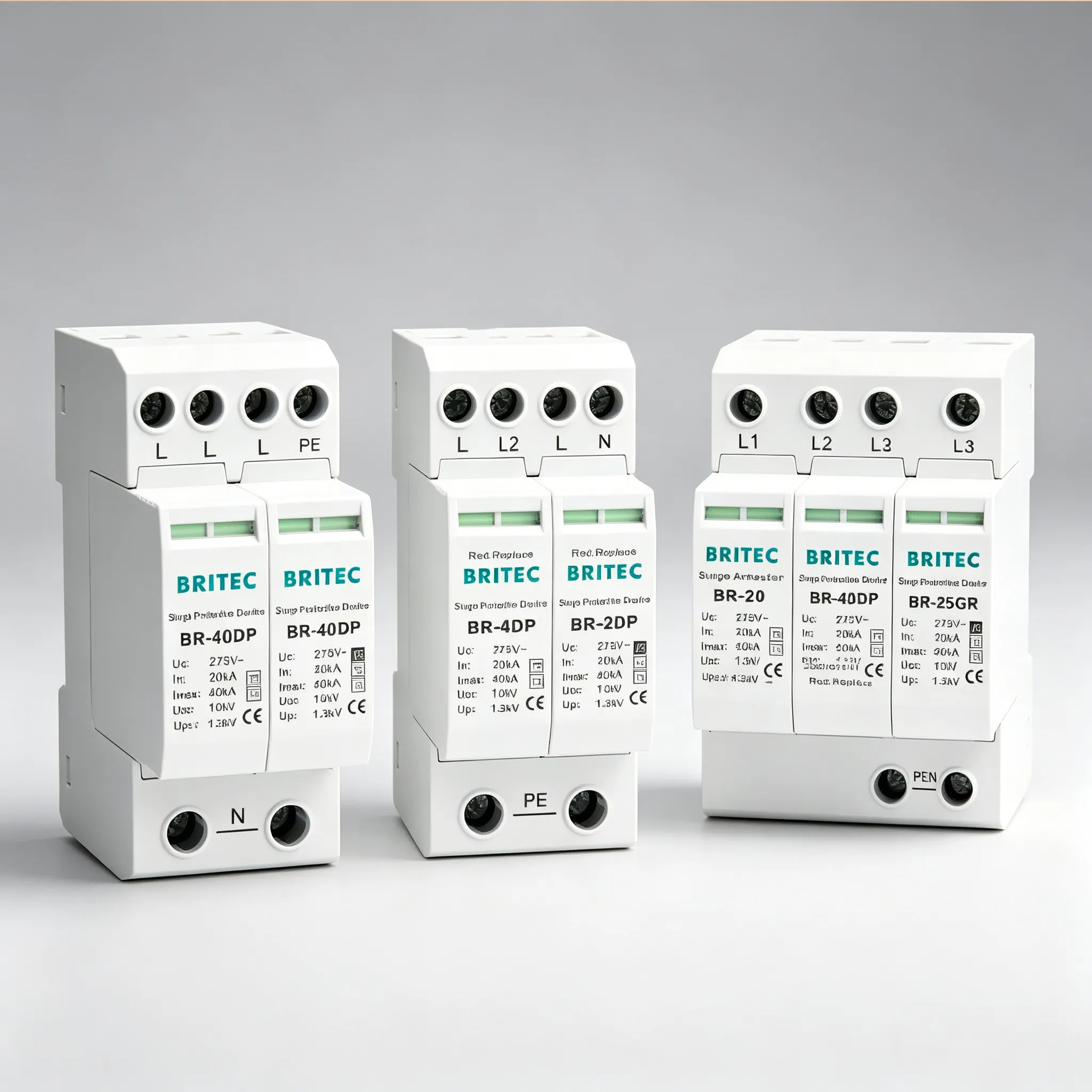

Type 3 SPD (Surge Protective Device) is an important component used to protect sensitive electrical and electronic equipment from transient overvoltage. Unlike upstream surge protection devices installed at the main distribution level, a Type 3 SPD is typically installed close to terminal equipment, such as computers, appliances, control systems, and communication devices, providing the final layer of surge protection.
However, like all electrical protection components, a Type 3 SPD does not last forever. Continuous exposure to surge events, lightning activity, electrical disturbances, and harsh operating conditions can gradually reduce its protective capability. When a Type 3 SPD reaches the end of its service life, it may no longer effectively limit surge voltage, leaving connected equipment vulnerable to damage.
Knowing when to replace a Type 3 SPD is essential for maintaining reliable electrical protection. Signs such as damaged components, warning indicators, reduced surge protection performance, or repeated equipment failures may indicate that a Type 3 SPD Surge Protector requires replacement.
This guide explains how to identify SPD Type 3 failure symptoms, how to check whether a surge protector is still functioning, what factors affect Surge Protector Lifespan, and how to properly perform a Surge Protector Replacement to maintain effective electrical protection.
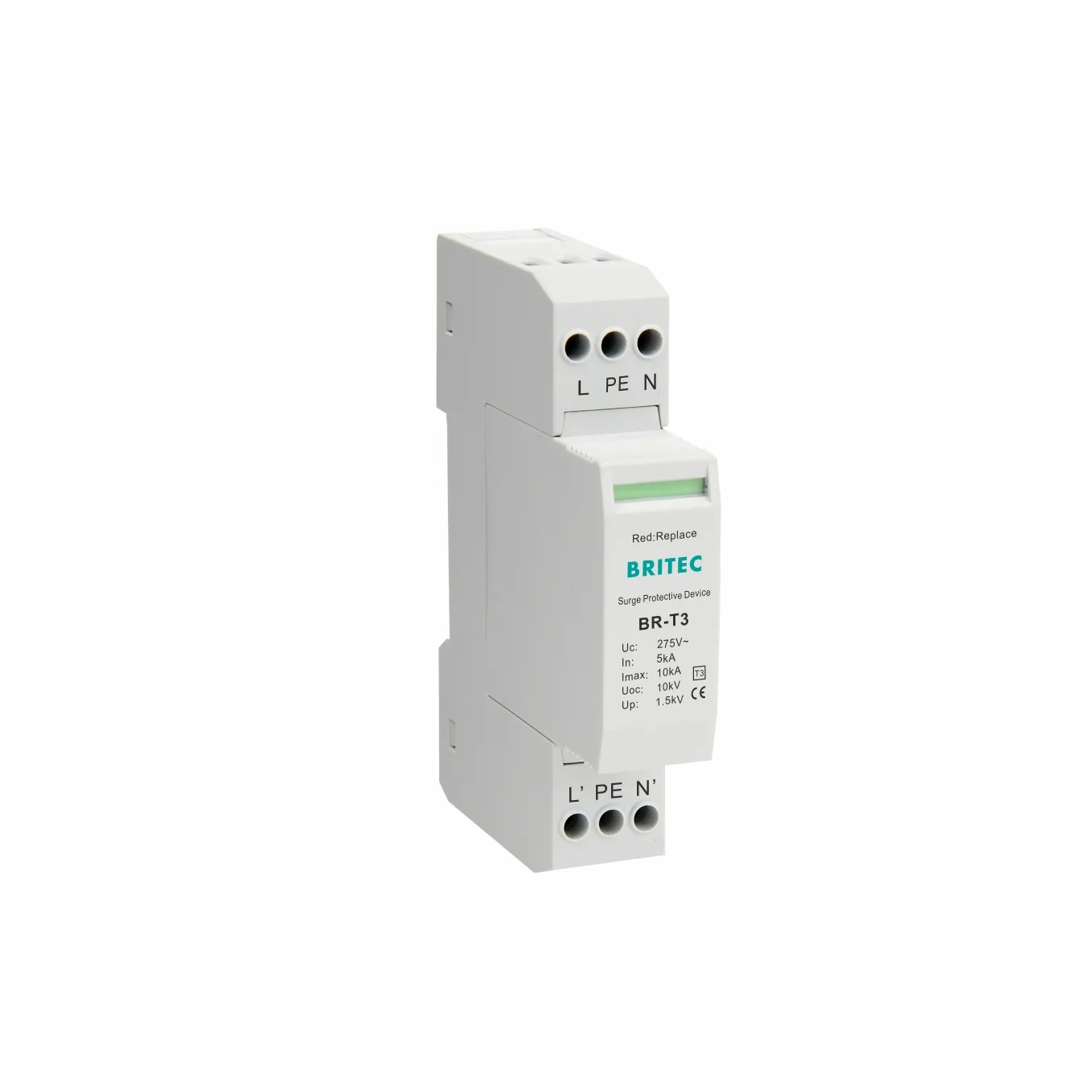
A Type 3 SPD is designed to absorb and divert transient surge energy away from connected equipment. During normal operation, the internal surge protection components gradually degrade as they handle repeated overvoltage events. Once the protective components become worn, the SPD may lose its ability to respond quickly and effectively.
Identifying replacement requirements early can prevent unexpected equipment failures and improve overall system reliability. The following conditions indicate that a Type 3 Surge Protective Device may need inspection or replacement.
The service life of a Type 3 SPD depends on several factors, including surge frequency, surge intensity, installation environment, and product quality. Unlike mechanical devices with a fixed replacement schedule, the lifespan of an SPD is mainly determined by the number and severity of surge events it experiences.
During a surge event, the internal metal oxide varistor (MOV) or other protective components absorb excess electrical energy. Each surge causes a small amount of degradation. Over time, repeated surge exposure reduces the SPD’s maximum discharge capability and voltage protection performance.
| Factor | Impact On SPD Lifespan |
|---|---|
| Number of surge events | Frequent surges accelerate internal component aging |
| Surge intensity | High-energy surges can quickly reduce protection capability |
| Electrical system stability | Voltage fluctuations increase SPD stress |
| Installation environment | Heat, humidity, and contamination may shorten service life |
| SPD quality and design | Higher-quality devices generally provide longer operating reliability |
In many applications, a Type 3 SPD may operate effectively for several years under normal conditions. However, facilities with frequent lightning activity, unstable power systems, or industrial electrical environments may require more frequent inspection and replacement.
One of the easiest ways to determine whether an SPD Type 3 needs replacement is through visual inspection. Physical damage often indicates that the internal protection components have been damaged and the device may no longer provide reliable surge protection.
If any physical damage is detected, the Type 3 surge protector should be disconnected and replaced immediately. Continuing to use a damaged SPD may create additional risks for connected electrical equipment.
A Type 3 SPD can fail internally even when there are no visible external signs of damage. As the internal surge protection components degrade, the device may still appear normal but provide reduced protection performance.
Common indicators of reduced surge protection performance include increased equipment failures after electrical disturbances, unstable operation of sensitive devices, or repeated damage following minor surge events.
When a surge protector can no longer maintain the required voltage protection level, it cannot effectively prevent transient overvoltage from reaching connected equipment. In this situation, a Surge Protector Replacement is necessary to restore protection capability.
One of the strongest indications that a Type 3 SPD has failed is repeated damage to connected electrical devices after surge events. If computers, communication equipment, control systems, or other sensitive electronics continue to experience failures despite having surge protection installed, the SPD may no longer be functioning properly.
A healthy Type 3 SPD should reduce surge voltage before it reaches terminal equipment. When the device becomes degraded, excessive transient voltage may pass through and damage downstream equipment.
Frequent equipment damage may indicate several possible problems:
Regular Surge Protection Maintenance and timely replacement help ensure that Type 3 SPD systems continue providing reliable protection for sensitive electrical loads.
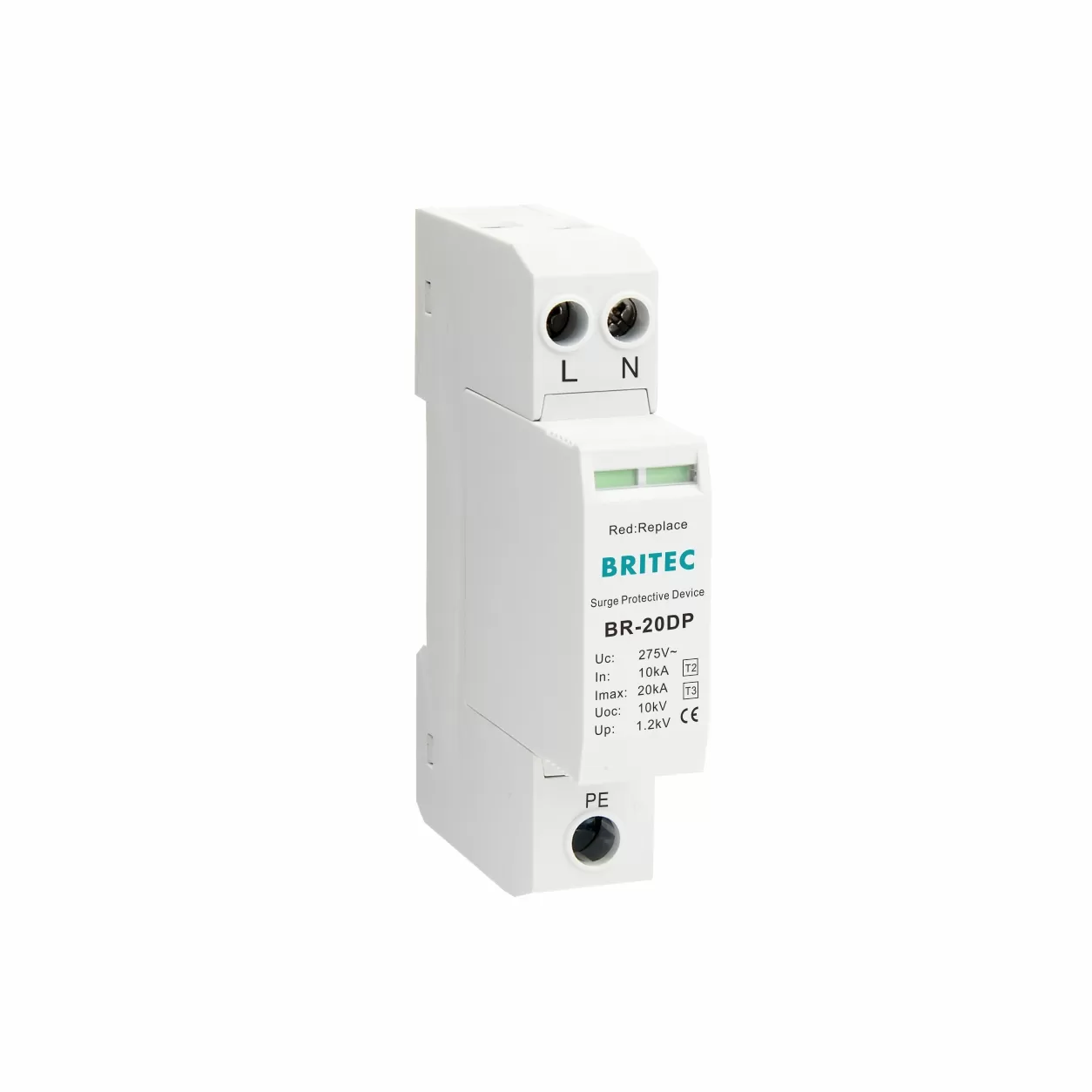
Before replacing a Type 3 SPD, it is important to verify whether the device is still operating correctly. Regular inspection helps identify performance degradation before serious electrical equipment damage occurs.
Many modern Type 3 SPD products include a built-in status indicator that shows whether the device is functioning normally. This indicator is one of the simplest methods for checking SPD condition without specialized testing equipment.
| Indicator Status | Meaning |
|---|---|
| Normal indicator display | SPD protection components are operating normally |
| Warning or failure indication | Internal protection components may be damaged |
| No indicator signal | SPD may have lost protection function or power connection |
If the status indicator shows a failure condition, the Type 3 surge protector should be replaced according to the manufacturer’s instructions.
Professional electrical testing can provide a more accurate evaluation of Type 3 SPD condition. Maintenance personnel can use appropriate testing instruments to measure electrical characteristics and determine whether the device still meets protection requirements.
Testing may include checking leakage current, insulation condition, protective voltage level, and connection integrity. These inspections are especially important for commercial buildings, industrial facilities, and critical electrical systems.
A Type 3 SPD may fail prematurely if it is installed incorrectly or exposed to unsuitable operating conditions. During inspection, technicians should check the installation environment and verify that all connections remain secure.
The lifespan of a Type 3 SPD depends heavily on operating conditions and electrical system characteristics. Although surge protective devices are designed to handle transient overvoltage, repeated stress can gradually reduce their ability to provide effective protection.
Understanding the main factors that shorten Surge Protector Lifespan helps facility managers and electrical professionals develop better Surge Protection Maintenance strategies and determine when replacement is required.
Frequent surge events are one of the primary reasons a Type 3 SPD reaches the end of its service life. Each time the device absorbs excessive voltage energy, its internal protective components experience thermal and electrical stress.
Areas with frequent thunderstorms, lightning activity, or unstable power networks usually expose surge protection devices to more electrical disturbances. Even if a surge is not strong enough to immediately destroy the SPD, repeated smaller surges can gradually reduce its protective capacity.
Common sources of repeated surge events include:
In environments with frequent transient overvoltage conditions, regular inspection of SPD Type 3 devices is recommended to ensure continuous protection performance.
Choosing the wrong Type 3 surge protector for an electrical application can significantly reduce its lifespan. An SPD must match the system voltage, electrical configuration, and protection requirements of the connected equipment.
If a Type 3 SPD is installed in an application where the surge level exceeds its rated capability, the internal components may become overloaded and degrade faster.
| Selection Issue | Possible Result |
|---|---|
| Incorrect voltage rating | Reduced protection performance or premature failure |
| Insufficient discharge capacity | SPD cannot handle expected surge energy |
| Wrong installation location | Limited protection effectiveness |
| Poor coordination with upstream SPDs | Higher stress on terminal protection devices |
A properly selected Type 3 SPD Surge Protector should be coordinated with other surge protection levels in the electrical system to provide complete protection.
Environmental conditions also have a significant impact on Type 3 SPD durability. Although many surge protectors are designed for reliable operation, extreme conditions can accelerate component aging.
Factors that may shorten SPD service life include:
For industrial environments or locations with challenging conditions, selecting a Type 3 surge protective device with suitable environmental protection ratings can improve long-term reliability.
When a Type 3 SPD shows signs of failure or reaches the end of its service life, replacing it promptly is essential to maintain electrical equipment protection. A replacement should not only restore surge protection performance but also match the requirements of the existing electrical system.
Selecting a replacement Type 3 SPD requires careful consideration of electrical specifications, installation conditions, and equipment protection requirements.
For commercial and industrial applications, choosing a reliable Type 3 surge protective device from an experienced SPD manufacturer can improve system safety and reduce maintenance costs.
Proper installation is critical after replacing a Type 3 SPD. Even a high-quality surge protector may not perform effectively if it is installed incorrectly.
After replacement, regular inspection schedules should be established to monitor SPD condition and maintain reliable surge protection performance.
Regular inspection is an essential part of electrical safety management. Since a Type 3 SPD can gradually lose performance without obvious external damage, periodic checks help identify problems before equipment failures occur.
Effective Surge Protection Maintenance provides several important benefits:
For facilities that depend on computers, automation systems, communication equipment, or other sensitive electronics, maintaining functional Type 3 SPD protection is an important part of preventing costly electrical damage.
The lifespan of a Type 3 SPD depends on surge frequency, electrical conditions, installation environment, and product quality. Under normal operating conditions, many devices can provide reliable protection for several years, but frequent surge exposure may require earlier replacement.
In most cases, a damaged Type 3 SPD should not be repaired. Internal surge protection components such as MOVs may degrade after surge events, and replacing the entire device is usually the safest and most reliable solution.
A Type 3 surge protector can be checked by reviewing its status indicator, inspecting physical conditions, verifying electrical connections, and performing professional electrical testing when necessary.
A surge protection device should be replaced when it shows failure indicators, visible damage, reduced protection performance, or repeated equipment damage after surge events.
Yes. A Type 3 SPD gradually wears out because internal components absorb surge energy over time. Repeated electrical stress reduces its ability to provide effective transient voltage protection.
A damaged SPD may no longer provide reliable protection. Even if connected equipment continues operating normally, a failed surge protector may allow harmful transient voltage to reach sensitive devices.
Common causes include frequent surge events, lightning activity, incorrect SPD selection, excessive electrical stress, overheating, and unsuitable installation environments.
A Type 3 SPD does not always require immediate replacement after every lightning event. However, if a strong surge occurs, the device should be inspected because internal components may have been damaged even without visible signs.
A Type 3 SPD plays an important role in protecting sensitive electrical equipment from transient overvoltage. However, like any protective device, it has a limited service life and requires regular inspection to maintain reliable performance.
Visible damage, failed status indicators, reduced surge protection capability, and repeated equipment failures are important signs that a Type 3 SPD may need replacement. Understanding the factors that affect Surge Protector Lifespan and following proper Surge Protection Maintenance practices can help ensure continuous electrical protection.
By selecting the correct Type 3 SPD Surge Protector, installing it properly, and replacing aging devices when necessary, businesses can improve electrical system reliability and reduce the risk of costly equipment damage.