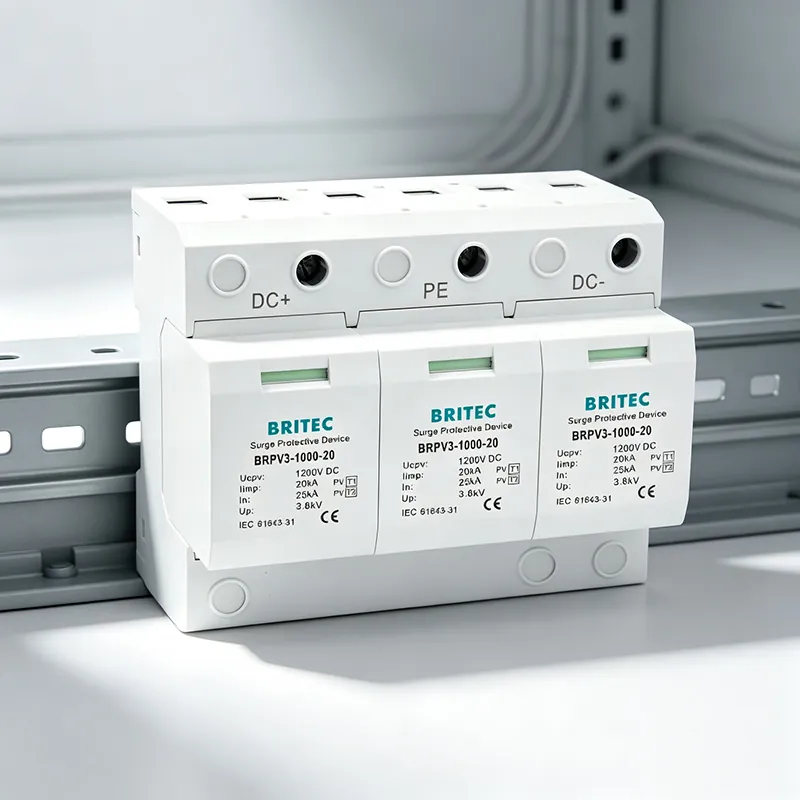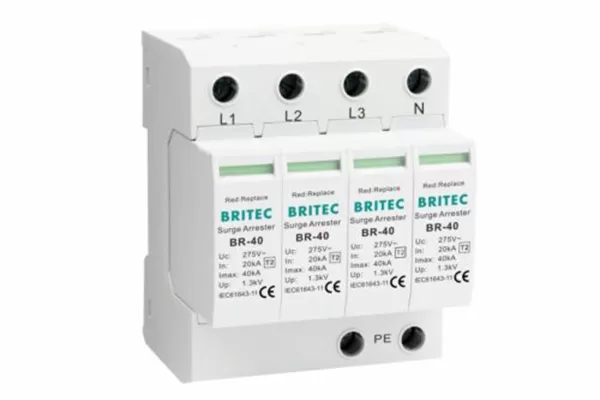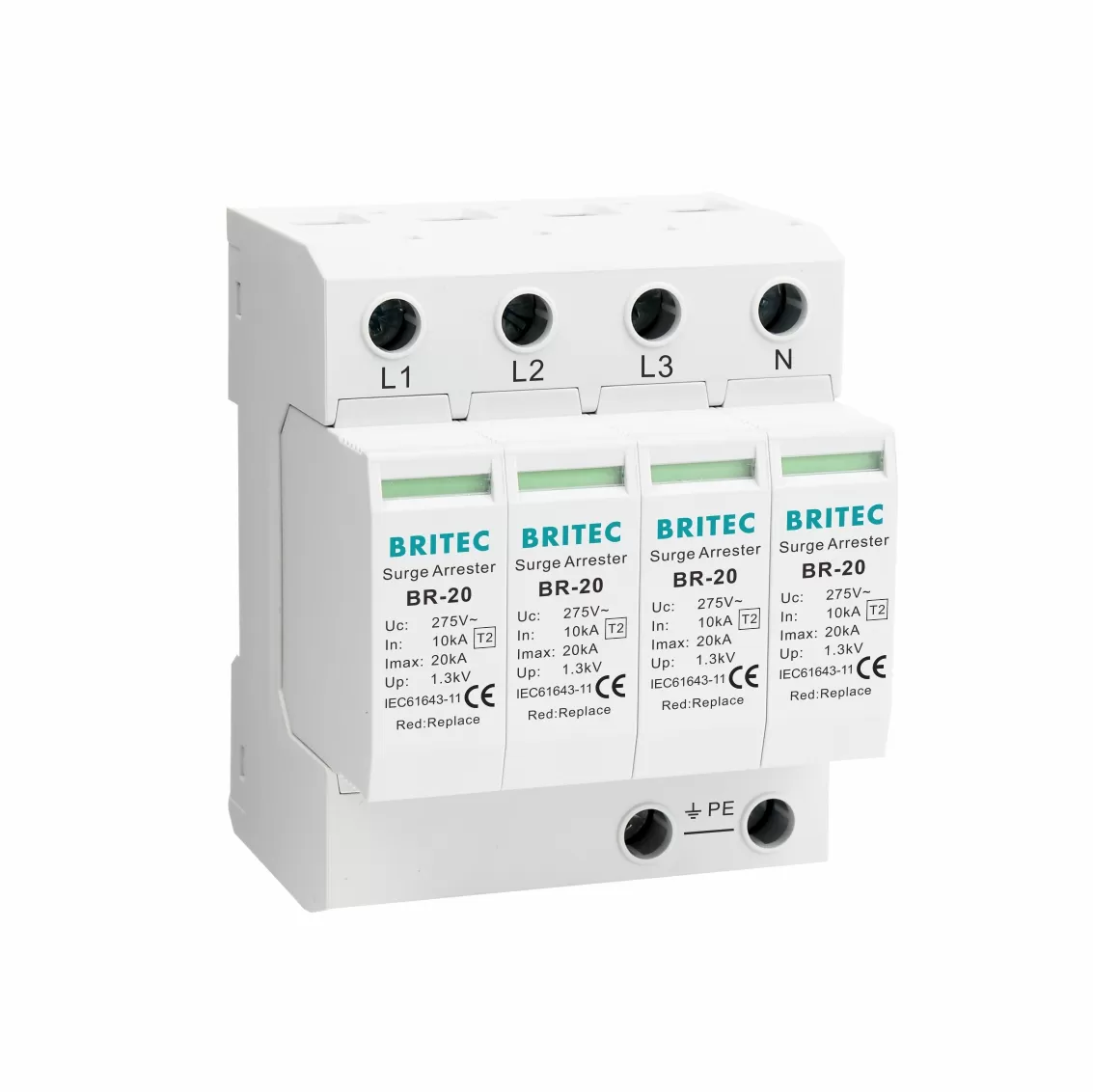

A lightning strike does not have to hit your building to destroy its electrical equipment. A single indirect strike can inject thousands of amperes of transient overvoltage into power and signal lines, silently degrading — or instantly wrecking — the controllers, drives, and panels that keep a facility running. For B2B buyers, electrical engineers, and panel builders, a lightning surge protector is the front-line defense that keeps that energy away from sensitive loads.
This guide explains how lightning surge protectors defend electrical equipment, which device type fits each application, and what to specify when you source protection for an industrial, commercial, or utility project.
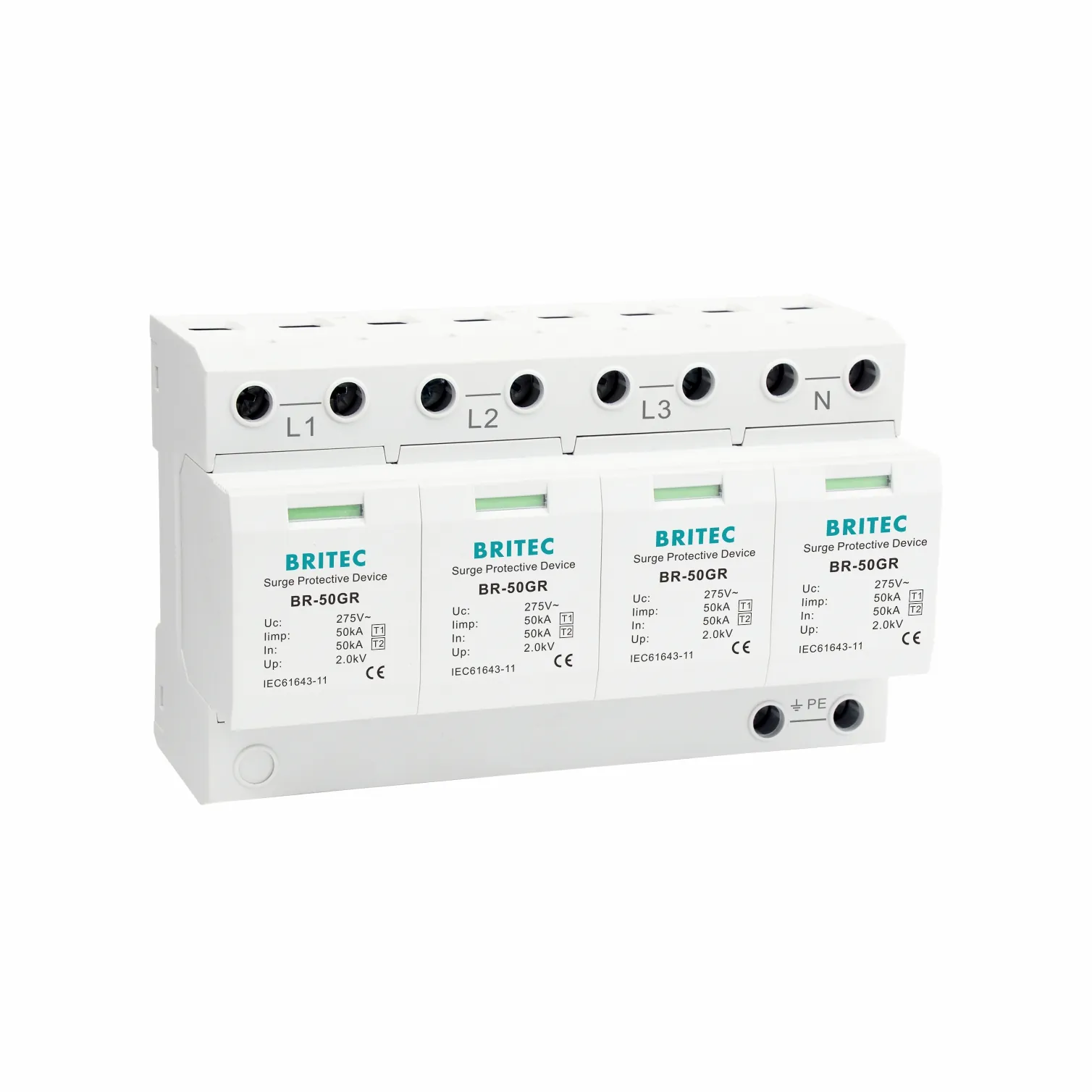
A lightning surge protector — more formally a Tyypin 1 ylijännitesuojalaite when rated for direct-lightning locations — is a component mounted in or near the main distribution board. Its job is to sense a dangerous voltage rise and divert the surge current safely to earth before it reaches downstream equipment.
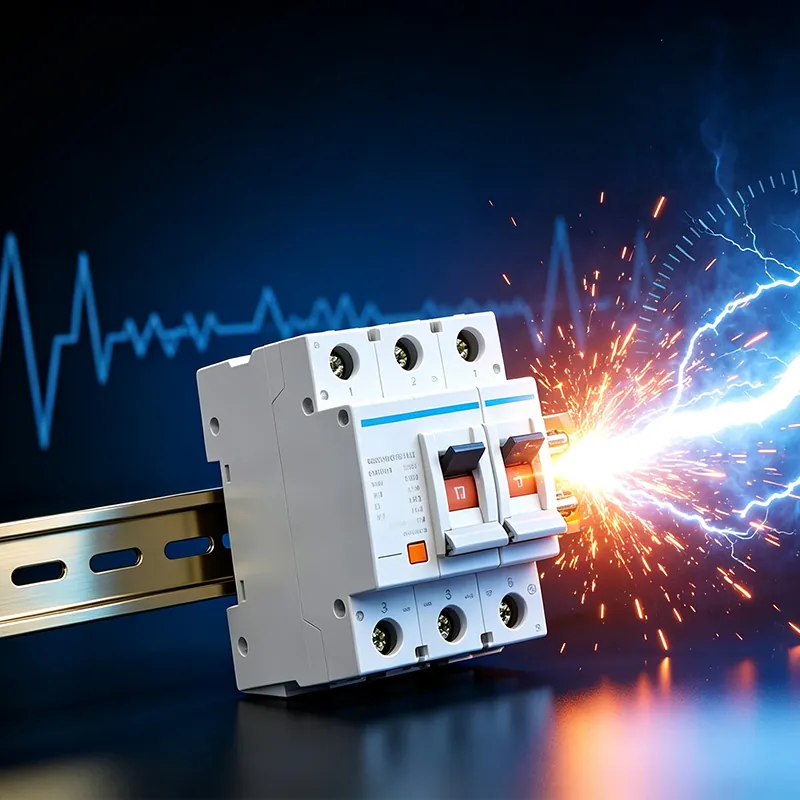
Unlike a circuit breaker, which protects against overload and short-circuit, a surge protector reacts in nanoseconds. It stays invisible during normal operation and only activates when a transient overvoltage appears on the line.
Modern electrical equipment is more vulnerable than ever. Microprocessor-based controllers, variable-frequency drives, PLCs, and IoT gateways all run on low operating voltages, so even a brief spike can exceed their withstand limit. Common damage paths include:
● Direct and nearby lightning strikes — a strike to a structure, power line, or ground grid launches a high-energy traveling wave into the installation.
● Switching overvoltage — energizing transformers, capacitor banks, or large motors creates fast transients on the same bus.
● Ground-potential rise — lightning current in the earth electrode pushes voltage differences between separated equipment, stressing communication and data lines.
● Induced surges on cabling — long instrument and network cables act as antennas, picking up energy from the strike electromagnetic field.
Left unprotected, these events cause costly industrial surge damage: burnt PCBs, locked drives, corrupted data, and unexplained nuisance trips that waste hours of downtime.
A surge protector defends equipment through three coordinated actions:
● Diverting the current — metal-oxide varistor (MOV) elements clamp the overvoltage and route the bulk of the surge current to the protective earth conductor.
● Clamping the voltage — once triggered, the device limits the residual voltage (Up, the voltage protection level) to a value the connected equipment can withstand.
● Coordinating the stages — Type 1, Type 2, and Type 3 devices share the energy in a cascade, so no single stage sees more than it is rated for.
The lower the Up, the better the protection for sensitive electronics. That is why specifiers match the SPD voltage protection level to the equipment immunity class.
Choosing the right class is the difference between compliant protection and a false sense of security. The IEC 61643 classes map to where the surge enters the building:
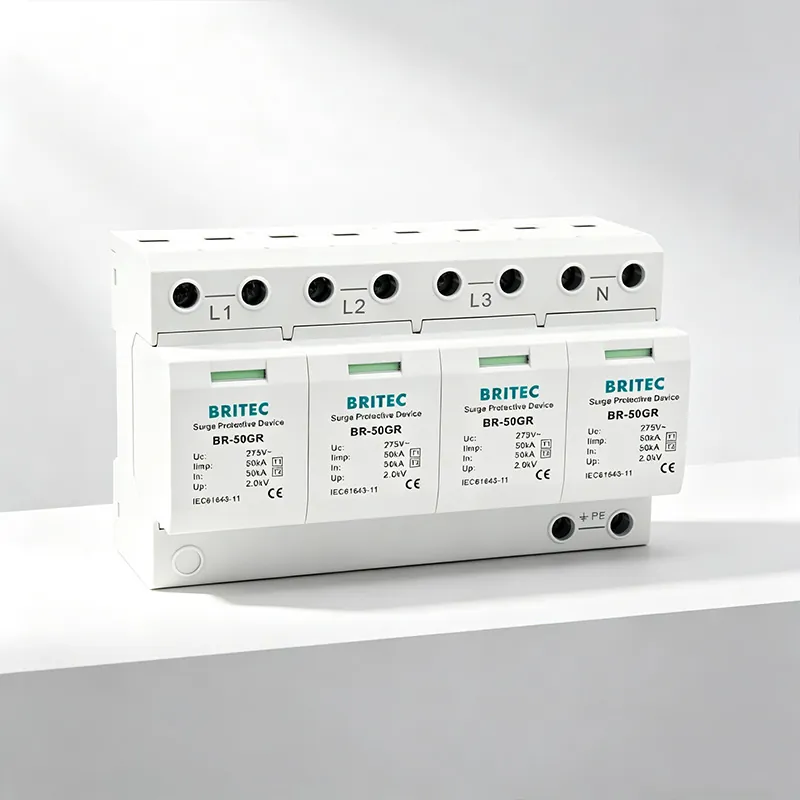
● Type 1 (T1) — rated to discharge partial lightning current (Iimp) at the service entrance, used when a building has an external lightning protection system or is exposed to direct strikes.
● Type 1+2 (T1+T2) — combines both functions in one module for cost-effective combined protection at the main incomer.
● Type 2 (T2) — handles the majority of induced and switching surges in sub-distribution and is the workhorse of panel-level protection.
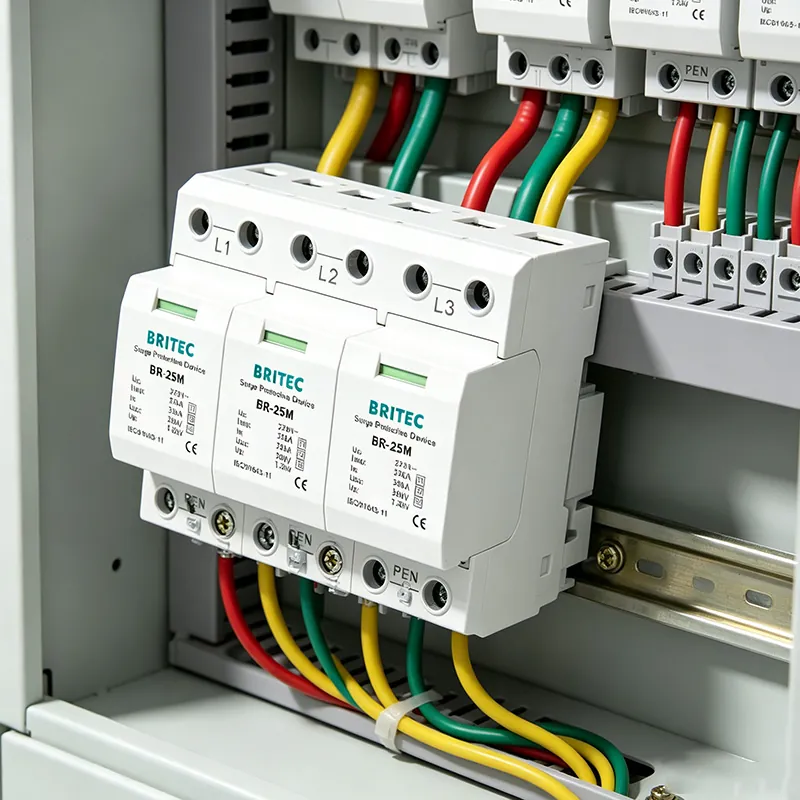
Britec’s BR-50GR 50kA Type 1 surge arrester ja BR-25M 25kA Type 1 surge arrester are built for exactly these service-entrance roles. See our comparison of Type 1 vs Type 1+2 surge protectors for selection detail.
Effective protection follows the zones of a building. A well-designed scheme layers devices so energy is shed as it travels inward:
● Main incomer (Zone 0/1) — a Type 1 or Type 1+2 device at the service entrance catches the heaviest lightning current.
● Sub-distribution boards — Type 2 devices protect branch circuits feeding machines and control rooms.
● Equipment level — Type 3 point-of-use protectors guard the final meter before sensitive electronics.
The boundary between a lightning arrester and a Type 1 SPD is often confused; our guide clarifies the distinct protection roles each plays.
When you specify protection for a client or factory, confirm these parameters before issuing a purchase order:
● Discharge capacity (Iimp / Imax) — match the class and kA rating to the strike exposure of the site.
● Jännitteen suojaustaso (ylös) — keep it at or below the equipment withstand voltage.
● Response time and leakage — faster clamping and lower standby current mean less stress on the network.
● Status indication and backup — visual fault flags and coordinated backup protectors simplify maintenance.
● Certifications — require IEC 61643 compliance and third-party marks (TUV, CE, Intertek SEMKO) for audit-ready projects.
Meidän SPD Type 1 design considerations for electrical engineers walk through the coordination math in practice.
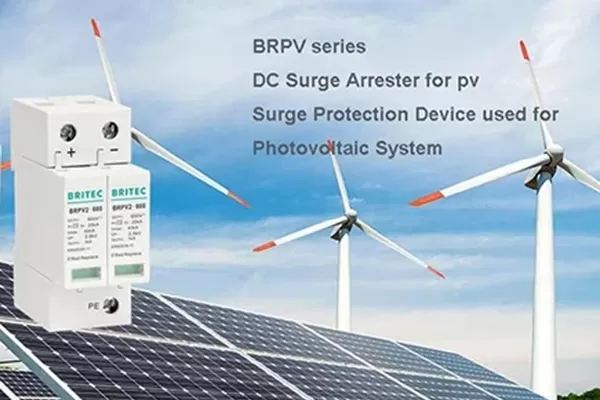
Lightning surge protectors earn their place wherever equipment cannot afford downtime:
● Industrial plants and motor control centers — protect VFDs, PLCs, and sensors from switching and strike transients.
● Solar PV and storage — DC and AC-side SPDs stop lightning from propagating through string and inverter circuits.
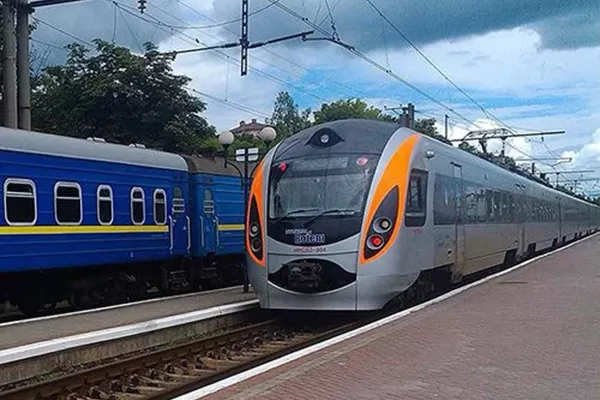
● Transport and rail — signaling and traction power need coordinated protection across long exposed routes.
● Commercial buildings — servers, HVAC, and access control all benefit from layered panel protection.
Q: What is the difference between a lightning arrester and a surge protective device?
A: A lightning arrester is typically a heavy-duty device at the service entrance that handles direct-strike current, while a surge protective device (SPD) is the modern IEC term covering Type 1 to Type 3 devices that clamp and divert transients. Read our surge protection device vs lightning arrester comparison.
Q: How does a lightning surge protector actually protect equipment?
A: Inside the SPD, metal-oxide varistors stay high-resistance during normal voltage but collapse to a low-resistance path when a surge appears, shunting the current to earth and clamping the residual voltage to a safe level (Up).
Q: Do I need a Type 1 SPD if my building already has a lightning rod?
A: Yes. A lightning rod protects the structure from fire but does nothing for the surge current that travels along power and data lines. Type 1 SPDs at the incomer catch that energy before it enters the installation.
Q: Where should a lightning surge protector be installed?
A: At the main incomer for Type 1, in sub-distribution boards for Type 2, and at the point of use for Type 3 — layered so each stage sheds part of the surge energy.
Q: Can one surge protector protect an entire building?
A: No single device can. Effective protection uses coordinated Type 1, Type 2, and Type 3 SPDs across the installation zones, sharing the surge energy in a cascade.
Q: What does Up (voltage protection level) mean?
A: Up is the maximum residual voltage the SPD lets through while clamping a surge. It must be at or below the withstand voltage of the equipment you are protecting.
Q: How long does a lightning surge protector last?
A: Service life depends on surge exposure and component quality. Quality SPDs include status indicators and end-of-life flags; many last 5 to 10 years in normal service.
Q: Are Britec surge protectors certified for international projects?
A: Yes. Britec products are certified by Intertek SEMKO, TUV, and CE, and are supplied to projects across Western and Eastern Europe, South America, and Asia.
Q: What is the difference between Type 1 and Type 1+2 SPDs?
A: Type 1 handles partial lightning current (Iimp) at the entrance; Type 1+2 combines that with Type 2 switching-surge protection in one module. Our Type 1 vs Type 1+2 guide explains when to use each.
Q: How do I select the right surge protector for my equipment?
A: Match the device class to the installation zone, confirm Iimp, Imax, and Up against site exposure and equipment immunity, and require IEC 61643 certification with third-party marks.
Lightning surge protectors protect electrical equipment by diverting and clamping transient overvoltage before it can reach sensitive loads. For B2B projects, the winning formula is the correct device class at each zone, certified components, and proper coordination — exactly what Britec has supplied to global buyers since 2003.
Talk to Britec’s engineering team for a coordinated Type 1 to Type 3 surge protection scheme matched to your site and equipment. Request a quote, datasheets, and IEC 61643 certification today.
● Surge Protection Device Vs Lightning Arrester: What’s The Difference
● What Is a Type 1 SPD and When Is It Required?
● Industrial Surge Protection Device: 7 Ways Surges Damage Plants