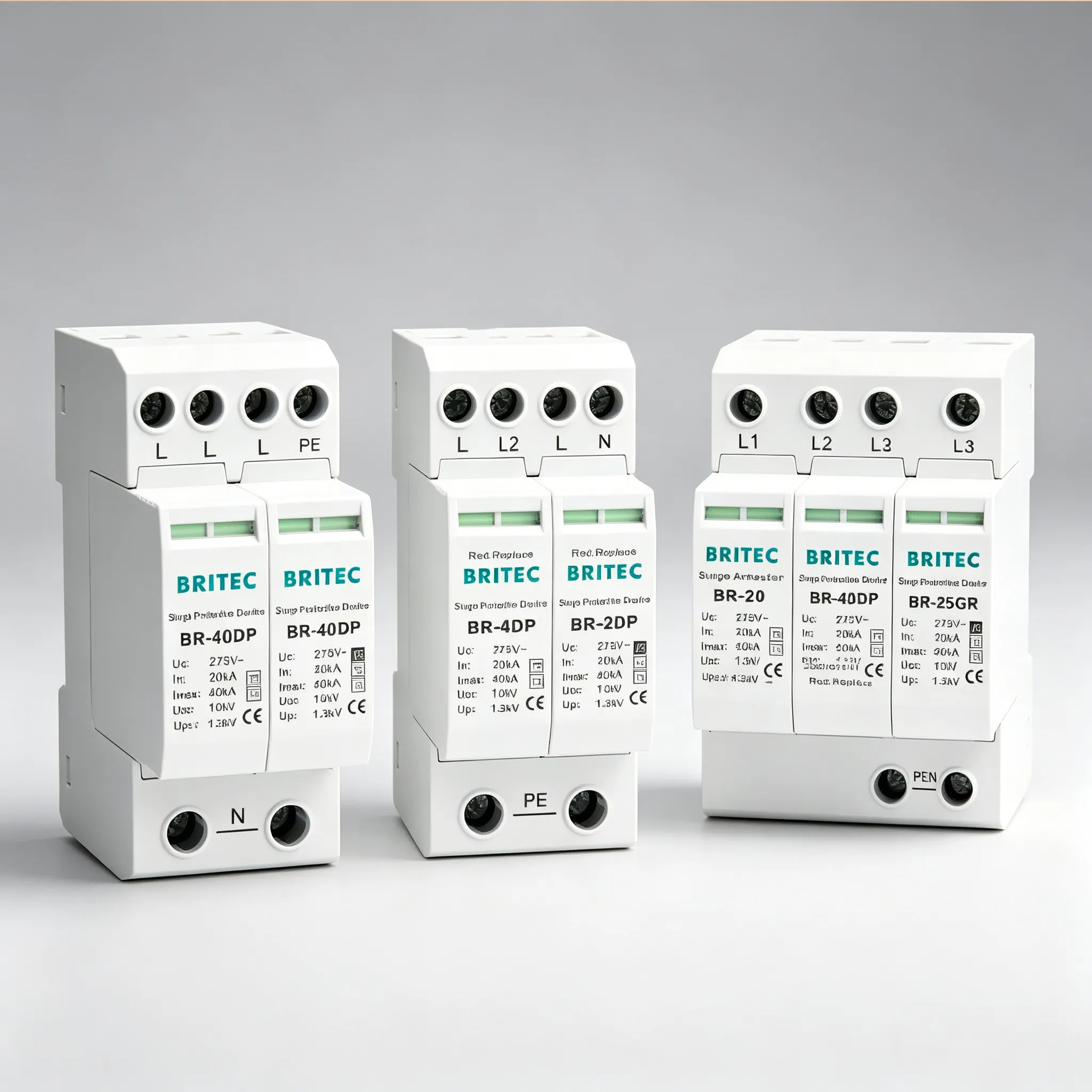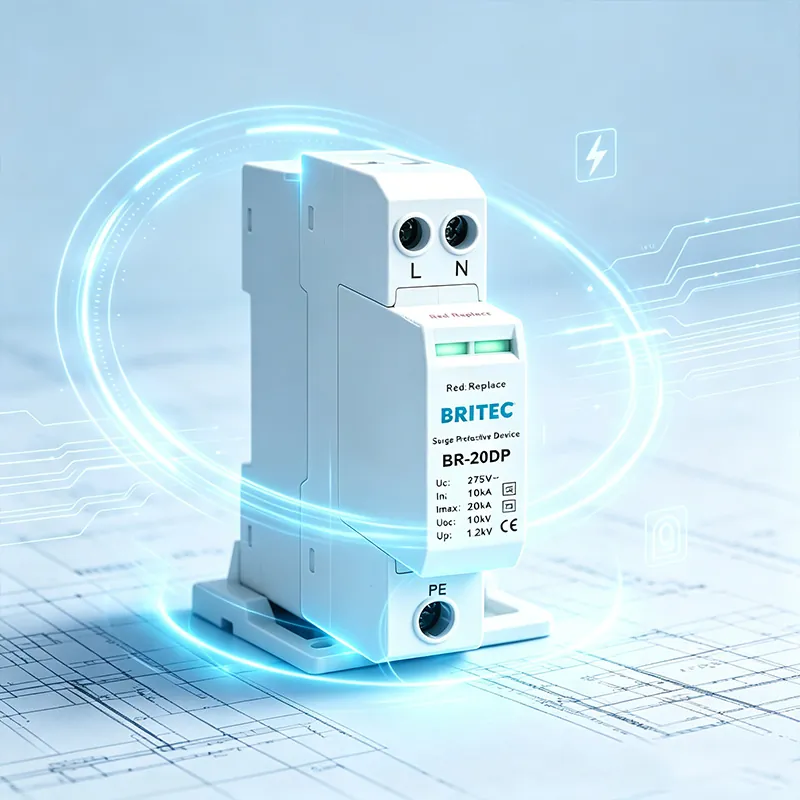

When you’re sourcing electrical components for a project, one question tends to come up sooner or later… “Do we really need surge protection here?”
Short answer—yes. And not just any protection, but the right type of surge protection device.
A surge protection device (SPD) is what stands between your equipment and unpredictable voltage spikes. In this guide, you’ll walk through the types of surge protection devices, how they function in real-world systems, and—more importantly—how to choose the right one for your application as a buyer.
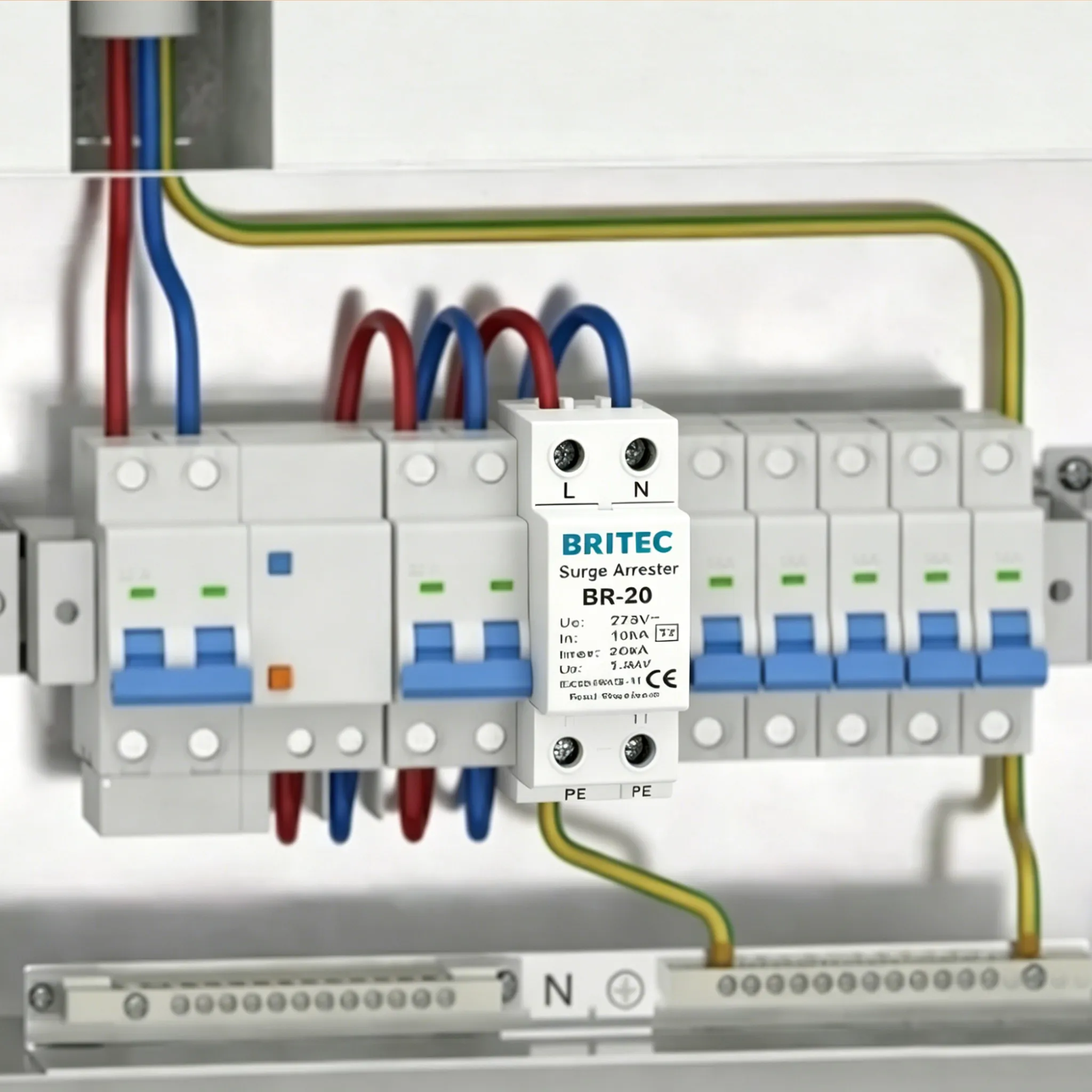
A surge protection device is designed to limit transient overvoltage and redirect surge currents safely to ground. That’s the textbook definition… but let’s keep it practical.
Think of it like this:
Your electrical system is constantly exposed to invisible threats—lightning strikes, switching surges, unstable grids. You don’t see them, but your equipment definitely feels them.
A properly selected surge protection device acts as a fast-response safety valve.
● Industrial control panels
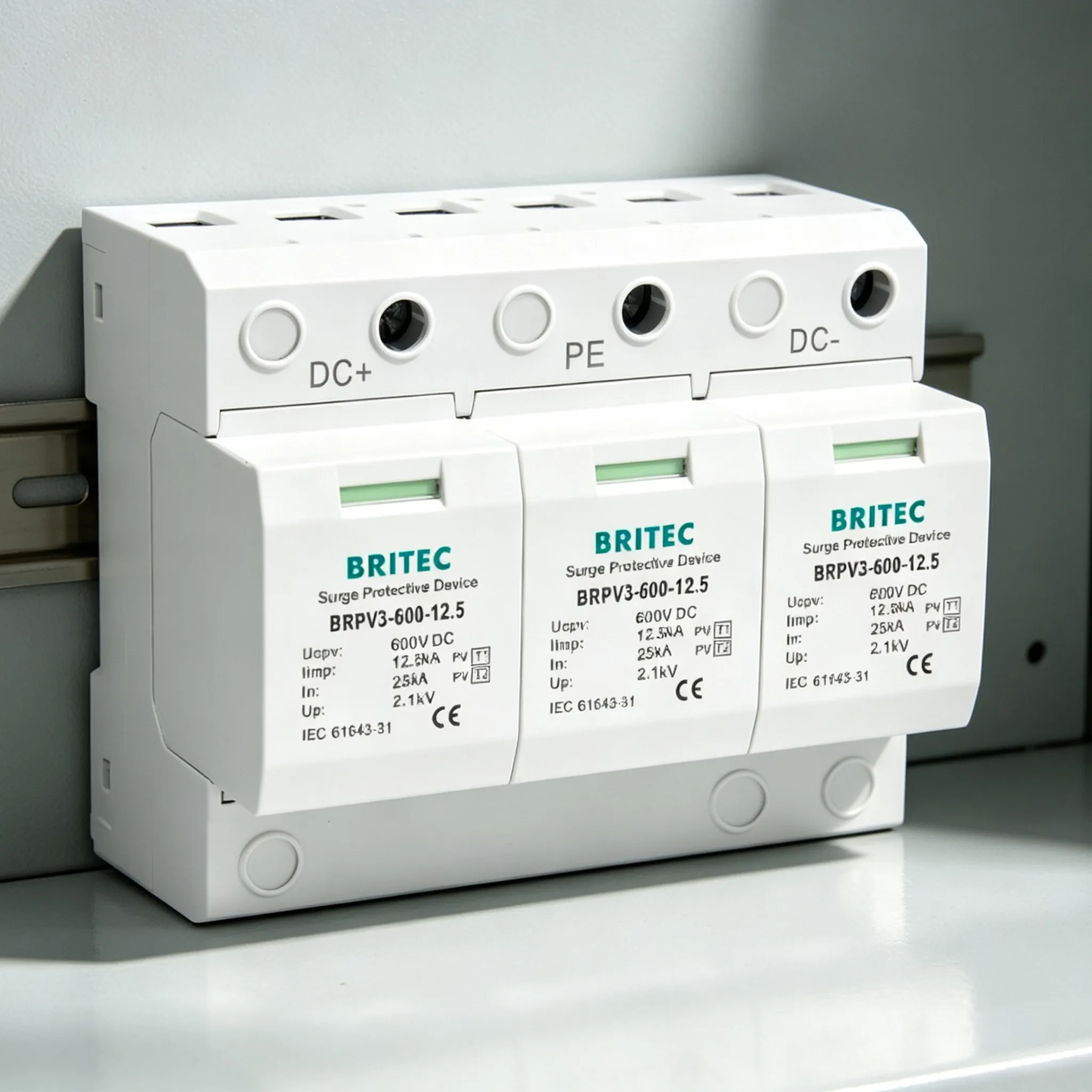
● Solar PV systems
● Commercial buildings
● Telecom infrastructure
● Residential distribution boards
● You’re not just buying a device—you’re buying system stability
● Wrong SPD = hidden risk
● Correct SPD = long-term cost control
The function of surge protection device is not just “blocking voltage”… it’s dynamic and responsive.
When voltage stays within normal limits, SPD stays inactive. But the moment a surge appears—it reacts instantly.
● Limits transient overvoltage before it reaches equipment
● Diverts surge current into grounding system
● Protects sensitive electronics from failure
● Stabilizes voltage during disturbances
● Reduces downtime and maintenance cost
Now here’s a quick real-world case.
A manufacturing client once experienced repeated PLC failures—random, unpredictable, expensive. After analysis, the issue wasn’t equipment quality… it was missing surge protection at the distribution level.
After installing Type 2 SPD? Failures dropped dramatically.
Sometimes, the simplest layer of protection makes the biggest difference.
This is where things get interesting.
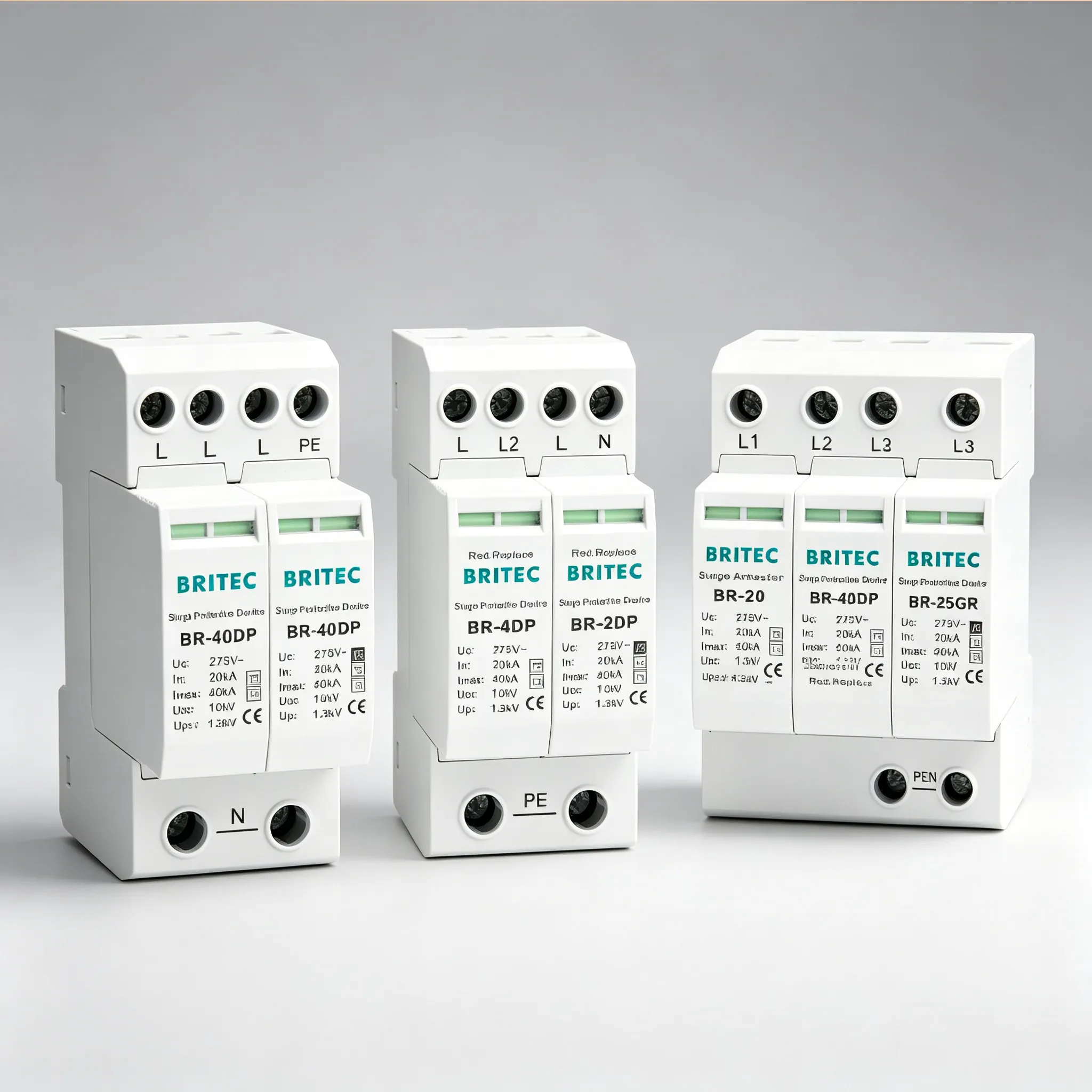
There isn’t just one SPD—there are multiple types of surge protection devices, each designed for a specific role in your electrical system.
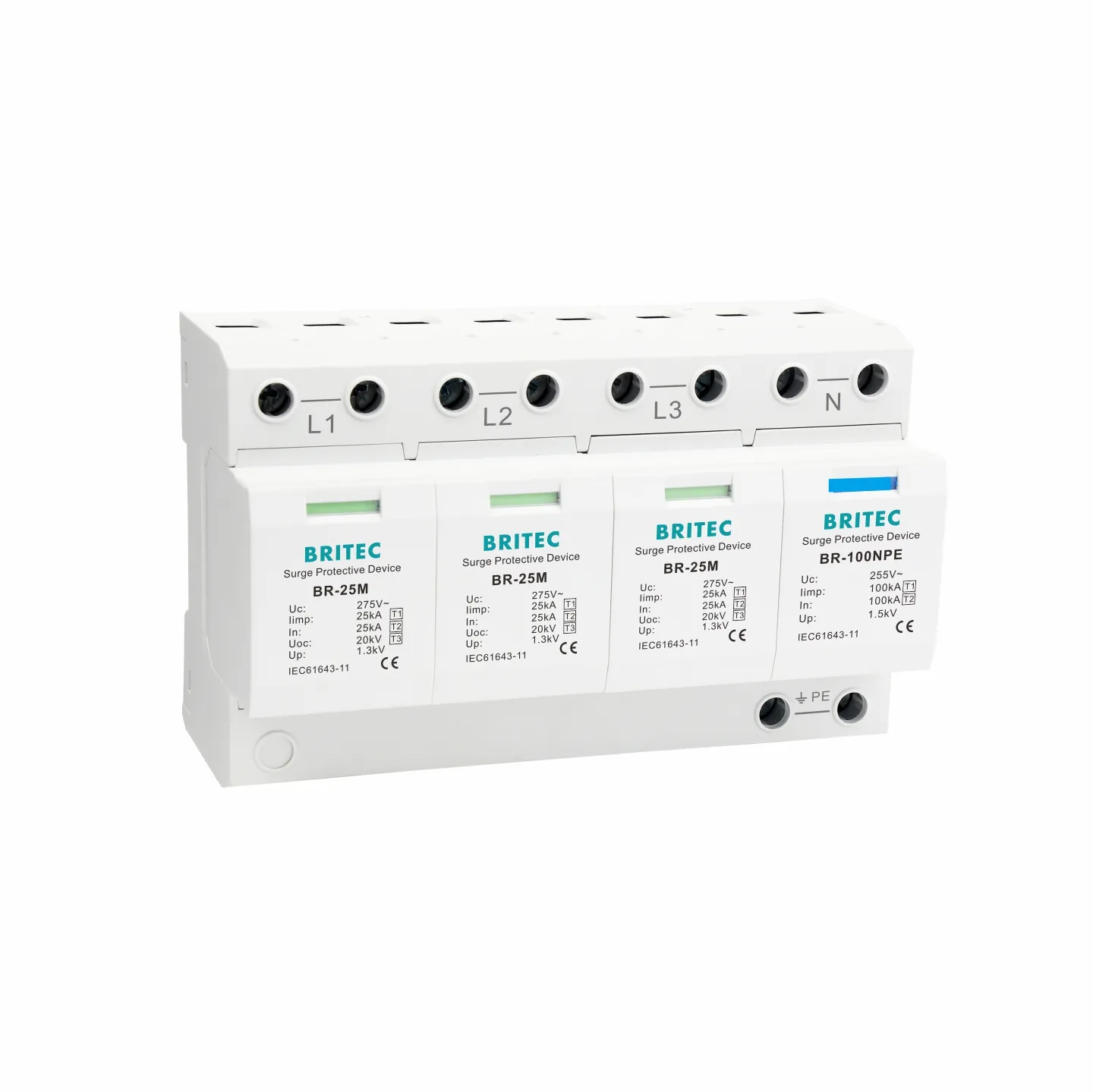
Installed at the main incoming power supply.
Designed to handle:
● Direct lightning currents
● High-energy surges
● External lightning protection systems
Typical use:
● Industrial facilities
● Large buildings
● Infrastructure projects
👉 Think of it as your first line of defense
This is the most widely used surge protection device in the market.
Installed in:
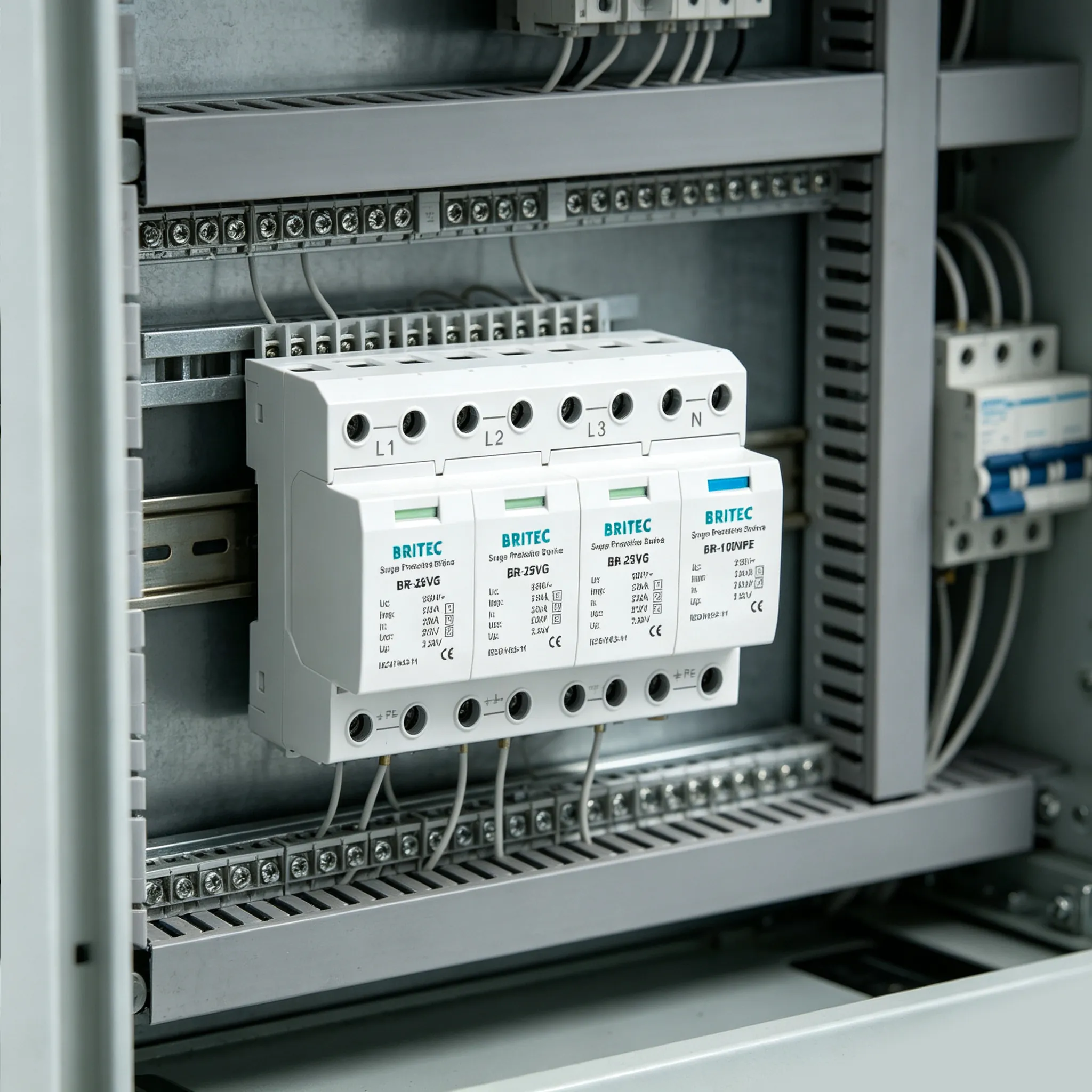
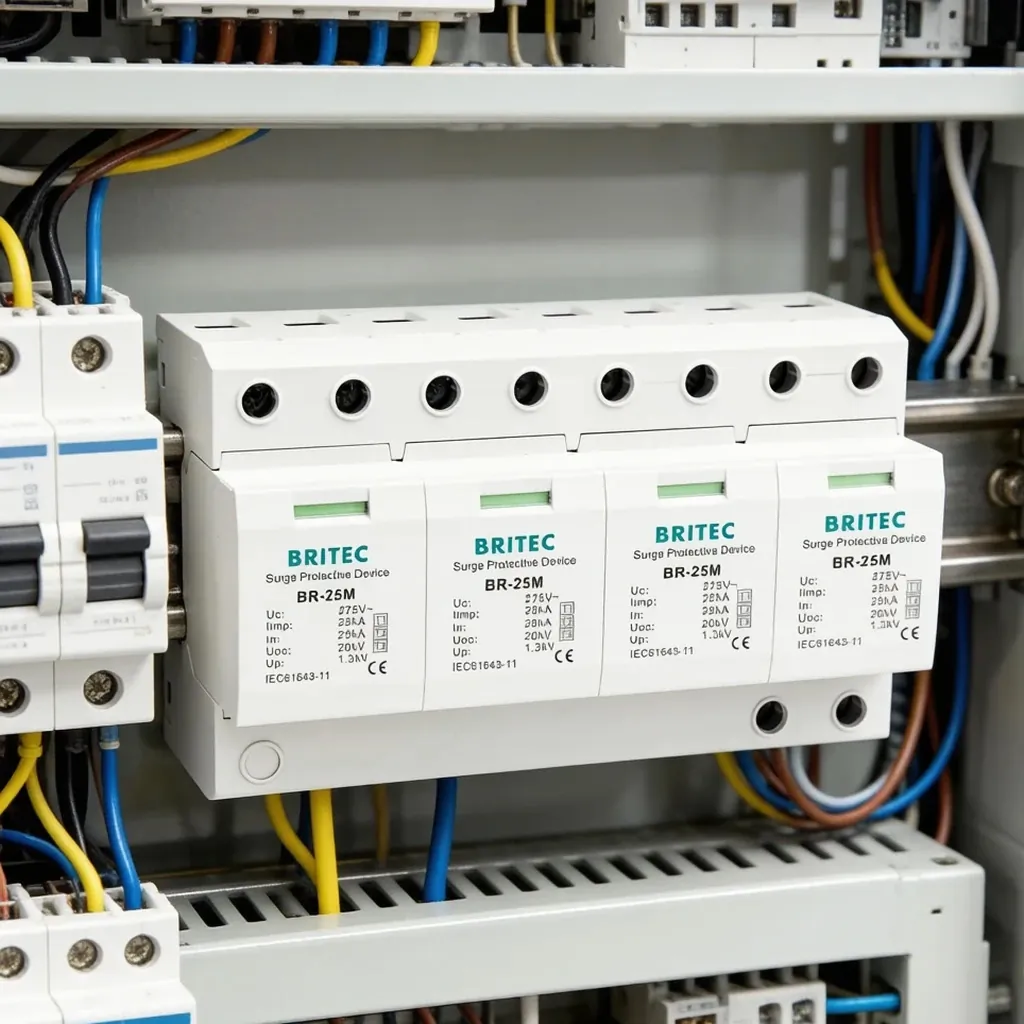
● Distribution boards
● Control panels
Protects against:
● Switching surges
● Indirect lightning
👉 Reference:https://www.britecelectric.com/blog/what-is-a-type-2-surge-protection-device/
👉 If you’re a buyer, this is probably the category you’ll purchase most often.
Installed close to sensitive equipment.
Used for:
● Final-stage protection
● Precision electronics
👉 Reference:https://www.britecelectric.com/blog/what-is-a-type-3-surge-protector/
| Typ | Installation Point | Poziom ochrony | Aplikacja | Surge Capacity |
|---|---|---|---|---|
| Typ 1 | Main entry | Wysoki | Lightning protection | Very high |
| Typ 2 | Distribution panel | Średni | Industrial/commercial | Średni |
| Typ 3 | Equipment side | Niski | Sensitive devices | Niski |
● Type 1 handles extreme energy
● Type 2 is the most practical choice
● Type 3 protects sensitive endpoints
● Combination systems offer best performance
● Selection depends on system structure
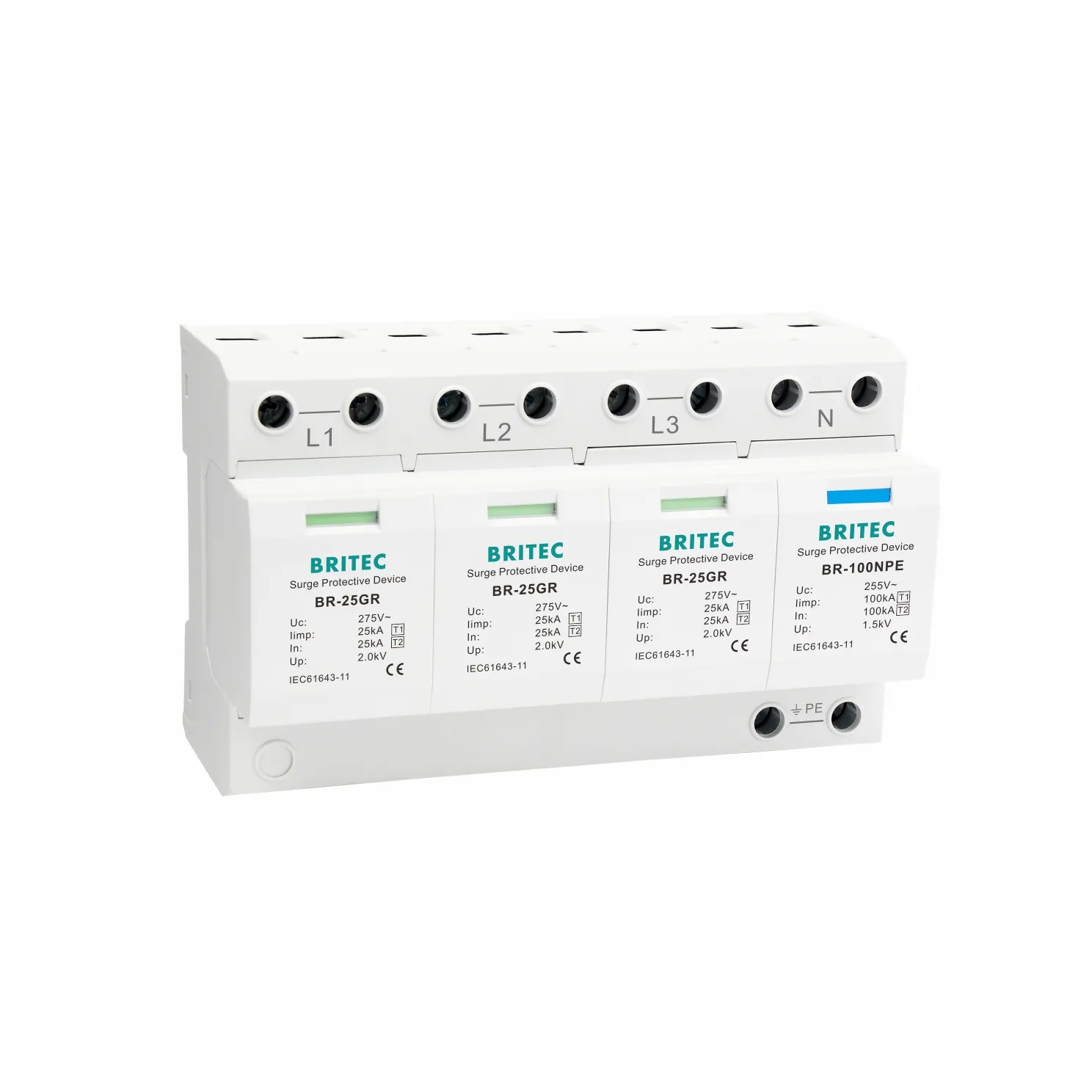
Let’s break this down simply.
A surge protection device works by switching from a high-resistance state to a low-resistance path when voltage exceeds a threshold.
● Voltage spikes suddenly
● SPD detects abnormal level
● Internal components activate
● Energy is diverted to ground
● System returns to normal
● MOV (Metal Oxide Varistor)
● GDT (Gas Discharge Tube)
● TVS diodes
In real-world systems, response speed is everything.
We’re talking microseconds… sometimes faster.
Even the best SPD won’t perform well if installed incorrectly.
Installation is often where projects go wrong—not product selection.
👉 Reference:https://www.britecelectric.com/blog/what-is-a-40ka-type-2-spd-features-and-installation-points-explained/
● Keep wiring as short as possible
● Ensure proper grounding
● Install at correct hierarchy level
● Use correct SPD type
● Avoid unnecessary cable loops
One solar EPC contractor reduced inverter failures significantly just by optimizing SPD wiring length.
Not replacing devices. Just improving installation.
That’s how sensitive surge protection really is.
What is a surge protection device
It is a device that protects electrical systems from voltage spikes
What are the types of surge protection devices
Type 1, Type 2, and Type 3
How does a surge protection device work
It diverts surge energy to ground
What is Type 2 SPD
A device used in distribution systems
Is surge protection necessary
Yes, especially in industrial and solar systems
Can SPD stop lightning
It reduces damage but cannot stop direct lightning
Where should SPD be installed
At distribution boards and near equipment
What is SPD full form
Surge Protective Device
What is the difference between Type 1 and Type 2 SPD
Type 1 handles lightning, Type 2 handles distribution surges
What is Type 3 SPD used for
Sensitive equipment protection
How long does SPD last
Depends on usage and surge exposure
Do SPDs need maintenance
Minimal, but inspection is recommended
What is DC SPD
SPD for solar and battery systems
What is AC SPD
SPD for standard electrical systems
What is SPD rating
It defines surge handling capacity
Can SPD fail
Yes, after repeated surges
What is surge current
Temporary high current spike
How to choose SPD
Based on voltage, location, and system type
Is SPD mandatory
Often required in modern systems
What is the purpose of SPD
Protect equipment and ensure system reliability
Wybór słuszności surge protection device isn’t just about specifications—it’s about understanding how your system behaves under stress. From types of surge protection devices to installation practices, every decision affects reliability, cost, and long-term performance.
If you’re sourcing for industrial, solar, or commercial applications, investing in the correct SPD configuration can prevent costly failures and downtime. Britec Electric provides reliable surge protection solutions designed for real-world performance.
Now might be the right time to evaluate your system and upgrade your surge protection strategy—before problems appear.
→ Rodzaje przemysłowych urządzeń przeciwprzepięciowych i stopniowane strategie ochrony
→ Co to jest urządzenie przeciwprzepięciowe typu 2?
→ Jaka jest różnica między urządzeniami przeciwprzepięciowymi typu 1, typu 2 i typu 3?