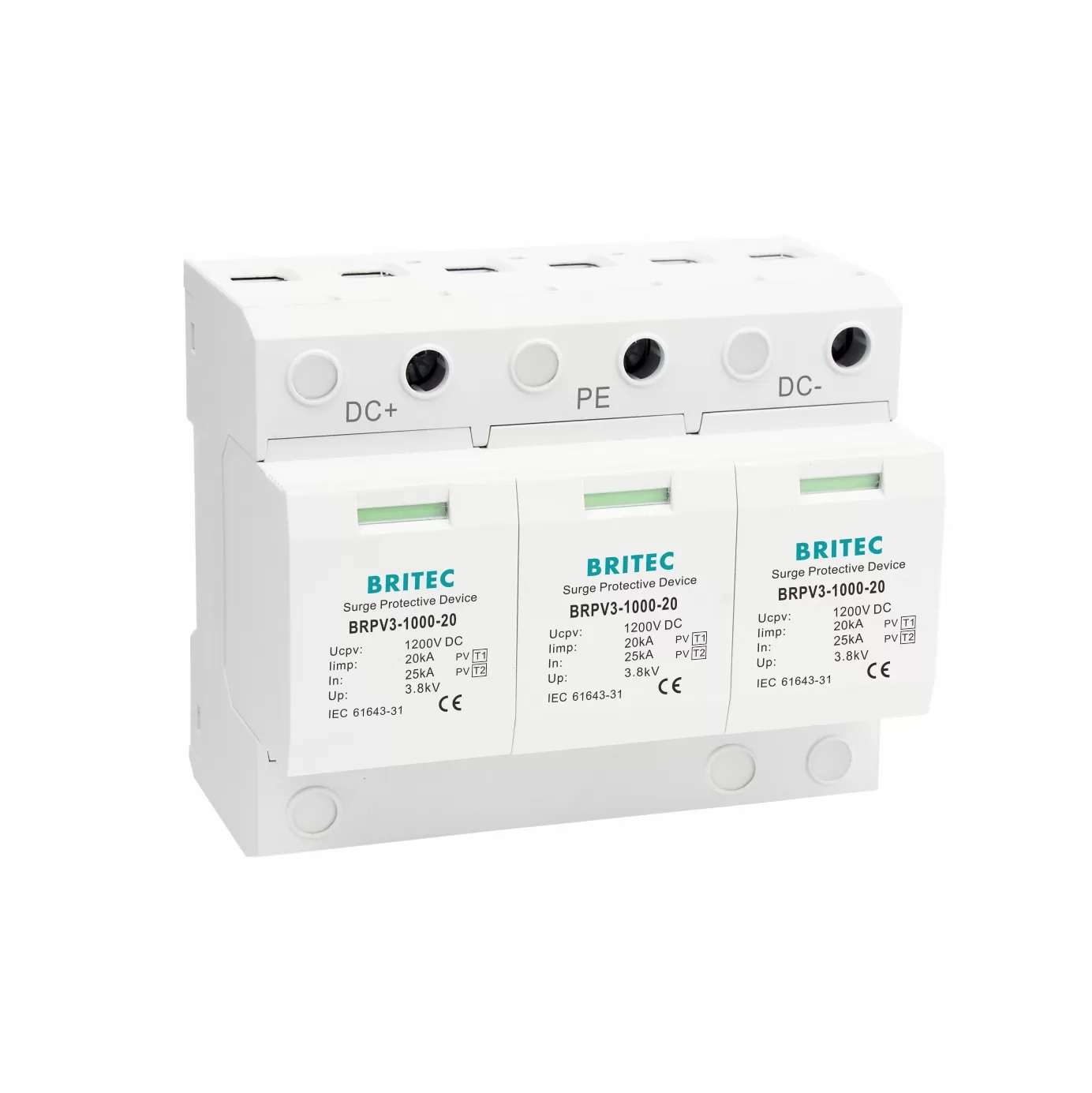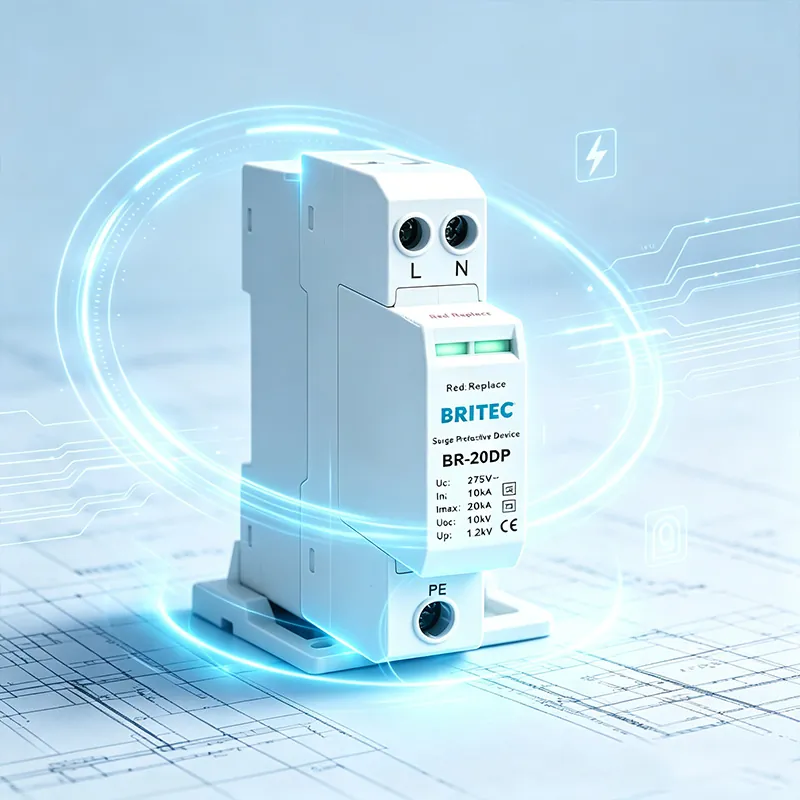

A Ochronnik przeciwprzepięciowy plays a critical role in modern electrical infrastructure, but its real effectiveness depends heavily on properly defined Surge Protector Ratings. These ratings determine how a SPD Surge Protector performs under transient overvoltage conditions and whether it can meet required Surge Protector Standards. Without correct rating selection, even a high-quality Power Surge Protector may fail to protect equipment or comply with safety codes.
Electrical safety codes exist to ensure systems operate safely under both normal and abnormal conditions. Surge protector ratings are a core part of these codes because they define the limits of performance, durability, and protective capability.
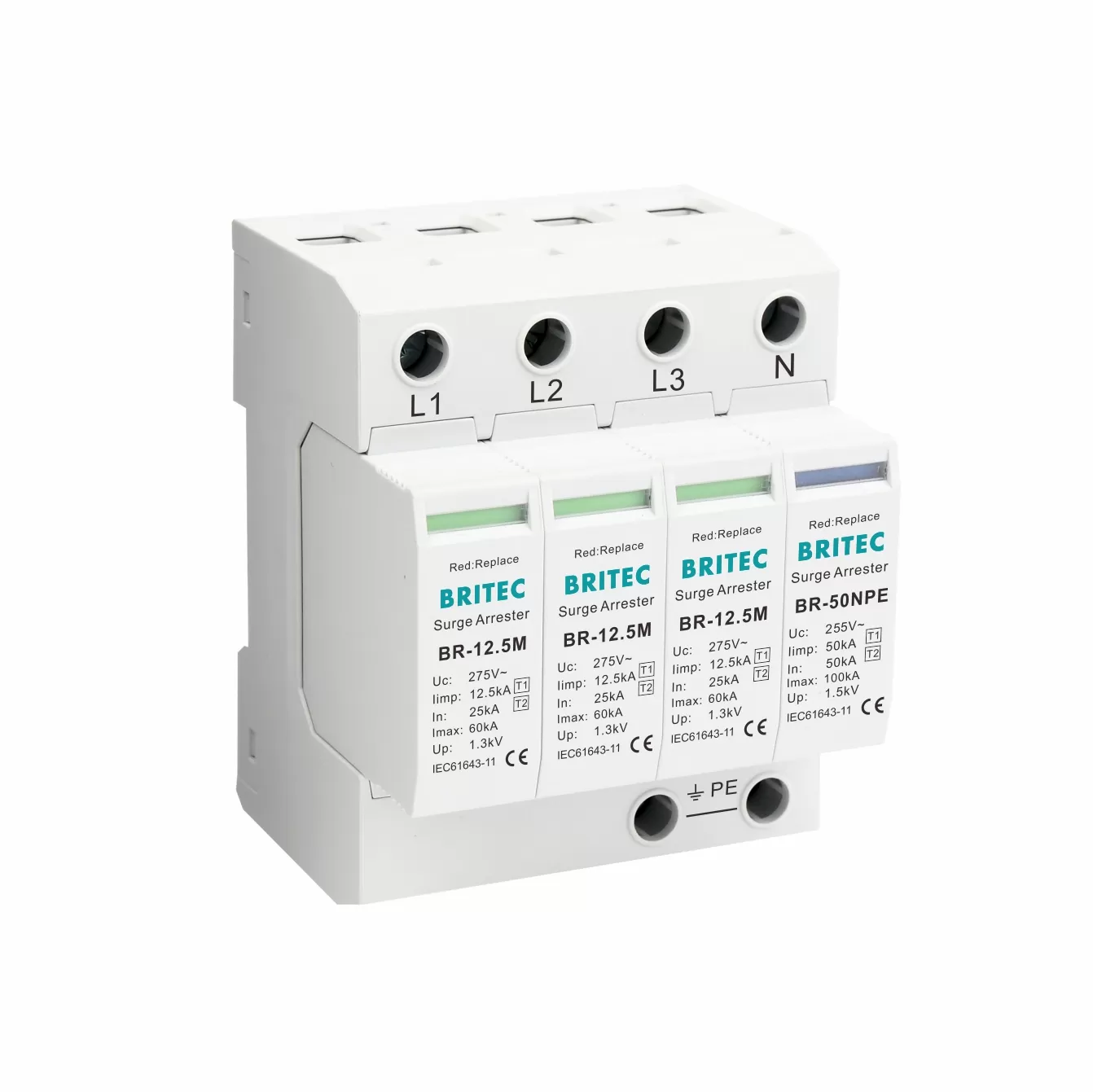
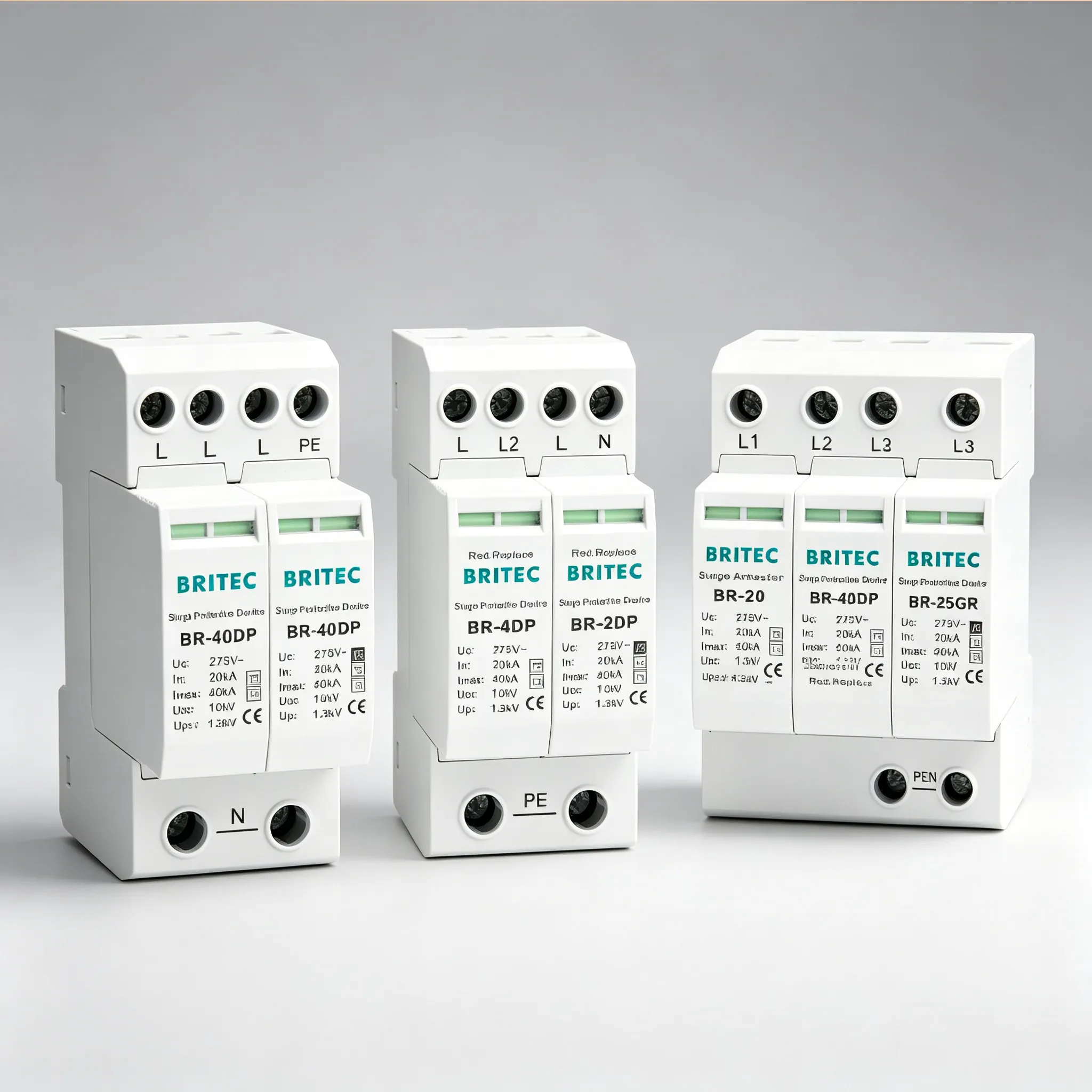
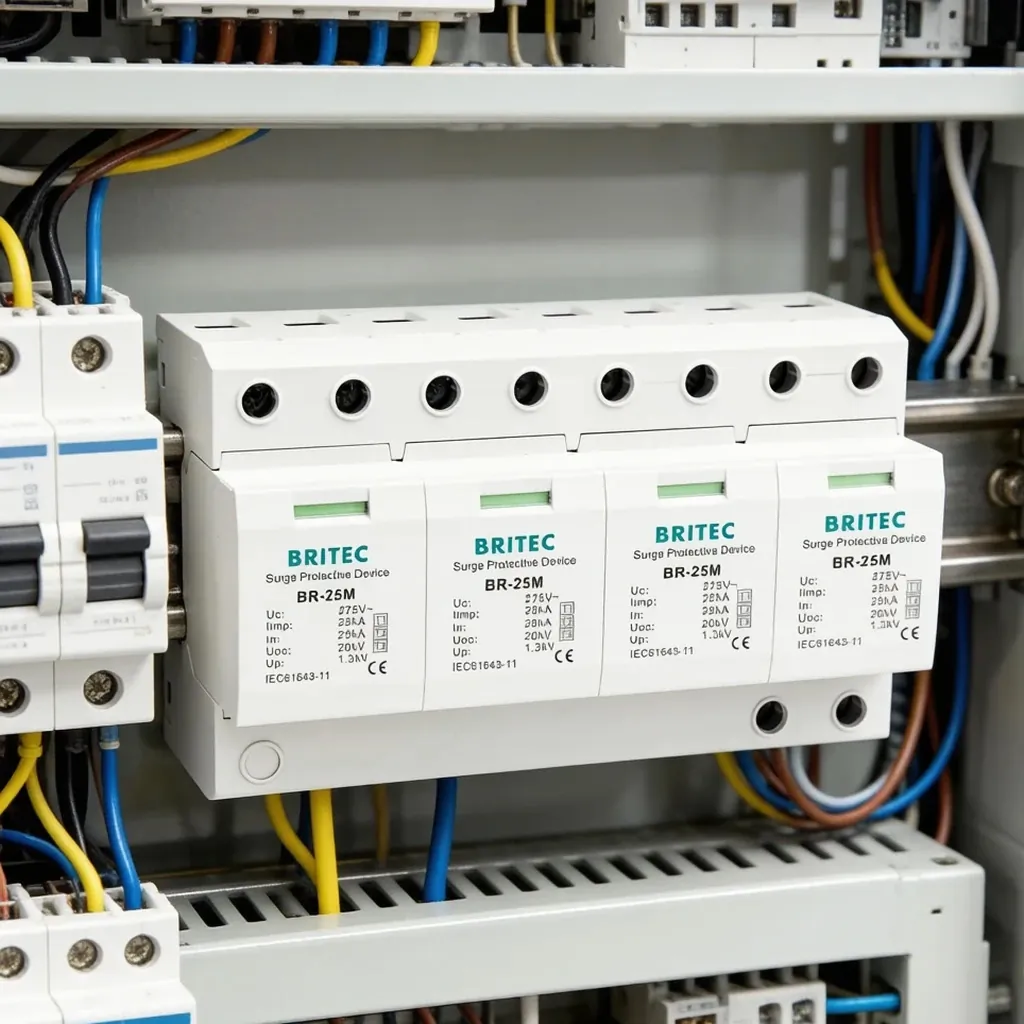
BR-12.5M 3P+N 12,5kA Typ 1+2 Urządzenie przeciwprzepięciowe dla TT i TNS
Surge protector ratings serve as a standardized benchmark for evaluating protective devices in compliance frameworks such as IEC, UL, and IEEE. These ratings ensure that every Electrical Surge Protector installed in a system can withstand specified surge currents, voltage levels, and energy dissipation requirements.
In practice, electrical inspectors and design engineers rely on these ratings to confirm:
● Whether the device can safely handle lightning-induced surges
● If coordination between protection stages is properly designed
● Whether installation meets regulatory compliance requirements
● If equipment downstream is adequately protected
Without consistent rating definitions, system safety would become unpredictable and non-compliant.
SPD ratings are defined through standardized laboratory testing. A SPD Surge Protector is evaluated based on parameters such as:
● Nominal discharge current (In)
● Maximum discharge current (Imax)
● Voltage protection level (Up)
● Short-circuit withstand capability
● Response time under surge conditions
These values are not arbitrary. They are derived from controlled surge waveforms that simulate real-world lightning strikes and switching transients. Engineers use these ratings to match protection levels with system risk categories.
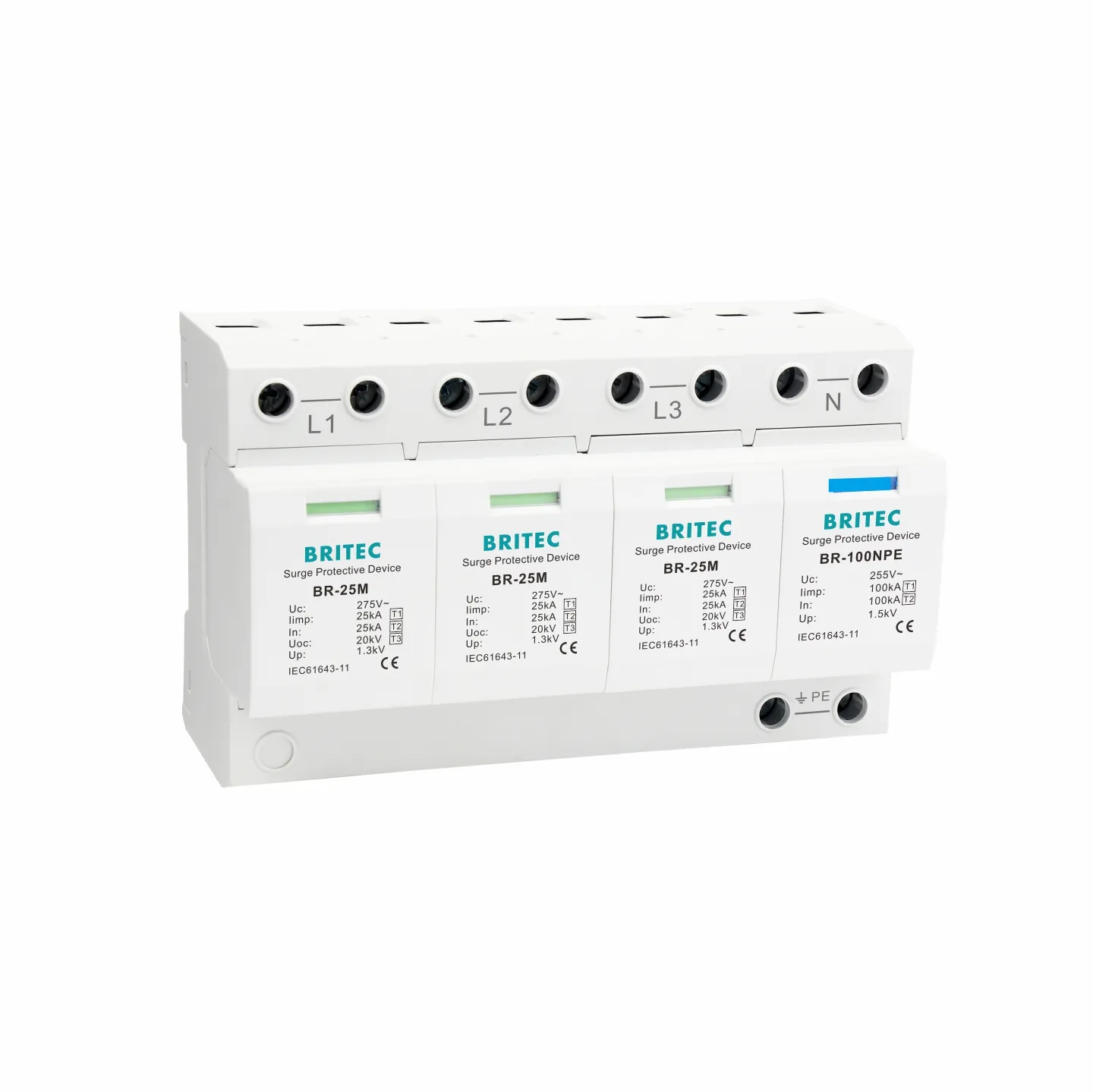
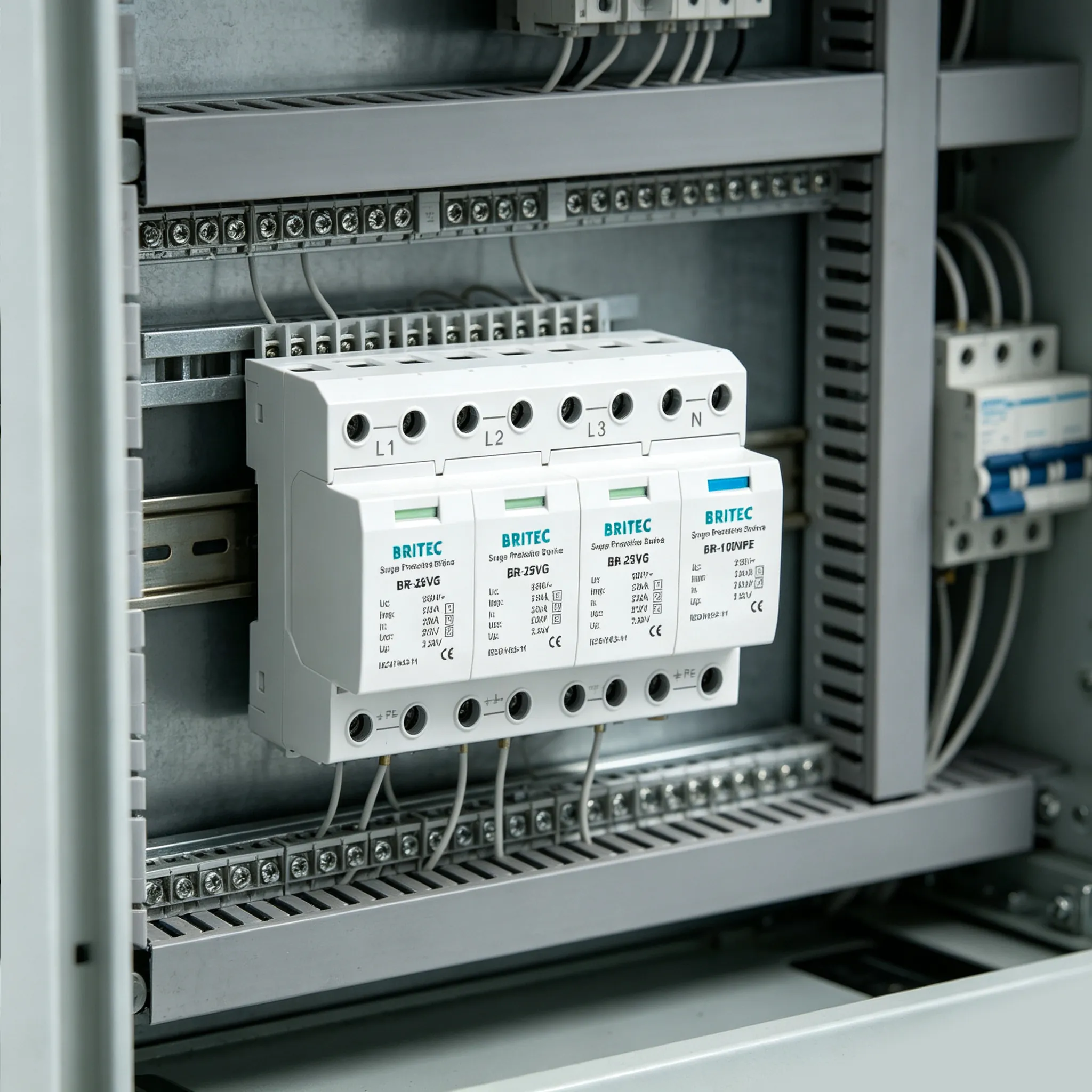
BR-25M 3+1 Typ 1 25kA Ogranicznik przepięć dla TT i TNS
The UL certification system focuses on safety verification for North American markets. A UL-rated Power Surge Protector must pass strict endurance and fault-condition testing to ensure it does not become a fire or shock hazard.
Key UL requirements typically include:
● Safe failure mode under extreme surge conditions
● Thermal stability during repeated surge exposure
● Verified voltage clamping performance
● Mechanical integrity under fault current stress
UL ratings are especially important in commercial buildings, industrial facilities, and residential compliance inspections.
Different regions adopt different frameworks, but IEC and IEEE are the most widely referenced Surge Protector Standards globally.
| Standard System | Primary Focus | Testing Approach | Application Area |
|---|---|---|---|
| IEC 61643 | Device classification & performance | Waveform-based surge testing | Global industrial systems |
| IEEE C62.41 | Surge environment modeling | Realistic surge scenarios | North America power systems |
| UL1449 | Safety compliance | Fault & endurance testing | Residential/commercial USA |
These standards ensure that every Electrical Surge Protector is evaluated under consistent and repeatable conditions.
One of the most common engineering mistakes is assuming that a higher specification automatically guarantees better protection. In reality, mismatched ratings between system requirements and a Power Surge Protector can lead to failure scenarios such as:
● Undersized protection leading to premature SPD failure
● Oversized devices causing coordination issues in multi-stage protection
● Incorrect voltage protection level allowing equipment damage
● Reduced lifespan due to continuous overloading
Proper engineering design always matches ratings to system environment, not just maximum numbers.
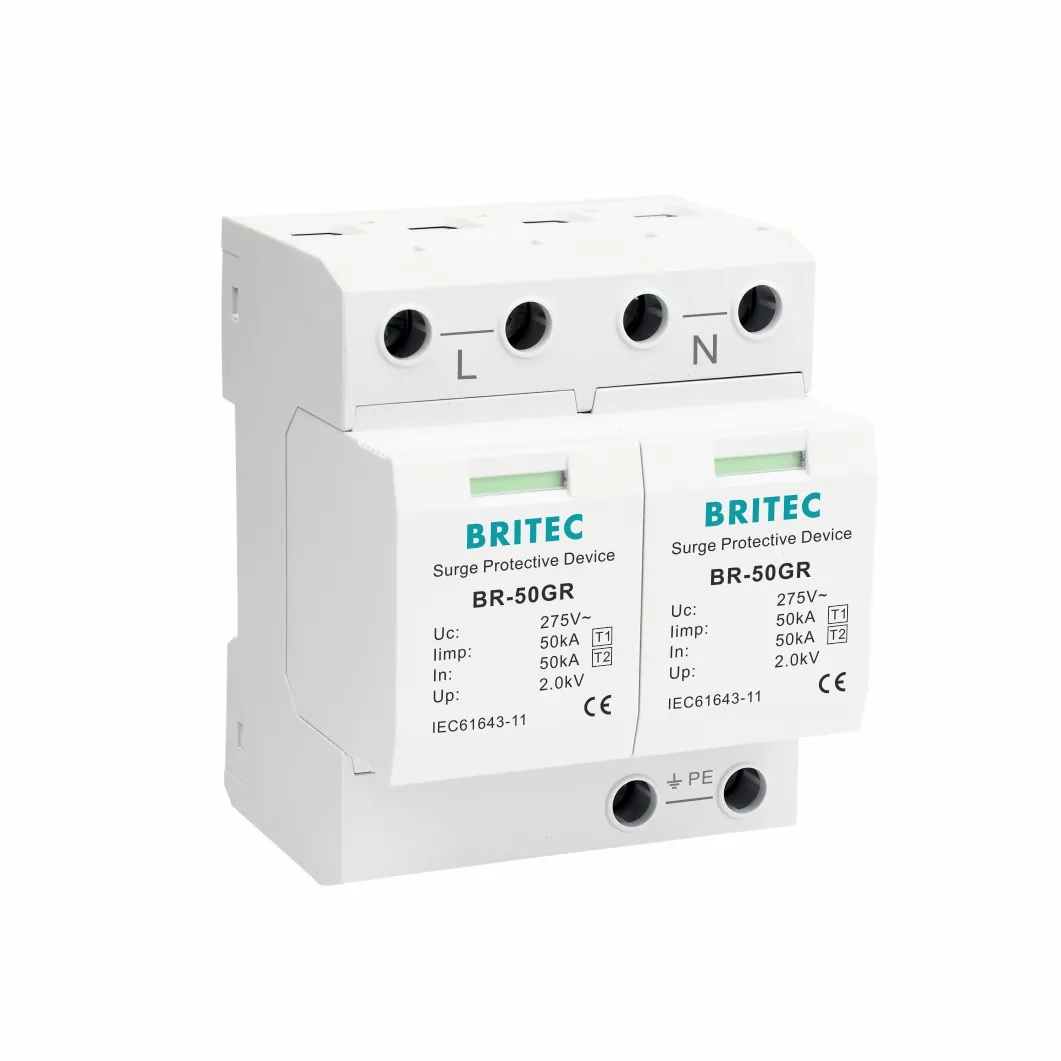
BR-50GR 2P Typ 1 Ogranicznik przepięć 50kA dla TNS
Electrical systems typically use multiple SPD types depending on protection stages:
● Type 1 SPD: Installed at service entrance, handles direct lightning currents
● Type 2 SPD: Installed in distribution boards, protects against switching surges
● Type 3 SPD: Point-of-use protection for sensitive equipment
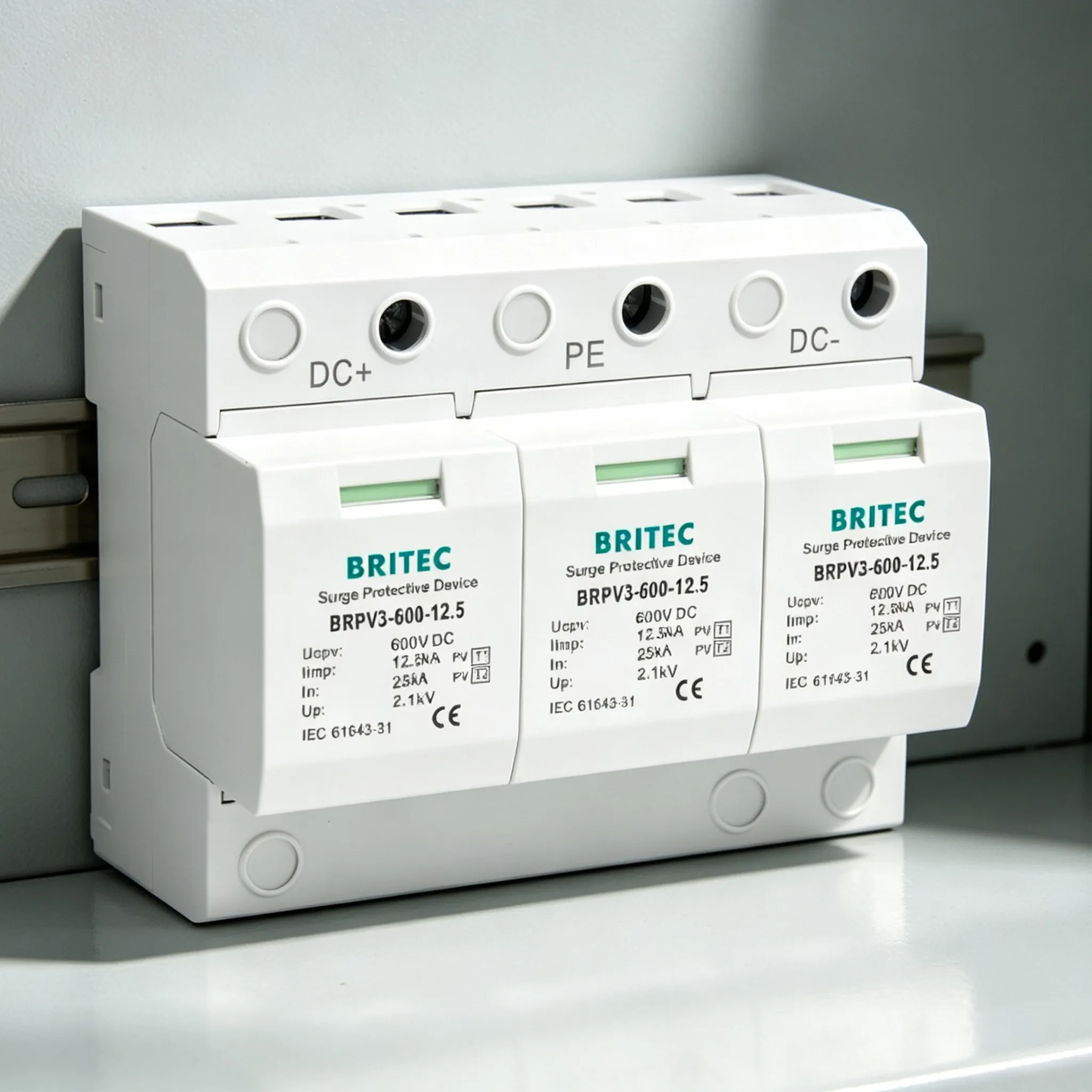
● DC SPD: Used in photovoltaic and DC power systems
Each type carries different rating requirements based on location, exposure level, and equipment sensitivity.
Surge protector ratings directly influence electrical system architecture. Engineers must consider coordination between multiple protection layers to avoid energy overload or protection gaps.
Key design impacts include:
● Selection of breaker and fuse coordination
● Cable insulation level requirements
● Equipment insulation withstand ratings
● Grounding system design effectiveness
● SPD placement strategy across the network
A poorly rated system may pass initial installation checks but fail during real surge events.
Many failures in surge protection systems come from incorrect selection rather than product defects.
Common mistakes include:
● Ignoring site-specific lightning risk levels
● Selecting SPD based only on cost
● Overlooking coordination between Type 1, 2, and 3 devices
● Misinterpreting UL or IEC rating labels
● Underestimating DC system surge behavior in solar installations
Avoiding these mistakes significantly improves system reliability.
Selecting the correct rating requires a structured engineering approach:
● Evaluate system voltage level and grounding condition
● Determine exposure level (urban, industrial, or high lightning region)
● Match IEC or UL compliance requirements
● Coordinate multi-stage protection strategy
● Verify discharge current requirements based on installation point
A properly selected Electrical Surge Protector ensures long-term stability, reduced downtime, and compliance with safety codes.
Not necessarily. A higher rated Ochronnik przeciwprzepięciowy does not automatically mean better protection. Ratings must match system requirements. If the rating is too high, the device may not activate effectively during smaller surges, leaving sensitive equipment exposed. Conversely, an oversized SPD may be cost-inefficient and poorly coordinated with upstream and downstream protection devices. Proper selection is about system compatibility, not maximum specification.
Yes. Even a correctly rated SPD Surge Protector can fail due to repeated surge exposure, improper installation, or environmental stress such as heat and humidity. Over time, internal components like MOVs degrade. Electrical codes assume SPDs are sacrificial devices with a finite lifespan. Regular inspection and replacement schedules are essential to maintain system protection integrity.
Surge Protector Standards such as IEC and UL define installation requirements including wiring length, grounding quality, and placement strategy. Improper installation can significantly reduce performance, even if the device is correctly rated. For example, long lead wires increase voltage let-through levels, reducing protection efficiency. Standards ensure consistent real-world performance.
Wybór słuszności Electrical Surge Protector involves analyzing system voltage, exposure risk, and coordination between protection stages. You should evaluate whether the system requires Type 1, Type 2, or Type 3 protection and ensure compliance with IEC or UL standards. Engineering judgment is essential, especially in industrial or lightning-prone environments.
An underrated Power Surge Protector will fail prematurely under surge conditions. This can result in overheating, component burnout, or complete loss of protection, exposing connected equipment to damage. In severe cases, it may also create safety hazards such as fire risk or breaker trips. Proper rating selection prevents these issues.
For residential systems, a moderate Surge Protector Rating that complies with UL 1449 or IEC Type 2 standards is typically sufficient. Homes generally require protection against indirect lightning and switching surges rather than direct strikes. The safest setup often includes coordinated Type 1 at service entrance and Type 2 in distribution panels.
Yes. Industrial environments usually require higher-rated SPD Surge Protectors due to larger loads, higher exposure to switching transients, and critical equipment sensitivity. Systems often use Type 1 devices at entry points and higher discharge current ratings compared to residential installations. However, “higher” must still be properly coordinated within the system design.
IEC and UL differ in methodology and regional application. IEC standards focus on performance classification and waveform-based testing, while UL emphasizes safety certification and failure behavior under fault conditions. A compliant Surge Protector Standard under IEC may not automatically meet UL certification requirements, so both must be considered depending on the target market.
Surge protection effectiveness depends not only on device quality but also on correct rating selection aligned with Surge Protector Standards. Misinterpretation of ratings can lead to system failure, equipment damage, or non-compliance with safety codes. Understanding how SPD Surge Protector ratings work ensures better system coordination and long-term reliability.
For engineered-grade protection solutions designed for industrial and commercial applications, Britec Electric provides certified surge protection devices built to meet IEC and UL standards for global electrical safety requirements.