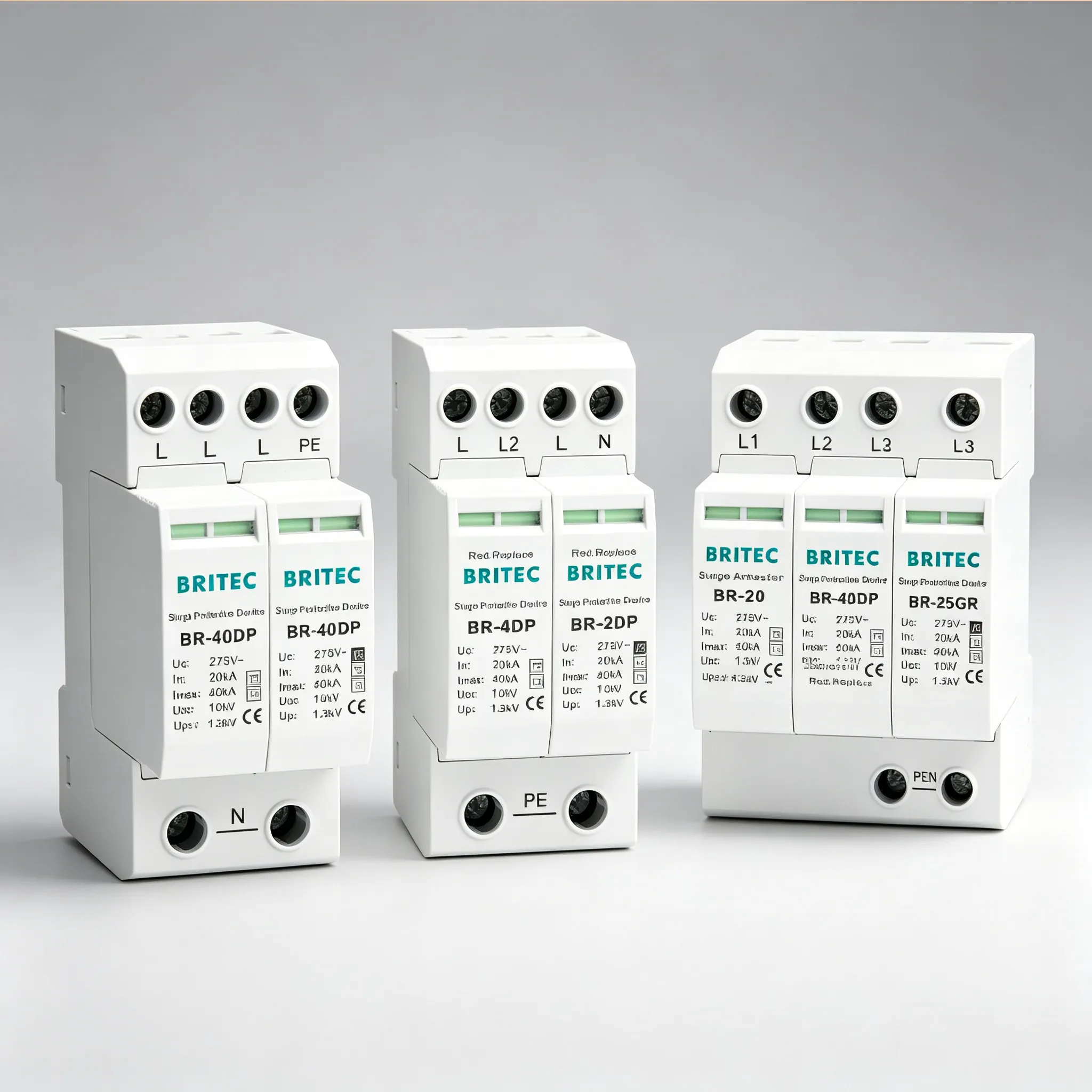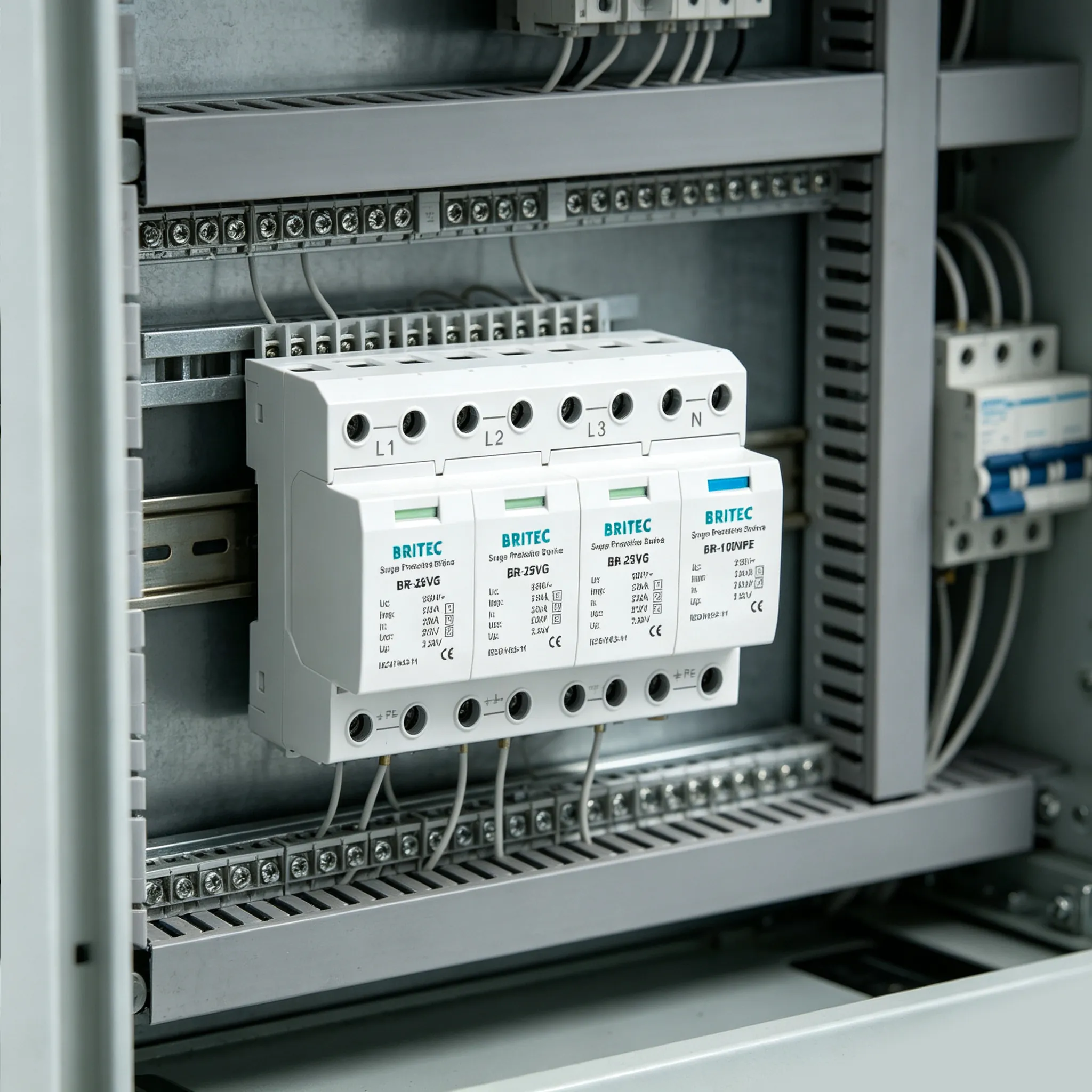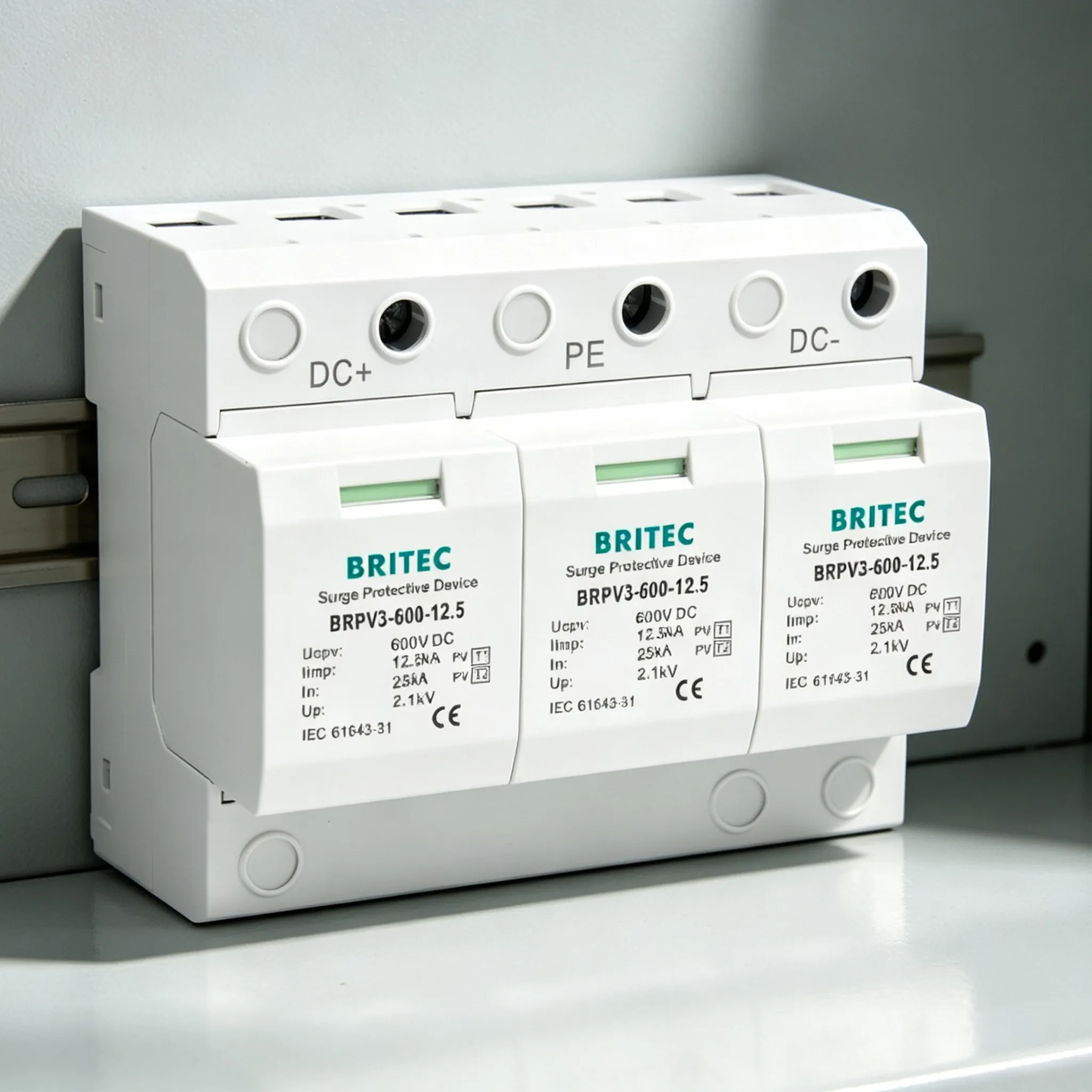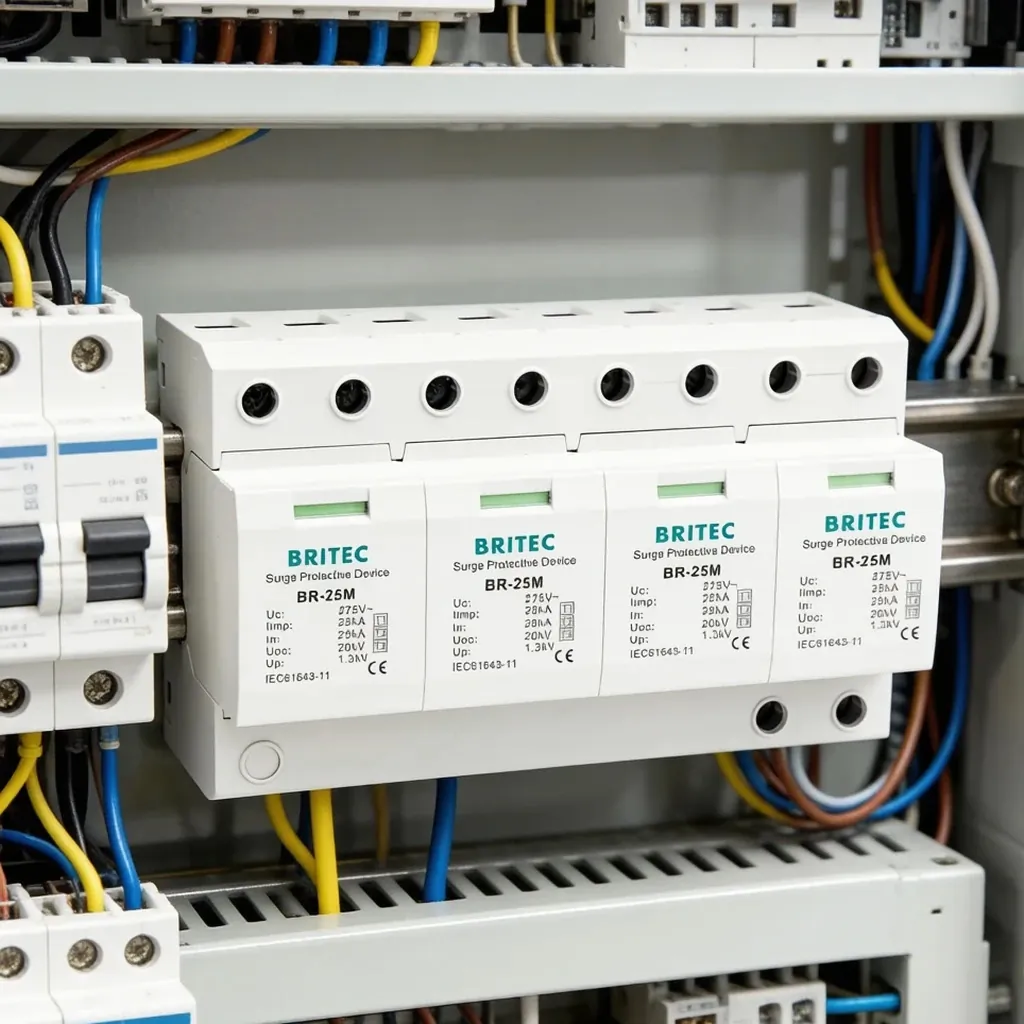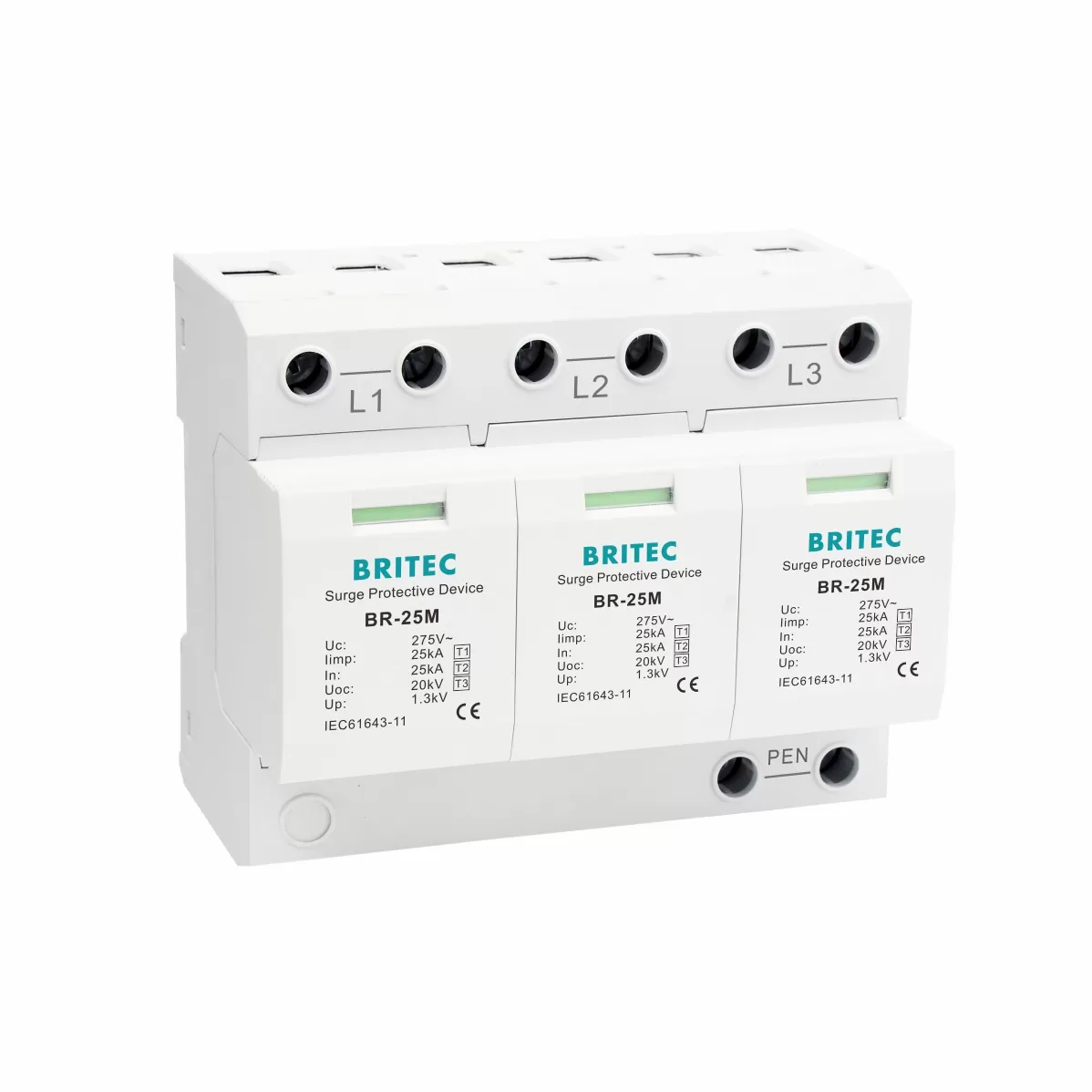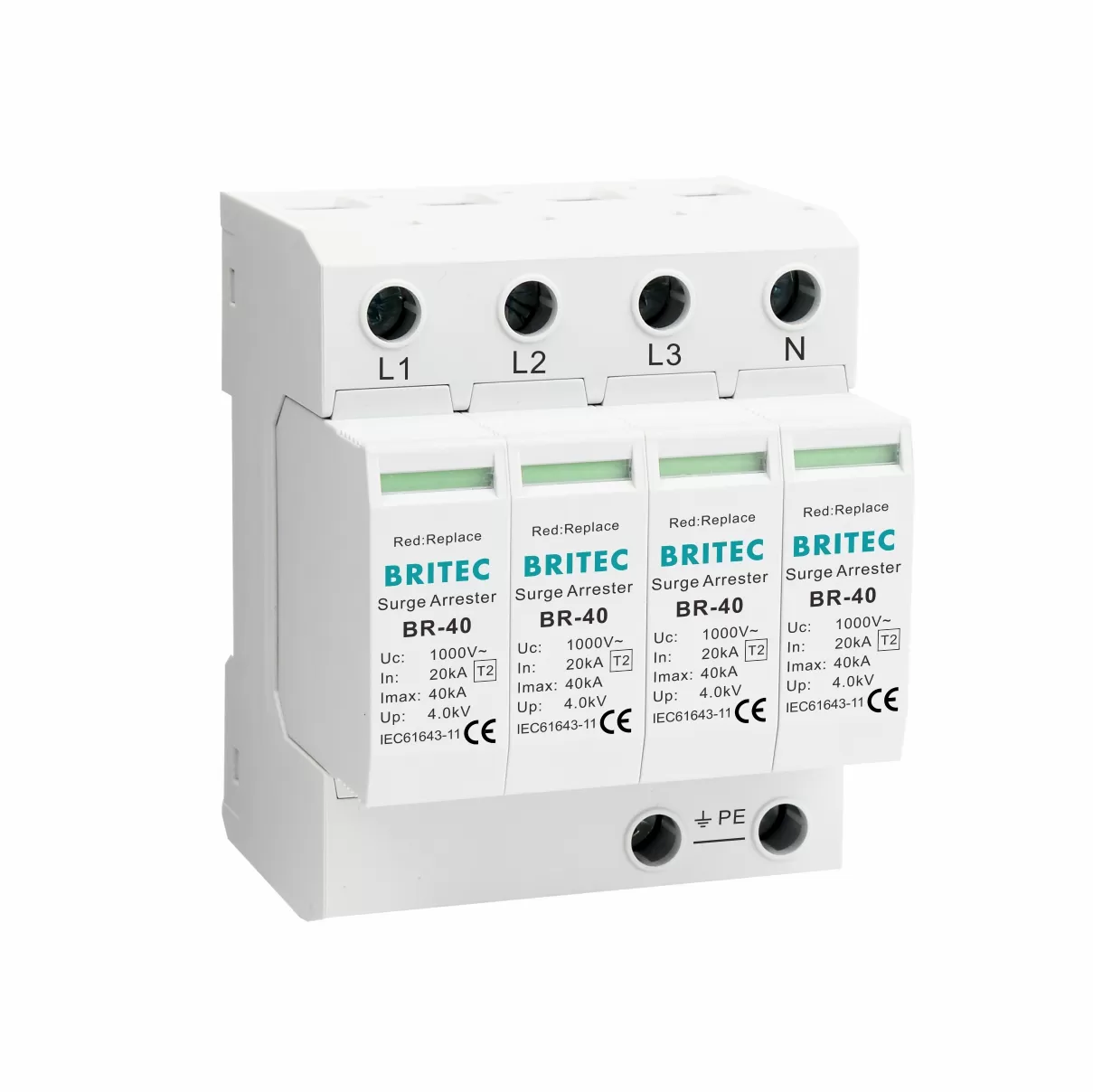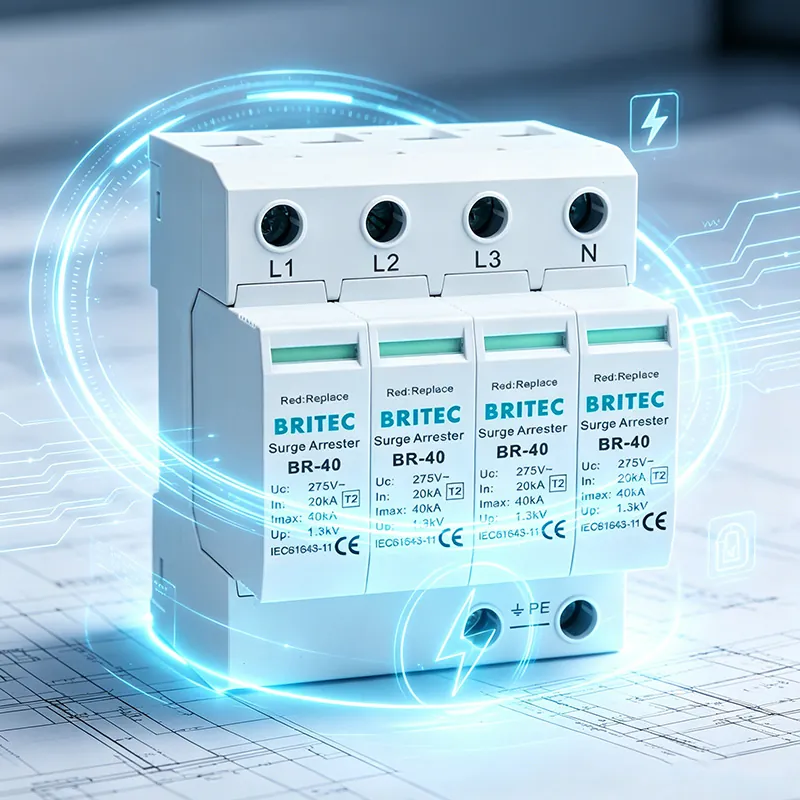

Power surges are an unavoidable reality in modern electrical systems. Whether caused by lightning strikes, utility grid switching, or internal electrical disturbances, these sudden voltage spikes can damage expensive equipment, disrupt operations, and create costly downtime. If you are responsible for purchasing electrical protection equipment for industrial facilities, commercial buildings, renewable energy projects, or infrastructure installations, understanding SPD typu 1 technology is essential.
A Type 1 SPD (Surge Protective Device) serves as the first line of defense against high-energy surge events, particularly those associated with direct or indirect lightning activity. Knowing where it should be installed, when it is required, and how it differs from other surge protection devices can help you make better purchasing decisions and improve long-term electrical reliability.
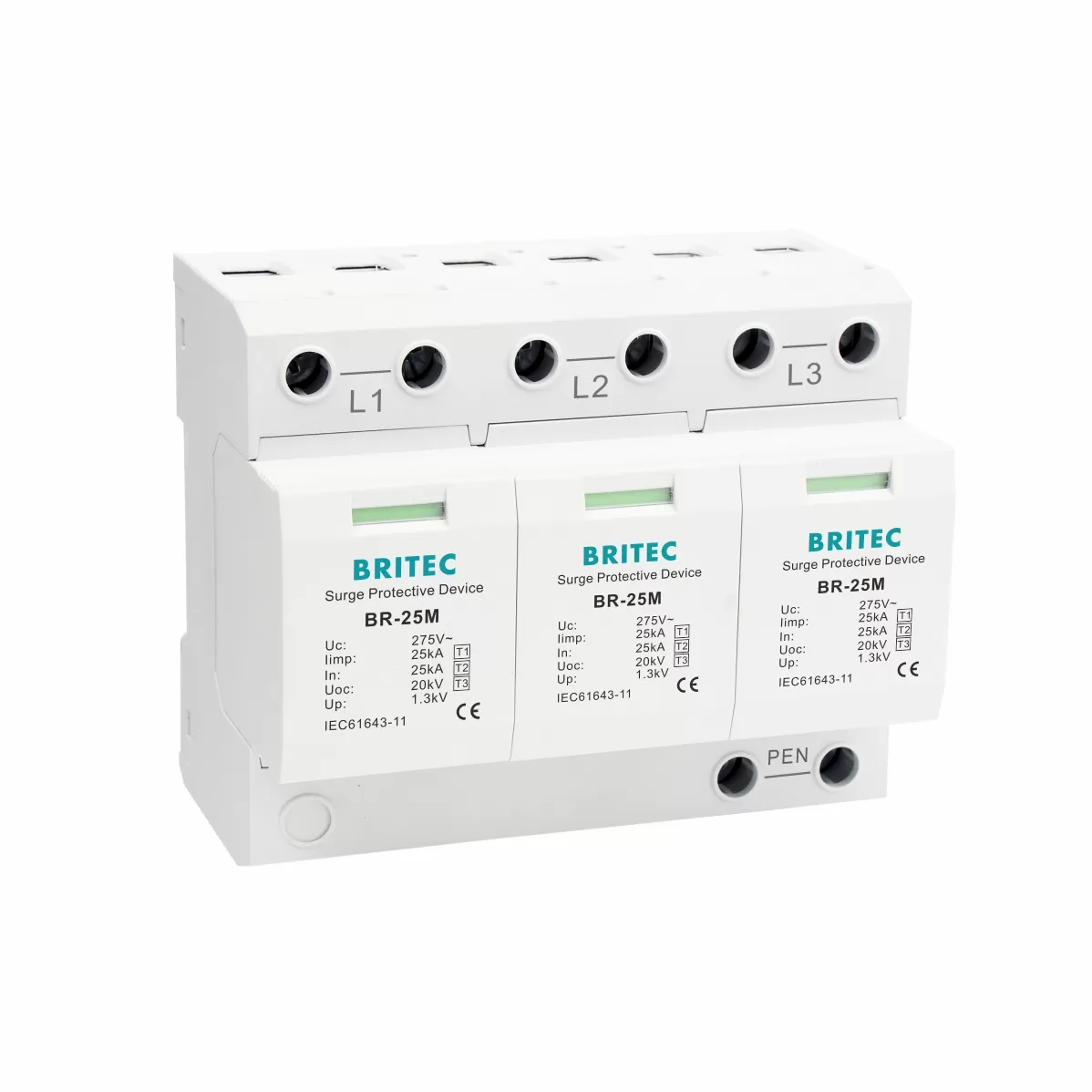
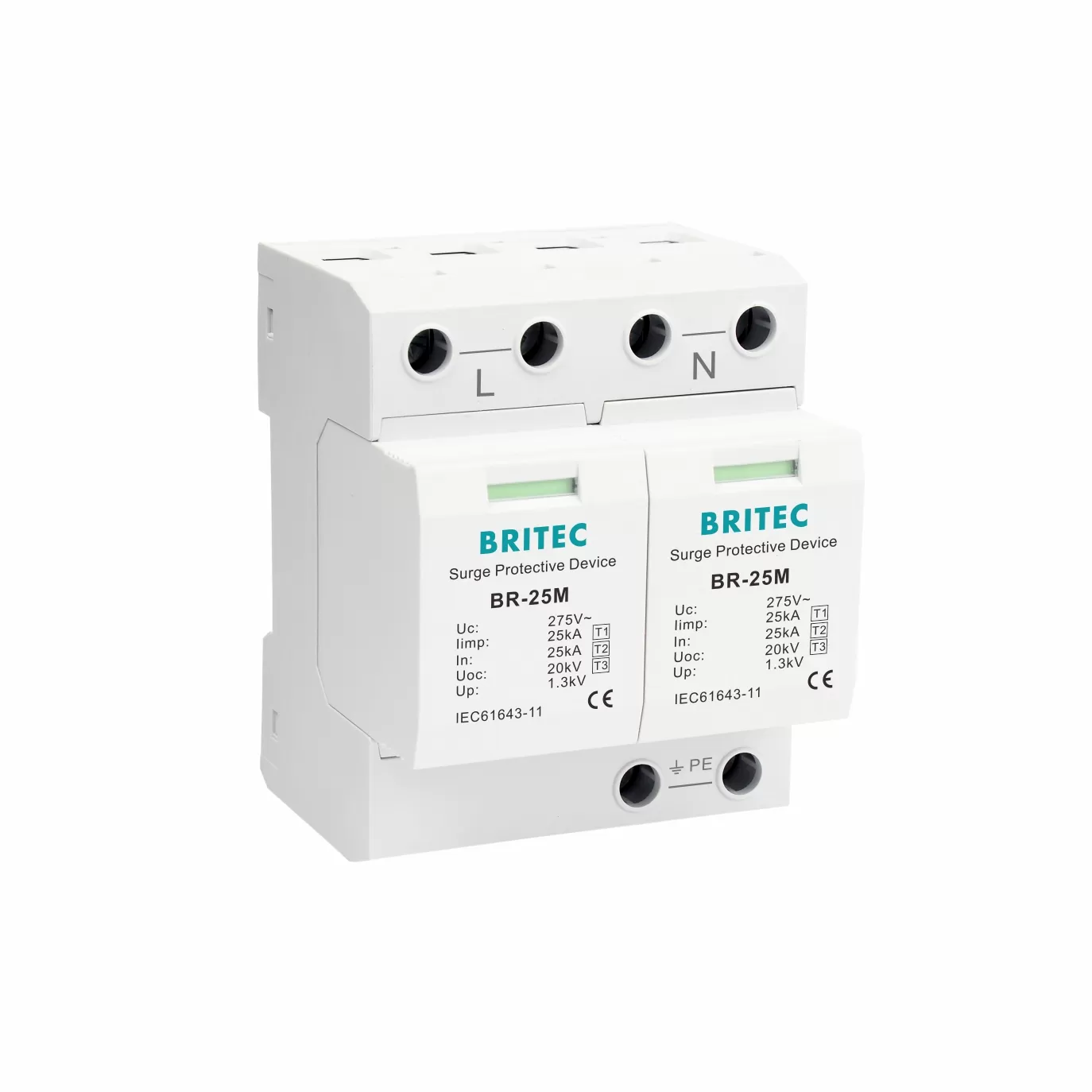
A SPD typu 1, also known as a Urządzenie przeciwprzepięciowe typu 1, is designed to protect electrical systems from transient overvoltages originating outside a building or facility. These devices are typically installed at the service entrance, where electrical power first enters a structure.
Unlike downstream surge protectors, Type 1 SPDs are engineered to withstand high-energy surge currents generated by lightning strikes and utility switching operations. They are tested using impulse current waveforms that simulate lightning-related events and are designed to operate before the main overcurrent protective device in many installations.
For procurement professionals, this means investing in equipment capable of handling the most severe surge conditions that an electrical system may encounter.
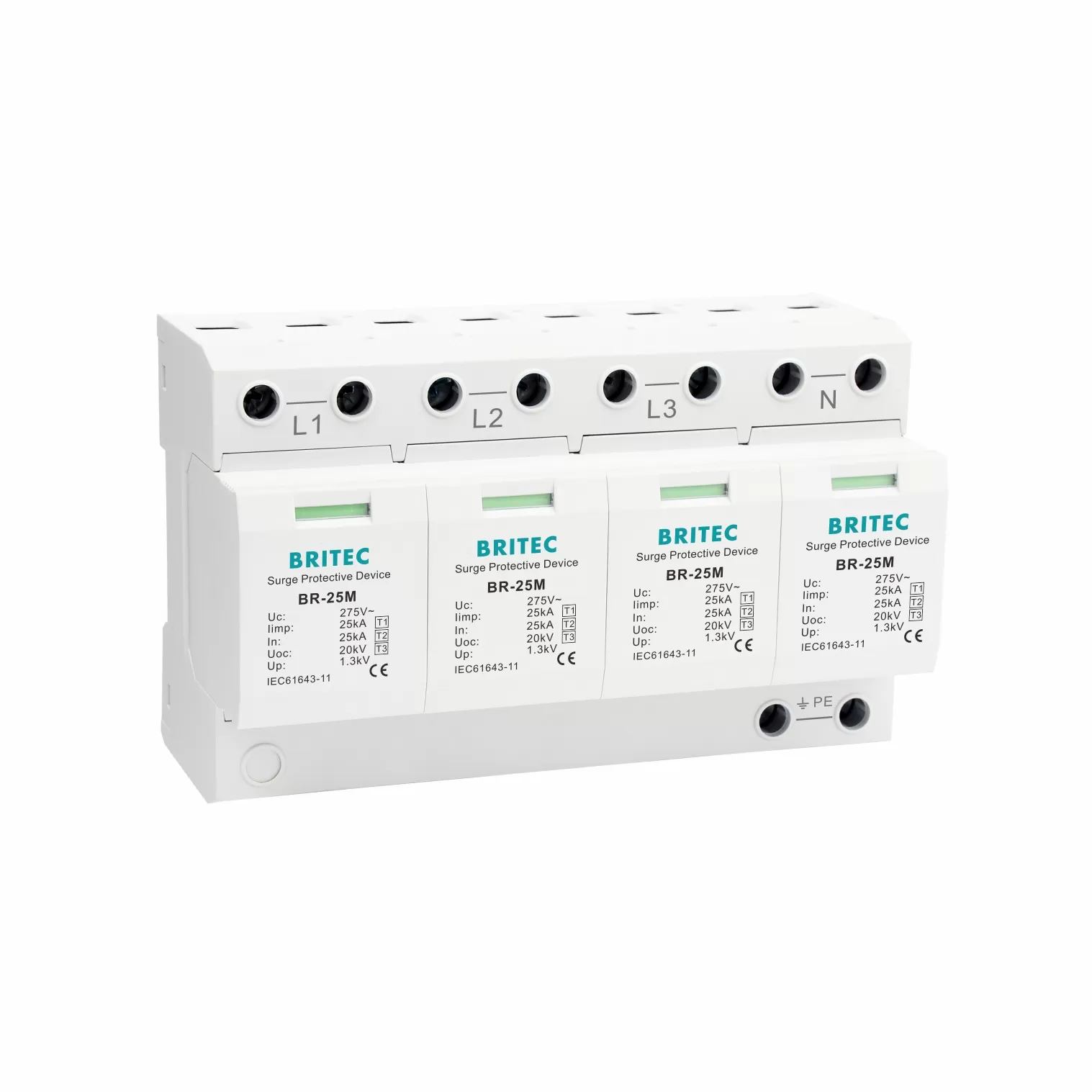
When a surge enters the electrical network, the SPD detects the abnormal voltage increase and immediately diverts excess energy to ground through its internal protection components. This process occurs within microseconds, minimizing the amount of damaging voltage that reaches sensitive equipment.
A typical Type 1 SPD may contain:
● Metal oxide varistors (MOVs)
● Spark gap technology
● Gas discharge tubes
● Thermal protection mechanisms
● Status indication systems
The device remains inactive during normal operation and activates only when surge conditions occur.
● Designed for lightning current discharge
● Installed at service entrance locations
● Suitable for direct and indirect lightning protection
● Tested according to international standards
● Provides primary surge protection for entire facilities
Many buyers ask a simple question: Do I really need a Type 1 SPD?
The answer depends largely on the risk level associated with the installation.
A Type 1 SPD is generally required when:
● A lightning protection system is installed
● The facility is located in a lightning-prone region
● Critical equipment requires maximum protection
● Local electrical regulations mandate surge protection
● Utility service interruptions could create significant losses
| Aplikacja | Type 1 SPD Recommended | Reason |
|---|---|---|
| Industrial Plants | Tak | High-value equipment protection |
| Centra danych | Tak | Continuous operation requirements |
| Hospitals | Tak | Critical infrastructure protection |
| Budynki Handlowe | Often | Protection against utility surges |
| Solar Power Systems | Tak | Exposure to lightning events |
| Residential Buildings | Depends | Risk assessment required |
Consider a manufacturing plant operating automated production lines. A nearby lightning strike causes a surge that enters through the utility network.
Without a Type 1 SPD, the surge travels into:
● PLC controllers
● Variable frequency drives
● Automation systems
● Network equipment
The resulting downtime could cost thousands of dollars per hour.
With a properly installed Type 1 SPD, the majority of the surge energy is diverted before reaching sensitive systems, dramatically reducing operational risk.
● Lightning exposure level
● Facility downtime costs
● Equipment replacement costs
● Insurance requirements
● Regulatory compliance obligations
One of the most searched phrases online is Type 1 SPD vs Type 2 SPD, and for good reason.
Although both devices protect against surges, they serve different purposes within a coordinated protection strategy.
| Funkcja | SPD typu 1 | SPD typu 2 |
|---|---|---|
| Miejsce instalacji | Service entrance | Distribution panels |
| Lightning Current Capability | Very High | Umiarkowany |
| Funkcja podstawowa | External surge protection | Internal surge protection |
| Tested With | Impulse Current (Iimp) | Nominal Discharge Current (In) |
| Lightning Protection System Compatibility | Tak | Limited |
| Typical Application | Building entrance | Sub-panels |
A common misconception is that installing a Type 1 SPD eliminates the need for additional protection.
In reality, surge protection works best in layers.
The Type 1 SPD handles high-energy events at the service entrance, while Type 2 SPDs protect downstream equipment from residual surges that remain after the initial discharge.
Think of it as security for your facility:
A perimeter fence is important, but you still lock the doors inside.
A logistics warehouse installed only Type 2 SPDs in distribution panels. After a lightning-related surge event, several automation controllers failed because the surge energy exceeded the Type 2 devices’ capacity.
Following an engineering assessment, the facility added a Type 1 SPD at the main service entrance. Since then, surge-related failures have been significantly reduced.
● Improved system reliability
● Reduced equipment failures
● Extended asset lifespan
● Lower maintenance costs
● Better compliance with standards
The most common installation point for a Urządzenie przeciwprzepięciowe typu 1 is the service entrance.
This location provides the earliest possible interception of incoming surge currents.
Installing protection at the point where power enters the building allows the SPD to prevent surge propagation throughout the electrical system.
You may find Type 1 SPDs installed:
● Ahead of the main breaker
● Adjacent to utility service equipment
● At building service entrances
● Within main switchboards
● In photovoltaic system entry points
● At industrial power distribution centers
Proper installation is just as important as selecting the correct SPD.
Experienced engineers recommend:
● Keeping conductor lengths as short as possible
● Following manufacturer instructions
● Using proper grounding methods
● Maintaining low impedance connections
● Coordinating with downstream SPDs
Some buyers focus exclusively on surge current ratings and overlook installation requirements.
This can lead to:
● Reduced protection effectiveness
● Compliance issues
● Increased maintenance costs
● Premature device failure
● Verify electrical system voltage
● Confirm surge current requirements
● Check applicable standards
● Evaluate grounding quality
● Review coordination strategy
Purchasing a Type 1 SPD should never be based solely on price.
The cheapest solution can become the most expensive if it fails during a surge event.
Instead, evaluate technical performance carefully.
The impulse current rating (Iimp) indicates how much lightning current the SPD can safely handle.
Higher-risk environments often require larger ratings.
A lower protection level generally provides better equipment protection.
Look for compliance with recognized standards such as:
● IEC 61643-11
● UL1449
● NFPA 70 NEC
Modern SPDs may include:
● Visual status indicators
● Remote monitoring contacts
● Failure alarms
● Replaceable modules
A utility-scale solar project initially selected low-cost surge protection devices without considering lightning exposure levels.
After several severe thunderstorms, multiple inverter failures occurred.
The project team upgraded to high-capacity Type 1 SPDs supplied by Britec Electric, improving surge resilience and reducing maintenance expenses.
Although the initial investment increased slightly, the overall return on investment proved significantly better due to lower equipment replacement costs.
● What is the Iimp rating?
● Which standards does the product meet?
● Is the SPD suitable for outdoor installations?
● What warranty is provided?
● Are monitoring options available?
● Better equipment protection
● Reduced downtime
● Improved safety
● Longer system life
● Stronger return on investment
When evaluating surge protection suppliers, reliability is often more important than price alone.
A failed SPD can expose millions of dollars in electrical assets to damage.
Britec Electric focuses on delivering dependable surge protection solutions for industrial, commercial, and renewable energy applications.
Customers value:
● Proven surge protection expertise
● Compliance with international standards
● Quality manufacturing processes
● Technical support services
● Global project experience
Procurement decisions should consider the entire lifecycle cost of electrical infrastructure.
A high-quality Type 1 SPD helps reduce:
● Equipment replacement expenses
● Service interruptions
● Maintenance requirements
● Insurance risks
● Operational uncertainty
For many organizations, the investment pays for itself after preventing a single major surge event.
A Type 1 SPD is a surge protective device installed at the electrical service entrance to protect against high-energy surges, particularly those caused by lightning and utility switching events.
A Type 1 SPD is typically required when a building has a lightning protection system, operates critical equipment, or must comply with surge protection regulations.
Type 1 SPDs protect against external high-energy surges at the service entrance, while Type 2 SPDs provide downstream protection inside the facility.
Yes. Many Type 1 SPDs are designed for indoor installation within switchboards and service entrance equipment.
Not entirely. Although Type 1 SPDs provide primary protection, Type 2 SPDs are often needed to achieve comprehensive surge protection throughout the facility.
Service life depends on surge exposure, environmental conditions, and product quality. High-quality devices can provide many years of reliable protection.
In many solar installations, especially those exposed to lightning activity, Type 1 SPDs are strongly recommended.
Common standards include IEC 61643-11, UL 1449, and applicable National Electrical Code requirements.
It helps manage lightning-related surge currents entering electrical systems but should be used as part of a comprehensive lightning protection strategy.
Evaluate surge current ratings, voltage protection levels, standards compliance, installation requirements, and supplier reliability.
Understanding What Is a Type 1 SPD and When Is It Required is critical if you are responsible for protecting valuable electrical infrastructure. A properly selected SPD typu 1 acts as the first barrier against lightning-induced surges and utility-generated transient overvoltages, helping you reduce downtime, extend equipment life, and improve operational reliability. While every facility has unique requirements, most industrial plants, commercial buildings, renewable energy installations, and critical infrastructure projects benefit significantly from robust surge protection at the service entrance.
If you are evaluating Urządzenie przeciwprzepięciowe typu 1 solutions for your next project, partnering with an experienced manufacturer such as Britec Electric can help ensure compliance, performance, and long-term value. Contact Britec Electric today to discuss your application requirements and find the right surge protection strategy for your facility.