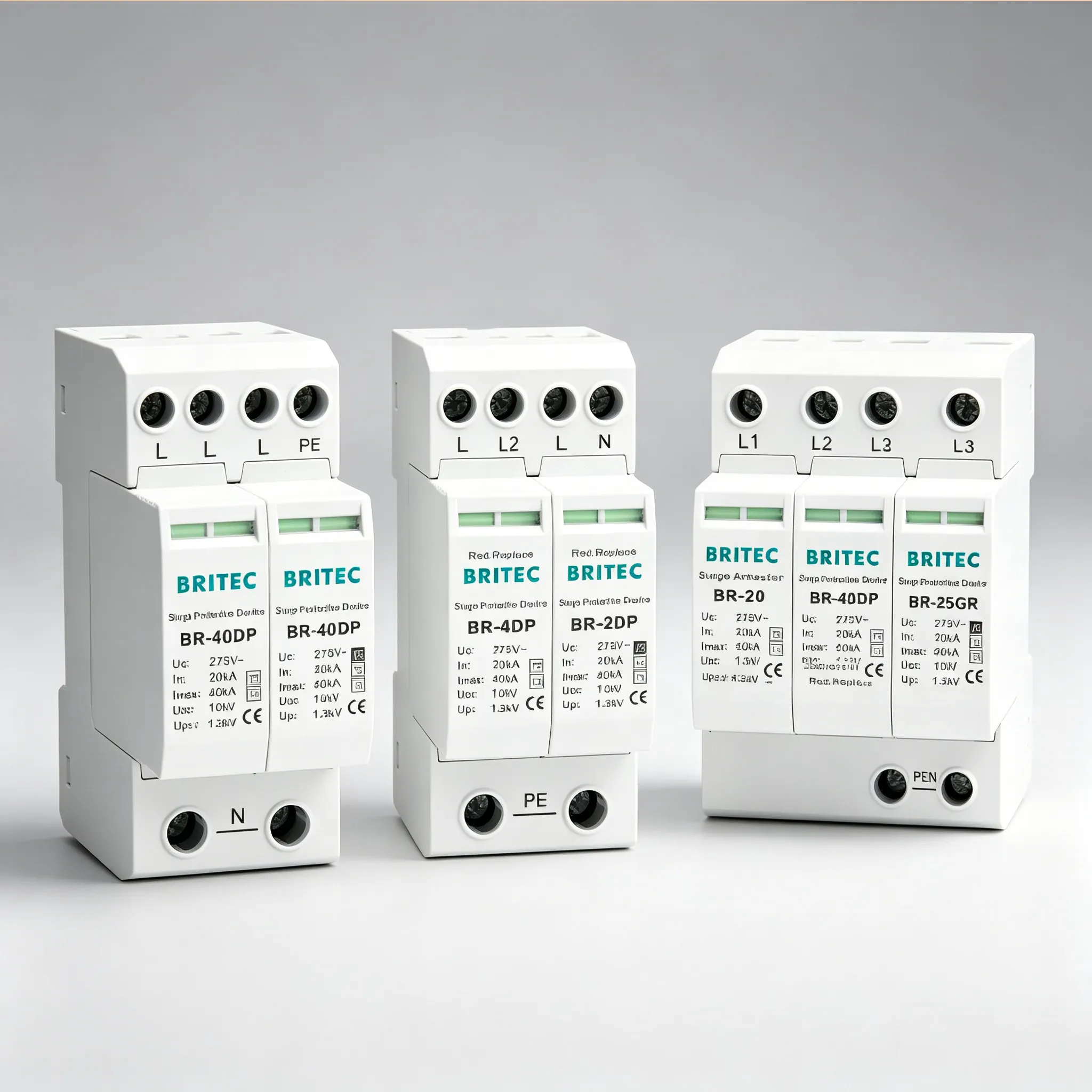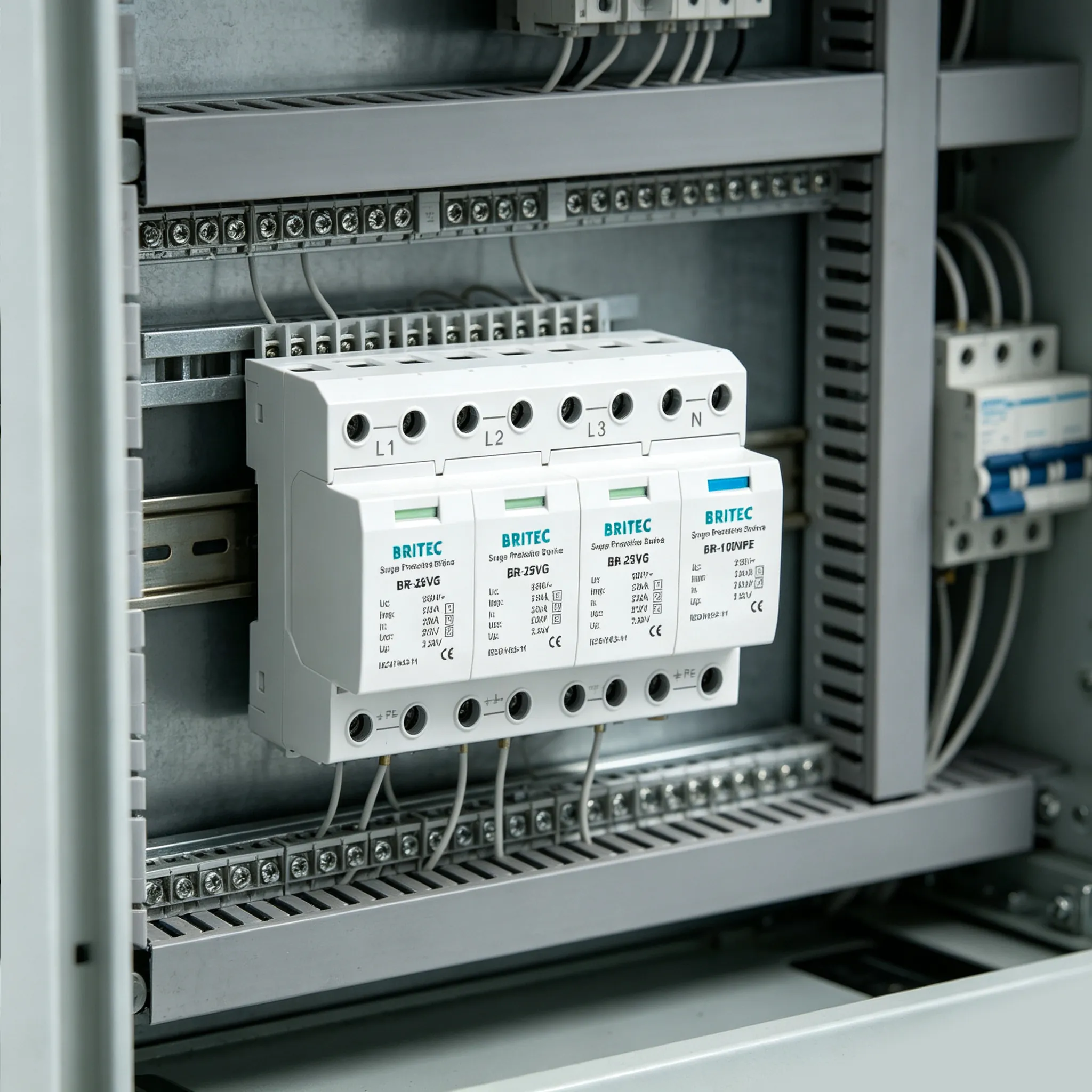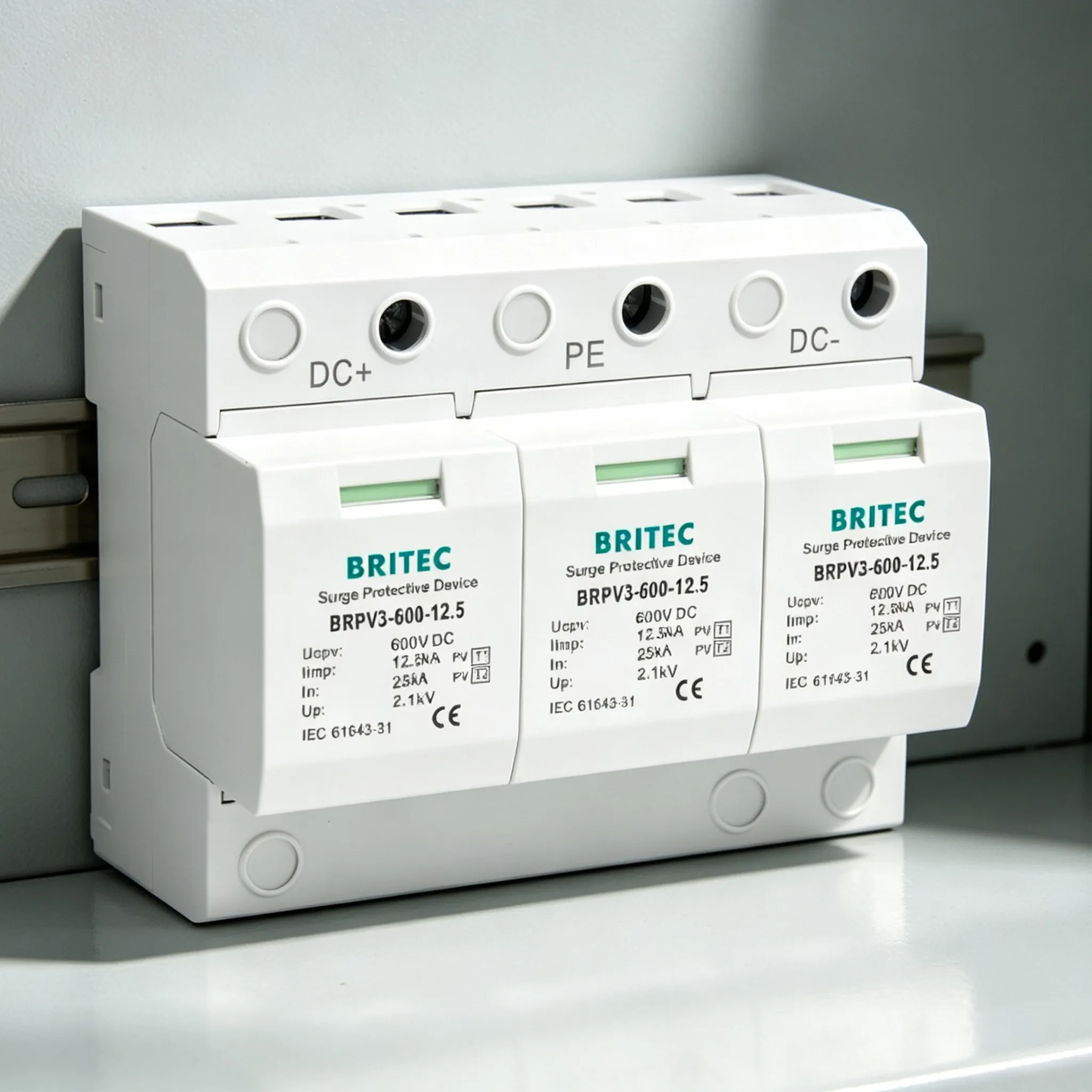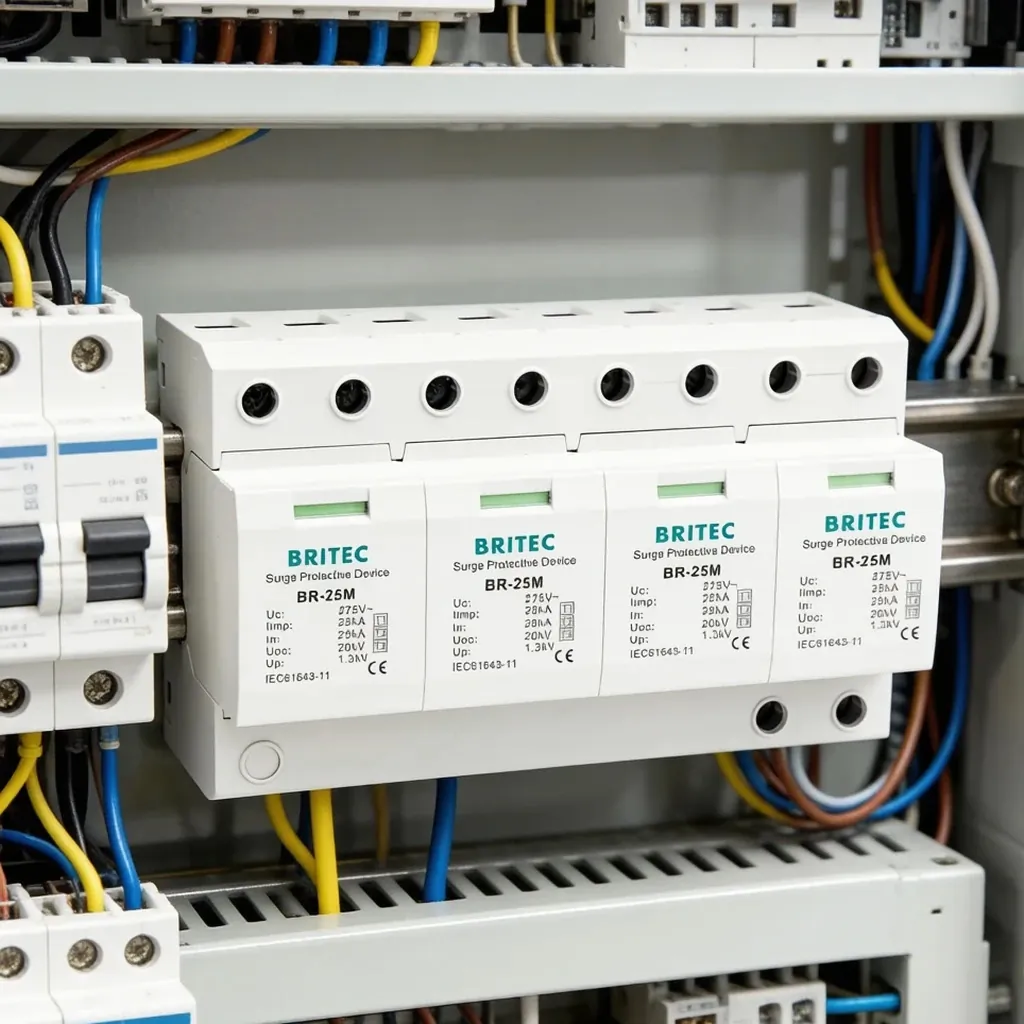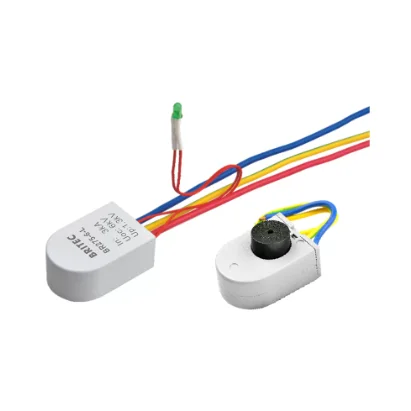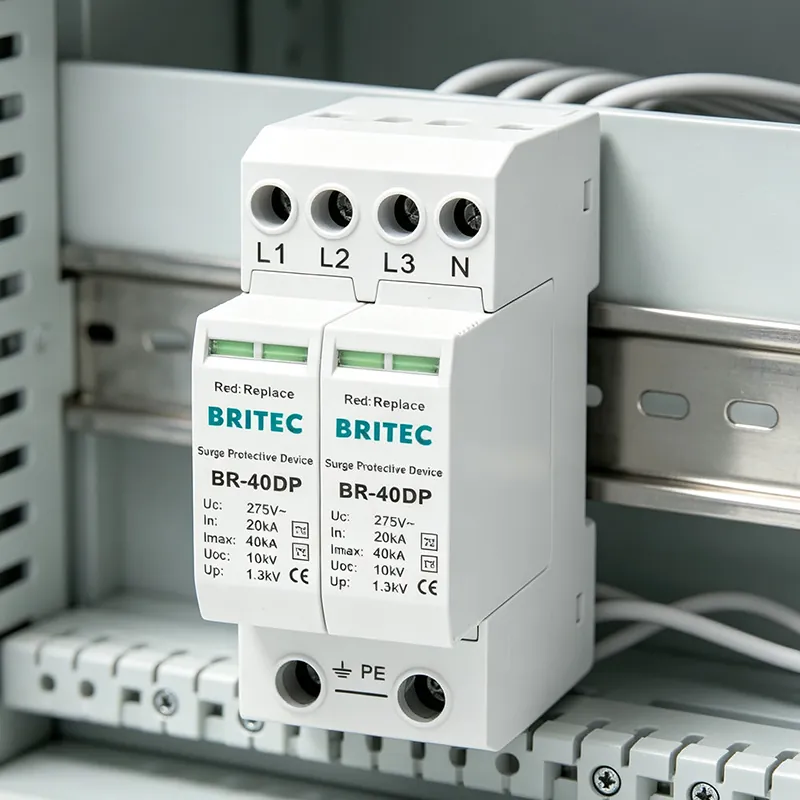

A Surge Protective Device (SPD) is a critical component in modern electrical systems designed to protect equipment from transient overvoltage caused by lightning strikes, switching operations, and grid disturbances. As electrical infrastructure becomes more sensitive and digitally controlled, SPD applications have expanded across residential, industrial, and renewable energy sectors.
This guide explains what is an SPD in electrical, its function, how it works, its types, and current market trends. It also helps engineers, installers, and procurement professionals understand how SPDs are selected and applied in real-world electrical systems.
SPD stands for Surge Protective Device, a device used to limit transient overvoltage and safely divert surge current to ground, protecting electrical equipment from damage.
In some contexts, SPD is also referred to as:
● Surge Protection Device
● Surge Protective Device SPD
● Surge Protector (informal term)
However, technically speaking:
● SPD = engineered protective device (IEC standard definition)
● Surge protector = general consumer-level term
An SPD is an electrical protection device installed in power distribution systems to:
● Detect voltage spikes (surges)
● Clamp excessive voltage to safe levels
● Redirect surge current to earth grounding system
SPDs are widely used in:
● Power distribution panels
● Industrial automation systems
● Solar PV systems
● Telecommunication networks
● Residential electrical installations
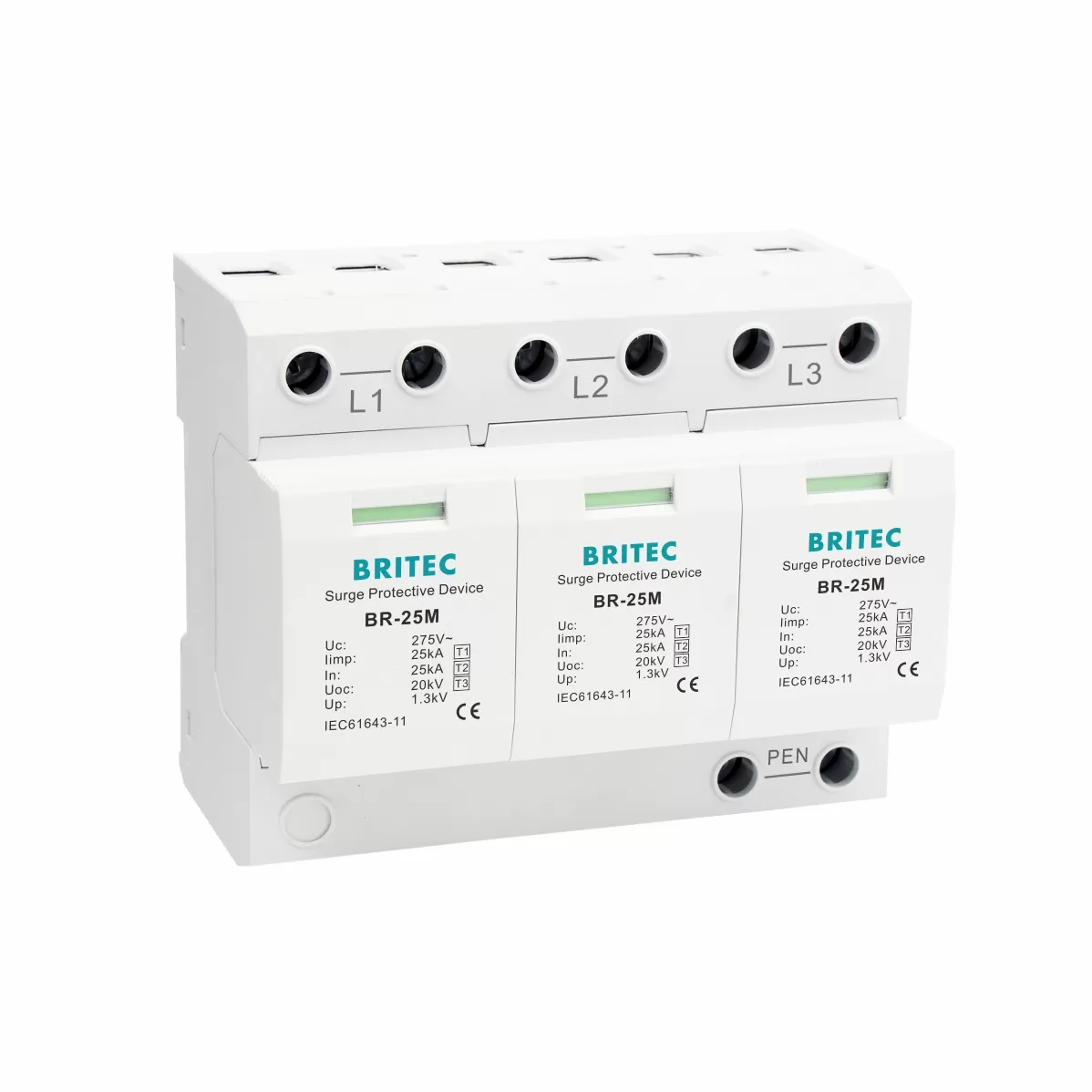
The primary function of an SPD is to protect electrical and electronic equipment from transient overvoltage. These voltage spikes may last microseconds but can cause severe damage.
An SPD performs three key functions:
● Voltage limitation (clamping overvoltage)
● Surge current diversion
● Equipment protection and system stability
Modern electrical systems are highly sensitive due to:
● Microprocessor-based control systems
● IoT-enabled industrial equipment
● Renewable energy inverters
● Smart grid infrastructure
Without SPD protection:
● Equipment insulation may fail
● Electronic circuits may burn
● Downtime and maintenance costs increase significantly
SPDs are essential in:
● Industrial control systems
● Solar PV and inverter systems
● Data centers and communication systems
● Commercial buildings
● Residential distribution panels
An SPD works by continuously monitoring system voltage. Under normal conditions, it remains in a high-impedance state (non-conductive).
When a surge occurs:
● Voltage rises beyond threshold level
● SPD switches to low-impedance mode
● Surge current is diverted to ground
● Voltage is clamped to a safe level
● System returns to normal operation
Most SPDs use one or more of the following technologies:
● MOV (Metal Oxide Varistor)
Absorbs excess voltage by changing resistance
● GDT (Gas Discharge Tube)
Conducts high surge currents to ground
● TVS Diodes (Transient Voltage Suppressors)
Used in low-voltage precision circuits
During lightning or switching surges:
● Voltage rises extremely fast (microseconds)
● SPD responds within nanoseconds to microseconds
● Excess energy is safely discharged into earth grounding system
This prevents:
● Equipment insulation breakdown
● Circuit board damage
● System shutdown or fire risk
SPDs are classified according to IEC 61643 standards into three main types.
Type 1 SPDs are installed at the main incoming supply.
They are designed to:
● Handle direct lightning currents
● Protect against high-energy surges
● Be used in buildings with external lightning protection systems
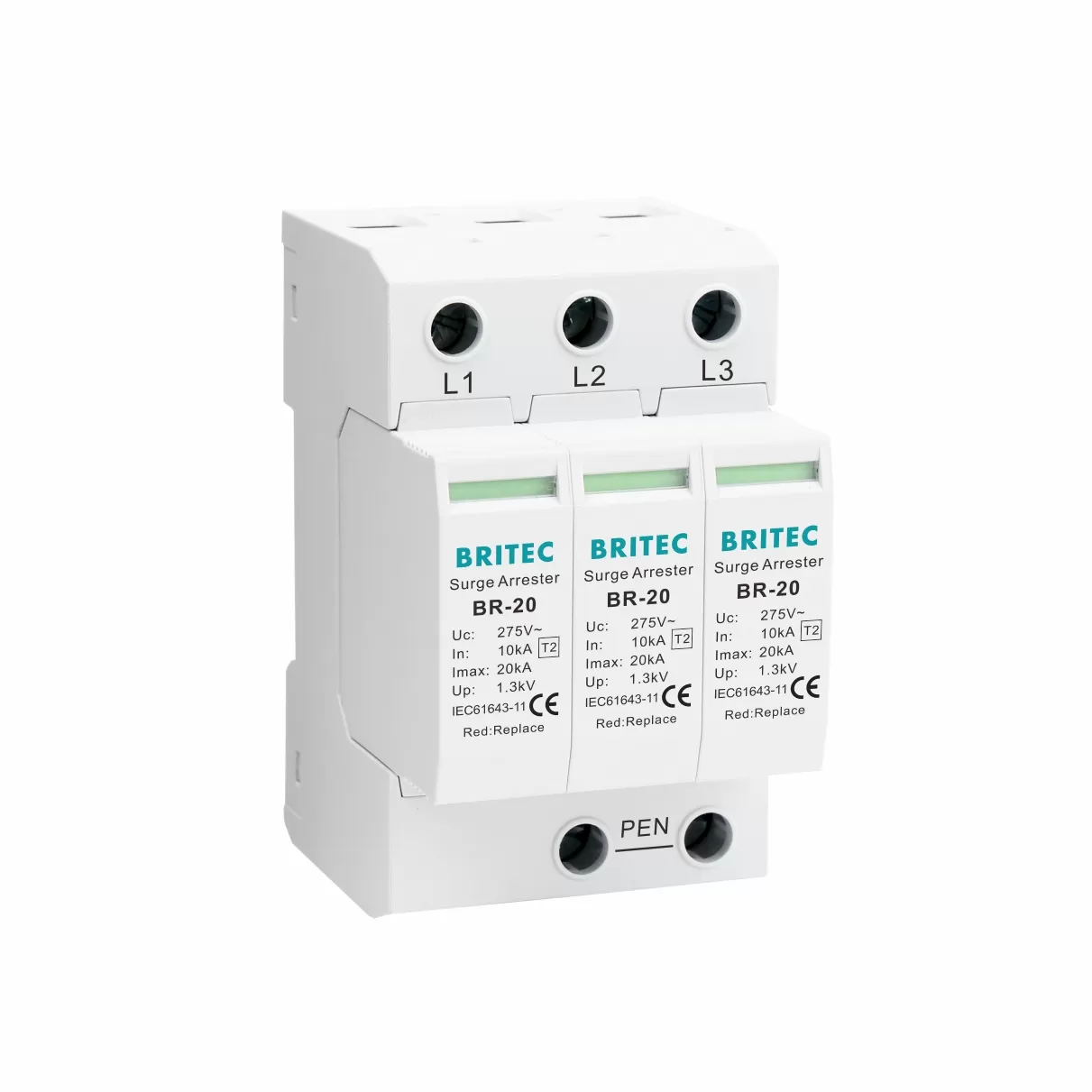
Type 2 SPDs are the most commonly used devices in electrical distribution systems.
They:
● Protect downstream electrical panels
● Handle switching surges and indirect lightning
● Are widely used in industrial and commercial systems
👉 Internal reference:
spd type 1 vs type 2
https://www.britecelectric.com/blog/type-1-surge-protection-device-vs-type-2-spd/
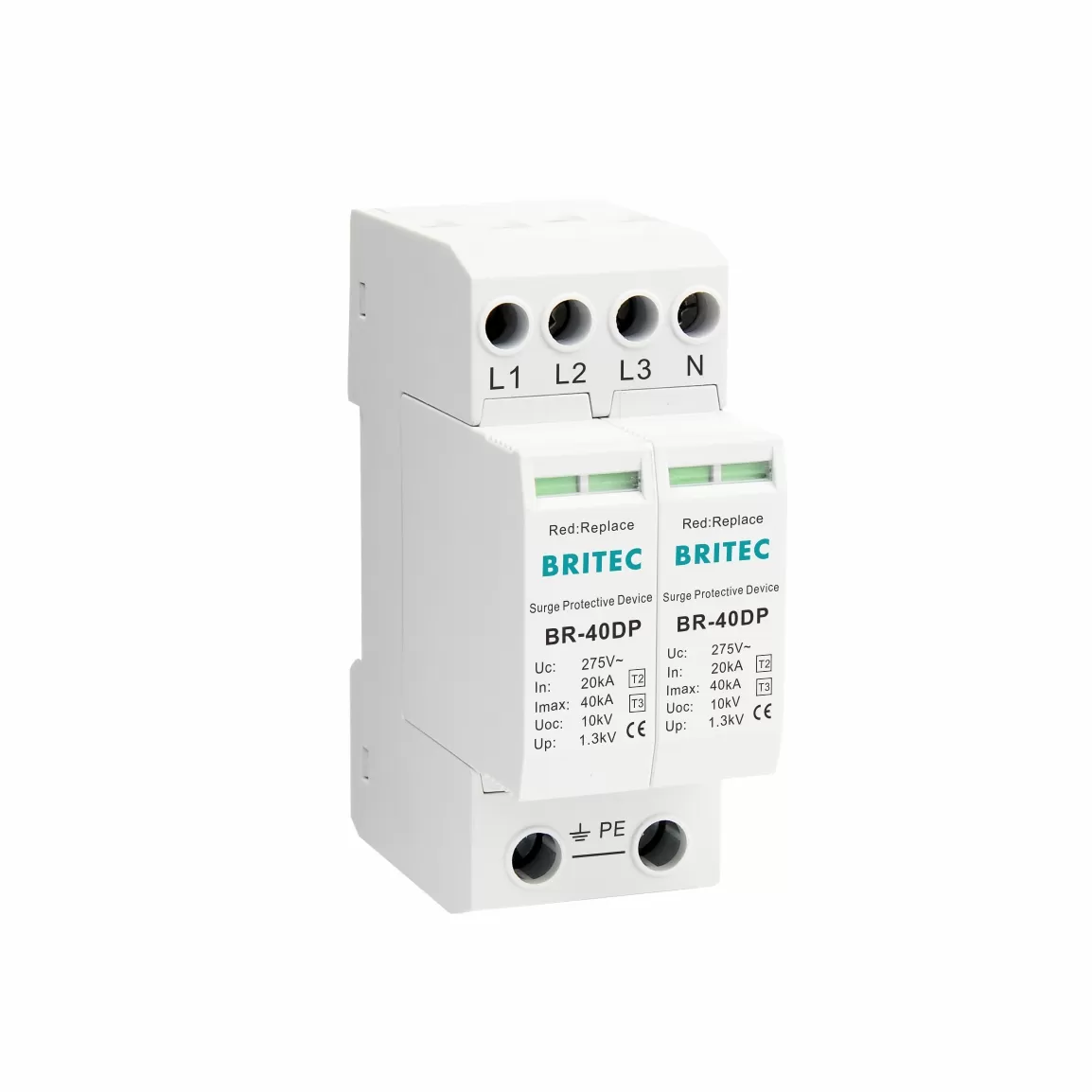
Type 3 SPDs are installed close to sensitive equipment.
They:
● Provide fine protection
● Protect electronics like PLCs, computers, and controllers
● Are used after Type 1 and Type 2 SPDs
👉 Internal reference:
type 2 vs type 3 spd
https://www.britecelectric.com/blog/difference-between-type-1-type-2-and-type-3-surge-protective-devices/
● Type 1 → High energy (lightning entry point)
● Type 2 → Distribution protection (main industrial use)
● Type 3 → Terminal device protection (final stage)
AC SPDs are used in alternating current systems such as:
● Residential buildings
● Industrial power distribution
● Commercial electrical grids
👉 Internal reference:
https://www.britecelectric.com/blog/ac-power-surge-protection-with-spd-key-selection-factors-and-application-insights/
DC SPDs are designed for direct current systems such as:
● Solar photovoltaic systems
● Battery energy storage systems
● Telecom DC power systems
👉 Internal reference:
https://www.britecelectric.com/blog/what-is-dc-surge-protection-device-what-is-a-24v-dc-power-supply/
● AC SPD: zero-crossing current behavior
● DC SPD: continuous current suppression requirement
Although often confused, SPD and surge arresters are not identical.
● Used in low-voltage systems
● Protects end-user equipment
● Installed in distribution panels
● Used in medium/high-voltage systems
● Protects power transmission infrastructure
● Installed in substations
👉 Internal reference:
https://www.britecelectric.com/blog/spd-surge-suppressor-and-surge-arrester-differences/
The SPD market is expanding rapidly due to:
● Increasing lightning-related equipment failures
● Expansion of renewable energy systems
● Industrial automation growth
● Rising demand for smart electrical protection
● Industrial SPD systems
● Residential surge protection devices
● Solar PV SPD systems
● Commercial building protection systems
● Asia-Pacific: fastest growth (industrial expansion)
● Europe: strong regulatory demand (IEC standards)
● North America: high adoption in smart grids and data centers
● Integration with smart monitoring systems
● Higher energy handling capacity (kA increase)
● Compact modular SPD designs
● Increased solar PV protection demand
When selecting an SPD, engineers typically evaluate:
● System voltage (AC/DC rating)
● Discharge current (kA rating)
● Protection level (Type 1, 2, or 3)
● Installation location
● Grounding system quality
● Using Type 2 SPD where Type 1 is required
● Undersizing discharge current rating
● Ignoring grounding quality
● Incorrect installation location
Proper installation is critical for performance.
● Install SPD close to distribution panel
● Minimize cable length
● Ensure proper grounding connection
● Follow IEC wiring standards
👉 Internal reference:
https://www.britecelectric.com/blog/how-to-install-type-2-surge-protector/
A Surge Protective Device (SPD) is a fundamental component in modern electrical protection systems. It ensures the safety of electrical equipment by controlling transient overvoltage and diverting surge energy safely to ground.
Understanding SPD function, working principles, types, and market trends is essential for engineers and procurement professionals selecting reliable protection systems.
As electrical systems become more advanced and globally interconnected, SPD technology will continue to evolve, playing a critical role in industrial safety, renewable energy protection, and smart infrastructure development.
An SPD is a Surge Protective Device used to protect electrical systems from voltage surges.
SPD stands for Surge Protective Device.
It limits transient overvoltage and protects electrical equipment.
It diverts surge current to ground when voltage exceeds safe levels.
It is used in electrical distribution systems for surge protection.
It is an SPD designed for DC systems like solar PV.
SPD is for low voltage systems, surge arrester is for high voltage systems.
It should be installed near distribution panels with proper grounding.