
A modern electrical system is basically everywhere around you… factories, solar plants, telecom stations, even that small control cabinet in a workshop.
And here’s the problem: electrical systems don’t just fail because of overloads. They often fail because of what you don’t see — transient voltage spikes caused by lightning, switching operations, or grid instability.
That’s exactly where a Surge Protective Device, commonly called SPD, steps in.
In simple terms, this guide walks you through What is a surge protective device?, how it works inside real systems, why it matters for your procurement decisions, and how different types behave in practical applications. You’ll also see real-world use cases so you don’t just “understand it,” but actually apply it correctly in projects.
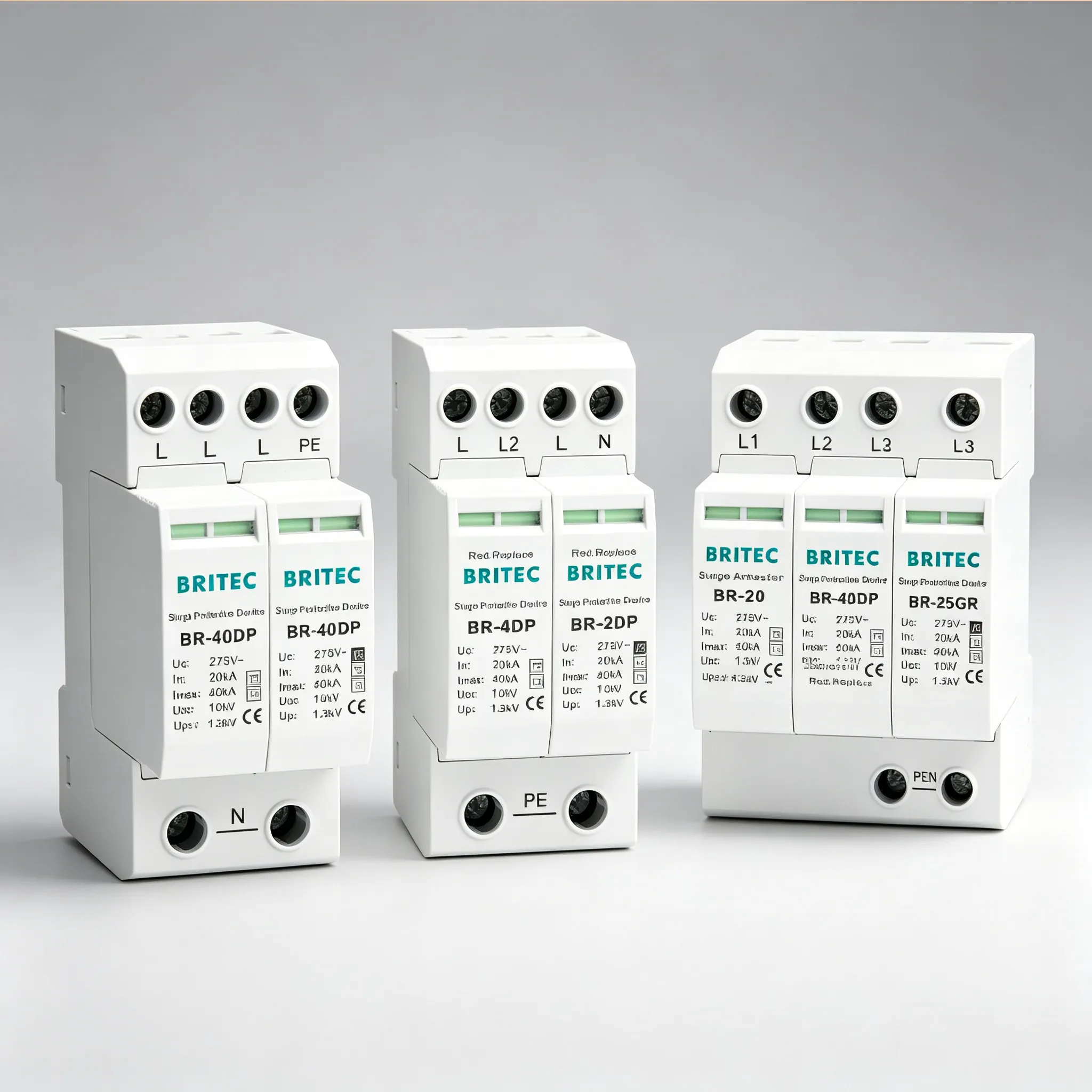
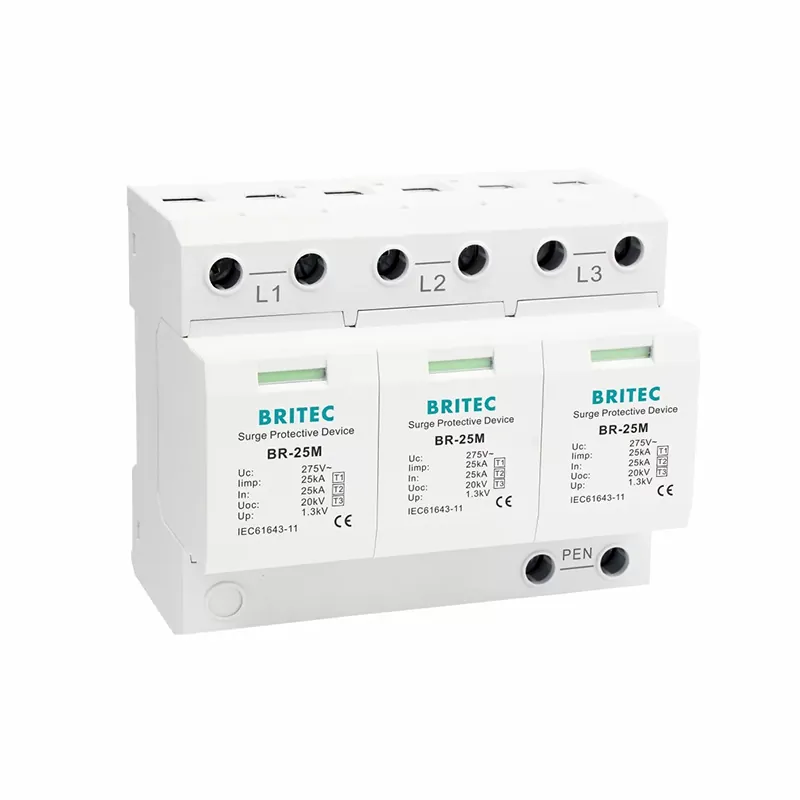
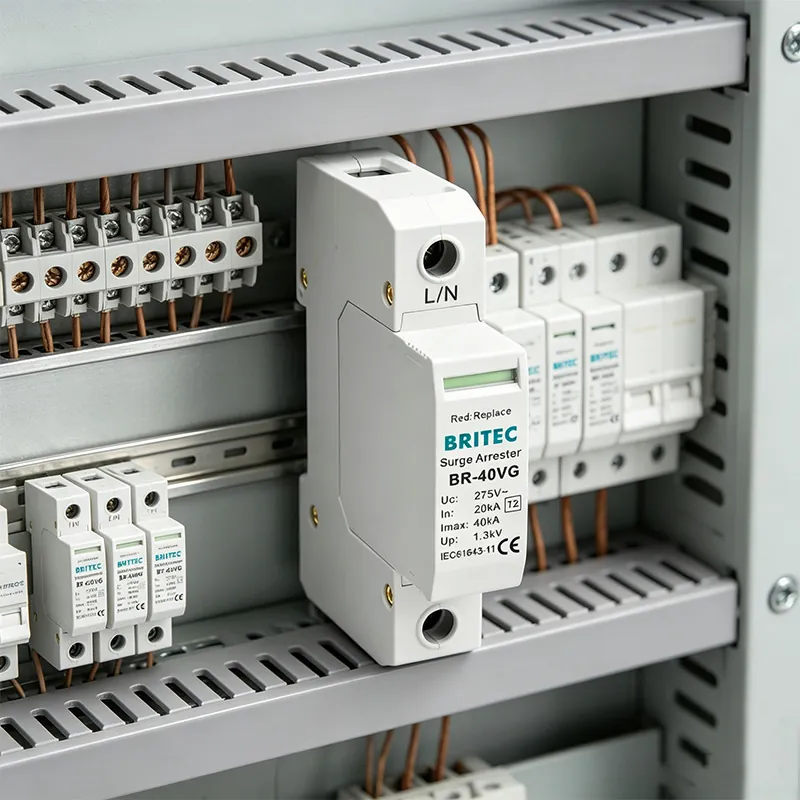
A Surge Protective Device is an electrical protection unit designed to limit transient overvoltage and safely divert surge energy to ground, protecting downstream equipment.
In technical standards (like IEC systems), an SPD is not optional—it is a required protection layer in most modern installations.
In procurement terms, you can think of it like this:
If circuit breakers protect against overcurrent, then SPD protects against overvoltage spikes.
These spikes might last microseconds, but they are powerful enough to destroy:
● PLC controllers
● Power supplies
● Inverters
● Communication modules
And honestly, most failures you see in industrial panels… don’t come from “bad equipment”, but from unprotected surges.
Typical SPD applications include:
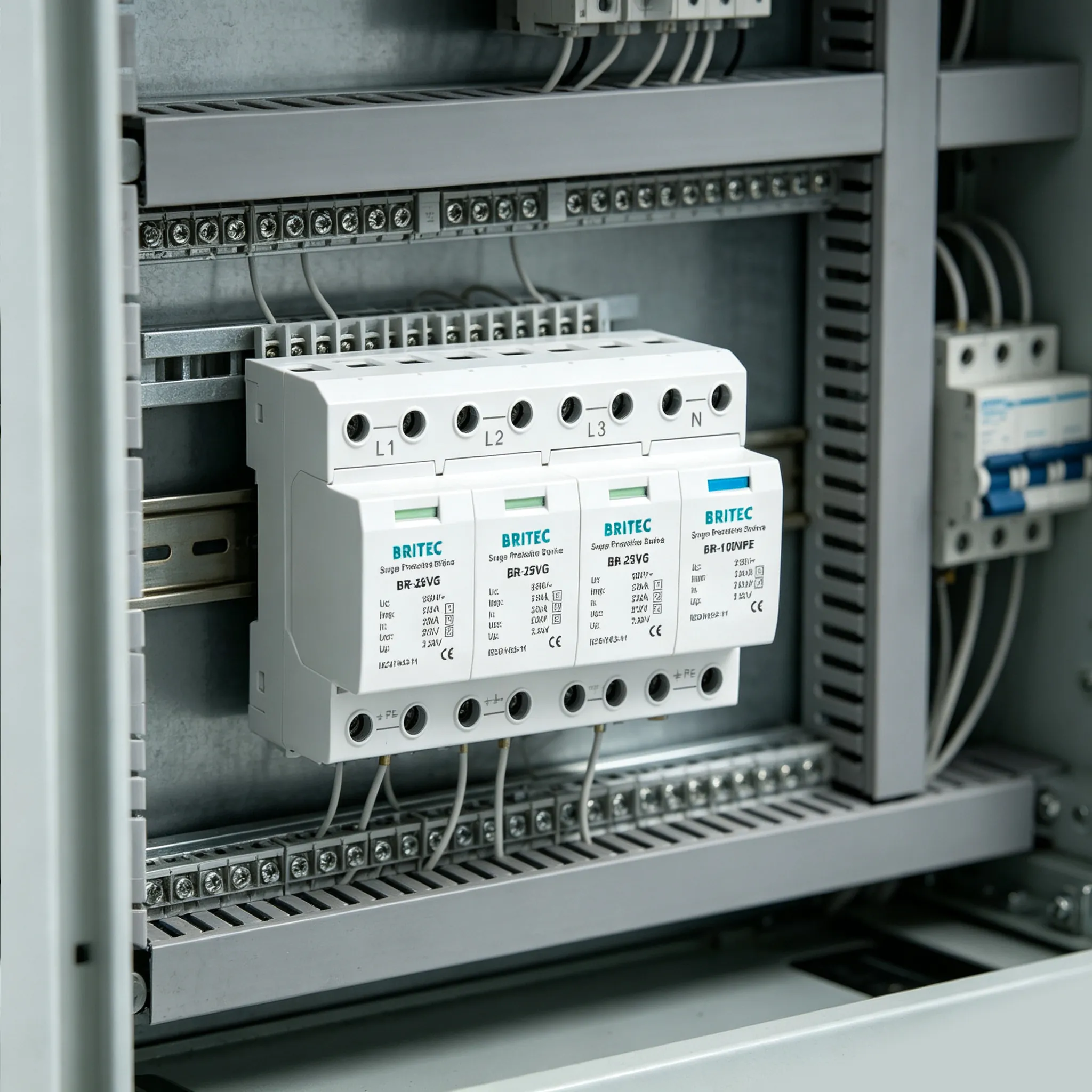
● Industrial distribution boards
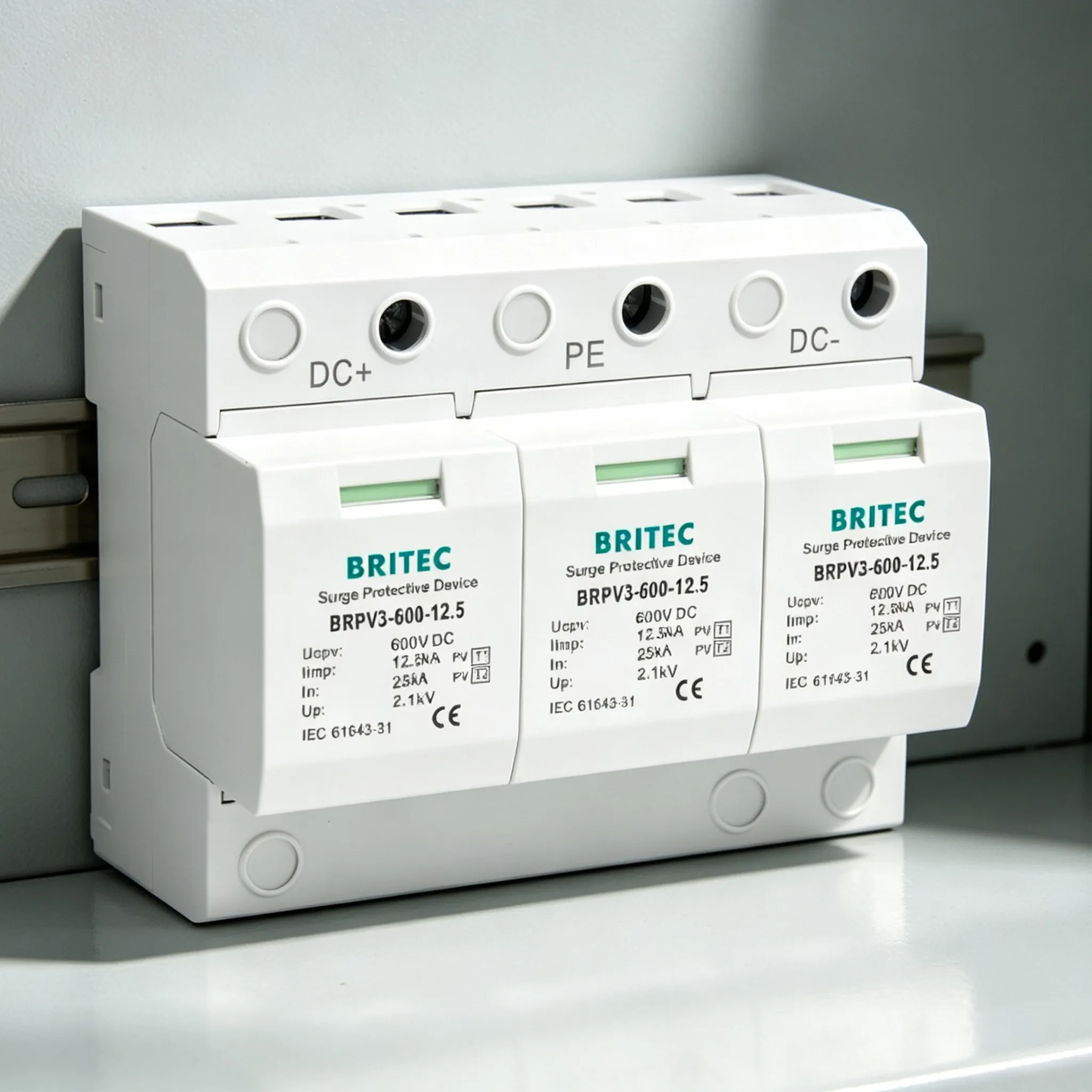
● Solar PV combiner boxes
● Data centers
● Telecom systems
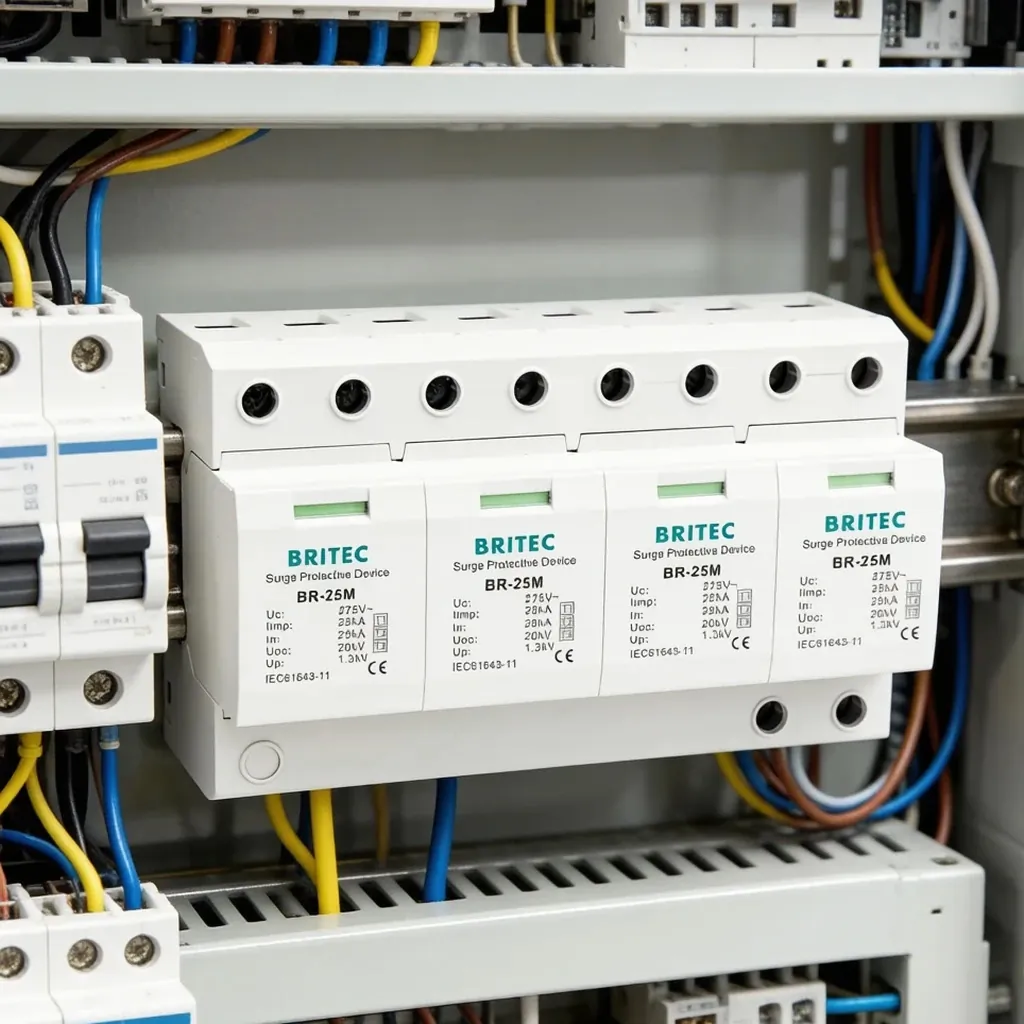
● Building electrical panels
👉 Marked reference:https://www.britecelectric.com/blog/coaxial-surge-protection-device-explained-working-benefits-and-applications/
Ο Surge Protective Device Function is actually more interesting than most people think, because it’s not just “blocking voltage”.
It actively reacts.
When voltage is normal, SPD stays passive. But when a surge occurs, it instantly switches behavior and creates a low-impedance path to divert energy safely.
● Limits transient overvoltage before it reaches equipment
● Diverts surge current into grounding system
● Protects sensitive electronics from insulation breakdown
● Stabilizes system voltage during disturbances
● Reduces downtime risk in industrial systems
In real factory environments, engineers often describe it like a “pressure relief valve for electricity”.
You don’t notice it working… until it’s missing.
And that’s usually when damage becomes expensive.
Let’s make it practical instead of theoretical.
When a surge enters a system:
● Voltage rises rapidly
● SPD detects abnormal threshold
● Internal components (MOV / GDT) switch conduction state
● Energy is diverted to earth grounding
● Voltage is clamped to a safe level
That entire process happens extremely fast — in microseconds or even nanoseconds.
Imagine a solar plant during a thunderstorm.
Without SPD:
● Inverter input stage gets hit
● DC bus voltage spikes
● System shutdown or board failure occurs
With SPD:
● Surge is diverted before reaching inverter
● System continues running with minimal disturbance
That difference is exactly why procurement engineers specify SPD as a mandatory component in modern electrical designs.
SPD is not a single product—it is a system-level protection concept with different layers.
Each type plays a different role depending on where it is installed.
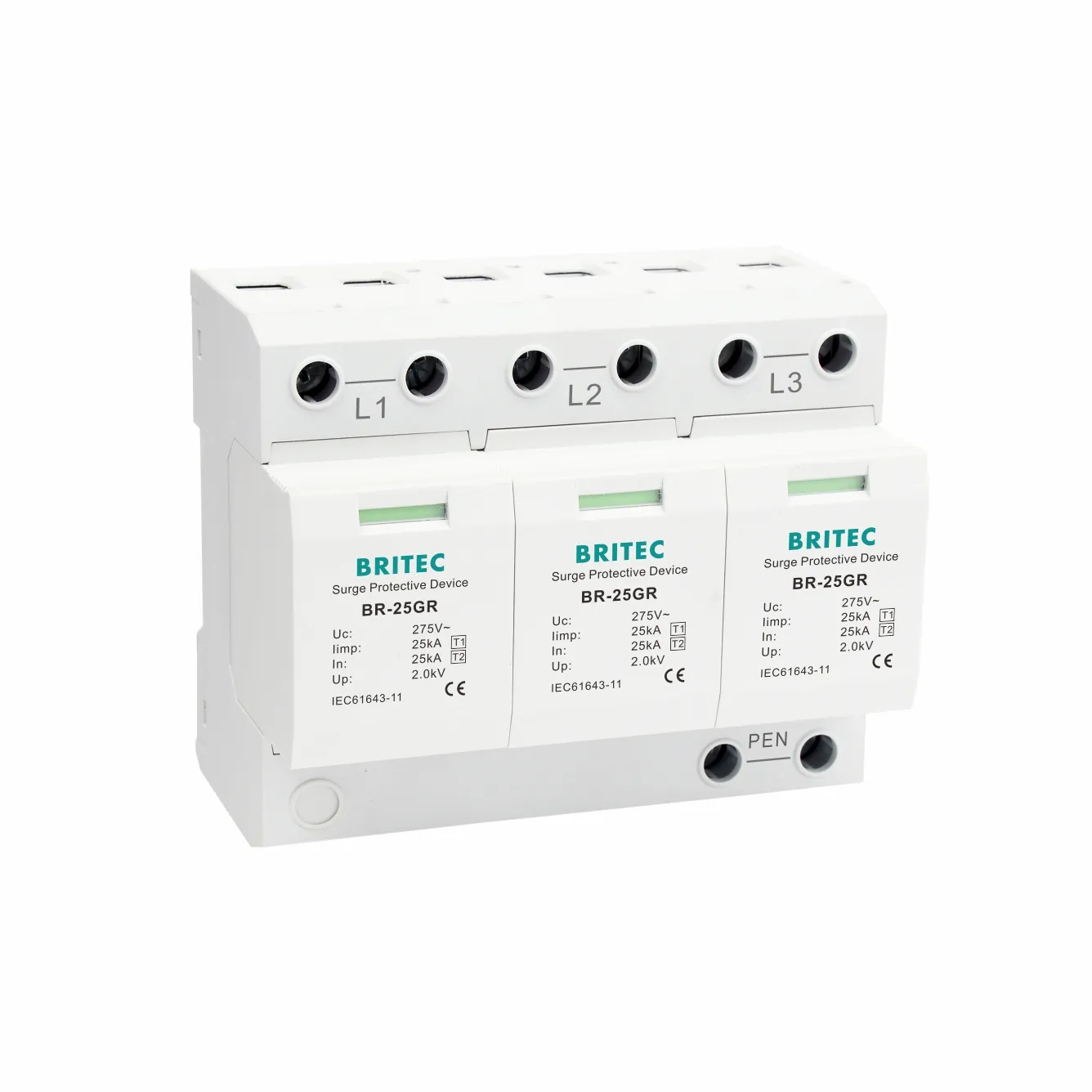
Type 1 SPD is installed at the main incoming power supply.
It is designed to handle:
● Direct lightning currents (partial wave)
● High-energy surge events
● Building-level protection requirements
It is commonly used in:
● Industrial plants
● Buildings with external lightning systems
● Utility-connected infrastructure
Key idea: first line of defense
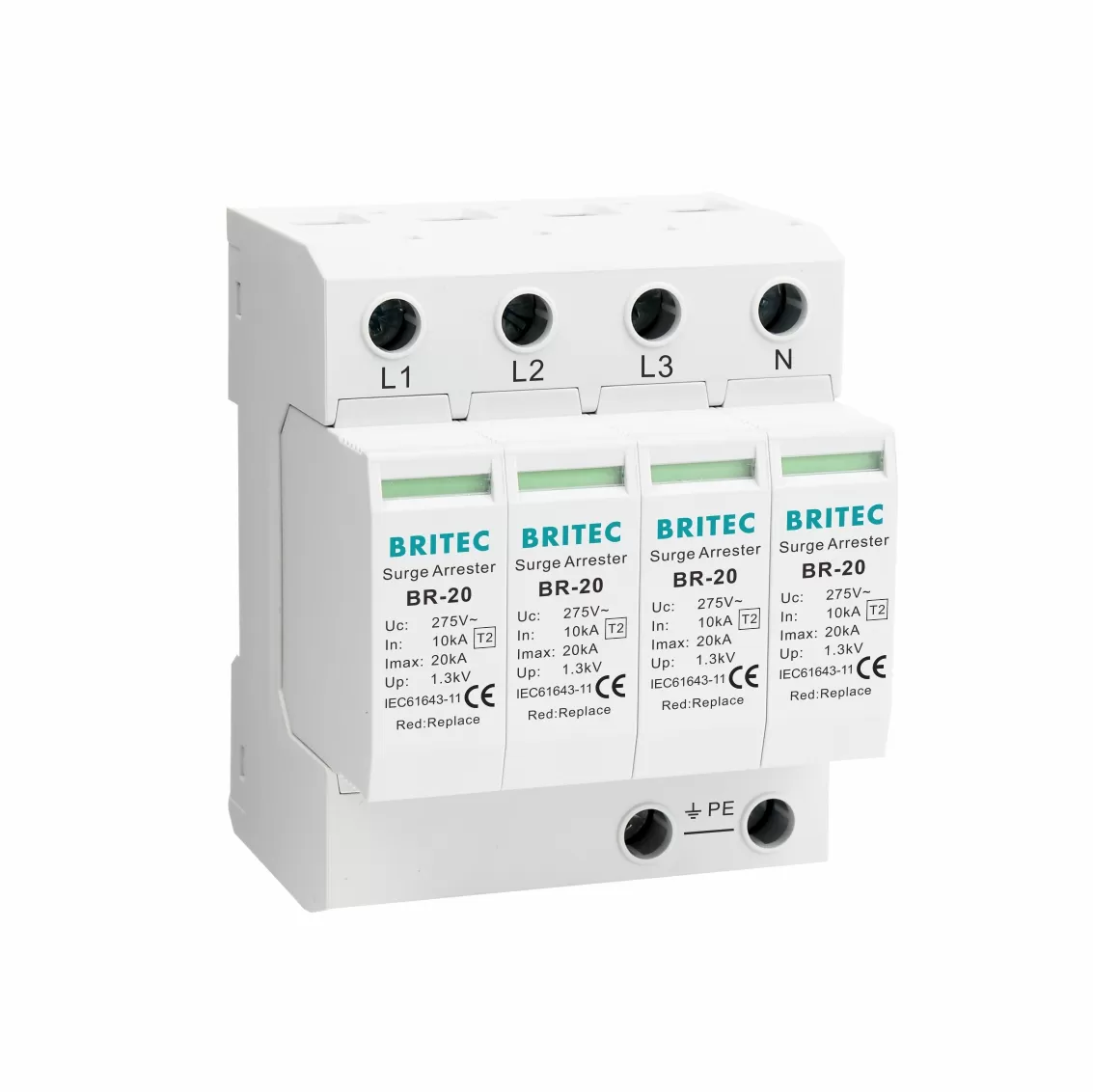
Type 2 SPD is the most widely used category in industrial procurement.
It is installed in:
● Distribution panels
● Sub-panels
● General industrial power systems
It protects against:
● Switching surges
● Indirect lightning surges
● Residual voltage from Type 1 SPD
👉 Marked reference:https://www.britecelectric.com/blog/what-is-a-type-2-surge-protection-device/

Type 3 SPD is the final protection layer.
It is installed close to sensitive equipment such as:
● PLCs
● Industrial computers
● Communication devices
It provides fine protection against low-energy residual surges.
👉 Marked reference:https://www.britecelectric.com/blog/what-is-a-type-3-surge-protector/
| Τύπος | Installation Position | Επίπεδο Προστασίας | Main Use | Energy Capacity |
|---|---|---|---|---|
| Τύπος 1 | Main incoming line | Ψηλά | Lightning protection | Very high |
| Τύπος 2 | Distribution board | Μέσον | Industrial systems | Μέσον |
| Τύπος 3 | Terminal equipment | Χαμηλός | Sensitive devices | Χαμηλός |
Installation is where many projects actually fail—not because of product quality, but because of poor system design.
SPD installation should always follow three principles:
● Keep connection length as short as possible
● Ensure proper grounding resistance
● Install at correct protection hierarchy level
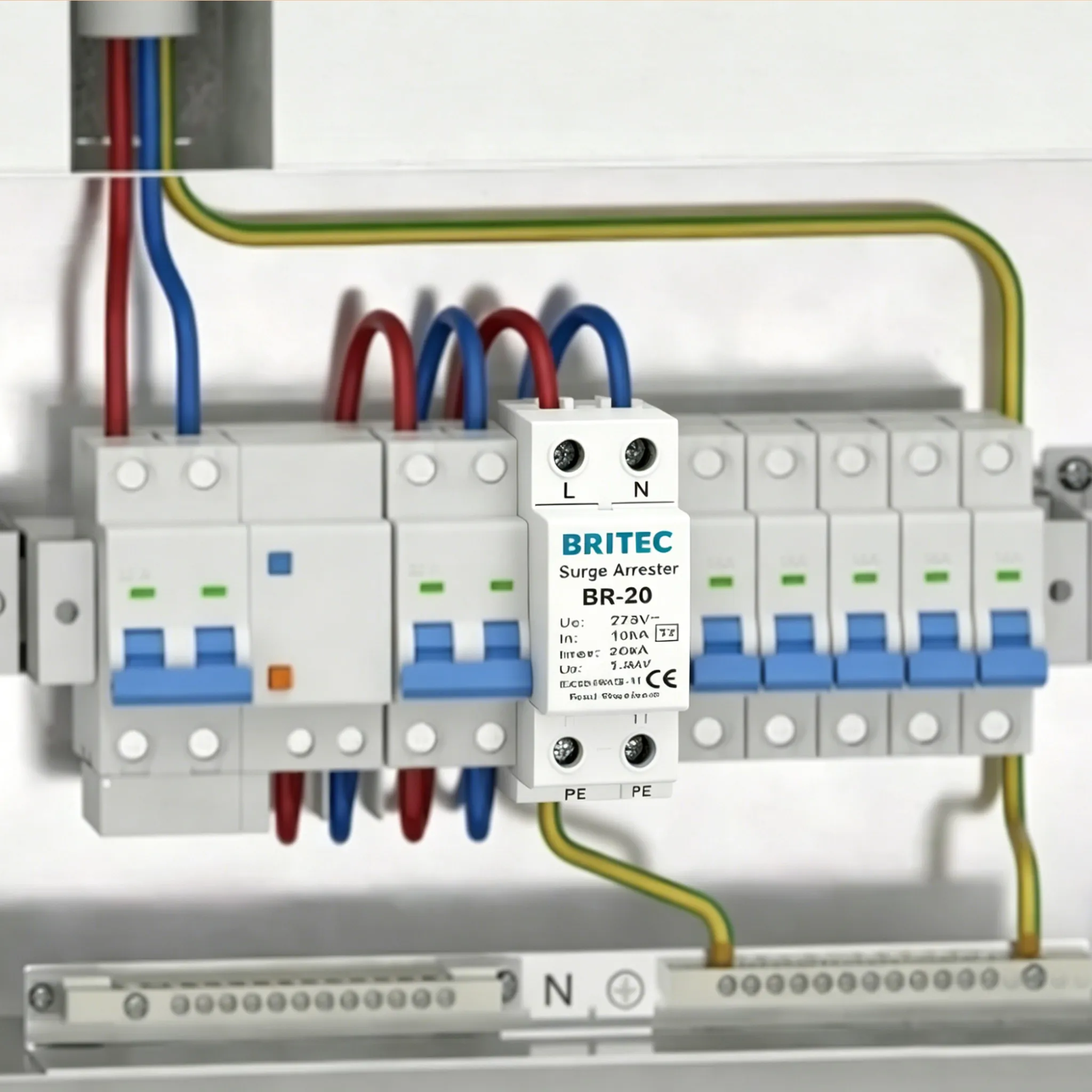
In real projects, engineers often place SPD:
● At main panel entry point
● At sub-distribution boards
● Near critical loads
👉 Marked reference:https://www.britecelectric.com/blog/ac-power-surge-protection-device-installation-commissioning/
● Long wiring leads reducing protection efficiency
● Missing grounding or weak grounding systems
● Mixing SPD types incorrectly in one system
● Installing SPD too far from protected equipment
A real case from an industrial customer in Southeast Asia showed that simply correcting grounding reduced repeated PLC failures by nearly 80%. That’s not theory—that’s field data.
Now let’s talk about what really matters to you as a procurement decision maker.
You are not buying SPD for “compliance”… you are buying it for risk control.
● Prevents expensive equipment damage
● Reduces production downtime
● Protects automation systems
● Improves system reliability
● Extends equipment lifespan
In solar projects, SPD is often the difference between:
● stable long-term generation
● or repeated inverter failures and service calls
In industrial environments, SPD is often treated as:“cheap insurance for expensive systems” And that description is surprisingly accurate.
What is SPD full form
SPD stands for Surge Protective Device
What does SPD do in electrical systems
It diverts surge energy to ground and protects equipment
How does SPD work
It detects voltage spikes and switches to low impedance mode to discharge energy
What are the types of SPD
Type 1, Type 2, and Type 3
What is Type 2 SPD used for
Industrial and commercial distribution system protection
What is Type 1 SPD used for
Lightning protection at incoming power supply
What is Type 3 SPD used for
Terminal device protection
Is SPD necessary in solar systems
Yes, it protects inverters and DC equipment from surge damage
What is DC SPD
A surge protective device designed for DC systems like solar PV
What is AC SPD
A surge protective device used in AC power systems
Where is SPD installed
At distribution panels, sub-panels, and equipment terminals
Can SPD prevent lightning damage
It reduces surge impact but cannot stop direct lightning strikes completely
What is difference between SPD and surge arrester
SPD is low-voltage protection, surge arrester is for high-voltage systems
How long does SPD last
Depends on surge events and rating, usually several years
Do SPDs need maintenance
Minimal maintenance, but inspection is recommended
What happens if SPD fails
It stops protecting and may need replacement
Can SPD protect all devices
It protects connected systems, but not unlimited or direct lightning impact
Is SPD mandatory in industrial systems
In most modern standards and projects, yes
What is SPD market trend
Growing rapidly due to solar energy and industrial automation expansion
A Surge Protective Device is not just another electrical accessory—it is a critical protection layer in modern power systems. Whether you are working on industrial automation, solar PV projects, or commercial buildings, understanding the Surge Protective Device Function, selecting the correct Surge Protective Device Types, and ensuring proper installation directly impacts system reliability and long-term cost control.
If you are planning a project or sourcing components, choosing the right SPD configuration early can prevent expensive downtime later. It’s not an optional upgrade—it’s a system-level necessity.
If you want to improve reliability and reduce electrical risk in your projects, now is the right time to evaluate your protection design and upgrade it properly.