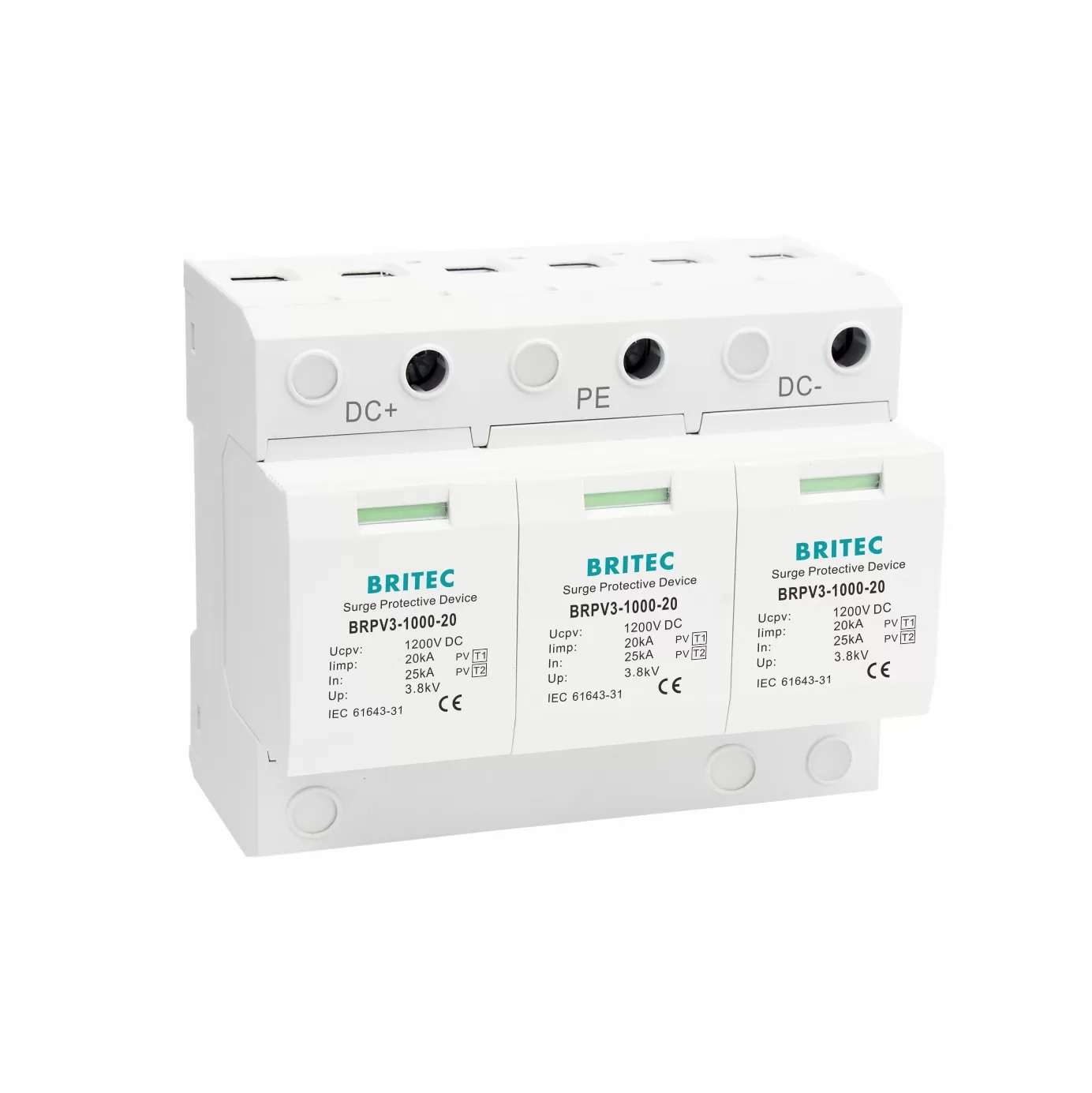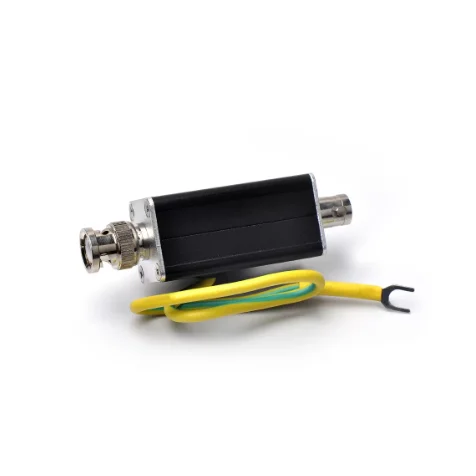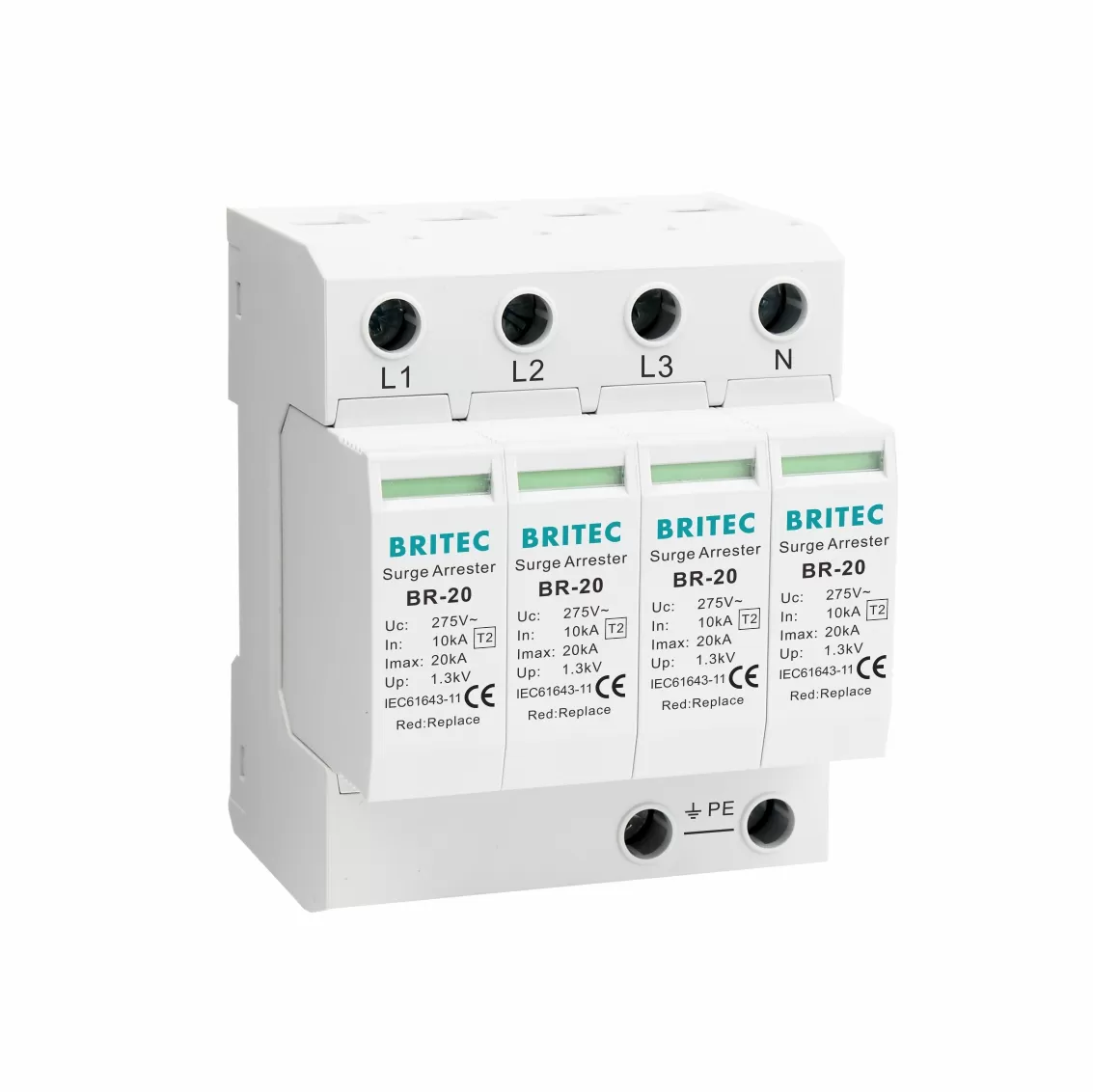


In modern electrical systems, surge protectors (SPD) act like “lightning rods” for power networks, silently safeguarding equipment safety. Among them, Type 2 SPD are the most widely used, and the “40KA” parameter is a crucial performance indicator. This article will guide you through an in-depth understanding of the core knowledge, selection considerations, and correct installation methods for 40KA Type 2 SPD.
Type 2 SPD, also known as “main distribution surge protector”, is the core line of defense in the surge protection system.
Discharges residual surge energy after lightning current discharge.
Suppresses transient overvoltages caused by operational overvoltages within the power grid.
Protects downstream electrical equipment from damage.
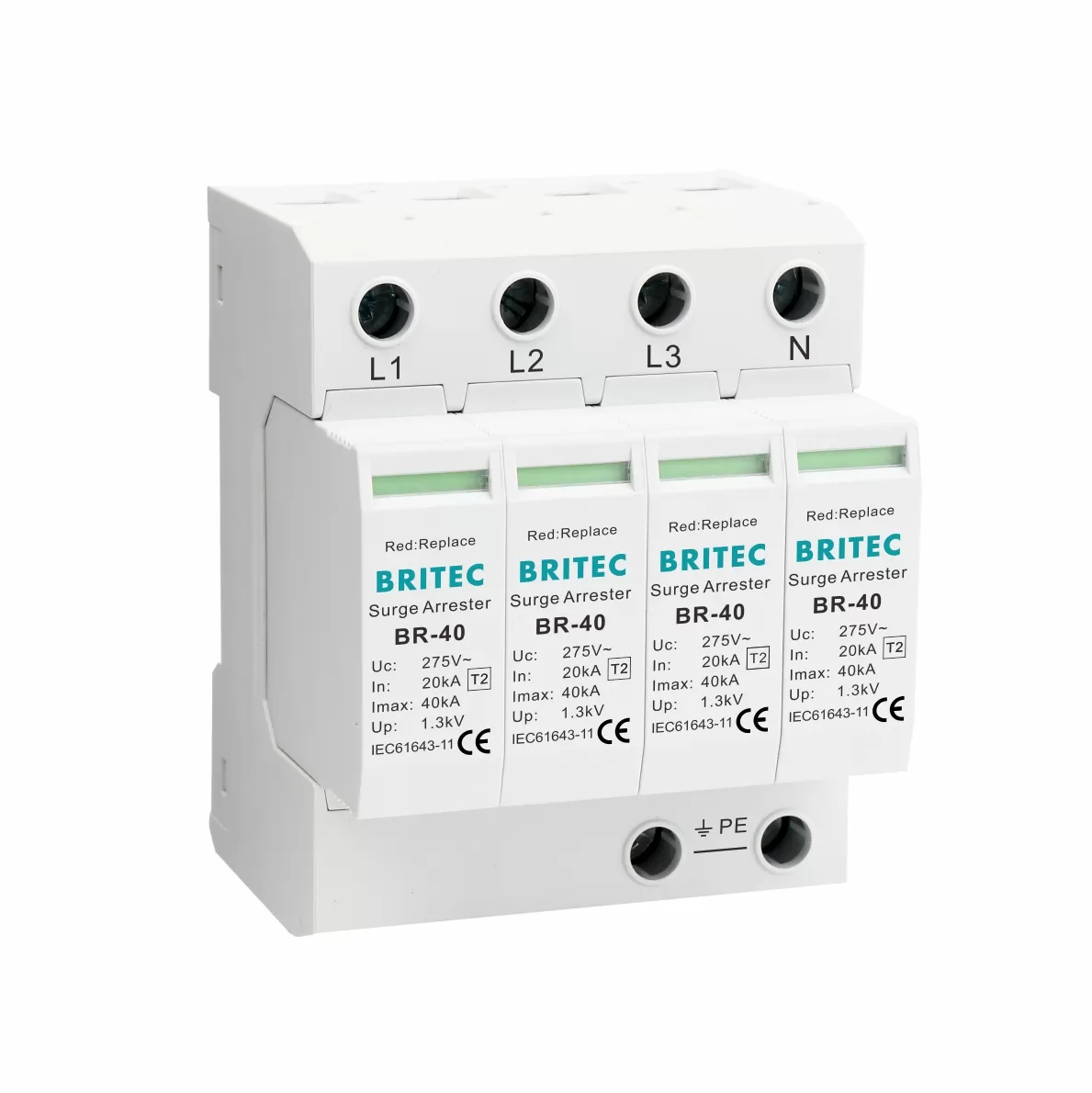
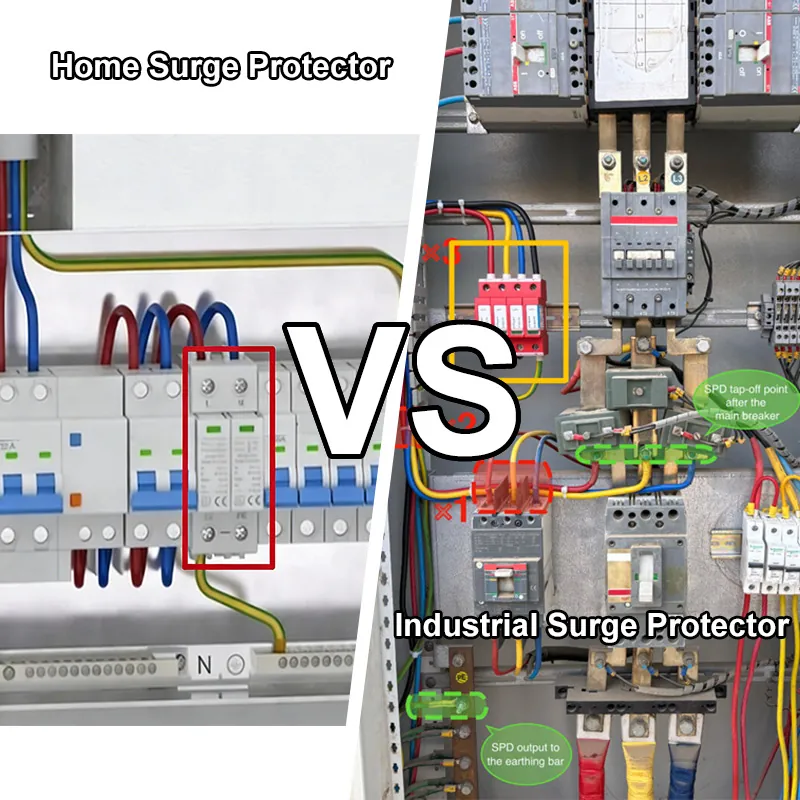
It is typically installed in the main distribution cabinet (MDB) of a building or in the floor distribution cabinet as a secondary protection.
Response time: Nanosecond level (typically 25-100 nanoseconds)
Protection level (Up): Low, typically 1.5-2.5kV
Operating principle: Based on varistor (MOV) or gas discharge tube technology
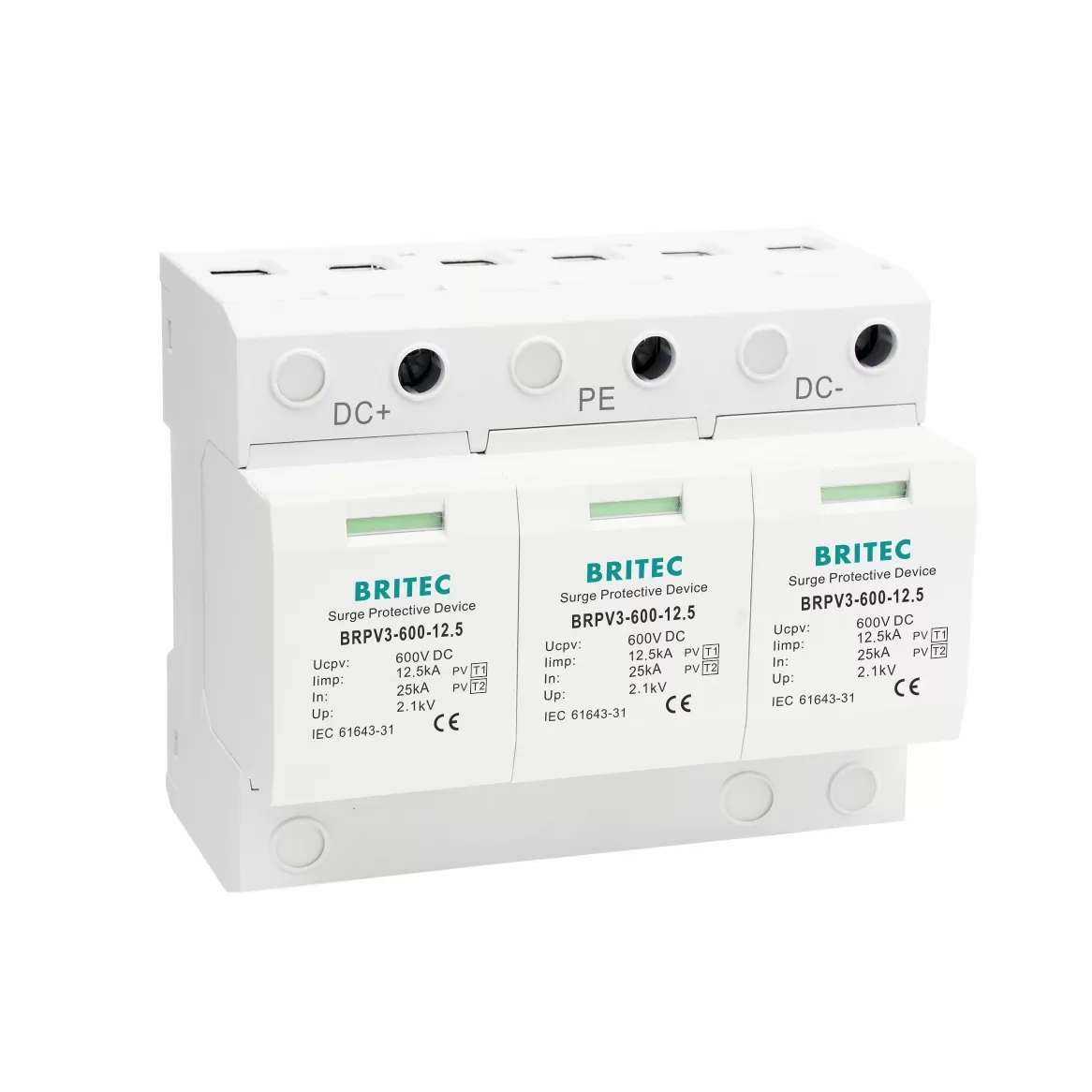
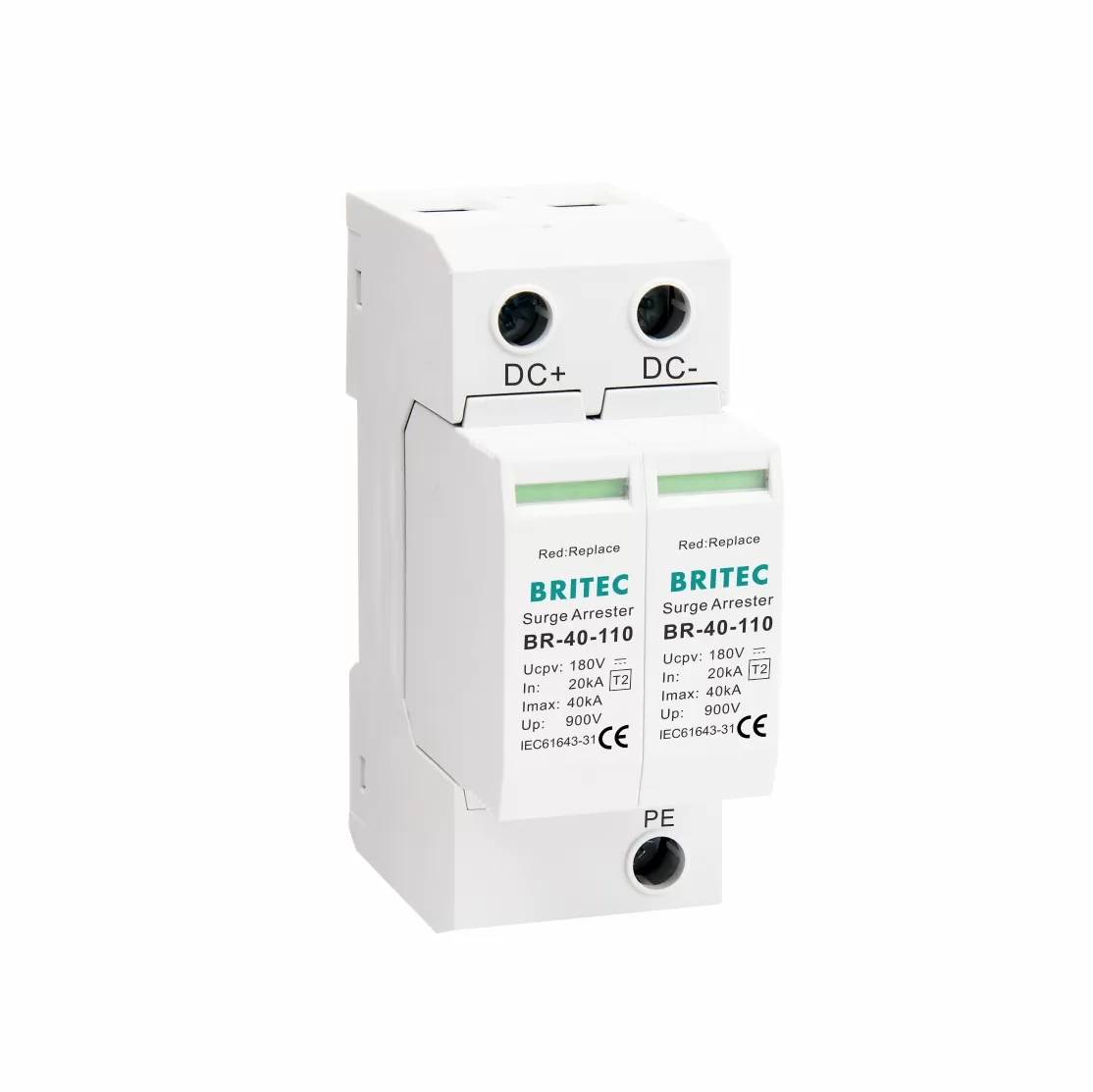
40KA Type 2 SPD is a surge protective device installed in main electrical panels, capable of safely discharging a maximum single surge current of 40,000 amps, providing secondary protection against induced lightning strikes and switching transients.
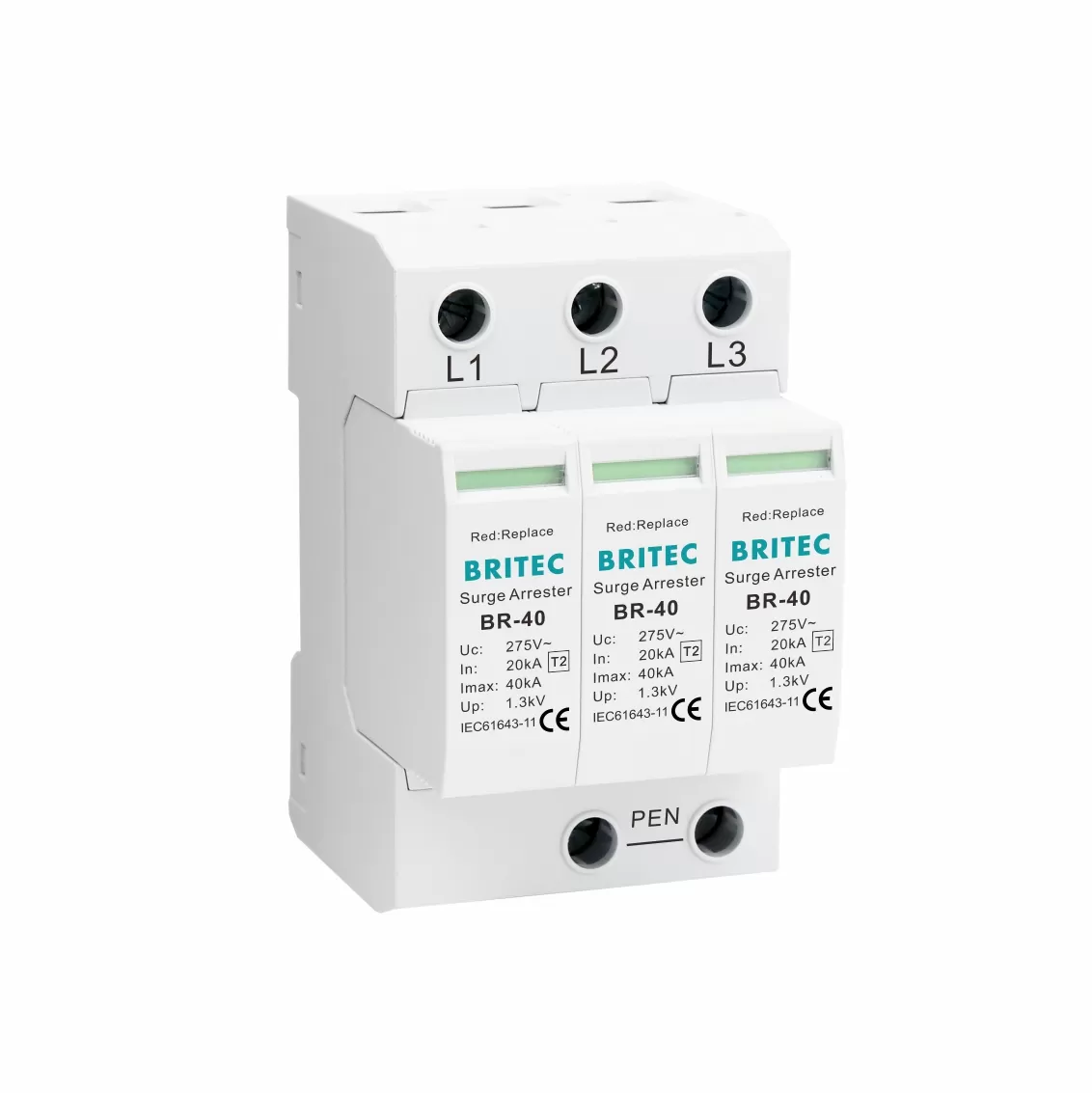
According to the IEC 61643 standard, Type 2 SPD refers to “voltage-limiting surge protector”, which can independently handle most induced lightning strikes and switching overvoltages and can work without the cooperation of a preceding Type 1 SPD (usually used for direct lightning protection).
“40KA” indicates the maximum discharge current Imax of the SPD, which means that the device can discharge a maximum surge current of 40 kA in a single operation under an 8/20μs simulated lightning current waveform. This is a key indicator for measuring the discharge capability of an SPD.
Durability: A higher Imax value means stronger surge withstand capability.
Lifespan Indicators: Less performance degradation after handling high currents.
Reliability: Provides more reliable protection in harsh thunderstorm areas.
Risk Assessment: Based on the building’s lightning strike risk level (refer to IEC 62305)
Geographical Location: For areas prone to lightning strikes (e.g., southern regions, mountainous areas), a higher Imax value is recommended.
Power Grid Conditions: For locations with unstable power grids or frequent start-ups and shutdowns of high-power equipment.
Protection Requirements: For high-value downstream equipment or significant downtime losses, a higher specification should be selected.
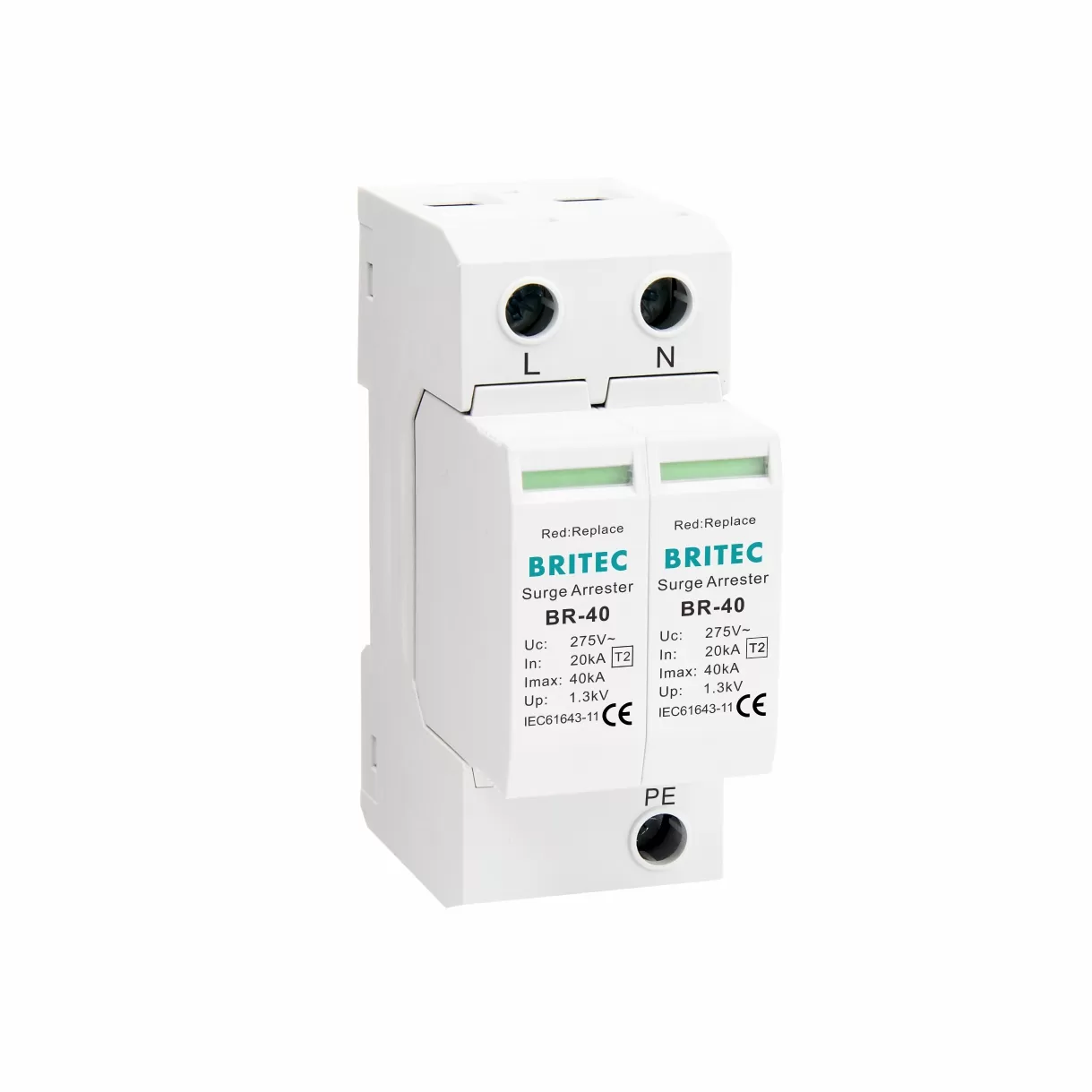
Check SPD status: Confirm the indicator window is green (normal).
Tools preparation: Torque wrench, insulated tools, personal protective equipment.
System power off: Ensure the installation circuit is completely de-energized and test for voltage.
Wiring Principles: “V” type connection preferred; wires should be as short and straight as possible.
Wire Specifications: Phase wire ≥ 16mm², ground wire ≥ 25mm² (copper wire)
Connection Sequence: Ground wire first, then phase/neutral wire.
Installation Location: As close as possible to the inlet of the protected equipment.
Protection Device: A suitable fuse or circuit breaker must be connected in series at the front end.
Initial Inspection: Check the tightness of all connections before powering on after installation.
Functional Testing: Use a dedicated tester or a simulation tester.
Regular Maintenance:
Monthly: Visually inspect status indicators.
Annually: Professionally test protection voltage levels and leakage current.
After a Lightning Strike: Inspect immediately and replace if necessary.
Type 2 Vs Type 3 SPD
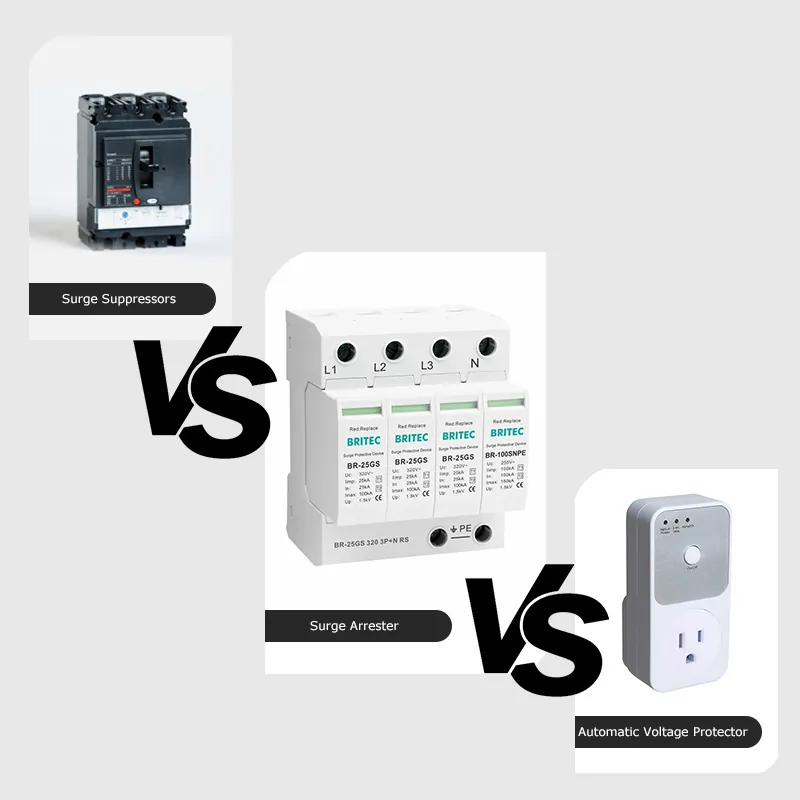
Type 2 SPDs are installed in the distribution cabinet to provide overall protection; Type 3 (also known as “equipment-level”) are installed at the front end of the equipment to provide fine protection. The two are usually used together.
What Is Type 3 SPD
Type 3 SPDs offer the lowest level of protection (typically <1.5kV) and are used as the last-stage protection for terminal equipment, such as socket-type and modular surge protectors.
Do Type 3 SPDs Need To Be Installed After Type 2 (Or Type 1)?
Yes, this is standard practice. Type 2 serves as the primary protection, while Type 3 serves as a supplement, forming a hierarchical protection system to achieve the gradual release of energy.
The 40kA Type 2 SPD is a robust surge protection system in building electrical systems. Its powerful 40kA discharge capacity effectively handles most lightning strikes and operational overvoltage threats. Proper selection, standardized installation, and regular maintenance are essential to ensure its maximum protective effectiveness and provide reliable protection for your electrical equipment and property.
Whether you are an electrical engineer, equipment manager, or a safety-conscious business owner, taking the time to evaluate your existing surge protection system is a wise investment. Check that your distribution cabinets are equipped with SPDs of the appropriate rating and confirm they are in effective working order. If you have doubts about your existing protection system or are planning a new electrical system, it is recommended that you consult a professional surge protection engineer immediately for a comprehensive assessment.


 Optimized by Seraphinite Accelerator