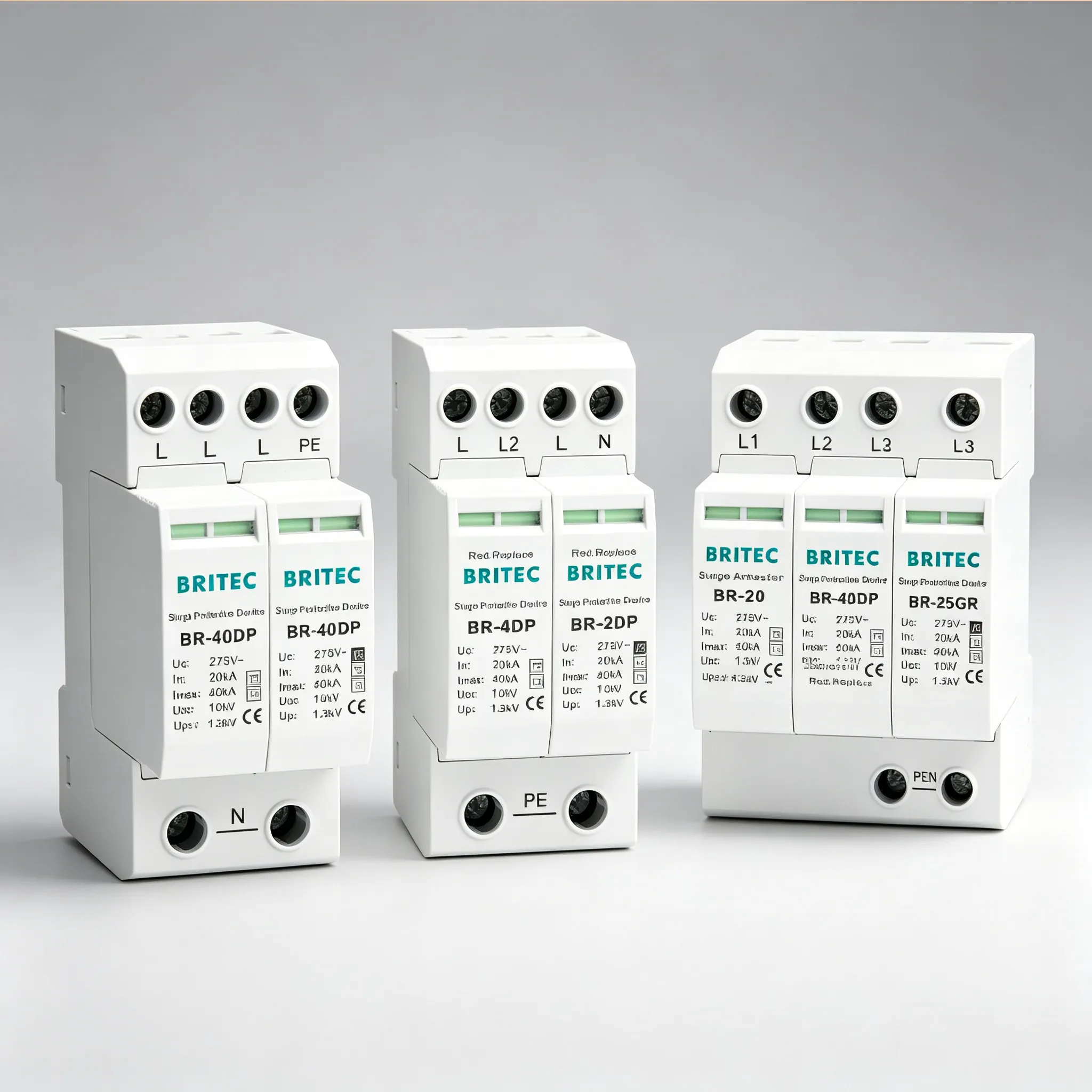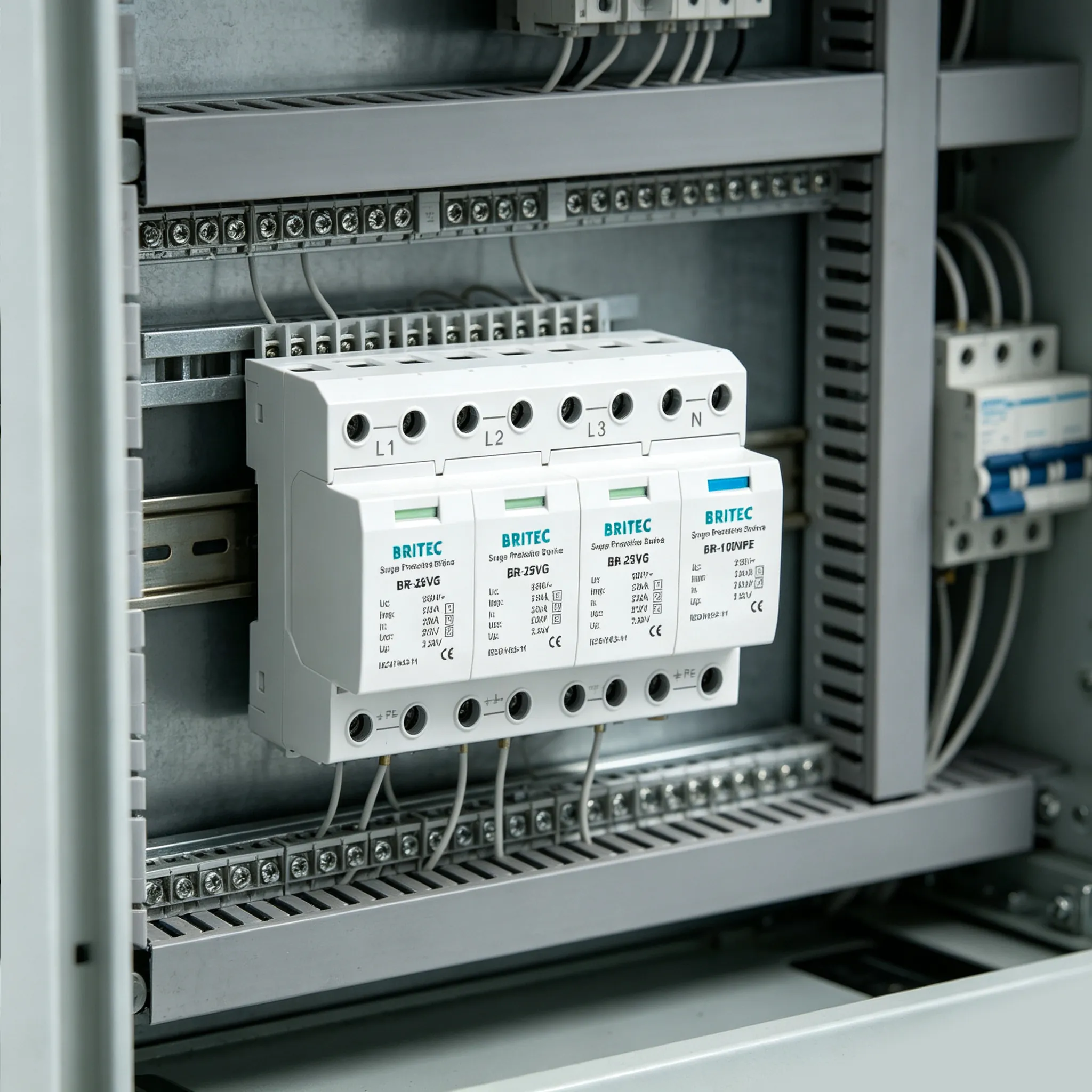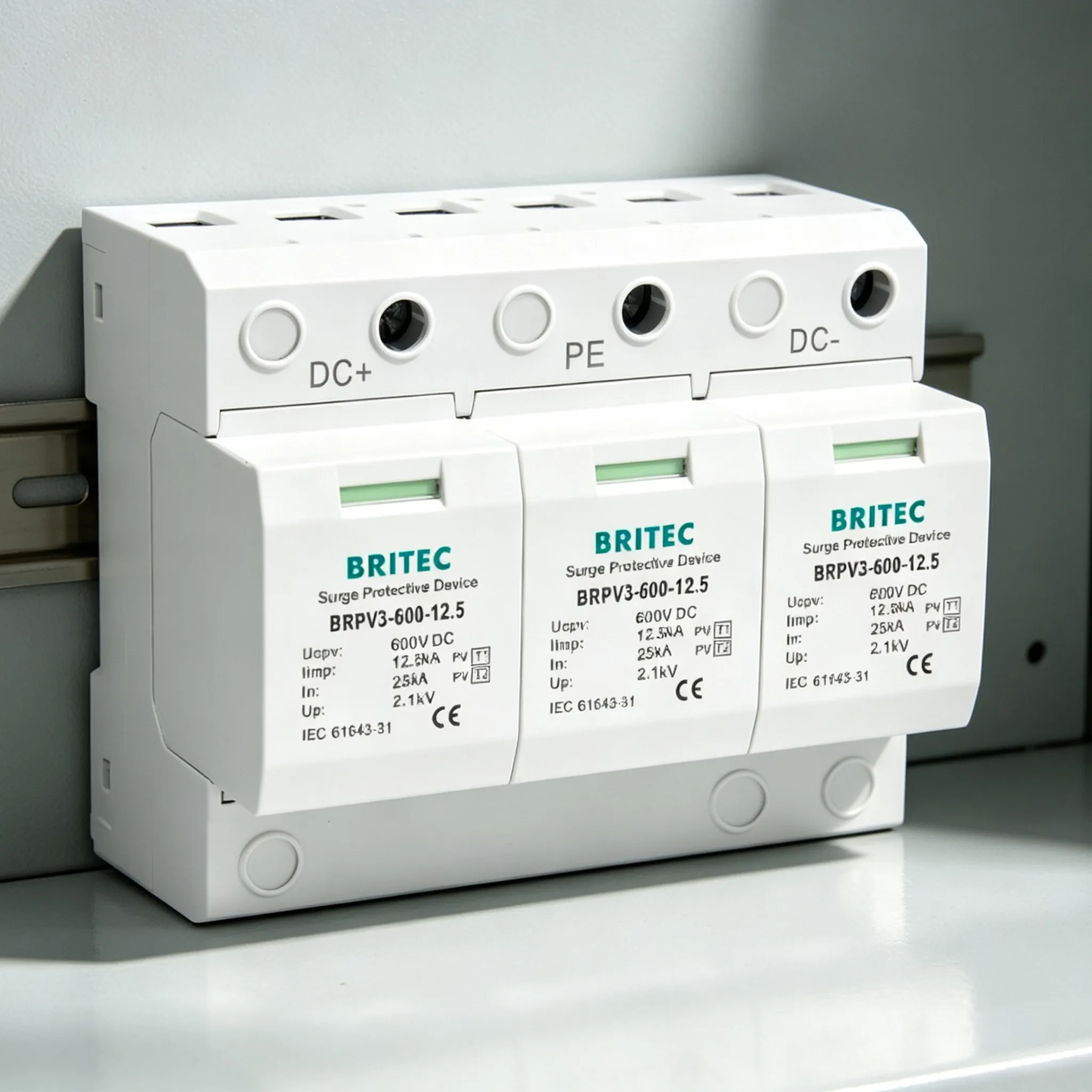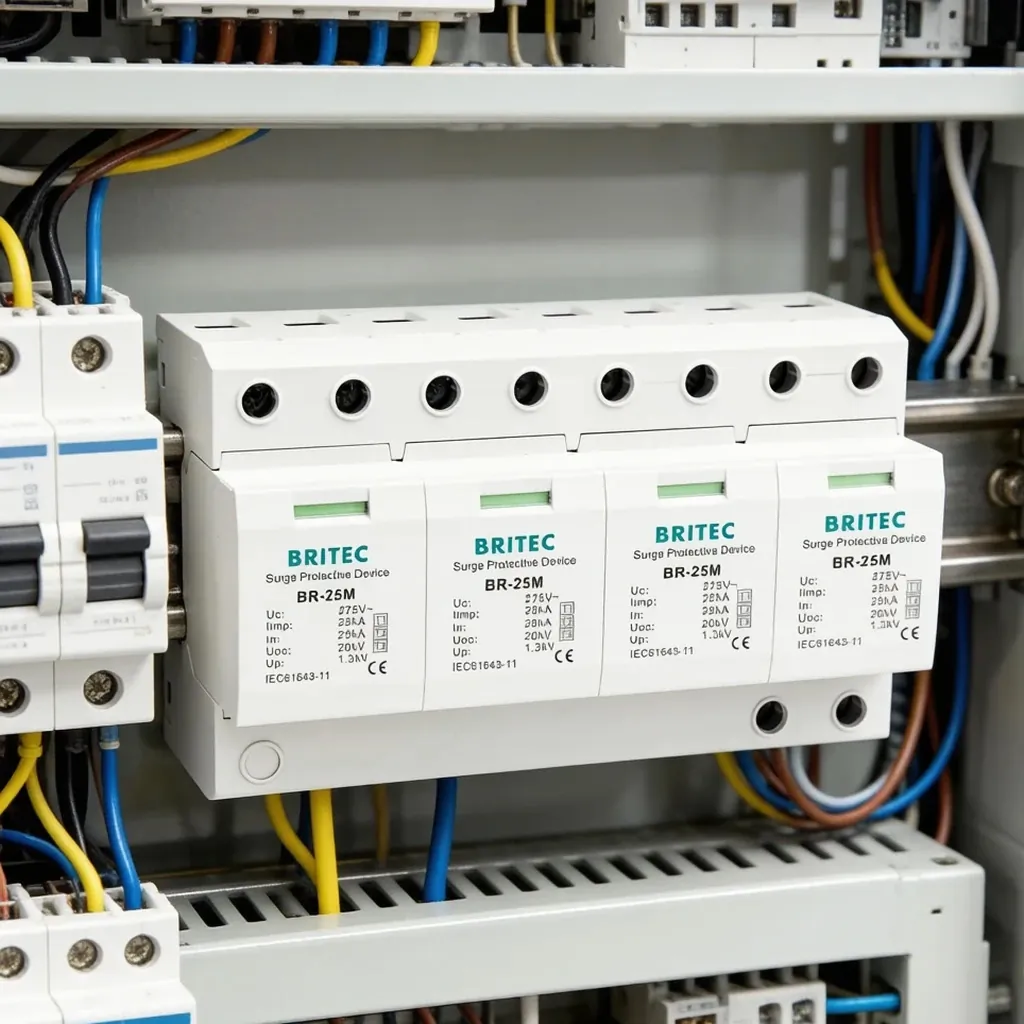

When selecting a surge protector, the maximum discharge current (Imax), commonly known as the “KA value,” is a key indicator. It represents the maximum surge current the SPD can discharge in a single operation. A higher value indicates stronger resistance to extreme surges.
This article will provide an in-depth comparison of three common specifications: 25KA, 50KA, and 80KA surge protector, to help you make an informed choice.
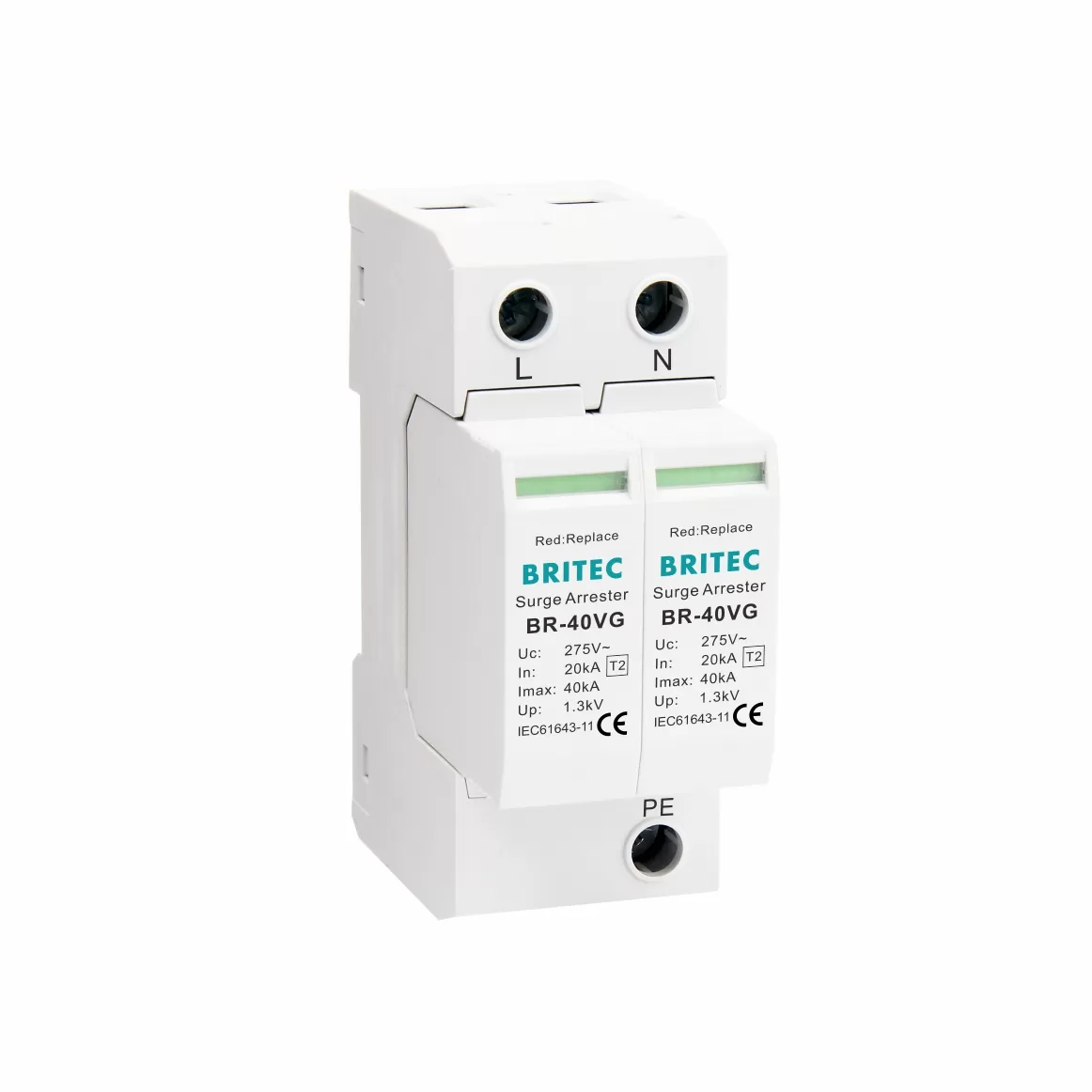
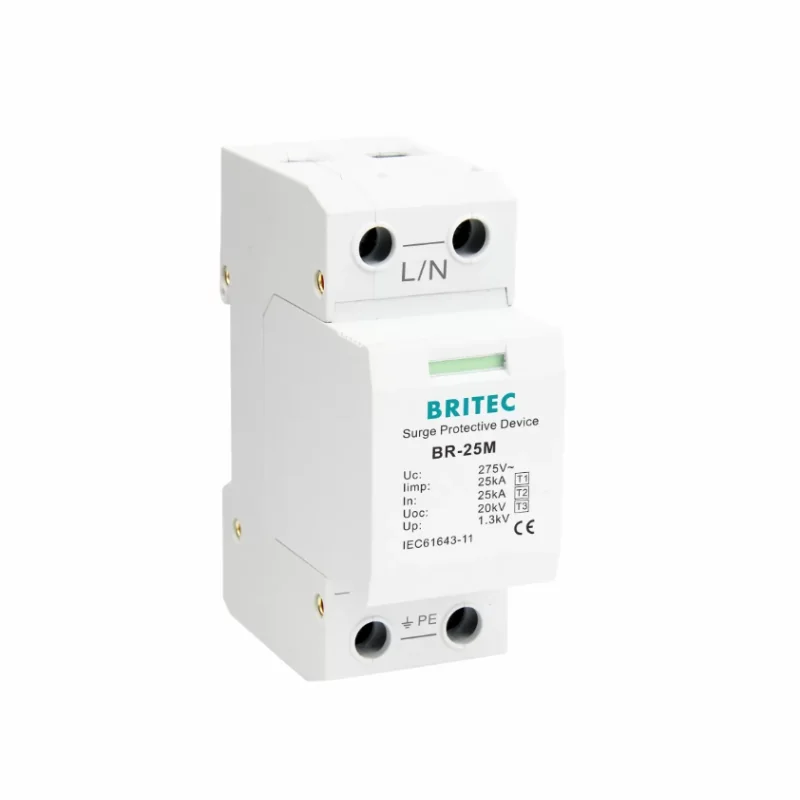
25KA SPD: Basic protection type. Maximum discharge current of 25kA per module (8/20μs waveform). Suitable for sharing medium-intensity lightning currents or induced overvoltages.
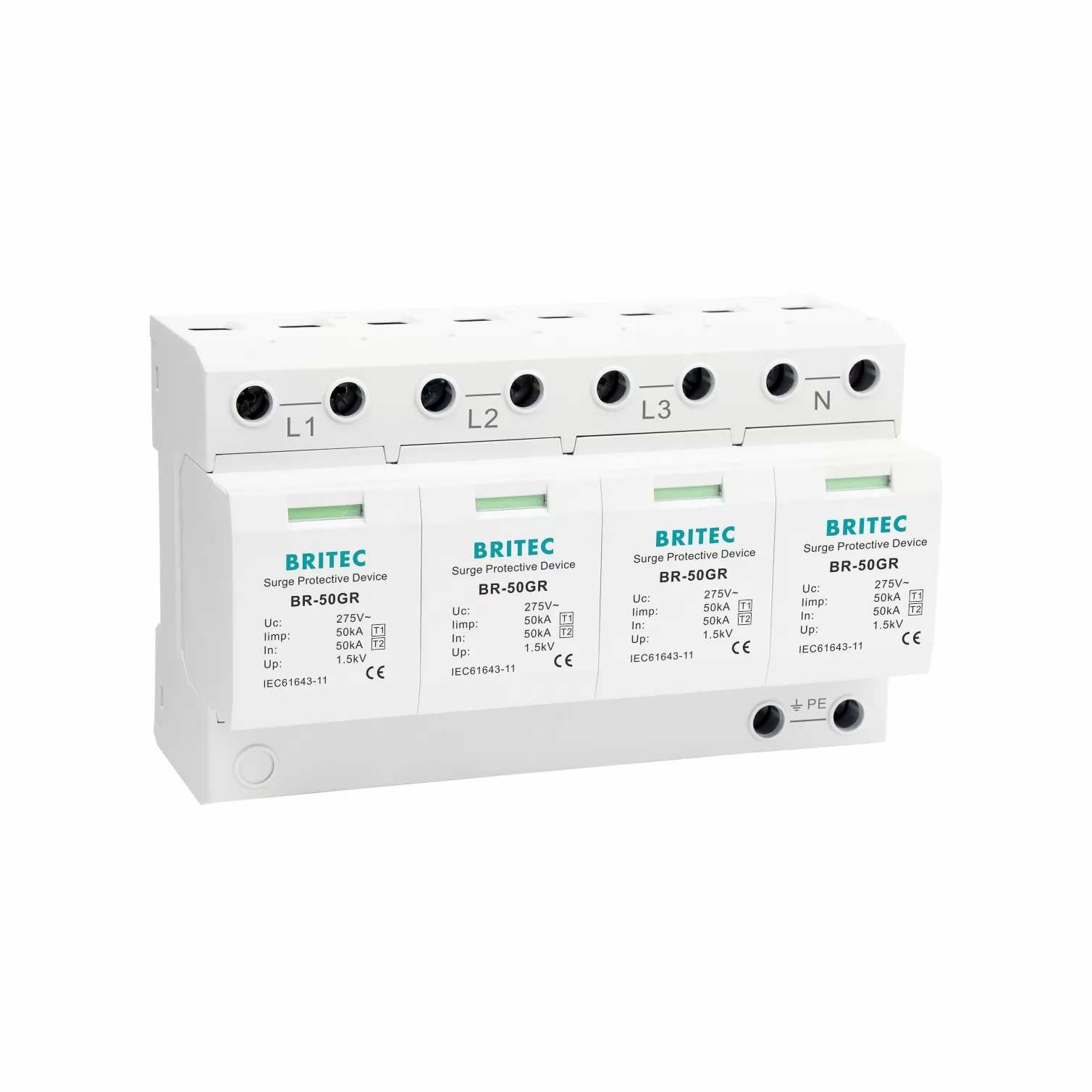
50KA Surge Protector: Main protection type. Maximum discharge current of 50kA per module. Significantly improved protection capability, effectively resisting powerful induced surges caused by direct lightning strikes or nearby lightning strikes.
80KA SPD: High-strength protection type. Maximum discharge current of 80kA per module. Possesses the strongest single-impulse withstand capability, suitable for high-risk or critical facilities.
25KA: Suitable for low thunderstorm risk areas, secondary or tertiary distribution boxes inside buildings, residential distribution boxes, and fine protection for individual critical equipment (such as air conditioners and computers).
50KA: Suitable for medium to high thunderstorm risk areas, main distribution boxes (primary protection) in urban residential and small-to-medium-sized commercial buildings, small computer rooms, and main lines for monitoring systems.
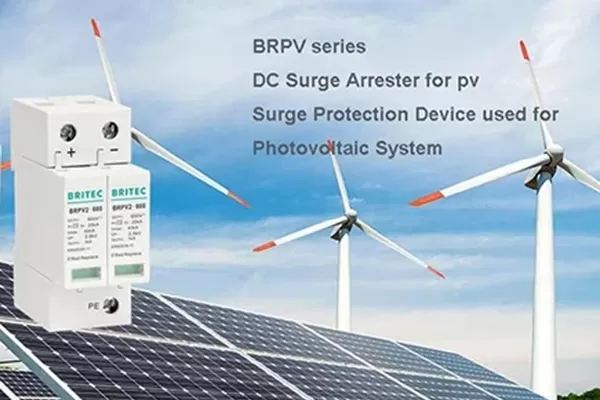
80KA: Suitable for high thunderstorm risk areas, detached buildings in rural/mountainous areas, main incoming lines for villas, factory workshops, communication base stations, solar photovoltaic systems, and main power distribution systems in critical locations such as hospitals and data centers.
25KA: Typically installed in distribution boxes (secondary SPD) or at the front end of equipment (tertiary SPD), coordinating with upstream SPDs to achieve energy balance.
50KA: Commonly found in main distribution cabinets (primary SPD) of small and medium-sized buildings, serving as the first line of defense.
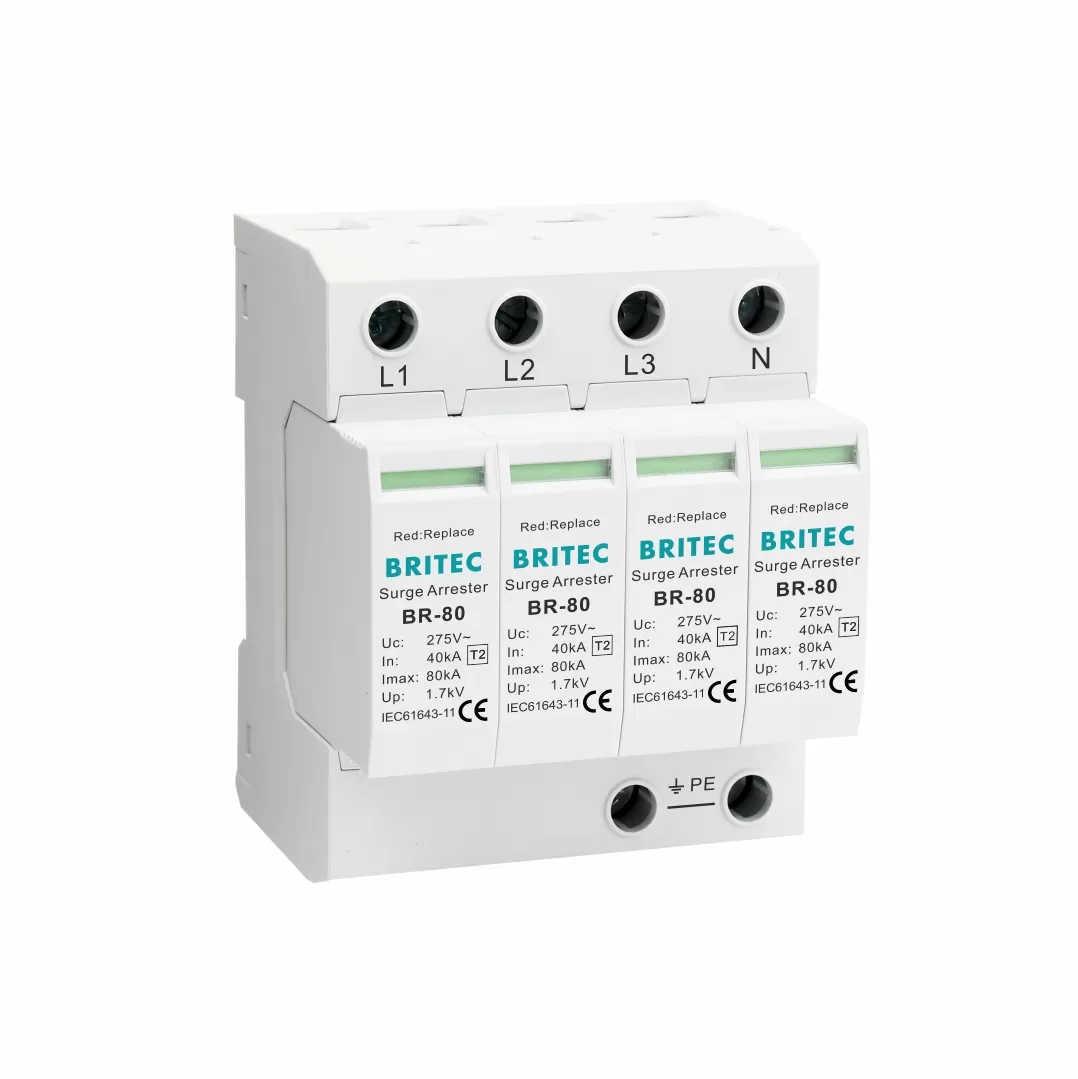
80KA Surge Protector: Mostly used in main incoming line cabinets of large buildings and meter boxes in independent buildings (primary SPD), to withstand the most severe surge impacts.
Price: 25KA < 50KA < 80KA. The price increases with improved protection capability, but the relationship is not linear. The 80KA module has a larger unit price due to higher material and manufacturing requirements.
Size: The 80KA module is typically the largest due to its larger internal varistor chip and gaps, resulting in higher requirements for heat dissipation and arc suppression. Space within the distribution box must be considered during installation.
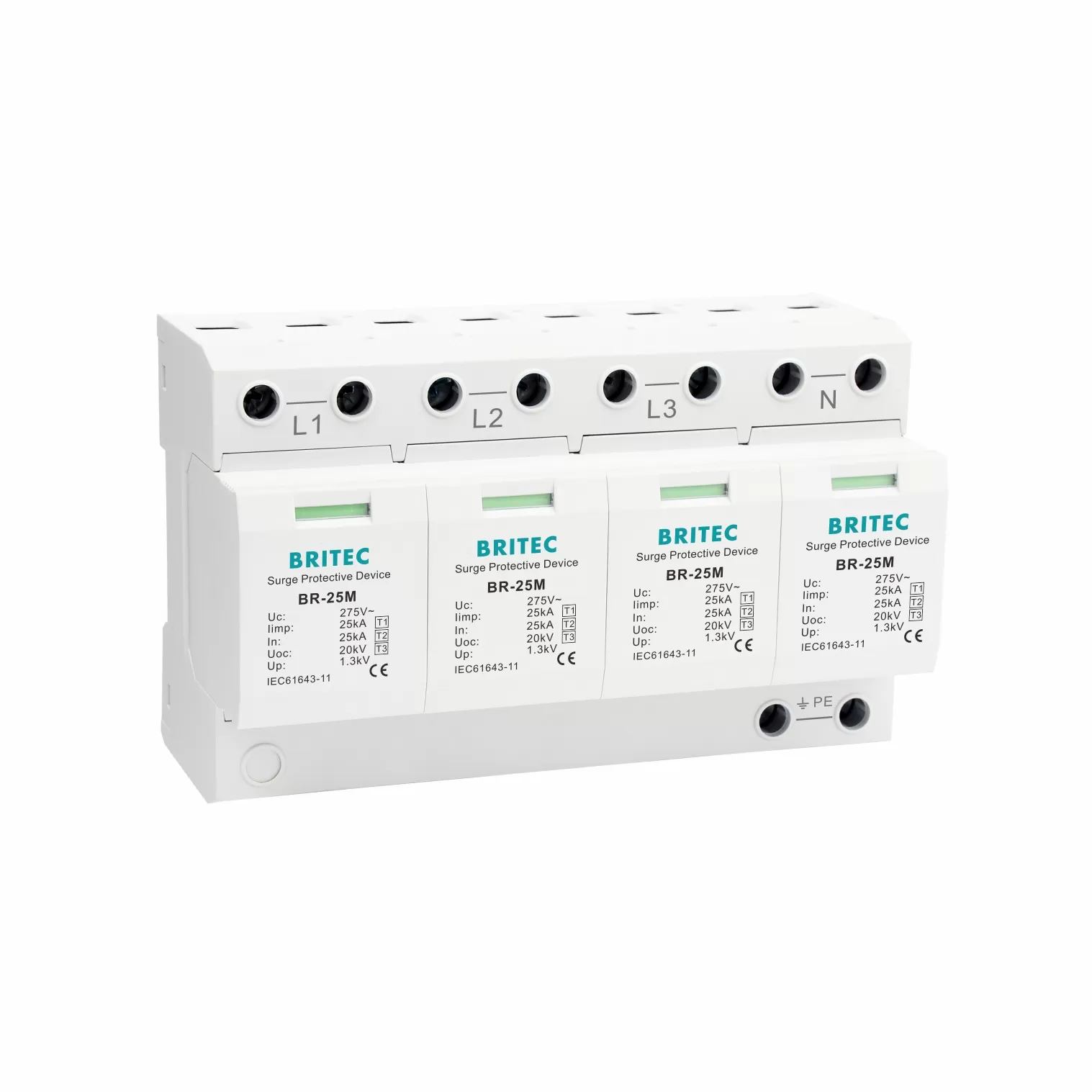
25KA Surge Protector: Low cost, small size, easy to install and replace, meeting the basic protection needs of most indoor scenarios.
50KA: High cost-effectiveness, achieving a good balance between protection strength and cost, making it a “sweet spot” choice for Level 1 protection in civil and general commercial buildings.
80KA: Strongest protection capability, large single-discharge margin, providing a higher safety margin for critical facilities, and higher equipment survival rate in extreme situations.
25KA: Limited discharge capacity; may fail or be damaged prematurely due to overload under strong surge impact.
50KA: For very large buildings or extremely high-risk environments, higher-capacity SPDs or more sophisticated multi-stage configurations may still be required.
80KA: High initial investment; may result in waste due to over-protection; large size, requiring ample installation space.
Check the annual average number of thunderstorm days: Less than 25 days indicates a low-thunderstorm area, 25-40 days a moderate-thunderstorm area, and more than 40 days a high-thunderstorm/severe-thunderstorm area.
Consider the building environment: Is the building isolated, located on high ground, near water, or in an open area? Are there taller buildings nearby providing shielding? These factors significantly affect the risk of lightning strikes.
Value of the protected object: Is the protection for ordinary household appliances, home theaters, high-end computers, smart home systems, or enterprise servers and precision instruments?
System tolerance: How well does the protected equipment withstand overvoltage? The more sophisticated the equipment, the stronger the surge suppression required from the upstream stage.
Recommendation: Use a 25kA voltage regulator as secondary supplementary protection for the indoor distribution box.
Reason: The building itself already has primary lightning protection, reducing the risk of entry into the unit. 25kA is sufficient to handle indoor switch operations and residual surges, protecting indoor electrical appliances.
Highly recommended: Install 50KA or 80KA as primary protection at the meter box or main switch.
Reason: The building is isolated and directly exposed to the environment. In areas with moderate to severe lightning strikes, especially in suburban areas with poor power grid quality, 80KA provides greater peace of mind.
Solution: If the main incoming line cannot be modified, a dedicated 25KA protective socket or module can be connected in series before the sockets of important appliances (such as refrigerators and televisions).
Note: This is a “last line of defense” and is not as effective as system-level protection.
Multi-level coordination: Optimal protection involves tiered discharge. For example: 80kA for the main incoming line (Level 1), 50kA for floor distribution boxes (Level 2), and 25kA for indoor boxes or equipment (Level 3).
Grounding is crucial: No matter how good the SPD, a good grounding system (grounding resistance ≤10Ω, ideally ≤4Ω) is essential for effective current discharge.
Pay attention to additional parameters: In addition to the kA value, consider the protection voltage level (Up), which represents the residual voltage. The lower the value, the better the equipment protection.
Surge Protectors Vs Air Switches Protectors
Air circuit breakers protect against overload and short circuits, while surge protectors specifically protect against transient overvoltages.
Surge Protectors Vs Residual Current Devices
They are completely different. Circuit breakers protect against overloads and short circuits; residual current devices (RCDs) protect against electric shock; surge protectors are specifically designed to protect against transient overvoltages. They are complementary in function and must be used in combination.
Do I Need Maintenance After Installation?
Yes. Most SPDs have a failure indicator window (turns red). It is recommended to check before and after the rainy season, and replace them promptly if they fail. Modular SPDs are hot-swappable.
Is A Larger KA Value Better? Will It Be ‘Surplus’?
Larger is not always better. A KA value exceeding actual needs means unnecessary expense and space occupation. Furthermore, the startup voltage/response characteristics of a high-KA SPD may not be well-matched with downstream equipment. The principle of “appropriate protection and tiered coordination” should be followed.
What Is A Surge? What Is KA Value?
A surge is a brief voltage/current spike in a circuit. KA (kiloampere) is the “flood discharge capacity” indicator of an SPD, representing the maximum peak current it can safely discharge.
How Does A Surge Protector (SPD) Work?
Its core components (such as varistors) exhibit high resistance under normal voltage, which is equivalent to an open circuit; once a surge high voltage is detected, it instantly becomes extremely low resistance, bypassing the current to the ground wire. After the voltage returns to normal, it returns to the high resistance state.
Choosing between 25KA, 50KA, and 80KA surge protectors essentially involves finding a balance between protection strength, cost budget, and actual risk.
For basic, economical protection, choose 25KA.
For reliable protection with broad applicability, 50KA is the preferred choice.
For high-risk environments and protecting critical assets, 80KA is a worthwhile investment.
The most scientific approach is to conduct a risk assessment and consider multi-level coordination. Investing in a suitable surge protection solution for your home or business’s electrical system is like providing reliable “insurance” for all electronic devices; the peace of mind it offers far outweighs its cost.