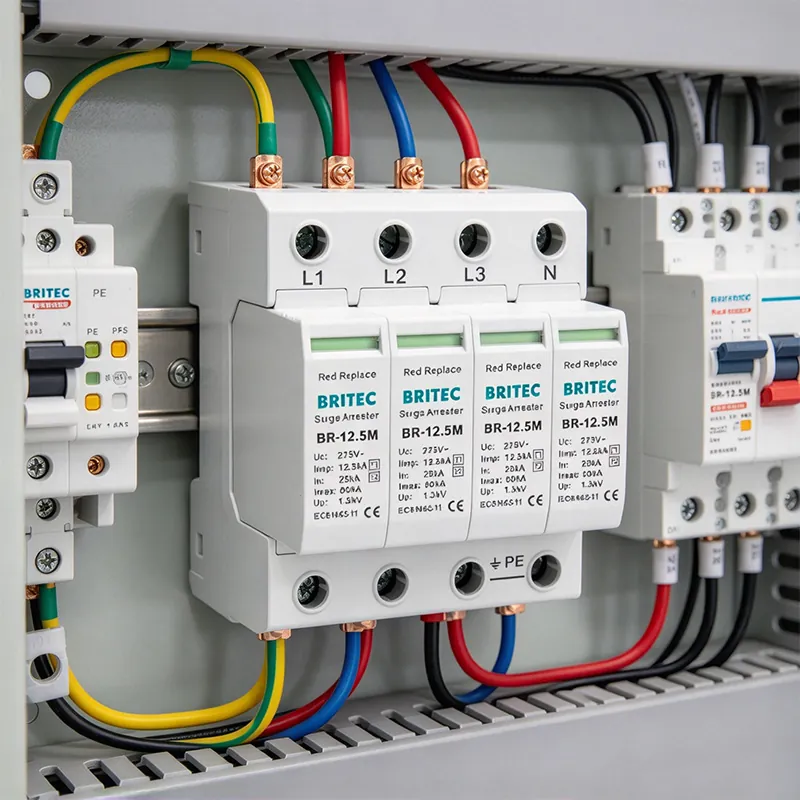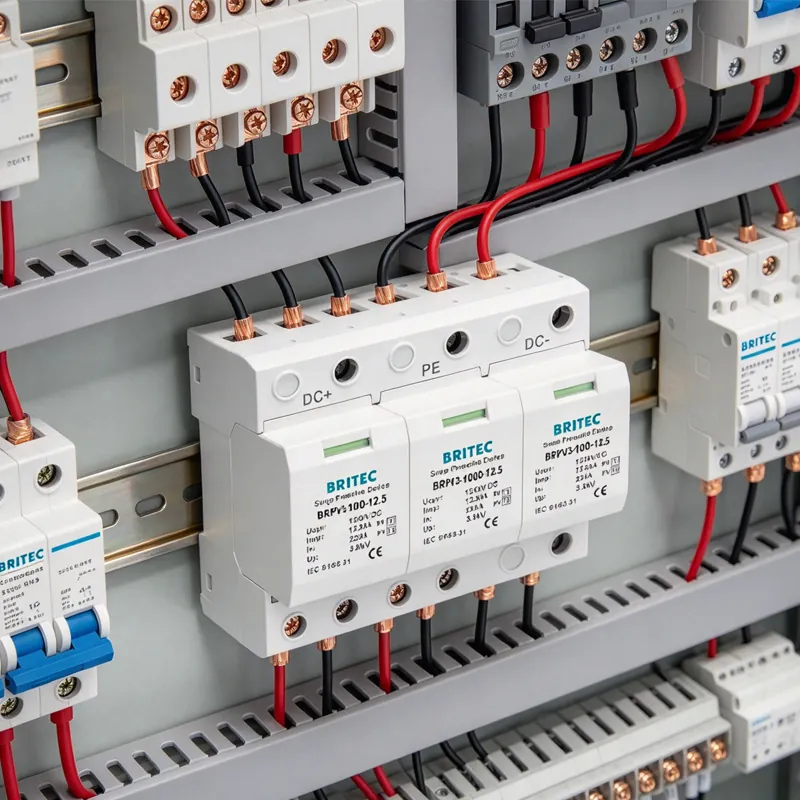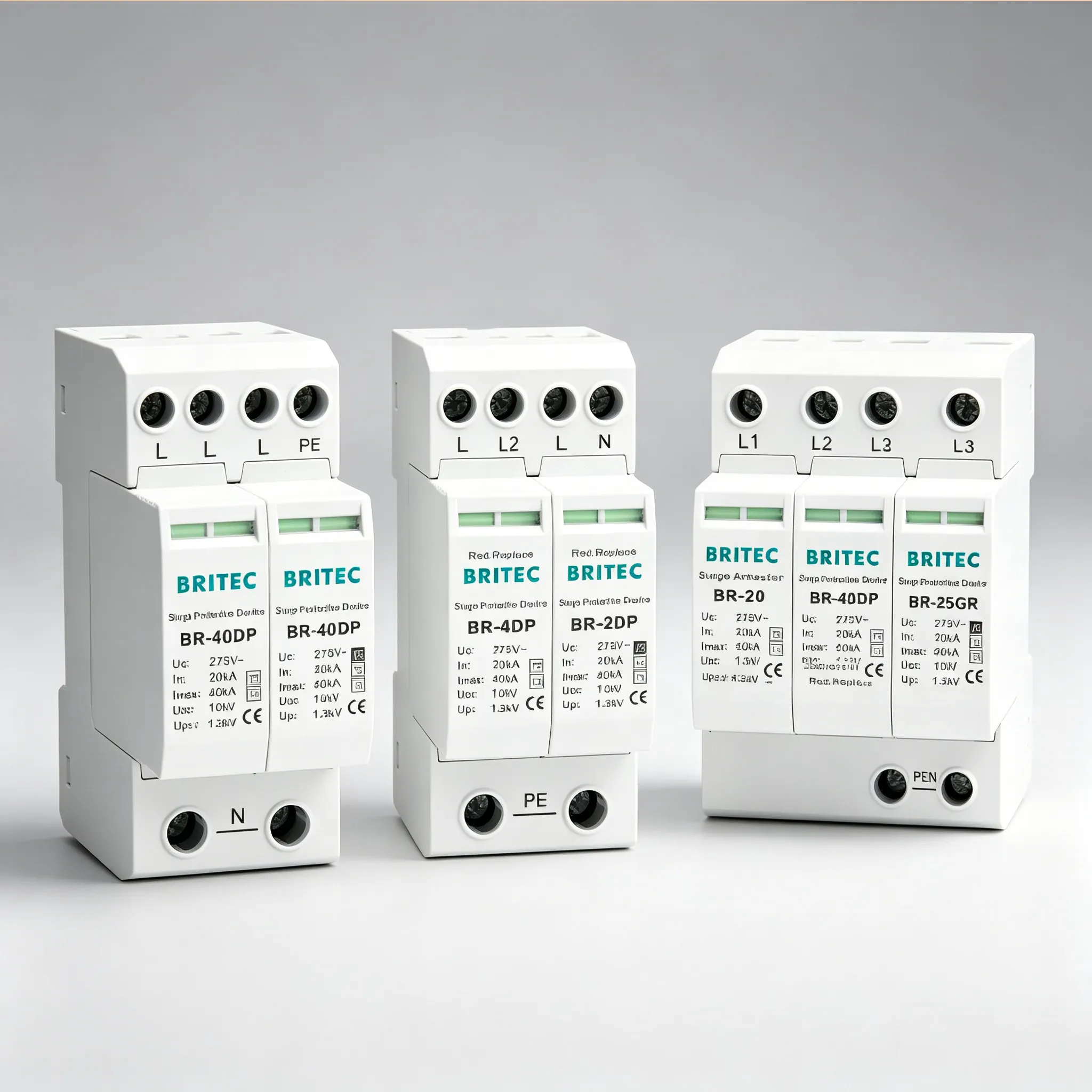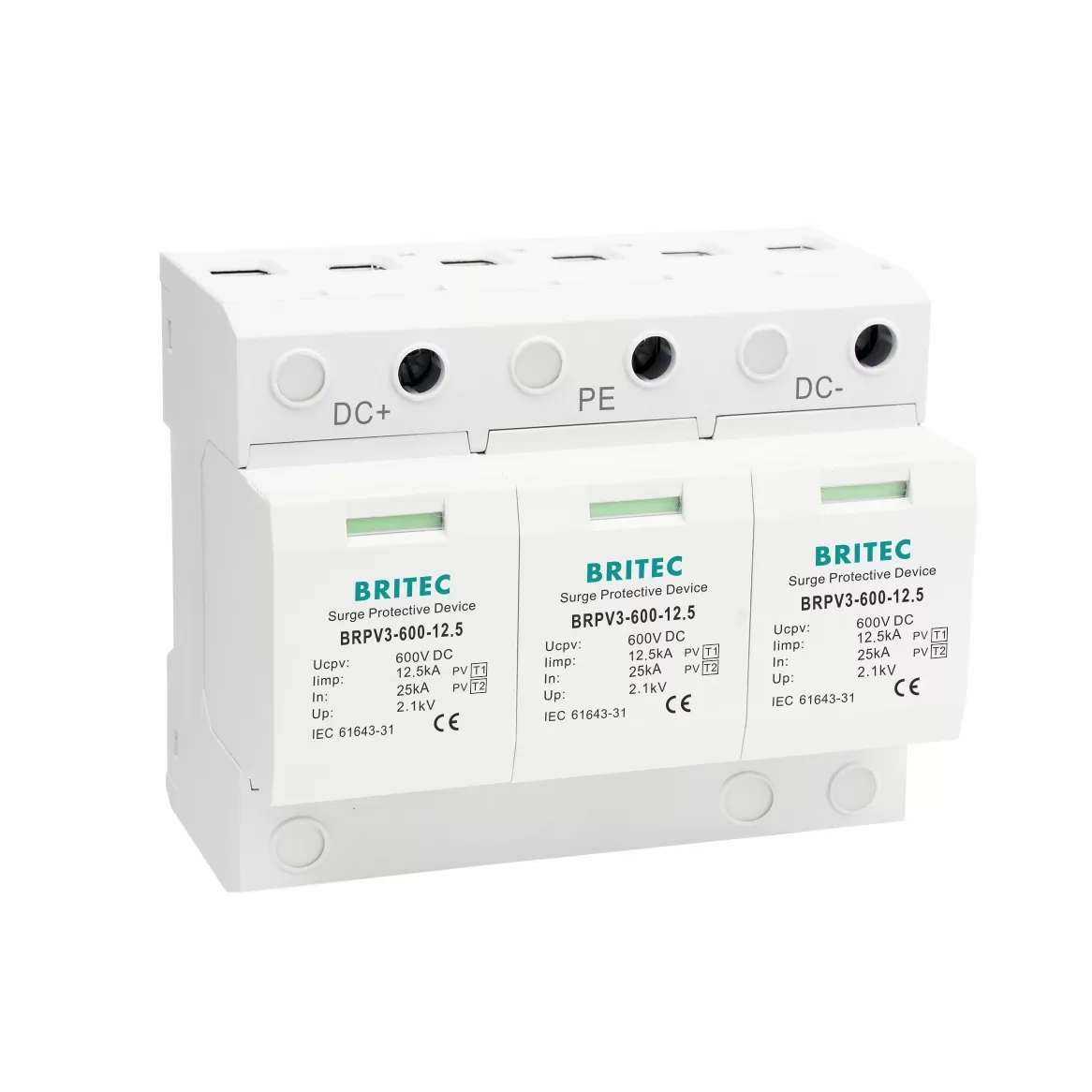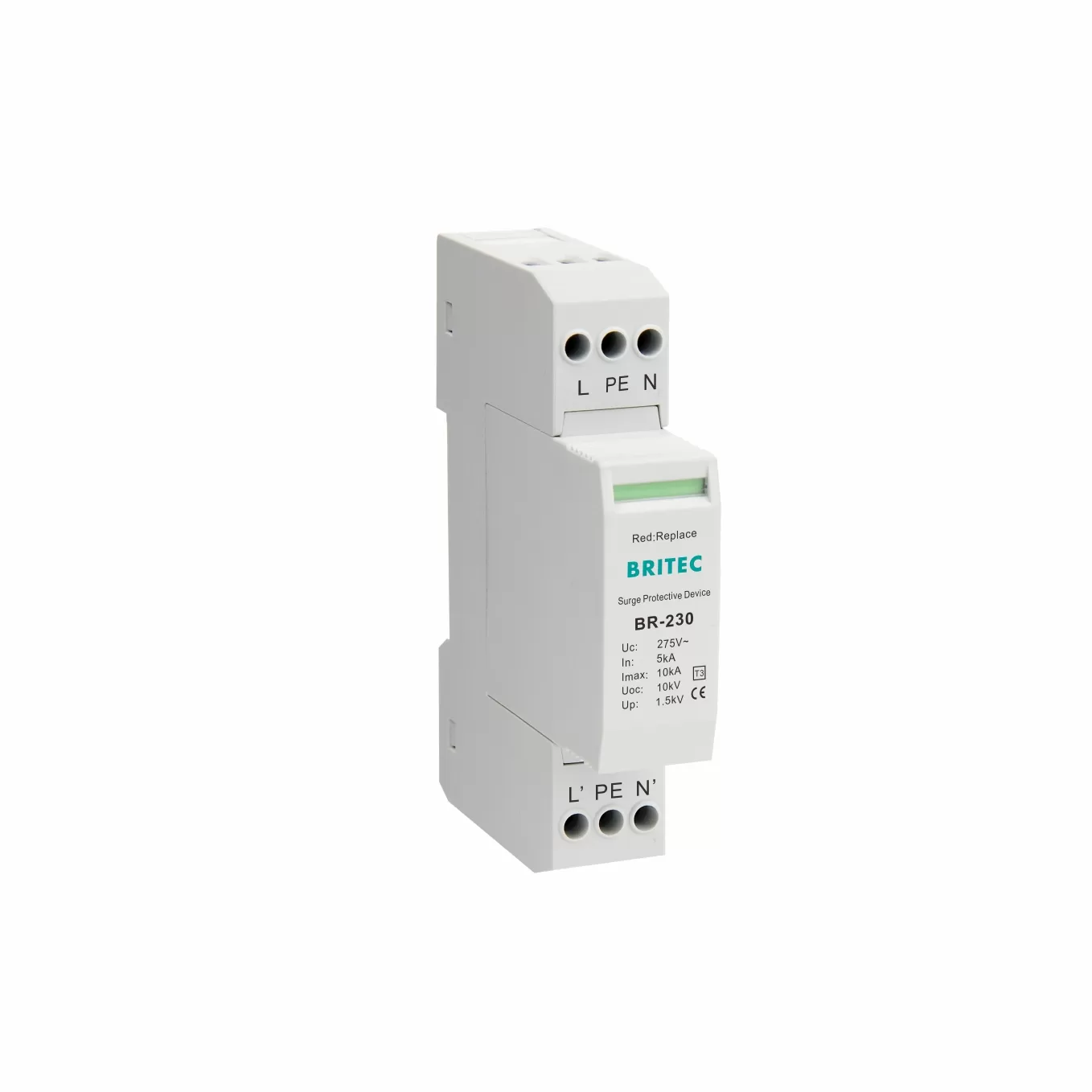

EV charging stations depend on stable electrical power and reliable protection systems to maintain continuous operation. Surge events caused by lightning, switching operations, and grid disturbances can damage charging modules, control circuits, communication components, and other sensitive electrical equipment.
SPD Type 1 And 2 provide layered surge protection by diverting excessive surge currents and limiting dangerous overvoltage levels before they reach EV charging equipment. For commercial, industrial, and public charging projects, selecting the correct surge protection solution is an important part of electrical system design.
A professional Surge Protector For EV Charger solution helps project owners, EPC companies, and electrical contractors improve system reliability while reducing risks associated with unexpected electrical failures. The selection process should consider application conditions, voltage requirements, discharge capacity, and compliance with relevant safety standards.
Need professional electrical protection solutions for your EV charging project?
Britec Electric provides reliable products and customized solutions for industrial applications. Contact our team for technical support and project consultation.
SPD Type 1 And 2 protect EV charging stations by controlling surge energy before it reaches sensitive electrical components. They create a protection barrier between external surge sources and charging equipment, helping maintain safer operation for complex EV charging infrastructure.
For industrial and commercial charging systems, surge protection is not only about preventing immediate equipment damage. A properly selected surge protection device also supports long-term system stability, reduces maintenance requirements, and improves the reliability of electrical installations.
The primary function of a surge protection device is to provide a low-impedance path that redirects excessive surge current away from protected equipment. When a surge occurs, the SPD quickly conducts the unwanted energy toward the grounding system instead of allowing it to flow into EV chargers.
EV charging stations often contain power conversion units, electronic control boards, communication modules, and monitoring systems. These components are sensitive to high-energy electrical disturbances, making effective surge current diversion essential for industrial electrical protection solutions.
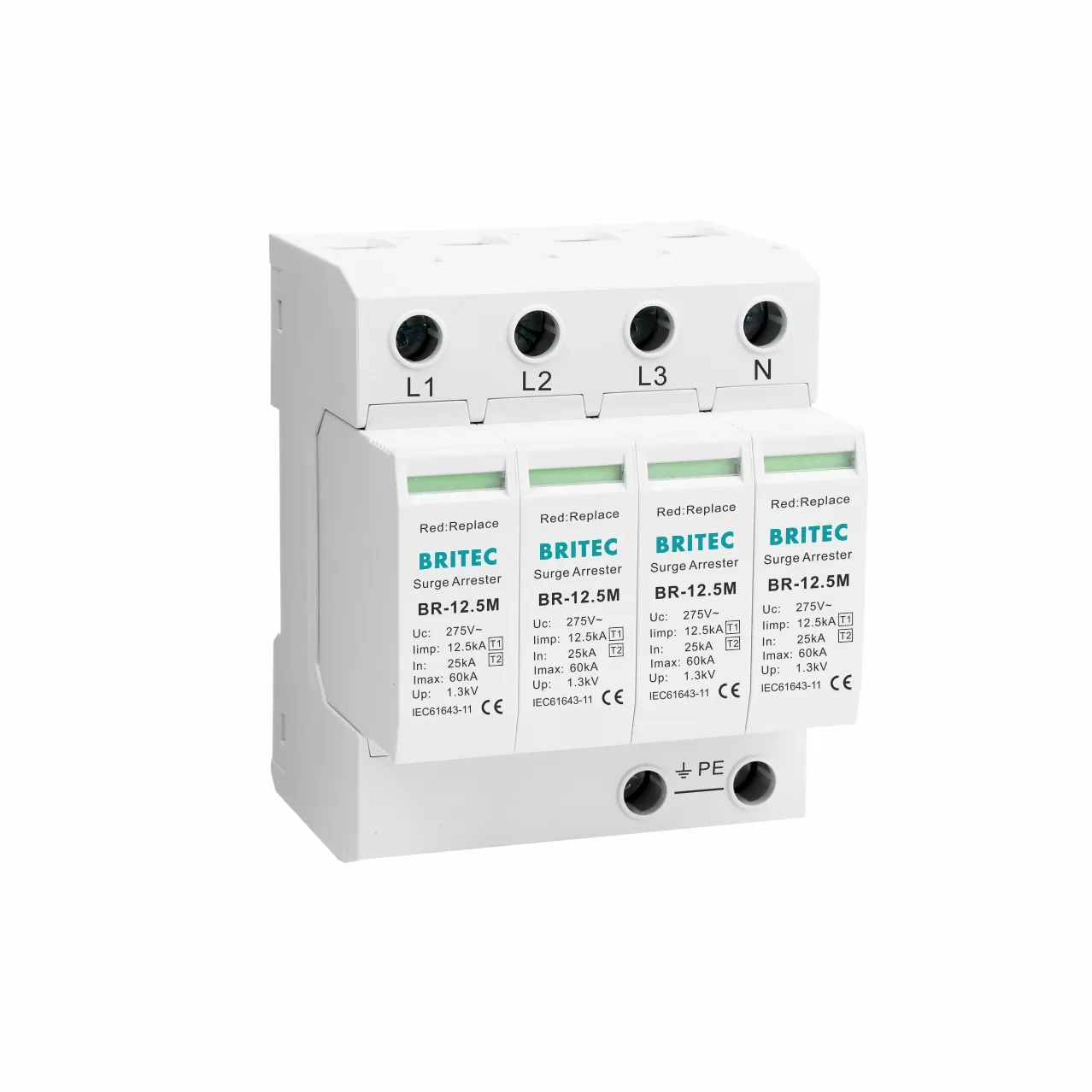
SPD Type 1 And 2 limit temporary voltage increases by clamping excessive voltage to a safer level. This protection function helps prevent insulation breakdown, electronic component failure, and unexpected shutdowns caused by overvoltage conditions.
For charging station designers and system integrators, selecting an SPD with suitable voltage characteristics is critical. The device must match the electrical system configuration to ensure effective protection without affecting normal charging operations.
Lightning strikes and electrical grid events are major surge sources that can affect EV charging infrastructure. External lightning surges may enter through power supply lines, while grid switching operations can create internal transient overvoltage conditions.
SPD Type 1 And 2 are commonly used in applications where both external and internal surge protection are required. Type 1 protection is designed for high-energy surge environments, while Type 2 protection provides additional protection inside electrical distribution systems.
Modern EV charging stations include multiple electrical and control systems that require coordinated protection. Besides the main power circuit, communication interfaces and monitoring equipment may also require protection against transient disturbances.
An effective EV Charger Surge Protection Device helps protect these interconnected systems by reducing surge propagation throughout the installation. This approach supports safer operation for charging networks used in commercial and industrial applications.
Reliable surge protection improves the overall availability of EV charging systems by reducing the possibility of electrical failures. For businesses operating multiple charging stations, unexpected downtime can affect daily operations and maintenance planning.
Working with a professional SPD supplier allows project teams to select protection products based on actual installation requirements. Manufacturers with technical experience can provide suitable product configurations, engineering support, and customized solutions for different charging environments.
EV charging stations face multiple surge risks from external and internal electrical sources. Understanding these risks helps engineers, contractors, and project buyers select suitable protection solutions for different installation environments.
A properly designed EV charging infrastructure protection system should consider lightning events, transient overvoltage, and grid disturbances. These factors directly influence equipment reliability, maintenance requirements, and long-term operating performance.
Lightning surges are one of the most powerful electrical disturbances affecting EV charging stations. A direct strike or nearby lightning event can generate high-energy surge currents that enter electrical systems through power lines, grounding networks, or connected infrastructure.
For outdoor charging stations, especially those installed in open areas, industrial parks, and highway service locations, lightning protection is an important design consideration. An appropriately selected surge protection system helps reduce the impact of lightning-induced electrical damage.
Type 1 surge protection devices are typically applied at the incoming power supply point where high-energy external surges may enter the electrical installation. Combined protection strategies help improve safety for large-scale charging projects.
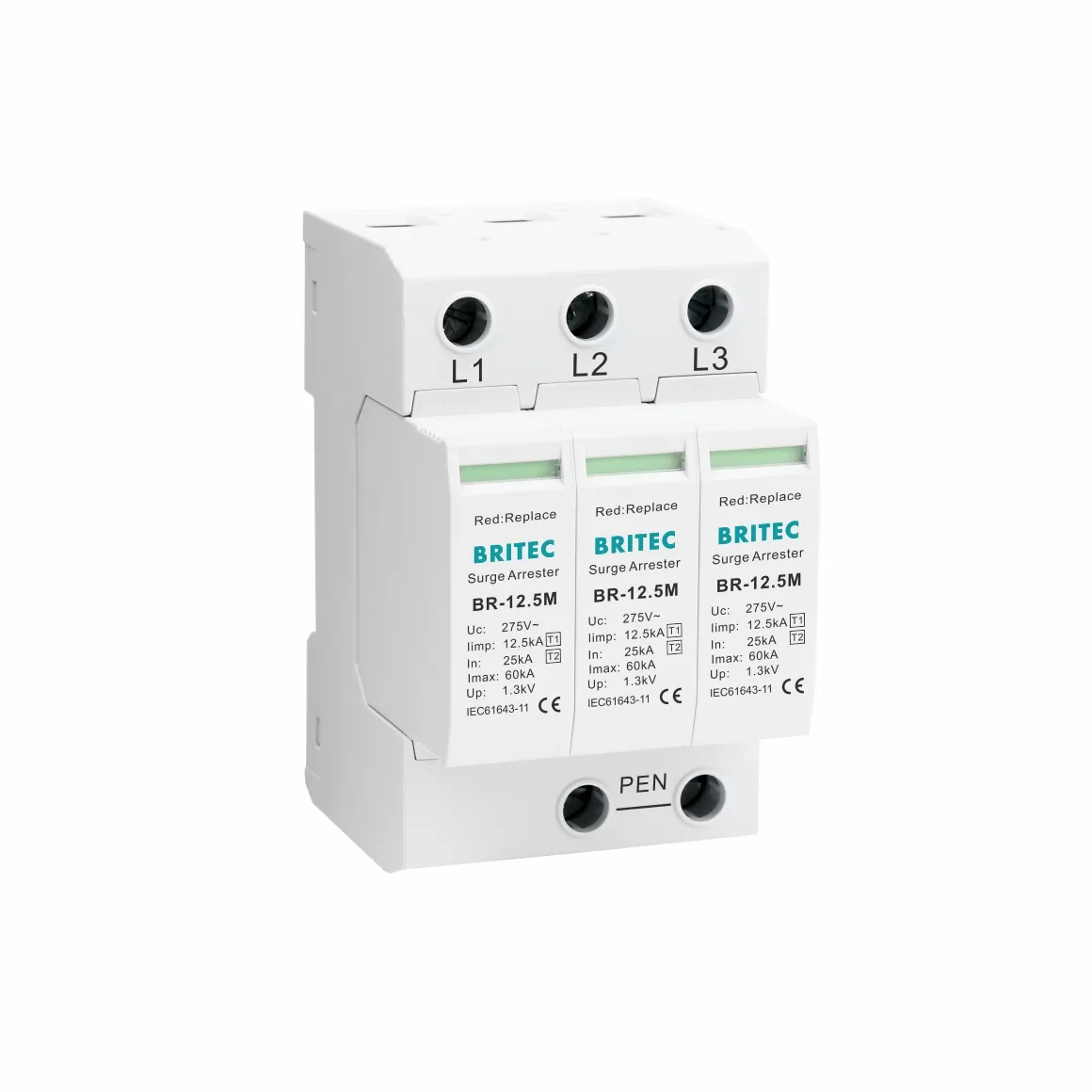
Internal transient overvoltage occurs when electrical equipment creates sudden voltage changes during normal operation. Switching inductive loads, starting motors, and operating industrial equipment can generate transient disturbances inside electrical networks.
Although these events usually have lower energy compared with lightning surges, repeated exposure can gradually damage sensitive electronic components. EV chargers with power electronics and digital control systems require effective protection against these internal electrical stresses.
An EV Charger Surge Protection Device installed at appropriate points within the electrical distribution system helps reduce transient voltage impact and supports more stable charging performance.
Power grid disturbances can affect EV charging stations connected to commercial and industrial electrical networks. Voltage fluctuations, switching operations, and utility-related events may introduce unwanted electrical stress into charging equipment.
For charging infrastructure deployed across multiple locations, maintaining consistent electrical protection is essential. Engineers should evaluate grid conditions, installation environments, and equipment sensitivity when designing surge protection systems.
Professional suppliers can help customers select suitable SPD solutions based on project requirements, ensuring compatibility with different power distribution configurations.
Selecting the right Surge Protector For EV Charger requires evaluation of electrical parameters, installation conditions, and project protection objectives. The correct SPD selection helps ensure charging equipment receives effective protection throughout its service life.
For commercial and industrial EV charging projects, buyers should consider SPD classification, voltage ratings, discharge capacity, and compliance with applicable standards. A reliable supplier should provide technical guidance to support correct product selection.
The first step in selecting an SPD is identifying the protection level required for the charging application. Different installation locations require different surge protection approaches depending on exposure risks and electrical system design.
SPD Type 1 And 2 are commonly selected for EV charging applications because they provide coordinated protection against high-energy external surges and internal transient overvoltage events.
Type 1 SPD products are generally installed at the main incoming power distribution point, while Type 2 SPD products are commonly used in secondary distribution panels closer to electrical equipment.
Voltage rating and discharge capacity are key technical factors when choosing an EV Charger Surge Protection Device. The SPD must be compatible with the system voltage while providing sufficient capability to handle expected surge currents.
Engineers should evaluate parameters such as maximum continuous operating voltage, nominal discharge current, and maximum discharge current according to the electrical installation requirements.
Choosing an SPD with unsuitable electrical specifications may reduce protection effectiveness or create compatibility issues. Professional manufacturers can provide technical documentation to help customers select appropriate models.
Safety standards and certifications provide important references when evaluating SPD quality and supplier capability. Industrial buyers should review product compliance, testing procedures, and manufacturing experience before selecting a supplier.
A professional SPD supplier should be able to provide reliable products supported by quality control processes and technical documentation. These factors are especially important for EPC companies and system integrators managing complex electrical projects.
An EV Charger Surge Protection Device is used across different charging environments where electrical reliability and equipment protection are required. From public charging networks to industrial facilities, surge protection supports safer operation of modern EV infrastructure.
The application requirements may vary depending on installation scale, electrical system design, and environmental conditions. Selecting suitable protection solutions helps project owners improve system performance and reduce unexpected equipment issues.
Public EV charging stations are often installed in outdoor environments where they may face lightning exposure, weather conditions, and unstable grid conditions. Reliable surge protection helps protect charging units and maintain service availability.
For charging operators managing multiple stations, using professional electrical protection systems can support consistent operation across different locations. Proper SPD selection also helps simplify maintenance planning and system management.
Commercial facilities such as shopping centers, office buildings, and parking operators require dependable charging infrastructure to support daily users. Electrical disturbances can affect charging availability and connected building systems.
Installing suitable surge protection devices helps protect charging equipment and related electrical distribution components. Project developers should evaluate protection requirements during the early design stage to ensure system reliability.
Industrial EV charging projects often involve higher electrical loads, complex distribution systems, and demanding operating conditions. Facilities such as logistics centers, manufacturing plants, and fleet charging stations require robust protection solutions.
For these applications, working with an experienced manufacturer provides advantages in technical consultation, product selection, and customized solutions. A reliable supplier can support different industrial applications according to project requirements.
Working with a professional SPD supplier helps project teams obtain reliable surge protection products, technical support, and application guidance. For EV charging infrastructure projects, supplier capability directly affects product selection, installation efficiency, and long-term system reliability.
A qualified manufacturer should understand electrical protection requirements across different industries and provide solutions based on actual project conditions. This includes product recommendations, technical documentation, customization support, and compliance information.
For EPC companies, electrical contractors, and industrial buyers, supplier evaluation should focus on manufacturing experience, quality management, engineering support, and the ability to meet project requirements.
Britec Electric provides professional surge protection solutions designed for industrial and commercial electrical applications. With technical expertise and manufacturing capability, Britec Electric supports customers with reliable products and customized solutions for different electrical protection needs.
Yes, EV chargers need surge protection devices because they contain sensitive electronic components that can be affected by lightning surges, grid disturbances, and transient overvoltage. An EV Charger Surge Protection Device helps reduce electrical risks and improves charging system reliability.
One SPD can provide protection for specific sections of an EV charging system, but large charging stations may require coordinated protection at multiple points. SPD Type 1 And 2 solutions are often combined to protect incoming power systems and downstream charging equipment.
SPD installation depends on the electrical system design and protection requirements. Generally, surge protection devices are installed at the main distribution point and near sensitive charging equipment to reduce surge impact throughout the EV charging system.
The service life of SPD Type 1 And 2 depends on surge exposure, installation conditions, and product quality. Professional-grade SPDs are designed for long-term operation, but regular inspection is recommended for charging systems exposed to frequent electrical disturbances.
The discharge capacity of Type 1 and Type 2 SPD varies by product design and application requirements. Type 1 devices are typically designed for higher-energy surge currents, while Type 2 devices provide protection against residual and switching-related surge events.
The required voltage rating for an EV Charger Surge Protection Device depends on the electrical system voltage and installation configuration. Engineers should select SPD specifications that match the operating voltage while maintaining effective overvoltage protection.
EV charger SPDs should be inspected regularly and replaced when their protection capability is reduced or the device indicates failure. Replacement intervals depend on surge conditions, installation environment, and manufacturer recommendations.
One SPD may protect multiple charging stations when installed at a suitable upstream distribution point. However, larger EV charging projects often require a coordinated protection strategy with multiple SPDs based on system layout and equipment requirements.
EV charging infrastructure requires reliable electrical protection to maintain safe and stable operation. Surge events from lightning, grid disturbances, and internal switching activities can affect charging equipment performance and increase maintenance challenges.
SPD Type 1 And 2 provide an effective protection approach by diverting surge currents, limiting overvoltage, and reducing electrical stress on sensitive charging components. For industrial and commercial projects, selecting the right surge protection solution is an important part of system design.
When choosing a supplier, project teams should consider technical capability, product quality, certifications, customization support, and experience with industrial applications. A professional manufacturer can help customers develop suitable protection strategies based on specific project requirements.
Need reliable surge protection solutions for your EV charging project?
Britec Electric provides professional SPD products and customized electrical protection solutions for industrial and commercial applications. Contact our technical team to discuss your project requirements and receive professional support.