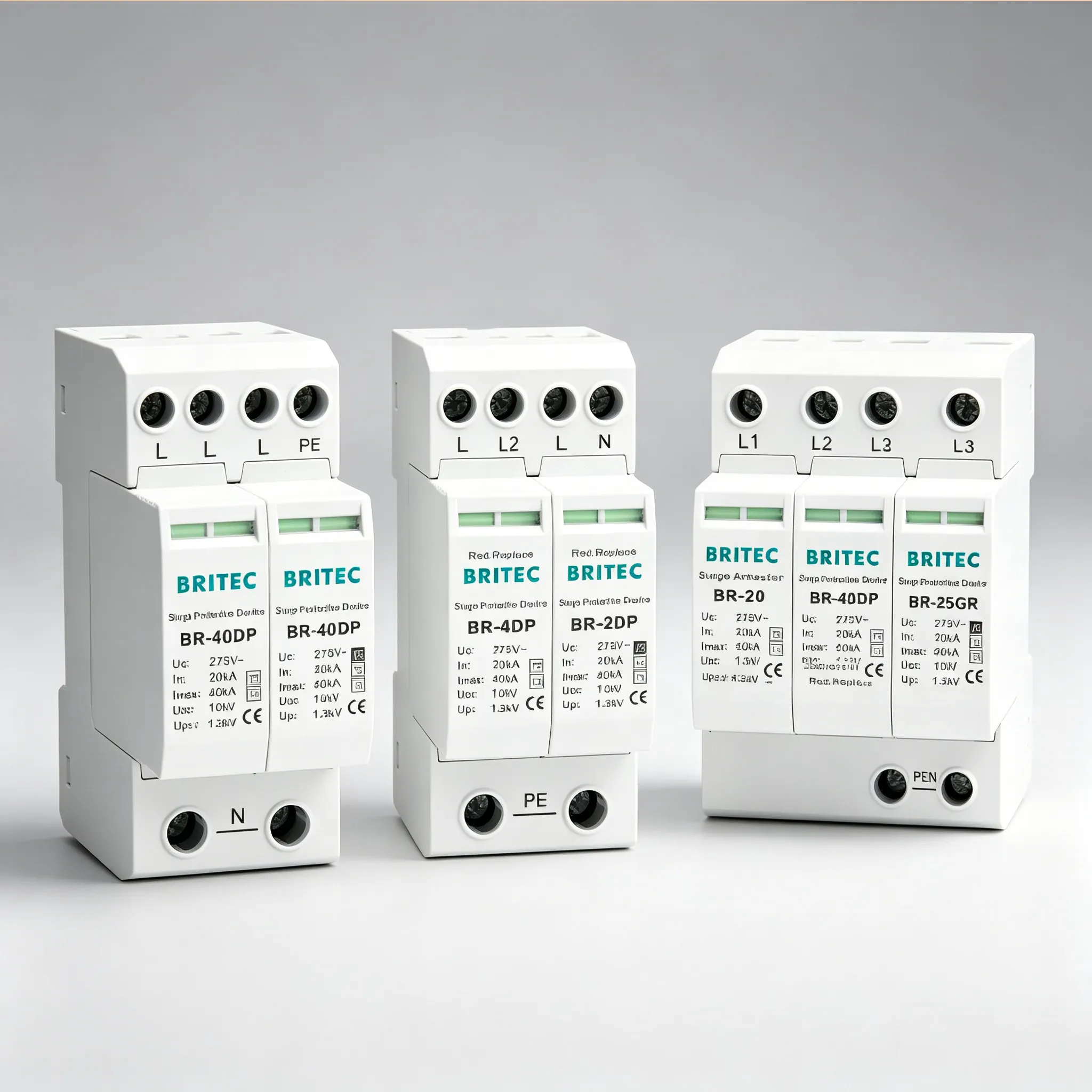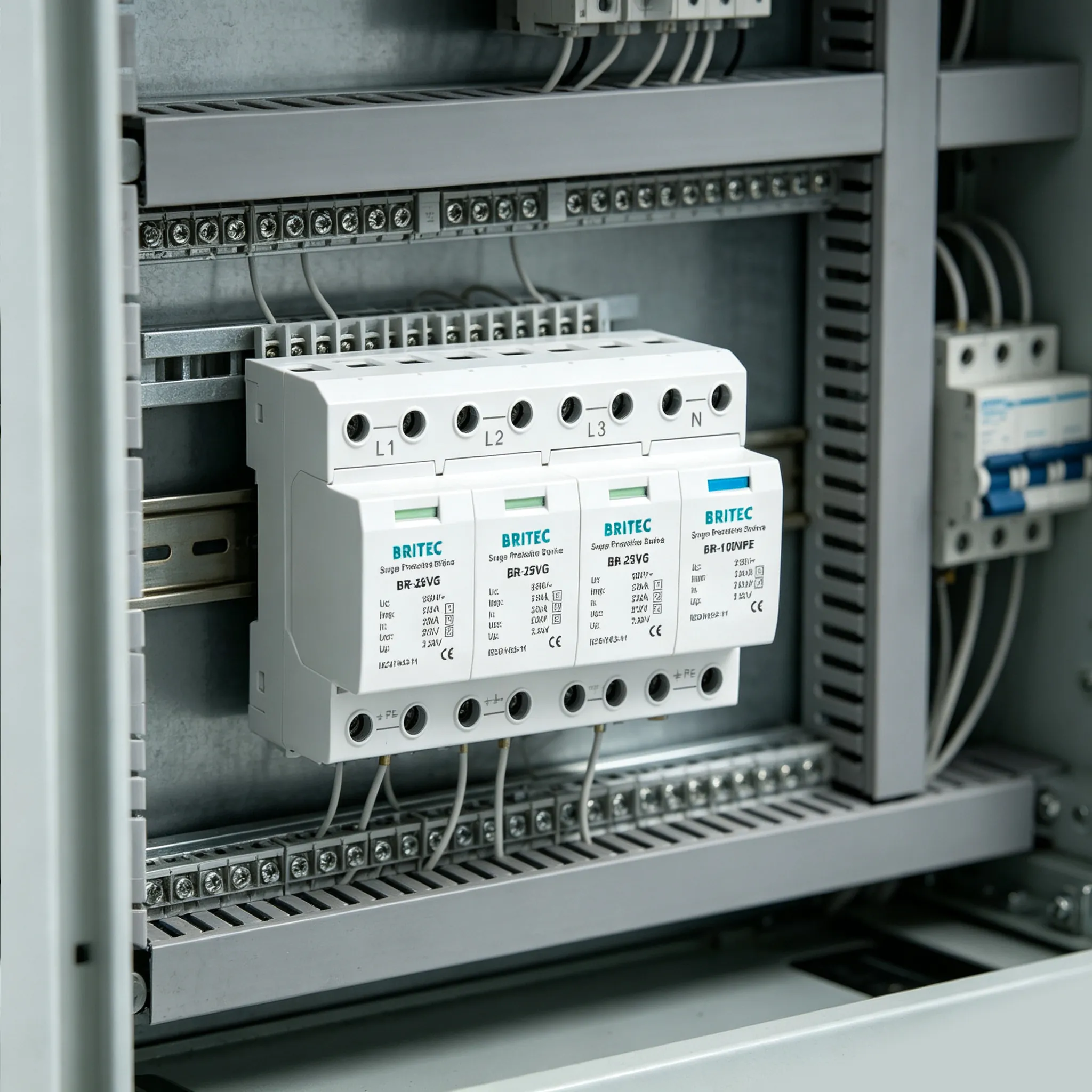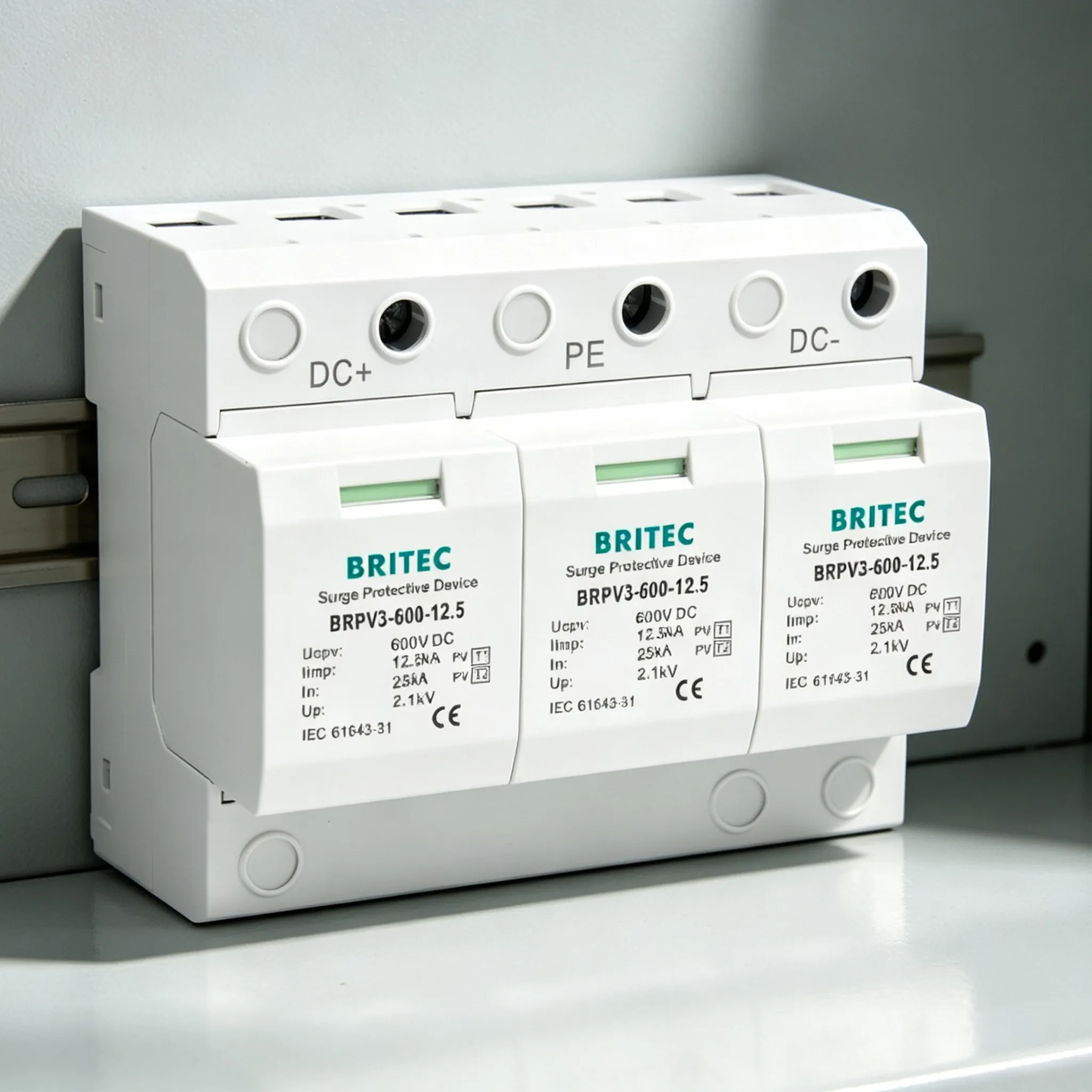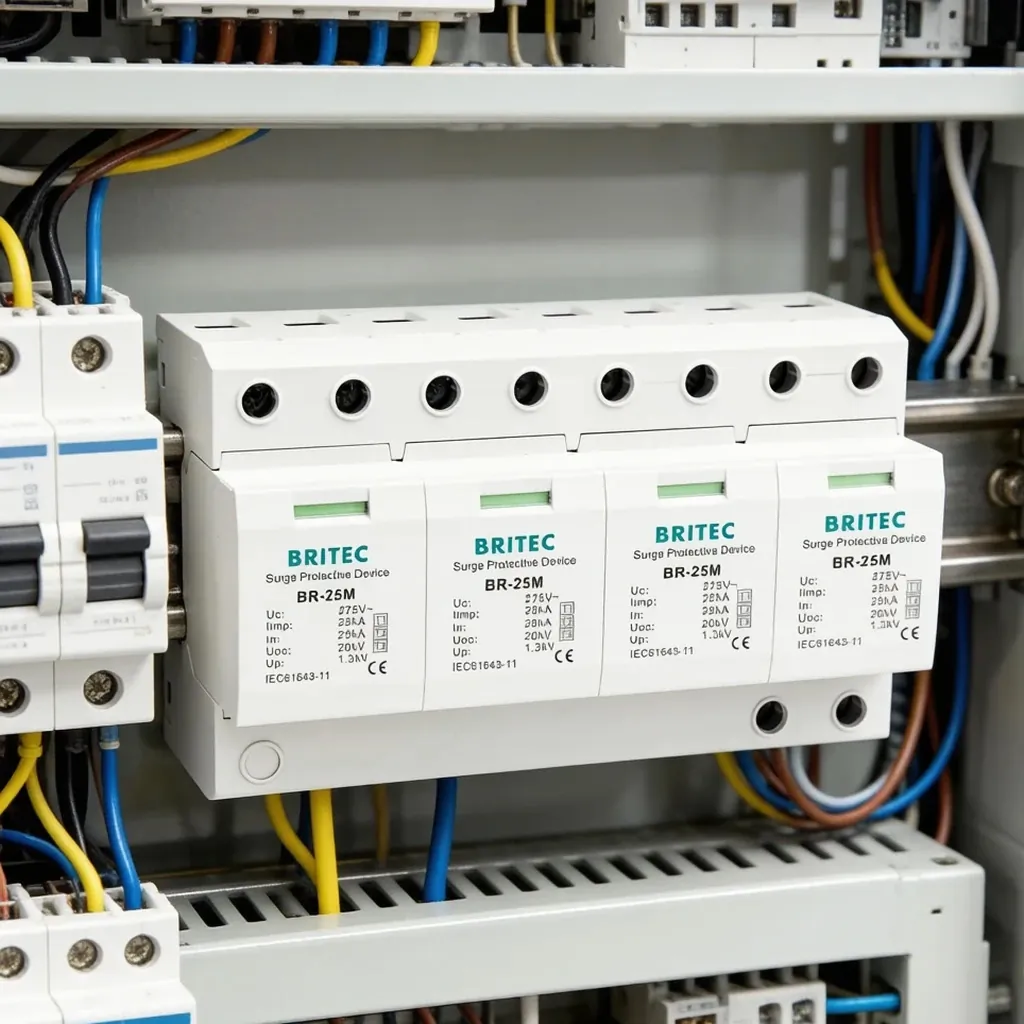

Transient overvoltage is one of the most common threats to modern electrical systems. It can occur due to lightning strikes, switching operations, grid disturbances, or sudden changes in electrical loads. Although these voltage surges usually last for only microseconds or milliseconds, the high energy they carry can seriously damage electrical equipment, shorten service life, and cause unexpected system downtime.
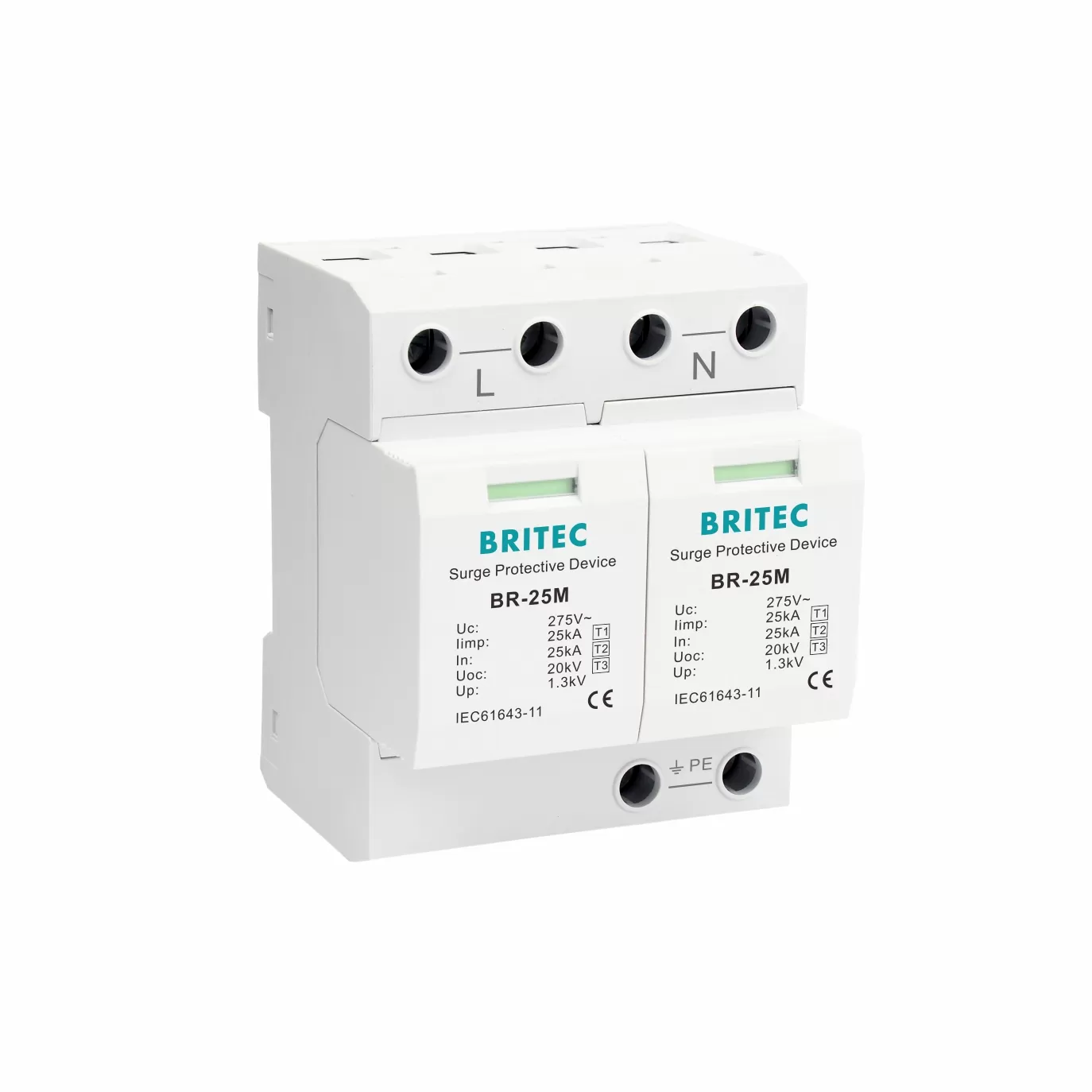
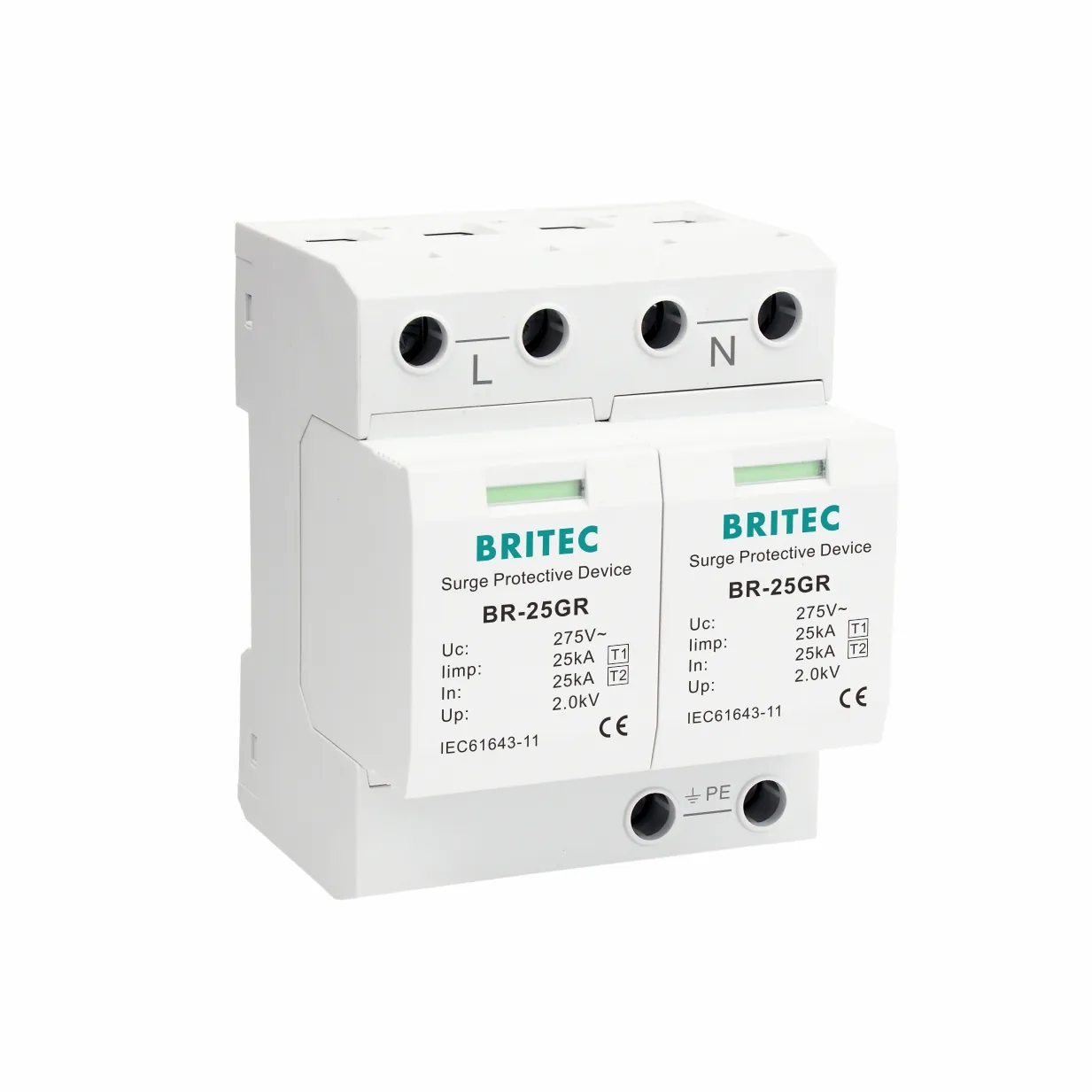
Jakiś SPD Surge Protective Device is designed to detect and respond to these temporary voltage spikes by limiting excessive voltage and safely diverting surge energy away from sensitive electrical equipment. By providing a controlled discharge path, an SPD device helps maintain stable power conditions and improves the reliability of electrical installations.
Modern electrical systems rely on various types of protection solutions, including MOV Surge Protection Devices, which use metal oxide varistor technology to absorb and limit surge energy. From residential distribution systems to industrial power networks, SPD solutions play an important role in protecting equipment such as control systems, automation devices, communication equipment, and renewable energy systems.
Understanding how a Power Surge Protective Device handles transient overvoltage is essential for selecting the right protection solution. Factors such as surge current capacity, response time, clamping voltage, system configuration, and SPD type directly influence the effectiveness of surge protection.
This article explains how SPD Surge Protective Devices manage transient overvoltage, explores their internal components and working principles, and provides guidance on selecting suitable SPD solutions for different electrical applications.
Transient overvoltage refers to a sudden and short-duration increase in electrical voltage that exceeds the normal operating voltage of a power system. Unlike continuous overvoltage caused by voltage regulation problems, transient overvoltage occurs rapidly and usually disappears after a very short period.
These voltage disturbances can be generated by both external and internal sources. External sources mainly include lightning activity, while internal sources are commonly related to electrical switching operations.
Lightning strikes are one of the most powerful sources of transient overvoltage. When lightning current enters an electrical installation directly or indirectly through power lines, communication cables, or grounding systems, it can create extremely high surge voltages.
Even when lightning does not directly strike a building, electromagnetic effects from nearby lightning activity can induce surge currents into electrical circuits. Without proper protection, these surges may damage circuit boards, power supplies, sensors, and other sensitive components.
Many transient voltage events are generated inside electrical systems. Common causes include:
Industrial environments are especially vulnerable because large electrical loads frequently create switching transients. These disturbances may repeatedly affect equipment and gradually reduce component reliability.
Transient overvoltage can cause immediate equipment failure or long-term degradation. The damage depends on surge magnitude, duration, equipment sensitivity, and the quality of the electrical protection system.
Typical problems caused by transient overvoltage include:
For this reason, installing an appropriate SPD Surge Protective Device is an important part of modern electrical protection strategies.
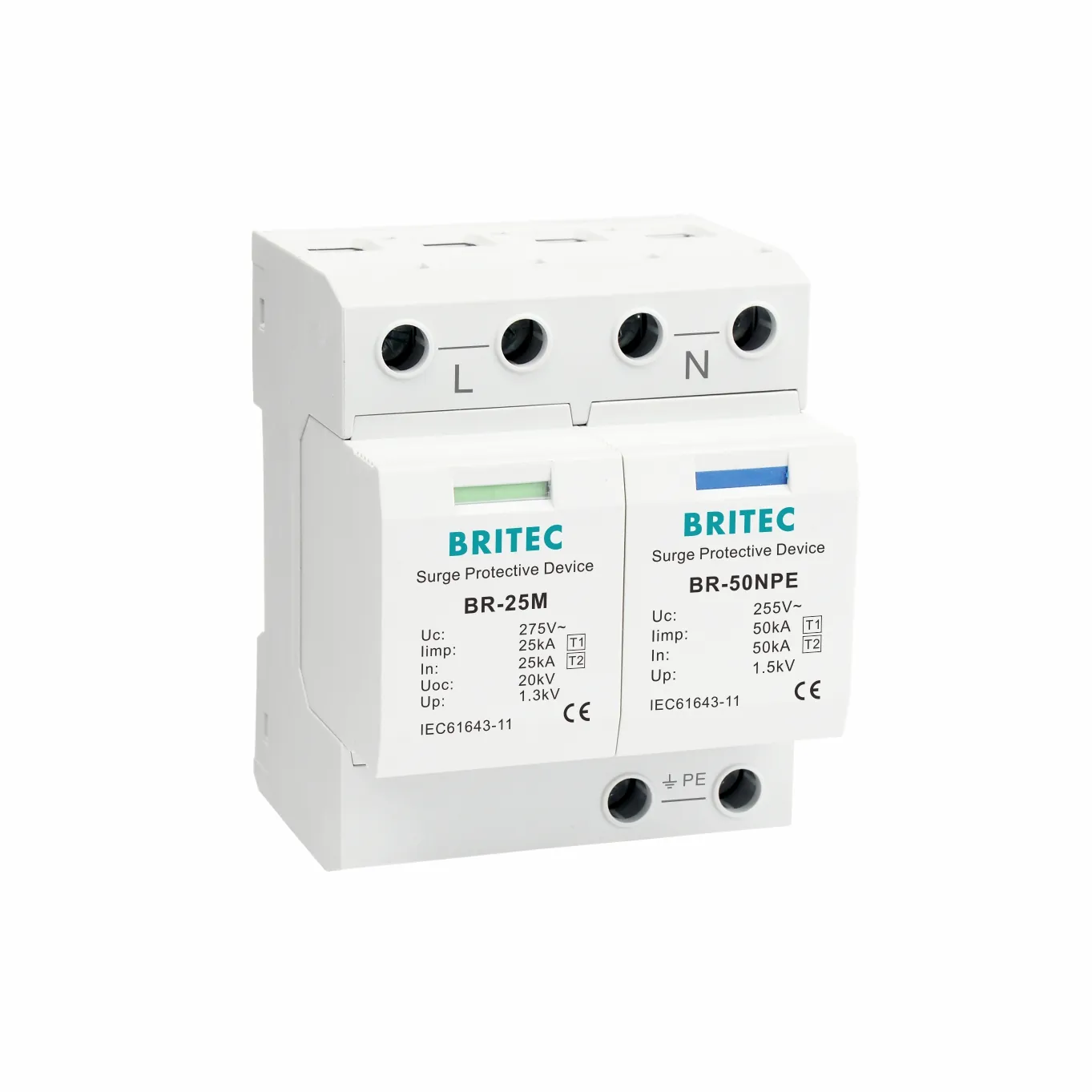
The primary function of an SPD Surge Protective Device is to limit transient overvoltage by redirecting excessive surge energy to the grounding system. Instead of allowing high voltage spikes to reach connected equipment, the SPD creates a low-impedance path that safely transfers surge current away from protected circuits.
An SPD device normally operates in parallel with the electrical system. Under normal voltage conditions, it remains inactive and allows current to flow normally. When a surge occurs and the voltage exceeds the SPD protection threshold, the internal protection components quickly change their electrical characteristics and begin conducting surge current.
The main protection process of an SPD includes three stages:
This rapid response allows SPD devices to protect electrical systems without interrupting normal power supply.
Depending on system configuration, an SPD Surge Protective Device can protect different electrical paths, including:
The correct protection mode depends on the electrical network type, such as TN, TT, or IT systems. Proper SPD selection ensures that surge energy is effectively controlled.
The ability of an SPD Surge Protective Device to handle transient overvoltage depends on its internal components and circuit design. The most common technology used in modern SPDs is the Metal Oxide Varistor (MOV).
A MOV Surge Protection Device uses metal oxide varistors as voltage-dependent resistors. Under normal operating conditions, the MOV maintains high resistance and does not affect the power system. When a surge occurs, the MOV resistance decreases rapidly, allowing surge current to flow through the SPD and away from protected equipment.
The MOV component absorbs part of the surge energy and limits the voltage reaching downstream equipment. Its ability to handle surge energy is determined by parameters such as:
A higher surge capacity allows the SPD to withstand stronger transient events, making it suitable for industrial and high-risk electrical environments.
When transient overvoltage occurs, the SPD provides a controlled path for surge current to flow toward the grounding system. The effectiveness of this process depends on:
A poorly designed grounding system can reduce SPD performance because surge energy cannot be effectively discharged.
Clamping voltage and response time are two important performance parameters of an SPD Surge Protective Device. They determine how effectively the device limits transient voltage before it reaches connected equipment.
Clamping voltage, also known as voltage protection level (Up), refers to the maximum voltage that remains after the SPD reacts to a surge event.
A lower clamping voltage generally provides better protection for sensitive electronic equipment because less excess voltage reaches the load side.
However, the SPD must also maintain sufficient operating voltage compatibility to avoid unnecessary activation during normal system conditions.
Response time refers to how quickly an SPD reacts after detecting a transient voltage event.
Modern SPD devices typically respond within nanoseconds, allowing them to protect sensitive electrical components before destructive surge energy reaches the equipment.
Fast response is especially important for:
By combining low clamping voltage and fast response characteristics, SPD solutions provide effective protection against rapidly changing transient overvoltage events.
Transient overvoltage can cause different levels of damage depending on the sensitivity of electrical equipment and the strength of the surge event. An SPD Surge Protective Device reduces these risks by controlling surge voltage and limiting the amount of energy that reaches connected equipment.
Without effective surge protection, excessive voltage can directly enter electrical circuits and damage internal components. This is especially dangerous for modern equipment that contains semiconductor components, microprocessors, and sensitive control modules.
One of the main benefits of an SPD device is preventing sudden equipment failure caused by high-energy surge events. When a transient voltage spike occurs, the SPD quickly diverts excessive current away from protected devices.
This protection helps prevent:
For industrial facilities, avoiding unexpected equipment failures is especially important because downtime can result in significant production losses.
Not all surge events immediately destroy equipment. Smaller but repeated transient overvoltages can gradually weaken electronic components and shorten their service life.
A properly installed Power Surge Protective Device reduces repeated electrical stress by controlling abnormal voltage levels before they affect connected equipment.
Common applications that benefit from long-term SPD protection include:
By reducing electrical stress, SPD solutions improve equipment reliability and reduce maintenance costs.
In modern electrical installations, protection is not only about preventing damage but also maintaining stable operation. An SPD Surge Protective Device helps electrical systems continue operating normally during temporary surge events.
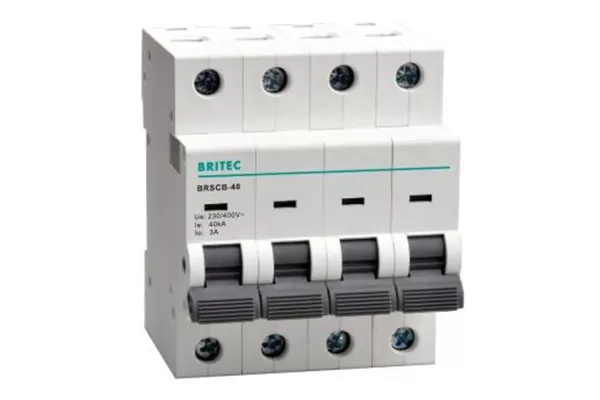
When combined with proper grounding, circuit protection devices, and coordinated SPD installation, surge protection creates a more reliable electrical environment.
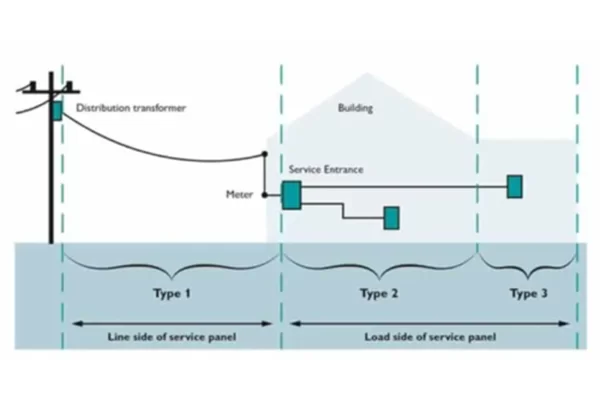
A complete surge protection strategy usually requires more than one SPD device. Different electrical environments experience different levels of surge energy, so multiple SPD types are often installed at different points within a power distribution system.
This coordinated protection approach allows each SPD to handle the surge level it is designed for.
A typical protection system may include:
The combination of different SPD types creates a layered defense system that gradually reduces surge energy throughout the electrical network.
Incorrect coordination between SPD devices may reduce protection effectiveness. Each SPD should work together based on:
For example, a Type 1 SPD at the main incoming panel handles the strongest surge energy, while downstream Type 2 and Type 3 SPDs provide additional protection for distribution circuits and sensitive loads.
Even a high-quality SPD device requires correct installation to achieve its designed performance. Important installation factors include:
A coordinated SPD protection system provides comprehensive defense against transient overvoltage and improves overall electrical system safety.
The performance of an SPD Surge Protective Device depends on several internal components working together. These components determine how quickly the SPD reacts, how much surge energy it can handle, and how safely it operates after repeated surge events.
Understanding SPD construction helps engineers and buyers select suitable surge protection solutions for different applications.
The Metal Oxide Varistor (MOV) is one of the most important components in modern surge protection technology. Many MOV Surge Protection Devices use this component because of its ability to respond quickly to voltage changes.
An MOV is a voltage-dependent resistor made primarily from zinc oxide materials. Its resistance changes according to the applied voltage level.
During normal operation, the MOV remains in a high-resistance state. This means it allows normal electrical current to pass through the system without affecting power delivery.
When transient overvoltage occurs, the voltage exceeds the MOV activation level. The MOV resistance decreases rapidly, creating a low-impedance path for surge current.
The process includes:
MOV technology provides several advantages for surge protection applications:
Because of these advantages, MOV-based SPD devices are widely used in residential, commercial, and industrial electrical systems.
An effective SPD Surge Protective Device requires a properly designed discharge path. The purpose of this path is to transfer surge energy safely from the electrical system to the grounding network.
The SPD itself does not eliminate surge energy. Instead, it redirects the energy through a controlled route.
The grounding system is a critical part of surge protection. A poor grounding connection can increase residual voltage and reduce SPD effectiveness.
Important grounding considerations include:
A well-designed grounding system allows the SPD to discharge surge current efficiently.
The connection length between the SPD and grounding point directly affects protection performance. Longer cables create additional inductive effects, which may increase residual voltage during a surge event.
For this reason, SPD installation guidelines usually recommend:
Proper installation improves the actual protection level delivered to electrical equipment.
Because SPD components handle high-energy surge events, safety mechanisms are necessary to ensure reliable operation. Modern SPD devices include thermal protection features that prevent overheating and reduce potential hazards.
Repeated surge events can gradually degrade MOV components. If the MOV becomes damaged, it may generate excessive heat.
Thermal protection systems monitor the temperature condition of the SPD. When abnormal heating occurs, the disconnection mechanism separates the damaged protection component from the electrical circuit.
This helps prevent:
Many modern SPD Surge Protective Devices include visual status indicators that allow users to quickly check protection conditions.
Common indicator functions include:
These monitoring features simplify maintenance and help ensure continuous surge protection performance.
Safety mechanisms are especially important in industrial and commercial environments where electrical systems operate continuously.
A reliable SPD combines:
Together, these features improve the durability, safety, and reliability of surge protection systems.
Different electrical systems experience different levels and sources of transient overvoltage. To provide effective protection, SPD Surge Protective Devices are classified into different categories according to their installation location and surge handling capability.
The three main SPD classifications are Type 1 SPD, Type 2 SPD, and Type 3 SPD. Each type is designed for a specific protection level and works together to create a complete surge protection system.
A Type 1 SPD is designed to protect electrical installations against high-energy surge currents caused by direct or indirect lightning events. It is typically installed at the main incoming power distribution point, where electrical power enters a building or facility.
Type 1 SPD devices are designed to handle partial lightning current and large transient energy. They are commonly used in buildings equipped with external lightning protection systems or locations with a high risk of lightning activity.
When lightning current enters an electrical system, the Type 1 SPD provides a low-impedance discharge path that directs high-energy current toward the grounding system.
The main functions include:
Type 1 SPD devices commonly use spark gap technology or advanced surge protection components designed for high discharge capacity.
Type 1 surge protection is commonly used in:
For facilities exposed to frequent lightning activity, installing a Type 1 SPD at the service entrance provides the first level of defense against destructive surge energy.
Type 2 SPD is the most widely used surge protection device in low-voltage electrical distribution systems. It is typically installed inside distribution panels, switchboards, or sub-distribution cabinets.
Unlike Type 1 SPD, which focuses on lightning current protection, Type 2 SPD mainly protects against switching surges and residual lightning-induced overvoltage.
Electrical equipment connected to distribution systems can experience frequent transient disturbances caused by:
A Type 2 SPD reduces these voltage spikes and prevents them from reaching downstream electrical equipment.
Type 2 SPD devices provide several benefits:
Many modern Power Surge Protective Devices used in buildings are Type 2 solutions because they provide an effective balance between protection performance and installation cost.
Type 3 SPD devices provide the final stage of surge protection and are installed close to sensitive electrical equipment.
They are designed to handle lower-energy residual surges that remain after upstream Type 1 and Type 2 SPDs have reduced the main surge impact.
Type 3 SPD solutions are commonly installed near:
Sensitive electronic devices often have low tolerance for voltage fluctuations. A Type 3 SPD helps maintain a safer voltage level before power reaches these devices.
A complete surge protection strategy often combines multiple SPD levels.
The protection sequence typically follows:
This layered approach ensures that surge energy is gradually reduced before reaching critical equipment.
SPD Surge Protective Devices are used across many industries to improve electrical reliability and protect valuable equipment. As electrical systems become more complex and contain more sensitive electronic components, surge protection has become an essential requirement.
From industrial automation facilities to renewable energy systems, SPD devices help reduce equipment damage caused by transient overvoltage.
Industrial environments are highly exposed to electrical disturbances because they often contain large motors, automated production lines, variable frequency drives, and complex control systems.
These systems generate switching transients that can affect electrical equipment performance.
Manufacturing plants rely on continuous operation. Unexpected electrical failures can interrupt production and increase maintenance costs.
Industrial SPD applications include:
By installing suitable SPD devices, manufacturers can reduce downtime and improve operational stability.
Modern automation equipment contains sensitive electronic circuits that are vulnerable to transient voltage.
An SPD Surge Protective Device helps protect:
Reliable surge protection is particularly important in industries where even a short interruption can affect production efficiency.
Commercial buildings contain many electrical devices that require stable power conditions, including lighting systems, HVAC equipment, security systems, and communication networks.
Transient overvoltage can affect building operations and damage expensive electronic equipment.
Common commercial SPD installation locations include:
Installing SPD protection at different levels helps create a safer electrical environment throughout the building.
SPD solutions provide commercial buildings with:
For offices, shopping centers, hotels, and public facilities, surge protection is an important part of electrical safety planning.
Renewable energy systems, especially solar photovoltaic installations, contain many electronic components that require effective surge protection.
Solar panels, inverters, monitoring systems, and energy storage equipment can be affected by lightning and switching surges.
Photovoltaic systems require protection on both DC and AC sides.
Typical SPD installation points include:
A suitable SPD device helps protect expensive renewable energy equipment and improves system reliability.
As power systems become more digital and interconnected, surge protection requirements continue to increase.
Modern applications require SPD solutions that provide:
By integrating SPD protection into modern electrical designs, engineers can improve system durability and reduce the impact of transient overvoltage events.
Selecting the correct SPD Surge Protective Device is essential for achieving reliable transient overvoltage protection. Different electrical systems have different voltage levels, grounding configurations, surge risks, and equipment sensitivity. Choosing an unsuitable SPD device may reduce protection performance or fail to provide sufficient safety during surge events.
When selecting an SPD solution, engineers and buyers should evaluate several key factors, including system voltage, electrical configuration, surge capacity, protection level, and application environment.
The first step in selecting an SPD device is confirming that its voltage rating matches the electrical system. An SPD must be compatible with the operating voltage and network configuration to function correctly.
Common electrical system parameters include:
Choosing an SPD with an incorrect voltage rating may cause unnecessary activation or insufficient protection.
Different grounding systems require different SPD connection methods. Common low-voltage systems include:
For example, an SPD designed for a TN-S system may require different protection modes compared with an SPD used in a TT system.
Correct system matching ensures that surge current can be safely discharged through the appropriate protection path.
SPD devices are available in different pole configurations depending on system requirements.
Common options include:
Selecting the correct SPD pole number ensures complete protection coverage across all required conductors.
Surge current capacity is one of the most important performance indicators when choosing a Power Surge Protective Device. It determines how much surge energy the SPD can safely handle.
Important SPD parameters include:
Different applications require different surge capacity levels.
For example:
A higher surge current rating generally means the SPD can handle stronger transient events, but the selection should always match actual application requirements.
The voltage protection level indicates how effectively the SPD limits residual voltage after a surge occurs.
A lower Up value provides better protection for sensitive equipment because less transient voltage reaches the load.
However, SPD selection should balance:
Proper coordination between these parameters ensures reliable protection.
The correct SPD device depends heavily on where it will be installed and what equipment it protects.
Different environments require different protection strategies.
Industrial environments usually require strong surge protection because of:
Industrial users often select high-capacity SPD devices with advanced monitoring and coordination features.
Commercial buildings typically require layered surge protection covering:
A combination of Type 1 SPD, Type 2 SPD, and Type 3 SPD can provide comprehensive protection.
Solar and renewable energy applications require SPD devices specifically designed for DC and AC protection.
Important considerations include:
Choosing a suitable SPD ensures long-term reliability for renewable energy installations.
Compliance with international standards is an important consideration when selecting an SPD Surge Protective Device. Standards define performance requirements, testing procedures, and safety criteria to ensure reliable operation.
High-quality SPD manufacturers design and test their products according to recognized electrical protection standards.
The most widely recognized standard for low-voltage surge protection devices is the IEC 61643 series.
This standard defines requirements for:
Following IEC requirements helps ensure that SPD products can provide reliable protection under specified surge conditions.
SPD testing typically evaluates:
These tests verify whether the SPD can withstand repeated surge events while maintaining safe operation.
Certified SPD products provide greater confidence for electrical engineers, contractors, and system integrators.
When selecting an SPD supplier, buyers should consider:
Reliable certification demonstrates that the SPD device has been evaluated according to recognized industry requirements.
Using compliant SPD solutions provides several advantages:
For commercial and industrial projects, selecting standards-compliant SPD products helps ensure long-term system performance.
Yes. An SPD Surge Protective Device can protect electrical systems against lightning-related surge currents by providing a controlled discharge path to divert excessive energy away from connected equipment.
However, SPD protection should be combined with proper grounding and, where necessary, external lightning protection systems for complete protection.
MOV technology improves SPD performance by allowing the device to react quickly when transient voltage exceeds safe levels.
A MOV Surge Protection Device uses metal oxide varistors that change resistance according to voltage conditions. During normal operation, the MOV remains highly resistant. During a surge event, it becomes conductive and redirects surge energy.
The service life of an SPD device depends on factors such as:
An SPD may gradually degrade after repeated surge exposure. Regular inspection and status indicator checks help determine when replacement is necessary.
Important parameters include:
Selecting the correct specifications ensures the SPD matches the protection requirements of the electrical system.
SPD protection is important for industrial systems because factories often contain expensive electrical equipment and automation systems that are sensitive to transient overvoltage.
A suitable SPD device helps reduce equipment damage, prevent unexpected downtime, and improve overall operational reliability.
Transient overvoltage can create serious risks for electrical systems, especially as modern equipment becomes more dependent on sensitive electronic components. An SPD Surge Protective Device provides an effective solution by detecting voltage surges, limiting excessive voltage, and safely diverting surge energy.
The performance of an SPD depends on several factors, including MOV technology, grounding design, response time, clamping voltage, and thermal protection mechanisms. By combining different SPD types, such as Type 1 SPD, Type 2 SPD, and Type 3 SPD, electrical systems can achieve layered protection against different surge threats.
For industrial facilities, commercial buildings, and renewable energy systems, selecting the correct Power Surge Protective Device requires careful evaluation of voltage ratings, surge capacity, installation environment, and compliance standards.
A properly selected and installed SPD device not only reduces equipment damage but also improves electrical system reliability, safety, and long-term operational efficiency.