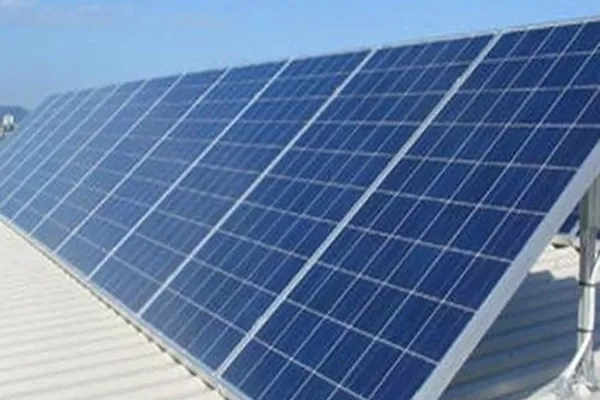
Le località remote, le superfici esposte e gli estesi layout degli impianti solari li mettono ad alto rischio di danni causati dagli elementi, in particolare dalle tempeste elettriche. Una preoccupazione significativa per gli operatori degli impianti fotovoltaici (PV) è rappresentata dai danni alle apparecchiature causati da fulmini diretti o indiretti. I danni derivanti da questi eventi possono mettere fuori servizio un impianto fotovoltaico per giorni o forse settimane, con conseguenti interruzioni di corrente e perdite di entrate. Per evitare gli effetti distruttivi dei fulmini,la protezione da sovratensione deve essere installata sull'inverter e in vari altri punti dell'impianto fotovoltaico.
Scelta e installazione dei dispositivi di protezione contro le sovratensioni per impianti fotovoltaici
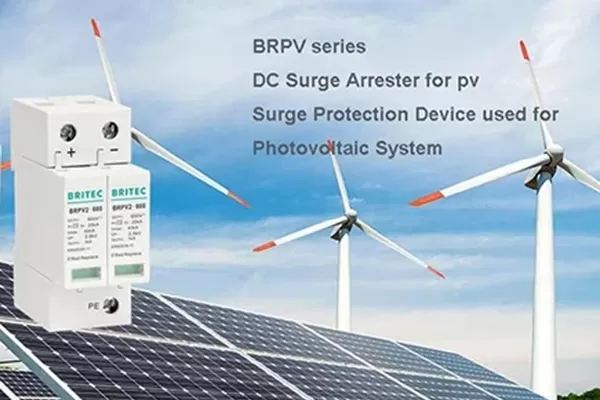
Gli impianti fotovoltaici hanno caratteristiche uniche, che richiedono quindi l'utilizzo di SPD specificatamente progettati per gli impianti fotovoltaici.
I sistemi fotovoltaici hanno tensioni di sistema CC elevate fino a 1500 volt. Il loro punto di potenza massima funziona solo a pochi percentili al di sotto della corrente di cortocircuito del sistema.
Per determinare il modulo SPD corretto per il sistema fotovoltaico e la sua installazione, è necessario conoscere:
– la densità del lampo rotondo del fulmine;
– la temperatura di esercizio del sistema;
– la tensione del sistema;
– la corrente nominale di cortocircuito del sistema;
– il livello della forma d'onda da proteggere (fulmine indiretto o diretto); E
– la corrente di scarica nominale
Per avere un effetto protettivo, il livello di protezione della tensione di un SPD (Up) dovrebbe essere inferiore di 20 % rispetto alla rigidità dielettrica dell'apparecchiatura terminale del sistema.
È importante utilizzare un SPD con una corrente di cortocircuito superiore alla corrente di cortocircuito della stringa del campo solare a cui è collegato l'SPD. L'SPD fornito sull'uscita CC deve avere un MCOV CC pari o superiore alla tensione massima del sistema fotovoltaico del pannello.
Quando un fulmine colpisce il punto A (vedi Figura 1), è probabile che il pannello solare fotovoltaico e l'inverter vengano danneggiati. Solo l'inverter verrà danneggiato se il fulmine cade nel punto B. Tuttavia, l'inverter è in genere il componente più costoso all'interno di un sistema fotovoltaico, motivo per cui è essenziale selezionare e installare correttamente l'SPD corretto su entrambe le linee CA e CC. Quanto più il colpo è vicino all'inverter, tanto più danneggiato sarà l'inverter.
SPD lato CC e CA per quadri elettrici e inverter
I dispositivi di protezione contro le sovratensioni sono installati sui lati DC e AC degli inverter centrali e di stringa, nei combiner box e per proteggere le linee di segnale (misure e comunicazioni). A seconda dell'esposizione atmosferica dell'impianto fotovoltaico ai fulmini, gli appaltatori e i progettisti di ingegneria, approvvigionamento e costruzione (EPC) possono prescrivere SPD IEC standard di tipo 2 (impatto indiretto 8/20 μs) o SPD di tipo 1+2 più robusti (testati per resistere agli impatti diretti dei fulmini con forma d'onda 10/350 μs).
La protezione lato CC su quadri elettrici e inverter ha generalmente una configurazione su guida DIN con connessione a Y per fornire protezione in modalità comune e differenziale.
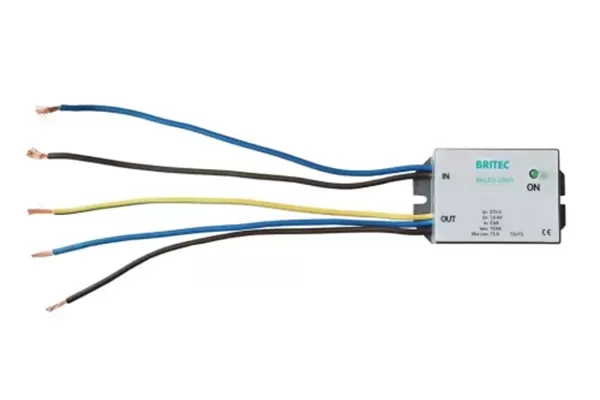
Anche sul lato AC è necessaria una protezione da sovratensione dell'inverter. Sia sull'inverter stesso che sul quadro combinatore CA, l'esposizione ai picchi di tensione viene generalmente affrontata utilizzando SPD standard di tipo 2 su guida DIN nelle configurazioni TN S, IT o anche TT.
Inoltre, a seconda dell'installazione fotovoltaica, il tipo 1+2 AC può essere preferito in alcuni casi dagli appaltatori e dai progettisti EPC, al fine di ottenere una maggiore durata degli SPD e persino una protezione laddove le condizioni sono più severe in termini di impatto diretto previsto dei fulmini. Questo sarà tipicamente il caso in aree con un livello isoceraunico molto elevato, spesso associato ad altitudini elevate.