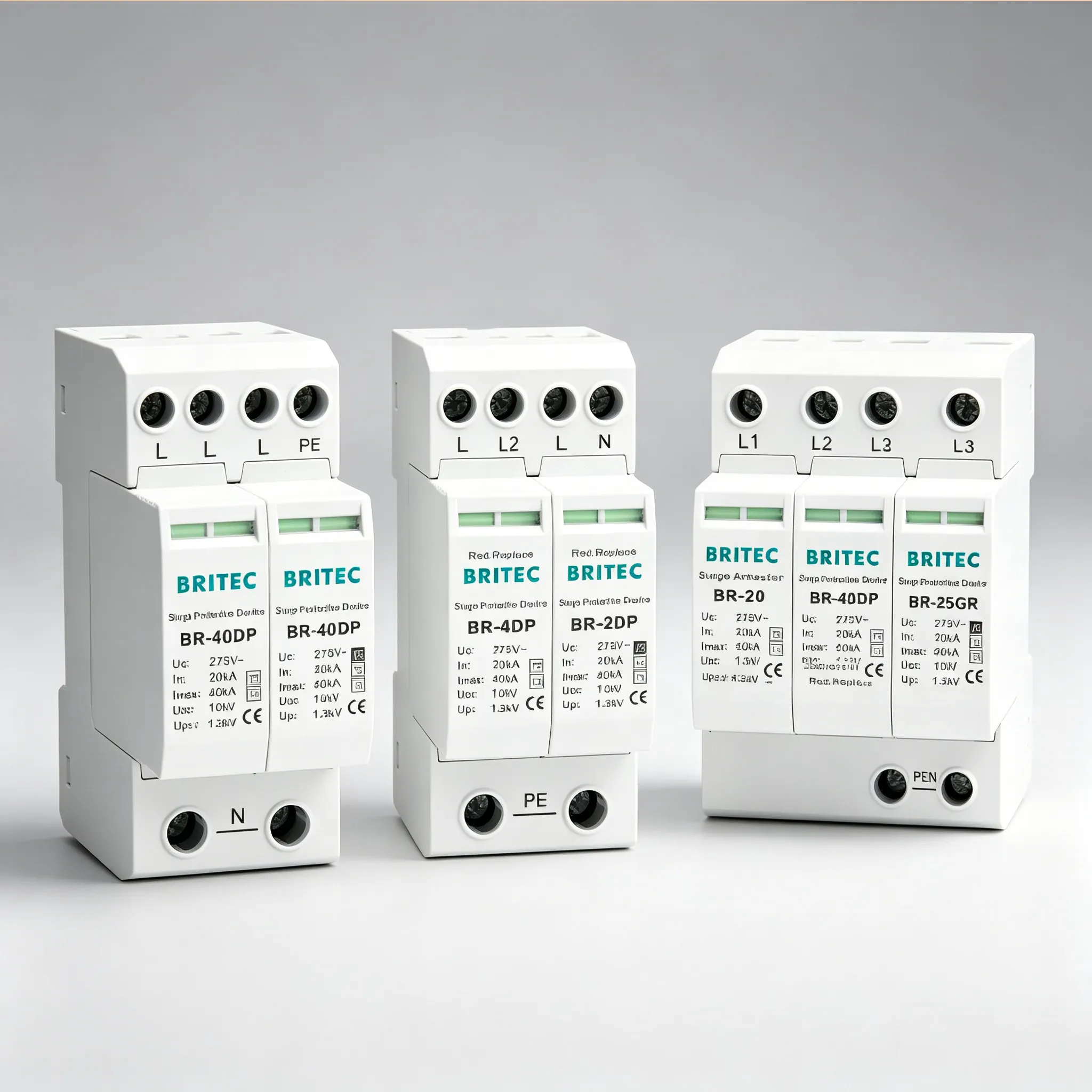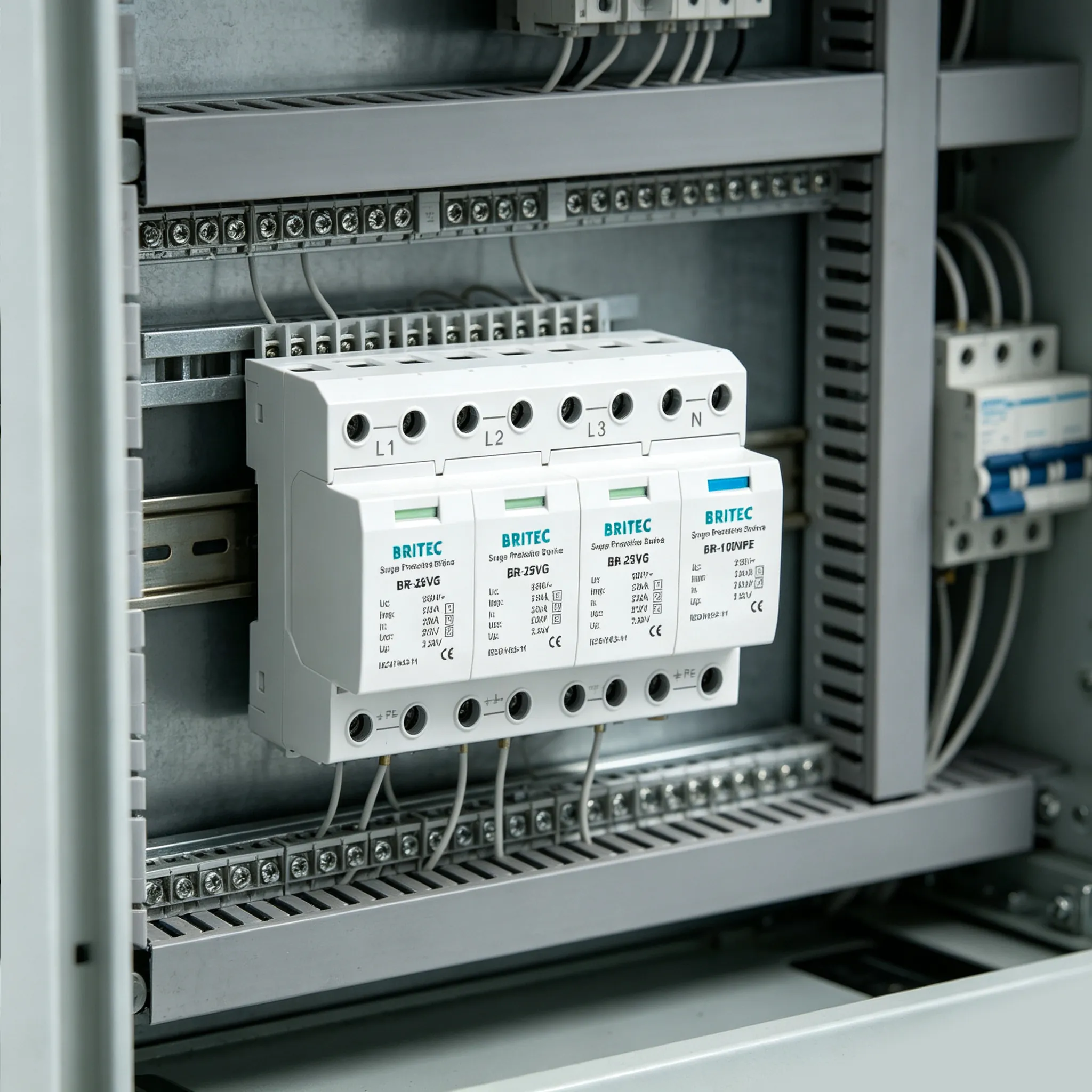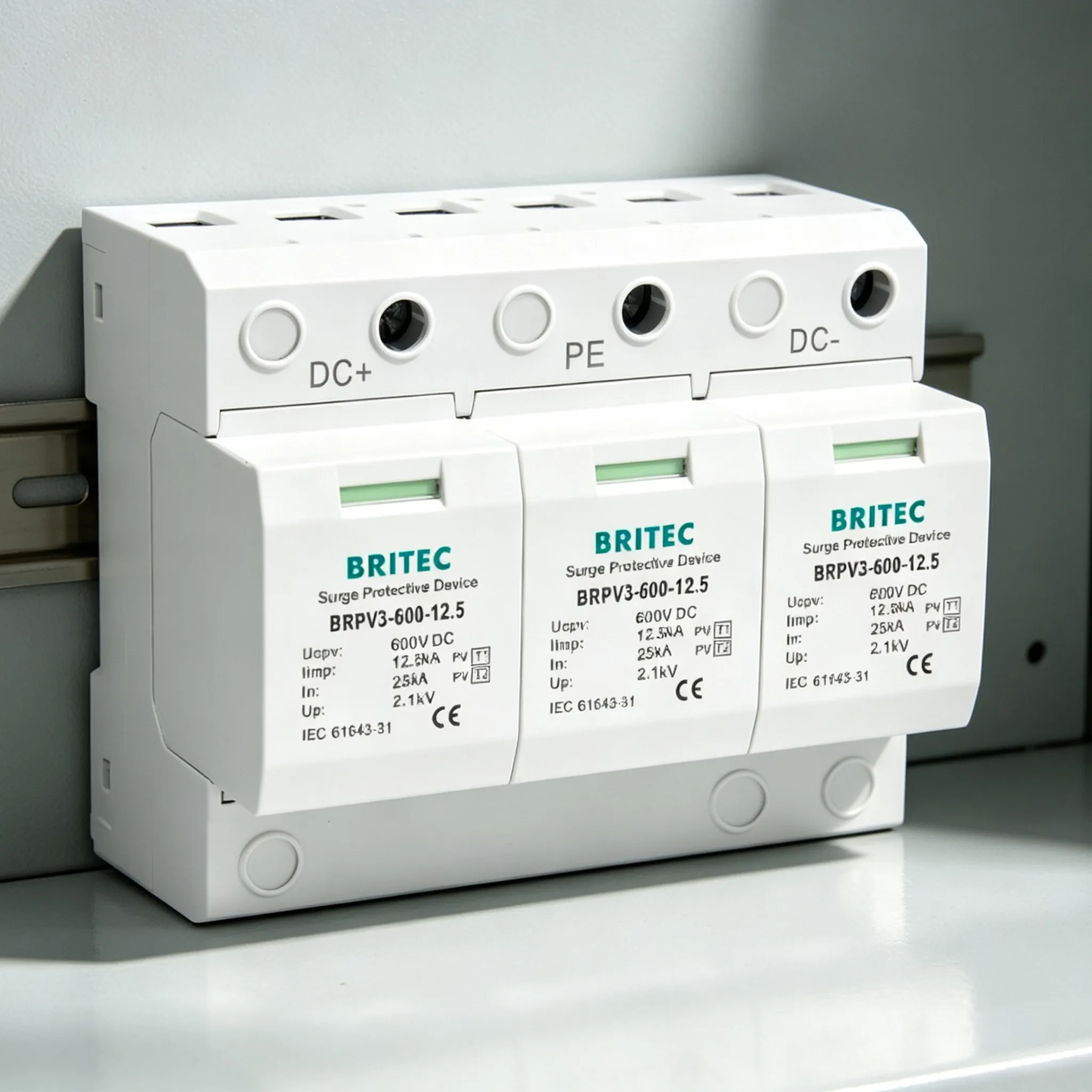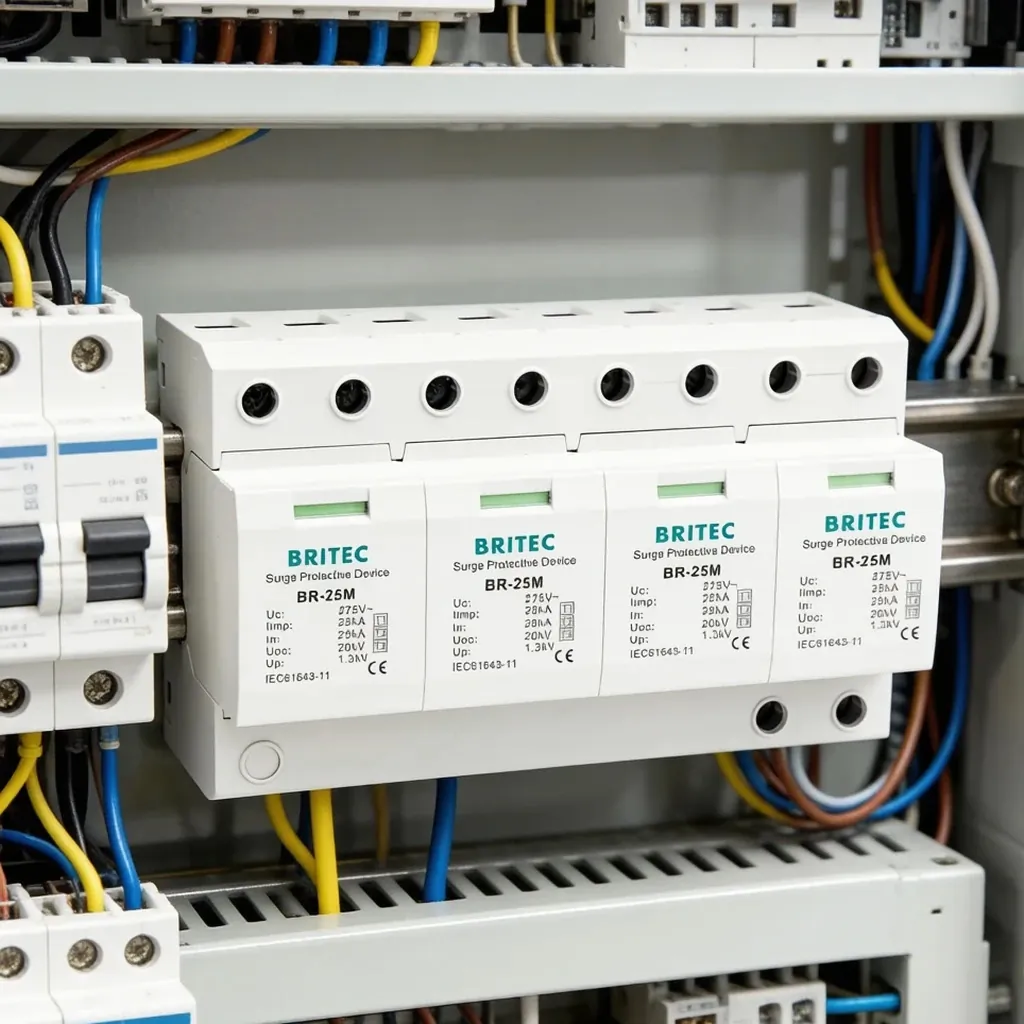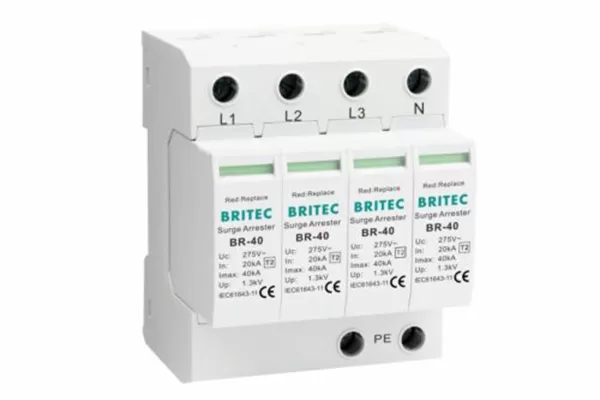

Many electrical engineers and industrial facility managers mistakenly believe that installing Type 1 and Type 2 Surge Protection Devices (SPDs) at the main switchboard and sub-distribution panels is enough to keep their facility safe. However, relying solely on upstream surge protection leaves terminal equipment exposed to destructive overvoltages.
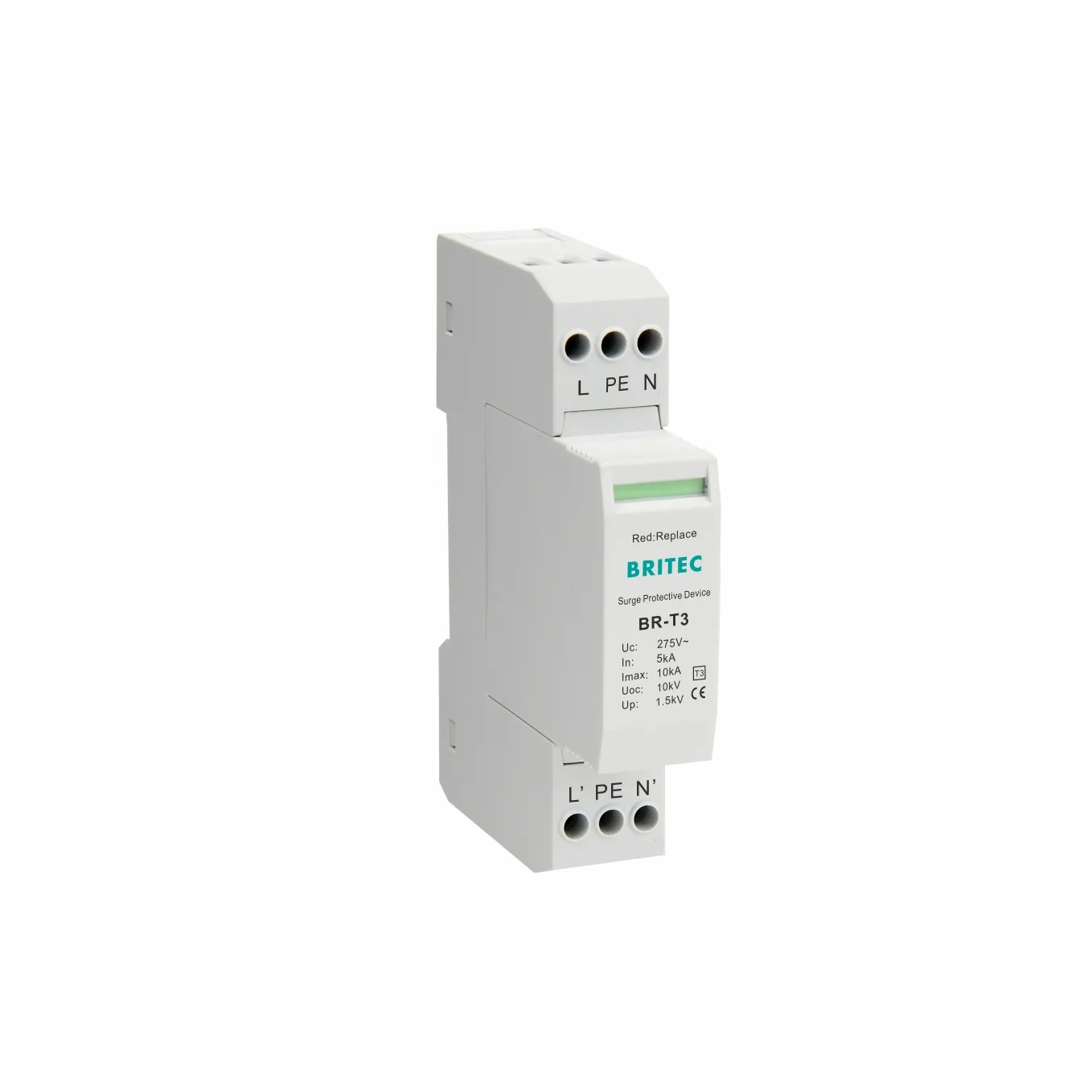
So, what happens without (SPD) Surge Protection Device Type 3? Without Type 3 SPDs installed directly upstream of sensitive loads, low-level switching transients and residual impulse voltages will enter terminal electronics, leading to microchip degradation, premature hardware failure, silent data corruption, unbudgeted downtime, and total equipment loss.
In a properly designed surge protection system compliant with IEC 61643-11 standards, protection is divided into Lightning Protection Zones (LPZ). While Type 1 guards the entrance (LPZ 0 to 1) and Type 2 secures sub-distribution boards (LPZ 1 to 2), Type 3 SPDs are point-of-use protectors (LPZ 2 to 3) installed right in front of sensitive terminal equipment.
Type 3 SPDs are engineered to handle a combination of voltage waves (1.2/50 μs) and current waves (8/20 μs) with low discharge capacities, tailored specifically to absorb remaining residual overvoltages.
Not all electrical surges are catastrophic lightning strikes. In fact, over 80% of transient overvoltages are generated internally by everyday switching operations (e.g., motors starting, HVAC cycling, or heavy industrial equipment shutting down). Without a Type 3 SPD to absorb these repeated minor spikes, delicate microprocessors, IC chips, and sensors experience continuous electrical stress, leading to unexpected device burnout months before their expected operational lifespan.
A common engineering misconception is that a downstream load is automatically protected by the upstream Type 2 SPD. Electrical physics dictates that if the cable distance between a Type 2 SPD and the terminal load exceeds 10 meters, inductive oscillation occurs. This reflection effect can cause the transient voltage at the end device to double, easily bypassing the voltage protection level ($U_p$) of the electronics.
In smart manufacturing, server rooms, and medical applications, even low-voltage transients can introduce electrical “noise.” Without Type 3 point-of-use filtering, this noise causes corrupted data streams, false sensor readings, communication dropouts between PLCs, and sudden resets of industrial control systems, disrupting production lines without any visual hardware damage.
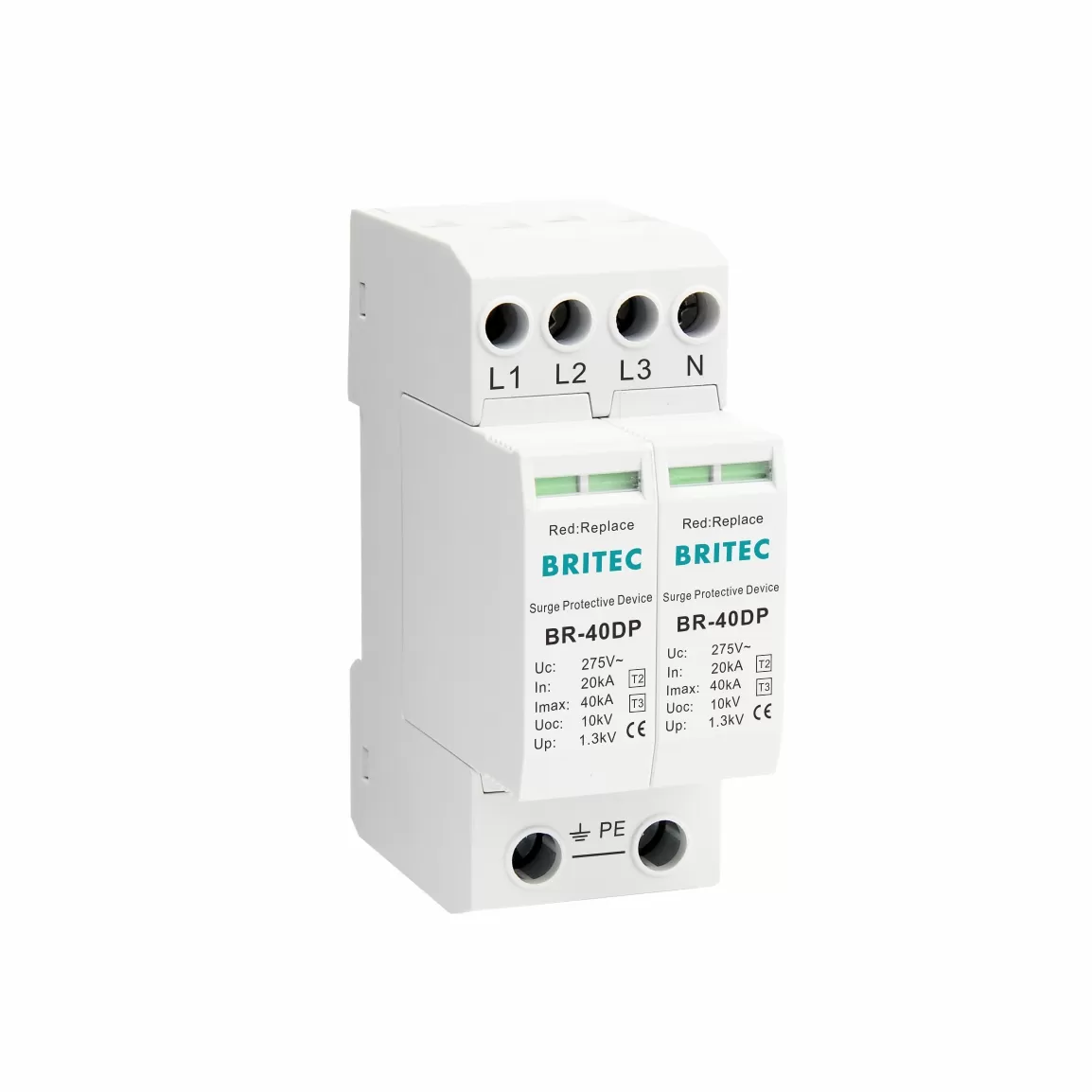
For B2B operations—such as telecommunication hubs, commercial buildings, and industrial automated facilities—equipment downtime is far more expensive than the hardware itself. Replacing an unprotected PCB on a CNC machine or industrial power supply unit causes costly process halts that could have been avoided with a compact DIN-rail Type 3 surge arrester.
When high-frequency low-voltage transients constantly pass through unconditioned terminal inputs, onboard component insulation breaks down over time. This breakdown causes excessive leakage current, local overheating, and in severe instances, component fires inside control cabinets.
| SPD Category | Installation Point | Primary Waveform | Key Function |
|---|---|---|---|
| Tipe 1 | Main Service Entrance | 10/350 μs | Diverts direct lightning currents |
| Tipe 2 | Sub-Distribution Panels | 8/20 μs | Limits switching overvoltages |
| Tipe 3 | Terminal Loads (<5m to device) | Combination (1.2/50 μs & 8/20 μs) | Fine protection for ultra-sensitive electronics |
Pada Britec Listrik, we design and manufacture high-performance DIN-rail Type 3 Surge Protective Devices equipped with integrated thermal disconnectors, remote signaling contacts, and low clamping voltage ($U_p < 1.1\text{kV}$). Whether you require robust protection for 24V DC control lines or 230V AC terminal power supplies, our IEC-certified products seamlessly integrate with your existing Type 2 surge protection systems.
Don’t let residual overvoltages threaten your operational uptime. Consult with Britec Electric’s surge protection engineers for customized OEM/ODM solutions and direct wholesale pricing.
No. Type 3 SPDs have a low discharge capacity. They are designed exclusively as secondary point-of-use protection to supplement Type 2 SPDs. Installing a Type 3 SPD alone against severe network surges will lead to thermal overload of the device.
Type 3 SPDs should be installed as close as possible to the protected end device—ideally within 5 meters of cable length—to minimize line inductance and prevent voltage doubling caused by transient reflection.
Type 2 SPDs are installed in sub-distribution panels to discharge bulk transient currents ($8/20\,\mu\text{s}$), whereas Type 3 SPDs offer fine clamping voltage protection for specific terminal loads using a combined voltage/current wave test.
Professional Type 3 SPDs from Britec Electric feature local visual status indicators (turning from Green to Red when degraded) and offer optional remote signaling contacts to trigger alarms in your central PLC system.
Yes. Type 3 SPDs are available for various operating voltages, including 230V/120V AC power inputs as well as low-voltage 12V, 24V, and 48V DC lines commonly found in industrial automation and telecom controllers.
No. Standard Type 3 SPDs divert excess surge currents to the ground within nanoseconds without tripping upstream circuit breakers or disconnecting the operational power supply.
This usually happens due to internal switching transients generated downstream from the main panel, or inductive amplification along long cable runs (exceeding 10 meters) between the Type 2 panel and the equipment.
Yes, Britec Electric is a specialized manufacturer of surge protective devices. We provide customized OEM/ODM solutions, private labeling, and compliance certifications tailored to global market requirements.
High-quality Type 3 SPDs must comply with international standards such as IEC 61643-11 and EN 61643-11 for low-voltage power surge protective devices.
The voltage protection level ($U_p$) of the Type 3 SPD must be lower than the impulse withstand voltage rating ($U_w$) of your terminal equipment to ensure complete safety.