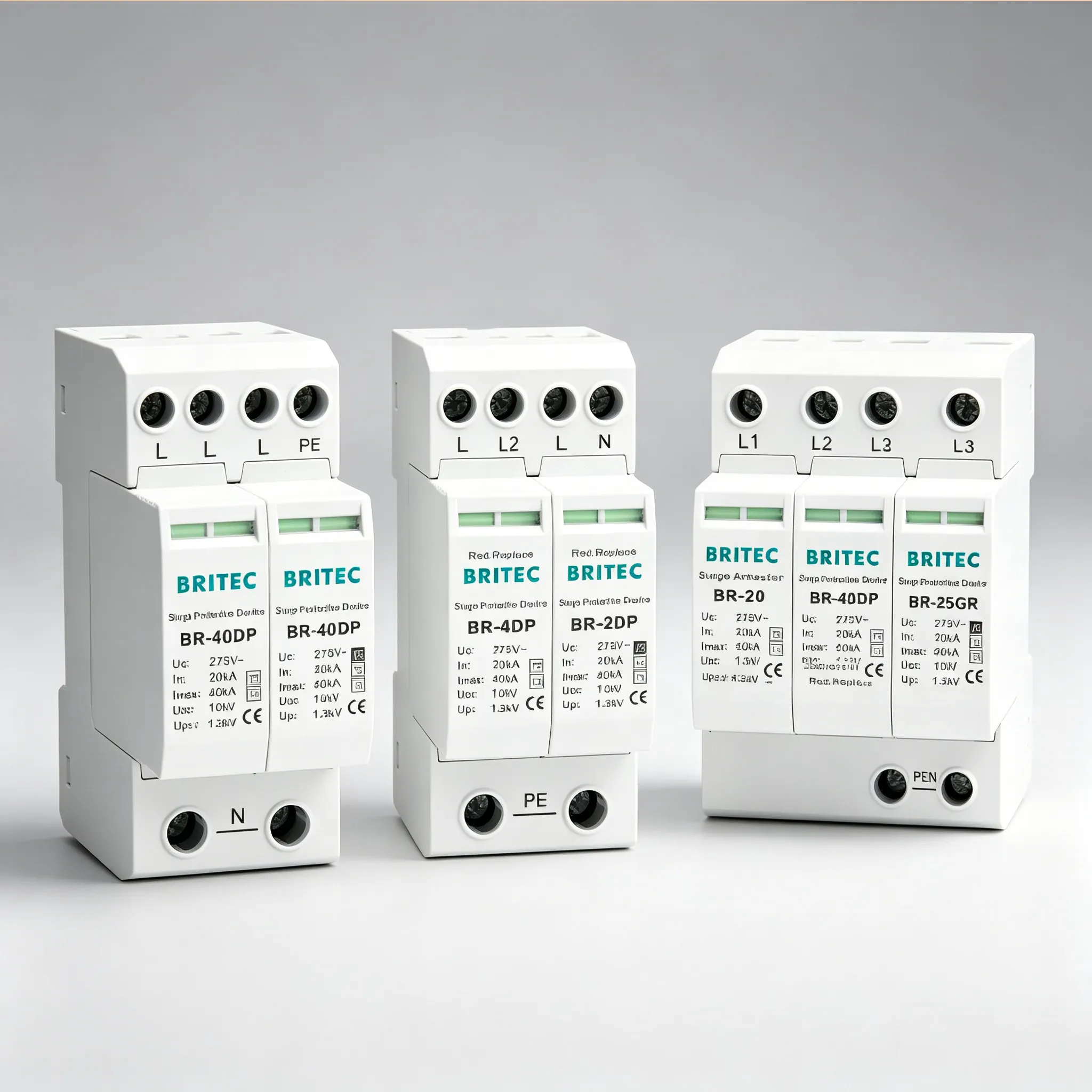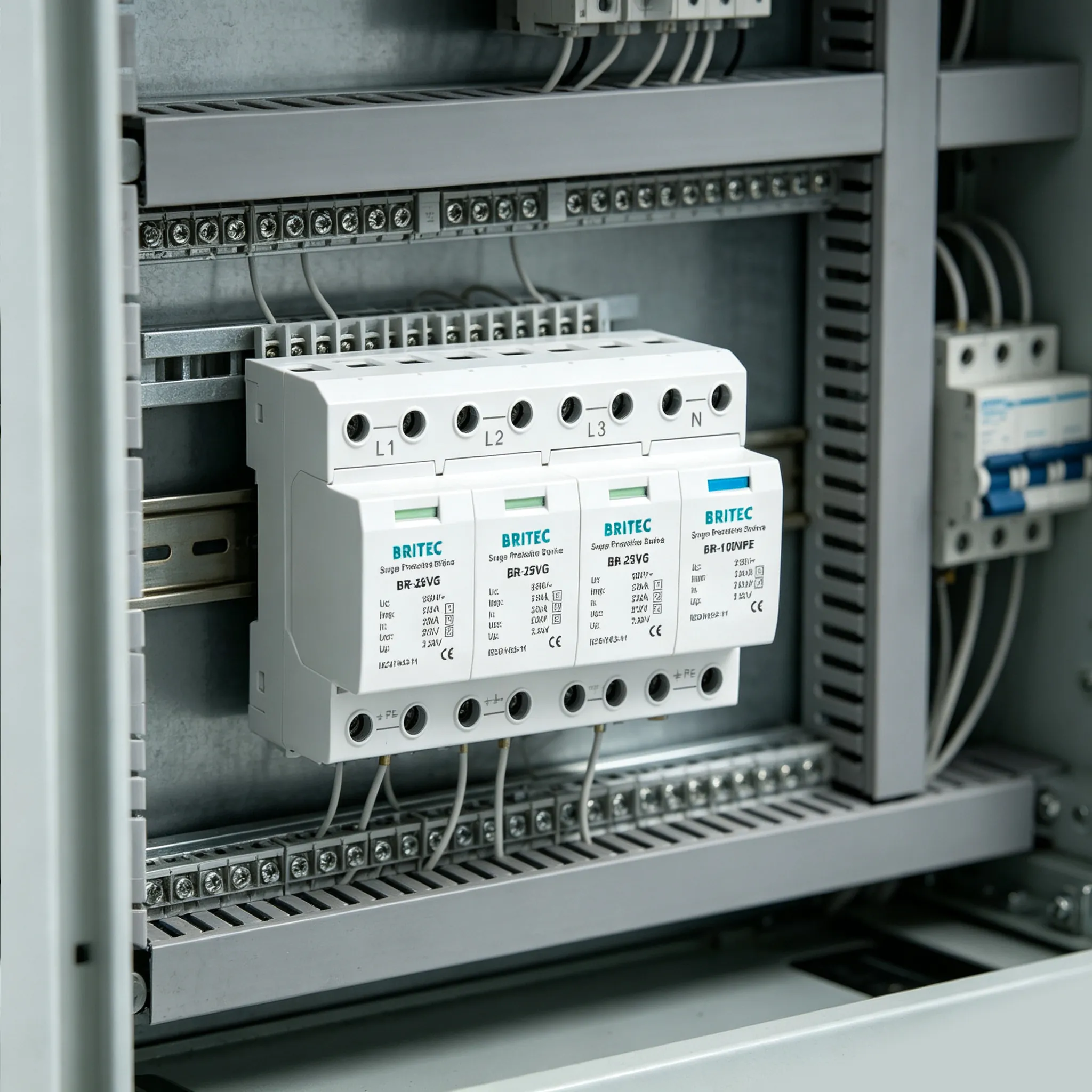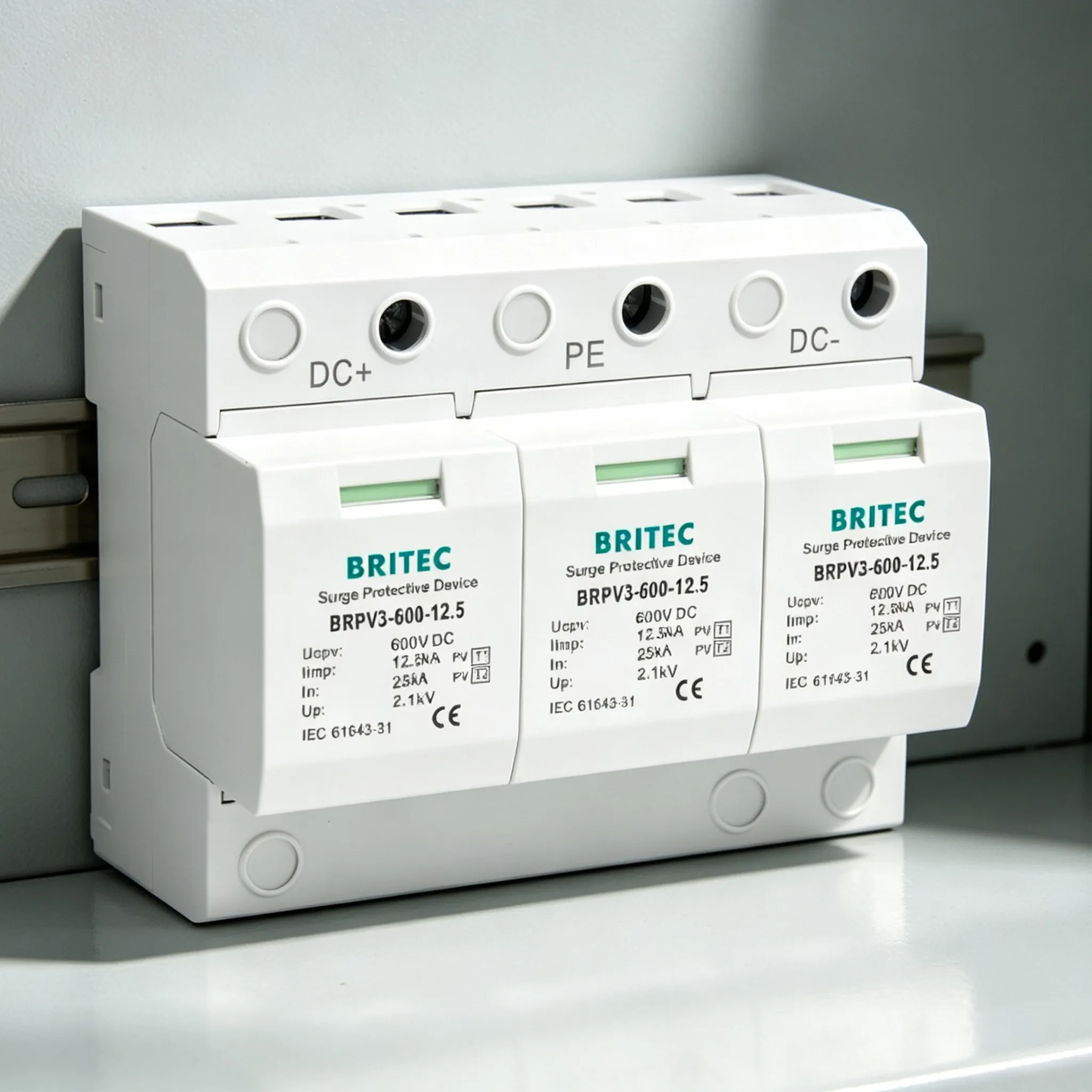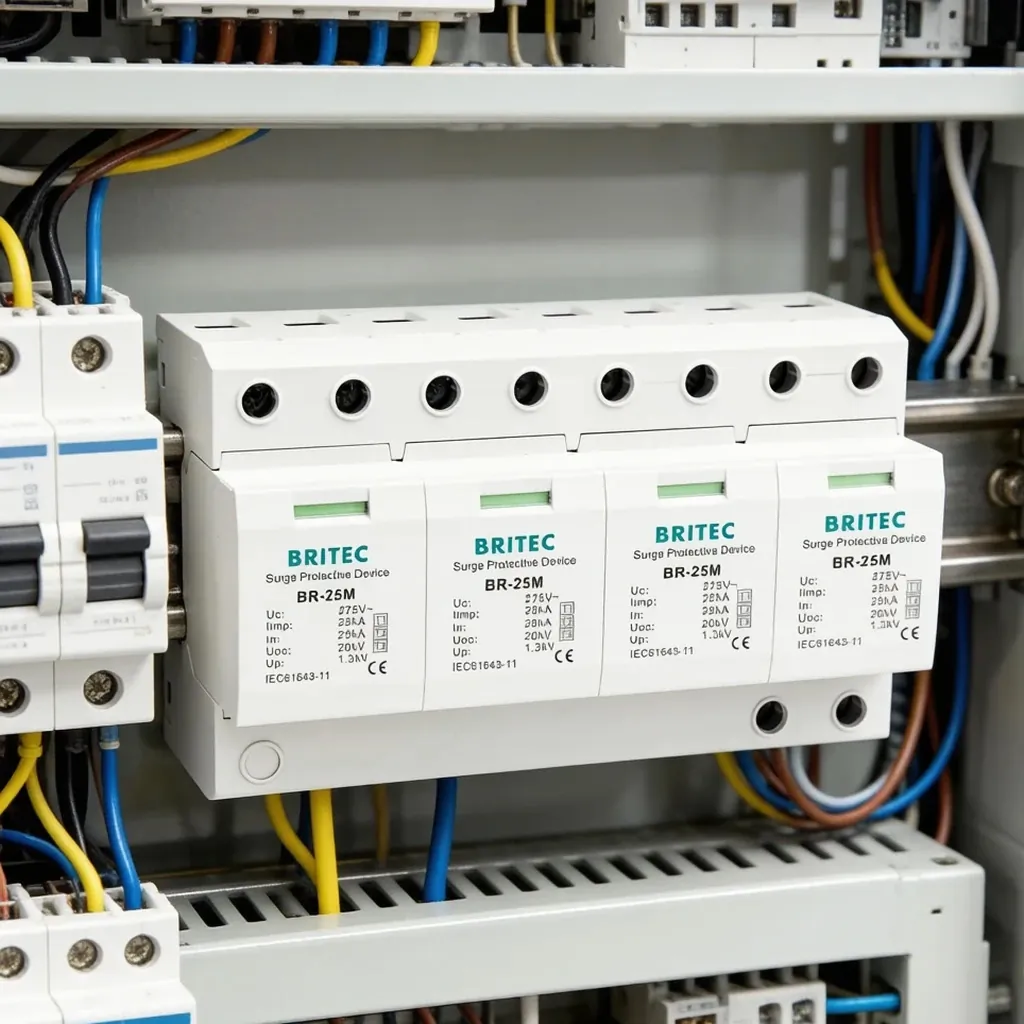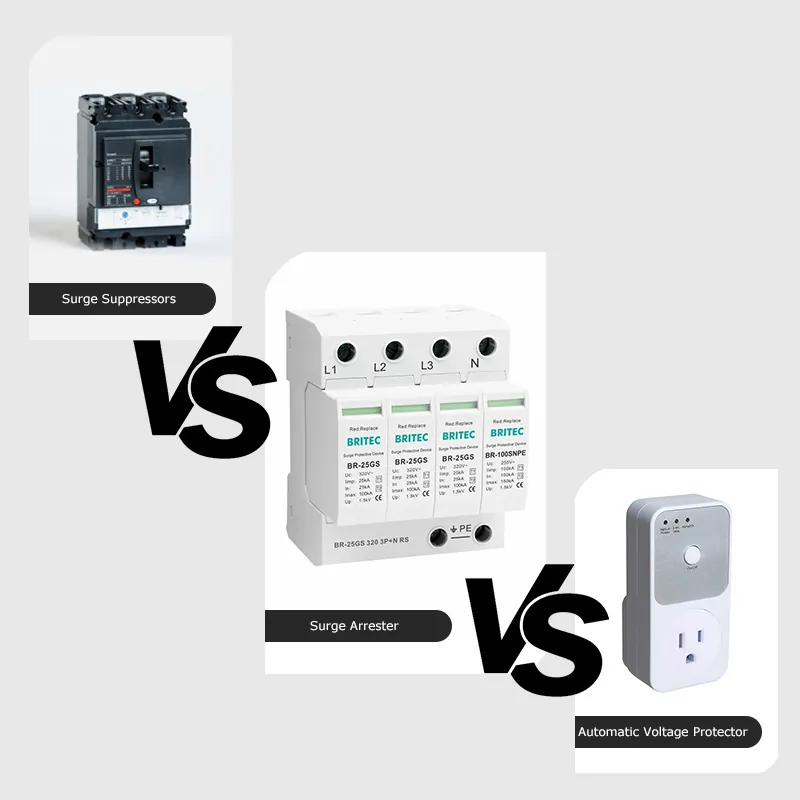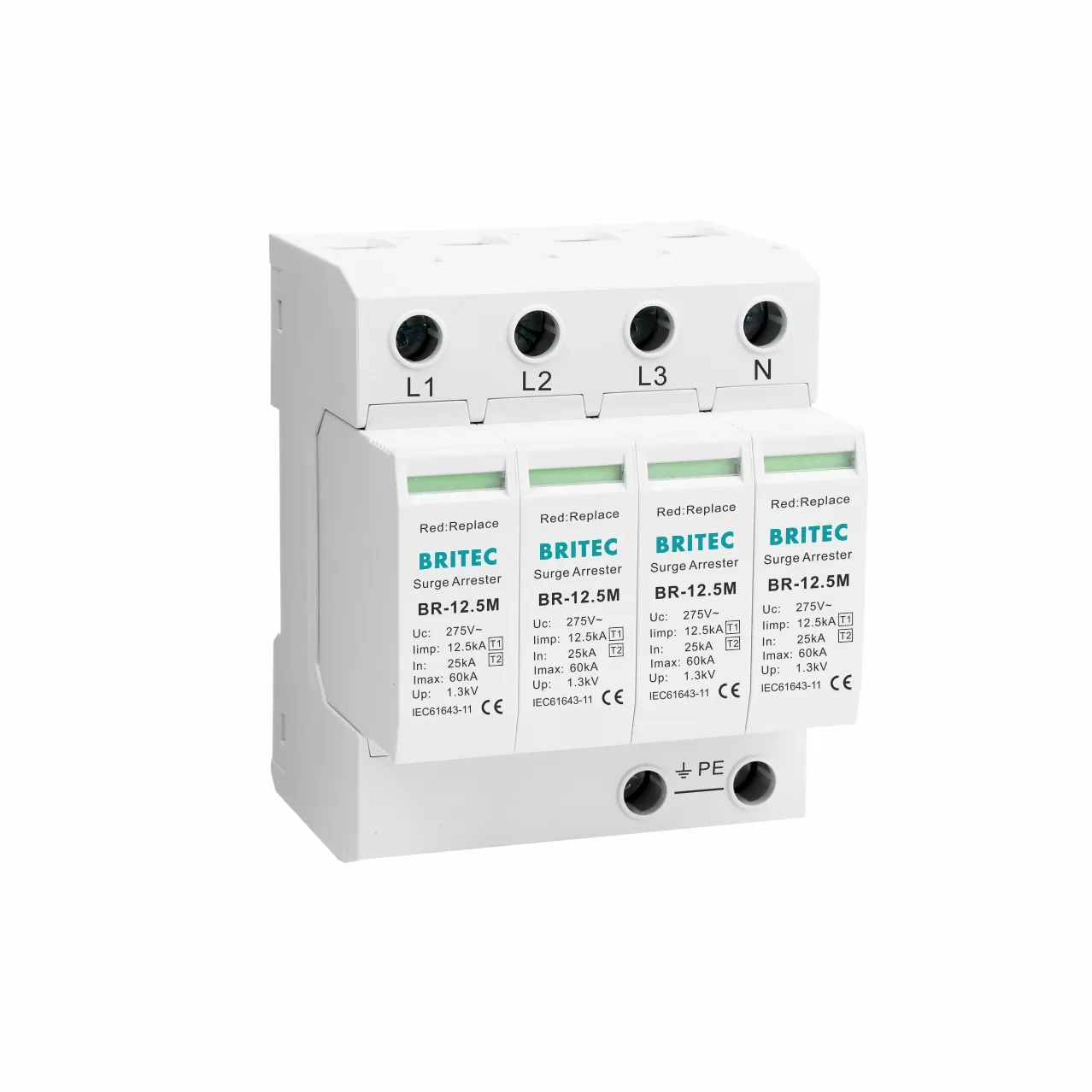

Selecting the right SPD Type 1 is one of the most important decisions you can make when designing a reliable electrical protection system. Whether you are purchasing equipment for an industrial plant, commercial building, photovoltaic installation, or utility project, the performance of a Tipe 1 SPD directly affects equipment safety, system uptime, and maintenance costs. This guide explains the essential engineering considerations, practical design methods, and common mistakes to help you choose the most suitable Perangkat Perlindungan Lonjakan Tipe 1 for your project while balancing performance, compliance, and budget.
Designing an effective surge protection system involves much more than selecting a device with the highest surge rating. You need to evaluate lightning exposure, electrical system architecture, grounding conditions, coordination with downstream protection devices, and long-term reliability.
A properly selected Class I SPD not only protects valuable electrical assets but also minimizes downtime, extends equipment life, and ensures compliance with international electrical standards.
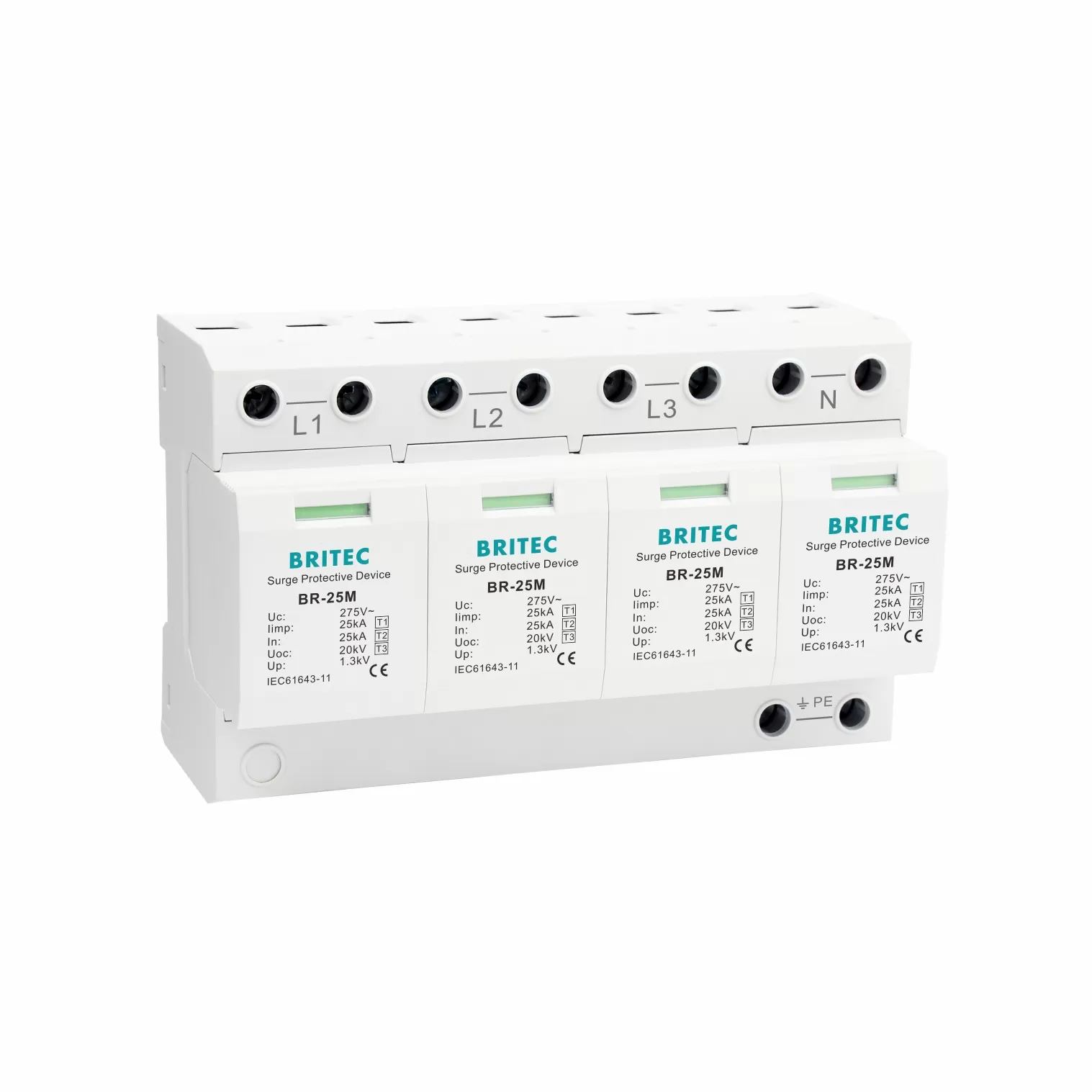
The primary purpose of an SPD Type 1 is to safely discharge high-energy lightning currents entering a building through the power supply.
Unlike Type 2 devices that mainly suppress switching surges, a Perangkat Perlindungan Lonjakan Tipe 1 is specifically designed to withstand partial lightning current generated during a direct or nearby lightning strike. Therefore, understanding the lightning risk of your installation should always be your first design step.
Several factors influence lightning protection requirements:
● Geographical lightning density
● Building height and exposure
● Presence of external lightning protection systems (LPS)
● Power distribution configuration
● Criticality of connected equipment
For example, imagine you are sourcing surge protection for a manufacturing facility located in Southeast Asia, where lightning activity is extremely high. Installing a low-capacity SPD may reduce the initial purchasing cost, but repeated lightning events could quickly exceed its surge handling capability, resulting in expensive downtime and equipment replacement.
In contrast, selecting a higher-rated SPD Type 1 with sufficient impulse current capacity (Iimp) provides a much higher safety margin throughout the product’s service life.
When evaluating suppliers, you should always request certified impulse current test reports rather than relying solely on marketing specifications.
Not every project requires the same protection level.
Choosing the correct protection level requires balancing electrical risk, installation location, equipment sensitivity, and project budget.
The following table summarizes typical design considerations.
| Installation Environment | Recommended SPD Type | Typical Iimp | Aplikasi |
|---|---|---|---|
| Residential Building | Standard Type 1 SPD | 12.5 kA | Basic lightning protection |
| Commercial Building | High-performance Type 1 SPD | 25 kA | Office buildings, hotels |
| Industrial Plant | Heavy-duty Class I SPD | 25–50 kA | Manufacturing facilities |
| Data Center | Coordinated Type 1 + Type 2 | 25 kA | Critical electronic equipment |
| Solar PV System | DC SPD Type 1 | Project dependent | PV arrays and inverter protection |
Remember that purchasing a larger SPD does not automatically mean better protection.
An oversized device may increase procurement costs without improving overall system performance if the installation environment does not justify such capacity.
Instead, you should perform a comprehensive risk assessment before finalizing your specification.
One of the most overlooked parameters is the voltage protection level (Up).
Even when two products have similar surge current ratings, their residual voltage during surge discharge can differ significantly.
A lower Up value generally means better protection because less transient voltage reaches your downstream equipment.
However, selecting the lowest possible protection level is not always the best solution.
Your chosen SPD Type 1 should coordinate with the insulation withstand voltage of the connected electrical equipment.
For example, if you are protecting variable frequency drives, PLC systems, or industrial automation controllers, selecting an SPD with an appropriate residual voltage helps avoid unnecessary stress on sensitive electronics.
Good engineering practice considers several coordination factors:
● Nominal system voltage
● Impulse withstand voltage of equipment
● Cable length between SPD and equipment
● Grounding quality
● Coordination with downstream SPDs
You should view the surge protection system as a complete protection chain rather than as individual devices working independently.
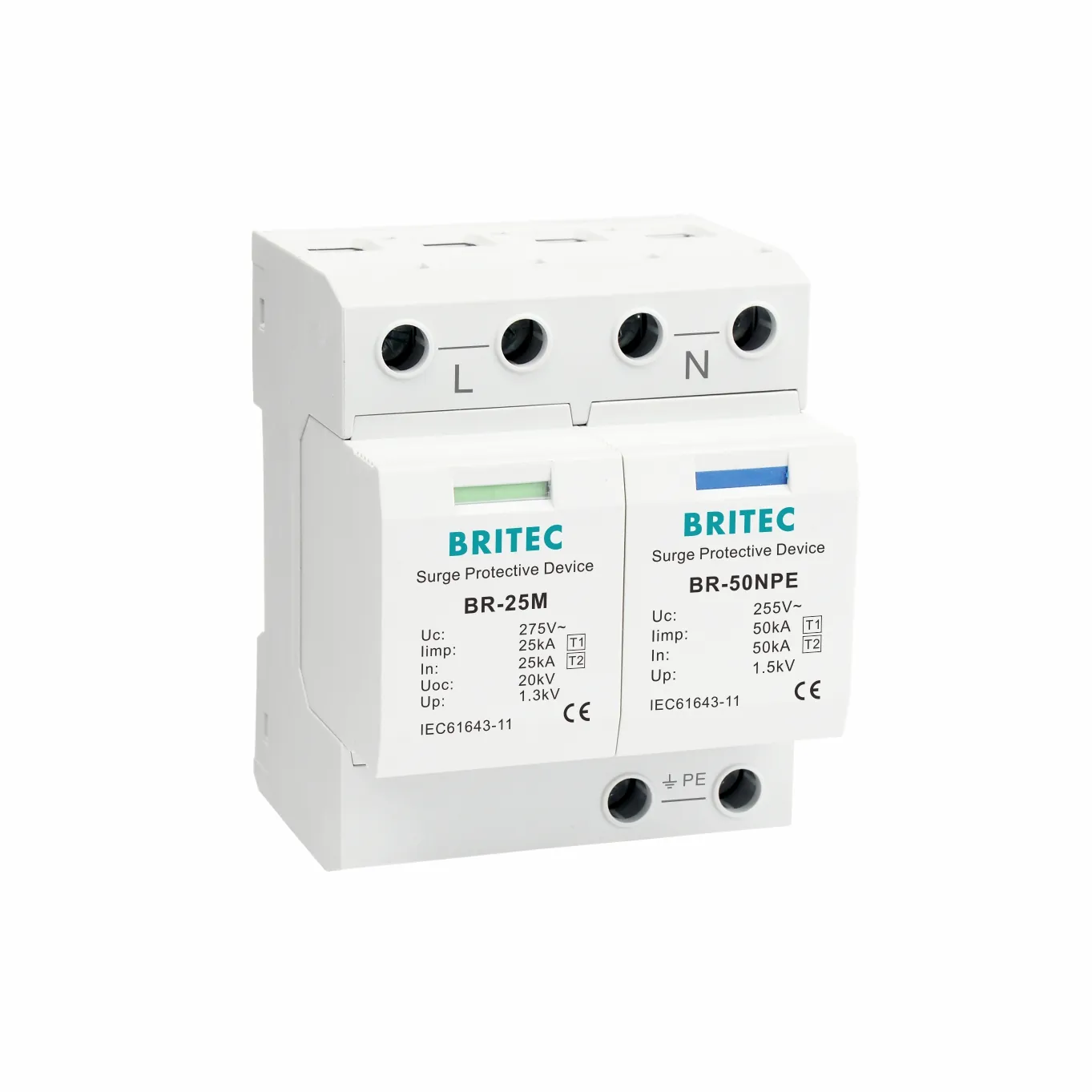
Installation location has a significant impact on surge protection performance.
Even the highest-quality Tipe 1 SPD cannot provide effective protection if installed incorrectly.
Typically, an SPD Type 1 is installed at the service entrance or the main distribution board, where incoming lightning currents first enter the electrical system.
A practical example illustrates this concept.
A logistics warehouse initially installed only Type 2 surge protection inside several distribution panels. During a nearby lightning event, the incoming surge bypassed the protection strategy, damaging HVAC controllers and surveillance equipment.
After redesigning the system with a coordinated Class I SPD at the main service entrance and additional downstream protection, similar lightning events no longer caused equipment failures.
This example demonstrates that proper installation architecture often contributes more to protection performance than simply selecting a higher surge rating.
Although AC and DC surge protection devices appear similar, their internal design principles differ considerably.
A DC SPD Type 1 must safely interrupt continuous DC current after surge discharge because direct current lacks the natural zero-crossing characteristic found in AC systems.
As a result, DC designs require specialized arc-extinguishing technology and carefully selected internal components.
You should never substitute an AC SPD for a photovoltaic or battery energy storage application.
Important design differences include:
● Operating voltage range
● Arc extinguishing capability
● Tegangan operasi kontinu maksimum (Uc)
● Kapasitas ketahanan hubung singkat
● Compatibility with PV and battery systems
As renewable energy installations continue to grow worldwide, demand for reliable DC SPD Type 1 products has increased rapidly. Procurement teams should therefore verify compliance with relevant DC surge protection standards before making purchasing decisions rather than assuming all SPDs provide equivalent protection.
An excellent SPD Type 1 cannot compensate for a poor grounding system. In fact, grounding quality is often the deciding factor in whether surge protection performs as expected during a lightning event.
When lightning current flows through an SPD, the device diverts the surge energy to earth. If the grounding path has excessive impedance, part of the surge voltage remains in the electrical system, increasing the risk of equipment damage. This is why experienced engineers evaluate the grounding network before selecting any Tipe 1 SPD.
Several design principles can help reduce grounding impedance:
● Keep grounding conductors as short and straight as possible.
● Avoid unnecessary bends or loops that increase inductive impedance.
● Use conductors with adequate cross-sectional area.
● Ensure all grounding points are securely bonded.
● Regularly inspect grounding resistance as part of preventive maintenance.
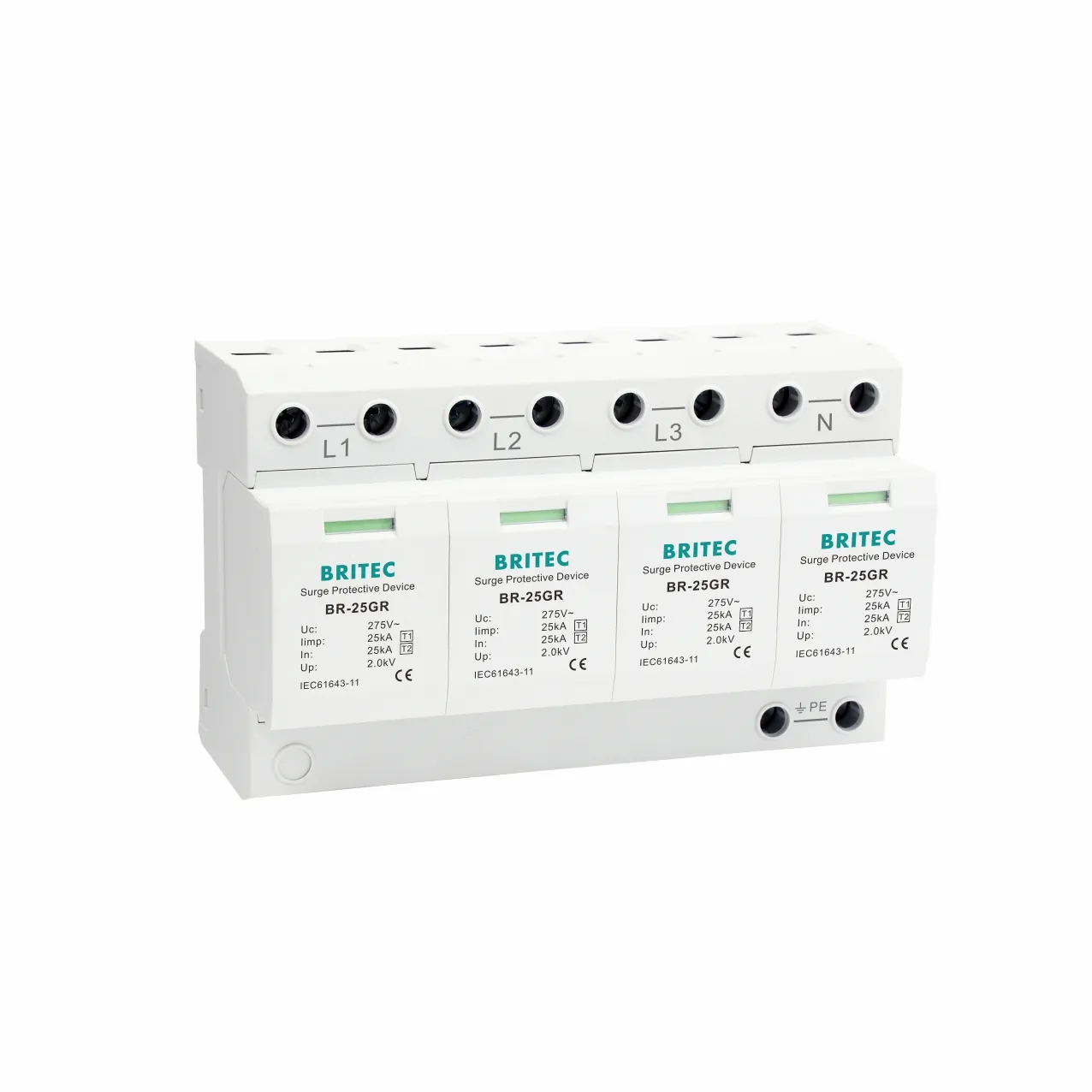
A single SPD rarely provides complete protection for an entire electrical installation.
Professional engineers usually design a coordinated surge protection system in which SPD Type 1 handles high-energy lightning currents at the service entrance, while Type 2 devices suppress residual surges within downstream distribution panels.
This layered approach offers several advantages.
● Improves protection for sensitive equipment
● Reduces stress on downstream SPDs
● Extends the service life of surge protection devices
● Provides more stable voltage protection throughout the system
● Minimizes maintenance and replacement costs
The coordination distance between devices is also important. If a Tipe 1 SPD and a Type 2 SPD are installed too close together without proper coordination, surge energy may not be distributed effectively. Depending on the installation, engineers may use decoupling inductance, cable length, or specially coordinated SPD combinations recommended by the manufacturer.
The main switchboard typically uses a Class I SPD to absorb lightning currents entering the facility, while each floor distribution board incorporates Type 2 protection. Critical medical equipment may even include Type 3 protection at the point of use. This multi-stage design greatly improves overall system reliability.
Surge protection devices are designed to withstand extreme electrical events, but they are not immune to aging or abnormal operating conditions.
Repeated surge exposure, temporary overvoltage, or internal component degradation can eventually affect SPD performance. For this reason, modern SPD Type 1 products incorporate thermal protection mechanisms and safety disconnect devices.
These protective features help prevent overheating and isolate the SPD from the electrical system if the internal components reach unsafe operating conditions.
When evaluating suppliers, you should consider whether the product includes:
● Integrated thermal disconnect technology
● Short-circuit protection capability
● Status indication window
● Remote signaling contacts for monitoring
● Replaceable protection modules where applicable
For large industrial facilities, remote monitoring can significantly reduce maintenance costs. Maintenance personnel can quickly identify failed SPDs without opening electrical cabinets, minimizing downtime and improving maintenance efficiency.
Although products equipped with these features may have a slightly higher SPD Type 1 Price, the additional investment often results in lower lifecycle costs by reducing unexpected failures and simplifying maintenance.
Compliance with recognized international standards is essential when selecting a Perangkat Perlindungan Lonjakan Tipe 1.
Certified products provide greater confidence that published performance data has been independently verified under standardized testing conditions. For procurement teams, certification also simplifies project approval and helps satisfy regulatory requirements.
Before purchasing, you should verify whether the manufacturer complies with the relevant standards for your target market.
| Standard / Certification | Primary Focus | Typical Application | Why It Matters |
|---|---|---|---|
| IEC 61643-11 | Low-voltage surge protective devices | Global markets | Defines testing and performance requirements |
| EN 61643-11 | European harmonized standard | Europe | Supports CE compliance |
| UL 1449 | Surge protective devices | North America | Widely required in the U.S. market |
| IEC 62305 | Lightning protection | Building design | Guides complete lightning protection systems |
| ISO 9001 | Quality management | Manufacturing | Demonstrates consistent production quality |
You should also request supporting technical documentation, including laboratory test reports, certification certificates, installation manuals, and quality control records. These documents provide valuable evidence that the manufacturer’s claims are supported by independent verification.
Many buyers focus primarily on SPD Type 1 Price, but the lowest purchase price rarely delivers the best long-term value.
Instead of comparing products solely by unit cost, you should evaluate the total cost of ownership. A higher-quality SPD Type 1 often reduces maintenance expenses, equipment failures, and production downtime over many years of operation.
When comparing suppliers, consider several factors together:
● Impulse current rating (Iimp)
● Tingkat perlindungan tegangan (Naik)
● Expected service life
● Warranty and technical support
● Certification and manufacturing quality
Imagine two suppliers offering similar-looking products. One device costs 20% less but lacks third-party certification and offers limited technical documentation. The other has a slightly higher SPD Type 1 Price, comprehensive certification, proven testing data, and reliable after-sales support.
For mission-critical applications such as factories, hospitals, renewable energy projects, or telecommunications infrastructure, the second option often delivers substantially better long-term value despite its higher initial cost.
Successful procurement is not about buying the cheapest SPD. It is about selecting a reliable Tipe 1 SPD that matches your project’s technical requirements while minimizing operational risk throughout the equipment’s service life.
A properly selected SPD Type 1 can be used across a wide range of industries where lightning currents may enter the electrical distribution system. Because installation environments differ significantly, engineers should always evaluate the project’s exposure level, electrical architecture, and equipment sensitivity before specifying a surge protection solution.
Common application scenarios include:
● Commercial office buildings with external lightning protection systems.
● Industrial manufacturing plants operating sensitive automation equipment.
● Hospitals where uninterrupted power is essential for medical devices.
● Data centers protecting servers, communication systems, and network infrastructure.
● Solar photovoltaic power plants requiring reliable DC SPD Type 1 protection.
● Wind energy installations exposed to frequent lightning activity.
● Airports, railway stations, and transportation infrastructure.
● Utility substations and power distribution networks.
The right surge protection strategy does more than protect equipment—it safeguards productivity, operational continuity, and your overall investment.
Even experienced engineers can make mistakes when designing surge protection systems. In many cases, equipment failures are not caused by the SPD Type 1 itself but by incorrect system design, poor installation practices, or improper product selection.
Understanding these common mistakes can help you avoid costly downtime and improve the overall reliability of your electrical installation.
One of the most common procurement mistakes is choosing a Tipe 1 SPD based solely on price.
Although a lower-rated device may satisfy the project budget, it may not survive repeated lightning impulses in high-risk environments. Once the surge current exceeds the device’s design capability, the SPD may fail prematurely, leaving downstream equipment exposed.
Before purchasing, evaluate:
● Local lightning density
● Building exposure level
● Power supply configuration
● Existing lightning protection system
● Expected service life
Selecting an appropriately rated Class I SPD provides a much larger safety margin and reduces replacement frequency over the life of the installation.
Some projects invest in premium surge protection devices while overlooking grounding quality.
This is a costly mistake.
If grounding impedance is too high, surge energy cannot be discharged efficiently. Instead of flowing safely into the earth, residual voltage remains within the electrical system, increasing the likelihood of equipment damage.
Always remember that an SPD and the grounding system function as one integrated protection solution.
Installation location directly affects surge protection performance.
Long cable runs increase inductive voltage during a lightning event, reducing the effectiveness of the Perangkat Perlindungan Lonjakan Tipe 1.
Whenever possible, you should install the SPD close to the incoming power supply and the main grounding terminal. Short conductor lengths improve discharge efficiency and reduce residual voltage.
Many manufacturers recommend keeping connection leads as short as possible, ideally below 0.5 meters where installation conditions permit.
Another common design error is treating surge protection devices as independent products rather than coordinated components of a complete protection system.
Without proper coordination, one SPD may absorb excessive surge energy while another remains underutilized. This imbalance shortens product life and reduces protection effectiveness.
A properly coordinated system distributes surge energy across multiple protection stages, ensuring each device operates within its intended range.
Although SPD Type 1 products require very little routine maintenance, they should never be considered “install and forget” devices.
Surge protective devices gradually age as they absorb transient events. Environmental conditions such as temperature, humidity, pollution, and repeated lightning activity also influence service life.
A preventive maintenance program should include:
● Visual inspection of status indicators
● Checking remote alarm contacts
● Verifying grounding connections
● Inspecting installation terminals
● Replacing failed protection modules when necessary
Routine inspections help identify potential issues before they develop into costly equipment failures.
Memilih yang benar SPD Type 1 involves much more than comparing technical specifications. As a buyer, you should evaluate the complete solution—including product quality, certification, engineering support, and long-term reliability.
The following checklist can help simplify your purchasing decision.
| Evaluation Item | Why It Matters | Recommendation |
|---|---|---|
| Iimp Rating | Determines lightning current capability | Match local lightning risk |
| Tingkat Perlindungan Tegangan (Naik) | Protects downstream equipment | Lower values are generally better when properly coordinated |
| AC or DC SPD Type 1 | Ensures application compatibility | Select according to system voltage |
| Certifications | Confirms independent testing | IEC, EN, UL or applicable local standards |
| Manufacturer Experience | Indicates production consistency | Choose an established manufacturer |
| Dukungan Teknis | Simplifies project implementation | Prefer suppliers offering engineering assistance |
Beyond the technical data sheet, you should also evaluate the manufacturer’s production capabilities.
Ask questions such as:
● Does the manufacturer perform 100% product testing?
● Are impulse current test reports available?
● Can customized solutions be provided?
● Is OEM or ODM service available?
● Does the supplier provide fast technical support after delivery?
These factors often distinguish a dependable long-term partner from a supplier focused solely on selling products.
If your projects involve industrial facilities, renewable energy systems, telecommunications, or critical infrastructure, selecting an experienced manufacturer can significantly reduce procurement risks.
For many international buyers, Britec Listrik has become a trusted partner by offering certified SPD Type 1, Perangkat Perlindungan Lonjakan Tipe 1, Dan DC SPD Type 1 solutions for global electrical markets. With years of manufacturing experience, strict quality control, and comprehensive technical support, Britec Electric helps customers build reliable surge protection systems that meet demanding international standards.
Is Class I SPD The Same As Type 1 SPD?
Yes. According to IEC standards, Class I SPD Dan Tipe 1 SPD refer to the same category of surge protective devices. They are designed to withstand partial lightning current and are installed at the service entrance of a building.
How Long Does A Type 1 SPD Last?
The service life depends on lightning frequency, surge intensity, installation quality, and environmental conditions. Under normal operating conditions, a high-quality SPD Type 1 can remain in service for many years. Regular inspection helps maximize its lifespan.
What Happens If A Type 1 SPD Fails?
Most modern devices include thermal disconnect mechanisms that safely isolate the SPD when it reaches the end of its service life. Depending on the product design, a visual indicator or remote alarm contact will notify maintenance personnel that replacement is required.
Do All Buildings Need Type 1 SPD?
Not necessarily. Buildings equipped with external lightning protection systems, facilities located in high-lightning regions, industrial plants, data centers, and renewable energy projects generally benefit from installing a Tipe 1 SPD. A formal lightning risk assessment should determine whether it is required.
How Do I Calculate SPD Rating For My System?
You should evaluate lightning exposure, system voltage, grounding conditions, equipment sensitivity, and applicable standards. Consulting IEC 62305 and IEC 61643 guidelines is recommended for accurate sizing.
What Standards Apply To Type 1 SPD Design?
The most commonly referenced standards include IEC 61643-11, EN 61643-11, UL 1449, and IEC 62305. Local electrical codes may also specify additional requirements depending on your country or region.
What Is Iimp In Surge Protection Devices?
Iimp represents the impulse current rating of a Perangkat Perlindungan Lonjakan Tipe 1. It indicates the maximum lightning current the SPD can safely discharge during standardized testing and is one of the most important selection parameters.
Can Type 1 SPD Protect Against Lightning Directly?
A Tipe 1 SPD is designed to withstand partial lightning currents entering the electrical installation through the power supply. However, it is only one component of a complete lightning protection system and should be used together with external lightning protection, grounding, and coordinated downstream SPDs.
How To Coordinate SPD Type 1 With Grounding System?
Install the SPD close to the main distribution board, keep grounding conductors short and straight, minimize impedance, and ensure all bonding connections comply with applicable electrical standards. Proper grounding significantly improves surge discharge performance.
What Is The Difference Between Ac And Dc SPD Type 1?
An AC SPD Type 1 is designed for alternating current systems, while a DC SPD Type 1 is specifically engineered for photovoltaic systems, battery storage, and other direct current applications. DC devices incorporate specialized arc-extinguishing technology because DC current does not naturally pass through zero.
Selecting the right SPD Type 1 requires more than comparing surge ratings or product prices. You need to evaluate lightning exposure, grounding quality, installation architecture, equipment coordination, certification, and long-term reliability to build an effective protection system. A well-designed Perangkat Perlindungan Lonjakan Tipe 1 minimizes downtime, extends equipment life, and protects valuable electrical assets against destructive lightning surges. Whether you are sourcing protection for industrial facilities, commercial buildings, or renewable energy projects, partnering with an experienced manufacturer makes a significant difference. Britec Listrik provides certified, high-performance surge protection solutions backed by professional engineering support, helping you achieve safer and more reliable electrical systems worldwide.
Ready to enhance your surge protection strategy? Contact Britec Electric today to discuss your project requirements and discover the right SPD solution for your application.