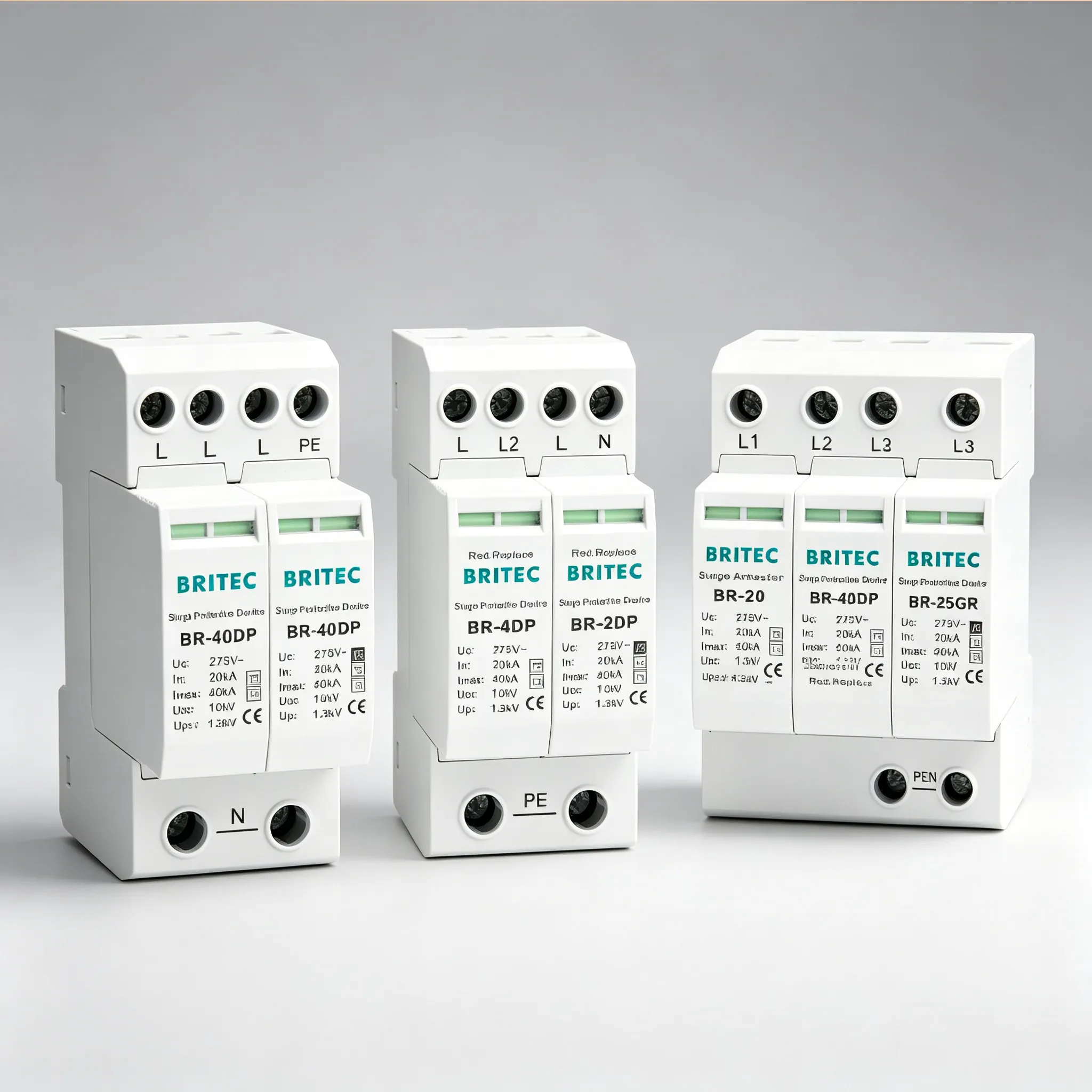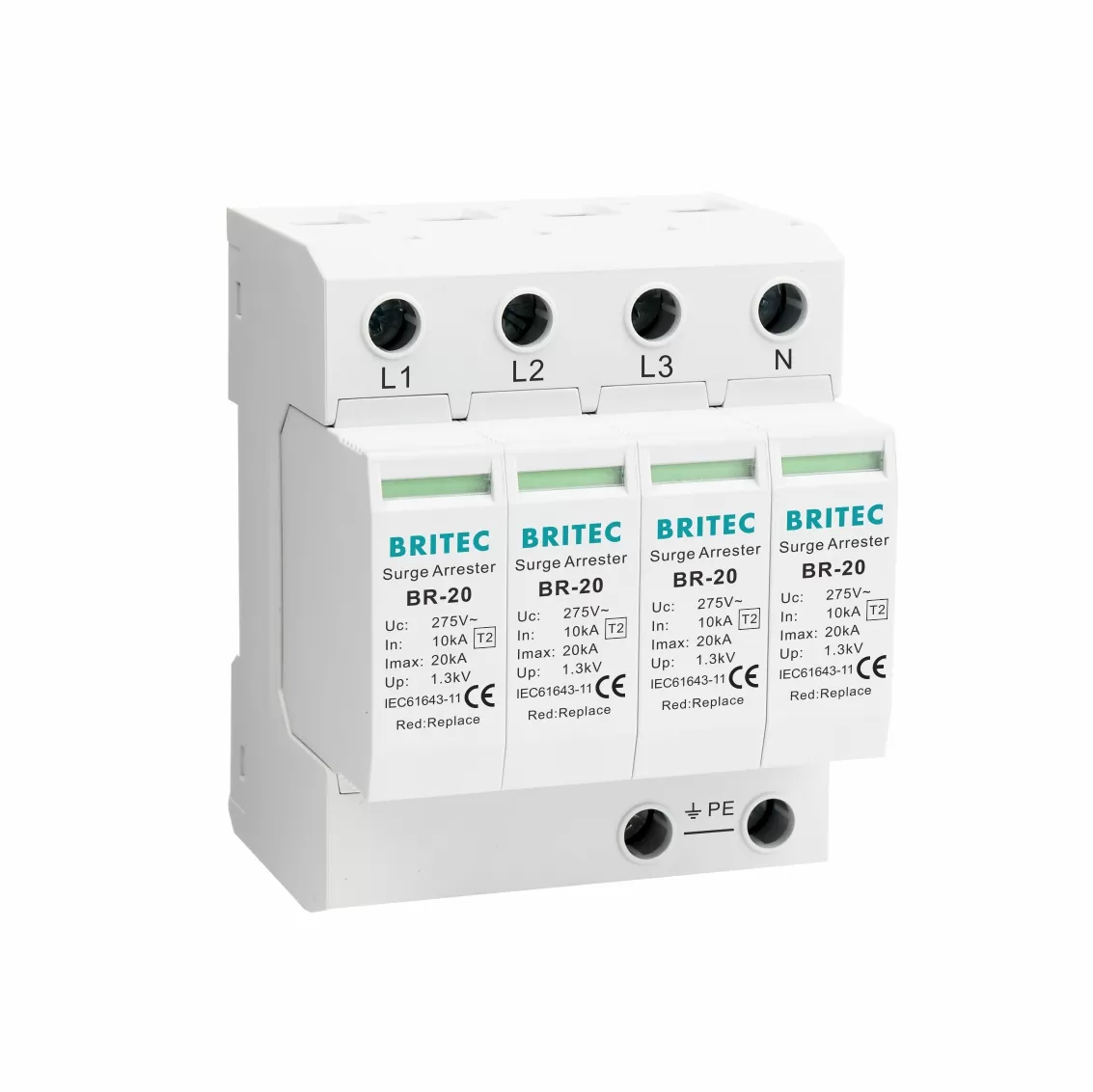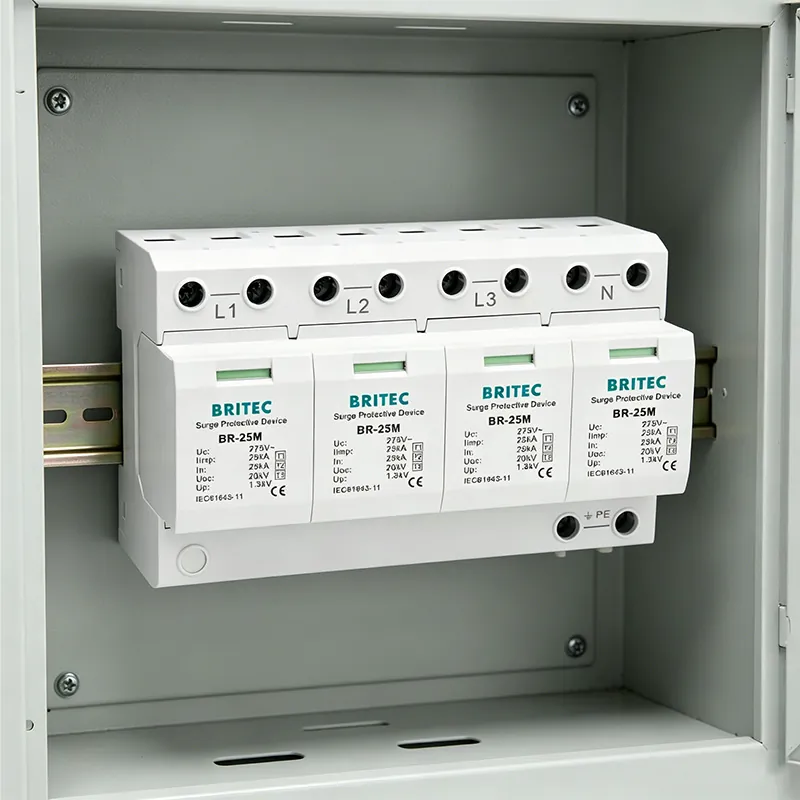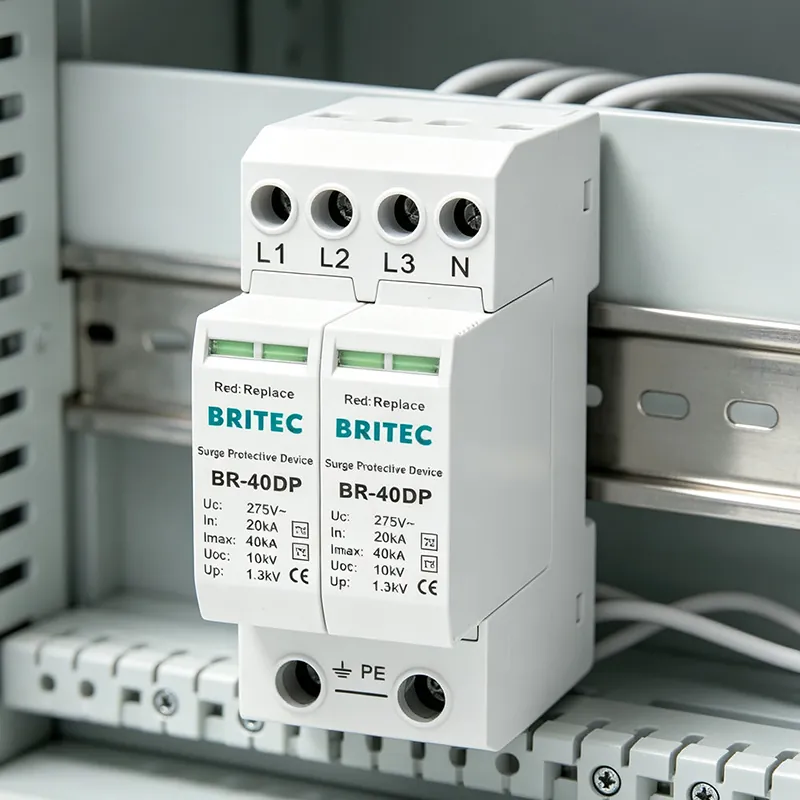

Small commercial buildings such as offices, retail stores, workshops, and small industrial facilities rely heavily on stable electrical systems to support daily operations. However, electrical equipment in these buildings is often exposed to transient overvoltage caused by lightning strikes, utility switching operations, and internal electrical disturbances.
A Single Phase SPD (Single Phase Surge Protective Device) provides an effective solution to reduce surge damage by limiting excessive voltage and safely diverting transient currents away from sensitive equipment. For low-voltage electrical systems, selecting and installing the correct Low Voltage Surge Protector is essential for improving electrical safety and equipment reliability.
This article explains how a Single Phase Surge Protection Device works, how to select the right SPD solution for small commercial buildings, and the differences between Tyyppi 1 SPD ja Tyyppi 2 SPD applications.
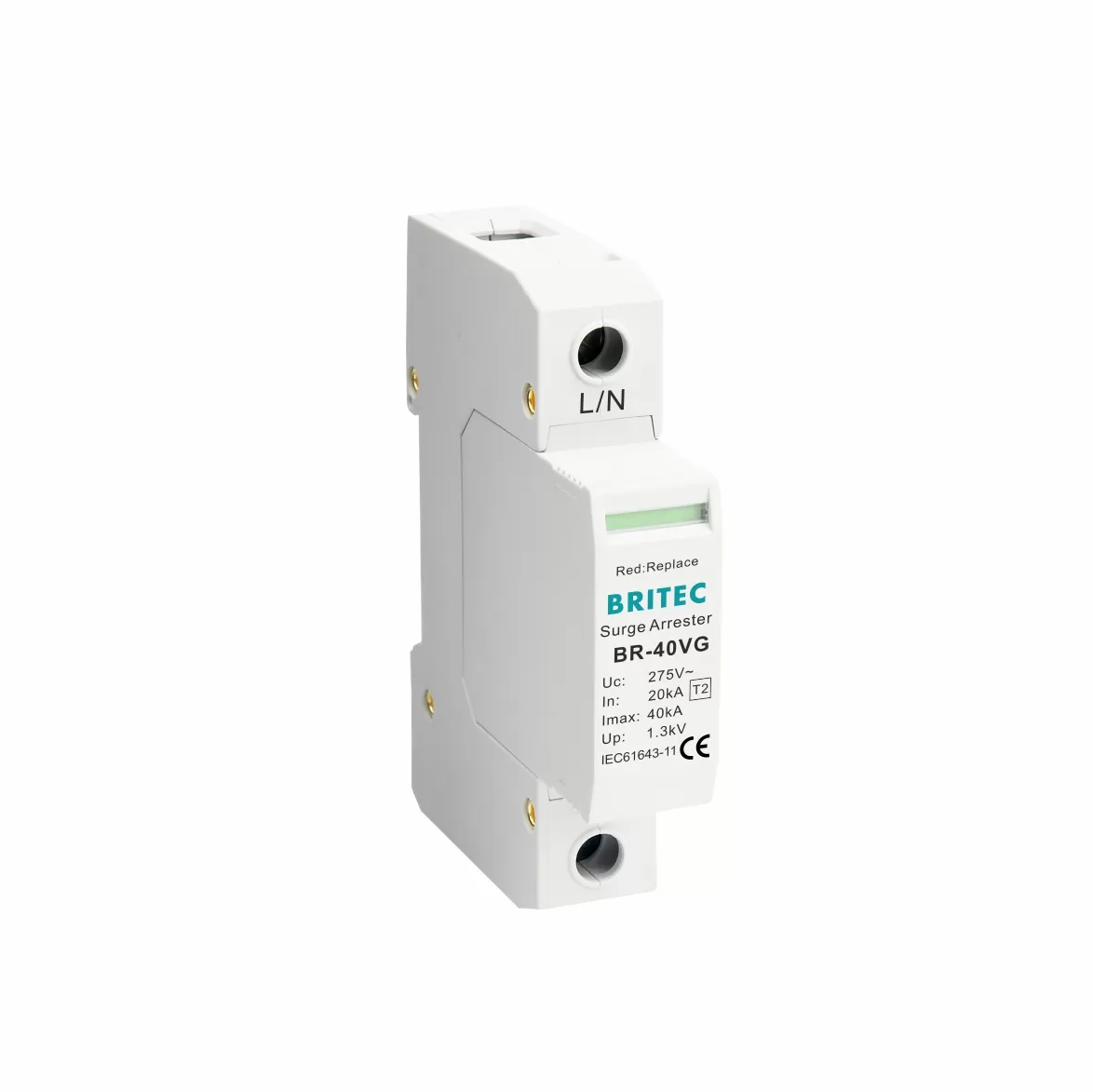
The main role of a Single Phase SPD is to protect electrical installations from transient overvoltage events that may damage equipment, interrupt operations, or reduce the service life of electrical components.
Unlike traditional circuit protection devices such as breakers and fuses, SPD devices do not protect against overload or short circuits. Instead, they respond quickly to high-voltage surges by creating a low-impedance path for surge current, allowing the excess energy to safely discharge into the grounding system.
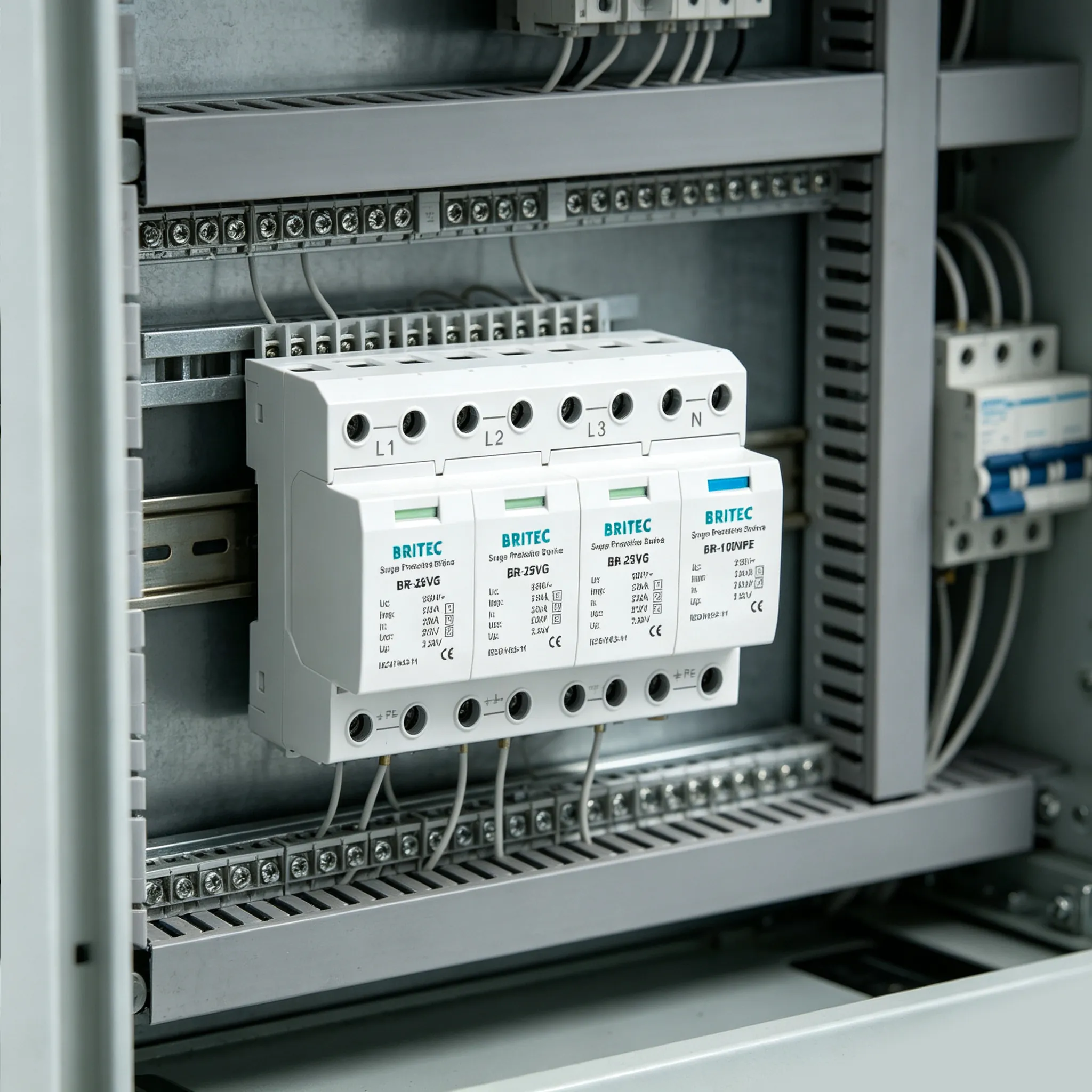
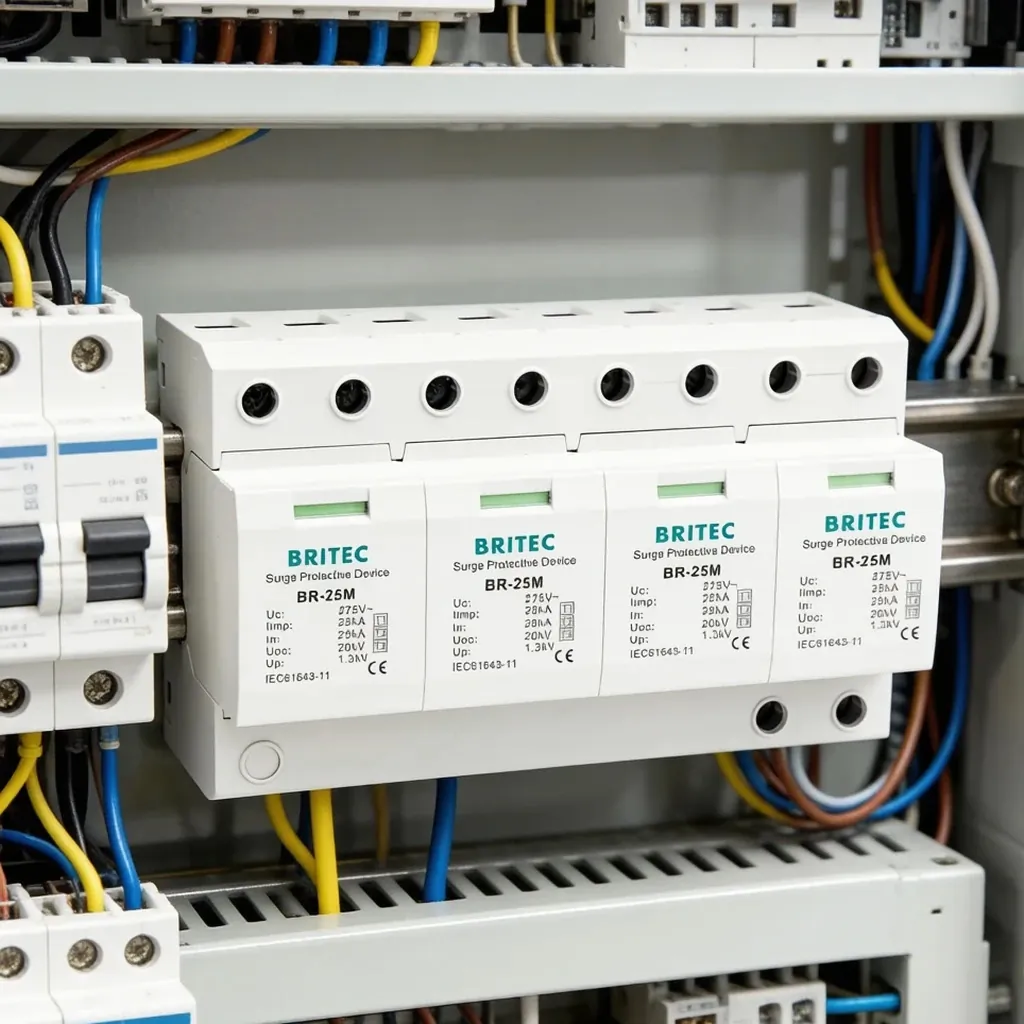
In small commercial buildings, a Single Phase Surge Protection Device is commonly installed in distribution boards or electrical panels to protect:
By reducing transient voltage levels, SPD solutions help maintain continuous operation and minimize unexpected equipment failures.
Small commercial buildings may face various surge risks from both external and internal sources. Understanding these risks helps determine the appropriate SPD protection strategy.
Lightning strikes near buildings can generate powerful transient voltages that travel through power lines, grounding systems, and communication cables. Even indirect lightning events can introduce thousands of volts into low-voltage electrical networks.
Power grid operations, transformer switching, and capacitor bank switching can create short-duration voltage spikes. These events frequently occur in commercial power systems and may affect connected electronic devices.
Motors, compressors, elevators, and other inductive loads can generate switching surges during normal operation. Without proper protection, these repeated surges can gradually damage sensitive electrical components.
Installing a suitable Low Voltage Surge Protector helps reduce these risks and improves the overall reliability of commercial electrical systems.
A Single Phase Surge Protection Device protects electrical systems by detecting transient overvoltage and immediately diverting excess surge energy away from connected equipment.
Most modern SPD devices use components such as Metal Oxide Varistors (MOVs), which provide fast response times during surge events. When normal voltage conditions exist, the SPD remains inactive. During a surge event, the SPD becomes conductive and limits the voltage reaching downstream equipment.
When voltage exceeds the SPD protection level, the internal protection components activate and reduce the magnitude of the transient voltage. This prevents sensitive electronics from experiencing destructive overvoltage conditions.
The SPD provides a controlled path that directs surge current into the grounding system. This process protects electrical devices by preventing excessive energy from entering the protected circuit.
A properly installed Single Phase SPD provides automatic protection without affecting normal electrical operation. It remains ready to respond whenever a transient event occurs.
Choosing the correct Single Phase SPD requires considering several electrical parameters, installation conditions, and protection requirements.
The first step is identifying the electrical system voltage and phase configuration. A Single Phase Surge Protection Device must match the operating voltage of the distribution system to ensure effective protection.
Different installation locations require different SPD classifications. A Tyyppi 1 SPD is generally used for protection against external lightning effects, while a Tyyppi 2 SPD is commonly installed inside distribution boards for protection against switching surges.
Important SPD parameters include:
Selecting the correct ratings ensures the SPD can handle expected surge conditions while providing reliable long-term protection.
Correct installation is essential for achieving the maximum performance of a Single Phase SPD. Poor wiring practices or incorrect grounding can reduce surge protection effectiveness.
For better protection performance, SPD devices should be installed as close as possible to the electrical distribution point or sensitive equipment.
SPD connection cables should be kept short and avoid unnecessary bends. Longer wiring increases inductive effects and may reduce the actual protection level.
A reliable grounding system is critical because surge current must be safely discharged through the grounding path. Poor grounding may prevent the SPD from operating effectively.
Both Tyyppi 1 SPD ja Tyyppi 2 SPD play important roles in commercial electrical protection systems. The correct choice depends on the building structure, electrical installation design, and surge exposure level.
A Tyyppi 1 SPD is designed to protect against high-energy surges caused by direct or nearby lightning events. It is typically installed at the entrance of a building electrical system, especially where external lightning protection systems are present.
Common Type 1 SPD applications include:
A Tyyppi 2 SPD provides protection against residual lightning energy and switching surges generated inside electrical systems. It is commonly installed in secondary distribution panels.
Typical Type 2 SPD applications include:
For many small commercial buildings, combining Type 1 SPD and Type 2 SPD protection creates a coordinated surge protection strategy that improves overall system reliability.
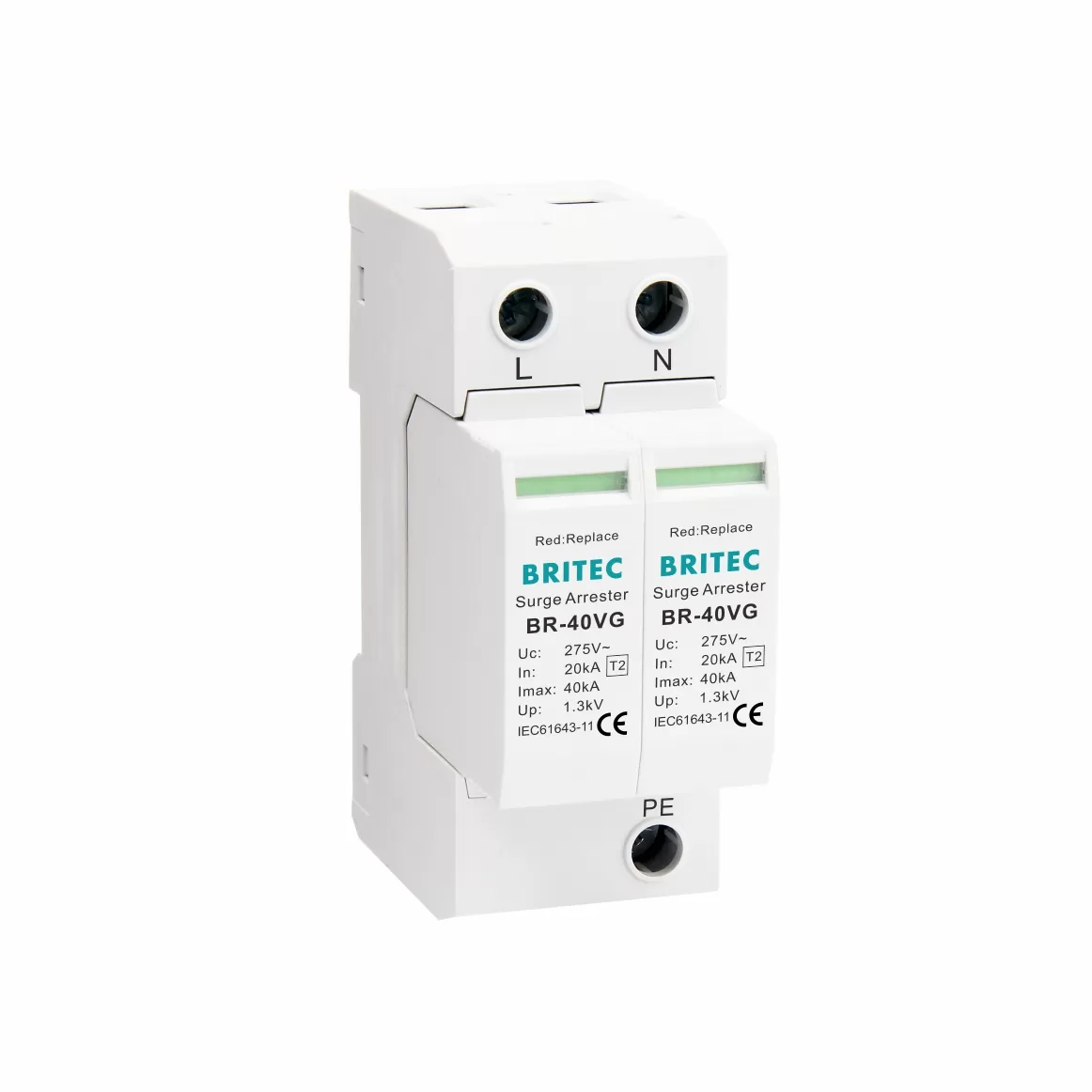
A Single Phase SPD solution is widely used in small commercial buildings where electrical systems require reliable protection against transient overvoltage. From office environments to retail facilities and industrial automation systems, surge protection helps reduce equipment damage, improve operational stability, and extend the service life of electrical components.
By selecting the appropriate Single Phase Surge Protection Device, businesses can create a safer low-voltage electrical environment while minimizing downtime caused by surge-related failures.
Office buildings contain many sensitive electronic devices that depend on stable power quality, including computers, servers, communication equipment, and security systems. Even short-duration voltage spikes can affect equipment performance or cause permanent damage.
Asentaminen a Low Voltage Surge Protector in office distribution panels provides an effective protection layer against:
A properly installed Single Phase SPD helps maintain business continuity by protecting critical electrical and electronic systems from unexpected surge events.
Modern offices rely heavily on computers, network devices, printers, and smart control systems. These devices contain sensitive electronic components that may fail when exposed to repeated voltage fluctuations.
A Single Phase Surge Protection Device helps limit excessive voltage and provides additional protection for valuable office equipment.
For small commercial buildings, surge protection is an important part of a complete electrical safety strategy. Combining circuit protection devices with SPD solutions creates a more reliable power distribution system.
Retail stores and small businesses often operate lighting systems, payment terminals, refrigeration equipment, security cameras, and communication systems. These devices require stable electrical power to ensure uninterrupted daily operations.
A Single Phase Surge Protection Device installed in retail electrical systems can protect against sudden voltage spikes that may interrupt business activities.
Payment terminals and digital transaction systems are highly sensitive to electrical disturbances. Surge events may cause system crashes, data loss, or hardware damage.
Using a suitable Low Voltage Surge Protector helps maintain reliable operation of payment and communication equipment.
Modern retail facilities often use LED lighting, automated displays, and smart control systems. These electronic devices require effective surge protection to prevent premature failure.
Small industrial facilities commonly use automation equipment, programmable logic controllers (PLCs), sensors, and motor control systems. These components require stable voltage conditions to maintain production efficiency.
A Single Phase SPD provides protection against transient disturbances that may affect industrial control circuits.
Industrial control systems contain sensitive electronic components that can be damaged by even short transient voltage events. Installing SPD protection near control panels helps reduce the risk of equipment failure.
Motors and inductive loads can generate internal switching surges during operation. A properly selected Low Voltage Surge Protector helps control these disturbances and improves system reliability.
Selecting a reliable SPD manufacturer is essential for ensuring long-term surge protection performance. Britec Electric SPD solutions are designed to provide dependable protection for residential, commercial, and industrial low-voltage electrical systems.
With professional SPD manufacturing experience and advanced production technology, Britec Electric provides solutions that meet different project requirements, including Tyyppi 1 SPD ja Tyyppi 2 SPD applications.
Reliable surge protection depends on SPD design quality, component selection, and electrical performance. Britec Electric SPD products are developed to provide fast response during transient overvoltage events and maintain stable protection performance.
Britec Electric SPD products are designed with suitable discharge current ratings to handle different surge environments. This allows electrical systems to achieve effective protection against lightning and switching surges.
High-quality components and strict manufacturing processes help ensure consistent SPD performance during repeated surge events.
For global electrical projects, compliance with international safety standards is an important factor when selecting a Single Phase Surge Protection Device.
Britec Electric SPD solutions are developed according to international electrical protection requirements, helping customers achieve reliable and compliant surge protection installations.
Professional SPD production requires strict control of electrical parameters, product performance, and reliability testing. These processes help ensure each SPD meets expected protection requirements.
Different countries and regions may have different electrical installation requirements. Britec Electric provides SPD solutions suitable for various low-voltage distribution systems worldwide.
Different commercial and industrial projects have different surge risks and electrical configurations. A standard product may not always provide the optimal protection strategy.
Britec Electric can provide customized Low Voltage Surge Protector solutions according to project requirements, including system voltage, installation environment, and protection level.
Professional SPD selection considers factors such as building type, surge exposure level, and equipment sensitivity. Customized solutions help improve protection efficiency.
From small commercial buildings to industrial control systems, Britec Electric provides suitable SPD products for different electrical protection scenarios.
Although a Single Phase SPD operates automatically after installation, regular inspection is important to ensure continued protection performance. Over time, repeated surge events may reduce SPD protection capability.
Proper maintenance helps identify damaged devices early and ensures electrical systems remain protected against transient overvoltage.
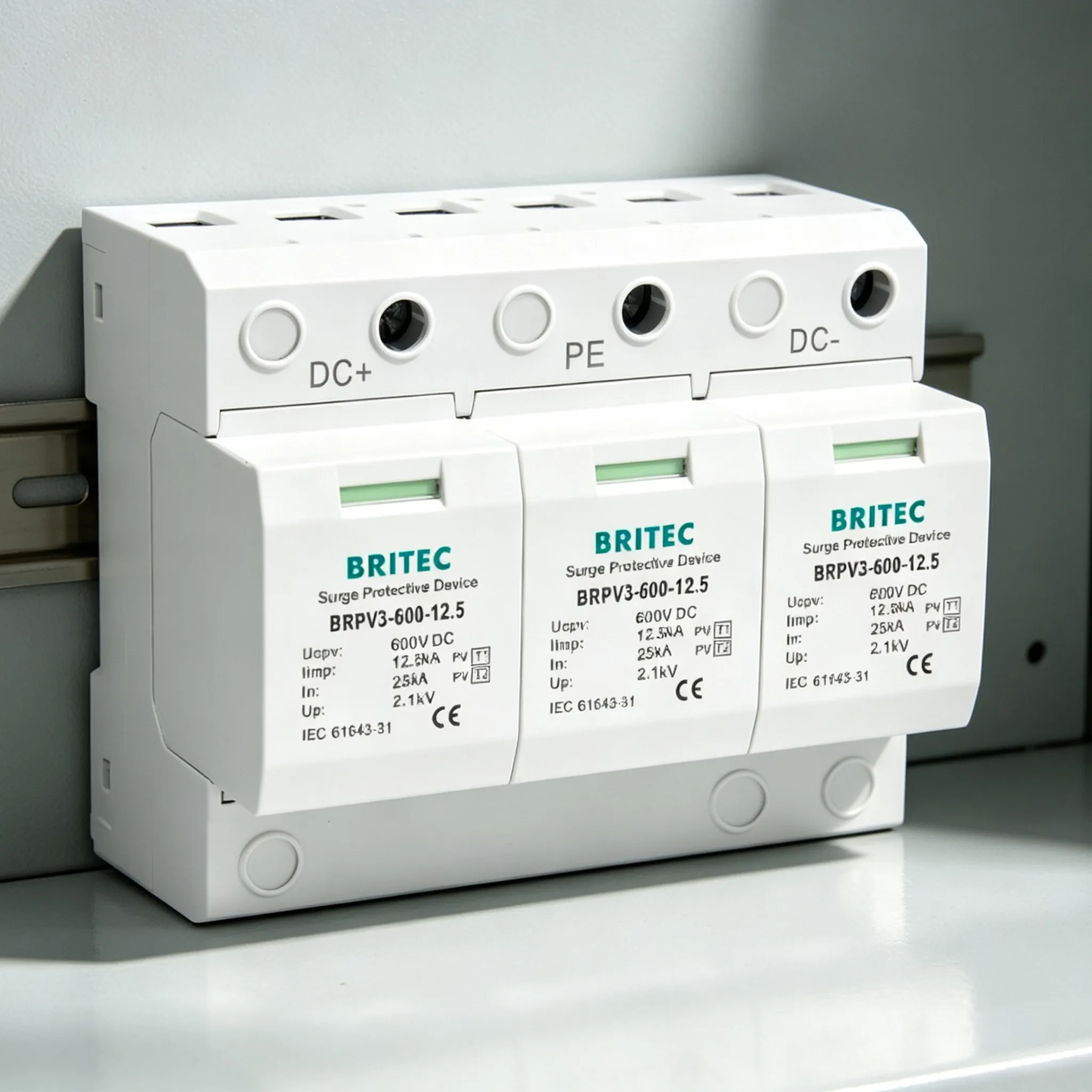
Most modern SPD devices include visual status indicators that allow users to quickly check whether the device is operating normally.
Many SPD products use green and red status indicators. A normal operating indication means the protection components are functioning correctly, while a failure indication means replacement may be required.
Loose wiring connections can reduce SPD effectiveness. During maintenance inspections, check SPD terminals, grounding connections, and installation conditions.
Buildings located in areas with frequent lightning activity or unstable power conditions may experience more surge events. Reviewing surge history helps determine whether additional protection measures are needed.
A Single Phase Surge Protection Device should be replaced when its internal protection components have reached the end of their service life or after severe surge events.
If the SPD status indicator shows a failure condition, the device should be replaced immediately to restore surge protection capability.
Strong lightning strikes can consume SPD protection capacity. After significant surge events, inspection is recommended to confirm whether replacement is necessary.
When upgrading electrical systems or adding new sensitive equipment, existing SPD devices should be evaluated to ensure they still provide adequate protection.
Yes, a Single Phase SPD requires periodic inspection to ensure it continues providing effective surge protection. Although SPD devices operate automatically, repeated surge events may gradually reduce their protection capacity.
Regular maintenance should include checking the SPD status indicator, inspecting wiring connections, and confirming that the grounding system remains reliable. For commercial buildings with frequent electrical disturbances, more frequent inspections may be recommended.
The service life of a Single Phase Surge Protection Device depends on factors such as surge frequency, discharge current level, installation environment, and product quality.
Under normal operating conditions, a high-quality SPD can provide reliable protection for several years. However, areas with frequent lightning activity or unstable power networks may require earlier inspection or replacement.
A Single Phase SPD can protect electrical equipment against transient overvoltage, but it cannot replace all other electrical protection devices.
SPD devices are designed to reduce surge voltage and protect sensitive equipment such as computers, control systems, communication devices, and electronic appliances. However, they do not provide protection against overload, short circuits, or mechanical failures.
For complete electrical protection, SPD should be combined with appropriate circuit breakers, grounding systems, and other protective devices.
Selecting the correct Low Voltage Surge Protector requires evaluating the electrical system requirements and expected surge environment.
Important selection factors include:
For small commercial buildings, choosing a suitable Single Phase SPD based on actual application requirements ensures better protection performance and longer service life.
The main difference between Tyyppi 1 SPD ja Tyyppi 2 SPD is their installation location and protection purpose.
| SPD Type | Main Application | Protection Function |
|---|---|---|
| Tyyppi 1 SPD | Main power entrance | Protects against high-energy lightning-related surges |
| Tyyppi 2 SPD | Distribution panels | Protects against switching surges and residual transient energy |
In many commercial applications, Type 1 SPD and Type 2 SPD are used together as part of a coordinated surge protection system.
The voltage rating required for a Single Phase Surge Protection Device depends on the electrical system voltage and installation requirements.
The SPD maximum continuous operating voltage (Uc) should be selected according to the actual power system voltage to prevent unnecessary operation while maintaining effective surge protection.
Professional SPD selection should consider:
A reliable Single Phase SPD protection strategy is essential for small commercial buildings that depend on stable electrical systems. Transient overvoltage from lightning, utility switching, and internal electrical equipment can create significant risks for sensitive devices and business operations.
By installing a suitable Single Phase Surge Protection Device, businesses can effectively reduce surge damage and improve electrical system reliability. Selecting the correct SPD type, including Tyyppi 1 SPD ja Tyyppi 2 SPD, ensures protection matches the specific application environment.
For offices, retail facilities, and small industrial buildings, a properly designed Low Voltage Surge Protector solution provides an effective way to protect valuable electrical equipment and maintain continuous operation.
Britec Electric provides professional SPD solutions designed for different low-voltage protection requirements. With reliable product performance, international compliance, and customized project support, Britec Electric helps customers build safer and more stable electrical protection systems.