

Industrial electrical systems are the lifeline of factory production—any failure can paralyze the entire line and cause heavy financial losses.Industries such as chemical and mining cannot tolerate even minor voltage instability,as a small surge can burn out circuits, disable sensors, and trigger costly downtime or safety accidents.
AC power surges are an invisible,sudden threat hidden in power lines,yet many operations staff overlook them until equipment fails in batches.Surge protection is not just a single component,but a full-process defense that safeguards industrial electrical safety from the power line to the end device.
This article provides practical,site-ready guidance on surges, protective devices, installation, maintenance,and industry applications, helping frontline electricians master the key to surge protection.
Surge, commonly known as a surge in the factory, refers to the instantaneous high voltage that suddenly appears in the AC circuit. The duration is particularly short, only in microseconds, and cannot be seen by the naked eye. The peak voltage can be several times or even more than ten times higher than normal voltage, and the impact force is extremely strong, making it easy to penetrate precision electronic components and burn out the insulation layer of the circuit. There are only two sources of surges in industrial sites: external and internal. The most ferocious external force is lightning. The electromagnetic pulses of direct lightning strikes and induced lightning enter the circuit along the wires, which is a strong surge; Power grid switching operations and line failures can also cause sudden voltage increases. Internally, it is more common to experience transient overvoltage when high-power motors start and stop, frequency converters operate, welding machines work, and capacitor banks switch; If the grounding of the line is not solid and a short circuit occurs, it will directly cause severe surges. Repeated small surges gradually wear down the insulation layer; A big wave came and the equipment was directly scrapped.
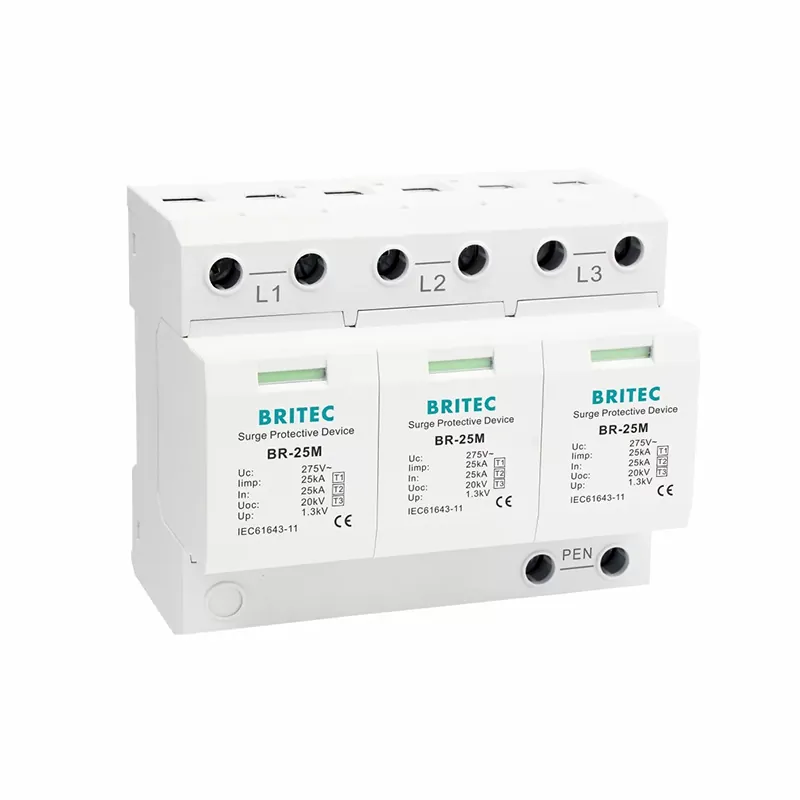
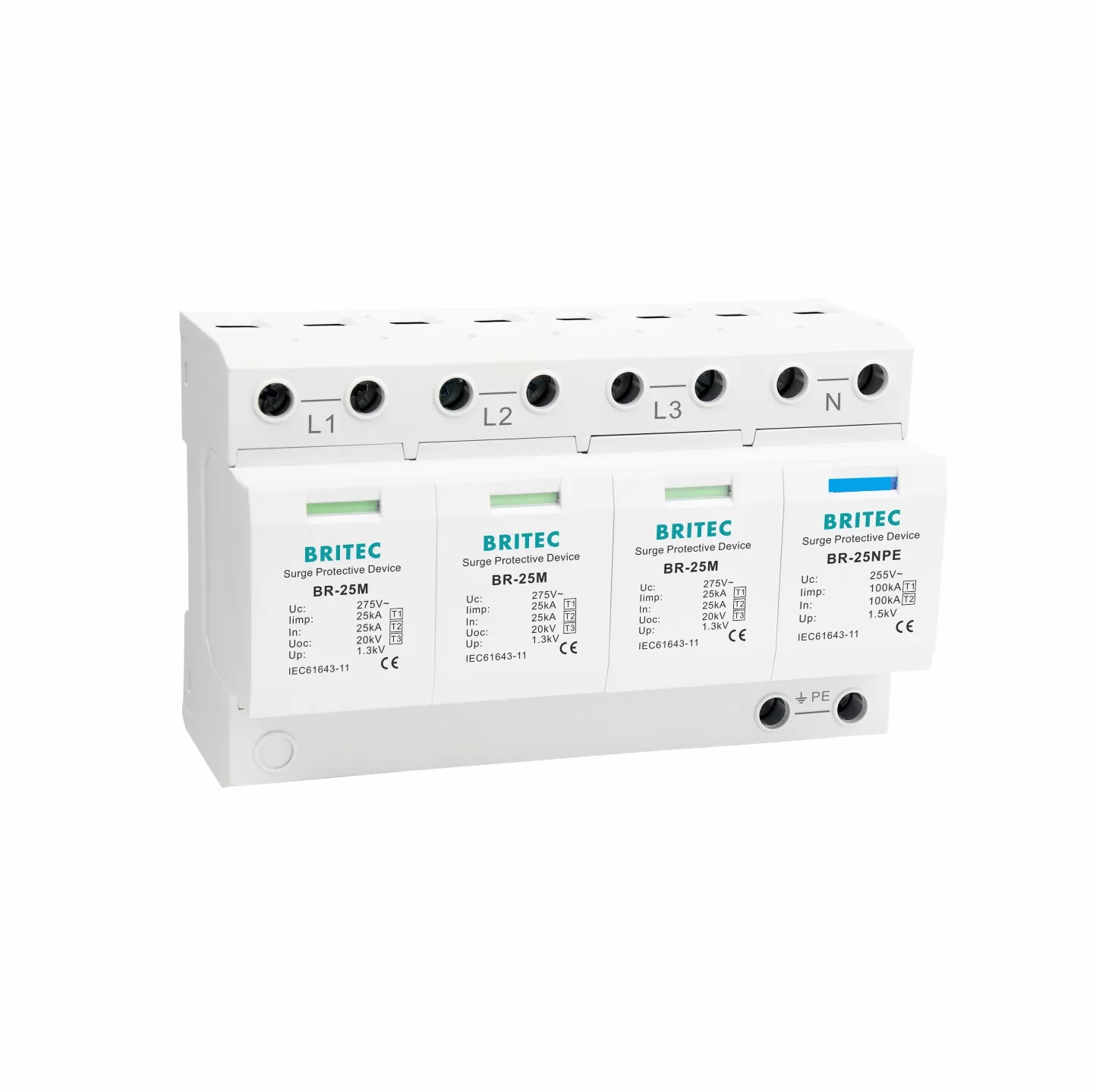
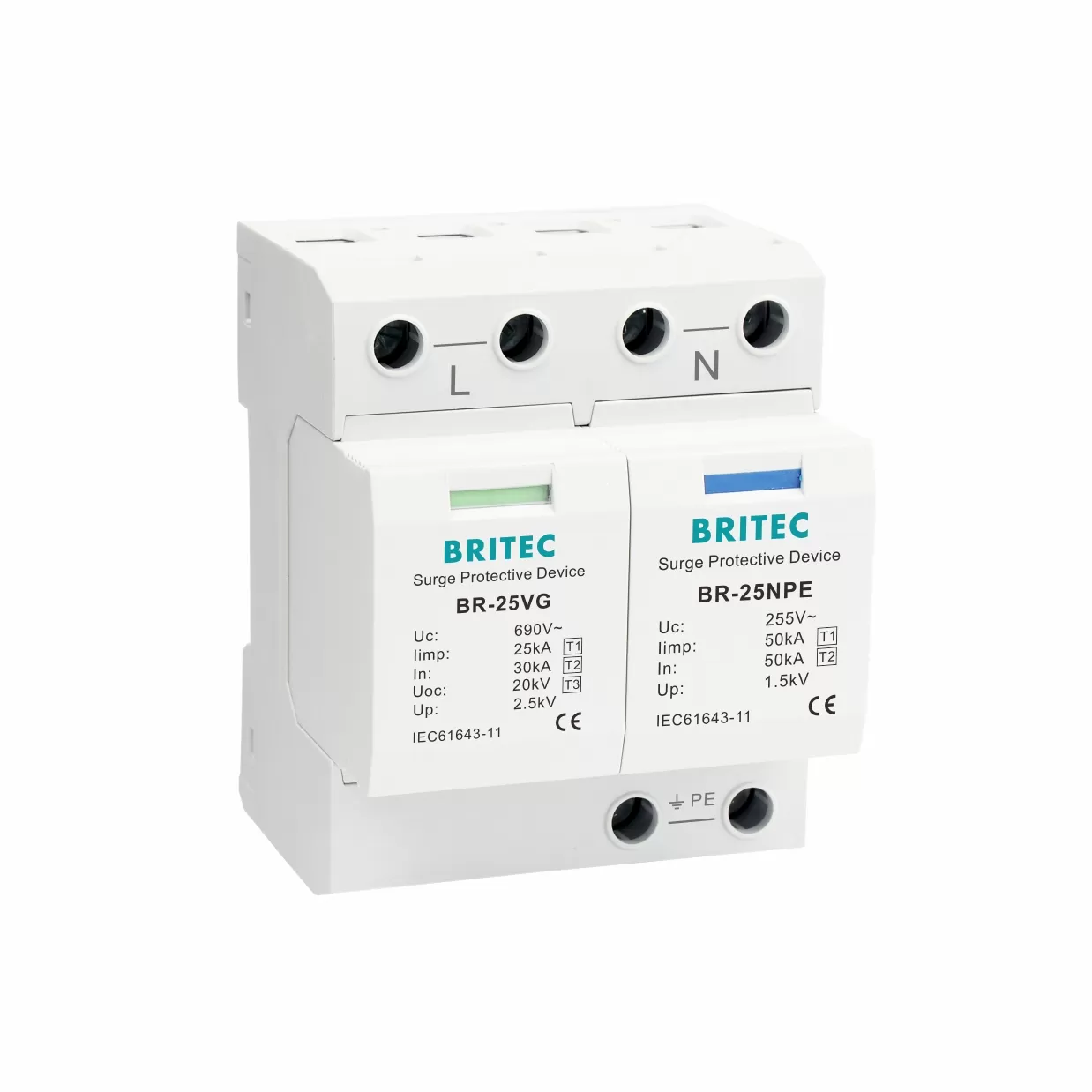
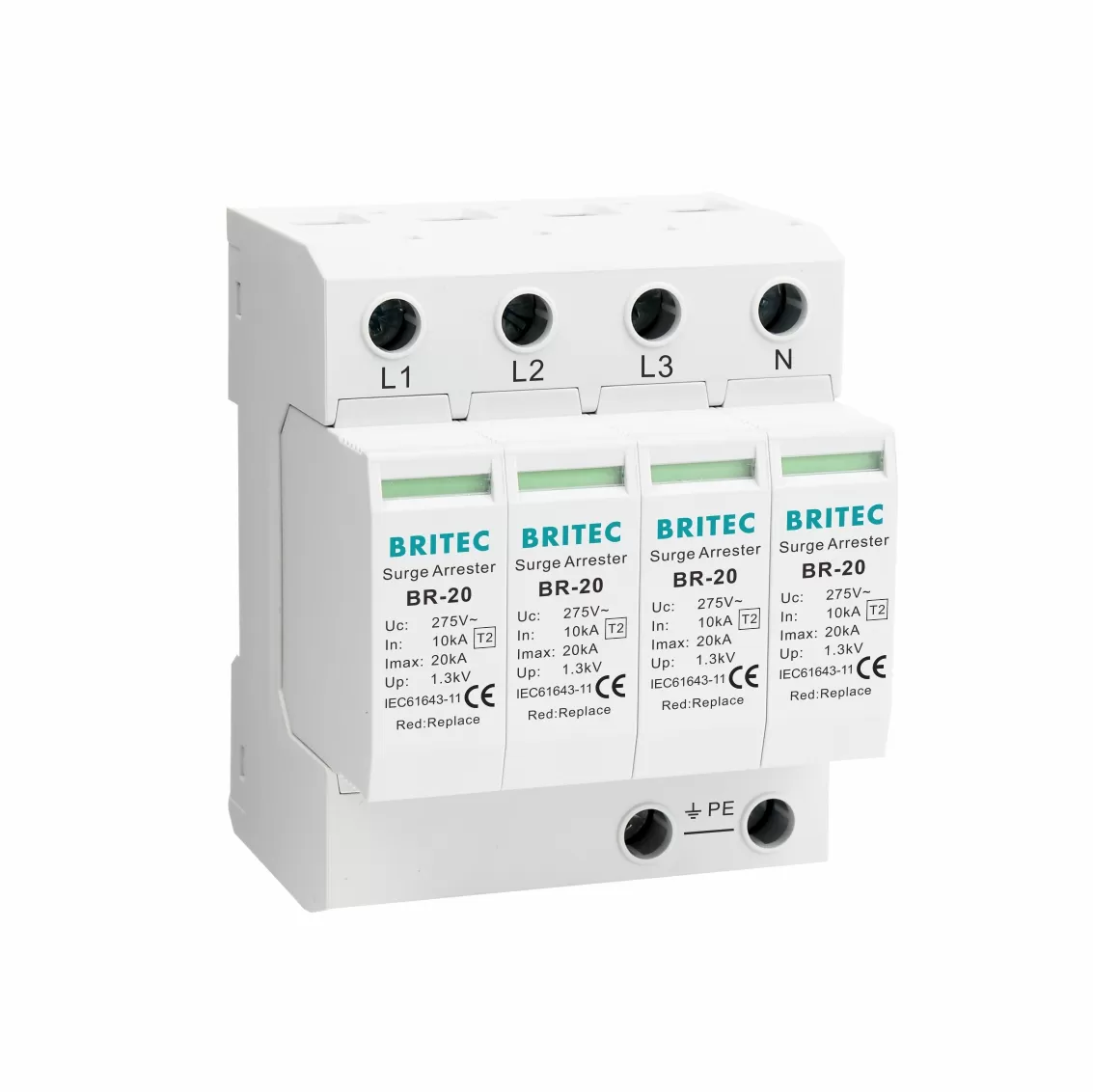
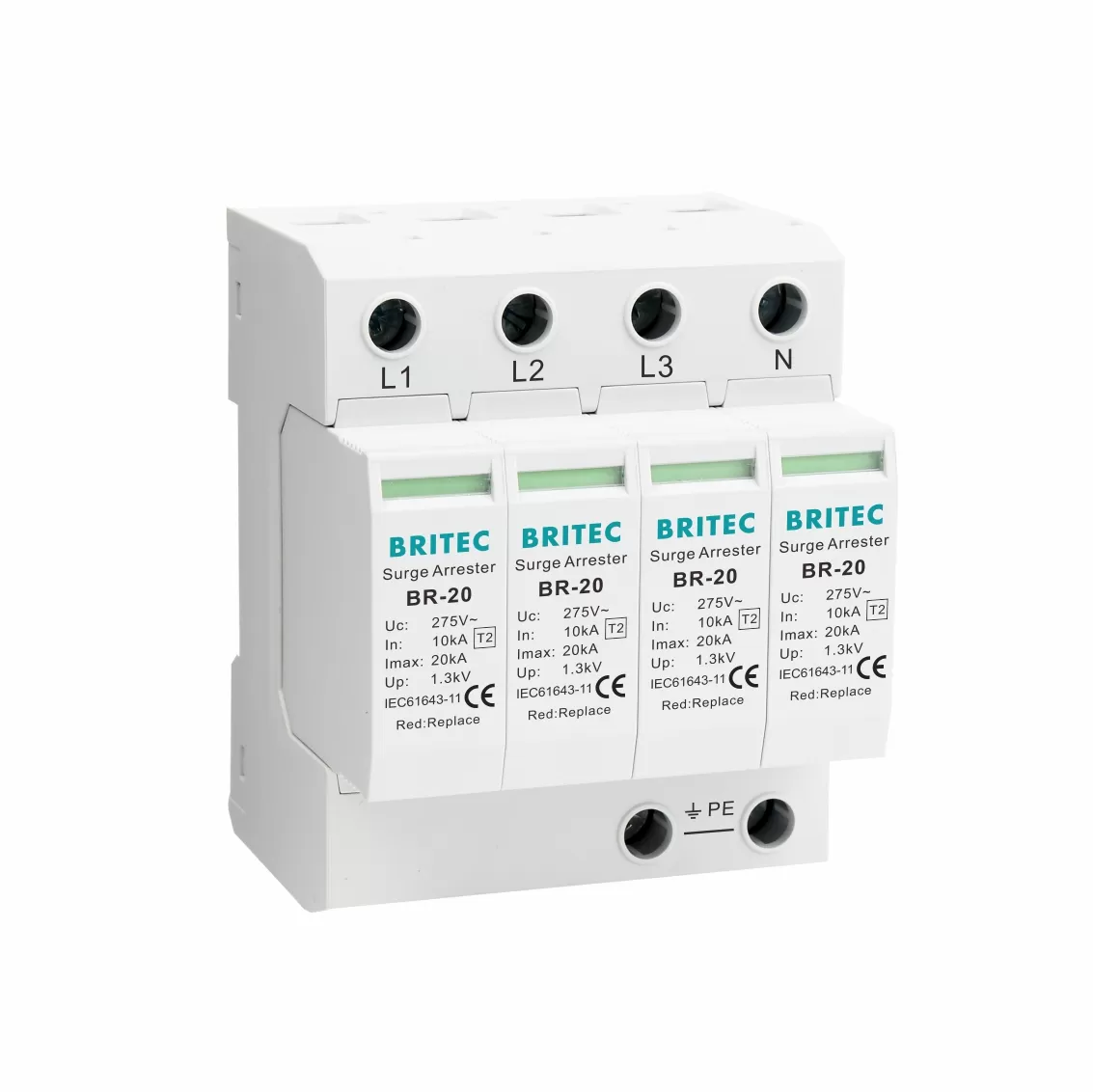
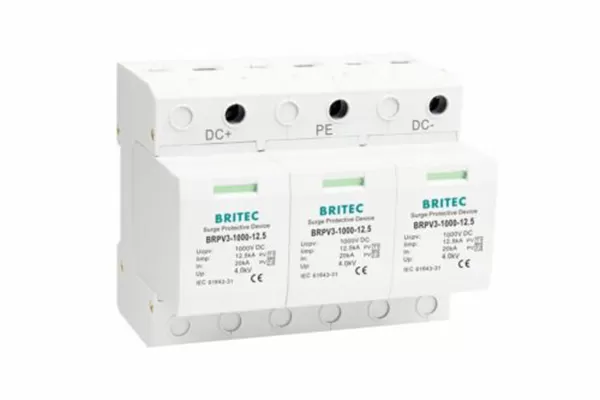
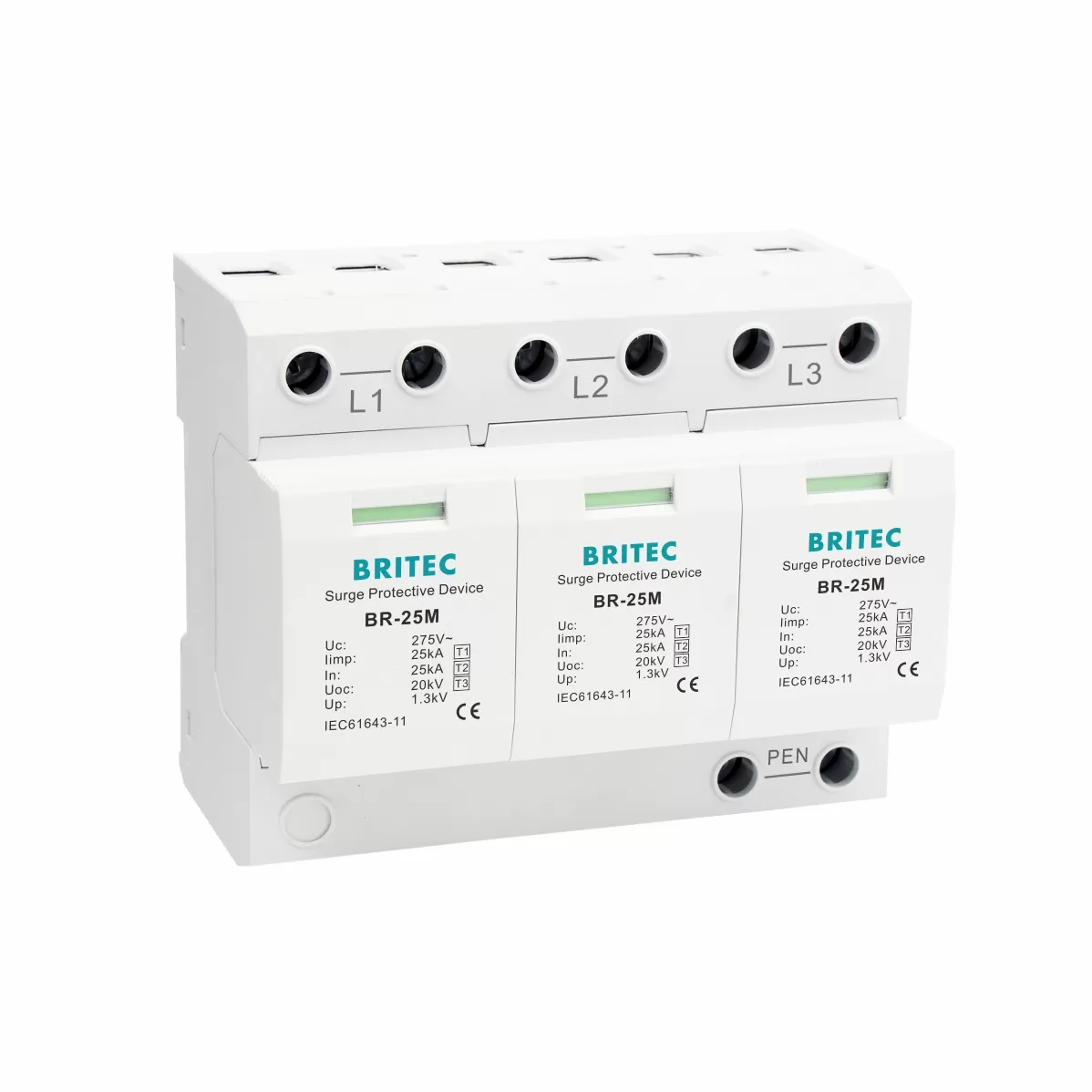
The communication ylijännitesuoja, abbreviated as SPD, has two core functions: quickly discharging surge current into the ground and applying high voltage within the safe range that the equipment can withstand. The response speed is extremely fast. When a surge comes, it instantly conducts and diverts, preventing high voltage from entering the equipment behind; The surge disappears and immediately returns to a high resistance state, without affecting normal power supply. Don’t confuse it with a voltage regulator. The regulator is responsible for continuous voltage fluctuations, while SPD is specifically designed to deal with sudden transient spikes. High quality SPD for industrial use can withstand several surge impacts. If it breaks, it will light up and alarm. Even if it fails, it will not break the main circuit and will not cause more trouble.
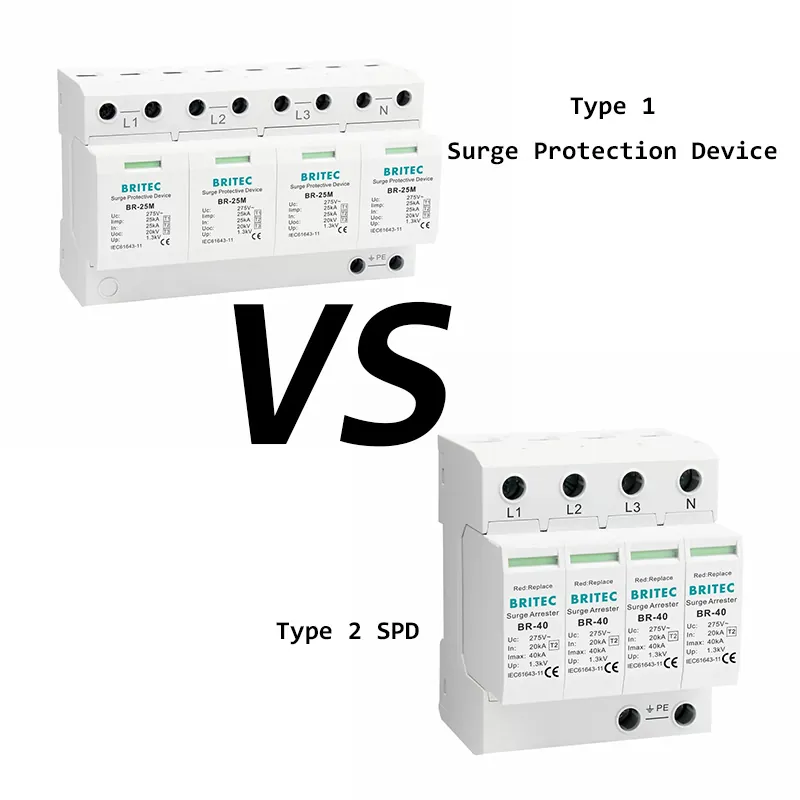
Industrial surge protection, installing only one SPD is useless. It must be installed in stages and unloaded layer by layer. This is a practical method that has been developed on site to gradually weaken the surge energy and protect the equipment throughout the entire process. First level protection: Installed in the main distribution room, low voltage side of transformers, and power supply inlet of the factory building, select high current models, and withstand external strong surges such as lightning to directly discharge most of the surge energy. Secondary protection: placed in the workshop distribution cabinet and floor distribution cabinet, followed by residual surges in the first level protection, and then the voltage is lowered to protect the main power lines and ordinary electrical equipment in the workshop. Third level protection: closely attached to precision equipment, PLC、 Industrial control computers, servo drives, sensors, and other precious equipment rely on them to provide a last resort, compressing the remaining residual voltage to an absolutely safe value and preventing the equipment from being broken down. Three levels must be used in conjunction, one level less will result in loopholes. Only installing level one or level three is unable to withstand the complex surges in industrial sites, and installing it is useless.
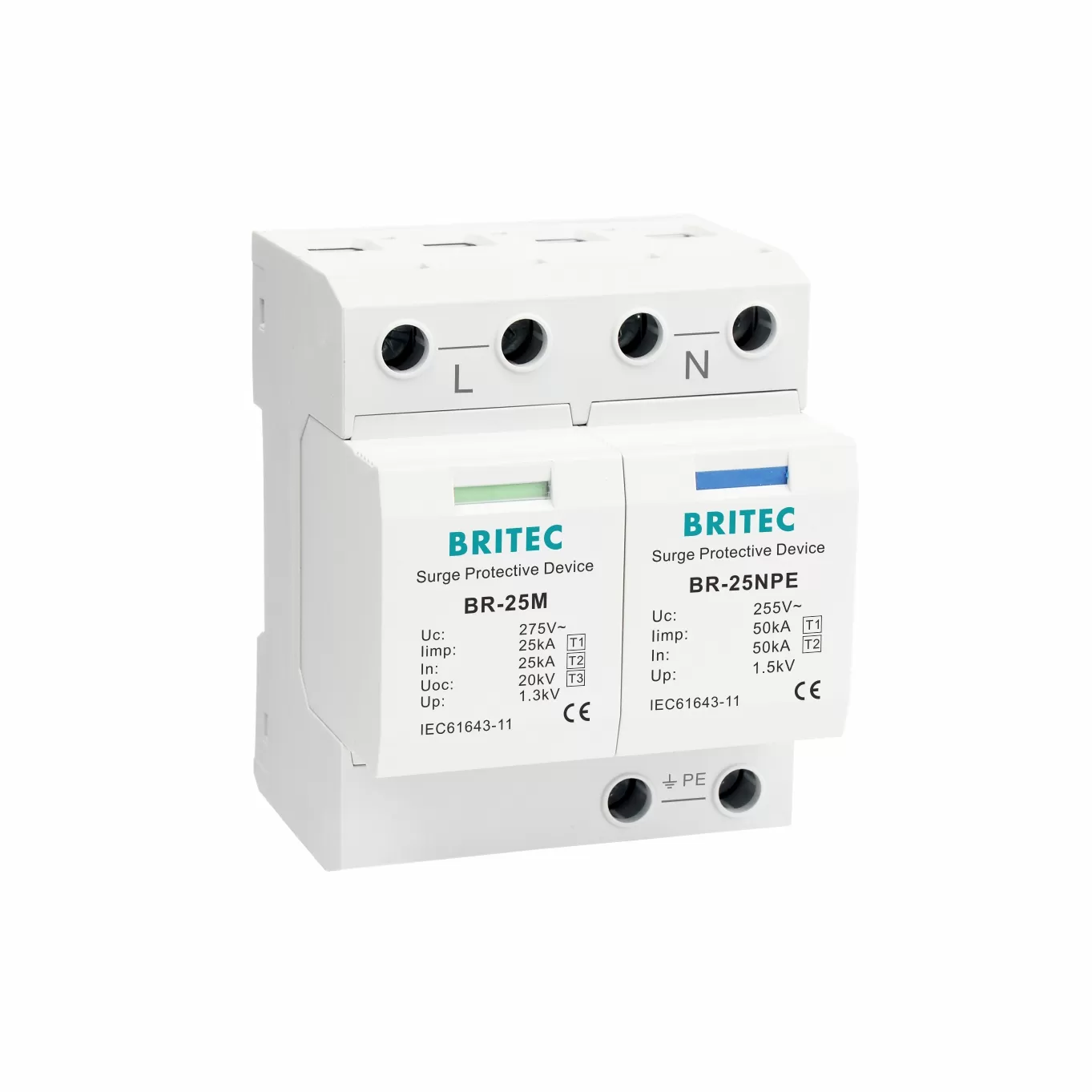
When choosing SPD in industry, it is not enough to just look at the parameter table. It is necessary to comprehensively select based on the on-site environment, equipment precision, and power supply mode, and grasp the core standards, so as not to make mistakes. The current carrying capacity should correspond to the level: for the first level, choose the one with high current, and the nominal discharge current should be adapted to the amount of mine discharge. For areas with more mines, choose a larger capacity; The capacity of the second and third levels is gradually decreasing, corresponding to the discharge requirements of each level. If the parameters are reversed, it will either waste money or the protection will be useless. The voltage protection level must be qualified: this value must be lower than the insulation withstand voltage of the protected equipment, and the requirements for precision equipment at the end are more stringent. If the value does not meet the standard, even if SPD is installed, it cannot block high voltage. Capable of adapting to the on-site environment: Industrial sites are dusty, humid, and corrosive. For flammable and explosive places such as chemical and mining, products with corresponding protection levels and explosion-proof certifications must be selected. For high temperature and high humidity places, durable products should be selected to prevent environmental damage to SPDs in advance. Fast response and user-friendly structure: the shorter the response time, the better, act before the surge damage; Priority should be given to modular ones, which can be directly unplugged and replaced in case of failure, without the need for power outages, making maintenance easier; To adapt to on-site TN-S and TT power supply methods, make sure not to make wiring errors. Must comply with standards: must have national standards and industry certifications. Do not use civilian cheap goods on industrial sites, as their stability is too poor, they may fall off at critical moments, and the safety risks are too high.
The installation position is strictly hierarchical: the first level SPD is tightly attached to the main incoming line, close to the grounding bar; The second level is installed behind the main switch of the distribution cabinet; Try to place the third level as close as possible to the device power interface, with shorter leads as possible, and avoid pulling too long to avoid increasing residual voltage. Remember three words for wiring: short, straight, and thick. Do not bend or twist the wire to reduce the impact of lead inductance; The diameter of the live wire, neutral wire, and ground wire should meet industrial standards. The ground wire should be routed separately and connected to the nearest equipotential terminal. It is not allowed to share the same ground wire with other equipment; Stay away from power and signal lines to prevent electromagnetic interference and allow surges to quickly dissipate into the ground. Professional electricians must be hired for installation, insulation protection must be done well, wiring must be tightened firmly, and grounding resistance must be measured after installation. If the grounding is unreliable, no matter how good the SPD is, it will be useless.
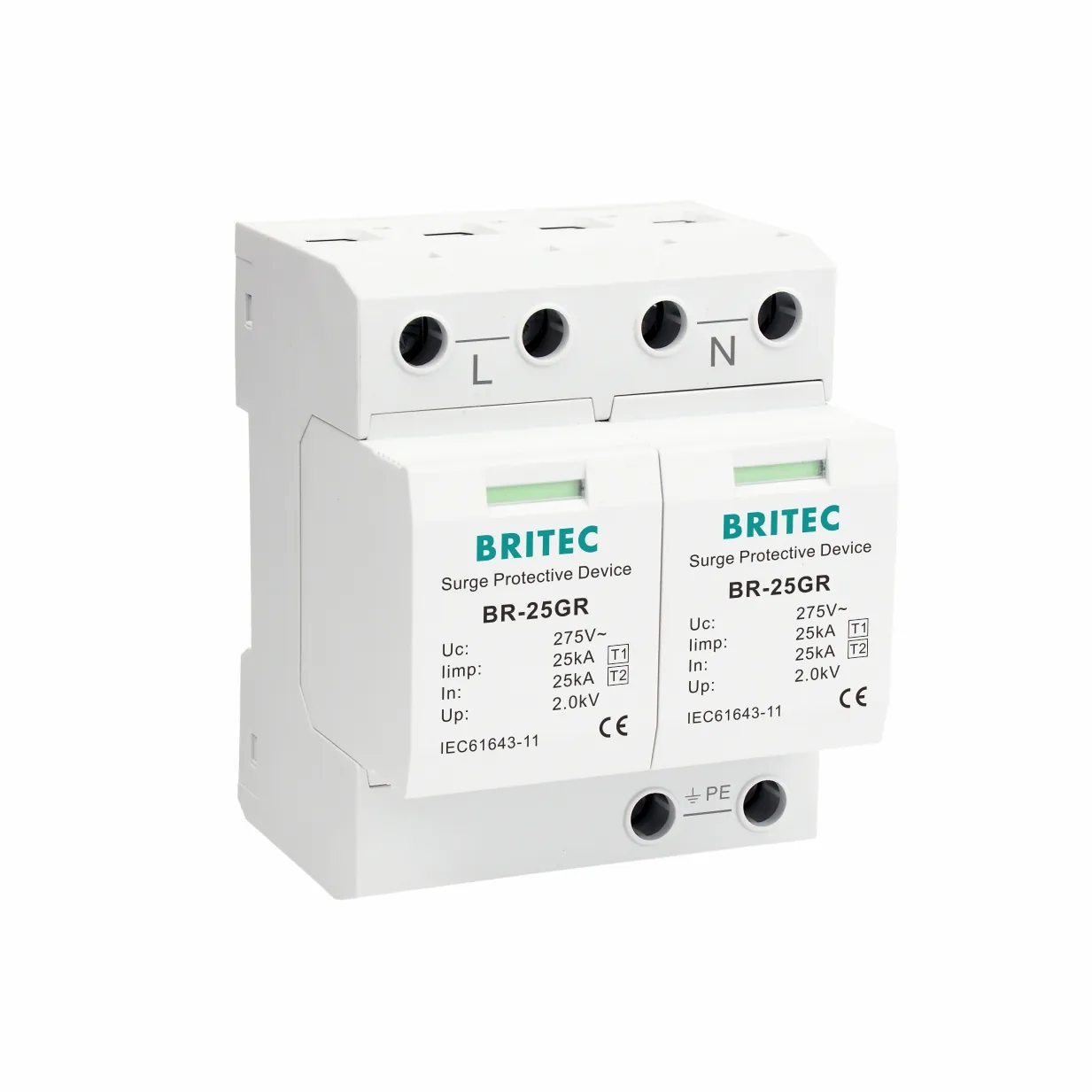
SPD is a consumable component, and once installed, it cannot be ignored. Regular inspections are necessary to maintain the protective effect and extend the service life. Focus on the key points for inspection. Daily check: check the status indicator light, if the green light is normal, if the red light is faulty, immediately investigate if there is an alarm; Check if the outer shell is hot or deformed, smell if there is a burnt smell, and stop the machine immediately if there is any abnormality. Don’t wait for a short circuit to occur. Monthly inspection: tighten the wiring terminals to prevent looseness, oxidation, and heating; Wipe off surface dust and oil stains. Excessive dust accumulation can affect heat dissipation and also damage insulation. Quarterly and annual inspections: In areas with frequent lightning strikes and equipment start-up and shutdown, measure the grounding resistance once every quarter to ensure compliance; Check if the wires are aged or damaged, and replace them promptly if they are broken; Use professional instruments to test the performance of SPD. If the internal components are aging, don’t try to work on them.
The varistors and discharge tubes inside SPD lose a little bit with each surge impact, and they will definitely age over time. They must be replaced when the time comes, and upgraded if needed. Do not use them beyond their expiration date. These situations should be changed immediately: the indicator light keeps alarming and completely fails; The shell is broken and the wiring is burnt; Detected residual pressure exceeding the standard and slow response; Even if the appearance is fine, it needs to be inspected and replaced after being struck by strong lightning or experiencing a malfunction in high-power equipment. Normal replacement time: In harsh industrial environments, complete replacement within 3-5 years; A production line with frequent lightning strikes and dense equipment needs to be replaced in 2-3 years. Situation to be upgraded: Production line expansion, addition of precision equipment, old SPD parameters cannot keep up; Industry protection standards have been raised; Previously, only level one protection was installed, but now it has been upgraded to level three protection, which requires synchronous upgrading.
Communication surge protection is suitable for various high-risk industrial scenarios, and the solution is tailored to the on-site situation. The protection effect is very obvious, and it is widely used in various industries. Intelligent manufacturing and mechanical processing: CNC workshops and automotive parts production lines are all precision equipment such as PLCs and servo motors, which are particularly sensitive to voltage fluctuations. After installing three-level surge protection, the equipment’s damage caused by surges is significantly reduced, and the downtime of the production line is also greatly reduced. Petrochemical industry: The environment is flammable, explosive, humid, and corrosive. Explosion proof SPDs must be used and installed in storage areas and refining equipment distribution cabinets in a graded manner. They can not only prevent lightning surges but also manage the overvoltage generated by equipment operation, meeting the safety requirements of high-risk industries. Data centers and communication industries require 24-hour uninterrupted power supply. Core equipment such as servers and switches are sensitive to surges, and graded protection can prevent power outages, data loss, and hardware burnout, ensuring uninterrupted business operations. Electricity and new energy: Substations, photovoltaics, and wind power plants are all located outdoors, facing lightning and power grid operation surges. The high current primary SPD is paired with secondary protection to ensure stable operation of inverters and substation equipment, with fewer faults and maintenance. In addition, surge protection is necessary for industries such as rail transit, medical precision equipment, metallurgy and mining, as it is the bottom line guarantee for stable equipment operation and safe production.
Industrial surge protection, having good products alone is not enough. Professional services must keep up to ensure long-term effectiveness. Britec Electric has been working in industrial electrical safety for many years, specializing in AC power surge protection. We provide full process services from product selection, installation, to maintenance, replacement, and upgrade. Customize exclusive graded protection solutions for different industrial scenarios, industrial grade SPD products that can adapt to various harsh environments and have strong stability. The company has a professional technical team that visits the site, formulates plans, and standardizes installations. The operation and maintenance response is fast in the later stage, effectively solving the protection problems of the enterprise. Britec Electric focuses on industrial electrical safety, relying on reliable products and on-site services to help companies avoid surge risks, reduce equipment losses and downtime losses, and is a trusted electrical safety partner for industrial enterprises.
Q1:In which industrial settings is it commonly used?
A1:Most of them are used in industrial scenarios with frequent lightning strikes, high-power equipment, concentrated precision equipment, and high-risk production, such as intelligent manufacturing workshops, petrochemical storage areas and refineries, data centers, communication base stations, rail transit distribution rooms, photovoltaic wind power stations, metallurgical mines, medical precision equipment rooms, power substations, etc. As long as they have high requirements for stable power supply and equipment safety, they must be installed.
Q2:When should AC surge protectors be replaced or upgraded?
A2:Fault alarm, appearance damaged, performance deteriorated, replace immediately; Replace within 3-5 years in ordinary industrial environments, and shorten the time for environments with poor conditions; Expansion of production line, addition of precision equipment, improvement of protection standards, upgrading from single level to graded protection, and synchronous upgrading.
Q3:How do AC surge protectors work together to protect equipment?
A3:Graded and coordinated release, the first level releases most of the strong surge energy first, the second level compresses the residual overvoltage, the third level finally uses bottom clamps, and the third level reduces energy layer by layer. Finally, the voltage at the equipment interface is within a safe range and will not break down or be damaged.
Q4:What is the hierarchical architecture of AC power surge protection?
A4:Standard Level 3: Level 1 installation of main distribution, incoming line end, large current leakage and strong surge; Distribution of electrical cabinets and secondary voltage limiting in the secondary assembly workshop; Third level adhesive device terminal, fine protection. Simple scenarios can be classified as Level 2, while high-risk scenarios should have additional protective positions. The core is to block and reduce energy levels step by step.
Q5:What are the key points for regular inspection of AC surge protectors?
A5:Check the indicator light to determine its quality; Check if the wiring is secure and if the grounding is reliable; Check if the outer shell is damaged, dusty, or aged; Regularly measure the grounding resistance and SPD performance, and check several times during lightning season or after equipment failure.
Q6:What are the main causes of AC power surges in industrial electrical systems?
A6:External: lightning, power grid faults, high-voltage line switching; Internal: High power motors, frequency converters, welding machine start stop switching, short circuits in the circuit, poor grounding, and a combination of internal and external factors result in frequent and severe surges.
8.Conclusion
To ensure stable operation of industrial electrical systems, it is necessary to rely on the core defense line of AC power surge protection. The hidden dangers of surges are deep and have great destructive power. Without protection, it is easy to suffer significant losses. Therefore, graded defense, standardized selection, and regular maintenance are the key to avoiding surge risks. From identifying the source of surges, to establishing a graded protection architecture, to installation, maintenance, and replacement, every step affects the effectiveness of protection. Only by establishing a complete process protection system can we withstand transient overvoltage shocks, maintain equipment life, and ensure continuous production.Upgrading industrial electrical safety with professional products and closed-loop services is the key to efficient protection. Britec Electric has been deeply involved in the industry for many years, with mature experience in surge protection technology and services.It can provide customized solutions for various industrial scenarios,offer full cycle support,help enterprises build a strong electrical safety defense line,and achieve efficient,safe,and continuous industrial production.


 Optimized by Seraphinite Accelerator