
A SPD Company plays a critical role in designing and delivering reliable Surge Protective Device solutions that safeguard modern electrical systems from transient overvoltage events. As power networks become more complex and sensitive, effective surge protection is no longer optional but essential for system stability, equipment longevity, and operational safety. This article explains how SPDs function across layered protection networks in real-world infrastructure.
Ein SPD Company is responsible for engineering, testing, and supplying protection devices that mitigate lightning-induced surges and switching transients. These companies support utilities, industrial plants, and commercial buildings by providing coordinated protection systems. Their role extends beyond manufacturing—they also ensure compliance with IEC standards, system coordination, and application-specific customization for different voltage environments.
Modern infrastructure relies heavily on sensitive electronics such as PLCs, communication systems, and smart meters. Without a properly designed Surge Protective Device network, even minor voltage spikes can cause severe disruptions. Common risks include:
● Lightning strikes entering power lines
● Switching surges from inductive loads
● Grid instability and voltage fluctuations
● Data loss in communication networks
● Premature aging of electrical equipment
These risks make SPD integration a foundational requirement in both residential and industrial power systems.
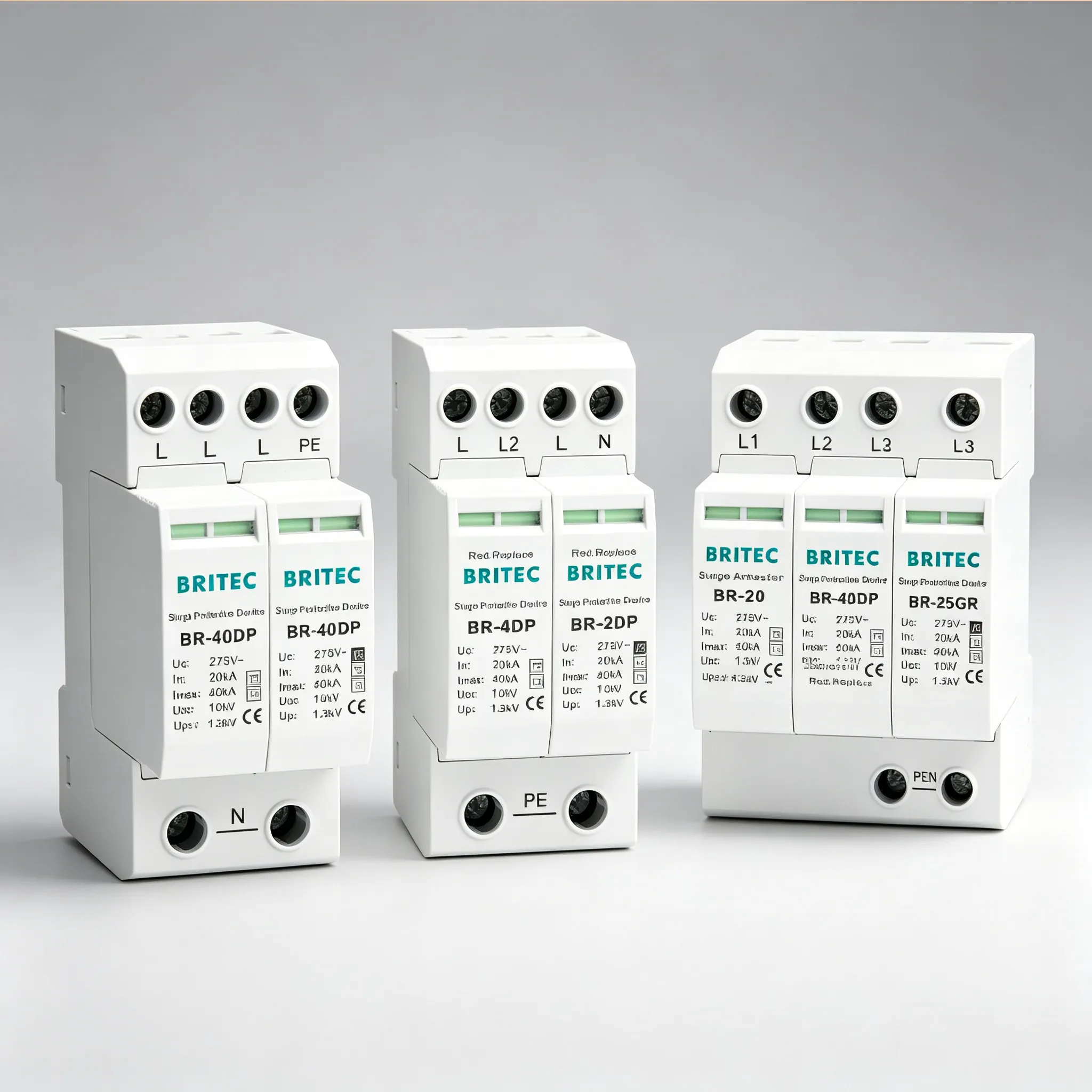
A single device is not enough to ensure full protection. Instead, SPD protection is implemented as a layered strategy across the entire electrical system. This includes coordination between Typ 1 SPD, Typ 2 SPD, Und Typ 3 SPD, ensuring surge energy is progressively reduced from the main incoming supply to the final load. This cascading design minimizes residual voltage and enhances system resilience.
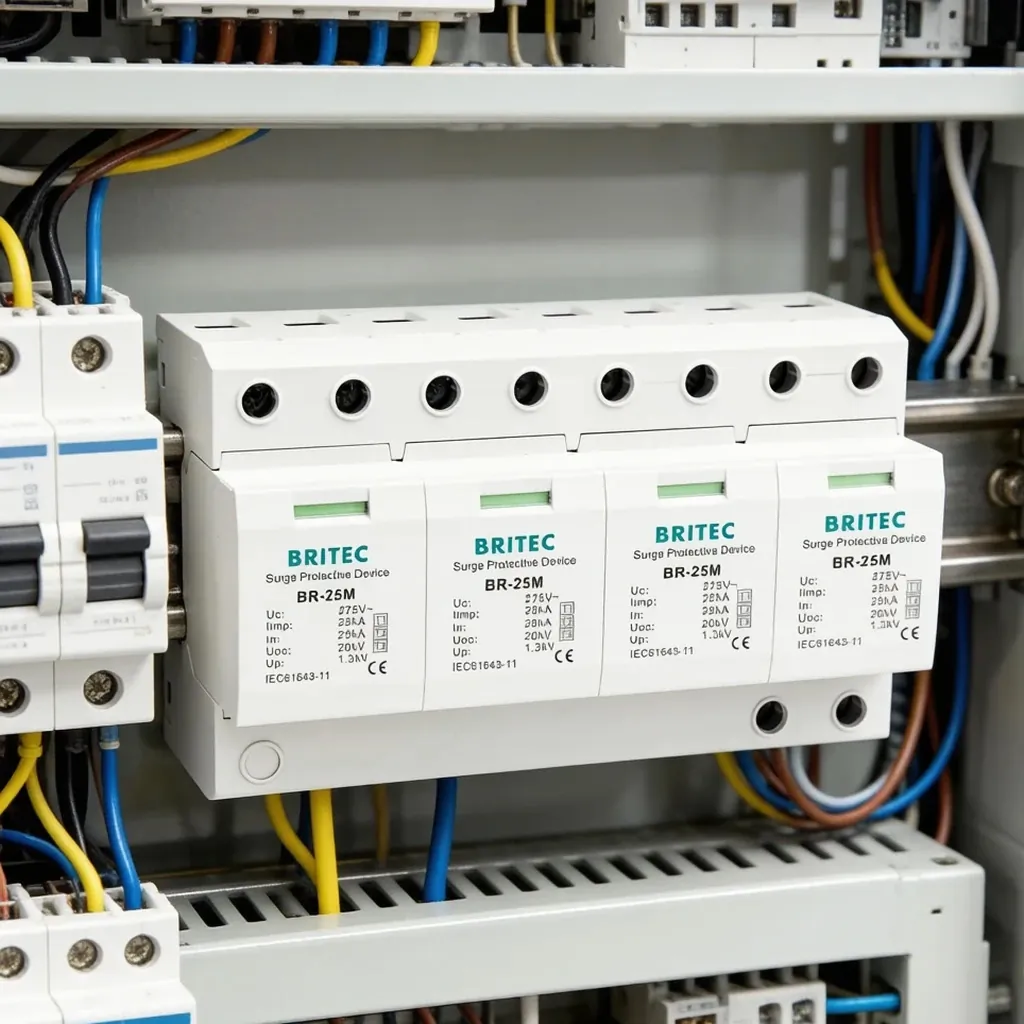
A Surge Protective Device operates by detecting abnormal voltage spikes and diverting excess energy safely to the grounding system. In a network configuration, multiple SPDs are strategically installed at different distribution levels.
The working principle includes:
● Detection of transient overvoltage within nanoseconds
● Activation of voltage clamping components (MOV, GDT, TVS diodes)
● Diversion of surge current to earth ground
● Restoration to normal operating condition after surge event
In coordinated systems, upstream SPDs absorb high-energy surges while downstream devices refine voltage levels for sensitive equipment.
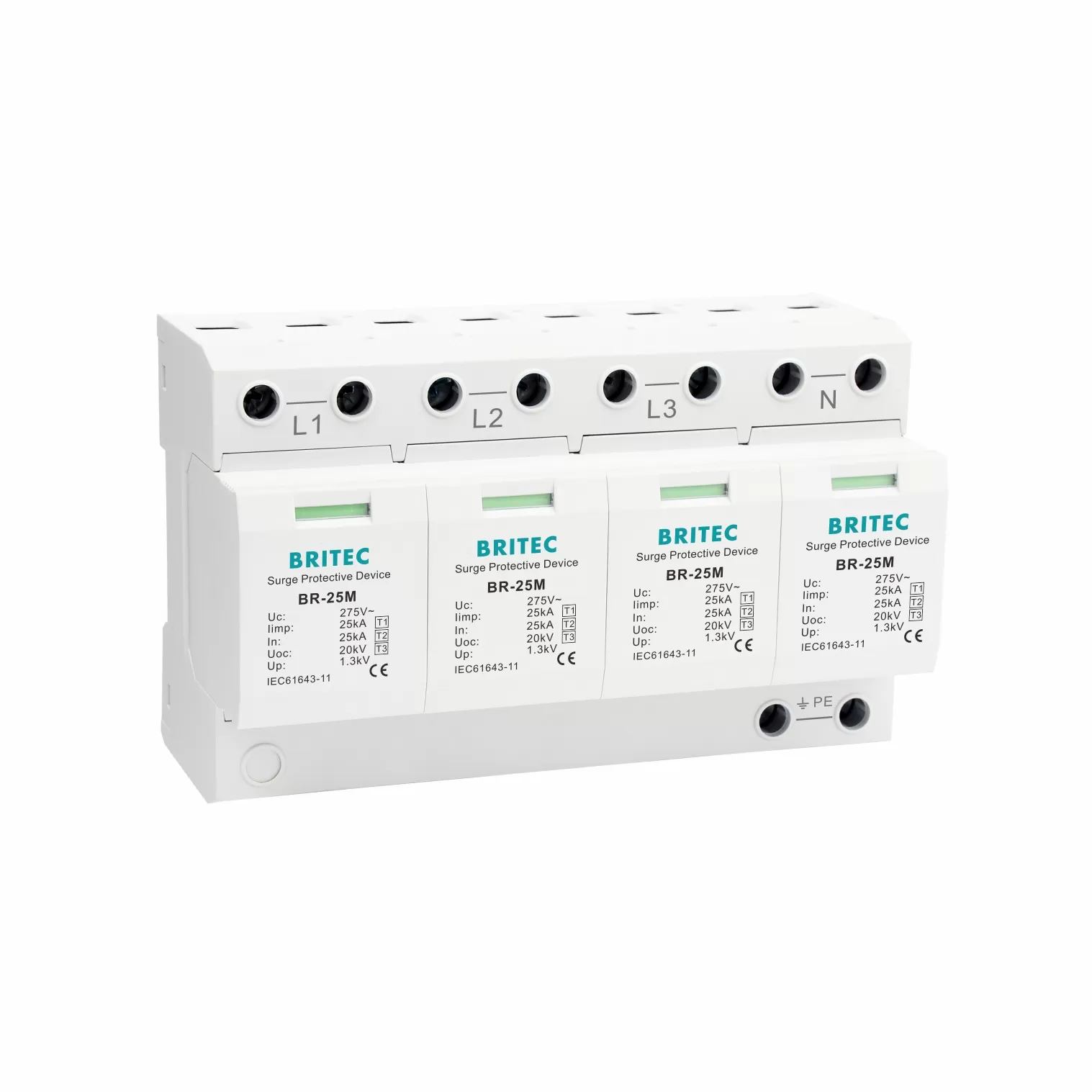
Typ 1 SPD is installed at the service entrance of electrical systems. It is designed to handle direct lightning currents and high-energy surges. These devices are essential in buildings with external lightning protection systems.
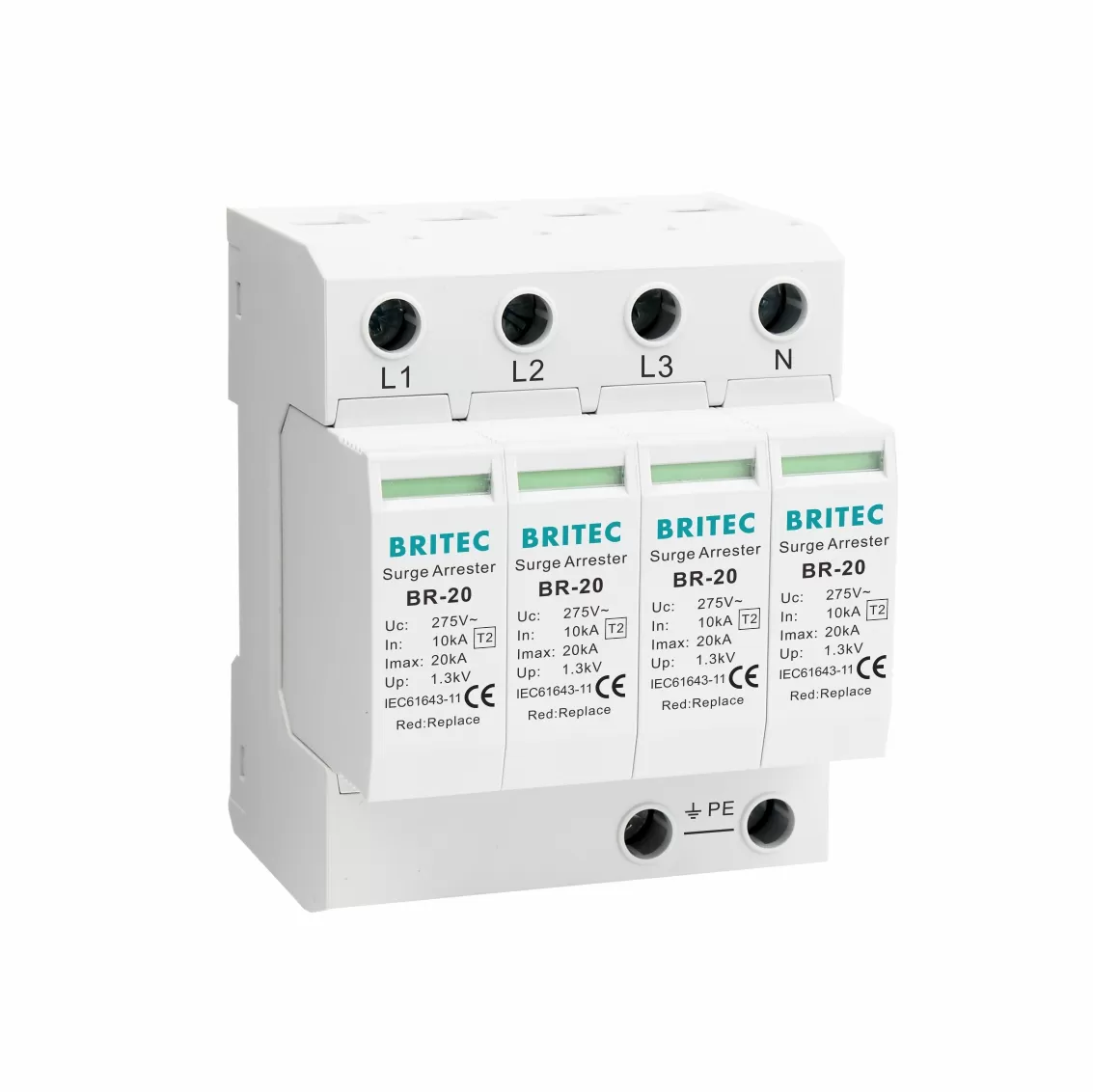
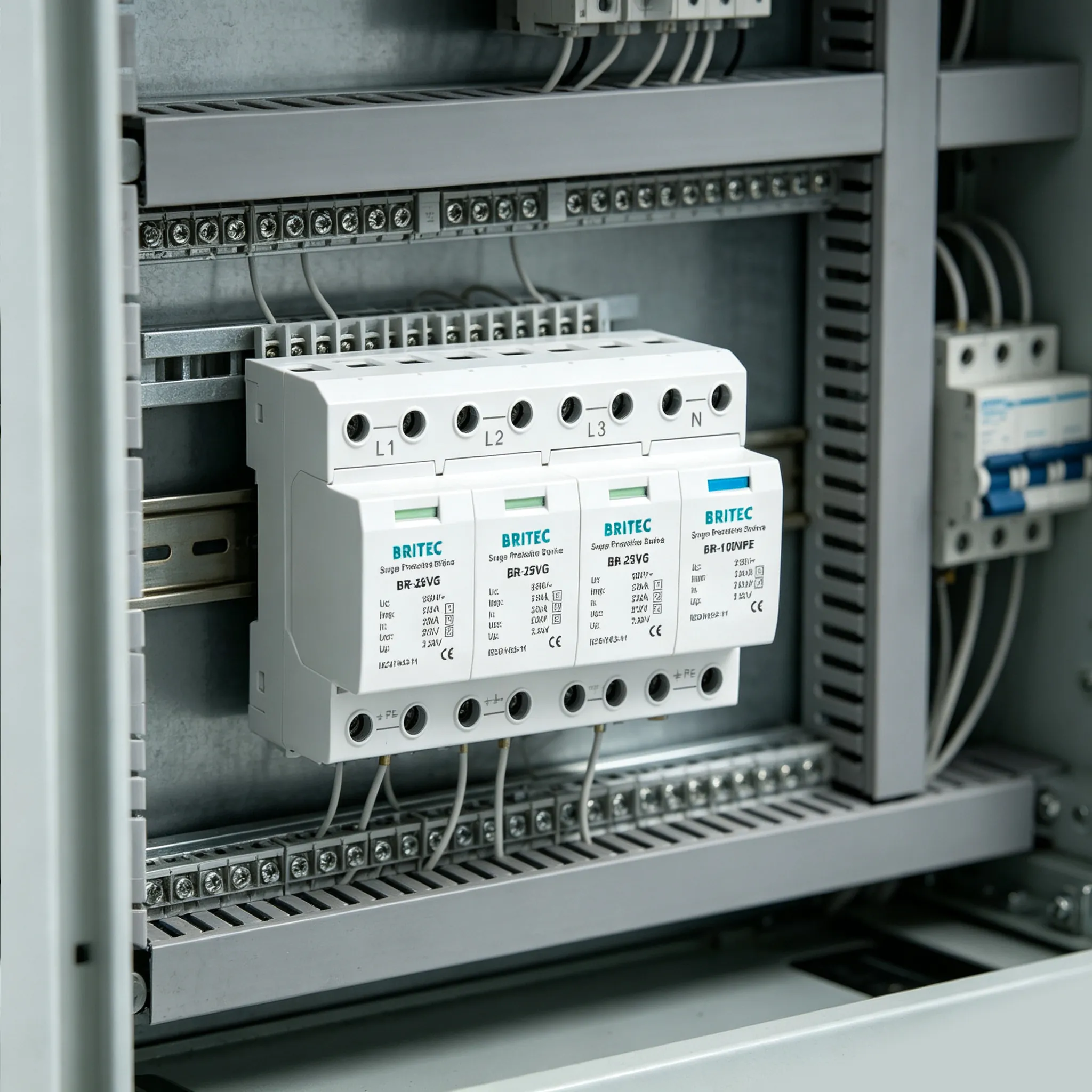
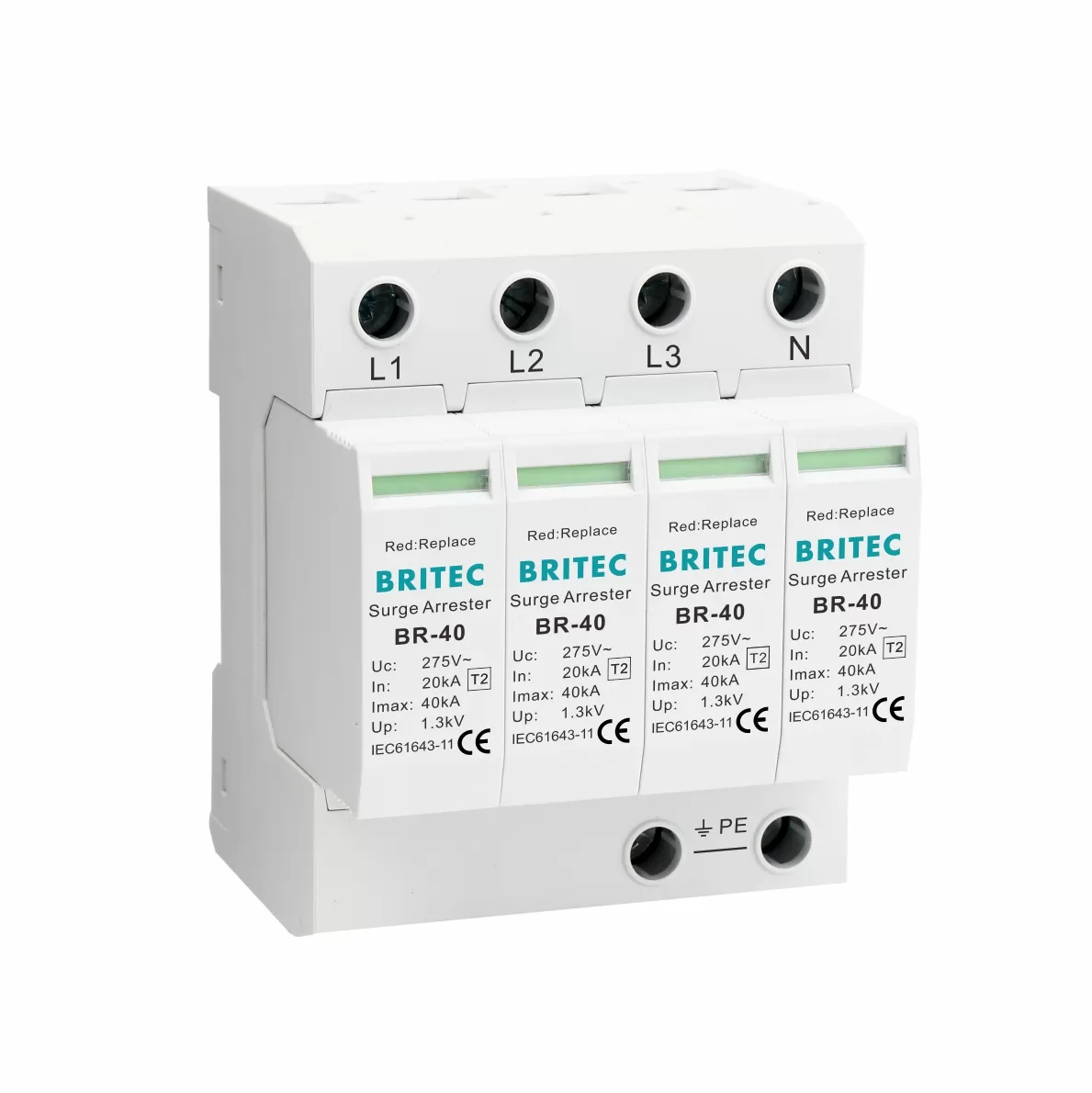
Typ 2 SPD is installed in distribution boards. It provides protection against residual surge energy that passes through Type 1 devices. It is widely used in commercial and industrial environments.
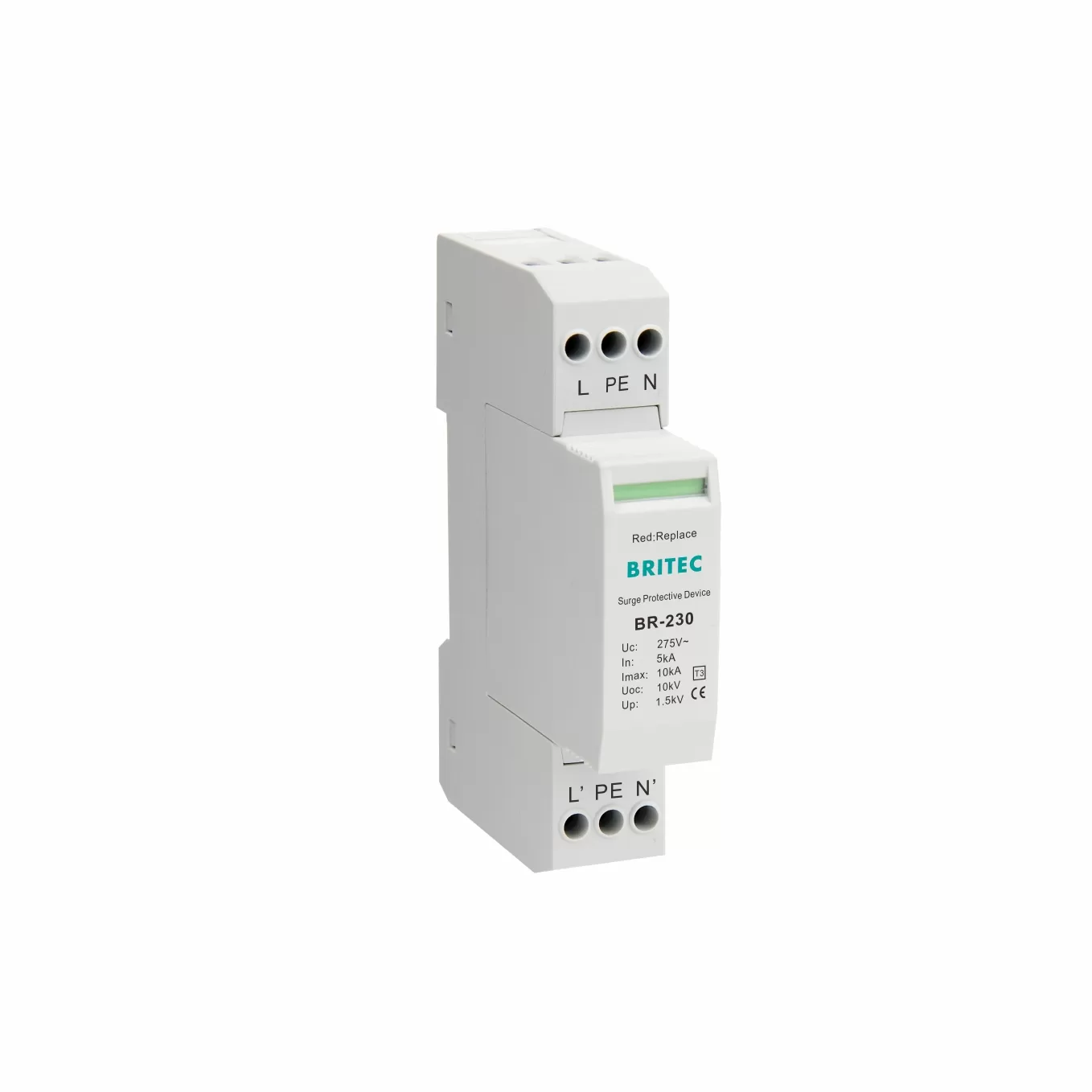
Typ 3 SPD is located close to sensitive equipment such as servers, medical devices, or control systems. It provides fine protection with low residual voltage.
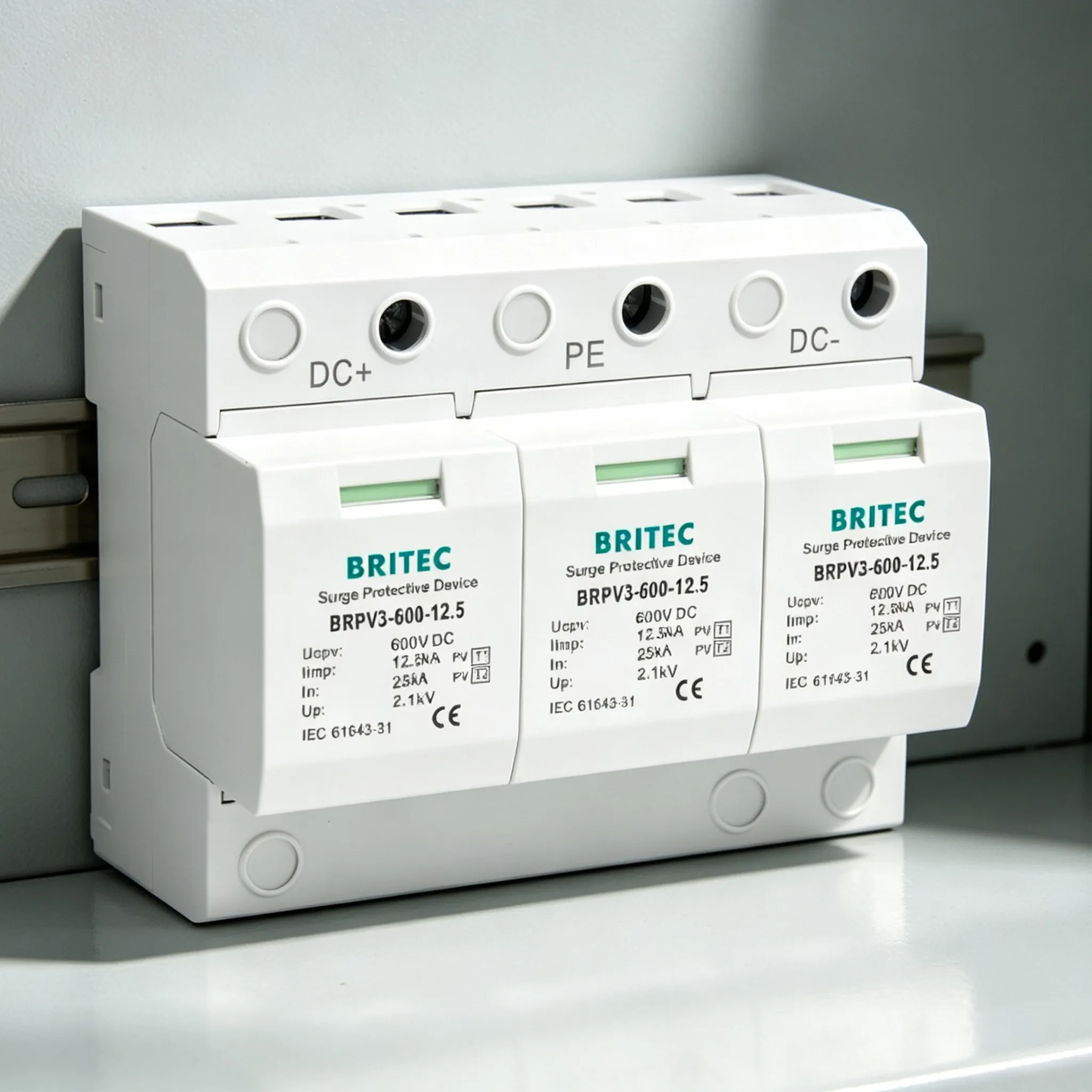
DC SPD is used in photovoltaic systems, battery storage, and DC power distribution networks. It protects against reverse polarity surges and DC arc-related transient events.
| SPD Type | Installationsort | Energy Capacity | Schutzstufe | Typical Application |
|---|---|---|---|---|
| Typ 1 SPD | Service entrance | Very high | Primary | Lightning protection |
| Typ 2 SPD | Distribution panel | Medium | Secondary | Industrial buildings |
| Typ 3 SPD | Point of use | Niedrig | Final protection | Sensitive electronics |
| DC SPD | DC system lines | Variable | Specialized | Solar & battery systems |
These devices handle high-energy surges at the system entry point. They are designed to withstand lightning impulses and protect downstream equipment.
Installed in electrical panels, these SPDs reduce residual surge voltage and stabilize distribution networks.
These protect communication lines such as Ethernet, RS485, and telecommunication cables from induced surges.
An effective grounding system is essential. Poor grounding significantly reduces SPD efficiency and increases system vulnerability.
Key grounding considerations include:
● Low impedance earth connection
● Proper bonding of metal enclosures
● Short grounding conductor paths
● Regular resistance testing
A well-designed Surge Protective Device network reduces stress on electronic components, significantly extending operational life and reducing replacement costs.
Unexpected surge damage can halt production systems. SPD networks minimize downtime by preventing catastrophic failures.
In digital environments, SPDs prevent data corruption caused by voltage transients affecting communication systems.
Although SPD installation requires initial investment, it reduces long-term maintenance and repair expenses.
Engineers must evaluate several parameters when designing SPD protection systems:
● System voltage and configuration (AC/DC)
● Expected surge level and lightning exposure
● Coordination between SPD types
● Distance between protection stages
● Grounding impedance values
● Equipment sensitivity level
Proper coordination ensures that surge energy is absorbed progressively rather than concentrated at a single point.
Selecting a reliable SPD Company ensures system safety and long-term performance. High-quality manufacturers provide:
● Certified products meeting IEC/UL standards
● Consistent discharge capacity ratings
● Reliable thermal disconnection mechanisms
● Advanced coordination between SPD stages
● Technical support for system design integration
Low-quality SPDs often fail prematurely or provide inadequate protection, increasing operational risk.
Yes, but with limitations. A Surge Protective Device is designed to mitigate the effects of indirect lightning strikes and induced surges. Typ 1 SPD can handle partial direct lightning currents when installed at the service entrance, but it does not replace a full lightning protection system. Instead, it works as part of a coordinated defense strategy that includes grounding, external lightning rods, and multi-stage surge protection.
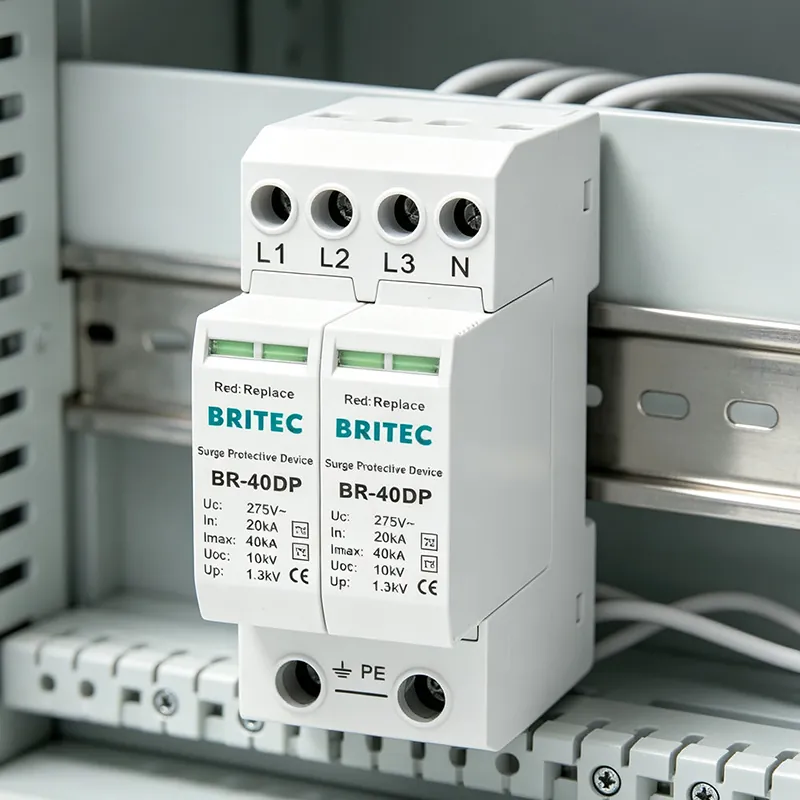
Most modern SPDs include visual indicators or alarm contacts that show operational status. A green indicator typically means normal operation, while red or off indicates failure or end-of-life condition. Some advanced models also include remote monitoring functions. Regular inspection is recommended, especially after major surge events or lightning storms, to ensure the Surge Protective Device is still functional and providing adequate protection.
A professional SPD Company such as Britec Electric ensures product reliability through strict quality control, certified testing, and application engineering support. These companies provide coordinated protection solutions rather than standalone devices. This means better system compatibility, higher safety margins, and compliance with international standards, which is critical for industrial and utility-scale installations.
Without a Surge Protective Device, electrical systems are exposed directly to transient overvoltages. This can lead to insulation breakdown, equipment burnout, communication failures, and even fire risks in extreme cases. Sensitive electronics such as PLCs, inverters, and networking devices are especially vulnerable. Over time, repeated small surges also degrade equipment performance, reducing operational efficiency and increasing maintenance costs significantly.
A Surge Protective Device is a broader category that includes devices used for low-voltage systems, while a surge arrester typically refers to medium- and high-voltage power systems. Surge arresters are mainly used in utility transmission and distribution networks. SPDs, on the other hand, are used in buildings, industrial systems, and electronic equipment protection. Both serve similar functions but operate in different voltage ranges and application environments.
A well-designed surge protection architecture built around a Surge Protective Device network is essential for maintaining electrical safety and operational stability. From Typ 1 SPD at the service entrance to Typ 3 SPD at equipment level, each layer plays a critical role in reducing surge energy step by step. When combined with proper grounding and system coordination, SPD networks significantly reduce downtime and equipment failure risks. Choosing a reliable manufacturer like Britec Electric ensures compliance, durability, and engineering-grade protection for modern infrastructure systems.