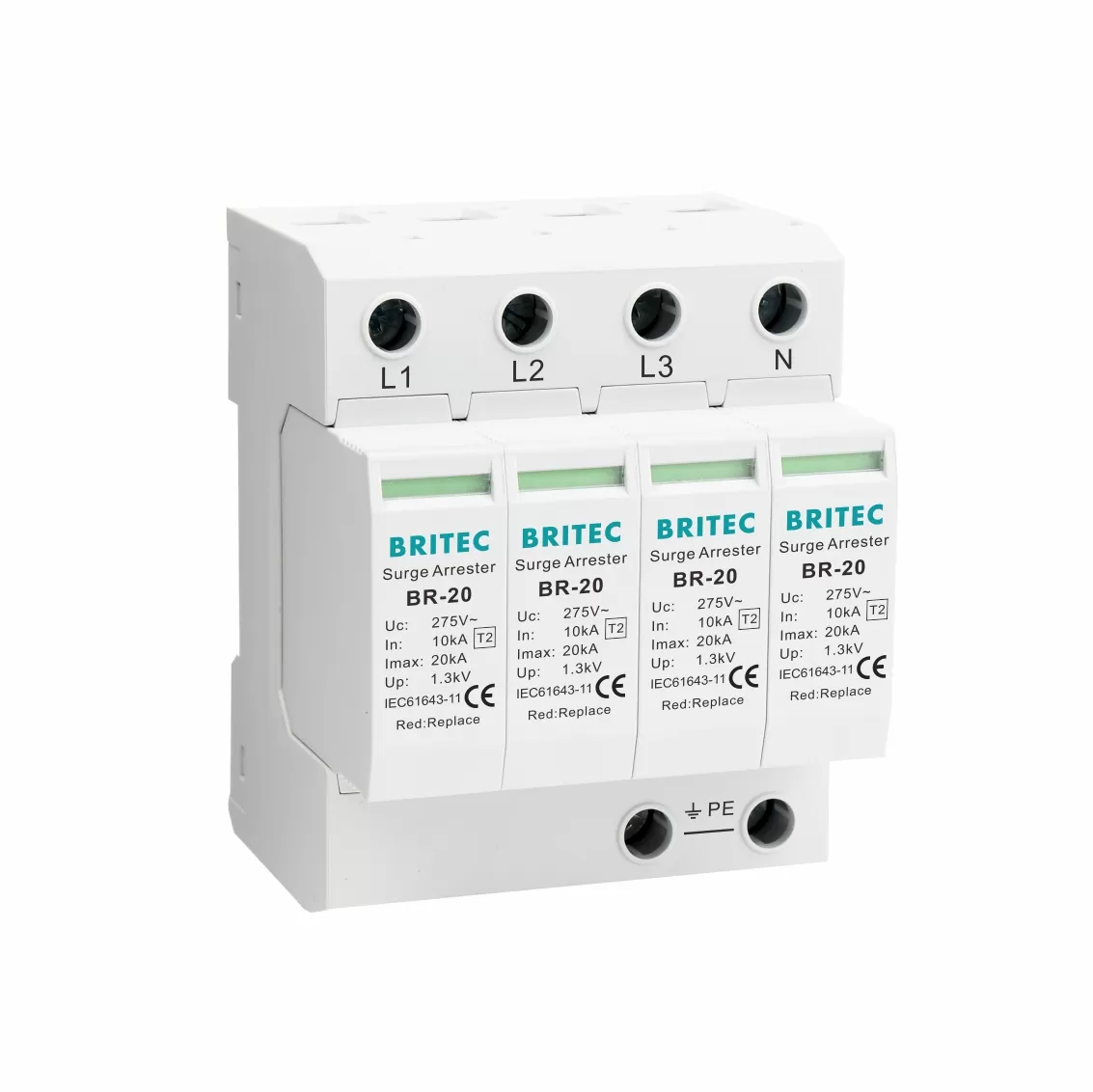


When dealing with DC circuits, many engineers and enthusiasts often have several specific and crucial questions: Is it really necessary to install surge protectors in newly designed circuits? How do I choose the “right” protector for my DC system? What are the correct installation and usage methods?
In this blog post, we will simplify these complex issues and delve into these five core questions one by one, unveiling the science behind DC surge protectors and providing clear, practical guidance.
Short answer? Yes—if you value uptime, warranties, and your reputation.
Any new DC circuit introduces uncertainty. Switching events, lightning-induced transients, insulation aging… they don’t announce themselves. They just happen. And when they do, unprotected DC equipment tends to fail harder and faster than AC equipment.
You might hear installers say, “The system voltage is low, so we’re safe.” That’s misleading. DC arcs sustain longer, and transient overvoltages in DC networks can exceed nominal voltage by several multiples.
In procurement audits for solar EPC projects, a common post-failure finding looks like this:
“SPD omitted during initial installation to reduce cost.”
Six months later, inverter boards are fried, warranties are disputed, and the replacement cost is ten times the saved budget.
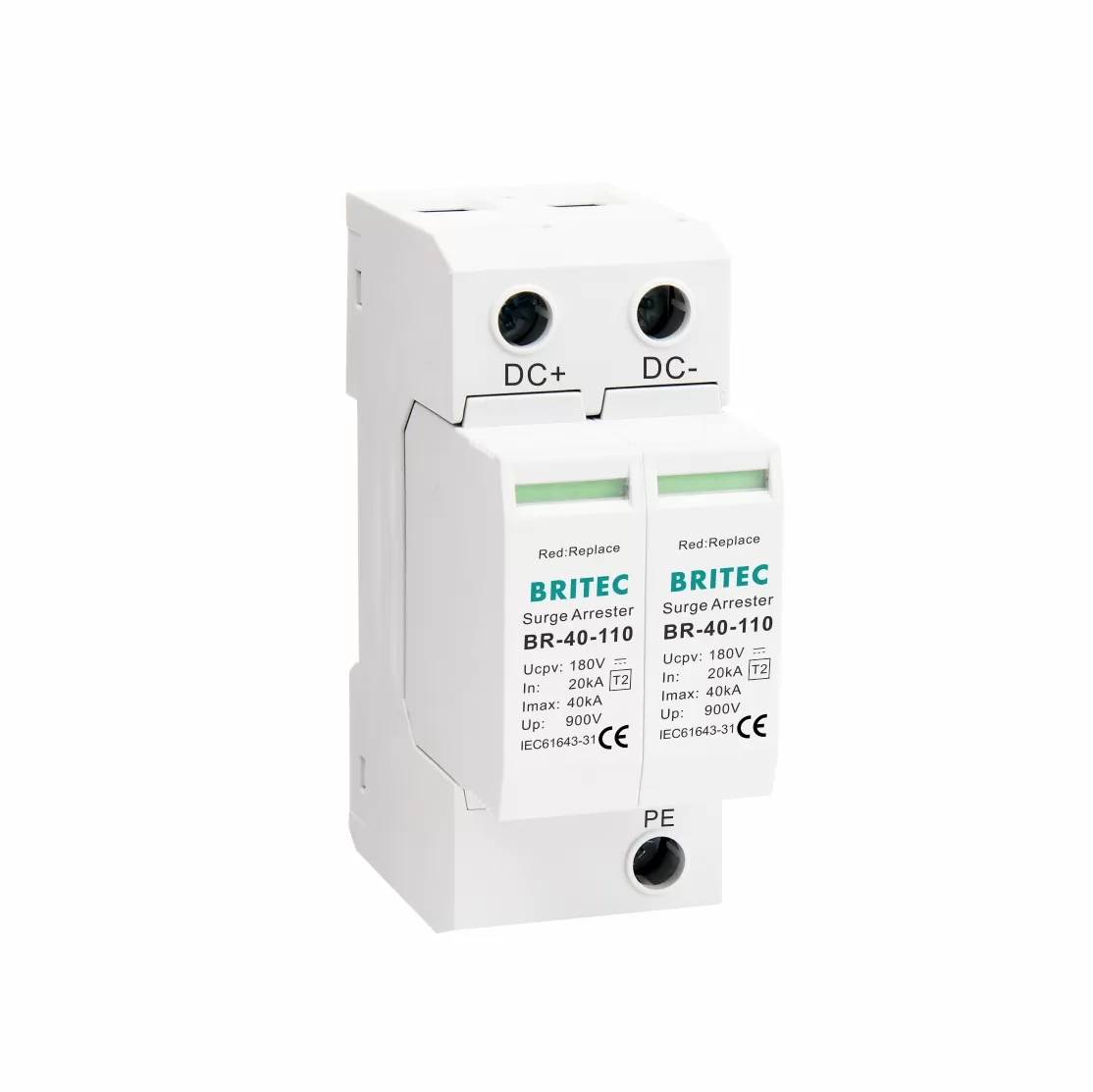
If your new circuit powers any of the following, installing a DC surge protector should be considered baseline, not optional:
From a buyer’s perspective, SPD installation isn’t about fear—it’s about risk transfer. You’re buying predictability.
Sizing a DC SPD isn’t guesswork, but it is where many purchasing mistakes happen.
You don’t size a DC surge protector by brand popularity or price tier. You size it by matching electrical reality to protection behavior.
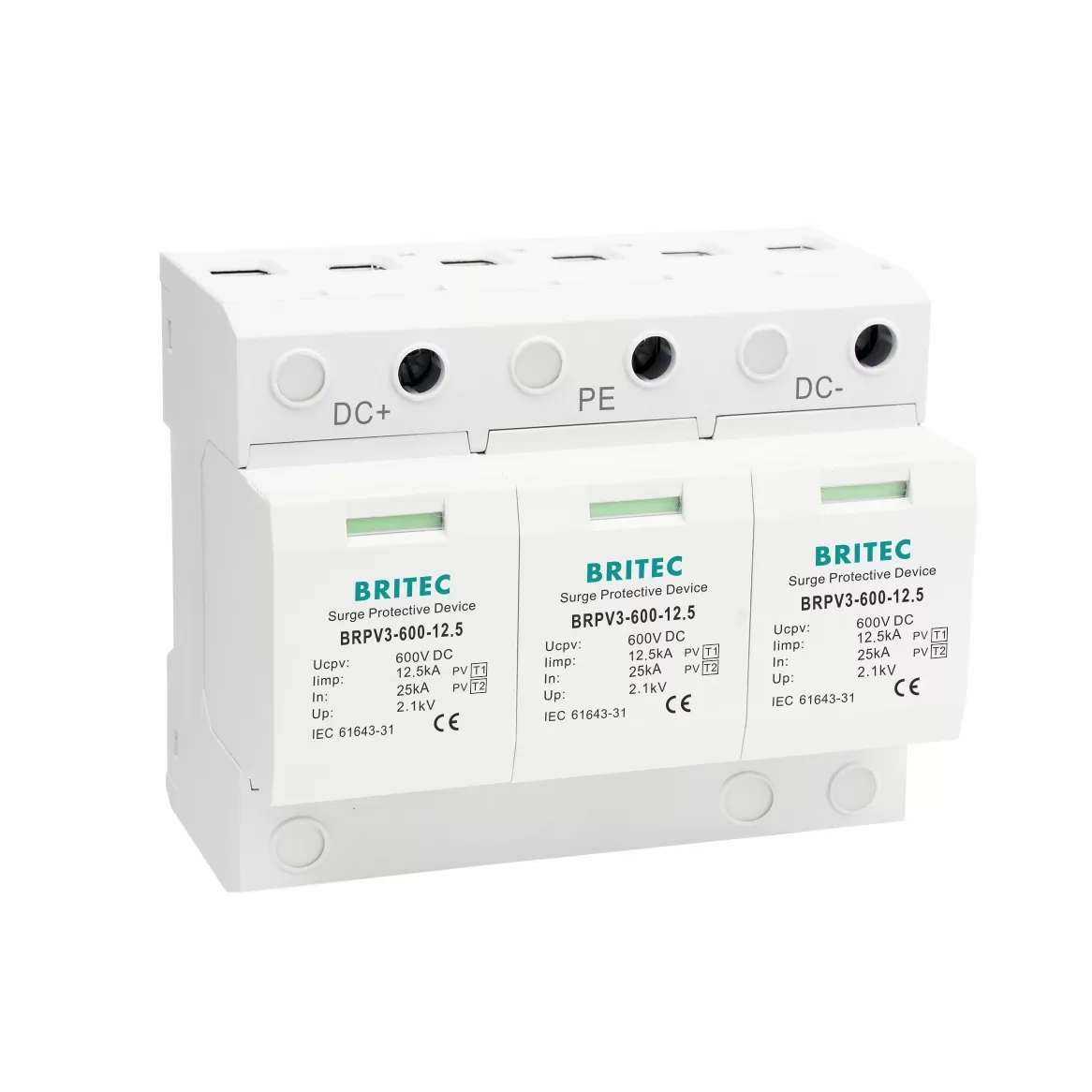
The most critical parameter is continuous operating voltage. In DC systems, voltage is steady, not sinusoidal. That means any undersizing leads to thermal runaway, not graceful failure.
Then comes discharge capacity. If your site is in a lightning-prone region or near long cable runs, higher nominal discharge current isn’t a luxury—it’s insurance.
Below is a procurement-friendly comparison table to help you visualize typical sizing logic:
| Anwendung | DC Voltage Range | SPD Type | Nominal Discharge Current | Installation Point |
|---|---|---|---|---|
| PV Rooftop System | 600–1000 VDC | Typ 2 | 20–40 kA | DC Combiner Box |
| Utility-Scale PV | 1000–1500 VDC | Typ 1+2 | 50–100 kA | Main DC Panel |
| Battery Storage | 48–800 VDC | Typ 2 | 20–40 kA | Battery Input |
When you’re comparing suppliers, ask them why they recommend a certain voltage class. If the answer sounds generic, that’s your red flag.
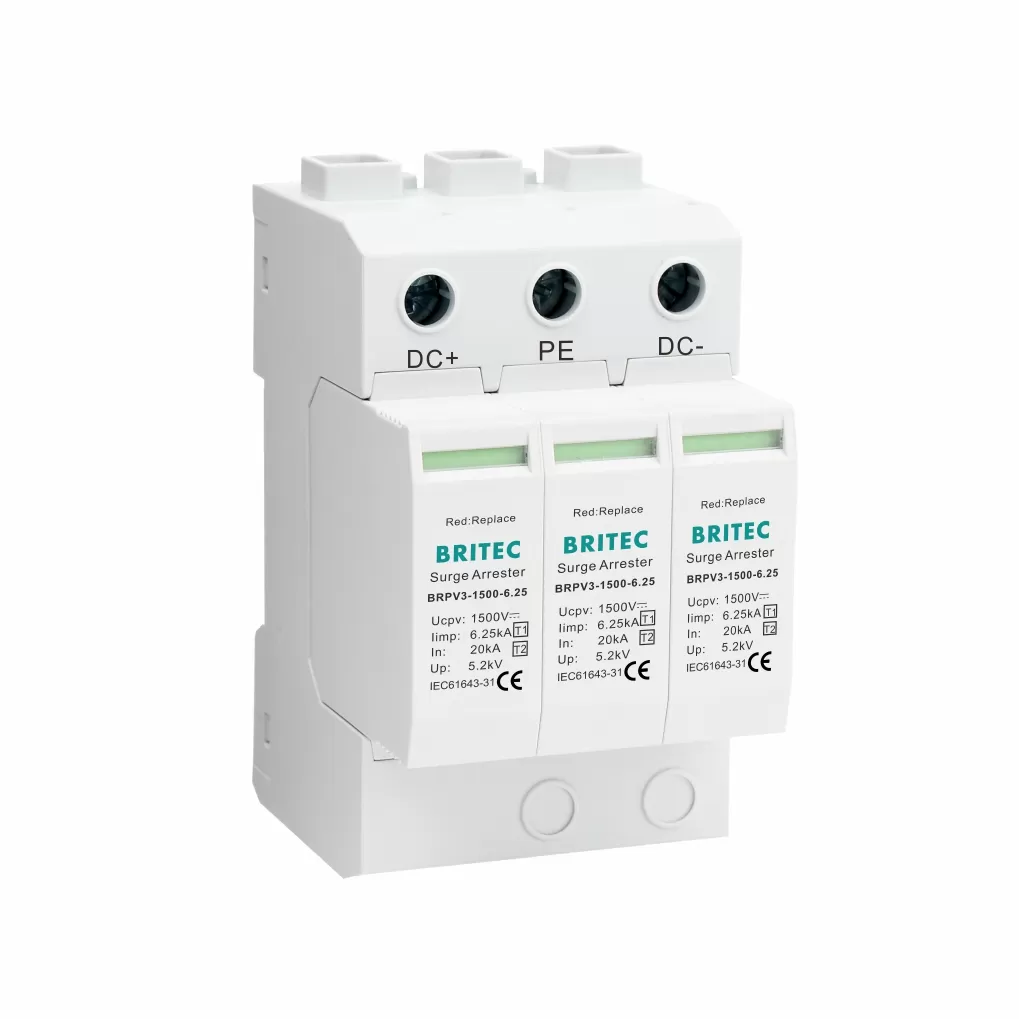
Checking a DC SPD isn’t something you do once and forget. It’s a lifecycle responsibility, especially if you’re managing assets for clients.
Most modern DC surge protectors include visual indicators. Green means functional. Red means replacement. Simple—but not foolproof.
Experienced buyers also look for remote signaling contacts. In large PV plants, no one wants to open cabinets weekly just to eyeball indicators.
A real-world case from a Southeast Asian solar farm illustrates this well. The EPC installed DC SPDs without remote signaling to cut cost. After a storm season, half the SPDs were degraded—but no one noticed. The next surge took out three inverters. The “saved” cost vanished instantly.
Best practice checks include:
Think of SPDs like fuses with memory. They don’t fail loudly. You have to listen intelligently.
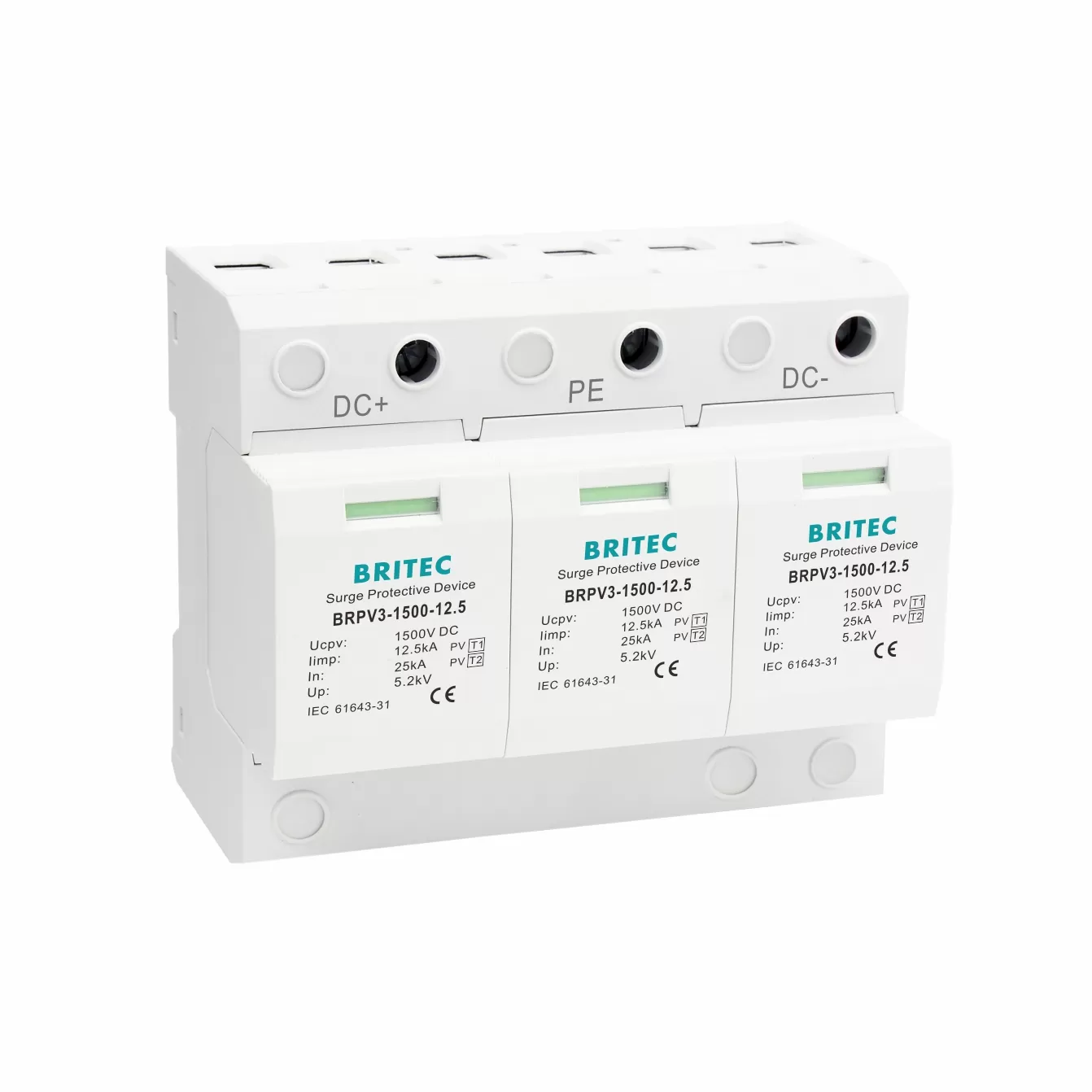
Using a DC surge protector correctly starts before installation and continues long after commissioning.
Placement matters more than brand. Cable length between SPD and protected equipment should be as short as physically possible. Every extra centimeter increases let-through voltage.
Grounding is non-negotiable. A high-quality SPD connected to a poor earth system is decorative at best. If your supplier doesn’t ask about grounding resistance, they’re selling hardware—not protection.
In procurement specs, it’s smart to require:
You’re not just buying a component. You’re buying behavior under stress.
This question comes up constantly, especially from cost-driven projects.
Technically? No.
Practically? Also no—and here’s why.
AC SPDs rely on current zero-crossing to extinguish arcs. DC has no such mercy. Once an arc forms, it sustains.
Using an AC SPD in a DC application may appear to “work” initially. Then, during a real surge, it overheats, carbonizes, or—worst case—catches fire.
Certification bodies are explicit on this. Standards like IEC 61643 clearly differentiate AC and DC SPD requirements.
If a supplier suggests otherwise, walk away.
What Is DC Surge Protection?
DC surge protection limits transient overvoltages in direct current systems by diverting surge energy safely to ground, protecting sensitive electronics.
Is Electricity In Homes AC Or DC?
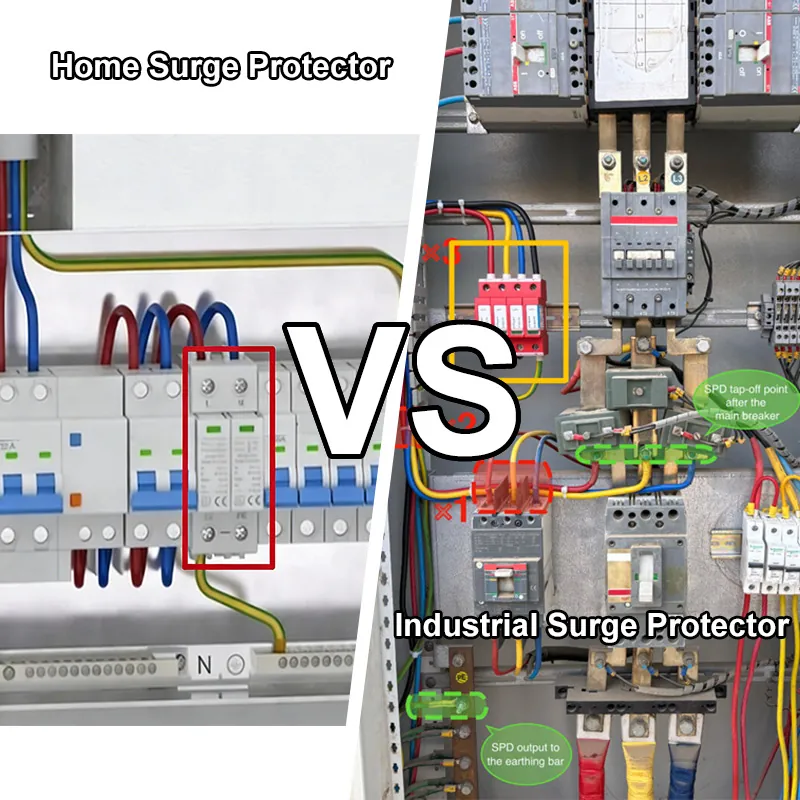
Homes receive AC power, but many internal devices convert it to DC—making internal DC protection increasingly relevant.
Which Is Better, AC Or DC Charging?
DC charging is faster and more efficient for EVs, but it requires stricter protection due to higher surge risk.
Do Power Surge Protectors Really Work?
Yes—when properly selected, installed, and maintained. Poorly applied SPDs create false confidence.
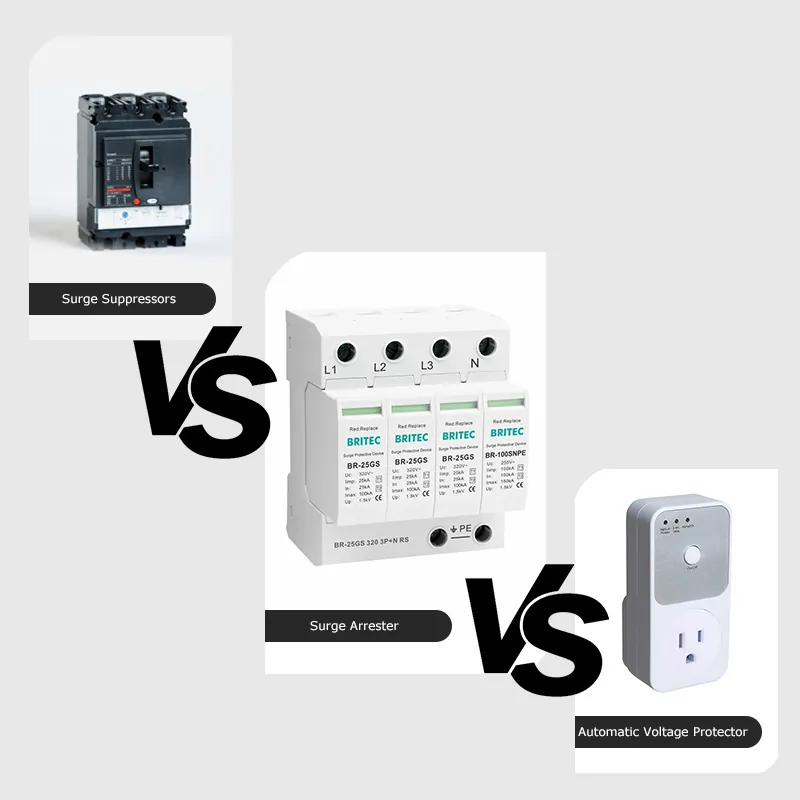
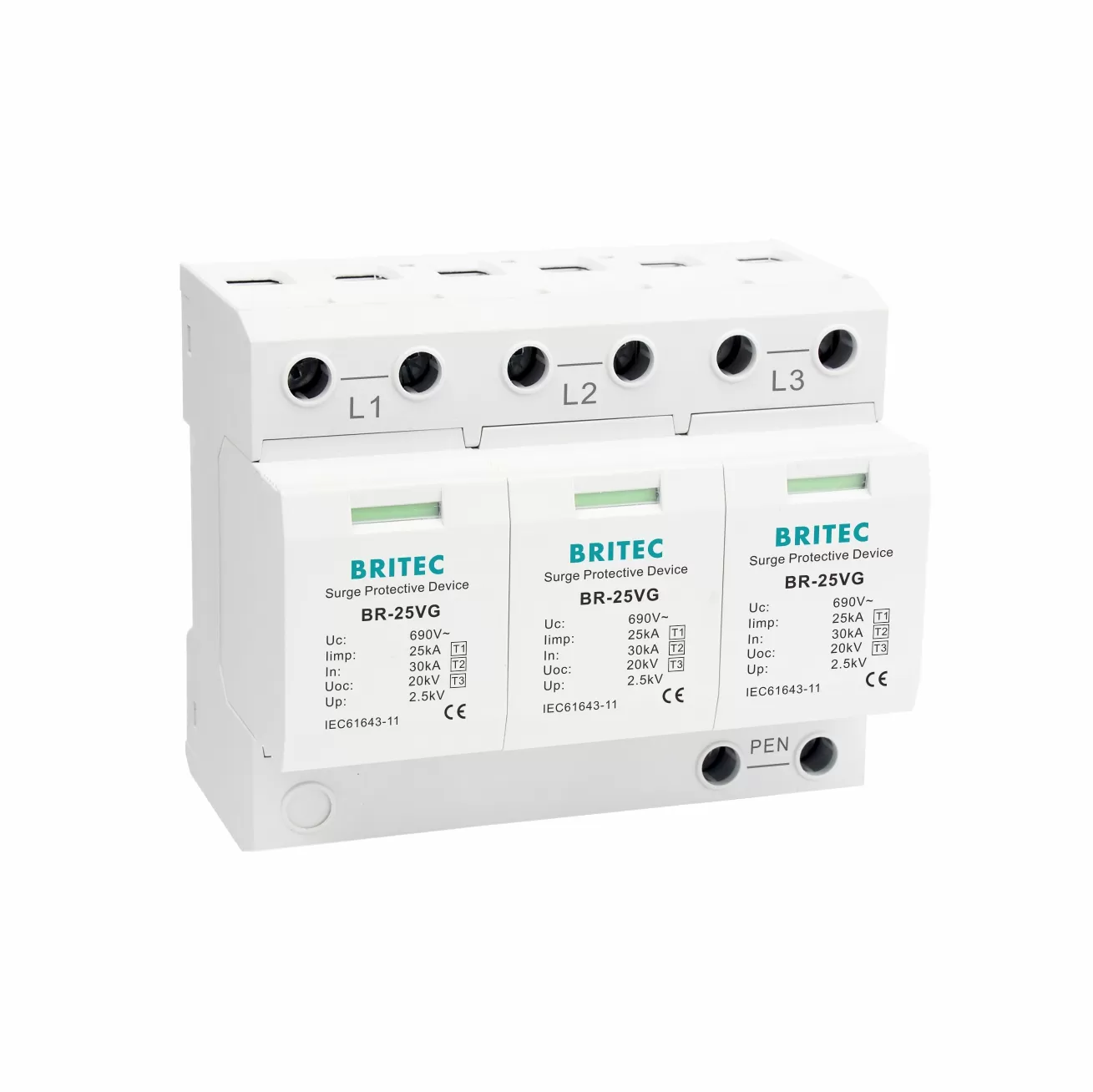
What Is The Difference Between AC And DC Surge Protectors?
DC SPDs are designed to interrupt sustained arcs and handle constant voltage without zero-crossing.
In A Photovoltaic System, Where Should The SPD Be Installed?
At DC combiner boxes, inverter inputs, and main DC distribution points.
How Can You Visually Distinguish Between AC And DC Surge Protectors?
DC SPDs are clearly labeled with DC voltage ratings and often have reinforced arc-quenching structures.
Can Performance Of DC SPD Be Affected By Environmental Factors?
Absolutely. Heat, humidity, dust, and altitude all influence lifespan and response behavior.
In Which Fields Are DC SPDs Primarily Used?
Solar energy, battery storage, EV charging, telecom, rail systems, and industrial automation.
What Is The Lifespan Of A DC SPD?
Typically 5–10 years, depending on surge frequency, installation quality, and environmental exposure.
By 2026, as a purchasing entity, your decisions in selecting DC surge protectors will directly impact whether your system can withstand thunderstorms, switching events, and long-term operational stress.
If you are procuring DC protection equipment for an upcoming project, now is the time to re-examine your technical specifications, challenge existing assumptions, and collaborate with suppliers who understand real-world DC operating conditions. Wise protection measures can prevent costly problems in the future.


 #!trpst#trp-gettext data-trpgettextoriginal=16#!trpen#Optimized by #!trpst#trp-gettext data-trpgettextoriginal=15#!trpen#Seraphinit-Beschleuniger#!trpst#/trp-gettext#!trpen##!trpst#/trp-gettext#!trpen#