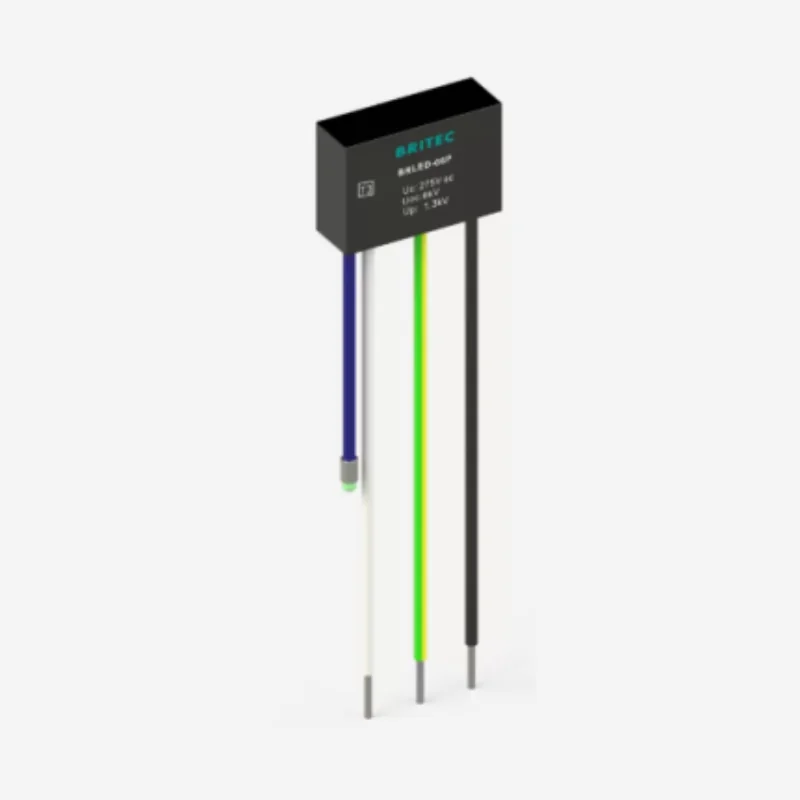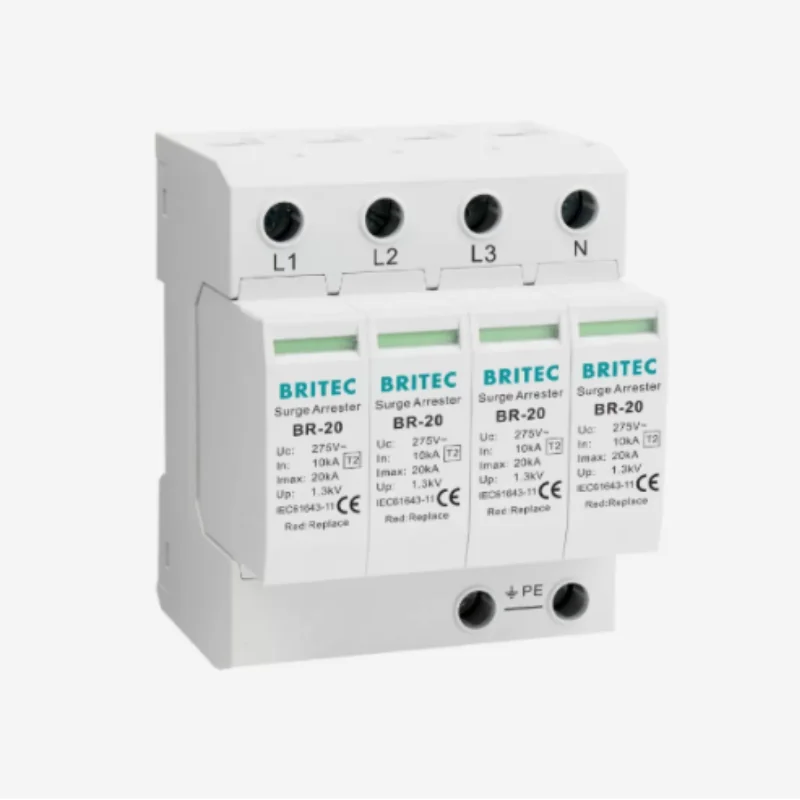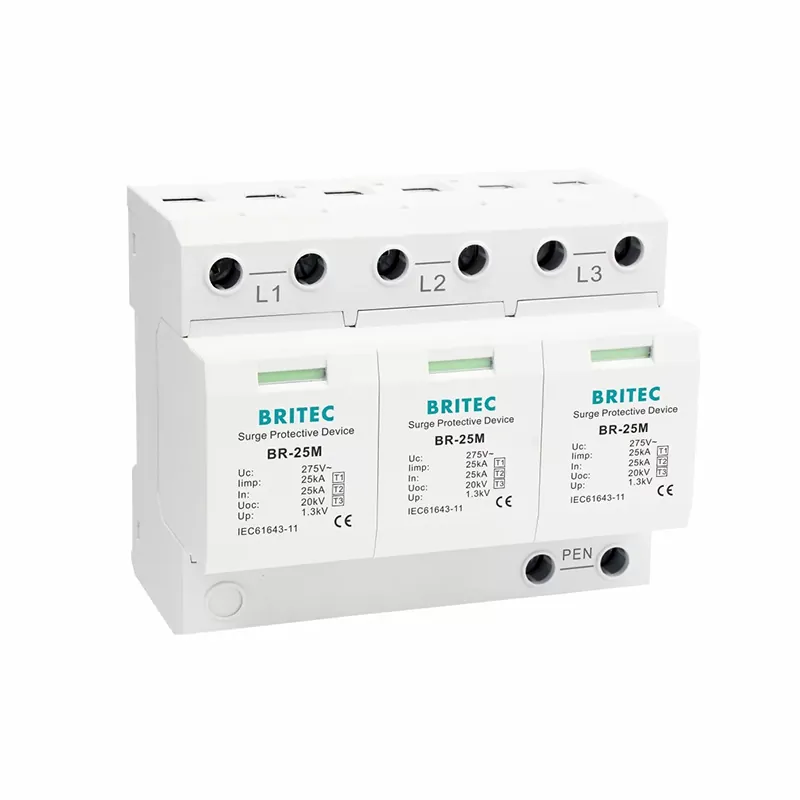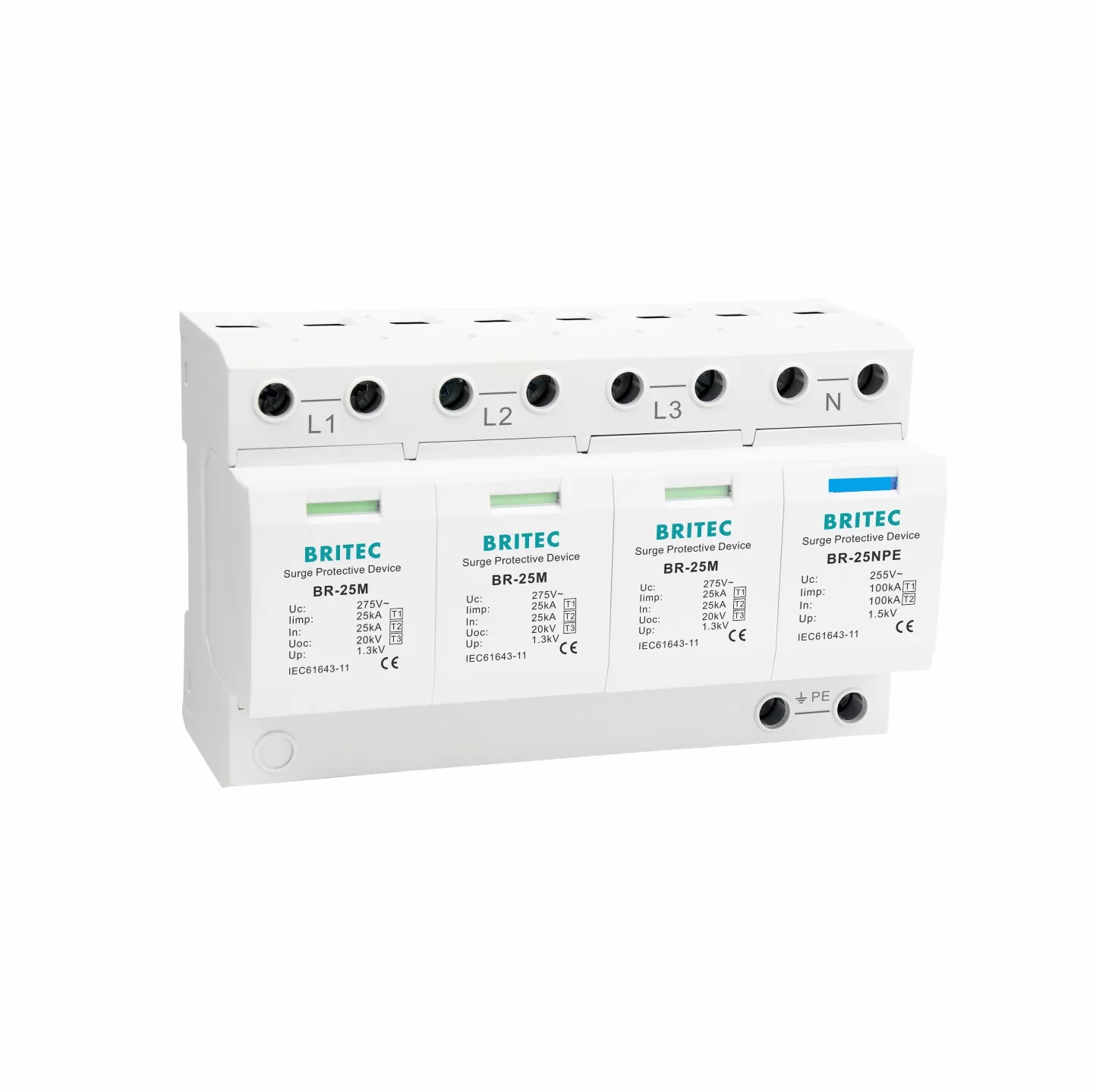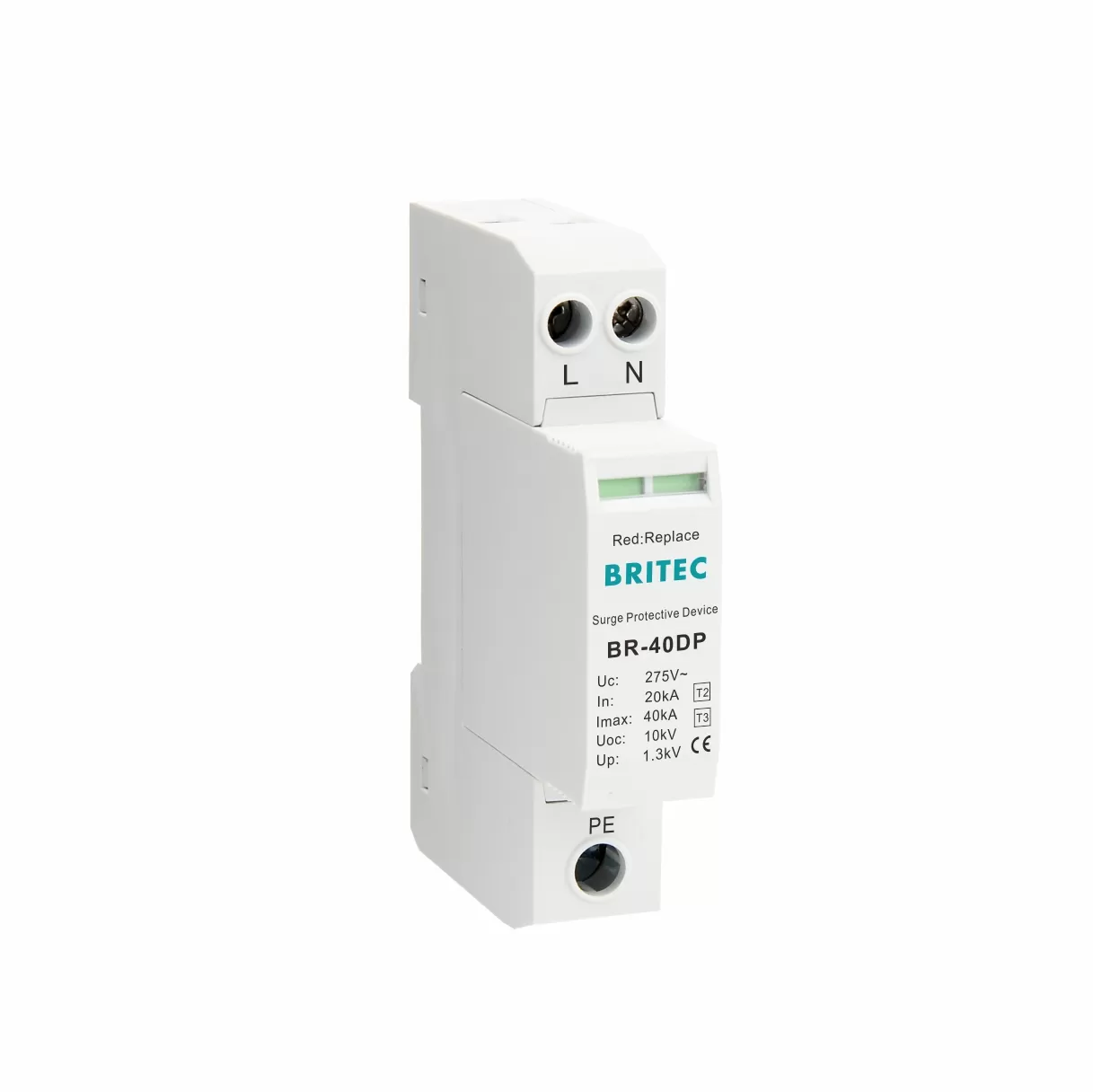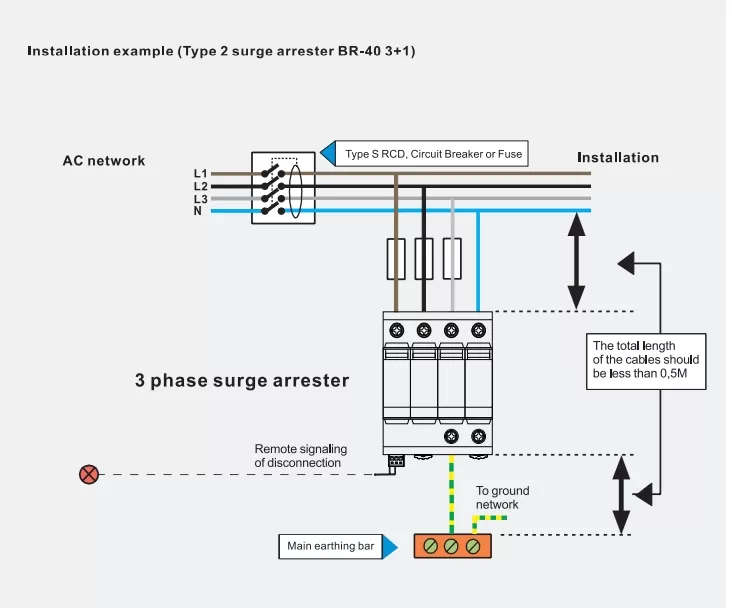


In today’s tech-heavy world, surge protectors have become a vital part of safeguarding your electronics from power spikes. Choosing the right surge protector can be tricky with so many options available. But don’t worry — this guide will help you understand the key factors to consider before making your choice. From surge protection ratings to design features, we’ve got you covered to ensure you make a smart, informed purchase that keeps your devices safe.
A surge protector is an electrical device designed to protect your electronics from power surges or voltage spikes. These spikes can occur due to lightning strikes, power outages, or faulty wiring. While surge protectors can’t stop surges completely, they work by redirecting the excess voltage to the ground, thus protecting your devices from being damaged.
Whether you’re trying to protect your home office or safeguard your entertainment system, a surge protector helps extend the lifespan of your electronics. But how do you know which one is right for you? Let’s break down the key factors that will help you choose the best surge protector for your needs.
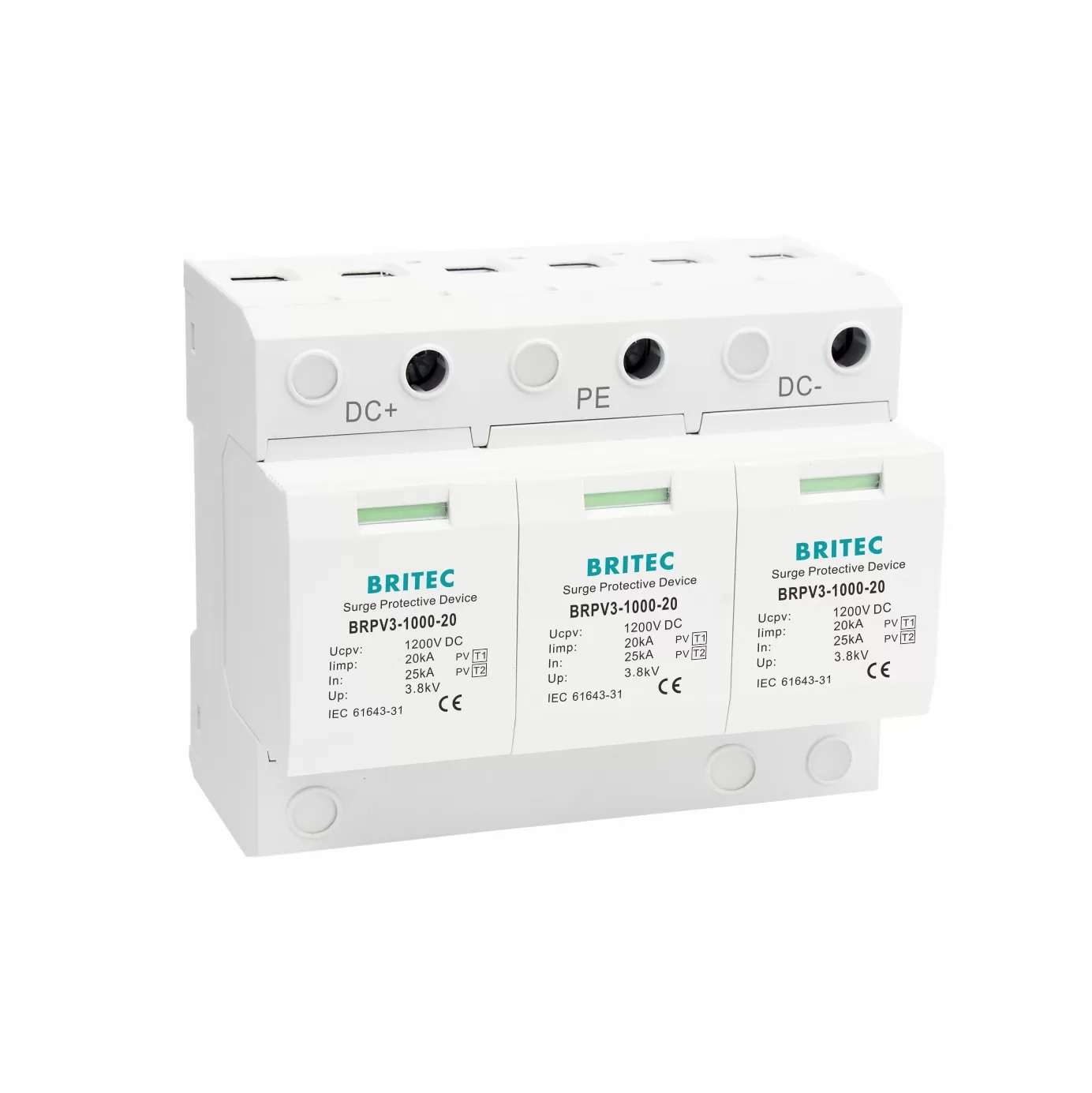
One of the most critical specifications for a surge protector is its joule rating. The joule rating refers to how much energy the device can absorb before it fails. A higher joule rating means better protection, as the surge protector can absorb larger surges without causing damage to your electronics.
| Surge Protector Type | Joule Rating | Protection Level | Best For |
|---|---|---|---|
| Basic | 200 – 600 | Low | Small electronics |
| Medium | 600 – 1000 | Moderate | Laptops, TVs, etc. |
| High-End | 1000+ | High | Home theaters, servers |
Clamping voltage refers to the voltage level at which the surge protector activates to stop the surge from reaching your electronics. A lower clamping voltage is better because it means the surge protector reacts quicker. For home use, a clamping voltage of 400V or lower is ideal.
Surge protectors have a specific response time — the time it takes for them to recognize and respond to a power surge. Faster response times are critical, especially in environments where sensitive equipment, such as computers or medical devices, are used. The response time is often measured in nanoseconds (ns). Look for surge protectors with response times under 1 nanosecond.
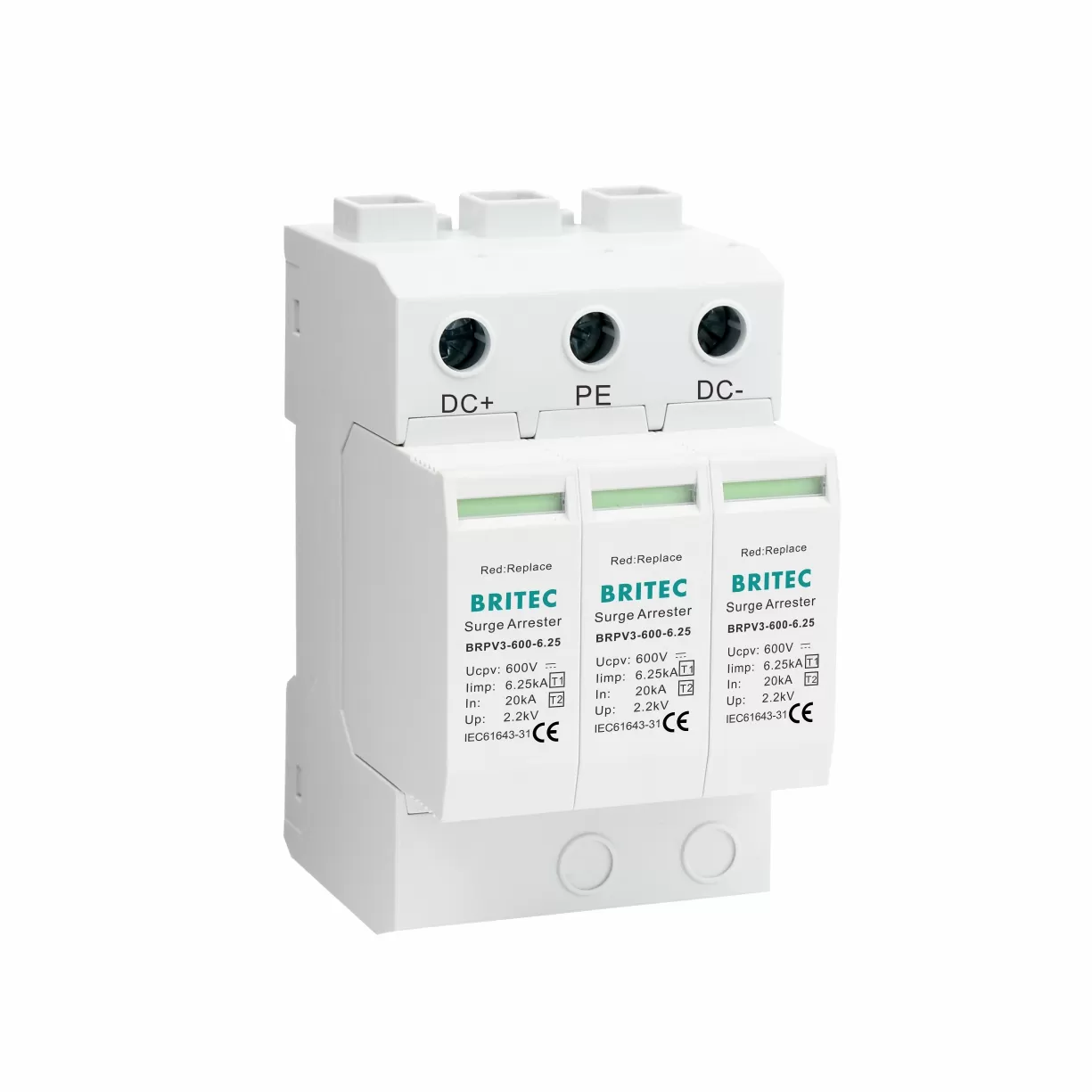
Consider how many devices you need to plug into your surge protector. Surge protectors come in various outlet configurations, from two outlets to 10 or more. If you plan to plug in multiple devices, look for surge protectors with a higher outlet count.
| Surge Protector Type | Number of Outlets | Applications | Example Products |
|---|---|---|---|
| Compact | 2 – 4 | Small electronics | Office desk setups |
| Mid-Range | 6 – 8 | TVs, Computers | Home office or living room |
| High-End | 10+ | Home theater, Servers | Gaming setups, server racks |
Additionally, USB ports are a convenient feature for charging phones or tablets. Many surge protectors now include built-in USB ports to eliminate the need for additional chargers.
When choosing a surge protector, consider the design and additional features that will meet your needs. Some common design features include:
Some surge protectors also come with automatic shutdown capabilities. This means they will cut power if the protection is compromised, providing an extra layer of security.
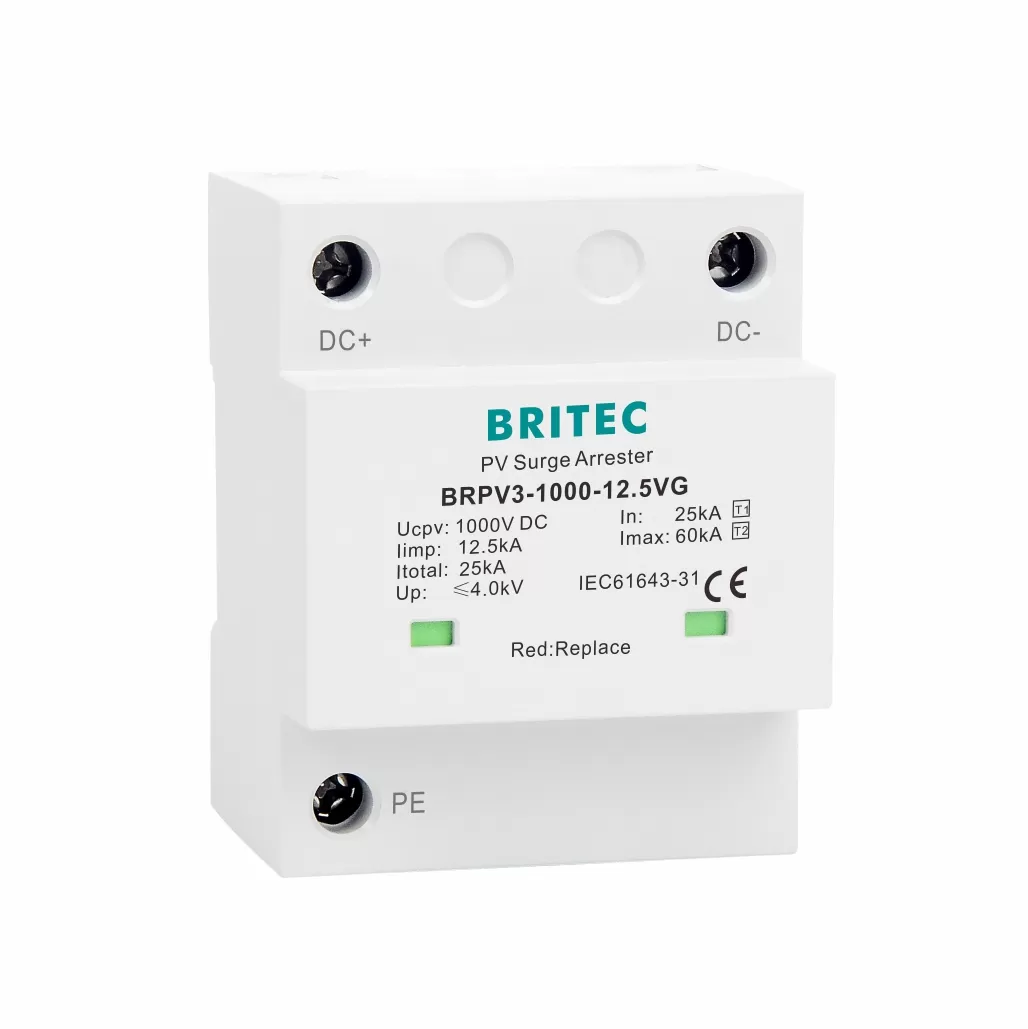
One of the most common mistakes is choosing a surge protector based solely on price or brand without considering the joule rating or the number of devices you need to protect. If you’re plugging in high-powered equipment, like a gaming console or home theater system, a basic surge protector won’t suffice. Look for a higher joule rating and more outlets to protect everything in your setup.
While many people focus on the joule rating, it’s equally important to look at the clamping voltage. A surge protector with a higher clamping voltage means it might let more voltage through to your devices, which could cause long-term damage. Choose a protector with low clamping voltage to keep your electronics safe.
Some surge protectors come with a warranty that guarantees replacement or reimbursement if your electronics are damaged while plugged into the protector. Look for surge protectors with good warranty coverage to ensure your investment is protected in case of failure.
1. Can I use a surge protector for all my electronics?
Yes, surge protectors can be used for most electronics, but it’s essential to choose one with an appropriate joule rating for your devices. For high-end electronics, like home theaters or computers, opt for a surge protector with a higher joule rating.
2. How long do surge protectors last?
Surge protectors don’t last forever. Over time, their protection capabilities degrade. Most surge protectors should be replaced every 3-5 years, or after a significant surge event.
3. Is a surge protector the same as a power strip?
No, a power strip only provides additional outlets, while a surge protector offers protection against voltage spikes. Always choose a surge protector over a basic power strip for safety.
4. Do surge protectors protect against all electrical issues?
No, surge protectors mainly guard against power surges. They do not protect against all electrical problems, such as electrical shorts or fires caused by faulty wiring.
5. Can I use a surge protector with high-power devices?
Yes, but be sure to choose a surge protector with a higher joule rating and sufficient outlets. Some surge protectors are designed specifically for high-power devices, like refrigerators or home theater systems.
Choosing the right surge protector doesn’t have to be overwhelming. By focusing on key factors like joule ratings, clamping voltage, and the number of outlets, you can find a solution that perfectly fits your needs. Make sure to consider the warranty and design features to ensure you get the best value and protection for your devices.
Investing in a surge protector is a small price to pay for the peace of mind knowing your electronics are safe. Don’t wait for a power surge to damage your devices – take action today with Britec Electric’s range of reliable surge protectors. Protect your investments, and enjoy a worry-free tech experience.
Related Articles
How To Connect Single Phase Surge Protector? How To Choose Surge Protector? >>


 Optimized by Seraphinite Accelerator