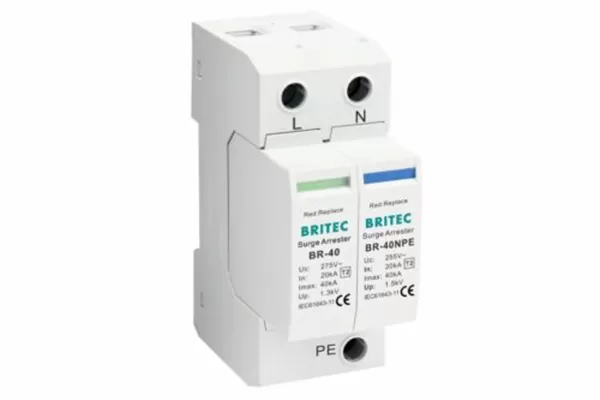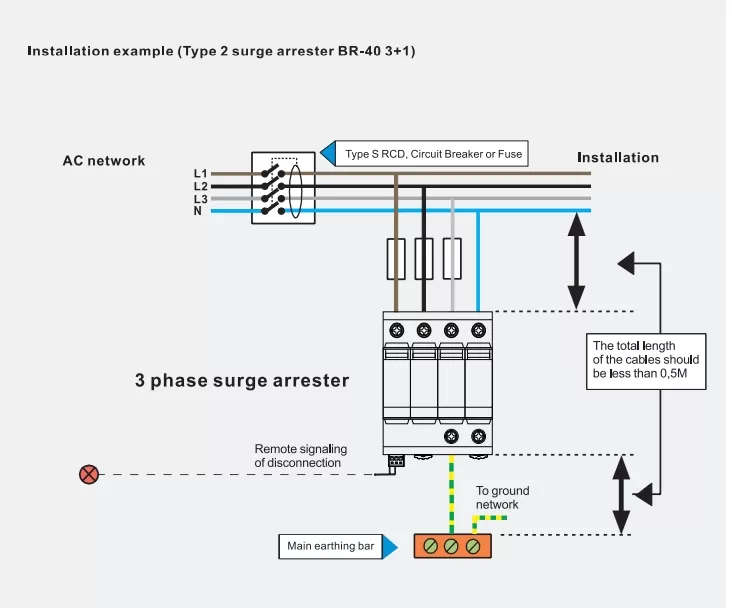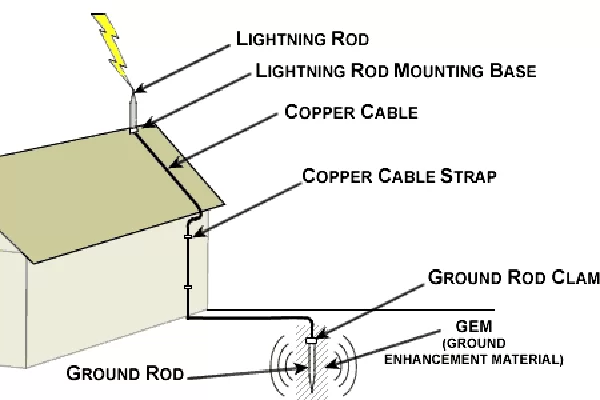


Surge protectors are essential for safeguarding your electronic devices against sudden power surges that can cause irreparable damage. But choosing the right surge protector can be tricky, given the different types and specifications available in the market. Whether you’re outfitting a home office, setting up your entertainment system, or protecting business equipment, it’s crucial to select the surge protector that best fits your needs. This guide will break down the factors to consider when selecting a surge protector, so you can make an informed decision and ensure the safety of your valuable electronics.
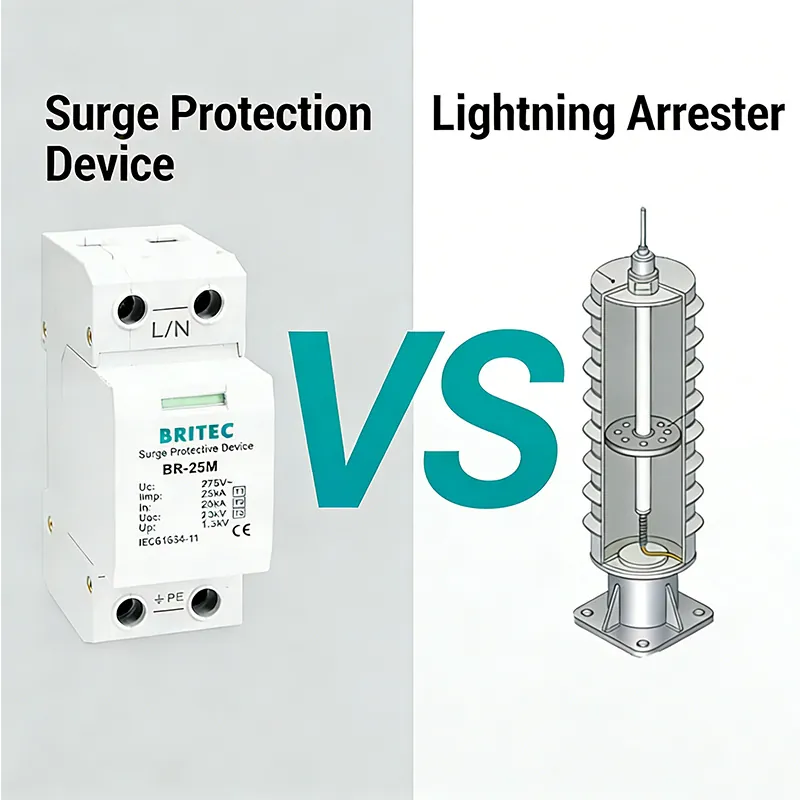
A surge protector is a device designed to shield electronic equipment from power surges, which are sudden increases in voltage. These surges can occur due to lightning strikes, faulty wiring, or sudden fluctuations in power from the utility grid. Surge protectors work by diverting excess voltage to the ground, preventing it from reaching your electronics.
There are various types of surge protectors designed for different applications, ranging from basic home use to more complex commercial setups. The two main categories are:
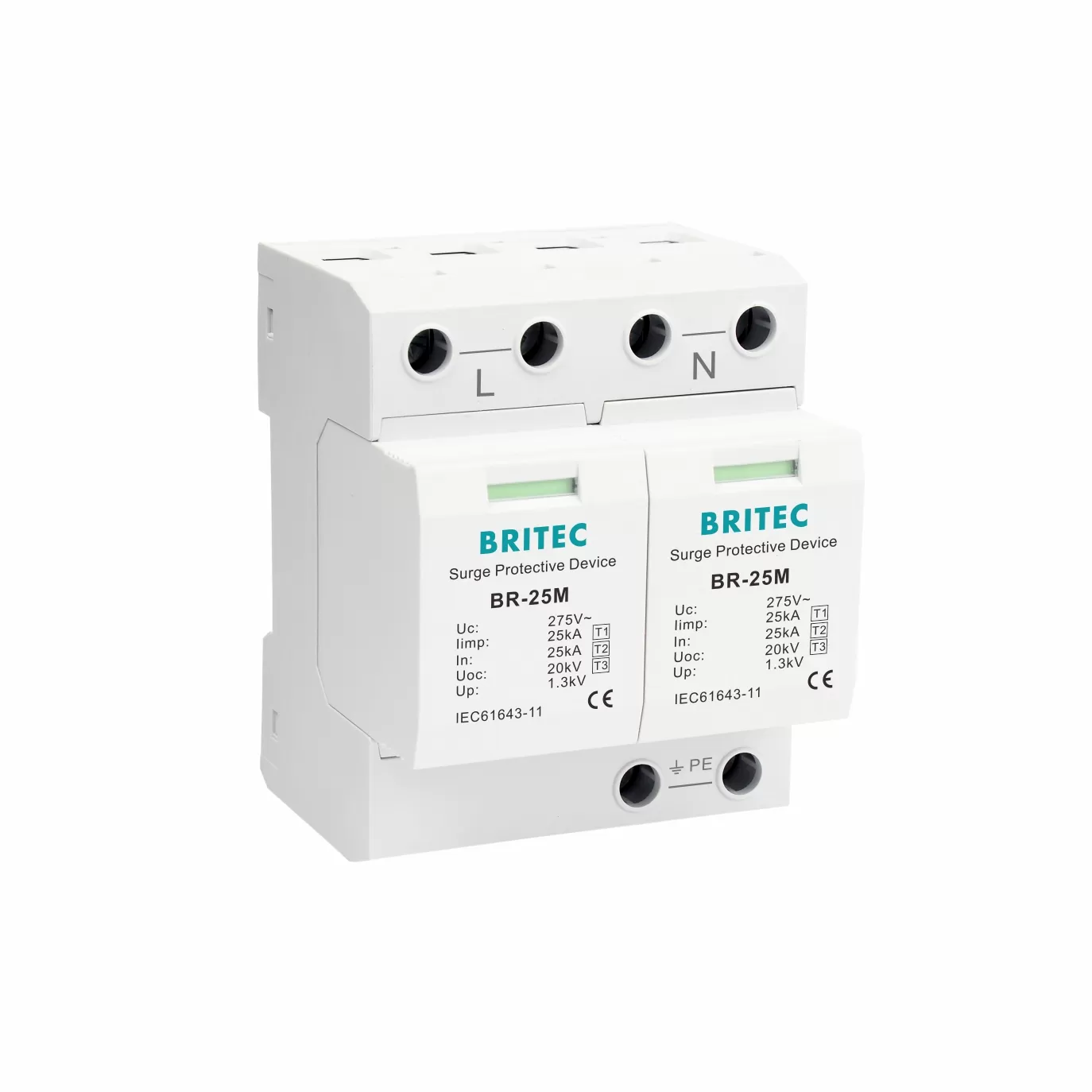
The joule rating of a surge protector indicates how much energy it can absorb before it fails. The higher the joule rating, the more protection it offers. For example:
When selecting a surge protector, ensure it is UL (Underwriters Laboratories) certified. UL certification guarantees that the product meets safety standards and has been tested for durability and reliability. Look for the UL 1449 label for surge protectors, which indicates they are designed specifically for surge protection.
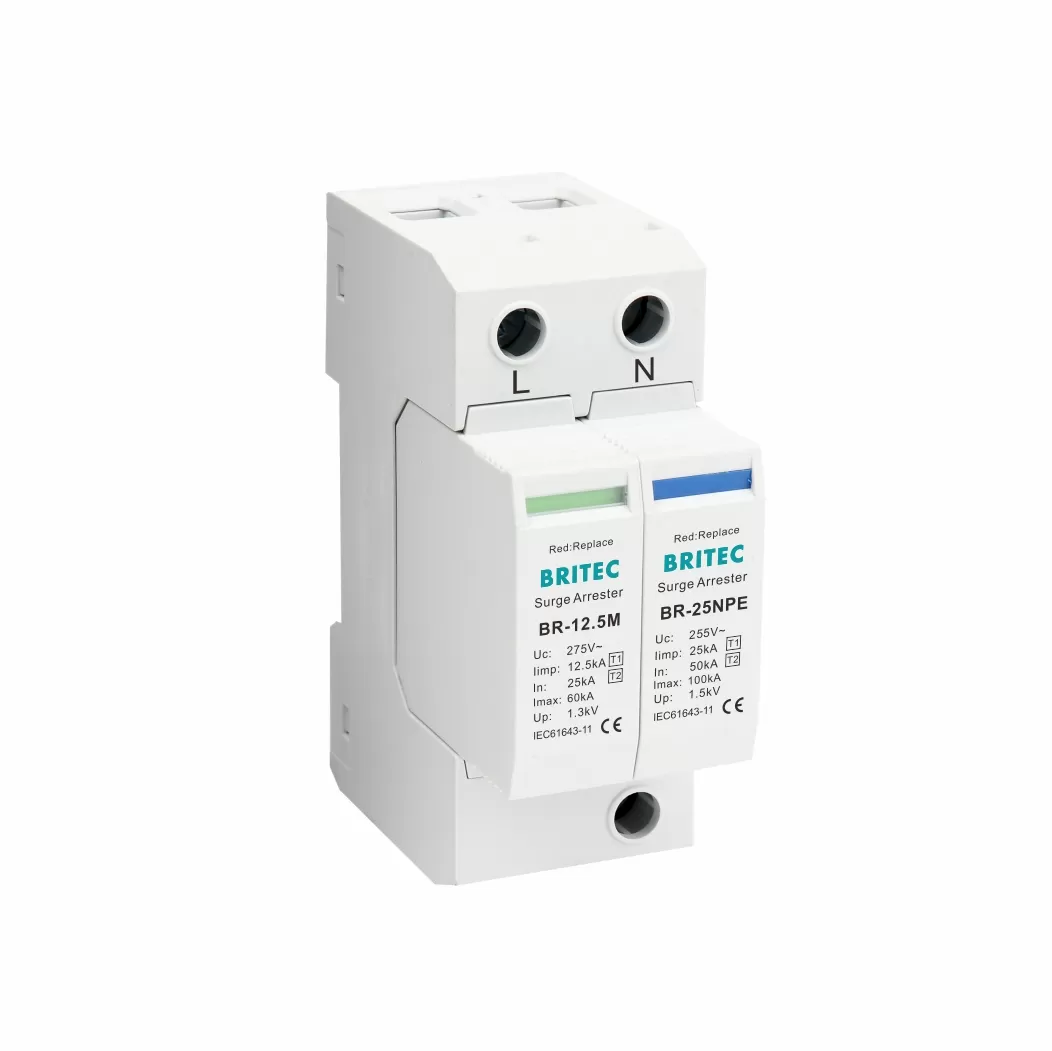
Consider the number of devices you need to connect. Surge protectors come with varying outlet numbers, from 4 to 12 or more. Ensure the protector you choose has enough outlets for all your devices, but avoid overloading it, as this can reduce its effectiveness.
Some surge protectors offer extra features such as:
| Feature | Power Strip Surge Protector | Whole-House Surge Protector | High-End Power Strip Surge Protector |
|---|---|---|---|
| Joule Rating | 600-2,000 | 2,000-6,000 | 3,000-6,000 |
| UL Certification | Yes | Yes | Yes |
| Clamping Voltage | 400V or less | 400V or less | 400V or less |
| Response Time | < 1 nanosecond | < 1 nanosecond | < 1 nanosecond |
| Number of Outlets | 4-12 outlets | Protects entire home | 8-12 outlets |
| Additional Features | USB ports, noise filtering | Whole-house protection | USB ports, coaxial protection |
Choose the appropriate surge protector based on the power, Joule rating, number of ports, and voltage protection level of the equipment you need to protect.
If you’re protecting devices in your home, a power strip surge protector is typically sufficient. However, if you live in an area prone to lightning strikes or have expensive equipment, consider a whole-house surge protector.
Heavy-duty electronics or appliances require higher joule ratings. Don’t settle for a lower-rated surge protector if you have expensive equipment that needs reliable protection.
While high-end surge protectors offer more protection, you don’t need to break the bank. Assess your needs and match them with a surge protector that provides the best value for your money.
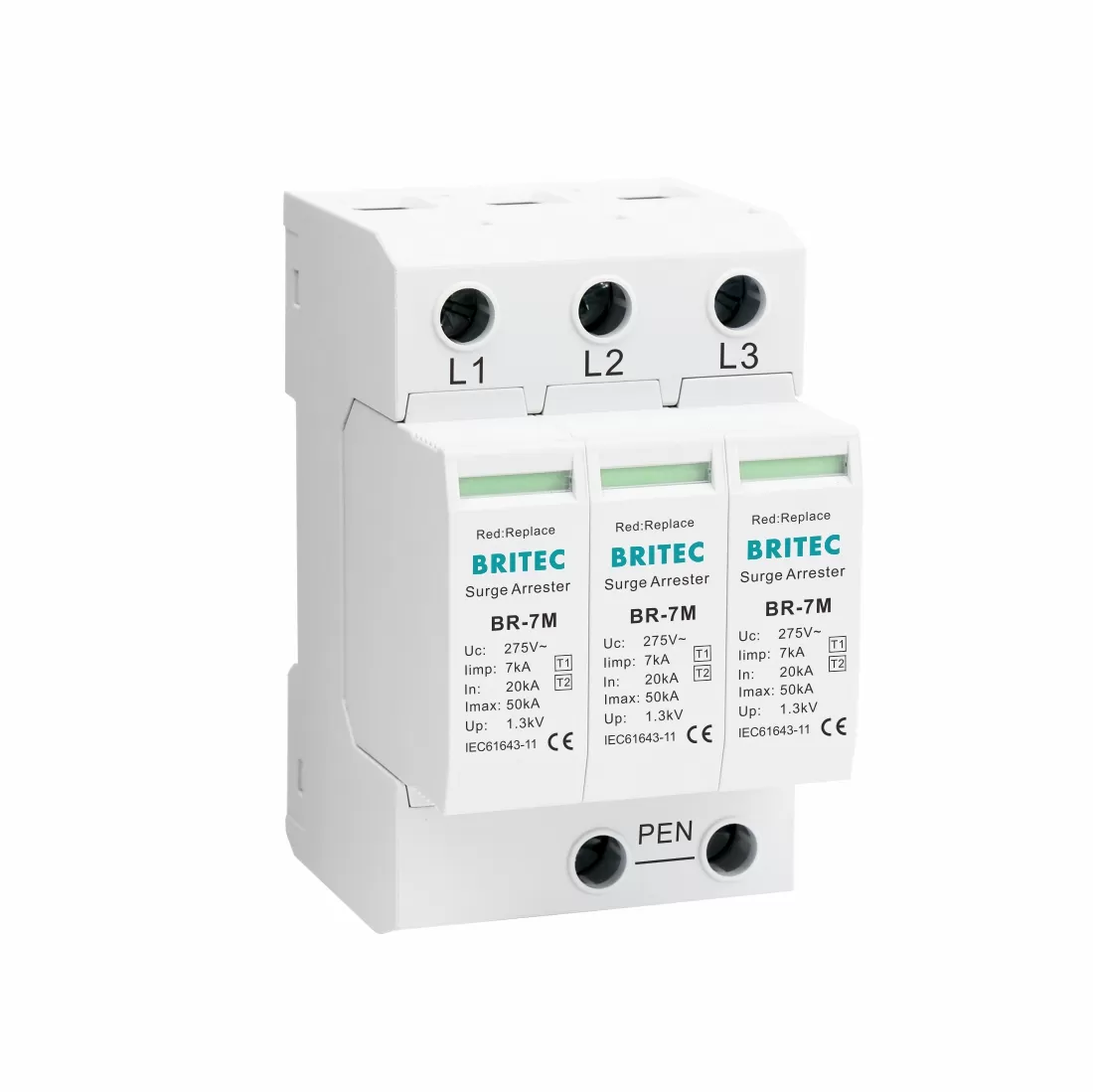
Surge protectors wear out over time. A surge protector’s performance decreases as it absorbs more surges. It’s essential to replace them every few years or after a significant surge event to ensure your electronics remain safe.
Yes! Surge protectors help prevent costly damage to sensitive electronics caused by power spikes.
No, it’s important to choose a surge protector with a higher joule rating and clamping voltage for electronics like TVs.
Overloading a surge protector can reduce its effectiveness and potentially lead to equipment failure or fire hazards.
Surge protectors can last several years but should be replaced after absorbing significant surges.
Yes, not all power strips provide surge protection. Look for one with surge protection features and a UL certification.
Choosing the right surge protector for your devices is crucial in safeguarding your electronics and appliances from unexpected power surges. Whether you’re protecting personal electronics like phones and computers or large household appliances, it’s important to assess your needs based on joule ratings, clamping voltage, and extra features like USB ports or noise filtering. Britec Electric offers a wide range of high-quality surge protectors to fit every requirement and budget.
Don’t wait until a power surge damages your expensive equipment—choose the right surge protector today and enjoy peace of mind!


 Optimized by Seraphinite Accelerator