
Lightning protection is an important part of modern electrical safety, especially for commercial buildings, industrial facilities, and critical infrastructure. However, many people confuse a Type 1 SPD with a Lightning Protection System because both are related to lightning protection.
Although a Type 1 SPD and a Lightning Protection System work together, they serve different protection roles. A Lightning Protection System is designed to intercept and safely discharge direct lightning strikes, while a Type 1 SPD protects electrical systems from high-energy transient overvoltages caused by lightning currents entering the power network.
Understanding the differences between a Type 1 Surge Protective Device and a Lightning Protection System helps engineers, contractors, and building owners design a complete protection strategy.
A Type 1 SPD and a Lightning Protection System are two different technologies used in electrical safety applications. The main difference is their protection target.
A Lightning Protection System focuses on protecting the physical structure of a building from direct lightning strikes, while a Type 1 Surge Protective Device focuses on protecting electrical equipment from surge currents and transient overvoltage.
In practical applications, these two systems are not competitors. Instead, they work together to provide external and internal lightning protection.
The primary protection objective of a Lightning Protection System is to protect buildings, structures, and occupants from direct lightning strikes.
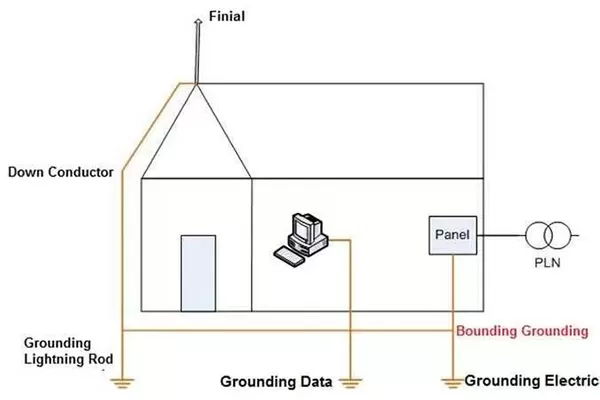
A typical lightning protection system includes air terminals, down conductors, grounding systems, and bonding components. It creates a controlled path that allows lightning current to safely flow into the earth.
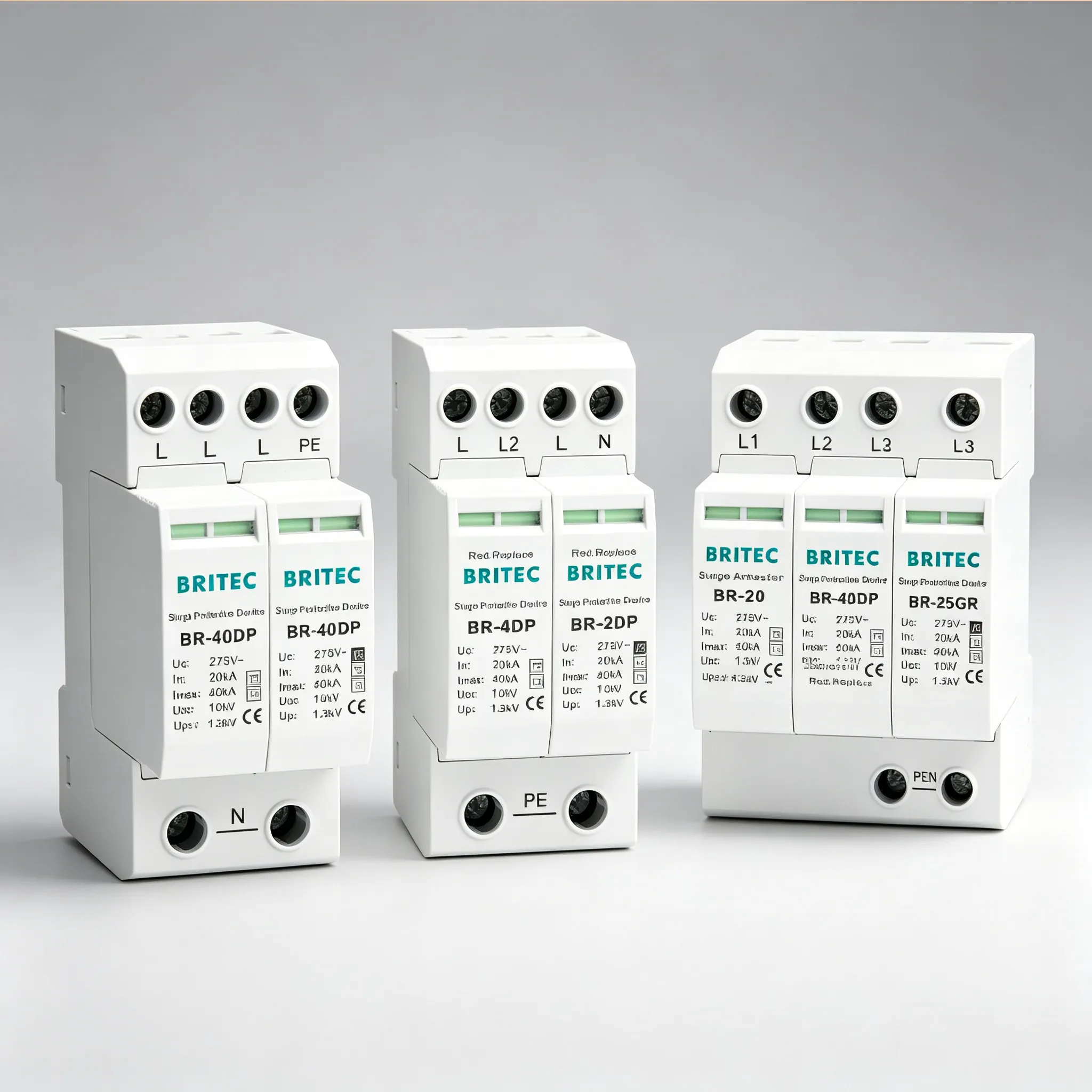
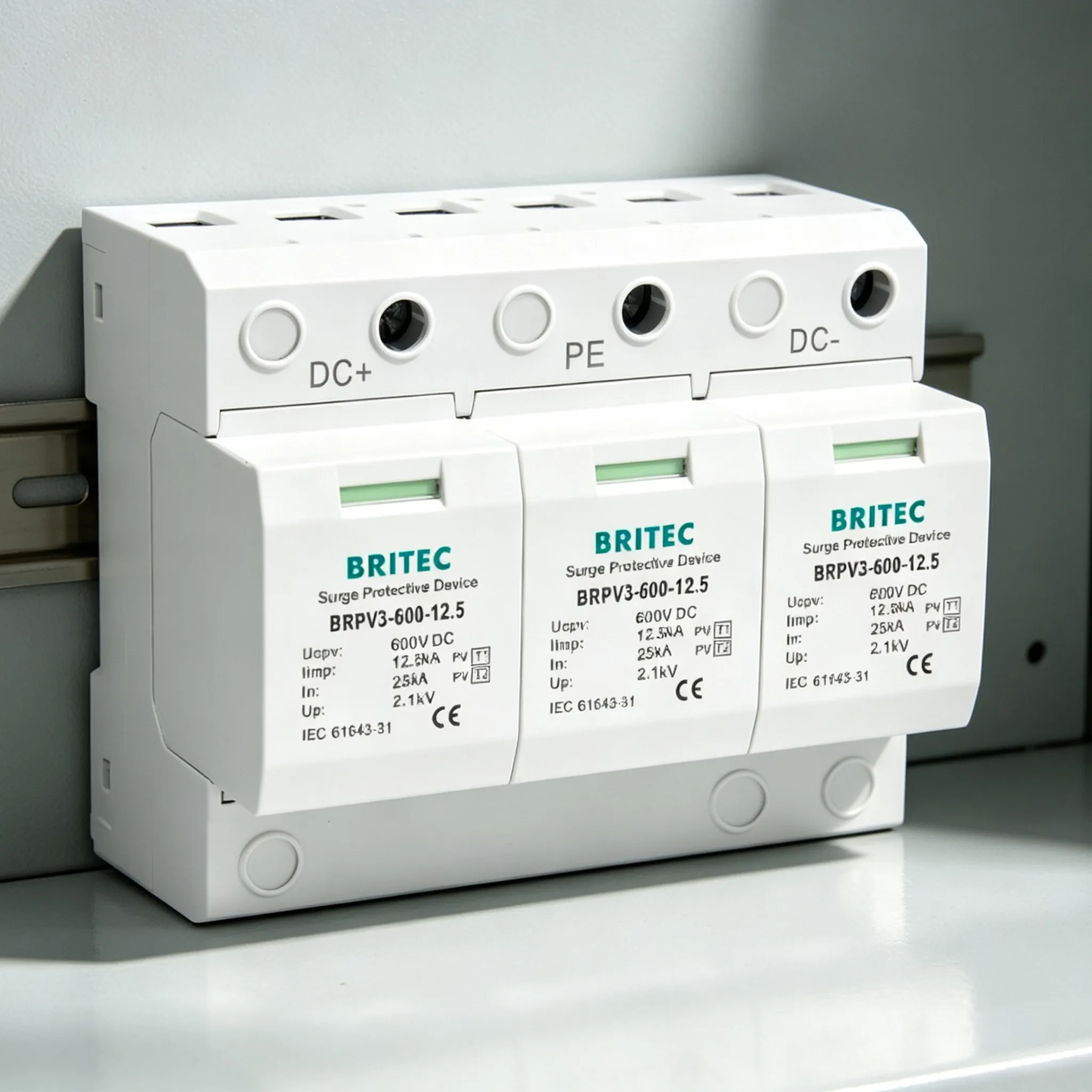
A Type 1 SPD has a different purpose. It protects electrical installations by limiting surge voltage and safely diverting lightning-induced currents away from sensitive equipment.
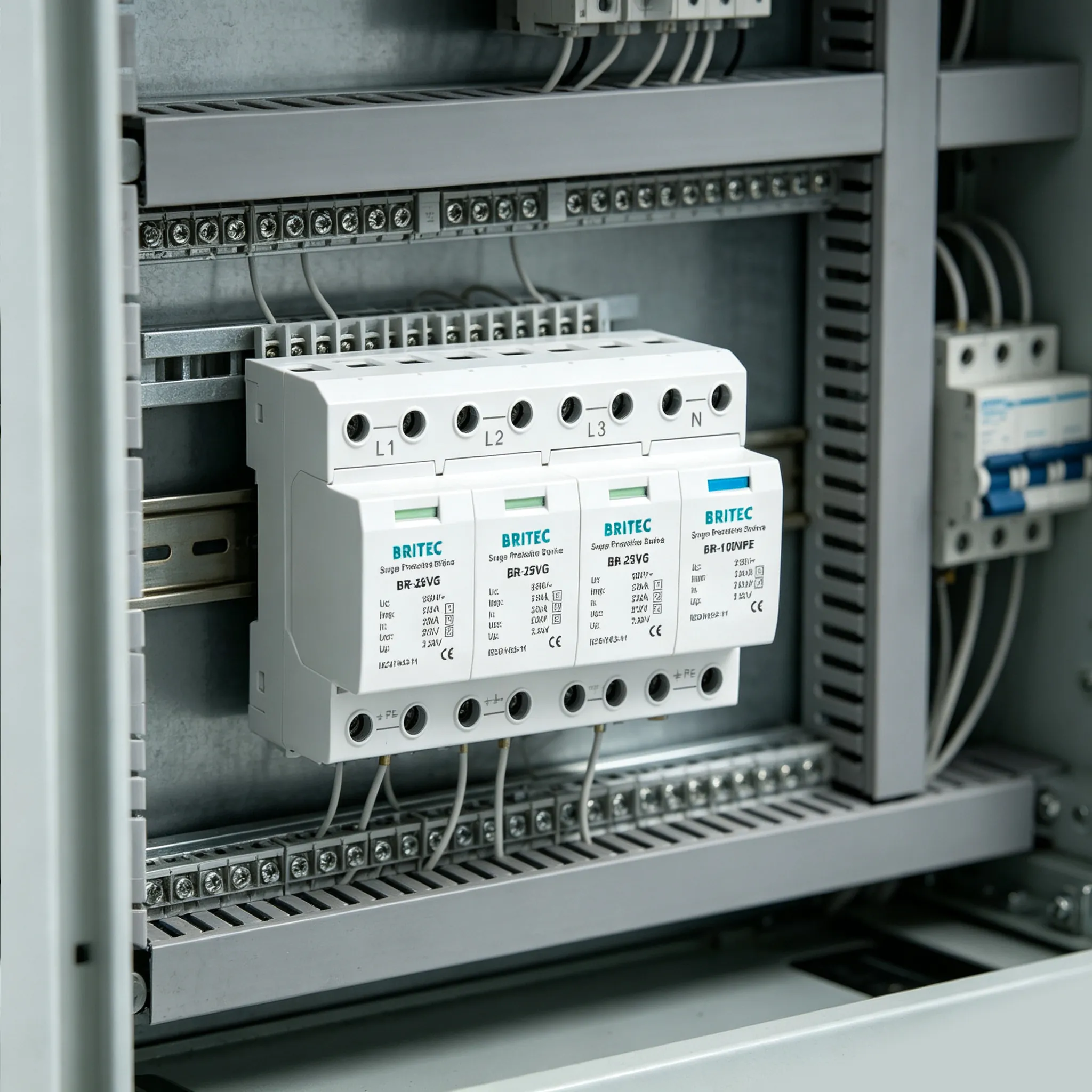
Installed at the entrance of a building’s electrical system, a Type 1 Surge Protector helps prevent damage to distribution panels, switchgear, and connected electrical devices.
The installation location is another major difference between a Type 1 SPD and a Lightning Protection System.
A Lightning Protection System is installed on the external structure of a building. Components are usually placed on rooftops, walls, and grounding areas.
Its purpose is to capture lightning strikes and provide a safe discharge route to the ground.
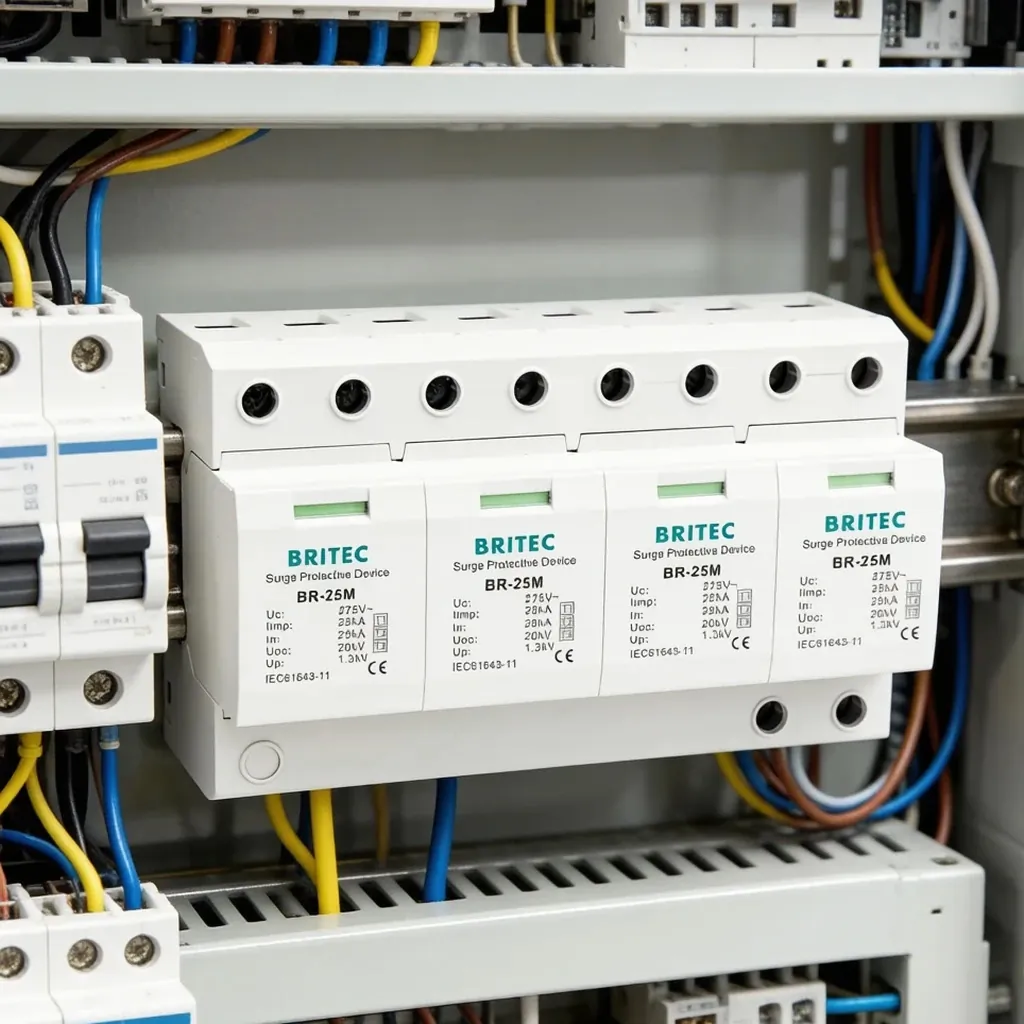
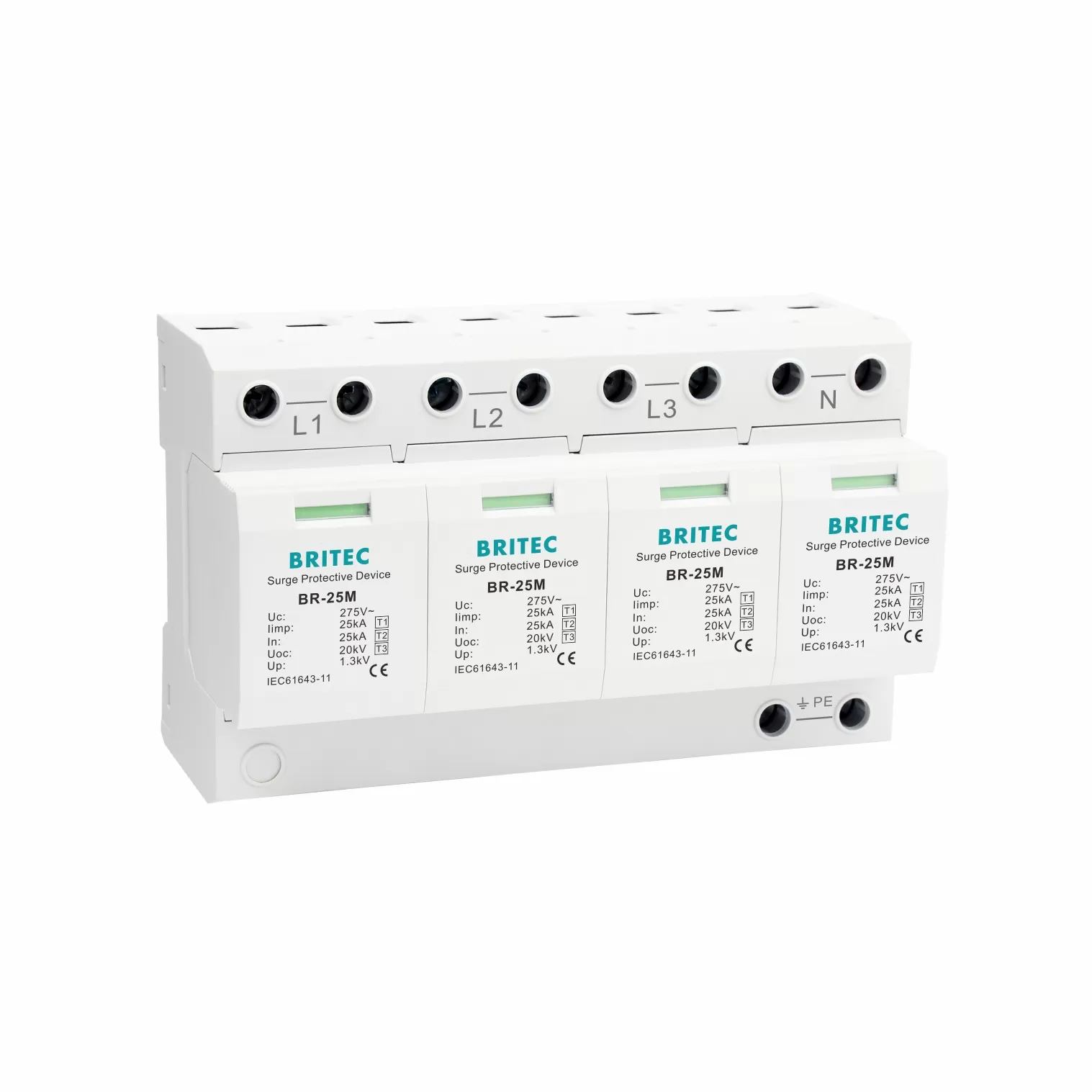
A Type 1 SPD is normally installed at the main electrical service entrance, before the main distribution board.
Because it can handle high-energy lightning currents, a Type 1 Surge Protective Device is commonly used in buildings with a risk of direct lightning exposure.
The protection methods used by these two systems are fundamentally different.
A Lightning Protection System uses physical interception and grounding technology. It captures lightning energy through air terminals and transfers the current safely into the earth.
A Type 1 SPD uses surge protection components such as metal oxide varistors (MOVs), spark gaps, or combined technologies to reduce transient overvoltage.
When a surge occurs, the Type 1 Surge Protective Device provides a low-impedance path for surge current, protecting downstream electrical equipment.
Lightning Protection Systems and Type 1 SPD products follow different industry standards because they address different protection requirements.
Lightning protection systems are commonly designed according to standards such as IEC 62305, which defines requirements for risk assessment, external lightning protection, and grounding systems.
Type 1 Surge Protective Devices are generally evaluated according to standards such as IEC 61643-11, which specifies performance requirements for surge protective devices connected to low-voltage power systems.
Selecting products that comply with applicable standards ensures reliable protection performance and installation safety.
Using only a Lightning Protection System or only a Type 1 SPD may not provide complete protection. Modern buildings contain sensitive electrical equipment that requires both external and internal protection.
A Type 1 SPD protects the internal electrical system by controlling surge voltage entering through power supply lines.
Even when a building has a lightning protection system, lightning currents can still generate powerful transient overvoltages that travel through electrical cables.
A Type 1 Surge Protective Device reduces these risks by limiting voltage levels and protecting electrical distribution equipment.
A Lightning Protection System is responsible for managing direct lightning strikes before they enter the building structure.
By providing a dedicated discharge path, it reduces the possibility of structural damage, fire hazards, and dangerous voltage differences.
The combination of a Lightning Protection System and Type 1 SPD creates a complete protection strategy.
The external system manages direct lightning energy, while the Type 1 Surge Protective Device protects electrical installations from remaining surge effects.
For commercial buildings, factories, and critical facilities, coordinated lightning and surge protection improves system reliability and reduces equipment downtime.
Choosing the correct Type 1 SPD requires consideration of electrical system parameters, installation conditions, and lightning risk levels.
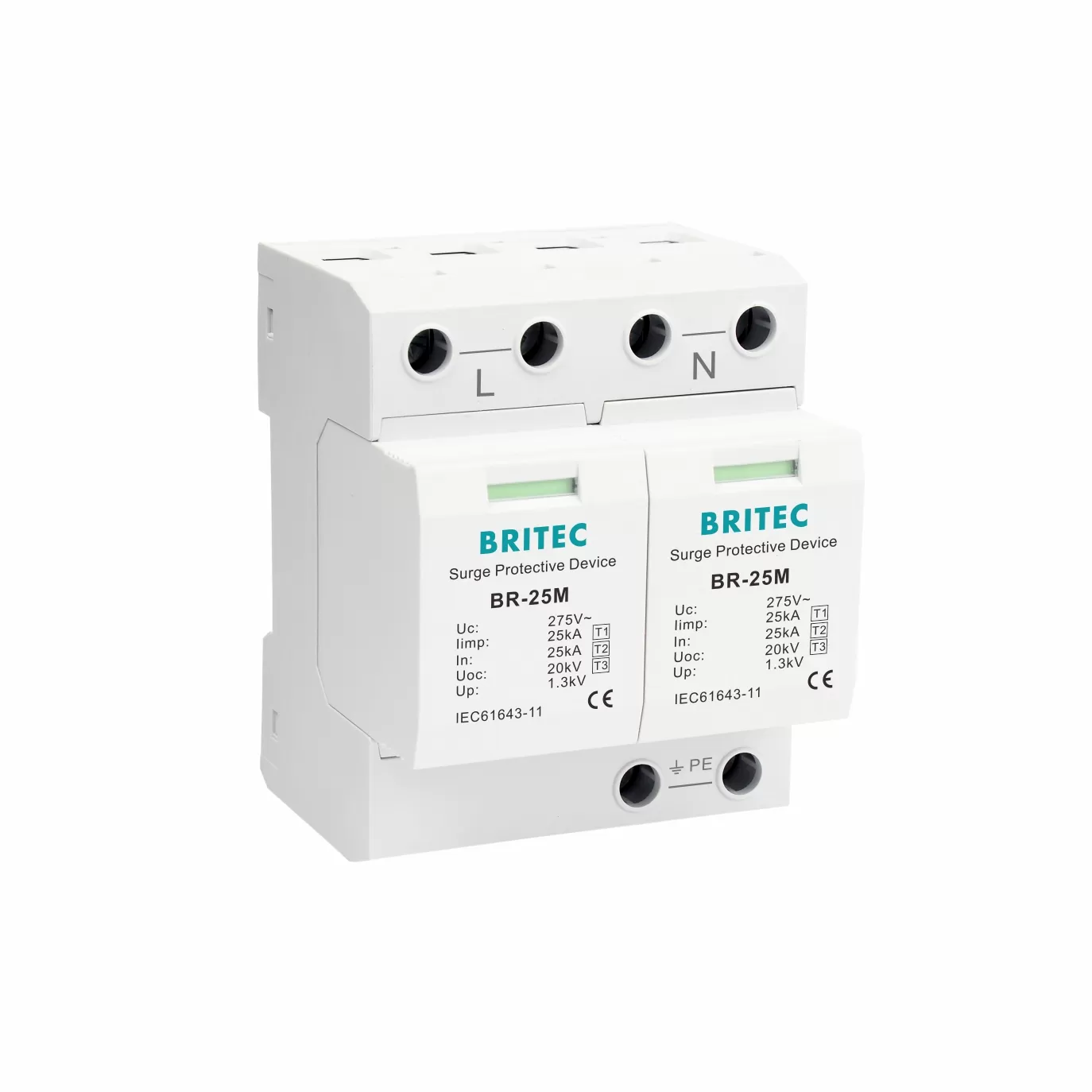
The impulse current rating (Iimp) is one of the most important specifications for a Type 1 SPD.
Because Type 1 Surge Protective Devices are designed for high-energy applications, they must withstand partial lightning currents entering through the electrical system.
A higher Iimp rating provides stronger protection capability for buildings with higher lightning exposure risks.
The voltage protection level (Up) indicates the maximum residual voltage that appears during surge protection operation.
A lower Up value means better protection for sensitive electrical equipment. Engineers should select a Type 1 SPD with a suitable protection level based on the requirements of the electrical installation.
Before selecting a Type 1 Surge Protective Device, confirm the electrical system configuration, including:
Correct system matching ensures the Type 1 SPD operates safely and effectively.
No. A Type 1 SPD and a Lightning Protection System have different functions. A Lightning Protection System protects buildings from direct lightning strikes, while a Type 1 SPD protects electrical systems from surge currents and transient overvoltage.
No. A Type 1 Surge Protector cannot replace lightning rods or external lightning protection systems. It only provides internal electrical surge protection.
Yes. For buildings with high lightning risk, using both systems provides more complete protection by managing both direct lightning strikes and electrical surges.
A Type 1 Surge Protective Device is usually installed at the main electrical service entrance or the first distribution panel of a building.
Type 1 SPD products are generally tested according to IEC 61643-11 requirements for low-voltage surge protective devices.
The design order depends on the project requirements. Generally, external lightning protection planning and grounding design should be considered together with Type 1 SPD installation to create coordinated protection.
A Type 1 SPD provides internal electrical protection by limiting surge voltage, while a Lightning Protection System provides external protection by safely conducting direct lightning currents to the ground.
A Type 1 SPD and a Lightning Protection System serve different but complementary protection roles. A Lightning Protection System protects the physical structure from direct lightning strikes, while a Type 1 Surge Protective Device protects electrical equipment from dangerous transient overvoltages.
For modern commercial and industrial buildings, combining both systems creates a complete lightning and surge protection strategy. Selecting the correct Type 1 SPD based on Iimp rating, voltage protection level, and electrical configuration helps improve electrical safety and system reliability.