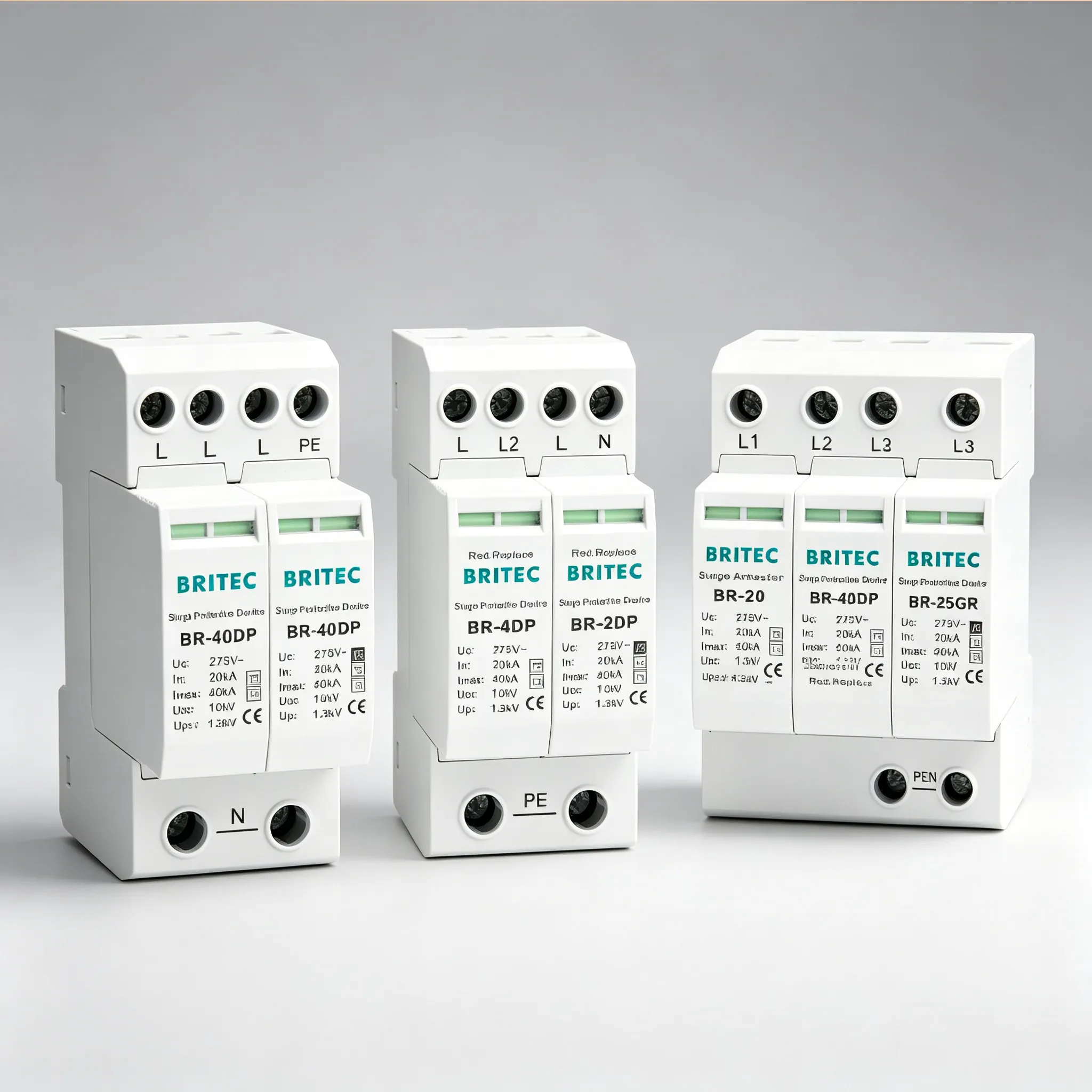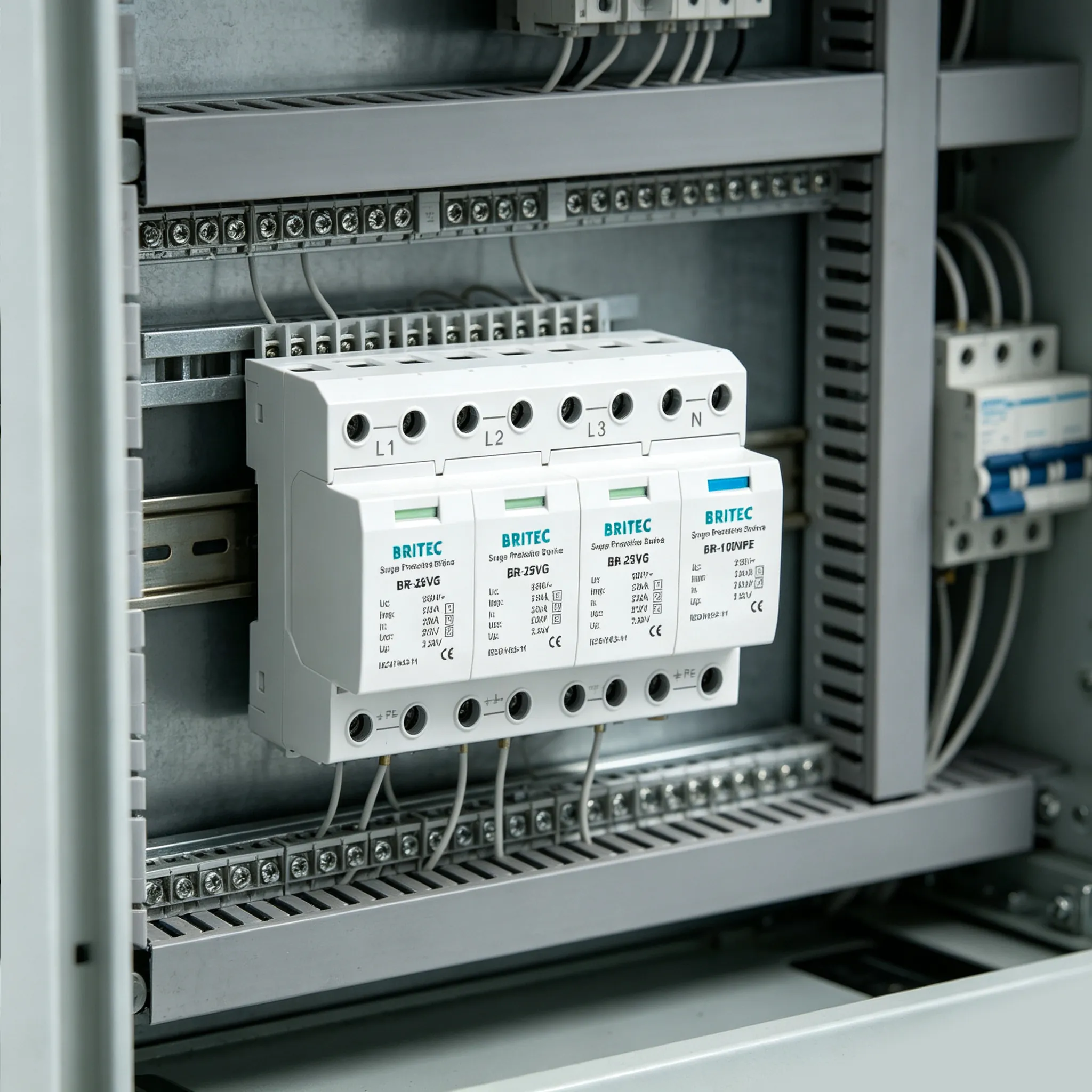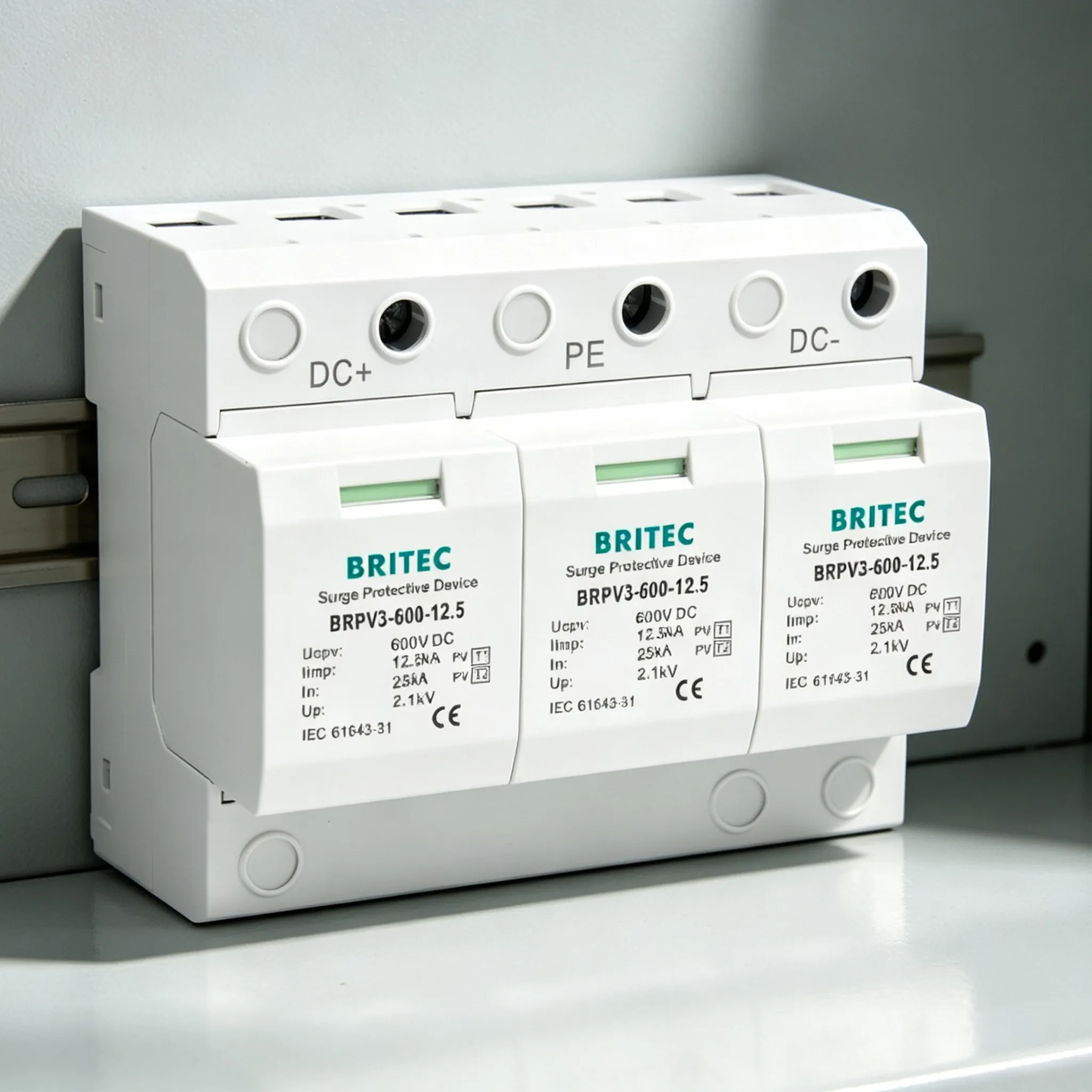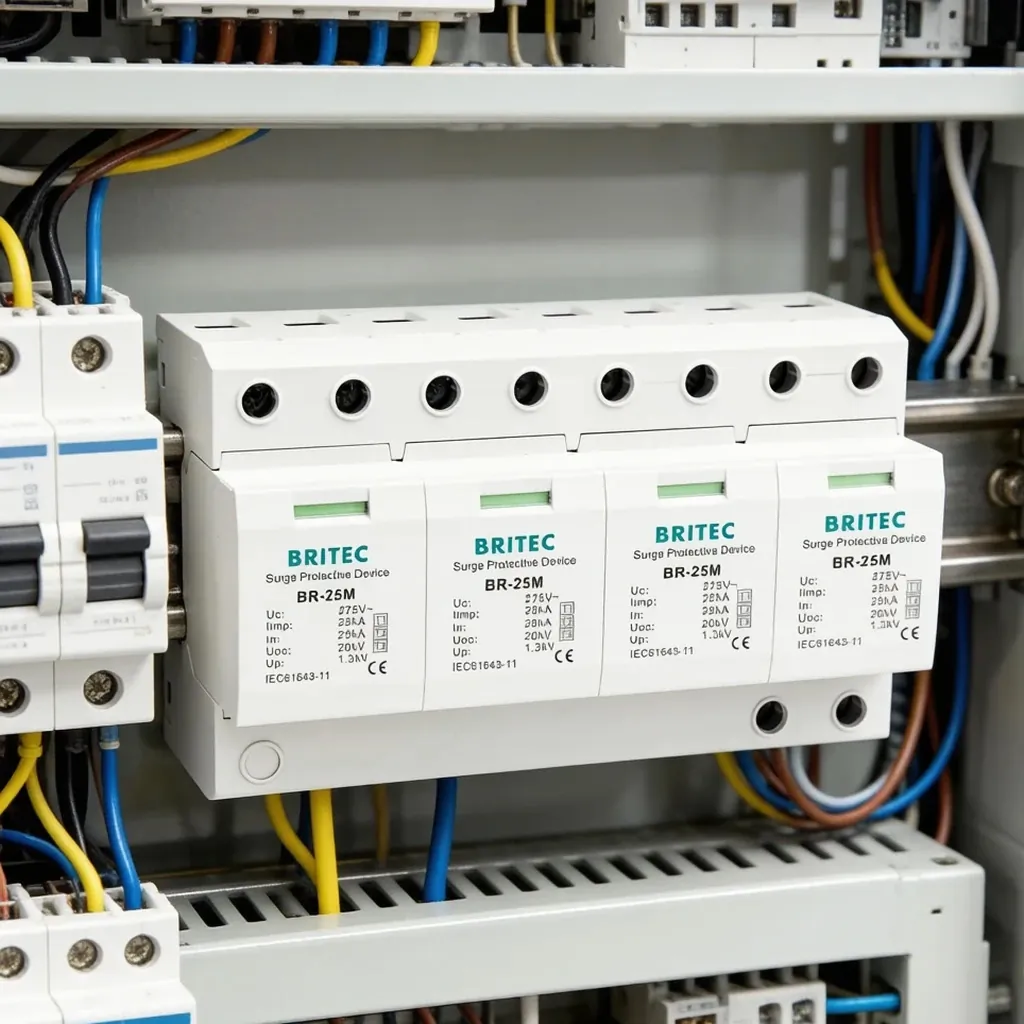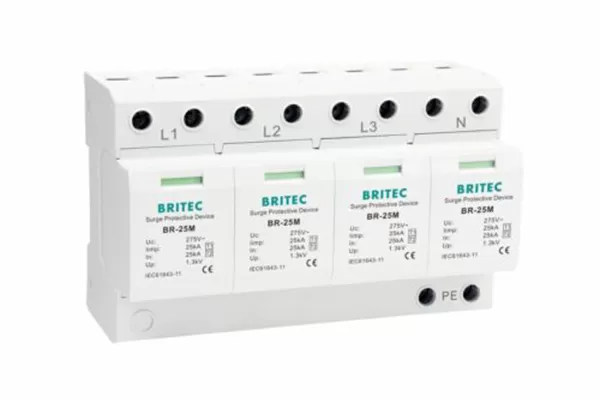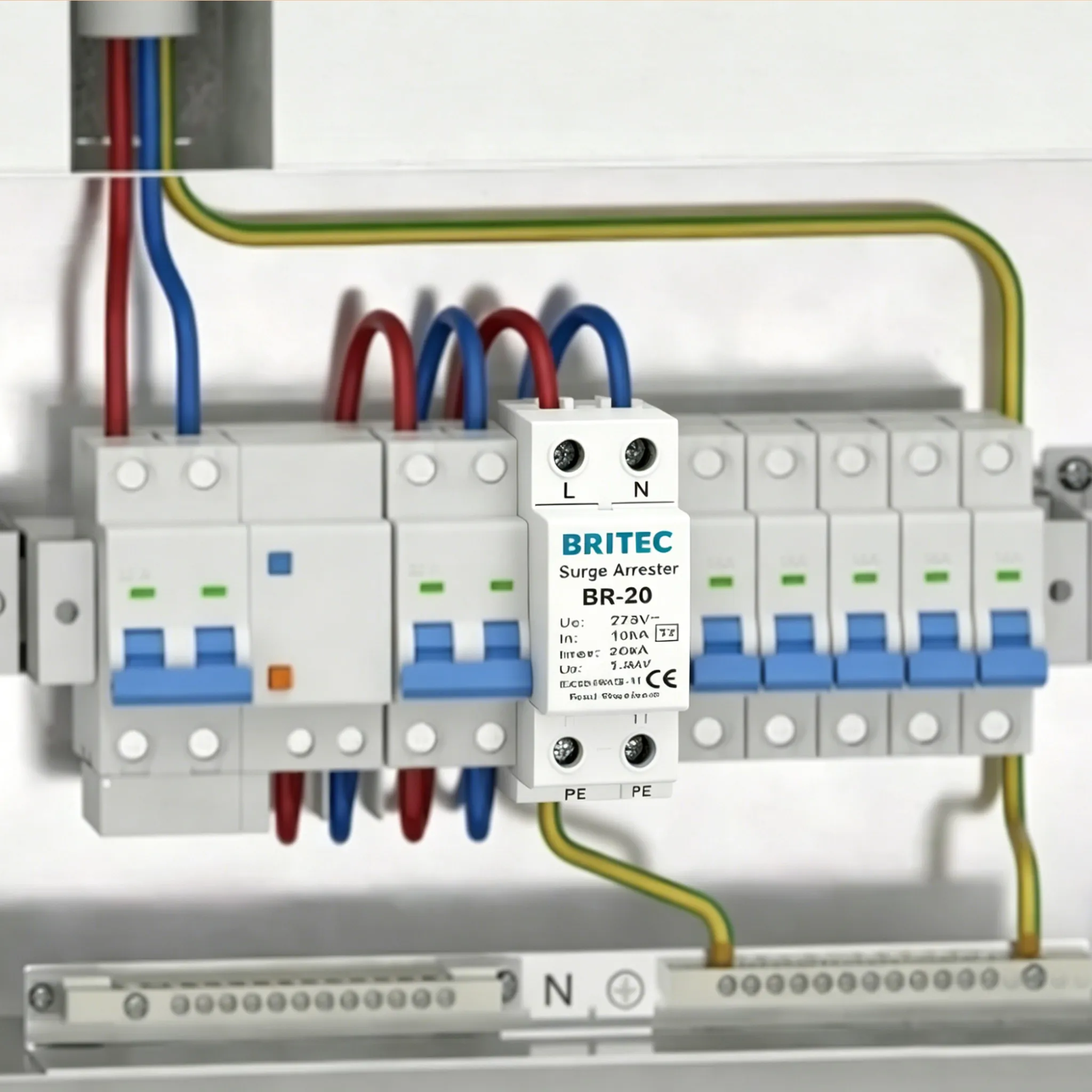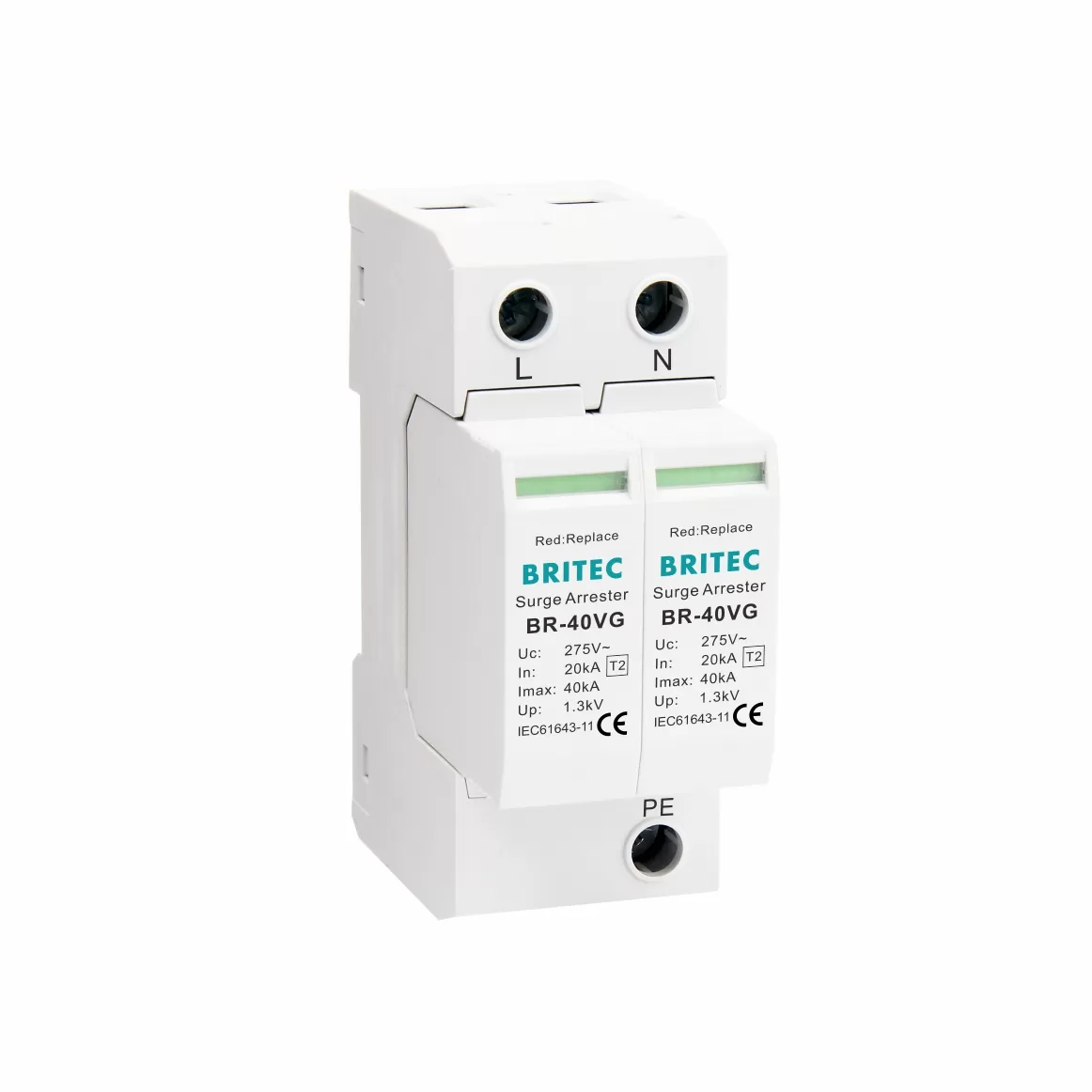

When it comes to protecting your facility’s electrical infrastructure, you might think a standard circuit breaker is enough. But here’s the thing—electrical surges happen more often than you realize, and they can silently wreak havoc on your systems. That’s where an electric SPD comes in. In this article, we’ll dive into why every modern electrical panel should have an Electric SPD, explore technical considerations, and show you how Britec Electric’s solutions provide reliable protection, improve ROI, and keep your operations running smoothly.
An Electric SPD, or Surge Protective Device, is designed to safeguard electrical systems from transient overvoltages caused by lightning strikes, switching events, or utility anomalies. Think of it as a “shock absorber” for your electrical panels—it channels harmful surges away from sensitive equipment, preventing catastrophic damage.
Without one, your distribution panel is vulnerable to everything from appliance failure to complete system downtime. For industrial facilities, even a brief surge can cost thousands in repairs and lost productivity.
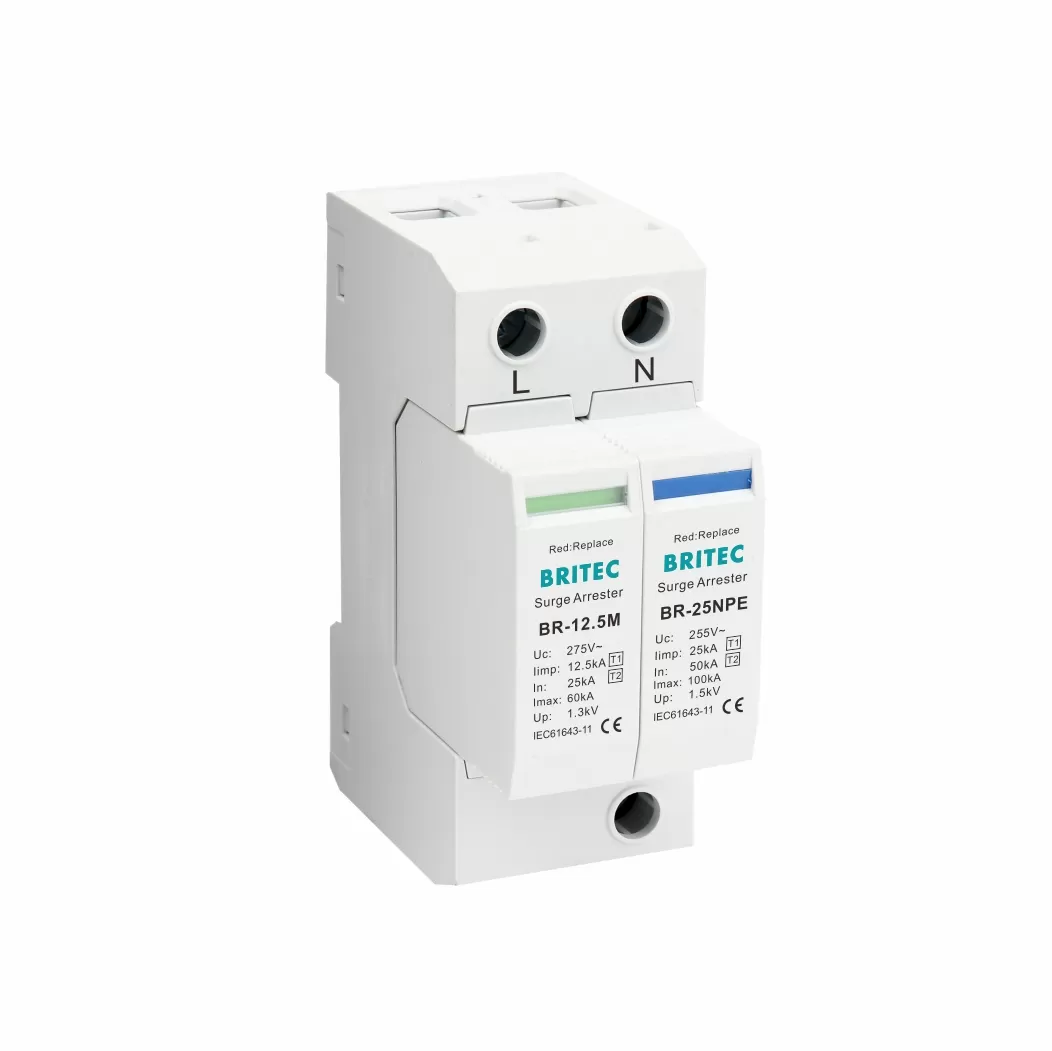
Electrical surges can originate from multiple sources:
● Lightning strikes near or on your property.
● Power grid switching and voltage fluctuations.
● Large motors or HVAC systems turning on/off.
● Faulty wiring or insulation breakdowns.
Ignoring these risks is like leaving your front door wide open during a storm—you never know when disaster will strike.
At its core, an Electric SPD works by diverting excess voltage away from your equipment. Most devices use metal oxide varistors (MOVs) or gas discharge tubes to absorb and redirect energy. When a surge occurs, the SPD immediately reacts, shunting excess electricity to the ground, while allowing normal voltage to continue uninterrupted.
The beauty of modern SPDs is their fast response time—often in nanoseconds—and their ability to handle repeated surges over the lifespan of your electrical panel.
Let’s make this tangible. Here’s a technical comparison table showing the performance difference:
| Feature | No SPD Installed | Basic SPD | High-Performance Electric SPD |
|---|---|---|---|
| Surge Protection Level | None | Moderate | High |
| Lightning Protection | Limited | Good | Excellent |
| Equipment Lifespan | Reduced | Improved | Maximized |
| Downtime Risk | High | Medium | Low |
| Compliance Support | No | Partial | Full |
| Long-Term Cost Savings | None | Moderate | Significant |
As you can see, installing a high-performance Electric SPD can drastically reduce downtime, protect critical equipment, and provide long-term cost savings. In fact, many facilities report 20–40% fewer equipment failures after integrating SPDs into their panels.
● Extends the life of electrical equipment.
● Reduces unplanned downtime, keeping production on track.
● Meets industry compliance standards, avoiding potential fines.
● Protects sensitive electronics from surges, spikes, and lightning strikes.
● Offers predictable maintenance schedules and lowers replacement costs.
Many buyers focus on the purchase price of an electrical panel, switchgear assembly, or automation system. That makes sense. Capital expenditure is visible, measurable, and easy to justify.
However, the real expense often appears later.
When an electrical surge damages equipment, the financial impact extends far beyond replacing a failed component. You may face production interruptions, emergency maintenance costs, delayed deliveries, customer dissatisfaction, and even safety concerns.
In many cases, the absence of an Electric SPD becomes far more expensive than the device itself.
Modern facilities rely heavily on sensitive electronic components. Variable frequency drives (VFDs), programmable logic controllers (PLCs), sensors, communication modules, and industrial computers all operate within precise voltage ranges.
A transient surge lasting only microseconds can damage these components.
Common consequences include:
● Burned control boards.
● Damaged power supplies.
● Communication failures.
● Sensor malfunctions.
● Unexpected equipment shutdowns.
● Reduced equipment lifespan.
Imagine purchasing a production machine worth $150,000. A single surge event may not destroy the machine entirely, but replacing damaged electronics could still cost thousands of dollars.
The frustrating part? The damage is often invisible until performance begins to deteriorate.
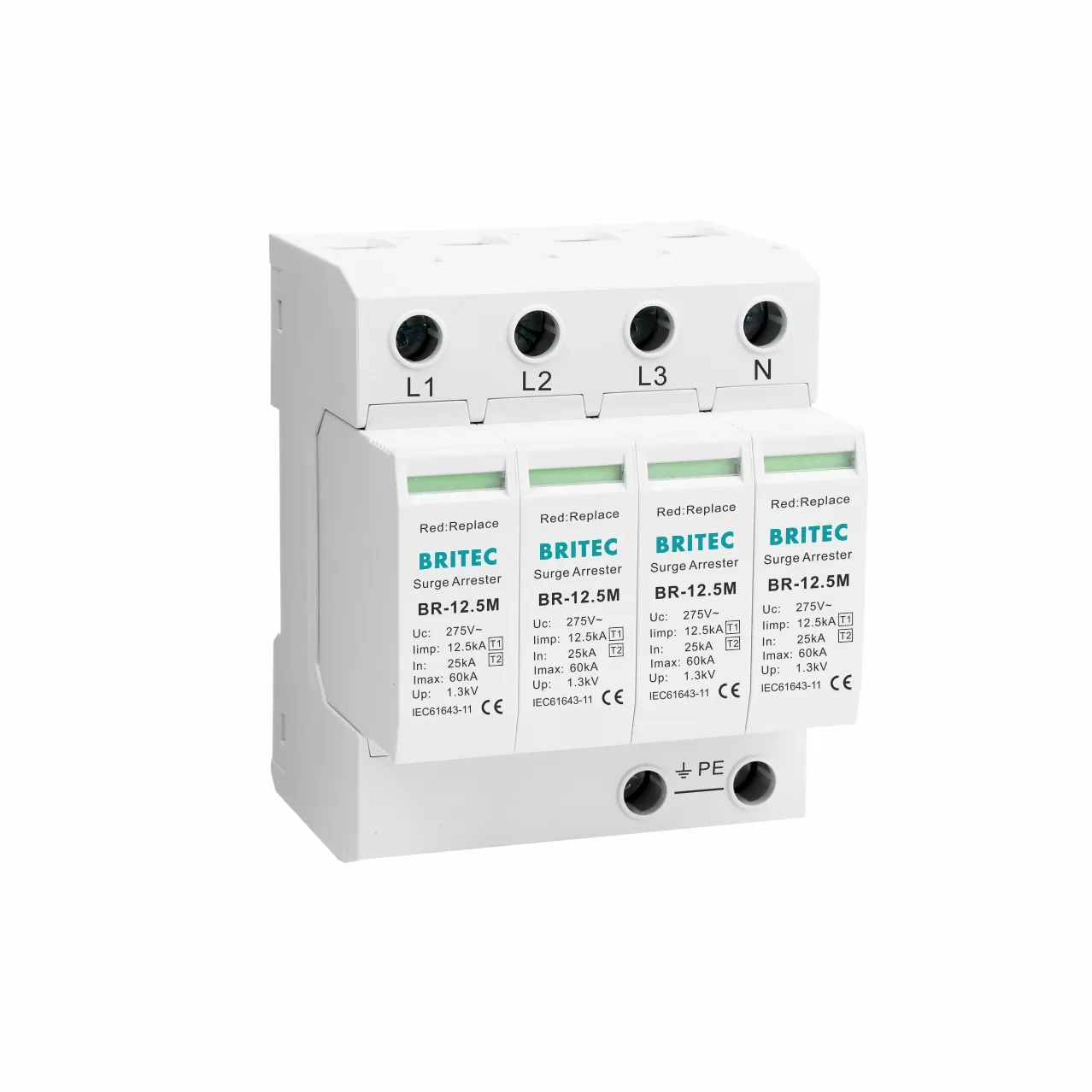
For manufacturers, downtime is usually the most expensive consequence.
Every minute a production line stops represents lost output. Depending on the industry, losses can range from hundreds to thousands of dollars per hour.
A food processing facility, for example, experienced repeated shutdowns caused by voltage spikes originating from utility switching operations. The company initially suspected equipment defects.
After conducting a power quality assessment, engineers discovered surge-related damage to multiple control circuits.
Once Electrical Surge Protection devices were installed throughout the facility, unexpected shutdowns decreased dramatically.
The lesson is simple: protecting equipment is important, but protecting production continuity is often even more valuable.
Modern electrical standards increasingly emphasize surge protection.
Organizations such as:
● IEC
● UL Solutions
● NFPA
recognize the importance of protecting electrical installations against transient overvoltages.
While regulations vary by country and application, many project specifications now include Surge Protective Devices as standard requirements.
Without adequate protection, facility owners may face:
● Increased insurance risks.
● Failed inspections.
● Compliance challenges.
● Greater liability exposure.
● Reduced system reliability.
For procurement teams, considering compliance during the purchasing phase is much easier than retrofitting protection later.
Not all SPDs are created equal.
Selecting the right device requires more than simply comparing prices.
A low-cost SPD that fails prematurely may provide little value, while a properly engineered solution can deliver years of dependable protection.
One of the most important specifications is surge current capacity.
This value indicates how much surge energy the SPD can safely handle.
Higher surge current ratings generally provide:
● Better protection against severe surge events.
● Longer operational lifespan.
● Greater reliability in industrial environments.
● Improved resilience against repeated surges.
For facilities located in lightning-prone regions, surge capacity becomes particularly important.
A surge occurs extremely quickly.
An effective SPD must respond almost instantly.
Modern Electric SPDs are designed to react within nanoseconds, ensuring sensitive equipment is protected before damage occurs.
When comparing products, buyers should always review:
● Response time.
● Voltage protection level.
● Maximum continuous operating voltage.
● Nominal discharge current.
● Short-circuit current rating.
These specifications provide a clearer picture of overall performance.
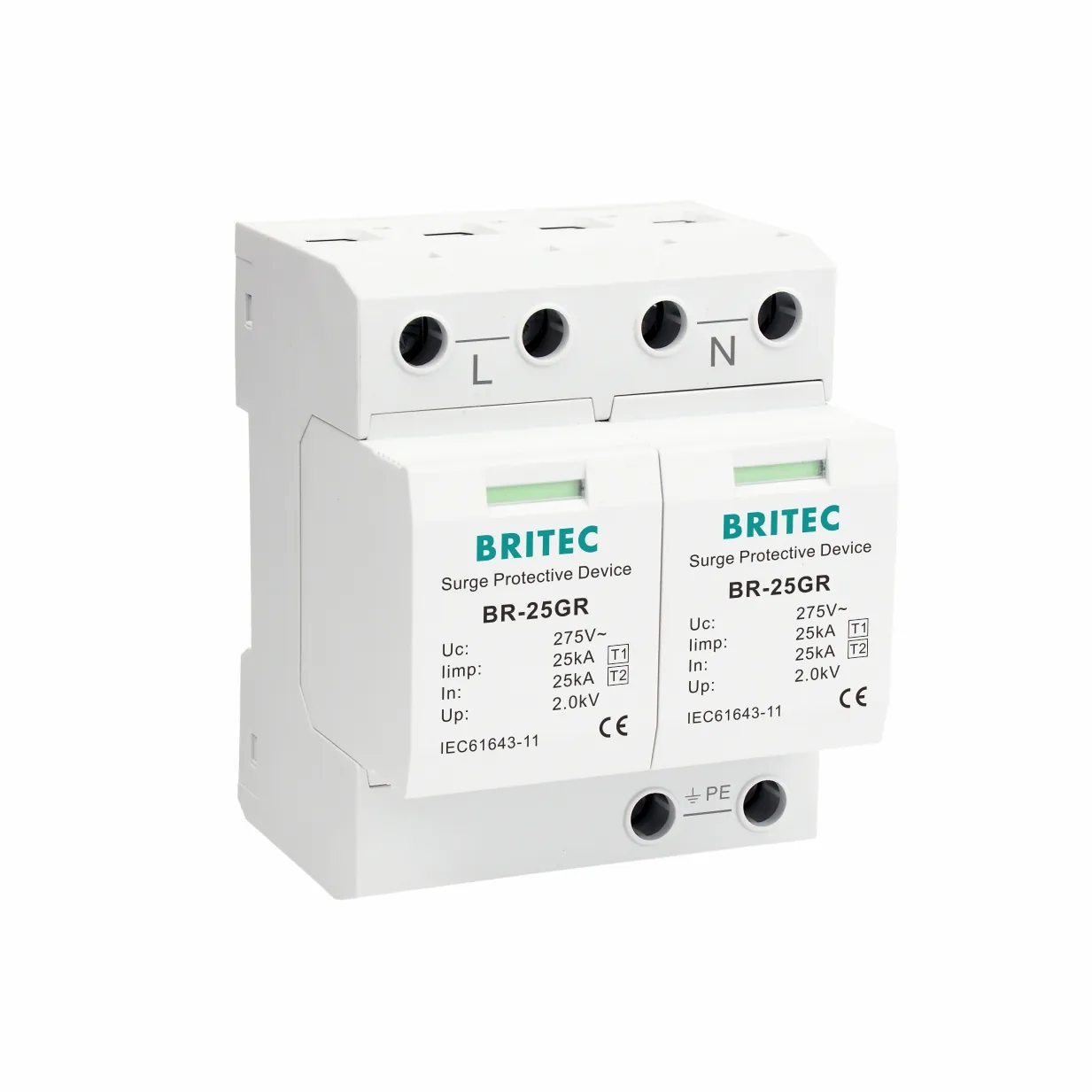
Understanding SPD classifications helps buyers choose the correct solution.
| SPD Type | Installation Location | Main Purpose | Typical Application |
|---|---|---|---|
| Type 1 SPD | Service entrance | Lightning protection | Buildings with external lightning protection systems |
| Type 2 SPD | Distribution panel | Internal surge protection | Commercial and industrial facilities |
| Type 3 SPD | Near equipment | Point-of-use protection | Sensitive electronic devices |
For most industrial and commercial electrical panels, Type 2 SPD solutions provide the primary layer of protection.
Many facilities also combine Type 1 and Type 2 devices for enhanced system security.
Reliable suppliers should provide products tested according to recognized standards.
Look for certifications such as:
● IEC 61643.
● UL 1449.
● CE marking.
● RoHS compliance.
● ISO-certified manufacturing processes.
These certifications demonstrate that the product has undergone rigorous testing and meets international requirements.
Procurement decisions should also consider installation efficiency.
An SPD that is easy to install can reduce:
● Labor costs.
● Project timelines.
● Maintenance complexity.
● Future service requirements.
Many buyers underestimate the importance of installation simplicity. Yet over the lifetime of a facility, easier installation often translates into meaningful cost savings.
Choosing an SPD supplier is not only about technical specifications.
It is also about consistency, quality control, engineering support, and long-term reliability.
This is where Britec Electric stands out.
Modern industrial environments present unique challenges.
Facilities may experience:
● Frequent switching operations.
● Heavy motor loads.
● High lightning exposure.
● Complex automation systems.
● Sensitive electronic equipment.
Britec Electric designs its Electric SPD solutions to perform reliably under these demanding conditions.
Each device is engineered to provide dependable protection while maintaining stable system performance.
Different applications require different protection strategies.
Britec Electric offers solutions suitable for:
● Commercial buildings.
● Industrial facilities.
● Manufacturing plants.
● Renewable energy systems.
● Data centers.
● Infrastructure projects.
This flexibility allows procurement teams to source surge protection solutions from a single trusted supplier.
The lowest purchase price does not always produce the lowest total cost of ownership.
A quality SPD contributes to:
● Reduced equipment failures.
● Lower maintenance costs.
● Improved uptime.
● Extended equipment lifespan.
● Better operational continuity.
Over time, these benefits can significantly outweigh the initial investment.
A logistics warehouse operating automated conveyor systems experienced recurring communication failures during thunderstorms.
Management initially focused on replacing damaged components.
However, after implementing a facility-wide Electrical Panel Protection strategy using Britec Electric SPDs, communication interruptions became rare.
The company estimated annual maintenance savings exceeding several thousand dollars, while system availability improved substantially.
That kind of return on investment is difficult to ignore.
When discussing surge protection with purchasing managers and electrical contractors, several priorities consistently emerge:
● Proven product reliability.
● International certifications.
● Competitive lifecycle costs.
● Technical support availability.
● Fast delivery capability.
● Long-term supplier partnership.
Britec Electric aligns closely with these expectations, making it a practical choice for projects of all sizes.
An Electric SPD is a Surge Protective Device designed to protect electrical systems and equipment from transient overvoltages caused by lightning, switching operations, and other surge events.
Electrical panels distribute power throughout a facility. Without surge protection, damaging voltage spikes can travel through the system and affect connected equipment.
While no device can stop a lightning strike, a properly selected SPD can significantly reduce the impact of lightning-induced surges.
The lifespan depends on surge frequency, environmental conditions, and device quality. High-quality SPDs often provide many years of reliable service.
Type 1 SPDs are typically installed at the service entrance, while Type 2 SPDs are installed within distribution panels to protect downstream equipment.
Requirements vary by region and application, but surge protection is increasingly included in modern electrical standards and specifications.
Yes. By minimizing surge-related equipment damage, SPDs often reduce repair frequency and maintenance expenses.
Absolutely. Industrial facilities contain sensitive equipment that can be damaged by transient overvoltages.
Yes. Consistent protection from surges helps reduce electrical stress on equipment components.
Consider surge current capacity, voltage protection level, response time, certifications, installation requirements, and application environment.
Yes. Type 2 SPDs are commonly used in commercial and industrial distribution panels.
Yes. They help safeguard PLCs, sensors, communication networks, and other automation equipment.
In today’s increasingly connected and technology-driven facilities, surge protection is no longer optional. An Electric SPD serves as a critical defense against transient overvoltages that can damage equipment, disrupt operations, and increase maintenance costs. Whether you operate a manufacturing plant, commercial building, logistics center, or infrastructure project, investing in reliable Electrical Surge Protection helps protect valuable assets and maintain business continuity.
For procurement professionals, the decision is ultimately about risk management and long-term value. A high-quality Surge Protective Device can reduce downtime, extend equipment lifespan, support compliance requirements, and improve overall system reliability. If you are planning your next electrical project, consider partnering with Britec Electric to implement a surge protection strategy designed for modern electrical panels and future operational success. Contact Britec Electric today to discuss the right SPD solution for your application.