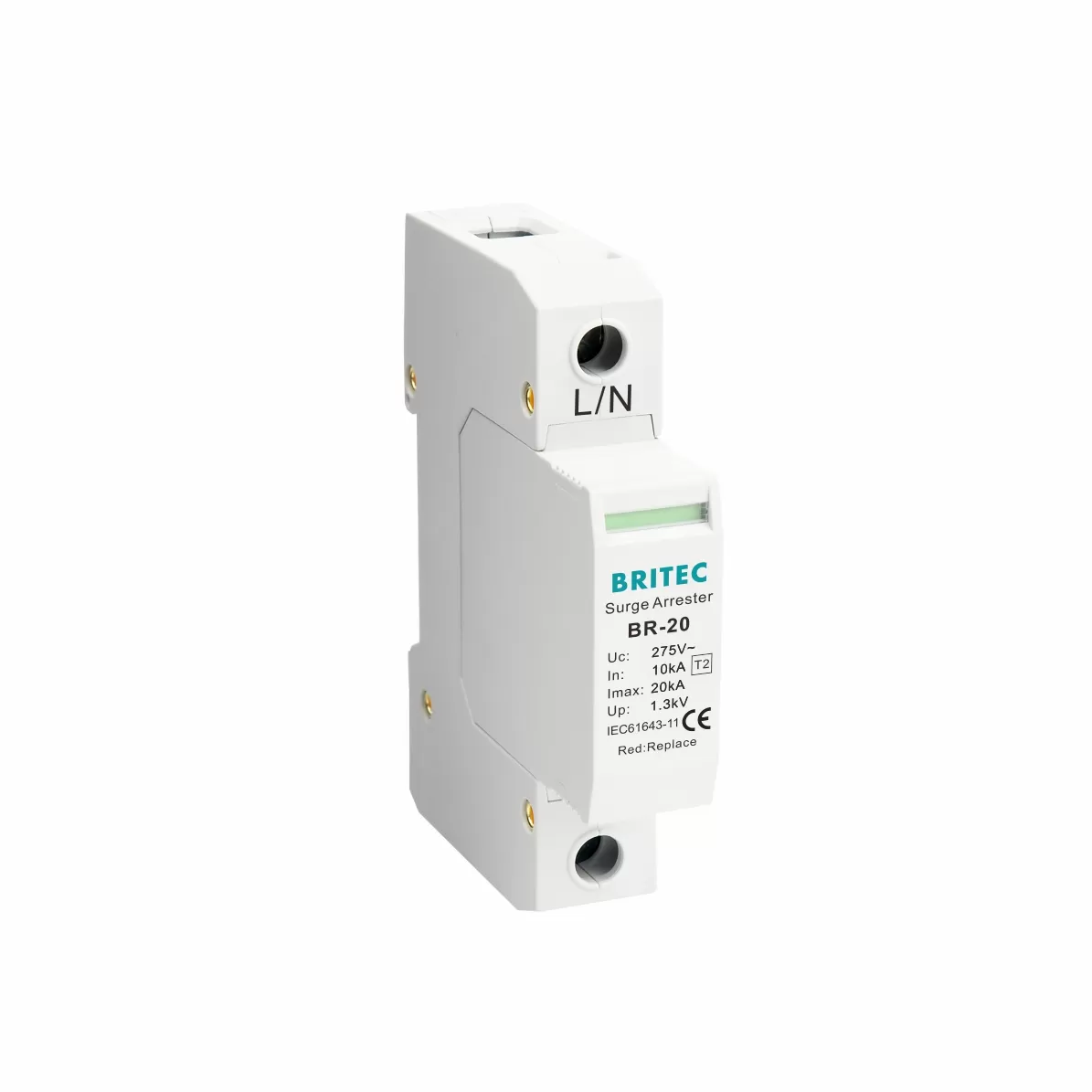

You may have purchased distribution cabinets, circuit breakers, UPSs, and even complete low-voltage systems, but to be honest, surge protectors are often underestimated. It is only until a lightning strike, a grid switch, or an abnormal equipment burnout that the problem becomes truly apparent.
This guide will take you through a systematic understanding of how to correctly use surge protectors, as well as how to select the best surge protector for your project or client, from a practical scenario + procurement perspective, to avoid hidden losses.
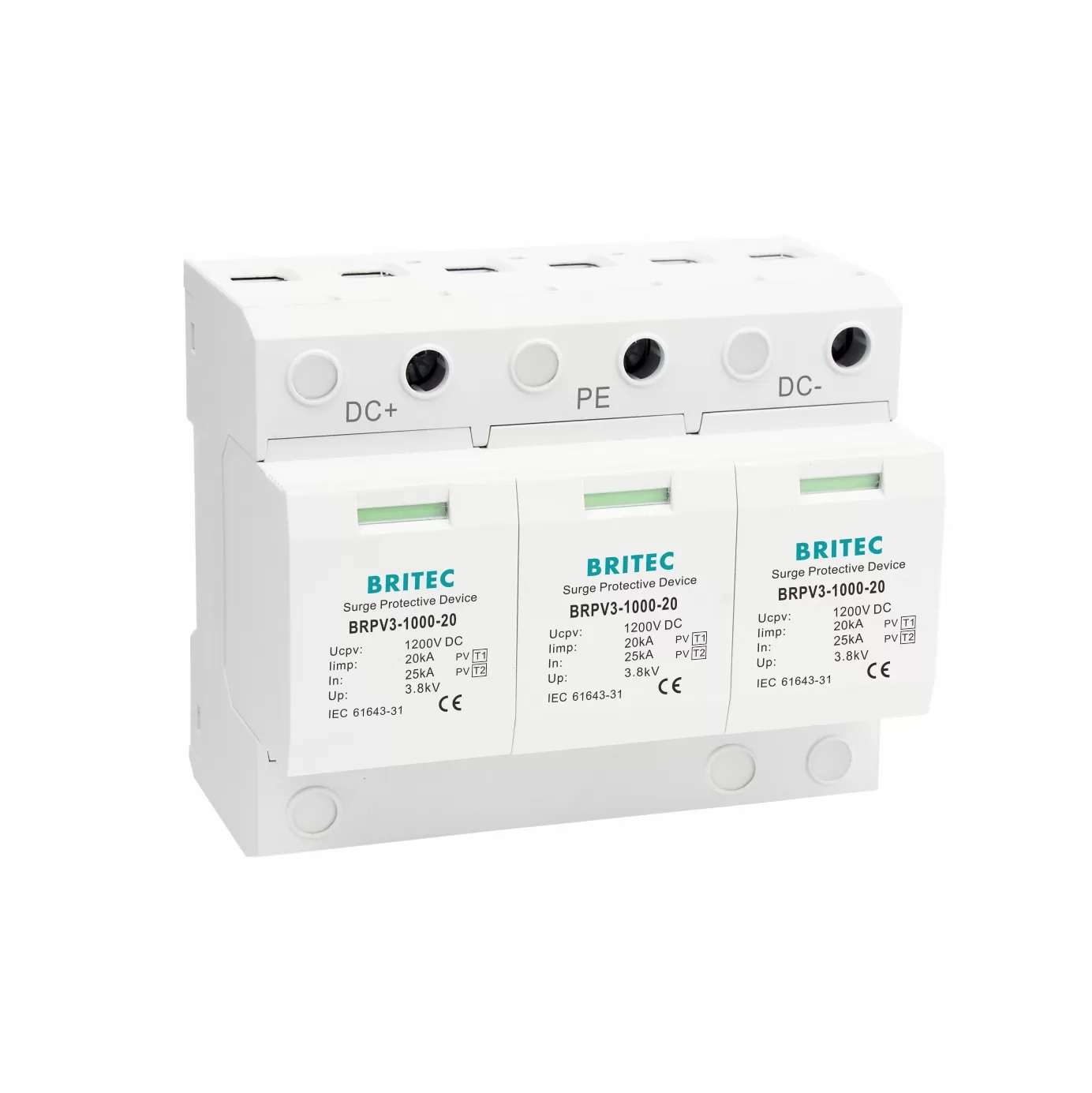
Surge protectors are not products that can be “just installed casually”. The installation location determines 80% of the protective effect. From a procurement perspective, you need to be clear: where the money is spent, the risk is mitigated.
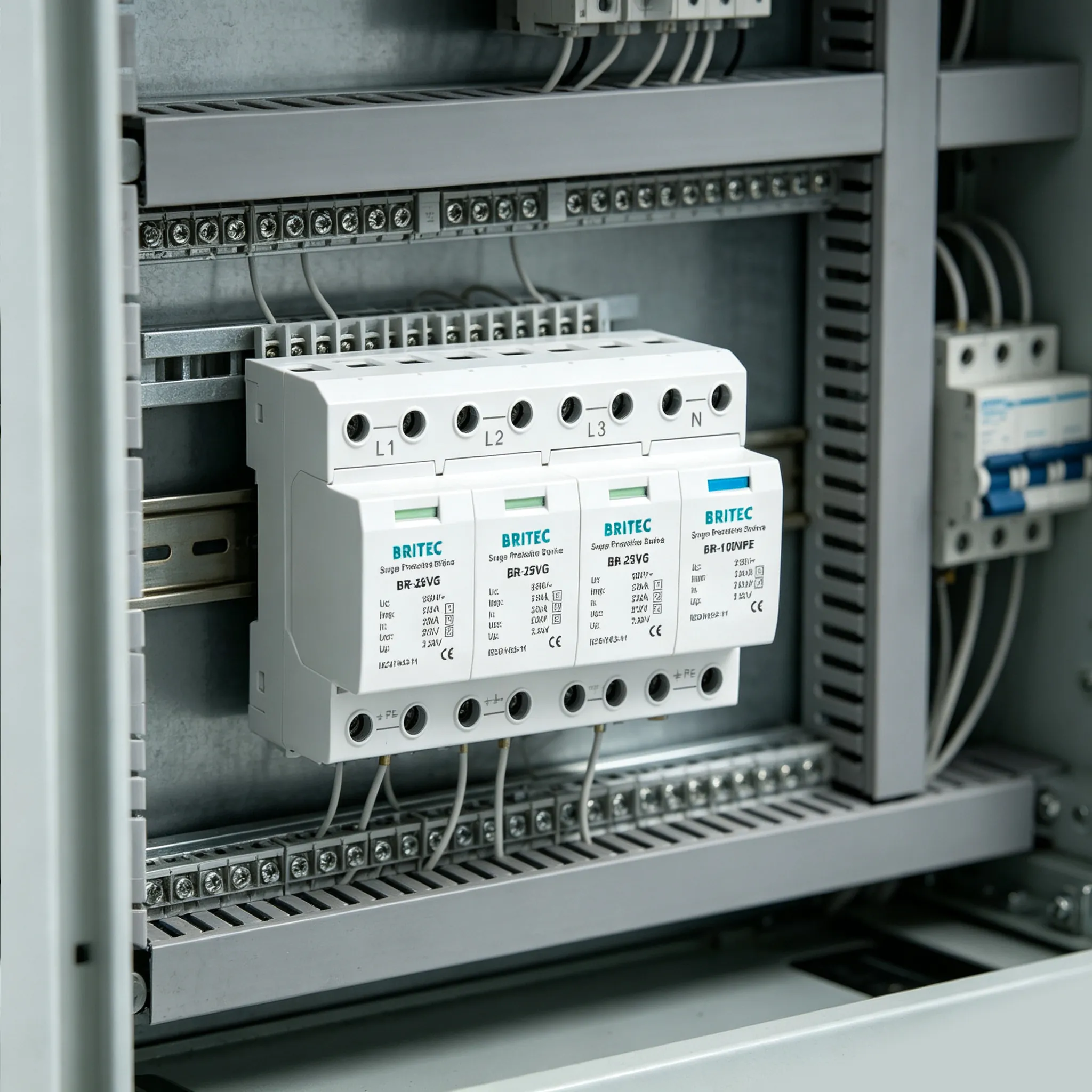
This is the only location where a surge protector must be installed.
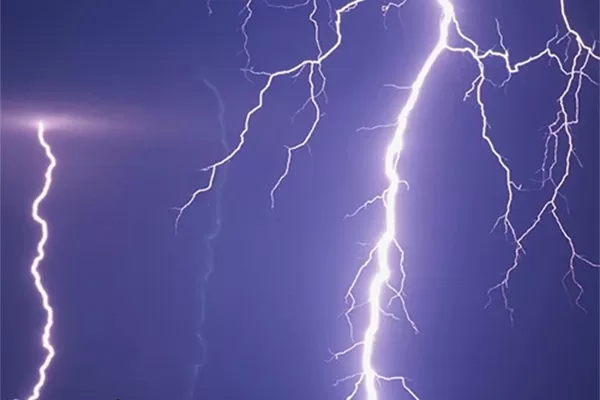
In practical engineering, most surges originate from:
● Lightning strike induction
● Public power grid switching
● Transformer switching
If you don’t configure a suitable SPD in the main distribution cabinet, then no matter how much protection is added at the backend, it will only be a “remedy”.
Personally, I would recommend that buyers opt for Level I+II combined products directly here, rather than continuously adding them later.
This step is crucial in industrial plants, commercial complexes, and data center projects.
You will find:
● The main cabinet has successfully blocked “external surge”
● The distribution cabinet is responsible for “internal surge”
Especially for systems with frequency converters, elevators, and air conditioning units, internal operational surges are even more frequent.
If what you purchase is:
● PLC
● communication equipment
● Medical or testing instruments
Surge protection at the device end is not an “optional feature”, but rather a safety mechanism.
Based on project experience, the protection at the equipment end often determines whether after-sales disputes are borne by you or the power grid.
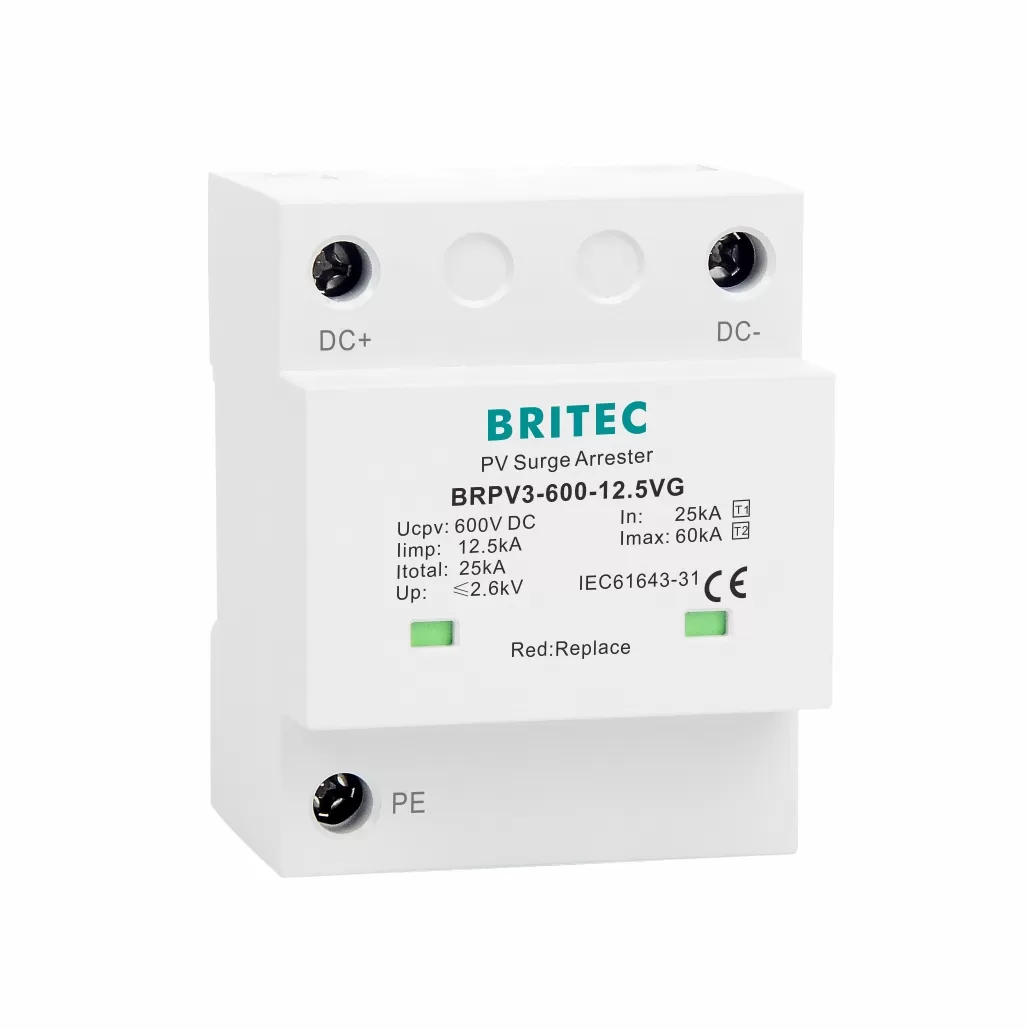
Many people assume that “it just works once connected”, but both you and I know that engineering products are not that simple.
Understand the Voltage System First
Before purchasing, you must confirm:
System voltage (220V / 380V / 480V / 690V)
Grounding method (TN / TT / IT)
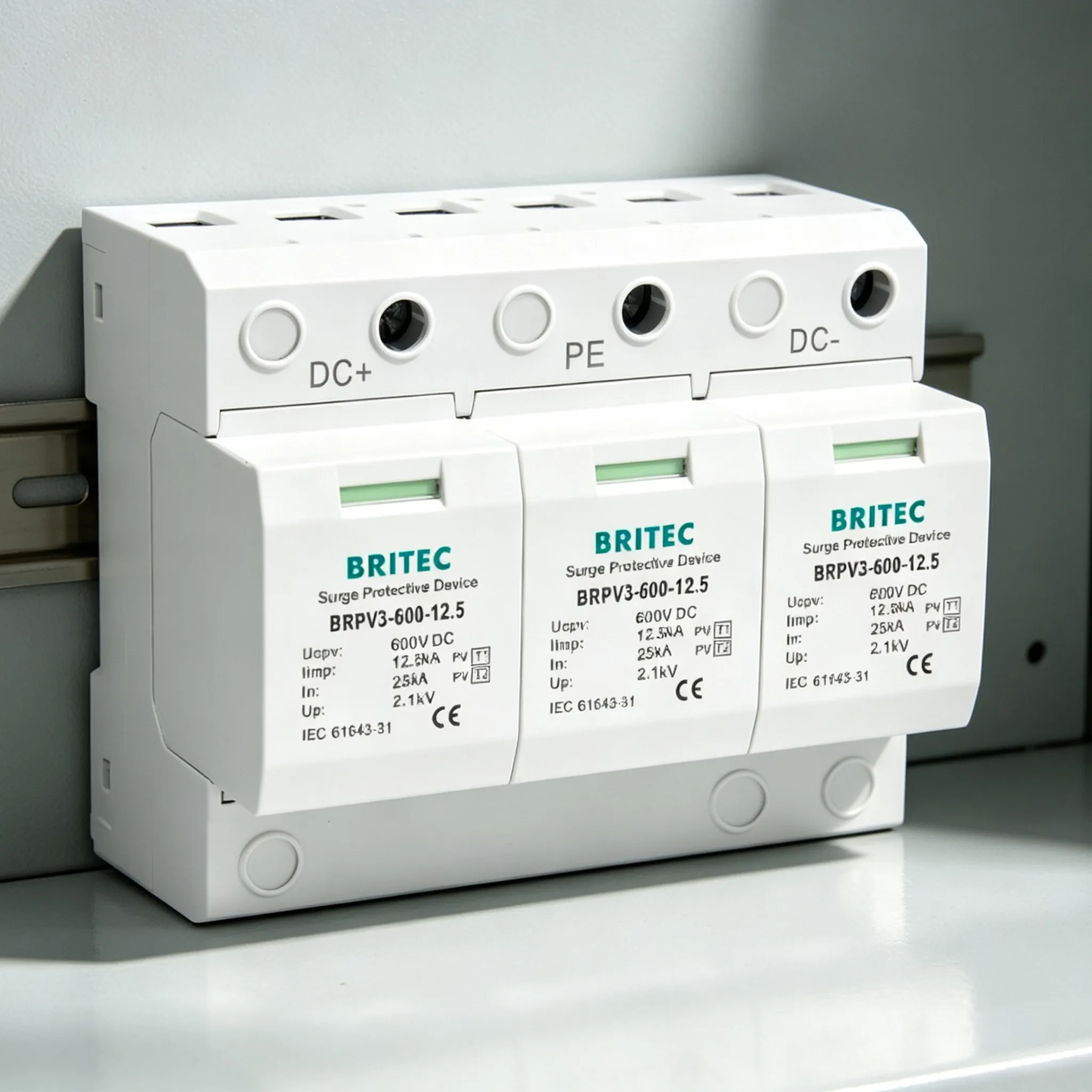
Is there a DC system
Otherwise, even the most expensive Best Surge Protector is useless if used with the wrong system.
In a previous project, the procurement team selected a high-specification SPD but overlooked the grounding method, resulting in continuous failures within half a year.
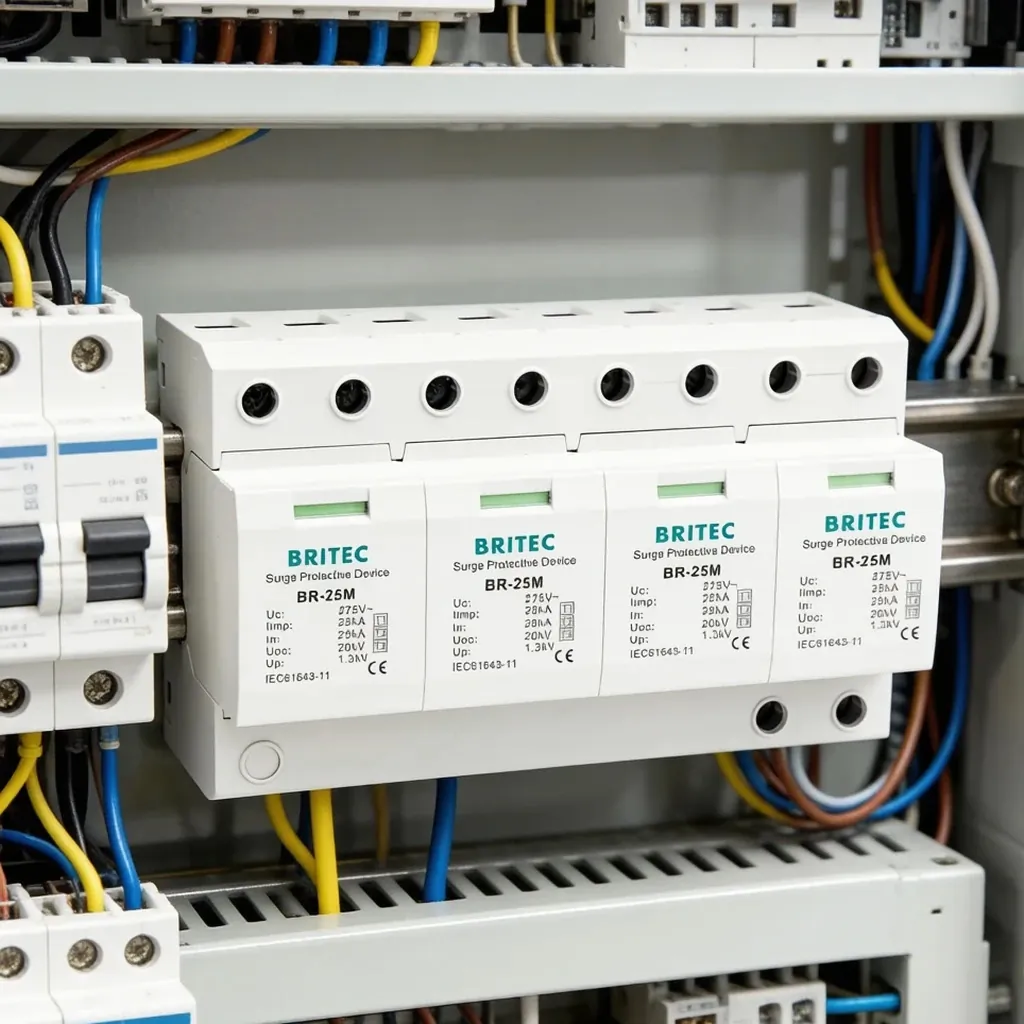
Correct Wiring Matters More Than Brand
You will discover a “harsh reality”:
70% of SPD failures are not due to product issues, but rather wiring issues.
Key points include:
The shorter the lead wire, the better
The grounding wire must be directly connected
Do not lay it parallel to the signal line
During the procurement and delivery phase, if you can incorporate installation specifications into the technical terms, the risks in the later stages will be significantly reduced.
Match Protection Levels Step by Step
Don’t aim for “one-step solution”, but rather adopt tiered protection measures.
From the perspective of procurement strategy, this approach actually saves more money:
Main distribution cabinet: high current-carrying capacity
Distribution cabinet: medium protection
Device side: fine protection
This is not about increasing costs, but about reducing overall maintenance expenses.
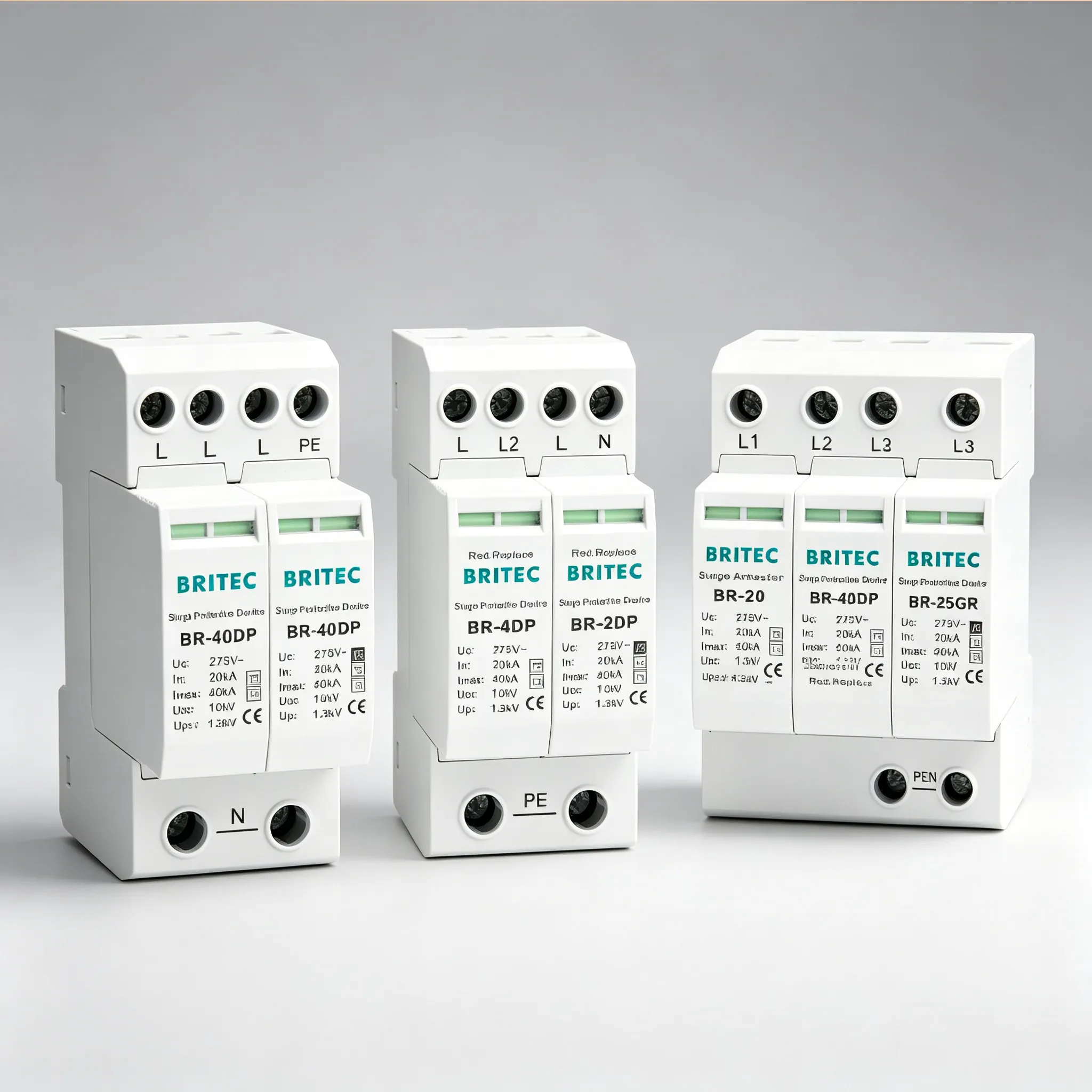
Different projects and systems have completely different requirements for the “length” and structure of surge protectors. The table below is suitable for you to use directly when selecting models or communicating with suppliers.
| Application | SPD Type | Typical Length | Protection Level | Recommended Buyer |
|---|---|---|---|---|
| Main Distribution | Type 1+2 | Long | High | Industrial Projects |
| Sub Distribution | Type 2 | Medium | Medium | Commercial Buildings |
| Equipment End | Type 3 | Short | Precision | OEM / Automation |
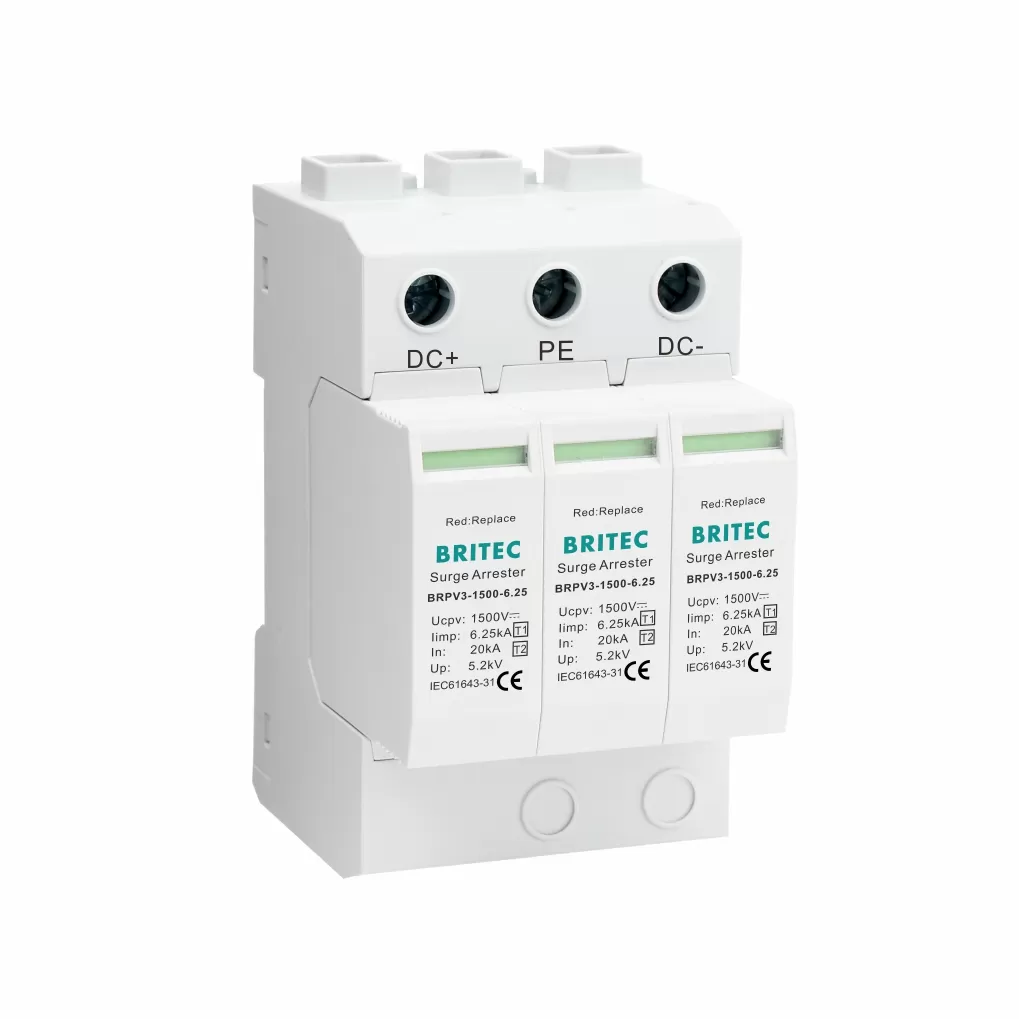
If you are comparing suppliers, brands, or technical solutions, this section is worth reading carefully.
The best surge protector must match real-world operating conditions, not just laboratory parameters.
Pay attention to the maximum discharge current (Imax), not just the nominal value.
Prioritize modular designs for easier maintenance.
Check for a clear failure indicator window.
Do not overlook certification standards (IEC / UL / TUV).
To add a personal opinion: the more flashy the specifications of a product, the more you should ask, “How will this be used in the field?”
What Would Cause A Surge Protector To Catch Fire?
The most common cause is not product quality, but rather incorrect selection or grounding failure.
When surge energy cannot be effectively dissipated, the SPD will be continuously subjected to stress, eventually overheating or even catching fire.
From a procurement perspective, reviewing the grounding system is more important than comparing prices.
When you truly look at it from the buyer’s perspective, a surge protector is not just an accessory, but a risk management tool. Using surge protectors correctly means fewer after-sales issues, more stable system operation, and more controllable long-term costs.
When choosing the best surge protector, don’t just look at the price or brand, but consider whether it truly matches your application scenario and system architecture.