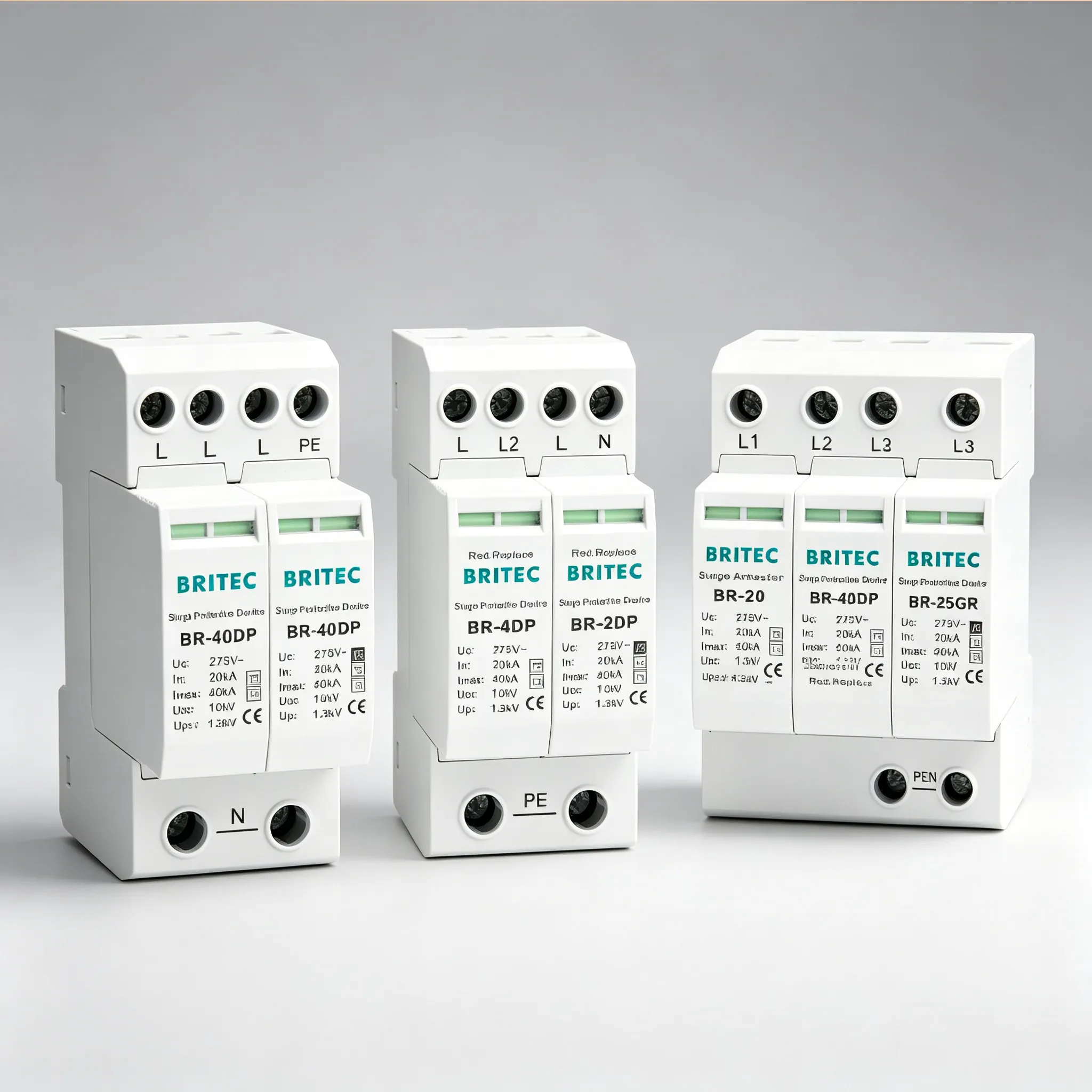
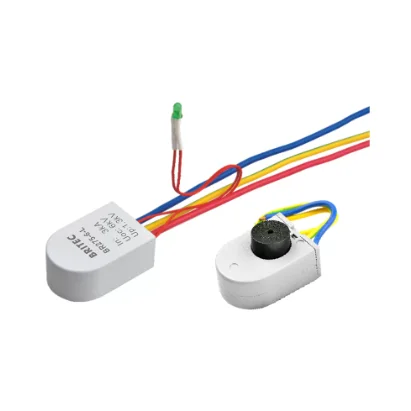
The size of the surge protector you need depends on a few factors such as the type of devices you’re protecting, the electrical system in your home or building, and your geographical location (e.g., proximity to areas prone to lightning strikes).
What Size Surge Protector Do I Need
Here’s a breakdown of key considerations to help determine the right size surge protector:
1. Voltage Rating
The surge protector should match the voltage rating of your electrical system. Most residential electrical systems in North America use either 120V (for standard outlets) or 240V (for larger appliances like dryers or ovens) systems. Surge protectors are often rated for these voltages.
- For 120V systems: Common in homes for standard appliances, electronics, and outlets.
- For 240V systems: Typically used for larger appliances (e.g., air conditioners, stoves, or industrial equipment).
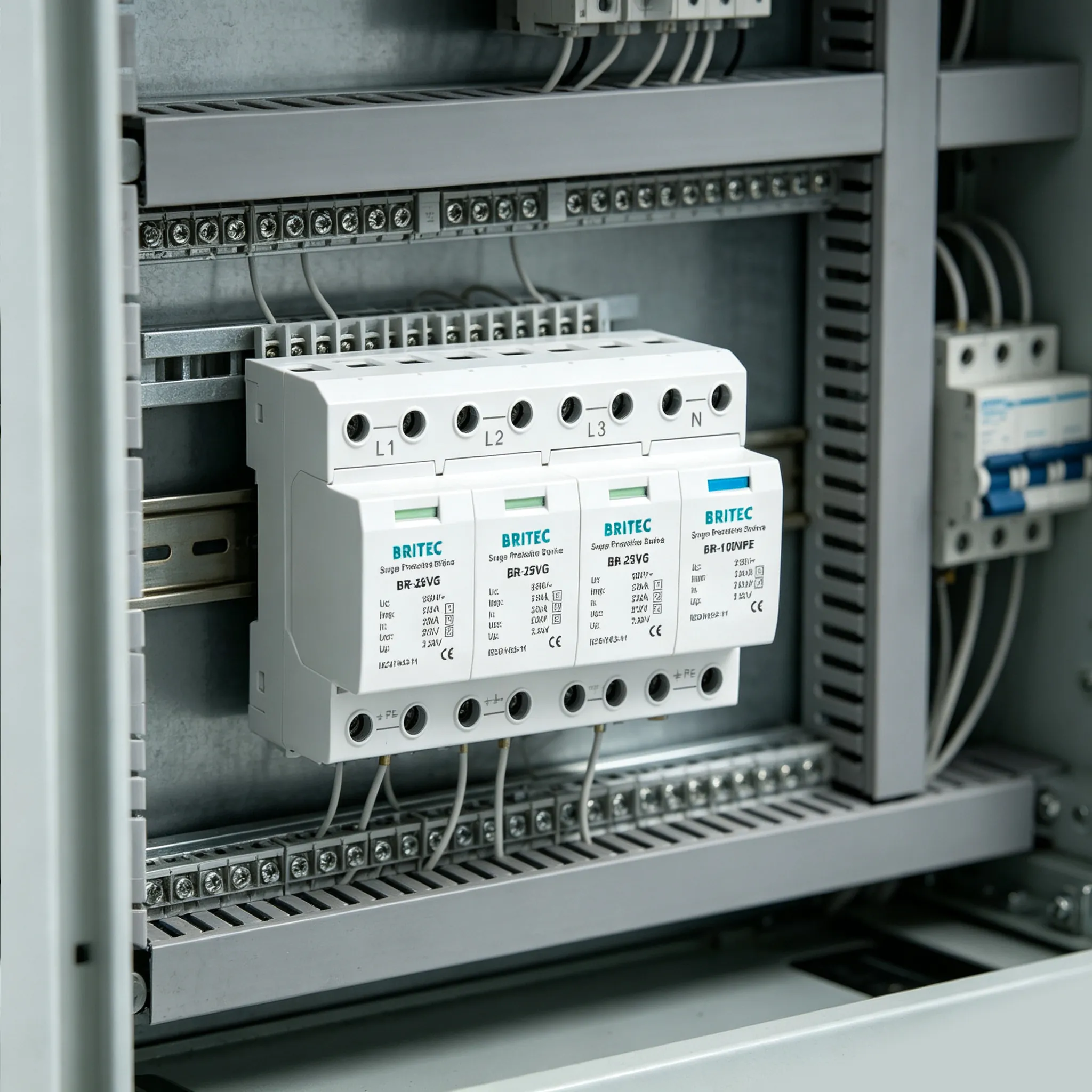
If you’re installing a surge protector for your whole home (as opposed to just individual devices), Type 1 surge protectors are rated for 240V systems and should be used at the service entrance.
2. Surge Current Rating
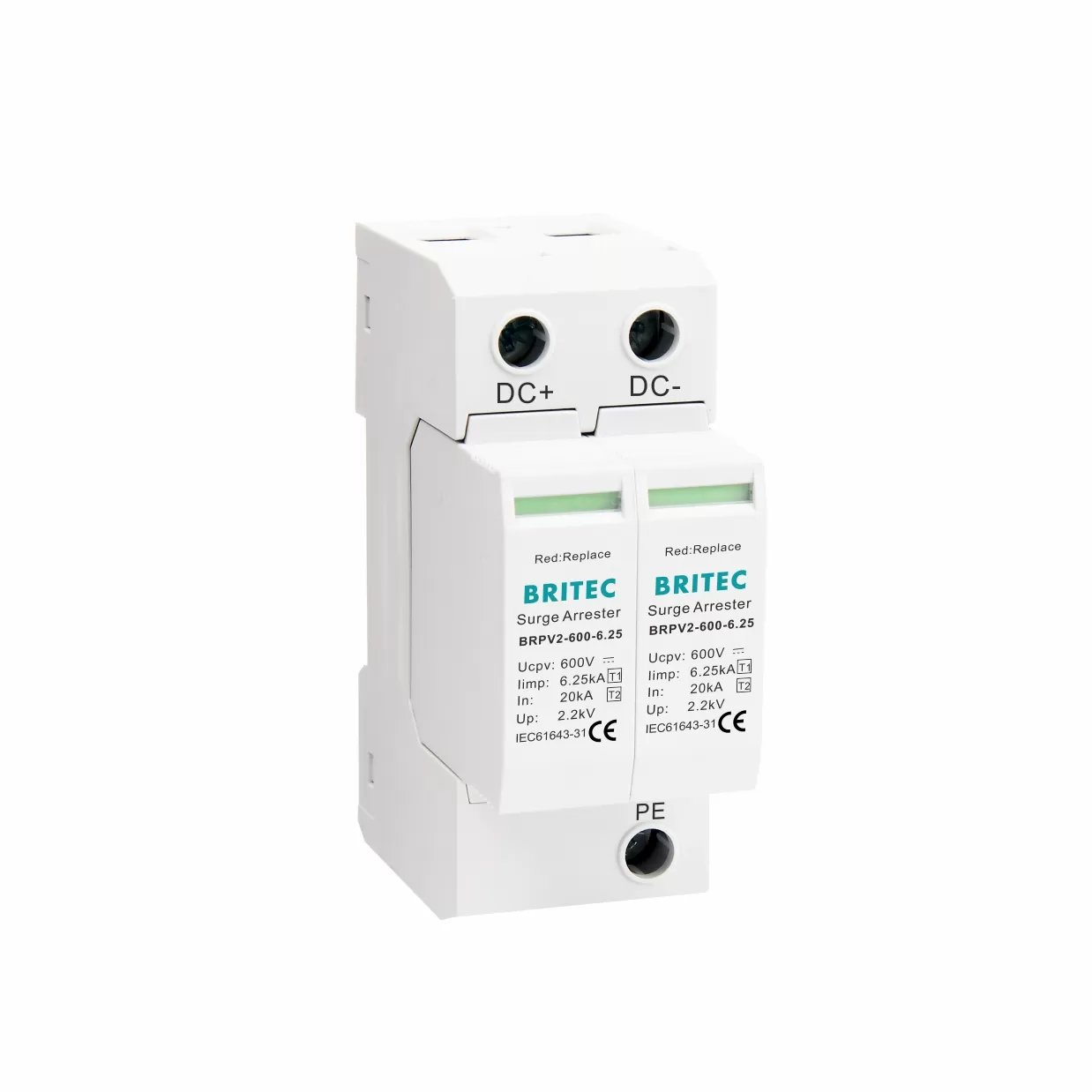
The surge current rating is one of the most important factors. It’s measured in kiloamps (kA) and indicates how much surge energy the protector can handle before failing. A higher surge current rating means the surge protector can handle more powerful surges.
- For residential use: Surge protectors with a 20kA to 40kA rating are typical for whole-home protection.
- For industrial use: Surge protectors may range from 60kA to 100kA or higher, depending on the size and power of the system being protected.
If you’re installing a Type 1 surge protector, make sure it’s rated for 40kA or more for maximum protection.
3. Energy Absorption Rating
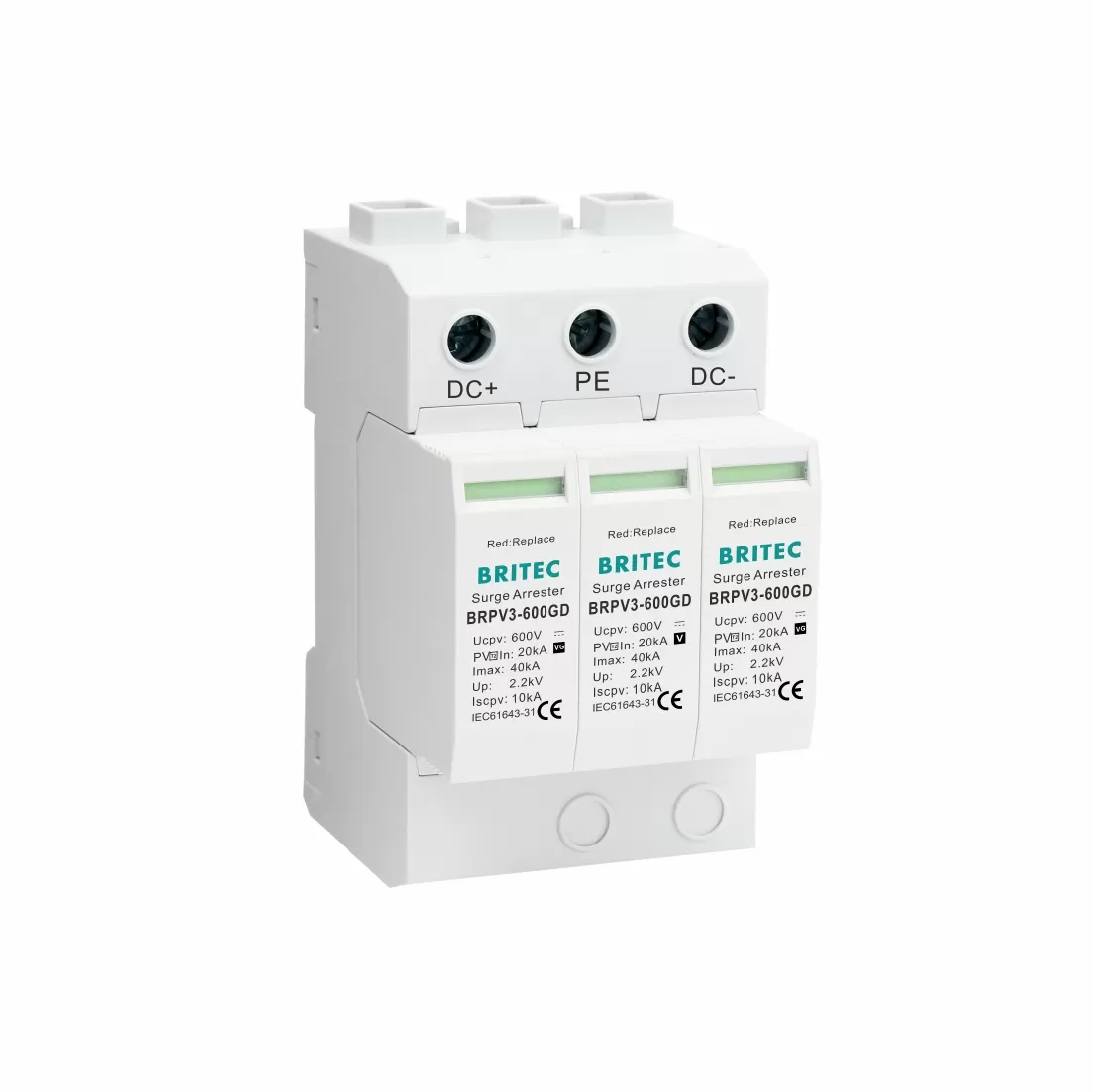
This is measured in joules (J) and indicates how much energy the protector can absorb before it fails. The higher the joule rating, the better it can protect against larger surges.
- For basic protection: Look for a surge protector with at least 400–600 joules.
- For moderate protection: For more sensitive electronics like computers or home theaters, 1,000–2,000 joules or higher is recommended.
- For whole-home protection: 2,000 joules or more is ideal, especially if you’re protecting against lightning strikes or large power surges.
4. Clamping Voltage
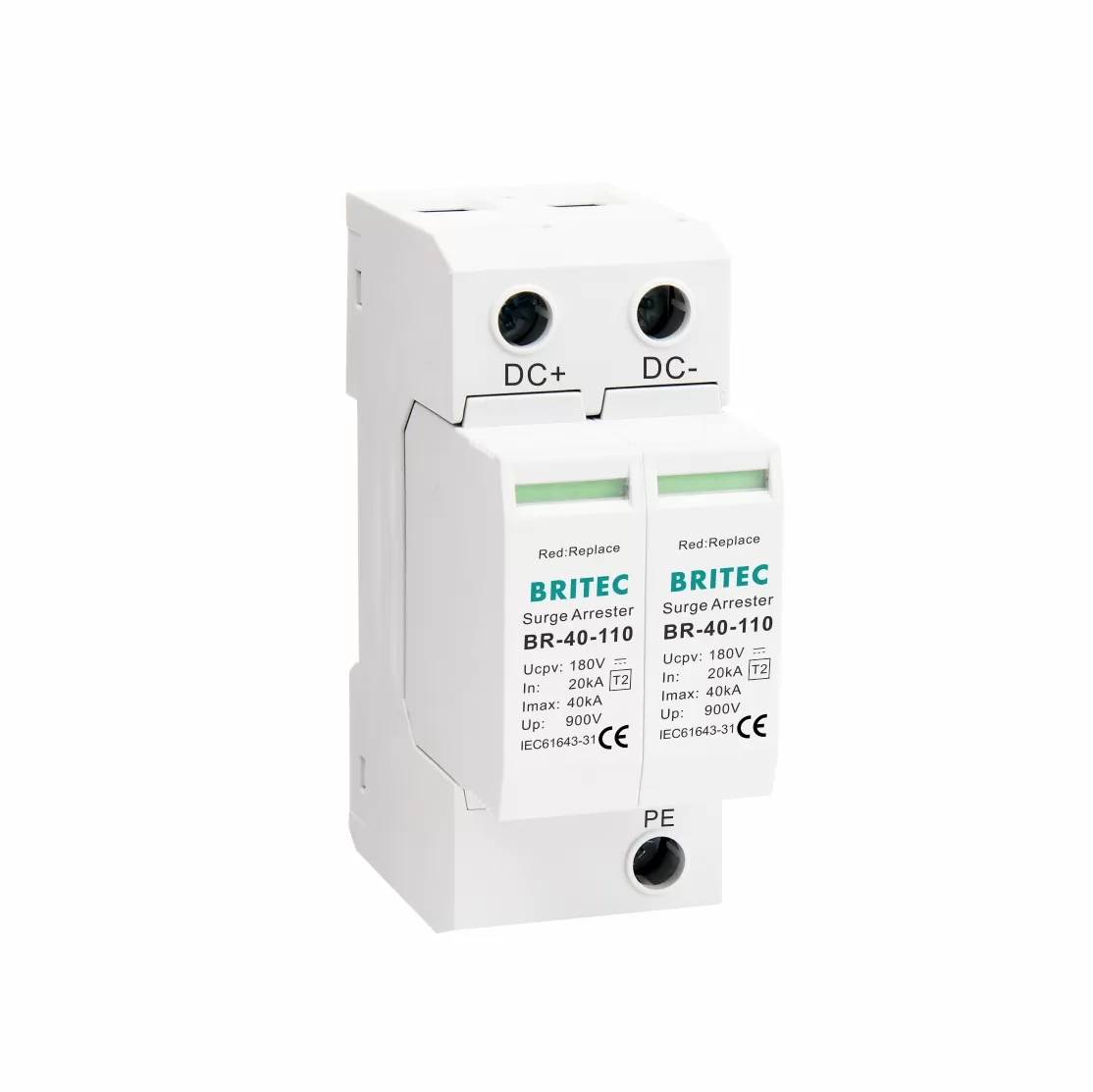
This is the voltage level at which the surge protector starts to divert the surge energy. A lower clamping voltage is better, as it means the protector activates sooner.
- For sensitive electronics: A clamping voltage of 330V is ideal.
- For general use: A clamping voltage around 400V to 600V is typically fine for home or office setups.
5. Number of Outlets
If you’re looking for a surge protector for individual devices, such as your TV, computer, or home theater system, you’ll want to consider how many outlets you need. These are usually sold in strips with anywhere from 2 to 12 outlets.
- For smaller setups: A 3-6 outlet surge protector should suffice.
- For larger setups: Look for a surge protector with 8-12 outlets.
6. Type of Protection
- Point-of-use (Type 2): These are installed at the outlet and protect specific devices. Common for TVs, computers, and small appliances.
- Whole-home protection (Type 1): Installed at the service entrance to protect everything in your electrical system, especially useful if you’re in an area prone to power surges or lightning strikes.
7. Specific Requirements Based on Device Type
- For Sensitive Electronics (e.g., TVs, computers): Surge protectors with higher joules (1,000–2,000J) and a low clamping voltage are ideal.
- For Larger Appliances (e.g., refrigerators, HVAC systems): Surge protectors with higher surge current ratings (up to 40kA) are needed for these systems.
- For Industrial Applications: Look for Type 1 surge protectors with 100kA+ surge ratings, 2,000 joules or more, and suitable for 240V systems.
Summary: What Size Surge Protector Do You Need?
- Whole-home protection: 40kA surge current rating, 2,000+ joules, and 240V for Type 1 surge protectors at the service entrance.
- Individual devices: Look for surge protectors with 1,000+ joules, 3-6 outlets, and a clamping voltage around 330V for sensitive electronics.
Pro Tip: Always consider a surge protector that exceeds your needs, especially if you’re in an area with frequent lightning storms. A slightly higher joule rating and surge current capacity will provide better long-term protection.
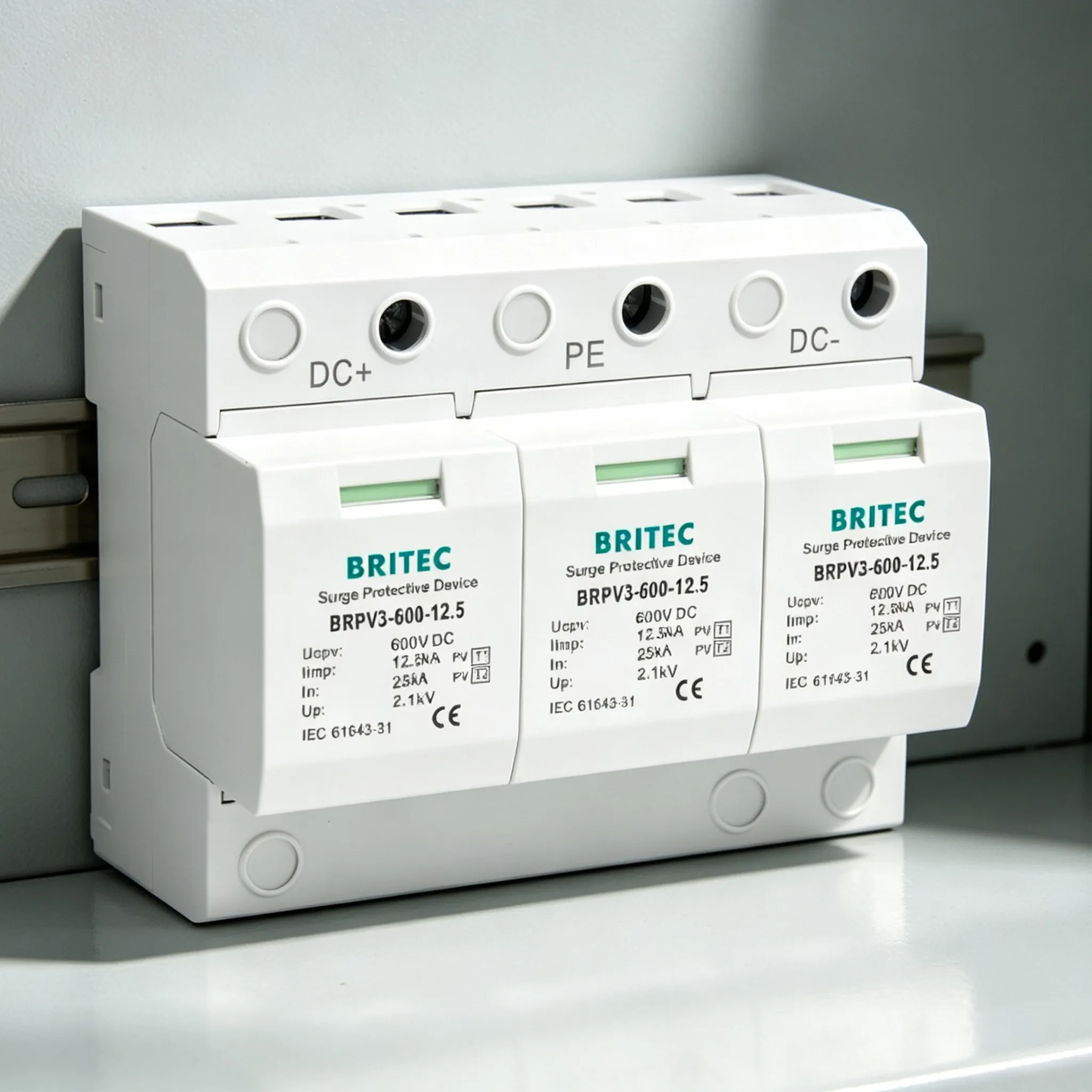
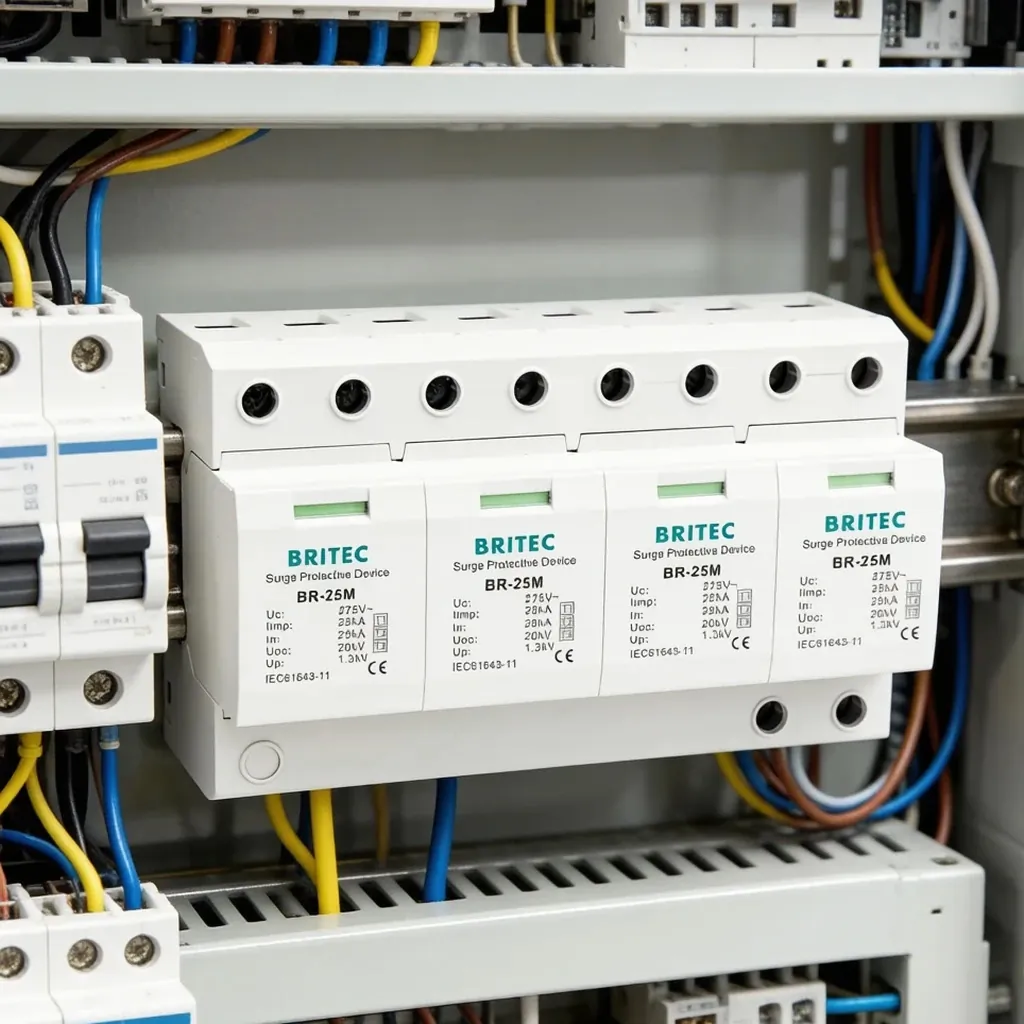
If you’re considering a whole-home surge protector, Britec Electric offers a range of products specifically designed for maximum protection. Would you like more help in selecting the right product for your needs?