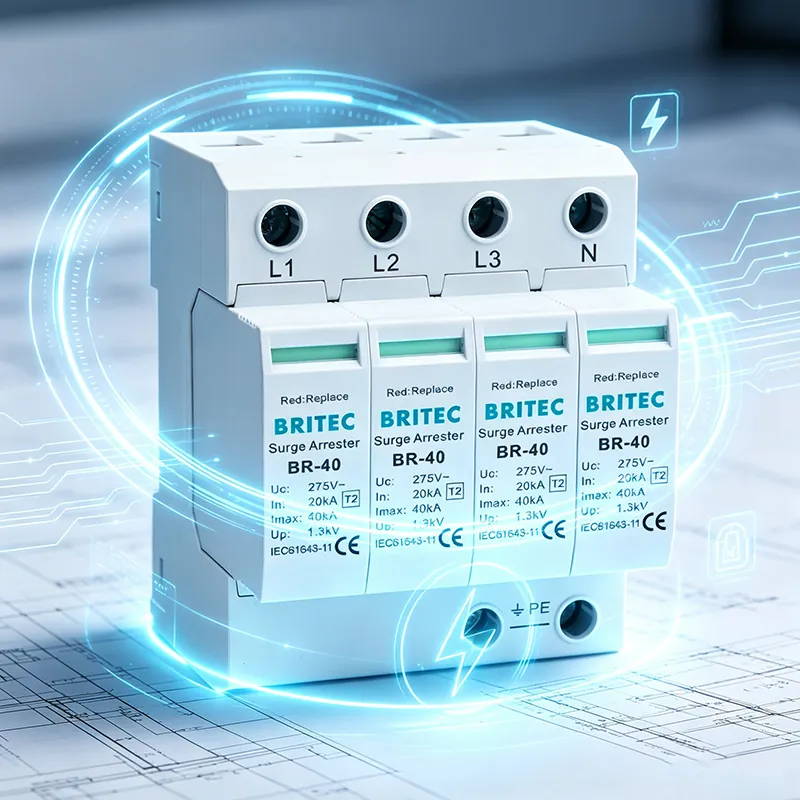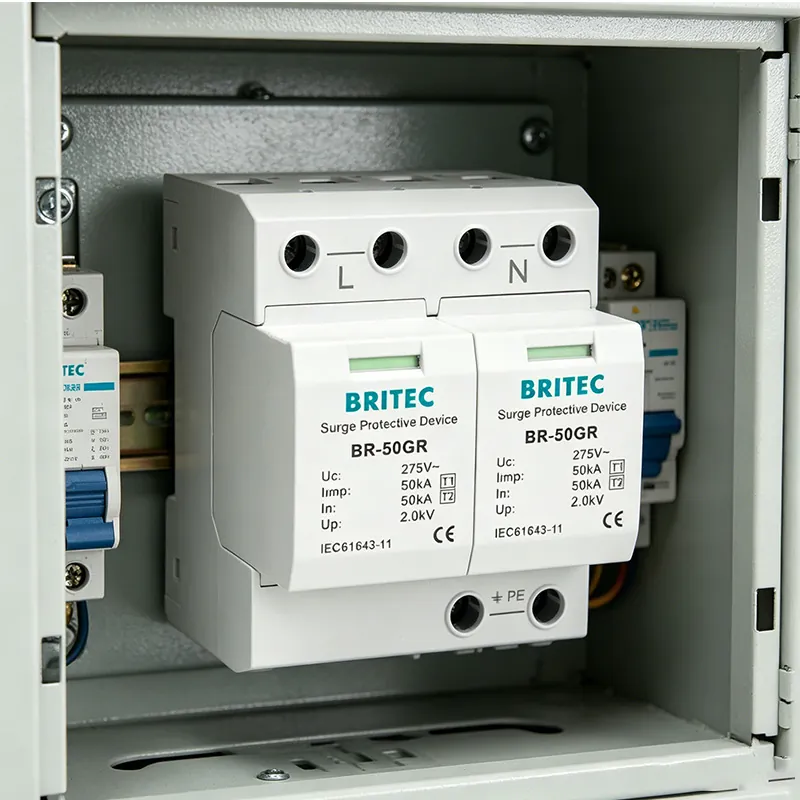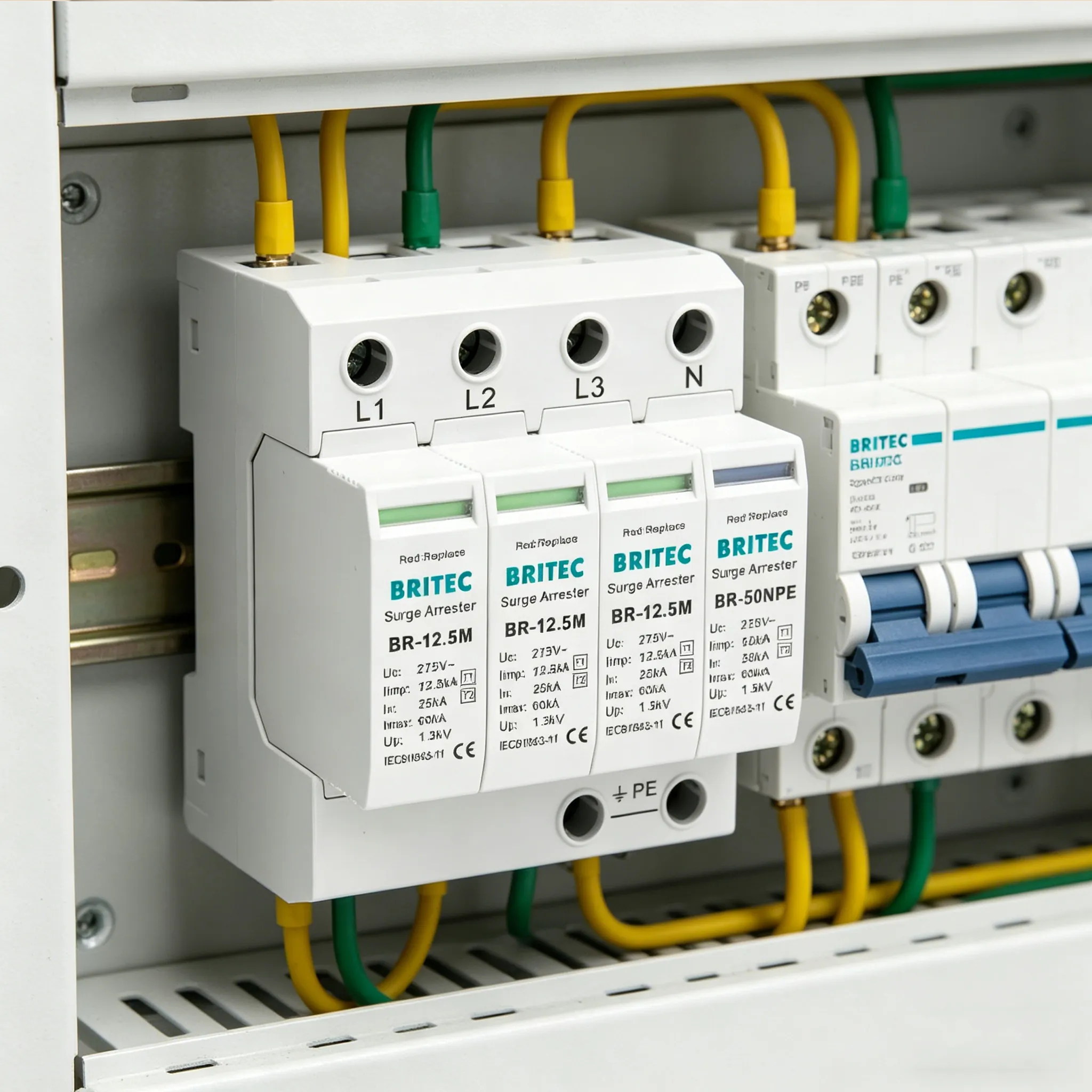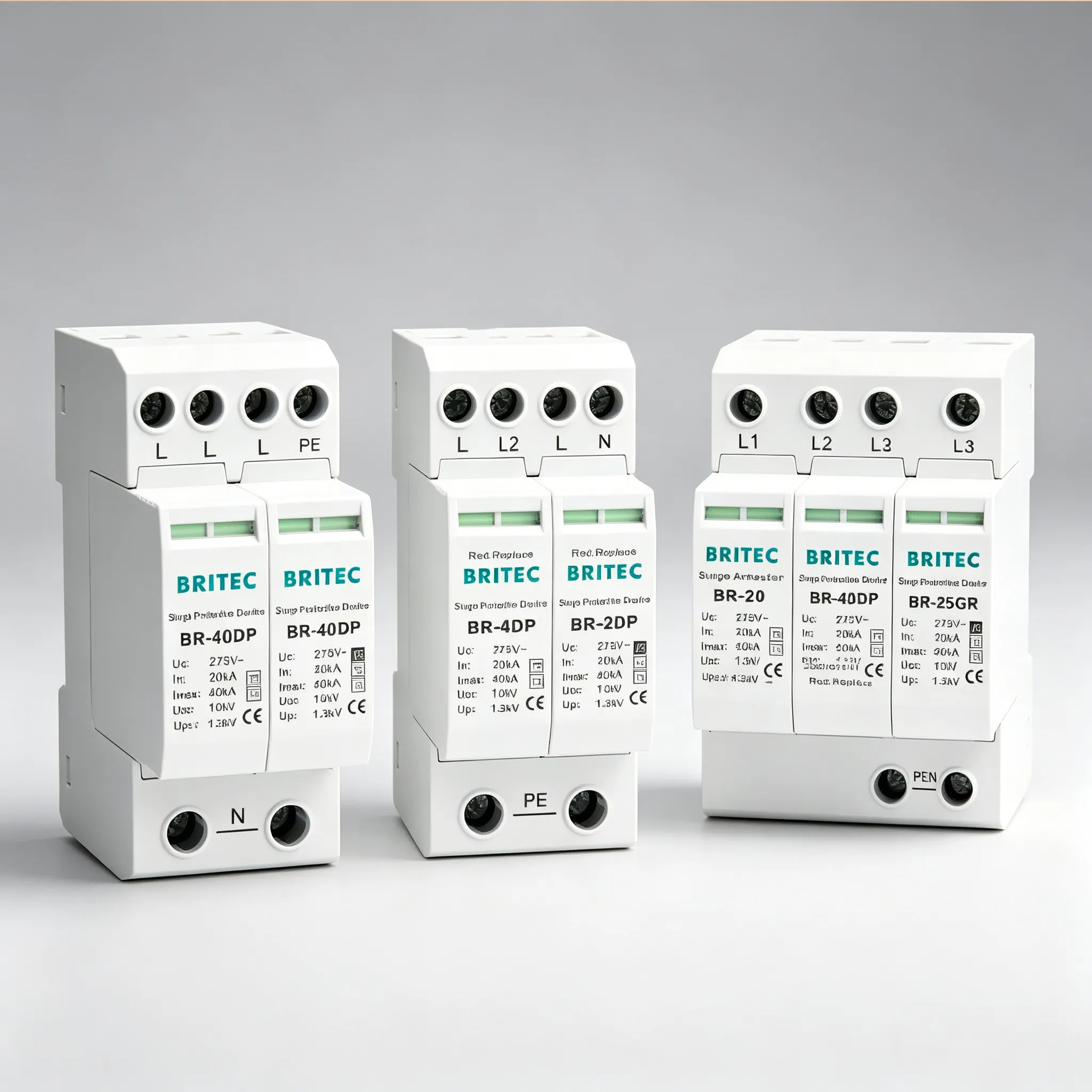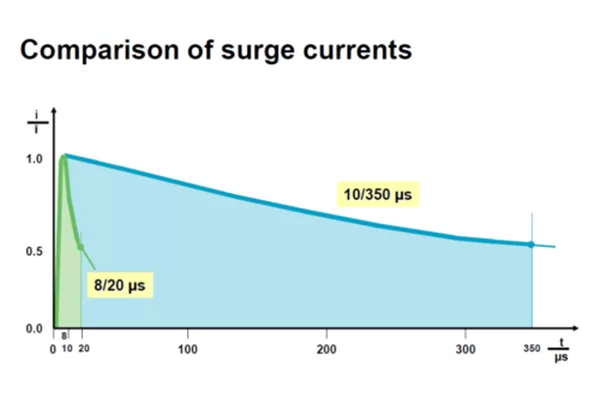


In today’s fast-paced, tech-driven world, electrical devices are crucial to our daily routines, but they are also vulnerable to power surges. A single pole surge protector might just be the solution you need to safeguard your precious electronics. This article will guide you through understanding this essential device, its benefits, and whether it’s worth adding to your home or office setup. Let’s dive into the world of single pole surge protectors and find out if they are a must-have for your electrical protection.
A single pole surge protector is a device designed to protect electrical appliances from voltage spikes or power surges. Unlike traditional circuit breakers, which disconnect power during a fault, surge protectors absorb the excess voltage and redirect it safely. A single pole surge protector is typically used for 120V circuits in residential or light commercial settings, providing a simple yet highly effective solution to protect devices from power surges caused by lightning, electrical faults, or other unexpected voltage fluctuations.
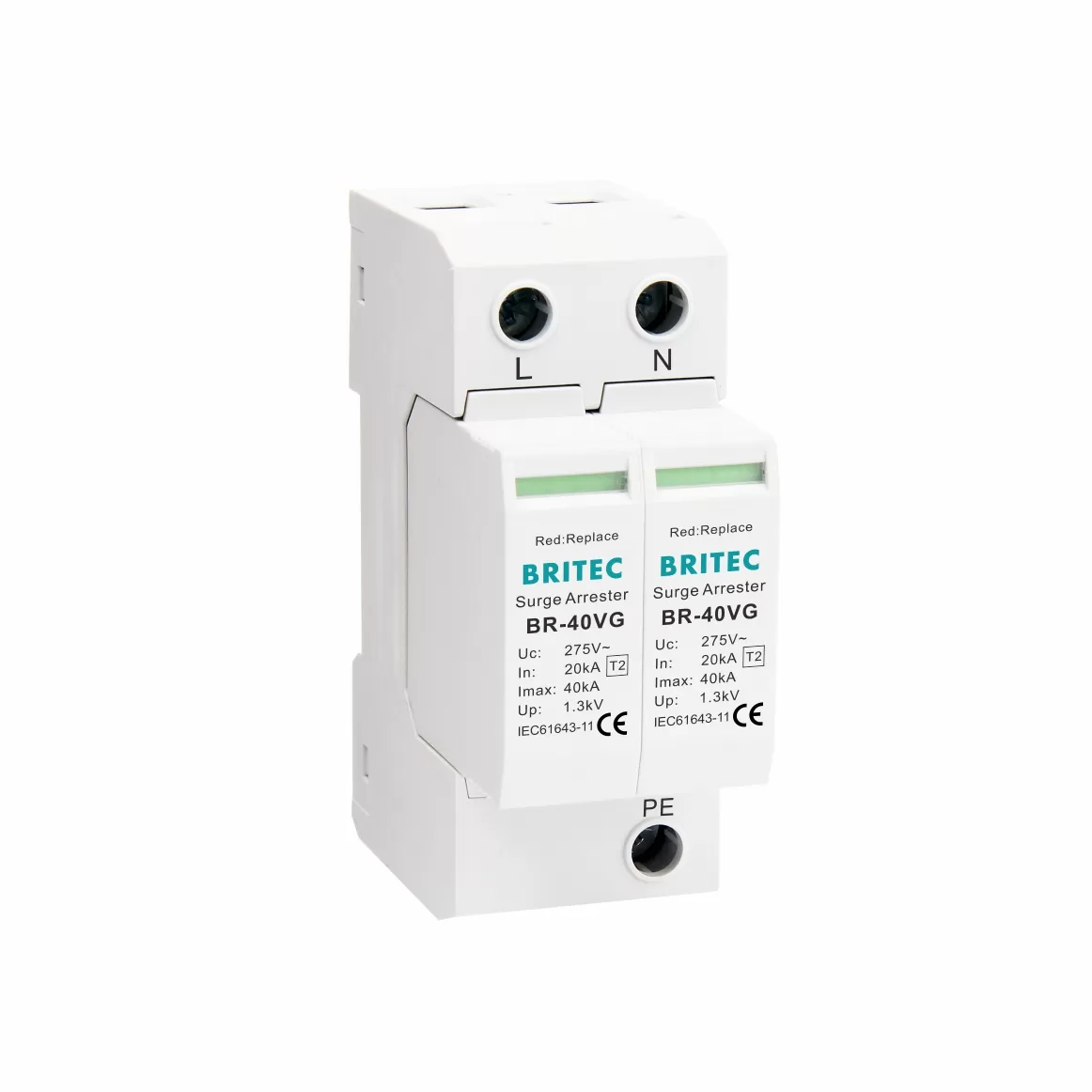
Surge protectors work by redirecting excess voltage to the ground. They feature components such as metal oxide varistors (MOVs) that absorb the surge energy. When a surge occurs, the MOVs change their resistance, absorbing the voltage spike and preventing it from reaching your devices. This process helps ensure that sensitive electronics are not damaged by brief but powerful power surges.
In today’s world, electronics such as computers, TVs, home appliances, and gaming systems are essential. These devices can be easily damaged by a power surge, leading to costly repairs or replacements. A single pole surge protector can shield these devices from voltage spikes, ensuring that they continue to operate safely and efficiently. By protecting your investments, you’re essentially increasing their lifespan.
One of the best aspects of surge protectors is that they are generally affordable. When compared to the cost of replacing electronics that have been damaged by power surges, investing in a single pole surge protector is a no-brainer. You could prevent hundreds or even thousands of dollars in potential damages by spending just a small amount on surge protection.
Installing a single pole surge protector is a simple process. Most surge protectors can be installed in a matter of minutes, and you don’t need to be an electrician to set them up. Whether it’s a whole-house surge protector or one installed in a specific circuit, these devices are user-friendly and cost-effective for everyone, regardless of their technical know-how.
There’s no feeling quite like knowing that your valuable devices are protected from the unpredictable surges that may occur in your electrical system. With a single pole surge protector, you get peace of mind knowing that your home and office electronics are safe from lightning strikes, electrical faults, or sudden power surges. This protection ensures you can focus on your work or leisure without worrying about equipment damage.
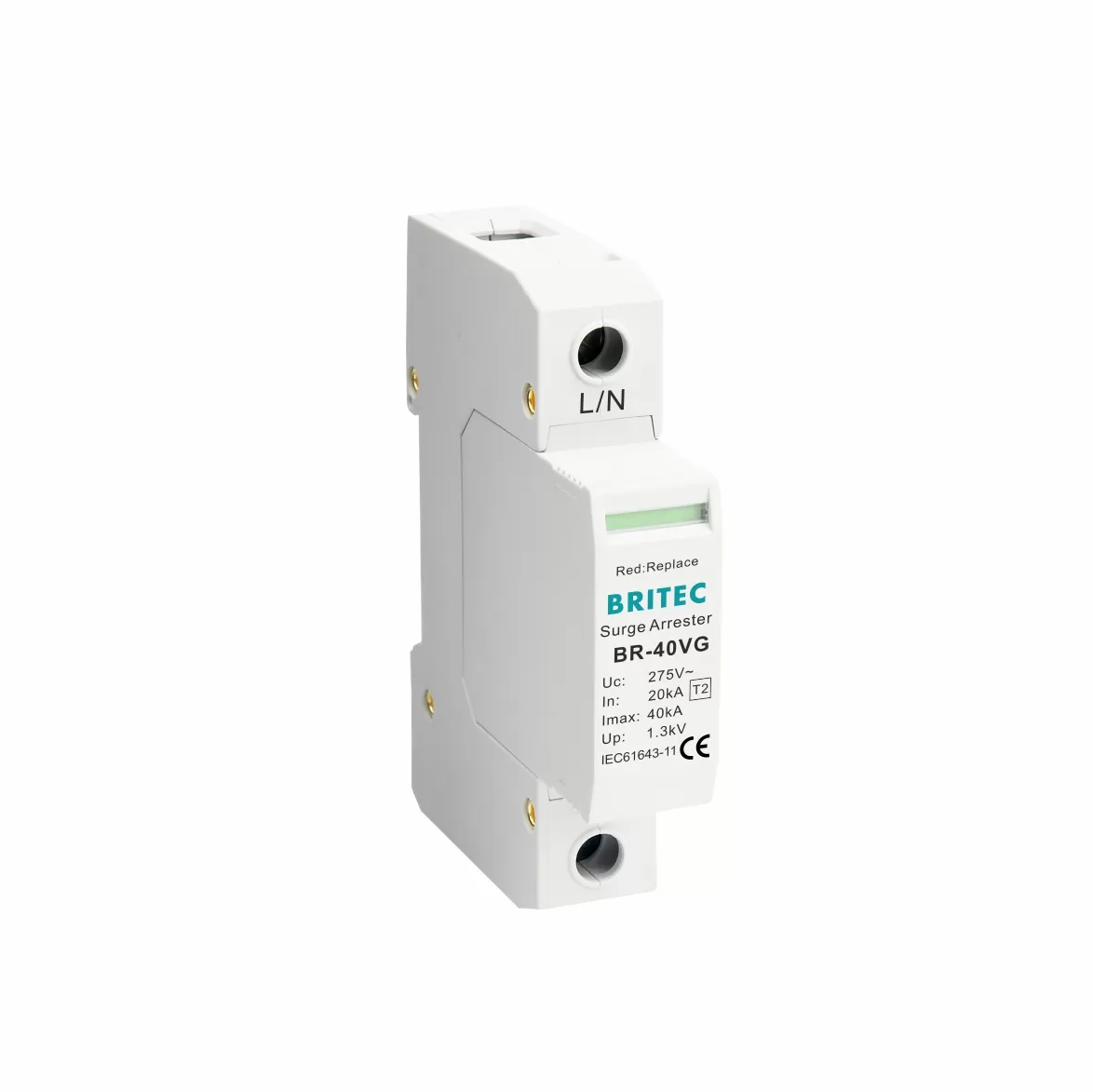
| Surge Protector Type | Coverage Area | Voltage Rating | Application | Installation Type | Cost Estimate |
|---|---|---|---|---|---|
| Single Pole Surge Protector | Individual Circuits | 120V | Residential | Easy DIY | $15 – $40 |
| Whole House Surge Protector | Entire Home | 120V / 240V | Residential | Professional Install | $100 – $400 |
| Point of Use Surge Protector | Specific Devices | 120V | Residential | Plug-in | $10 – $50 |
While power surges can occur at any time, certain situations increase the likelihood of damage to your electronics. Here are a few scenarios where investing in a single pole surge protector is especially beneficial:
While lightning strikes are a primary cause of power surges, they’re not the only reason your devices might be at risk. Power surges can also occur due to electrical grid issues, sudden shutdowns, or even faulty wiring. Surge protectors help with all these potential problems.
Surge protectors don’t last forever. Over time, their ability to absorb voltage spikes diminishes. It’s important to replace surge protectors regularly, especially after a significant power surge. Most surge protectors come with an indicator light that signals when the device is no longer effective.
In conclusion, single pole surge protectors are an essential investment for anyone looking to protect their sensitive electronics from damaging power surges. They provide cost-effective, easy-to-install, and reliable protection against unexpected electrical issues, including lightning strikes and power grid fluctuations. Don’t wait until it’s too late – make the proactive choice today and safeguard your home and office electronics with a surge protector from Britec Electric.
Surge protection is not just a precaution; it’s a smart way to protect your investments and ensure your devices remain functional for years to come. Whether you’re dealing with home appliances or work equipment, a single pole surge protector is an essential tool for every modern home and office.
1. How do I know if I need a surge protector?
If you use sensitive electronics like computers, TVs, or home appliances, it’s highly recommended to use a surge protector, especially if you live in an area prone to lightning or have old electrical wiring.
2. Can a surge protector prevent a fire?
While surge protectors help prevent electrical damage by redirecting excess voltage, they do not prevent all fire risks. Always ensure proper wiring and avoid overloading power strips.
3. How often should I replace my surge protector?
You should replace your surge protector every 3 to 5 years or after a significant power surge. Check the indicator light to see if it’s still effective.
4. Can I use a surge protector with all my electronics?
Yes, you can use a surge protector with most electronics, but make sure the protector is rated for the voltage and power requirements of the device.
5. Is there any difference between a surge protector and a power strip?
Yes, a power strip provides multiple outlets but doesn’t offer surge protection. A surge protector offers the same function with the added benefit of protecting your electronics from power surges.


 Optimized by Seraphinite Accelerator