Surge protection is not just a precaution—it’s an essential part of a well-designed solar photovoltaic (PV) system. With the increasing adoption of solar energy worldwide, protecting these valuable systems against electrical transients is more critical than ever. This guide will walk you through everything you need to know about Solar Surge Protection Devices (Solar SPDs): what they are, why they matter, and how to choose the right one for your system.
1. What Are Solar Surge Protection Devices (Solar SPDs)?
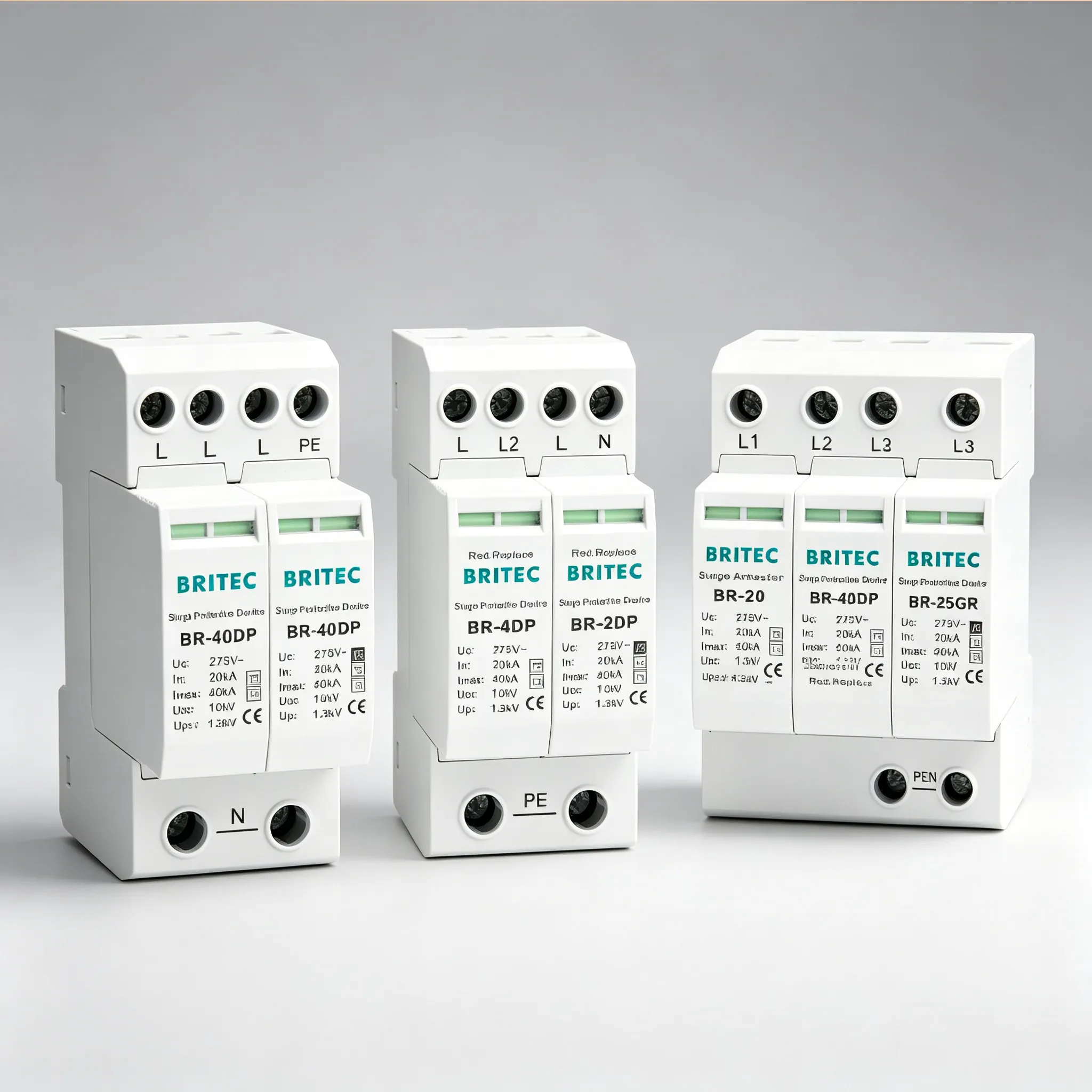
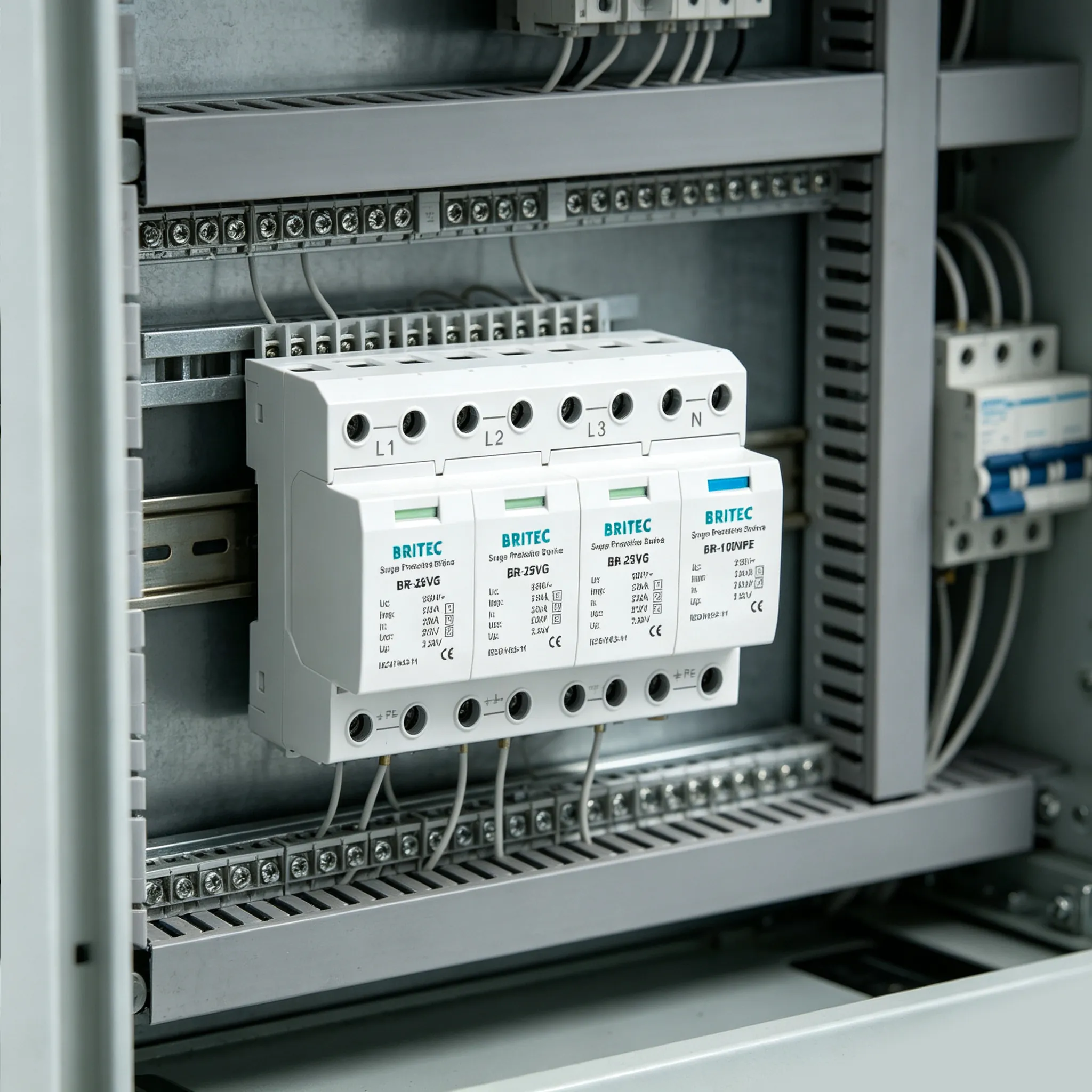
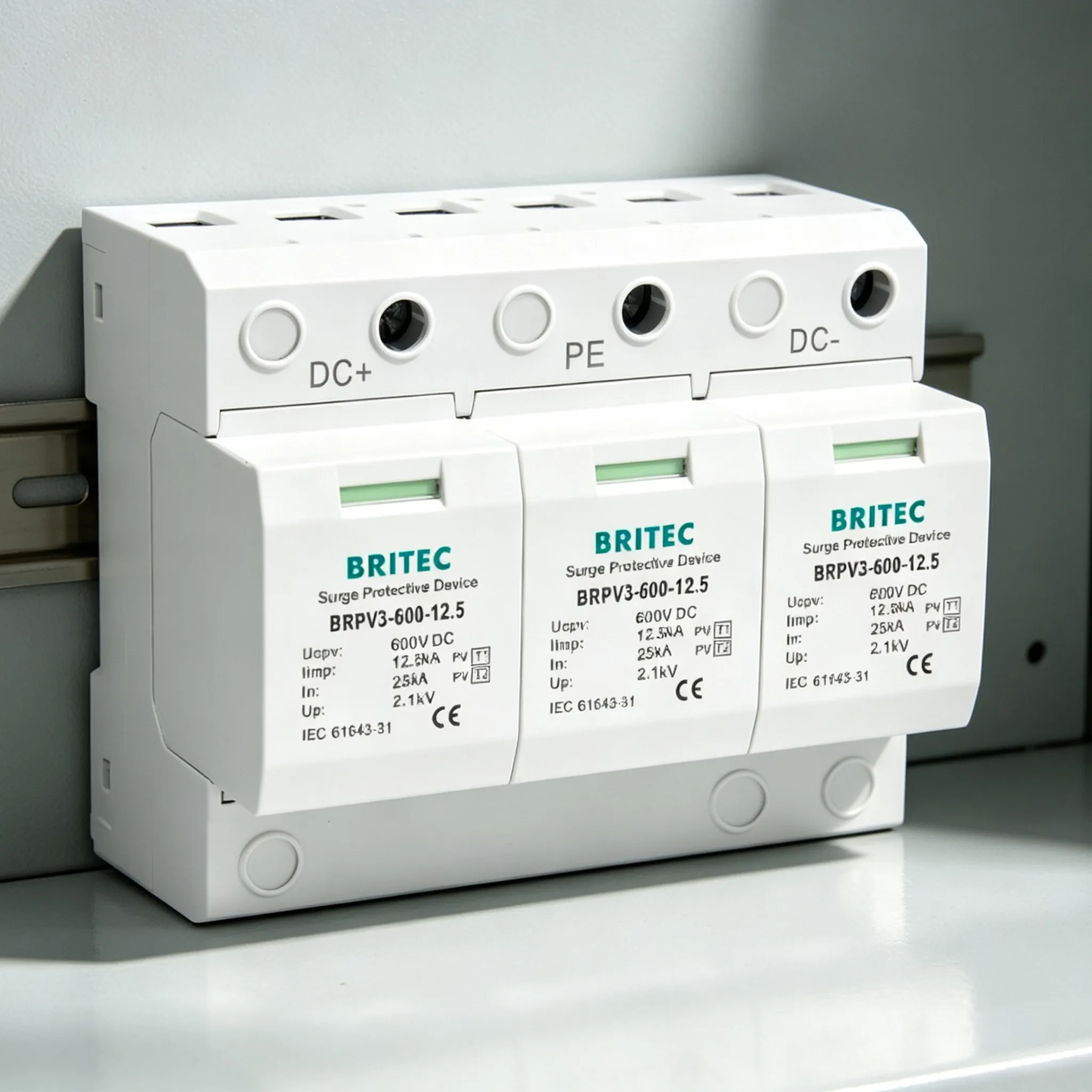
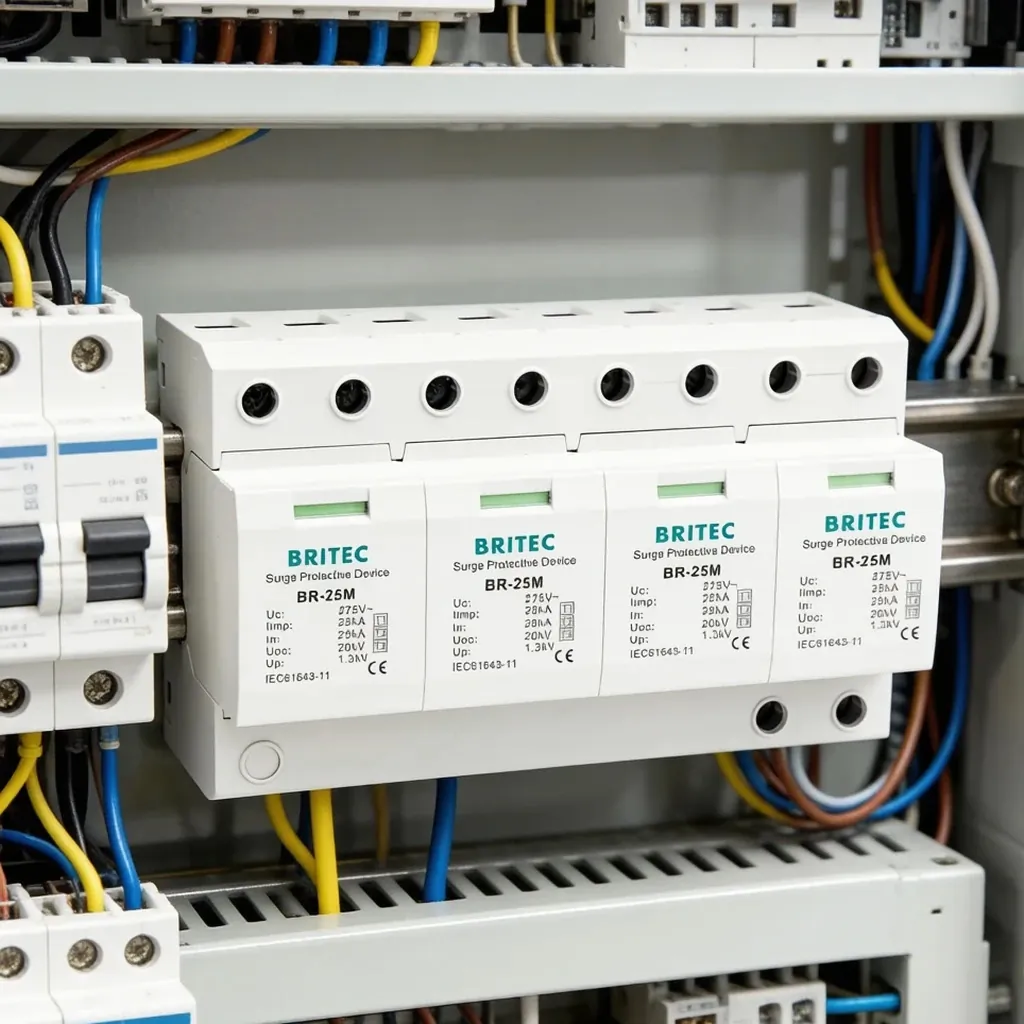
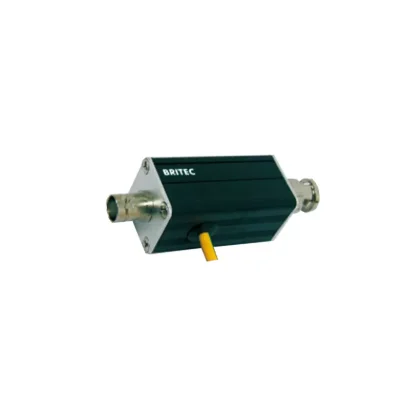
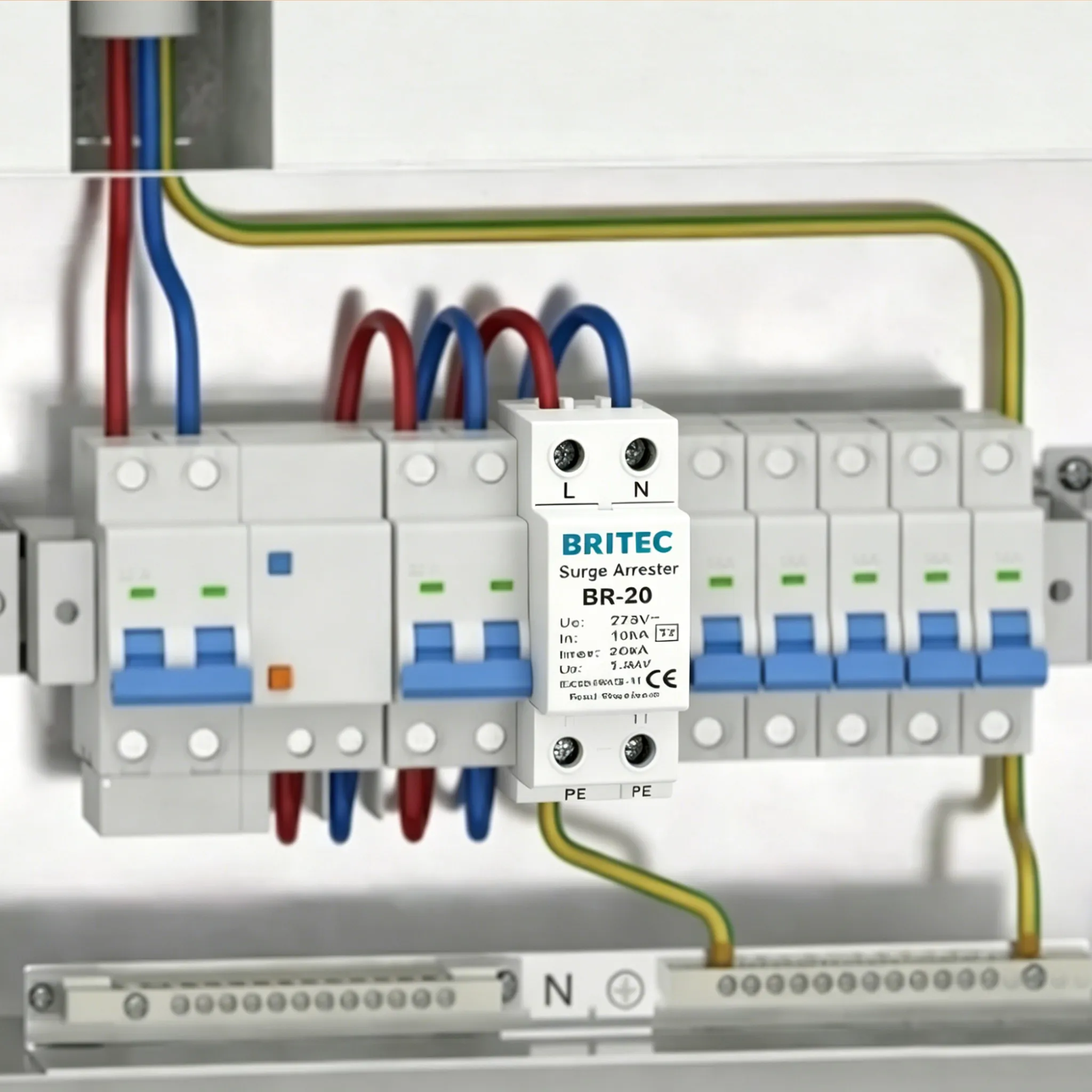
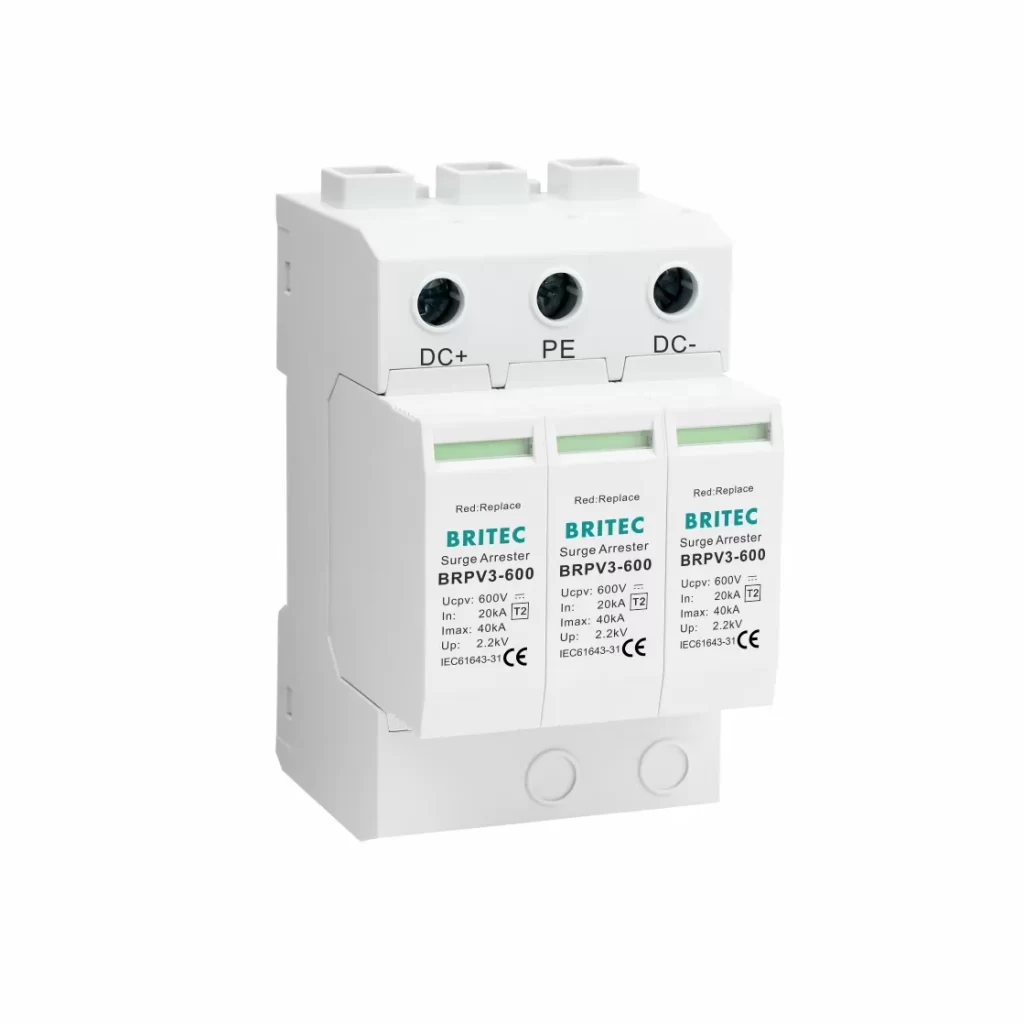
A Solar Surge Protection Device (Solar SPD) is a protective electrical component designed to divert or absorb transient overvoltage events, such as lightning strikes or switching operations, before they can damage sensitive solar equipment. These devices are installed at key locations in a solar PV system, including at the DC combiner box, photovoltaic inverter, and AC distribution panel.
Solar SPDs are categorized by waveform response, discharge capacity, and installation location. They typically use components like Metal Oxide Varistors (MOVs), Gas Discharge Tubes (GDTs), and Transient Voltage Suppression (TVS) diodes to protect against overvoltage events.
2. Why Do You Need Solar Surge Protection Devices?
Surges pose a significant threat to solar systems. Here’s why surge protection is a must:
Lightning and Switching Overvoltage Risks
- Direct lightning strikes can inject high-energy impulses (10/350 µs waveform) directly into PV arrays, causing catastrophic damage.
- Indirect lightning or electromagnetic coupling (8/20 µs waveform) spreads voltage surges through long cables, damaging inverters, controllers, and monitoring systems.
- Grid switching operations cause voltage transients from capacitor banks or load shedding, which reflect through the AC connection.
Improve Reliability and Extend Equipment Lifespan
- Surges stress internal components, even if no immediate failure occurs.
- Repeated transients degrade insulation and reduce the Mean Time Between Failures (MTBF).
- Using proper DC SPD for solar ensures photovoltaic surge protection that keeps systems online and efficient for years.
Enhance Electrical Safety
- Overvoltages can cause arc faults, insulation breakdown, and even fires.
- A high-quality Solar Surge Protection Device limits overvoltage to levels below the withstand capability of connected devices.
Standards Compliance
- UL 1449, IEC 61643-31, and IEC 62109 define SPD classification, testing, and installation requirements for PV systems.
- NEC 690.7(C) and NFPA 780 require SPDs for PV systems, especially in exposed outdoor areas.
LPZ (Lightning Protection Zones) Integration
- The Lightning Protection Zone (LPZ) concept helps determine where and what type of SPD should be installed.
- Type 1 SPDs are for boundary protection (LPZ 0 to LPZ 1), while Type 2 and Type 3 cover internal zones.
For a broader look at how surge protection safeguards photovoltaic systems from lightning and grid disturbances, check out our foundational guide:
👉 Surge Protection for Solar Photovoltaic Systems.
3. How to Choose the Right Solar SPD
This section is the heart of your decision-making process. Let’s break down the most important criteria that engineers and procurement specialists should consider.
3.1 How to Match SPDs with Your PV System
3.1.1 Voltage Level (Ucpv)
Your Solar Surge Protection Device must be rated for the maximum system voltage. Always:
- Match the MCOV (Maximum Continuous Operating Voltage) to be at least 10% above the system Voc (Open Circuit Voltage).
- For example, in a 1000V PV system, choose SPDs rated at 1100V or higher to ensure proper headroom and long-term stability.
- Use DC SPD for solar on the DC side and AC SPDs for grid connections.
3.1.2 System Structure
Different system architectures require different SPD configurations:
- String Inverters: SPD near inverter, DC input, and AC output.
- Central Inverters: Use Type 1 SPD near main disconnect.
- Multiple MPPT: Each tracker may require a dedicated Type 2 SPD.
- Floating or Unearthed PV Systems: Y-configuration SPDs or symmetrical protection from both + and – to ground.
3.2 Key SPD Performance Parameters to Evaluate
| Parameter |
Description |
Recommended Value |
| Imax |
Maximum single discharge current (8/20 µs) |
40–80 kA |
| In |
Nominal discharge current |
≥10 kA |
| Up |
Voltage protection level (clamping voltage) |
20% below the equipment insulation level |
| tresponse |
Response time of the SPD |
<25 ns (for MOV-based SPDs) |
Ensure these parameters are matched to your installation’s lightning flash density, fault current level, and system insulation strength.
3.3 SPD Types Explained (Type 1, 2, 3, 1+2)
| Type |
Use Case |
Waveform |
Location |
| Type 1 |
Direct lightning (high energy) |
10/350 µs |
Between the array & main disconnect |
| Type 2 |
Indirect surges, switching |
8/20 µs |
Inverter input, MPPT, combiner box |
| Type 3 |
Final protection at the load end |
Fast transient |
Monitoring, comm ports |
| Type 1+2 |
Combined for the full range |
10/350 + 8/20 µs |
Critical systems (large PV plants) |
Not sure how Type 1, 2, and 3 differ in functionality, waveform response, and use cases? We’ve covered the key differences between Type 1, Type 2, and Type 3 surge protective devices in a detailed comparison blog to help you make the right choice.
Use Type 1 Solar Surge Protection Devices if the PV system is connected to an external lightning protection system (LPS) with insufficient separation distance (as per IEC 62305-3).
3.4 How to Ensure SPD Safety and Product Longevity
- Choose SPDs with built-in thermal disconnectors and visual failure indicators for real-time status monitoring.
- Ensure the short-circuit withstand rating is greater than the system’s Isc (short-circuit current).
- If the SPD doesn’t include internal overcurrent protection, always install an external fuse or circuit breaker in series.
- Never use an AC SPD on the DC side of a solar PV system—it can lead to uncontrolled arcing, component failure, or even fire due to the continuous nature of direct current.
Understanding the distinction between AC and DC surge protection is essential to avoid such misapplications. Explore the fundamental differences between AC and DC SPDs and learn how to select the right one for your system.
3.5 Compliance & Testing
Look for these marks and specs:
- UL 1449 5th Edition (North America)
- IEC 61643-31 (PV DC SPDs)
- IEC 61643-11 (AC SPDs)
- IEC 62109-1/2 (Inverter-integrated SPD safety)
- Third-party certification: TÜV, CE, Intertek, ETL
3.6 Installation & Maintainability
- Install SPDs upstream of the protected device (between the panel and the inverter).
- Follow the < 10-meter rule: if the cable is>10m, install SPD at both ends.
- Keep cable length short (<0.5 m ideally), minimize loop area.
- Label all SPDs clearly, and use status indicators or monitoring modules.
3.7 Application Environment
- Outdoor? Use SPDs with NEMA 4X / IP65+ enclosures.
- Harsh climates? Look for UV-resistant, high-temperature tolerance.
- Consider SPD performance at −40°C to +85°C range.
3.8 Cost Considerations
- Balance cost vs. protection — don’t under-protect a $10,000 inverter to save $30.
- Consider lifecycle cost: a cheap SPD that fails in 2 years costs more in downtime.
- Compare Solar Surge Protection Device replacement cycle, warranty period, and availability.
3.9 Common Selection Mistakes to Avoid
- Using Type 2 where Type 1 is required
- Selecting AC SPD for DC circuits
- Ignoring flash density and waveform
- No protection on the AC side of the system
- No coordination with LPS (Lightning Protection System)
- No visual indicator or monitoring system
4. Conclusion
Choosing the right Solar Surge Protection Device is not just a box-checking task—it’s a strategic step to protect your photovoltaic investment, ensure reliable energy output, and comply with safety standards.
By understanding Solar Surge Protection Device types, performance metrics, system compatibility, and environmental considerations, technical engineers and purchasing specialists can build robust PV systems that stand up to the test of time, lightning, and everything in between.
Don’t leave your system vulnerable. Choose the right solar SPD with the right certifications and specs—and you’ll gain peace of mind, long-term savings, and uninterrupted power.