DC Surge Protective Device: From MOV Wafer to Impulse Test
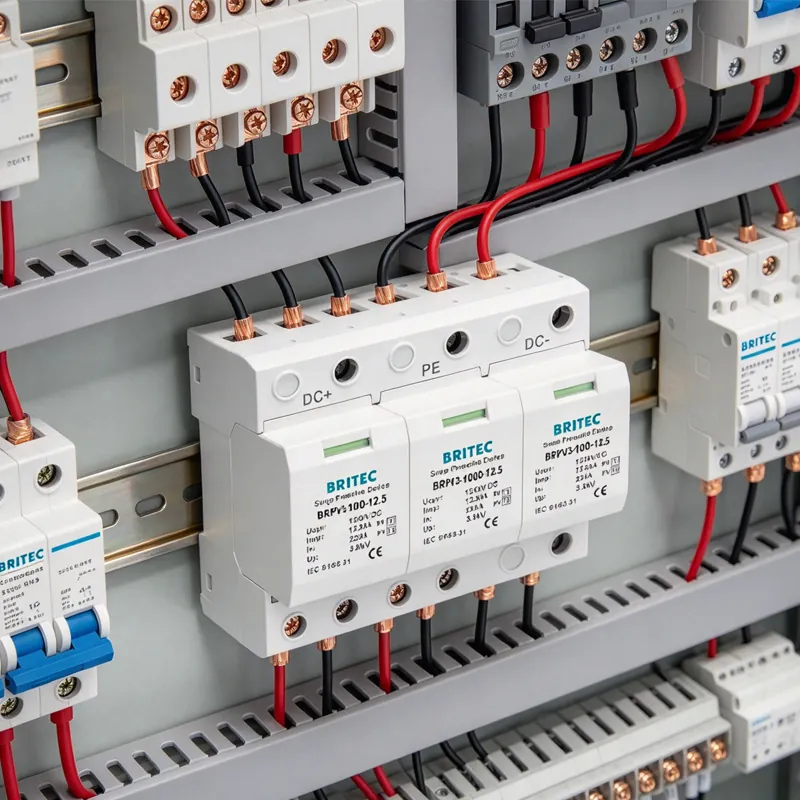
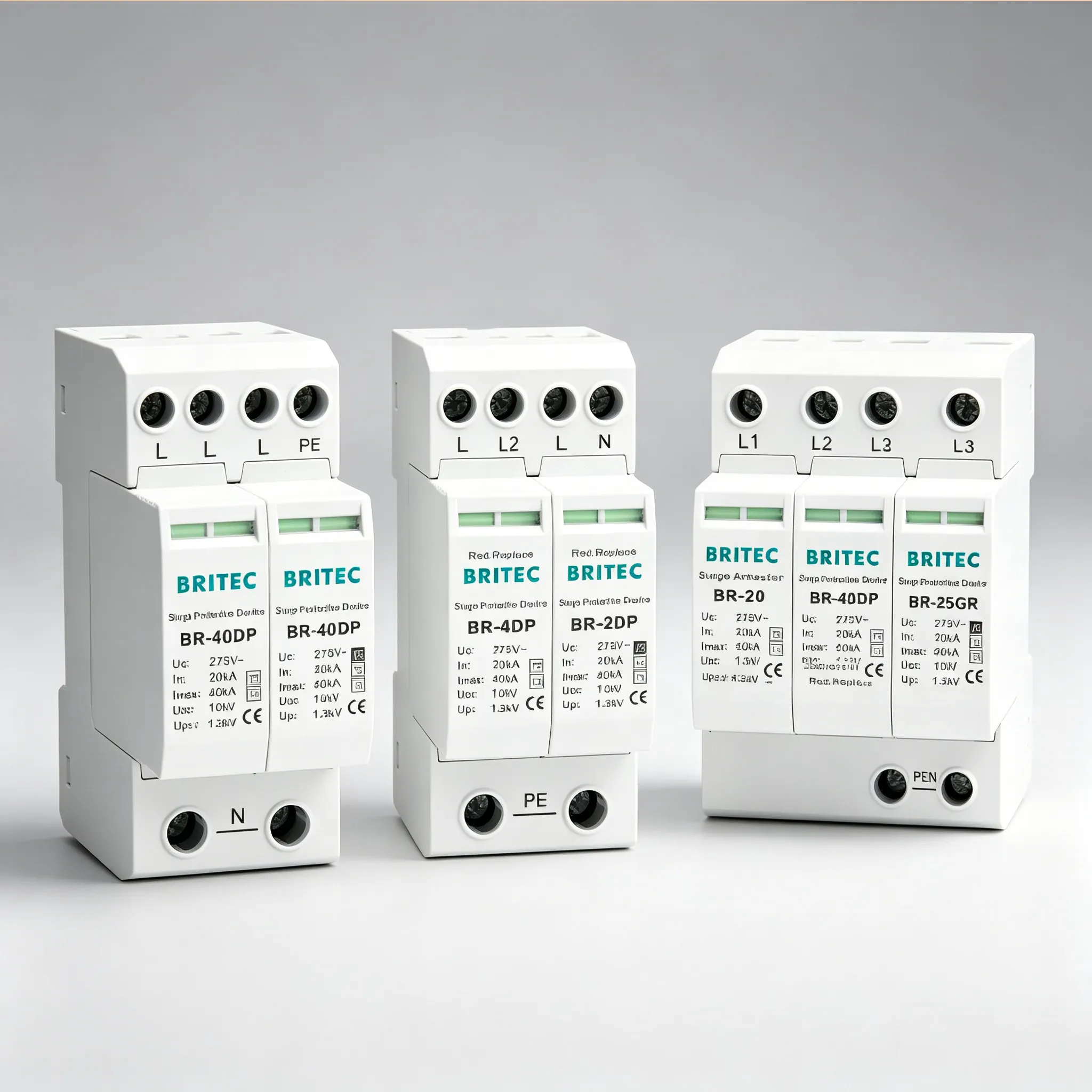
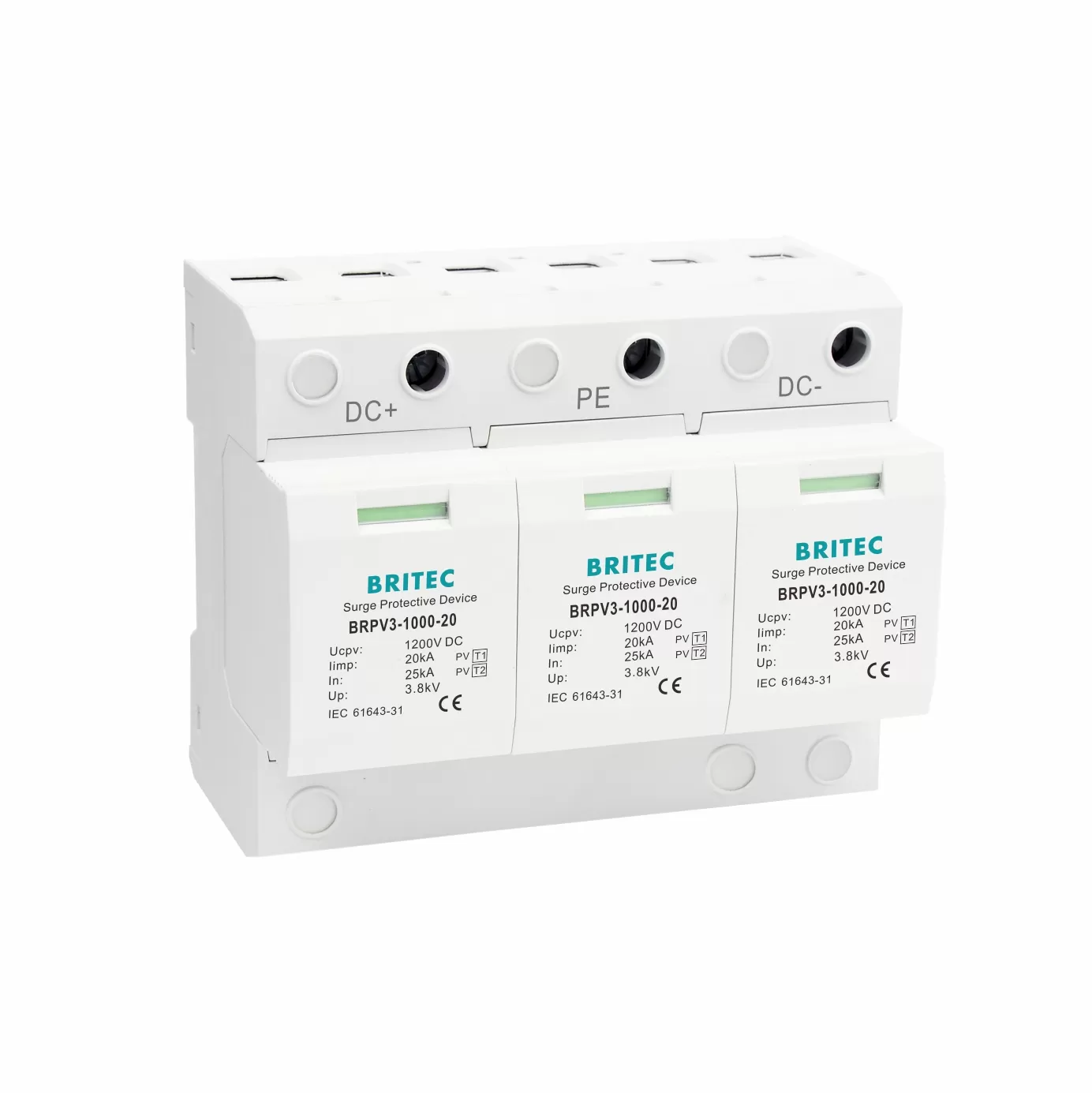
What separates a reliable DC surge protective device from one that fails early is decided long before installation, in the materials chosen and the process used to assemble them. This article follows a DC SPD through six manufacturing stages, beginning with metal oxide varistor wafer selection and the zinc oxide grade and disc diameter that determine energy handling. It examines gas discharge tube integration and the series topology that extinguishes DC arcs where no natural zero crossing exists, the thermal disconnect assembly behind fail-safe behaviour, UL94 V-0 housing moulding and DIN rail fitting, and terminal plating and torque assembly. The final stage covers impulse, aging and leakage testing before shipment. Two further sections identify the material choices that most affect service life and the quality control checkpoints applied from raw wafer to finished module.