

As industrial environments become increasingly complex, even a brief yet powerful voltage surge can disrupt operations or damage precision equipment; therefore, selecting the appropriate surge protector is crucial.
Based on our experience working with buyers worldwide, we have observed the following: many issues don’t come from lack of protection… but from choosing the wrong protection. Selecting the right surge protective device SPD requires understanding your system, your risks, and your application.
The foundation of selecting a surge protective device starts with understanding your system voltage and whether your application is AC or DC.
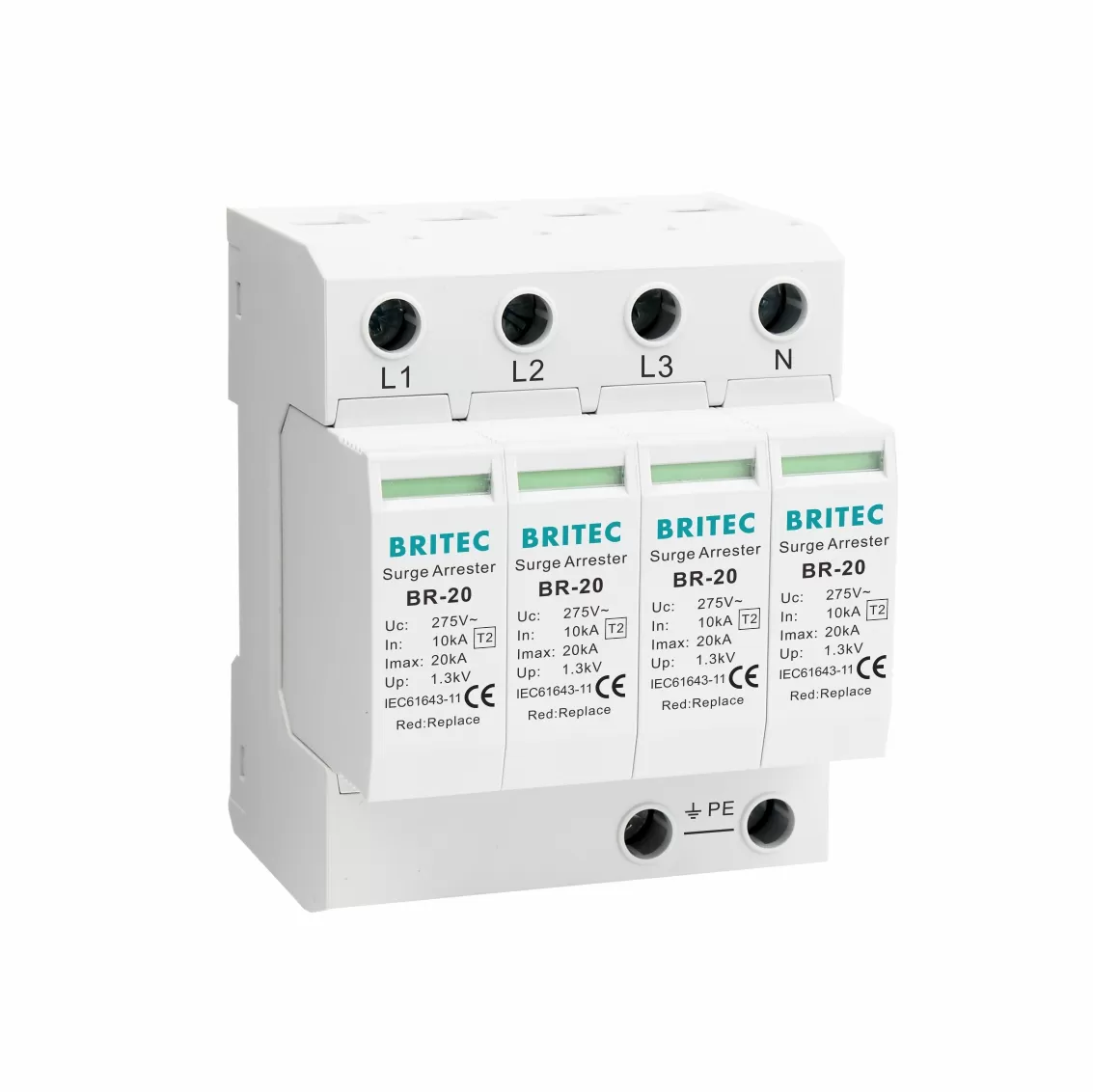
Industrial facilities typically operate on AC systems, where a type 2 surge protective device is commonly used. However, for solar, battery storage, or hybrid systems, a DC surge protective device becomes essential.
Choosing an SPD that does not match the system voltage can lead to ineffective protection—or worse, device failure. A properly matched surge protective device SPD ensures optimal performance under real operating conditions.
Placement is everything… seriously.
A Surge Protective Device Type 2 is generally installed at the main distribution board, providing primary protection against incoming surges. Meanwhile, a surge protective device type 3 is used closer to sensitive equipment for fine-level protection.
This layered protection strategy is widely accepted in industrial design. It ensures that surge energy is gradually reduced before reaching critical devices.
Not all surges are equal. Some are minor, others… extremely destructive.
This is why discharge capacity matters. Industrial-grade surge protective device SPD units typically offer protection levels ranging from 10kA to 200kA.
A higher-rated surge protective device can handle stronger surges, especially in environments with unstable grids or frequent lightning activity. Selecting the right capacity ensures durability and long-term reliability.
For international buyers, compliance is not optional—it’s a requirement.
A certified surge protective device ensures compatibility with global standards and simplifies project approvals. Certifications such as CE, TÜV, CB, and RoHS demonstrate that the surge protective device SPD meets safety and environmental requirements.
Working with a certified manufacturer also reduces procurement risks and builds long-term trust.
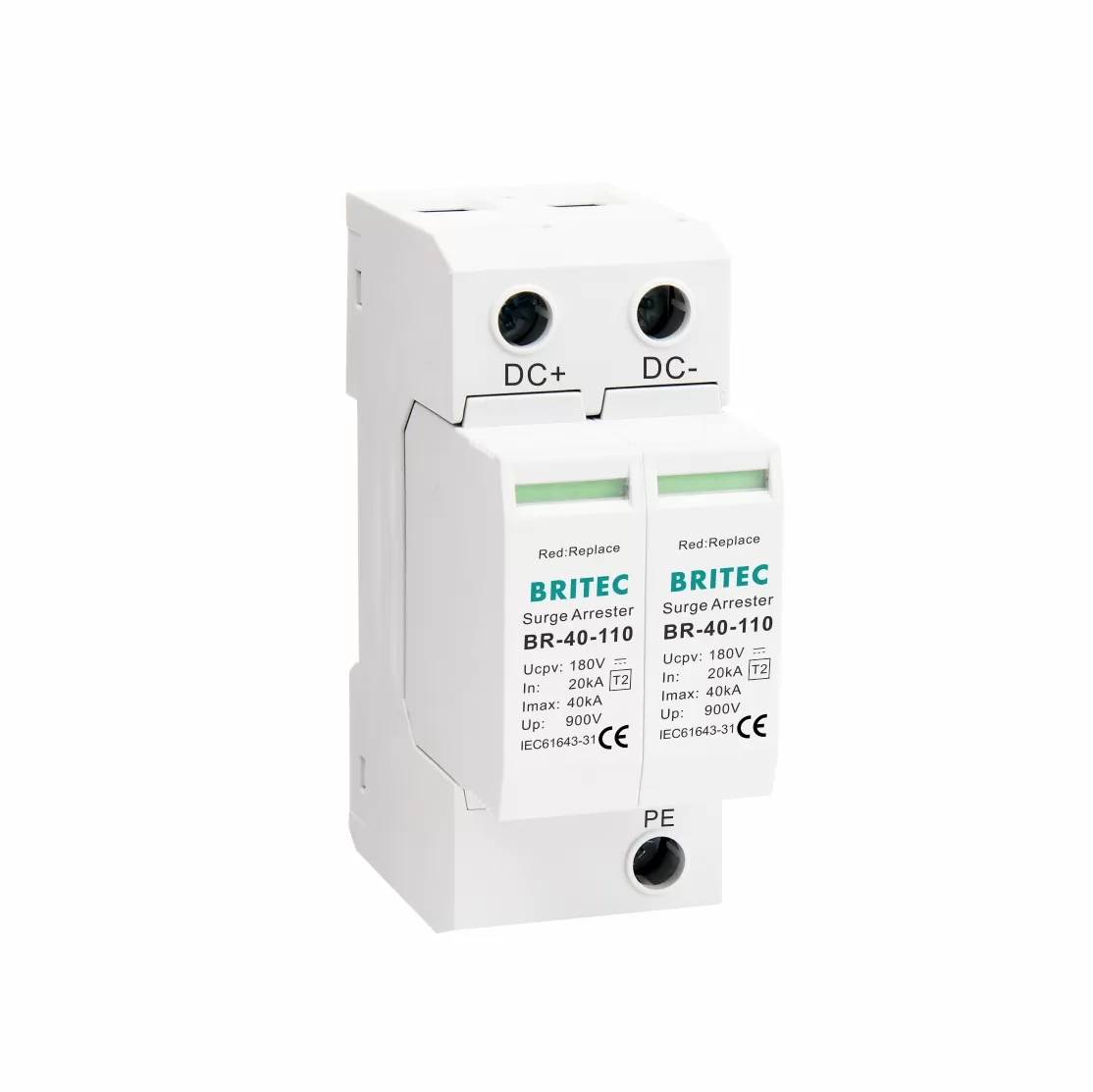
O type 2 surge protective device is the backbone of industrial surge protection. Installed at distribution boards, it protects against indirect lightning strikes and switching surges.
It is widely used in factories, commercial buildings, and infrastructure systems.
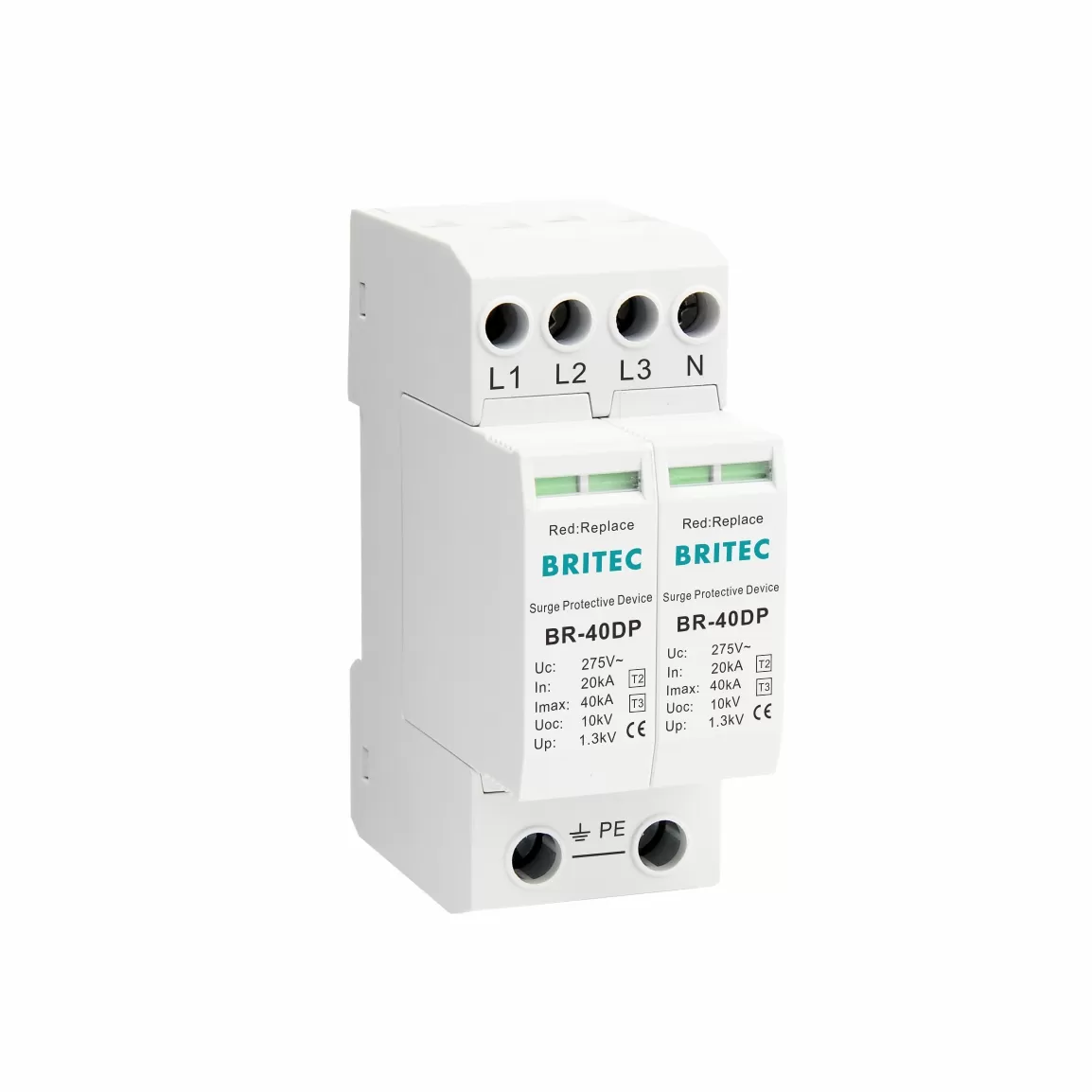
Surge protective device type 3 provides localized protection for sensitive equipment such as control panels, communication devices, and automation systems.
It is designed for precision protection and works best when combined with Type 2 devices.
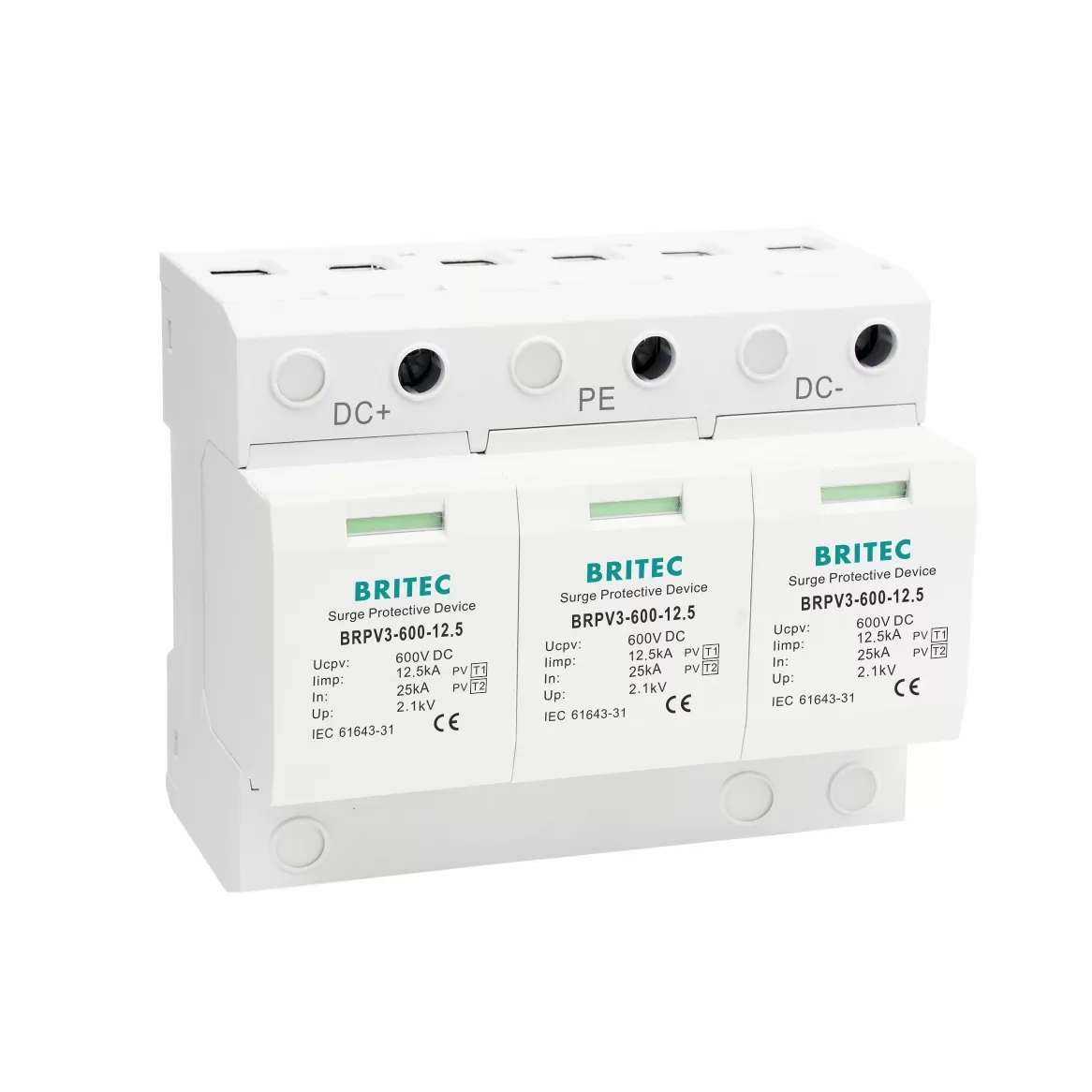
With the growth of renewable energy, DC surge protective device solutions are becoming increasingly important.
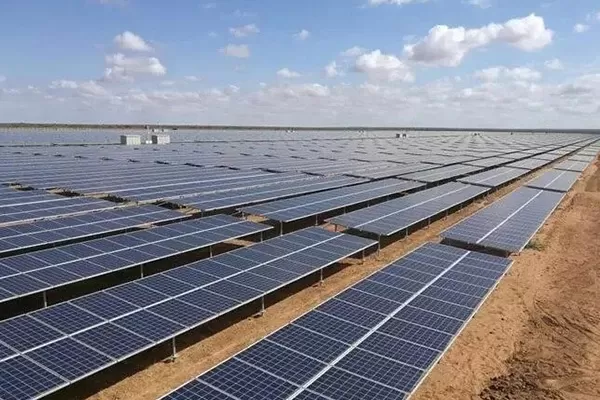
These devices are specifically designed for high-voltage DC systems such as solar photovoltaic installations, protecting inverters, panels, and storage units.
| SPD Type | Aplicativo | Faixa de tensão | Local de instalação | Nível de proteção | Typical Use |
|---|---|---|---|---|---|
| Tipo 2 SPD | AC systems | 230V–690V | Distribution board | Medium-high | Industrial systems |
| Tipo 3 SPD | End devices | 110V–230V | Near equipment | Fine protection | Sensitive electronics |
| DC SPD | Solar systems | 600V–1500V | PV systems | Alto | Solar & storage |
This comparison helps buyers quickly determine the most suitable Surge Protective Device Type 2 ou DC surge protective device for their needs.
A common issue among buyers is selecting a surge protective device SPD without fully understanding system requirements.
This often leads to mismatched voltage ratings or inadequate protection performance.
Using a surge protective device type 3 where a Type 2 is required can leave systems exposed.
Each type has a specific role, and misunderstanding this can compromise the entire protection strategy.
Even the best surge protective device will not perform effectively if installed incorrectly.
Proper positioning ensures maximum efficiency and protection.
Correct installation is just as important as selection.
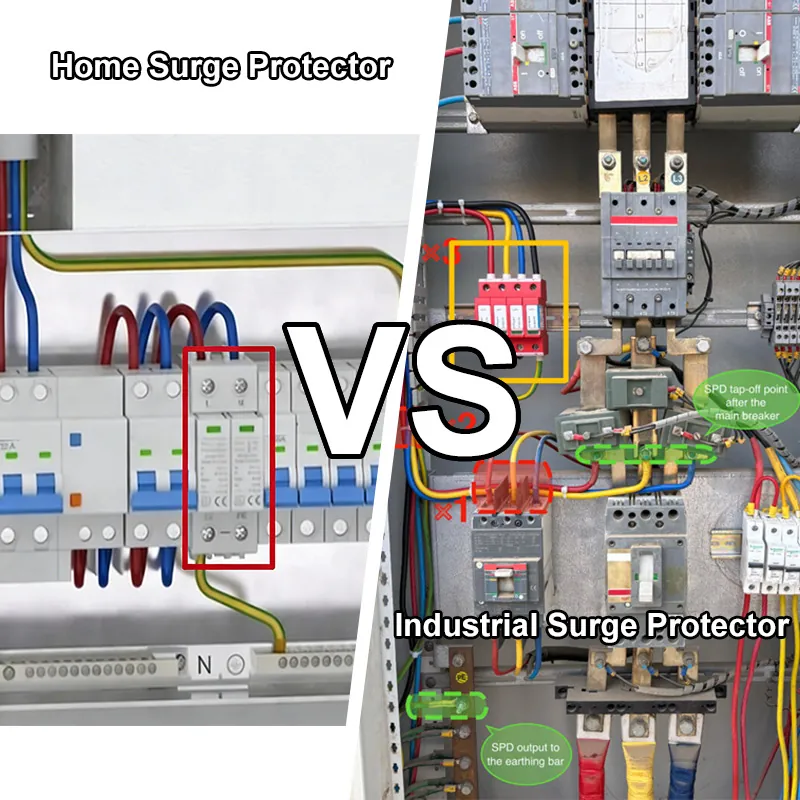
A type 2 surge protective device should be installed at the main distribution board to handle incoming surges.
At sub-distribution levels, additional SPDs enhance system resilience.
Near critical equipment, a surge protective device type 3 provides fine protection.
For renewable energy systems, DC surge protective device units are installed between panels and inverters, ensuring full coverage.
A well-designed installation strategy creates a complete protection network.
How Can I Tell If My Surge Protector Is Still Working?
Most modern surge protective device SPD units include visual or LED indicators that show operational status.
What Is The Lifespan Of An SPD?
The lifespan depends on surge frequency and intensity, but a high-quality surge protective device can last several years.
Are Spds Easy To Install?
Yes, especially modular designs used in type 2 surge protective device products.
Can Spds Prevent All Damage?
No, but a properly selected surge protective device SPD significantly reduces risk.
Do Surge Protectors Stop Breakers From Tripping?
Not directly. A surge protective device handles transient surges, while breakers respond to overloads.
Does Spd Go Before Or After Main Breaker?
Typically, a type 2 surge protective device is installed after the main breaker in the distribution board.
Selecting the right surge protective device is a strategic decision that directly impacts the reliability and safety of industrial systems. From understanding system voltage to choosing between type 2 surge protective device, surge protective device type 3, e DC surge protective device, each factor plays a crucial role.
Britec Electric combines over 20 years of manufacturing expertise with globally certified quality to deliver dependable surge protective device SPD solutions. Whether for industrial facilities or renewable energy projects, the right protection ensures long-term stability and cost efficiency.
If you are looking for a reliable supplier, now is the perfect time to connect with Britec Electric. Contact us today for expert advice and competitive pricing tailored to your project needs.


 Optimized by Seraphinite Accelerator