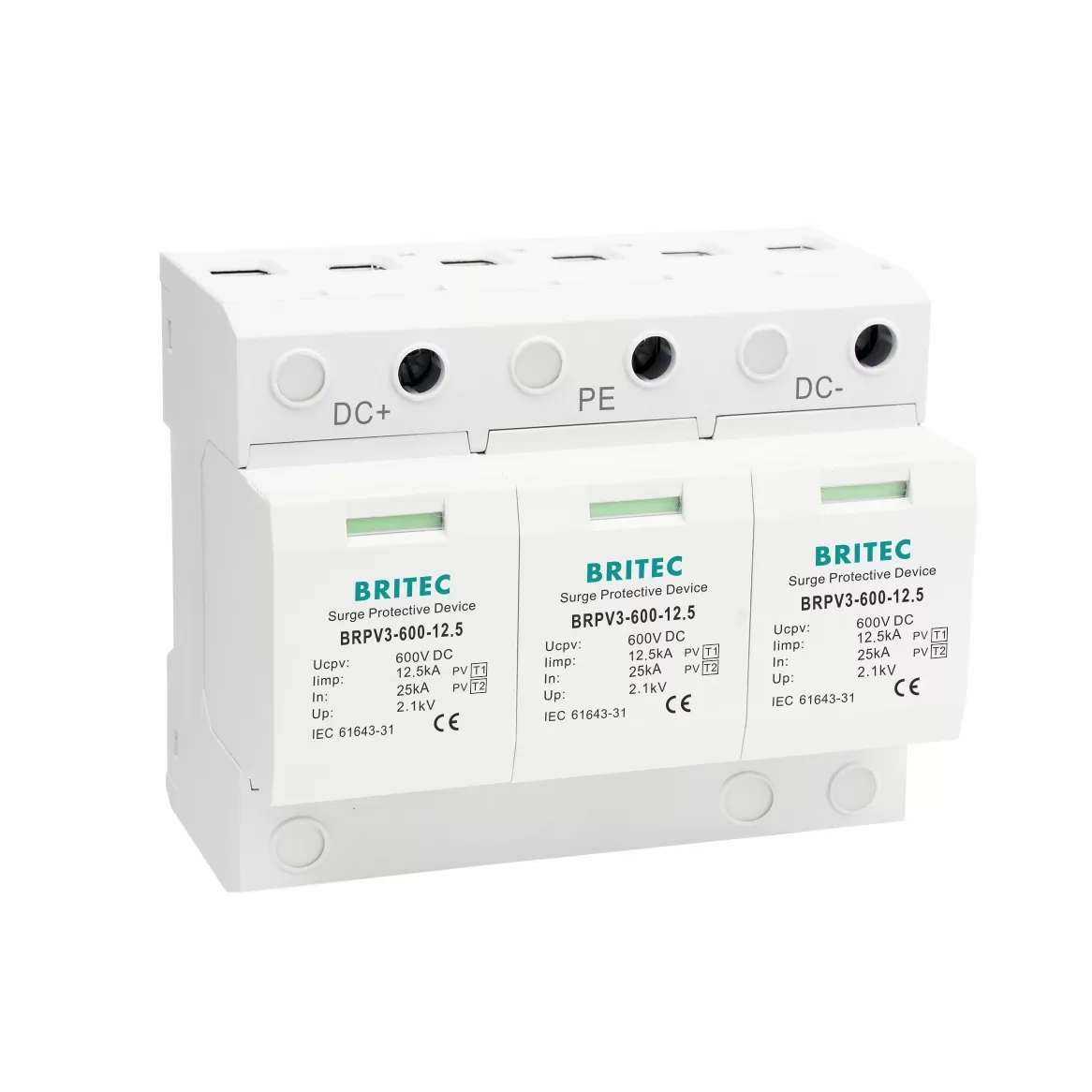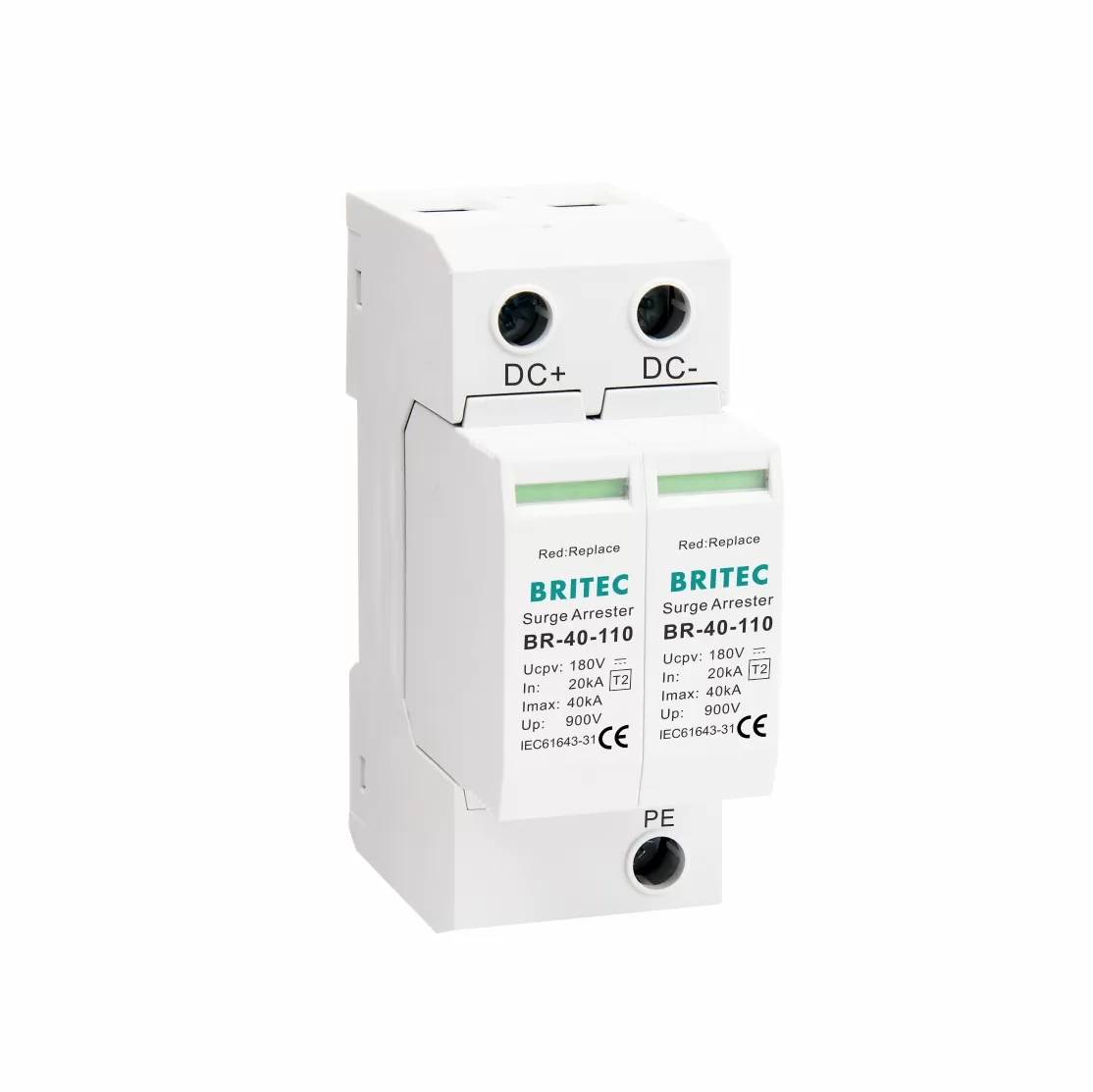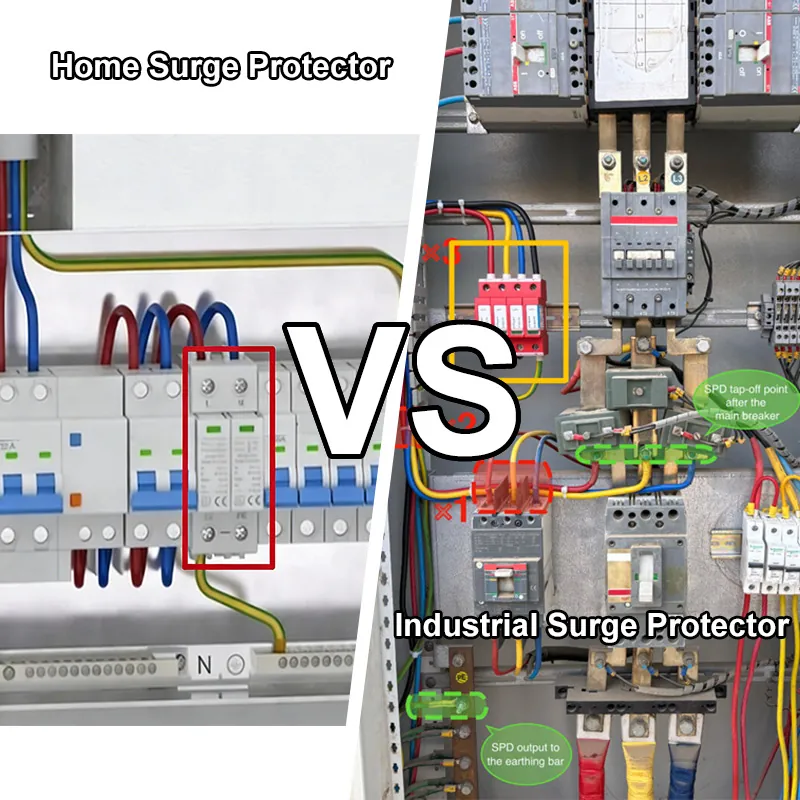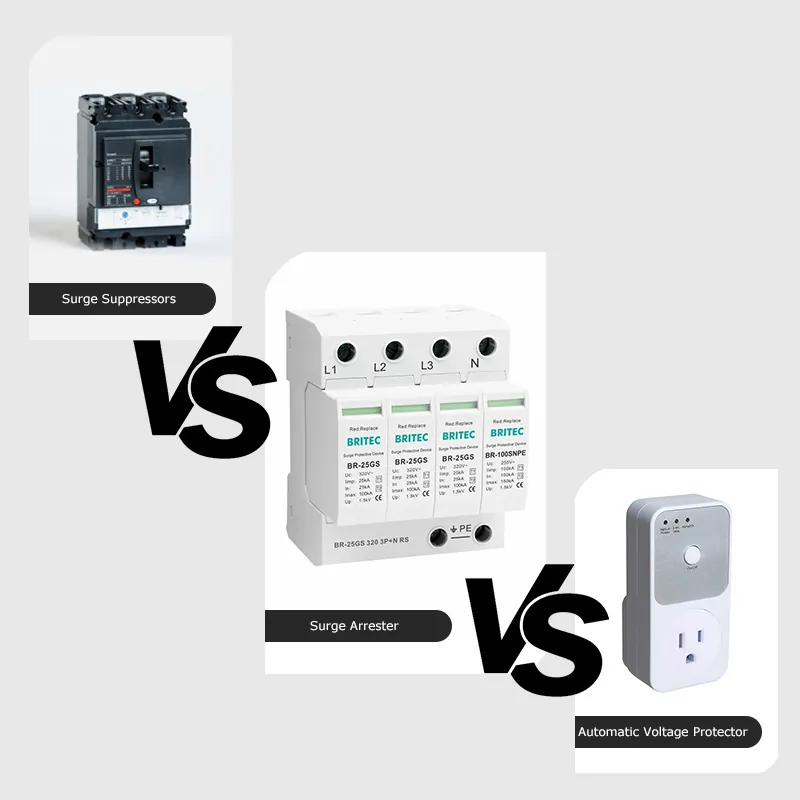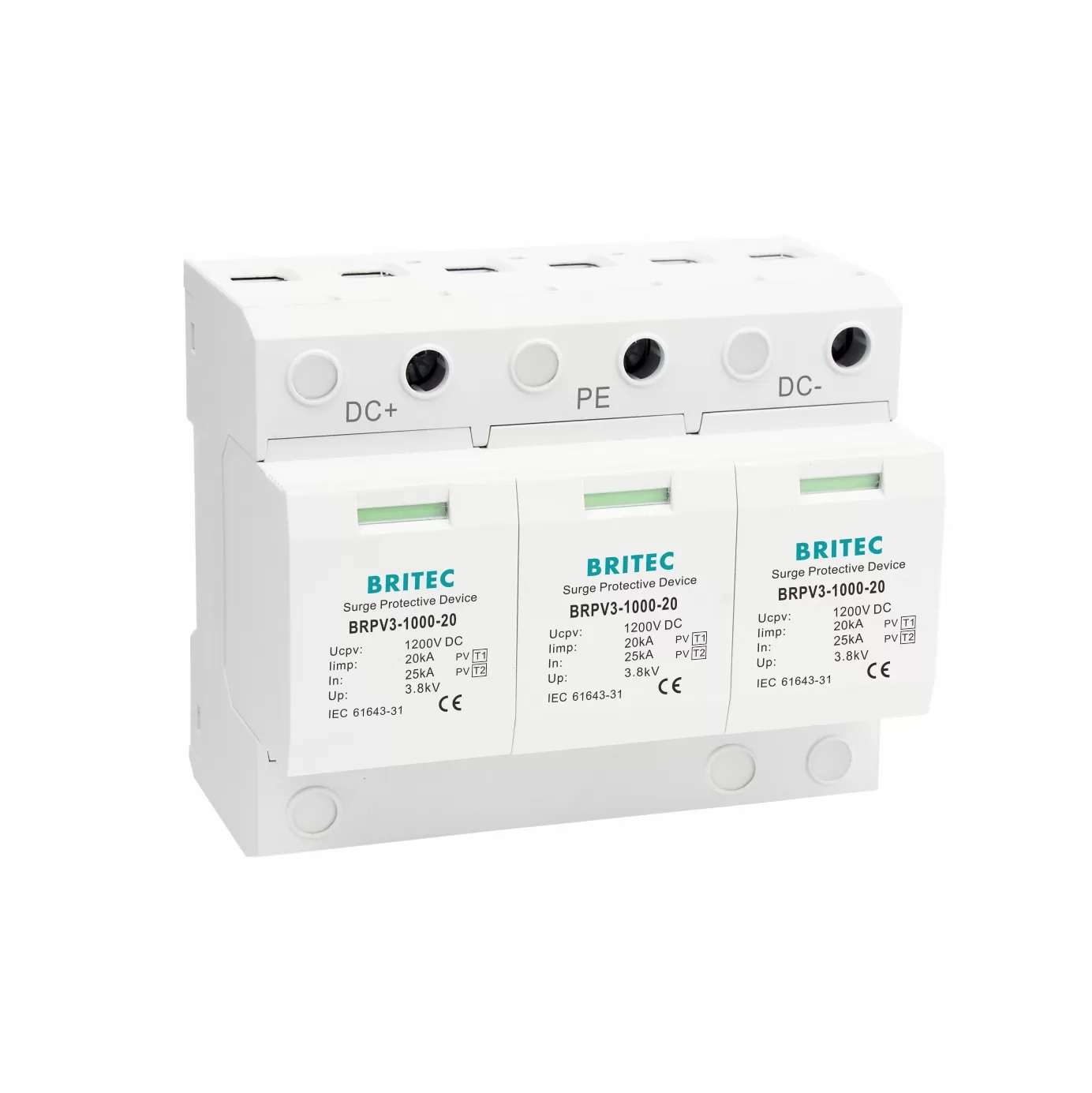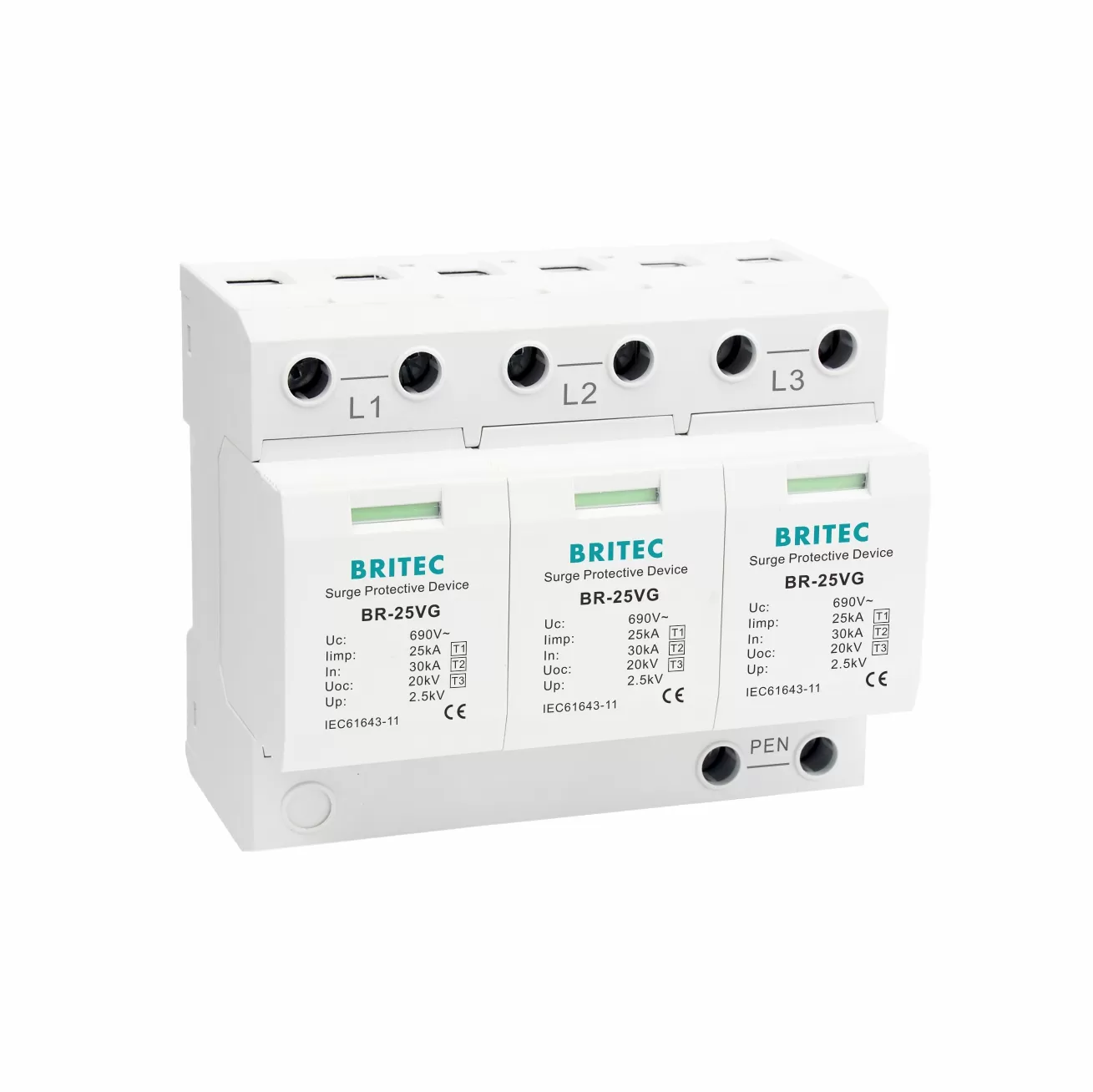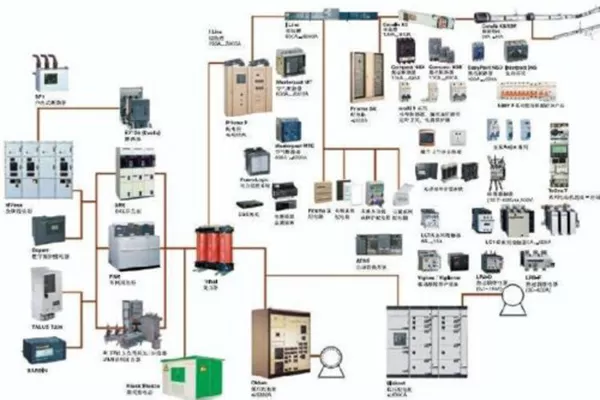


If you are sourcing electrical protection devices, you have probably noticed that Ogranicznik przepięć, Surge Suppressors, I Automatic Voltage Protector are often mentioned together—sometimes even used interchangeably. That confusion costs buyers money, time, and occasionally entire projects. In reality, these devices solve very different power-quality problems.
In this guide, you will compare them side by side, understand where each one fits, and learn how to select the right combination for your application without overengineering—or underprotecting—your system.
Before you compare prices or suppliers, you need clarity. As a buyer, your decision should be driven by risk type, voltage level, I asset value—not product names.
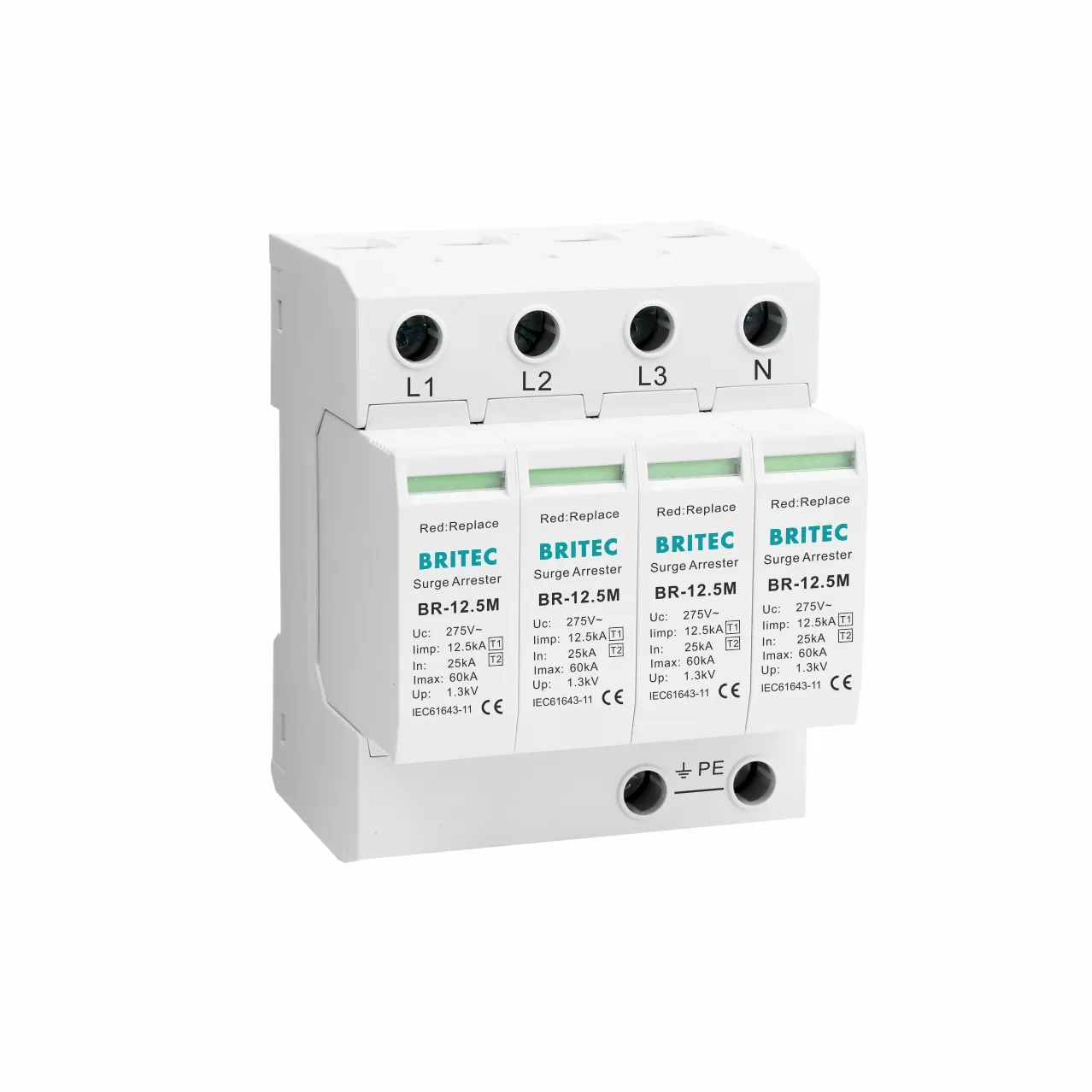
A Ogranicznik przepięć is a device designed to divert high-energy transient overvoltages—typically caused by lightning or switching events—away from critical equipment and safely into the grounding system. It is commonly used in medium- and high-voltage networks.
Surge Suppressors, more accurately referred to as Urządzenia przeciwprzepięciowe (SPD), are low-voltage protection components installed in distribution panels. They clamp fast transient surges to a safe level before sensitive electronics are damaged.
Jakiś Automatic Voltage Protector (AVP) focuses on long-duration voltage abnormalities. Instead of clamping surges, it disconnects or regulates the load during overvoltage, undervoltage, or unstable supply conditions.
Already, you can see the difference: surge events are short and violent; voltage faults are slow and persistent.
You typically see Ograniczniki przepięć deployed on transmission lines, substations, pole-mounted transformers, and outdoor switchgear. They are the first line of defense against lightning energy entering the grid.
Surge Suppressors live closer to your equipment—inside main distribution boards, control panels, data centers, and industrial automation cabinets. This is where electronics actually fail.
Jakiś Automatic Voltage Protector is most common in residential buildings, commercial facilities, telecom rooms, and light industrial systems where voltage instability is frequent and equipment restart matters.
One procurement manager I worked with learned this the hard way. They installed SPDs only, assuming all voltage problems were covered. Repeated undervoltage events still killed compressors. An AVP would have saved them thousands.
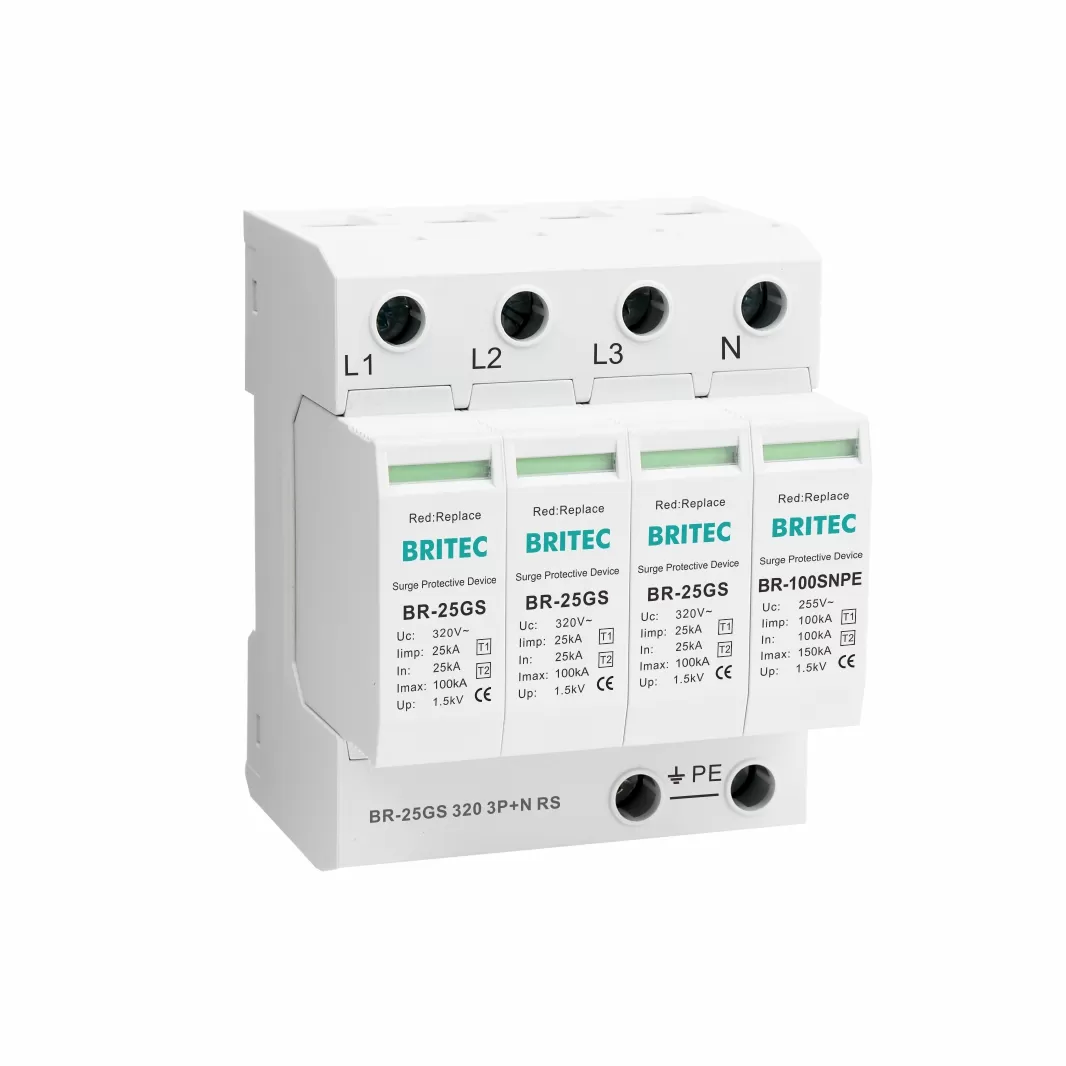
A Ogranicznik przepięć protects insulation systems, transformers, and large power apparatus.
Surge Suppressors protect PLCs, servers, inverters, CCTV systems, and electronic control boards.
Jakiś Automatic Voltage Protector protects motors, refrigerators, air conditioners, and any load sensitive to sustained voltage deviations.
Think of it this way: if your equipment has a microchip, it needs an SPD; if it has a motor winding, it probably needs an AVP.
Ograniczniki przepięć operate in medium and high voltage ranges—from several kilovolts up to hundreds of kilovolts.
Surge Suppressors are designed for low-voltage systems such as 120V, 230V, 400V, and 690V.
Jakiś Automatic Voltage Protector almost always works in low-voltage environments, typically below 1kV.
This voltage distinction alone eliminates many buying mistakes.
A Ogranicznik przepięć responds by rapidly becoming conductive during a surge, channeling energy to ground.
Surge Suppressors clamp voltage using nonlinear components such as MOVs or gas discharge tubes.
Jakiś Automatic Voltage Protector monitors RMS voltage continuously and disconnects or stabilizes the load when thresholds are exceeded.
Fast versus smart—that’s the simplest way to remember it.
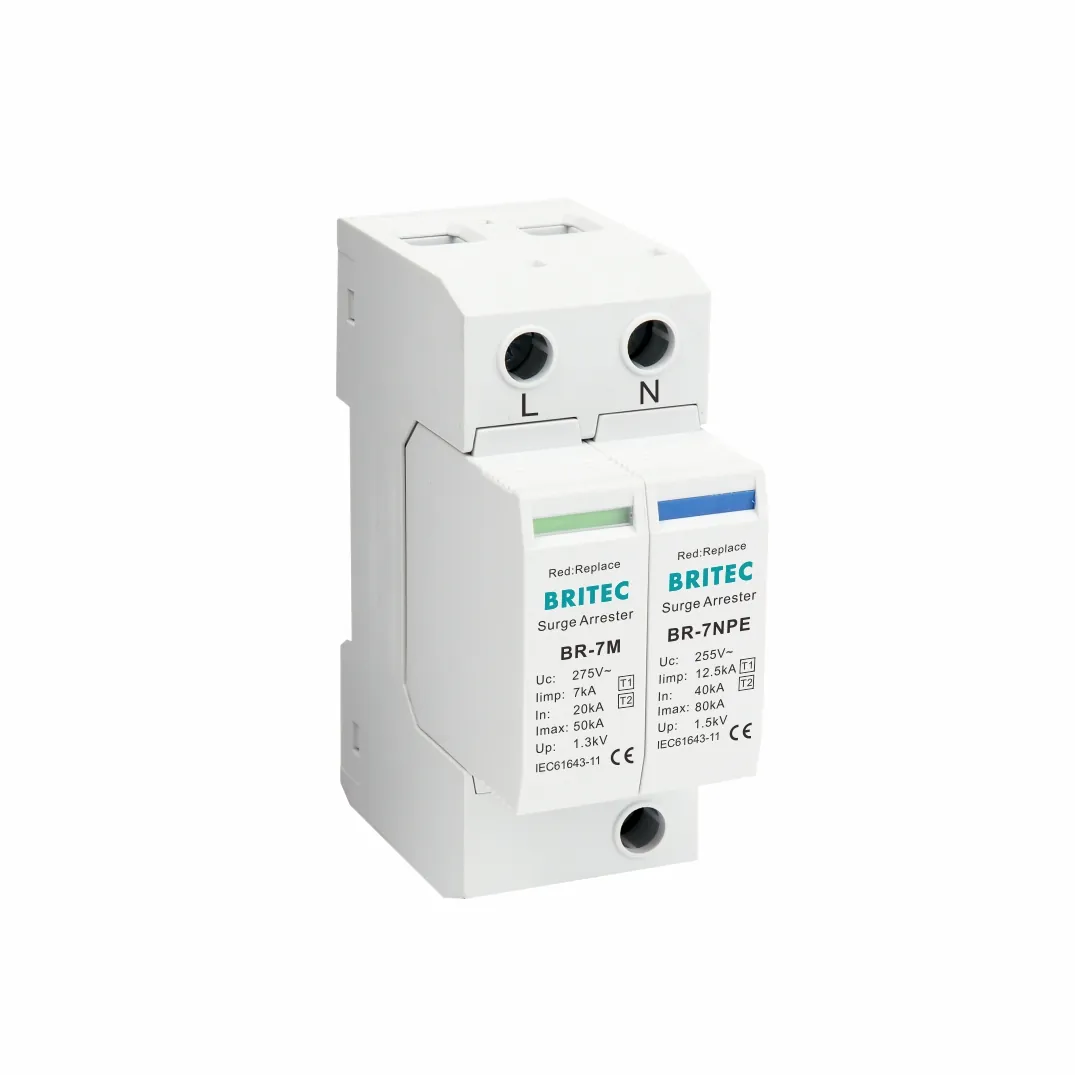
Ograniczniki przepięć are installed outdoors or at service entrances.
Surge Suppressors are installed inside panels, as close as possible to protected loads.
Jakiś Automatic Voltage Protector is installed in series with the load or at branch circuits.
Placement matters more than brand. A poorly located SPD is almost useless.
Ogranicznik przepięć is about energy diversion, not voltage regulation.
Surge Suppressors are mandatory for protecting modern electronics.
Automatic Voltage Protector solves problems SPDs simply cannot.
Layered protection always outperforms single-device solutions.
Correct installation matters more than nominal ratings.
As a procurement professional, you are not just buying products—you are buying risk reduction. Start by asking yourself a few uncomfortable questions.
How expensive is downtime in your facility?
Are your failures sudden and random, or slow and repetitive?
Is lightning common in your region?
If your site includes outdoor lines or transformers, you need a Ogranicznik przepięć—no debate there.
If your project includes PLCs, VFDs, servers, or smart meters, Surge Suppressors are non-negotiable.
If your utility supply is unstable, or generators frequently switch in and out, an Automatic Voltage Protector becomes your safety net.
In one real-world factory upgrade, combining all three reduced equipment failure by over 70% in the first year. Yes, the upfront cost was higher—but the ROI was obvious by month six.
Do I need both SPD and AVP?
Yes, if your system faces both transient surges and unstable voltage. They protect against different threats.
Can these devices be used together?
Absolutely. In fact, layered protection is considered best practice in modern electrical design.
Is a Surge Arrester the same as an SPD?
No. A surge arrester is typically used in medium or high voltage systems, while SPDs are low-voltage devices.
Can surge suppressors protect against lightning?
Indirect lightning surges, yes. Direct strikes require upstream surge arresters.
Is a Surge Arrester better than a Surge Suppressor?
Neither is better—they serve different voltage levels and protection roles.
How do I choose the right combination for my project?
Assess voltage level, equipment sensitivity, and fault history, then layer devices accordingly.
Do I still need an Automatic Voltage Protector if I use SPD?
Yes. SPDs do not protect against long-term overvoltage or undervoltage conditions.
As a buyer, your smartest move is not choosing one over the others, but building a coordinated protection strategy that matches your application reality.
If you want fewer failures, longer equipment life, and predictable operating costs, start specifying layered protection today—and work with suppliers who understand systems, not just products.
Surge arresters can be used for both high-voltage and low-voltage lightning protection. Surge suppressors generally refer to low-voltage devices, and surge protective devices (SPDs) are commonly used in our products. Automatic voltage protectors are more often used for over-voltage and under-voltage protection.


 #!trpst#trp-gettext data-trpgettextoriginal=78#!trpen#Optimized by #!trpst#trp-gettext data-trpgettextoriginal=77#!trpen#Akcelerator Serafinitu#!trpst#/trp-gettext#!trpen##!trpst#/trp-gettext#!trpen#