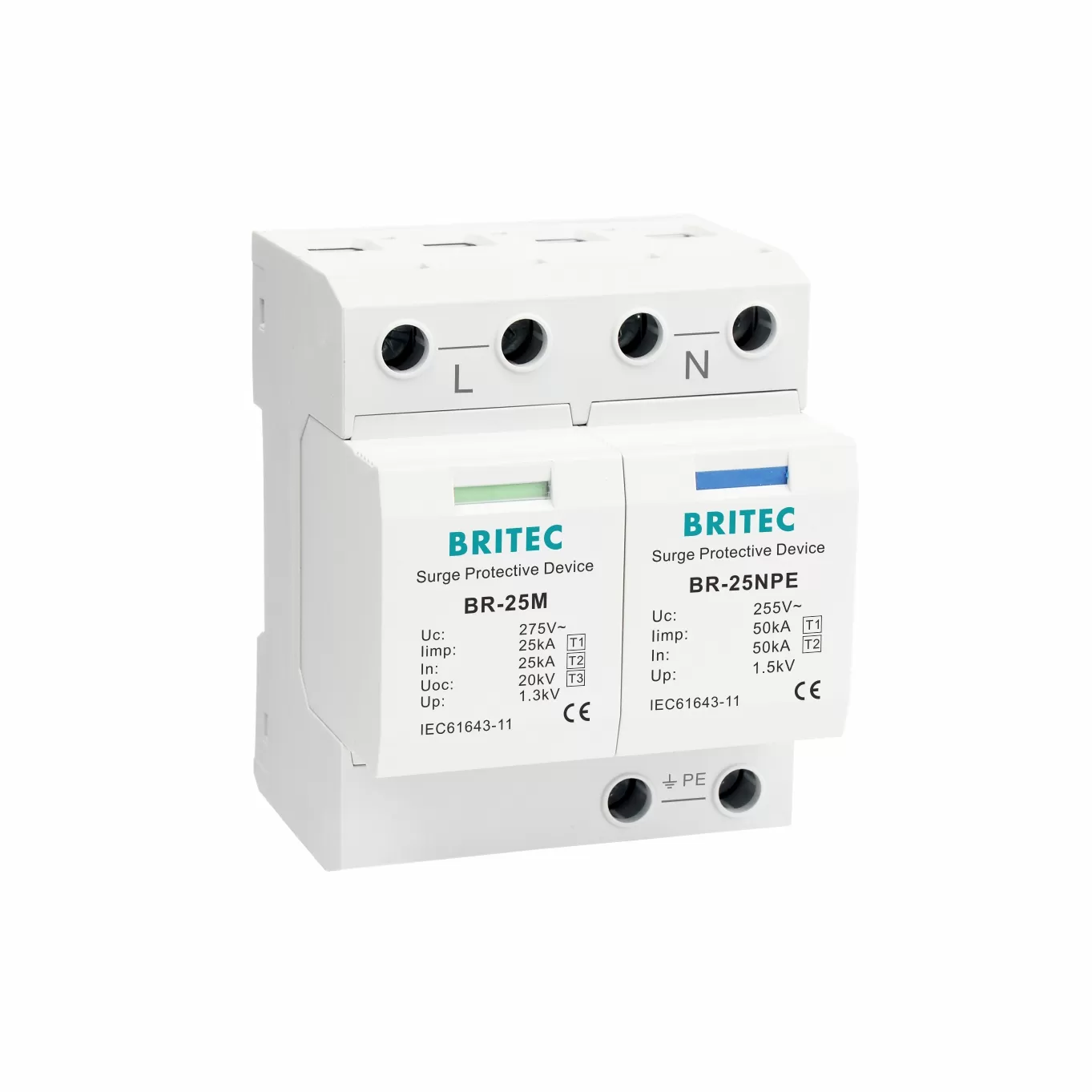


Do you find that the surge protector in your office or home is always plugged in and never turned off? Therefore, this article will provide buyers with an in-depth analysis of the advantages and disadvantages of keeping surge protectors powered on all the time, how to choose one, and related questions and answers.
Does your surge protector stay plugged in all the time? Don’t worry, in most cases, this is perfectly fine, and often by design.
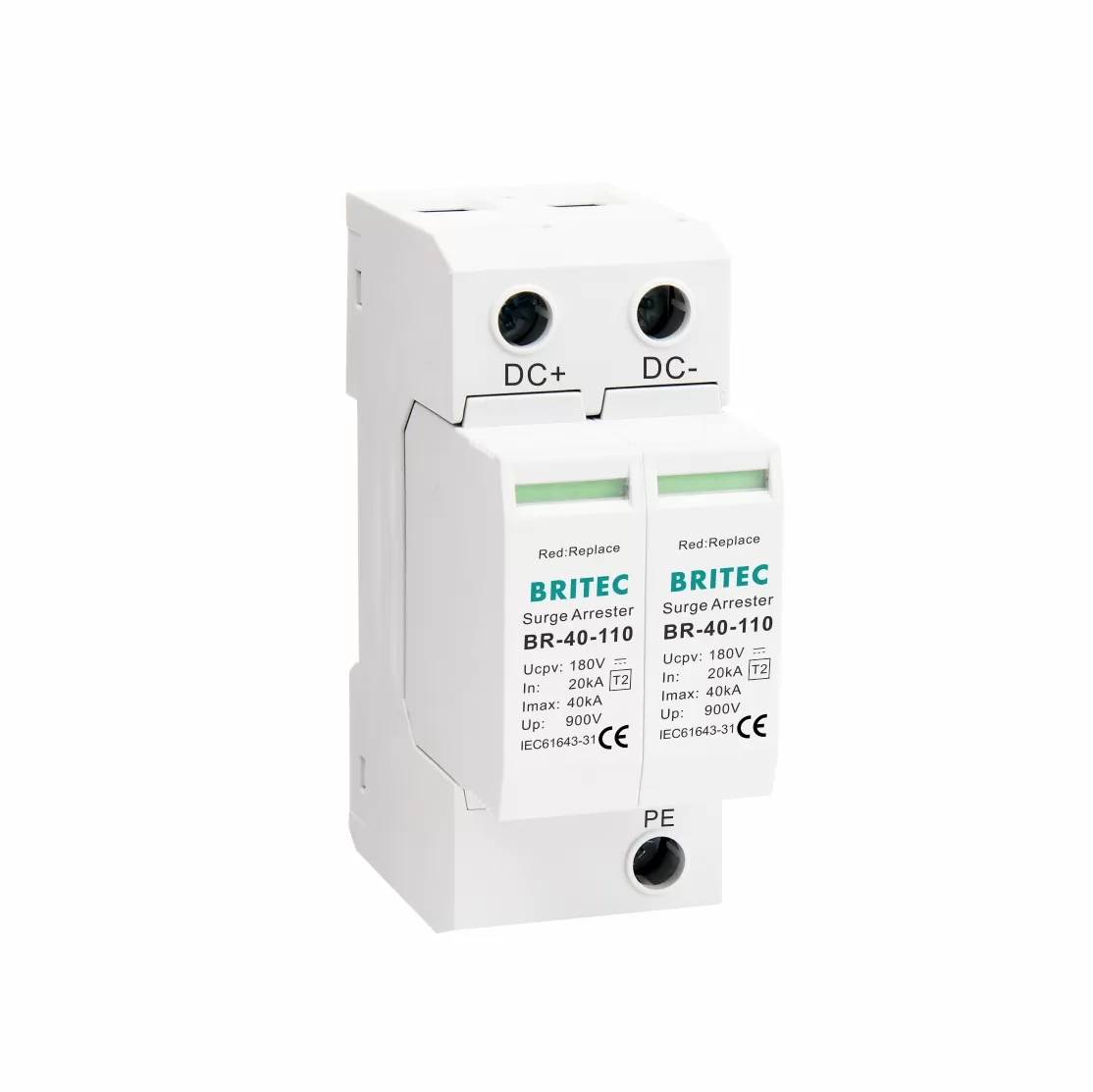
That’s roughly the role of a surge protector (SPD). Its primary function is to constantly monitor the current. Once it detects an abnormal voltage (such as a surge), it immediately sacrifices itself, conducting the excess voltage to ground to protect the expensive equipment behind it.
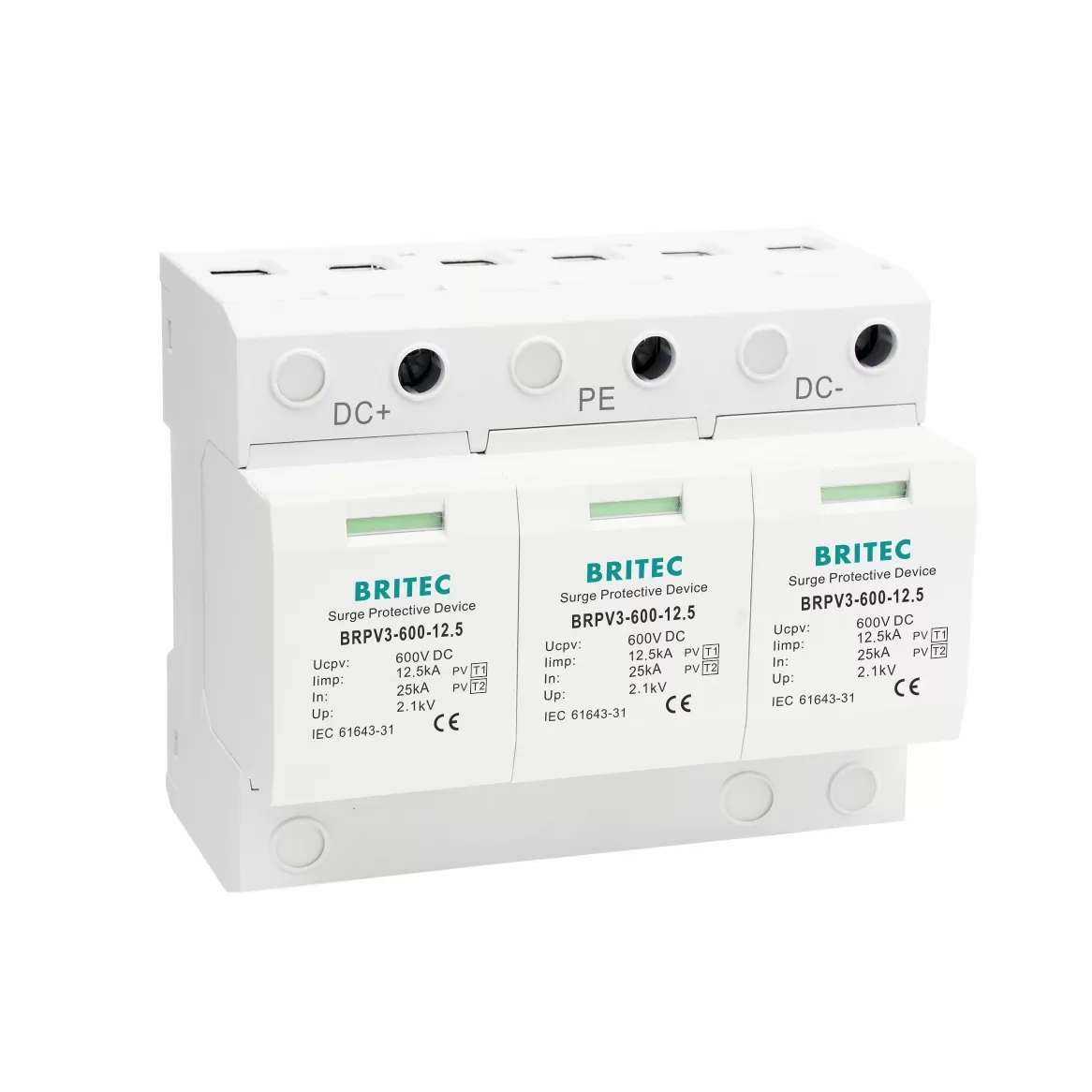
As a buyer, you certainly don’t just want to buy a “power strip”; you need a genuine Surge Protective Device SPD. With so many products on the market, how can you easily discern its true capabilities?
To help you compare prices and select the right product, I’ve compiled a quick reference table specifically for buyers. I recommend saving it.
| Technical Specifications | Co to jest? | Procurement Avoidance Guide | Beginner level suggestion | Professional level advice |
| Ocena Joule'a | The total amount of energy that a bodyguard can carry to fight. The higher the value, the longer the lifespan, and the stronger the protection ability | Don’t buy a ‘psychological placebo’ with less than 600 joules. | 600-1000 joules | 2000 joules or more (for servers, production line equipment) |
| Napięcie zaciskania | How fast does the bodyguard react when something happens, and at what level can they control the voltage. | The lower, the safer. Usually looking at specifications of 330V or 400V. | ≤ 400V | ≤ 330V (protecting precision instruments) |
| Czas reakcji | It takes a few nanoseconds from the appearance of a surge to the start of protection. | The shorter the better. It must be<1 nanosecond (ns). | < 5 ns | < 1 ns |
| UL 1449 Certification | This is a security certification in the United States, equivalent to ‘certified employment’. | Must have it! No, it’s a three no product. | have | Yes (and marked with testing level) |
| Maximum Continuous Voltage | The normal working voltage that bodyguards can withstand can cause a fever and spontaneous combustion if it is too high. | Match the voltage of the power grid in your area (such as 220V or 110V). | 220V/110V | Leave a certain margin, such as 275V |
It’s not a perpetual motion machine: Every surge protector has a lifespan, typically 3-5 years, or must be decommissioned after a major lightning strike.
Indicator lights can lie: The green “Protection” light going out indicates failure, but it being on doesn’t necessarily mean 100% healthy. Some inferior products may have the light on, but the internal components are already damaged.
Joules are the key: If you’re procuring for a server room, don’t hesitate to look for Type 2 surge protectors with 2000 Joules or higher, or even higher levels of whole-building protection.
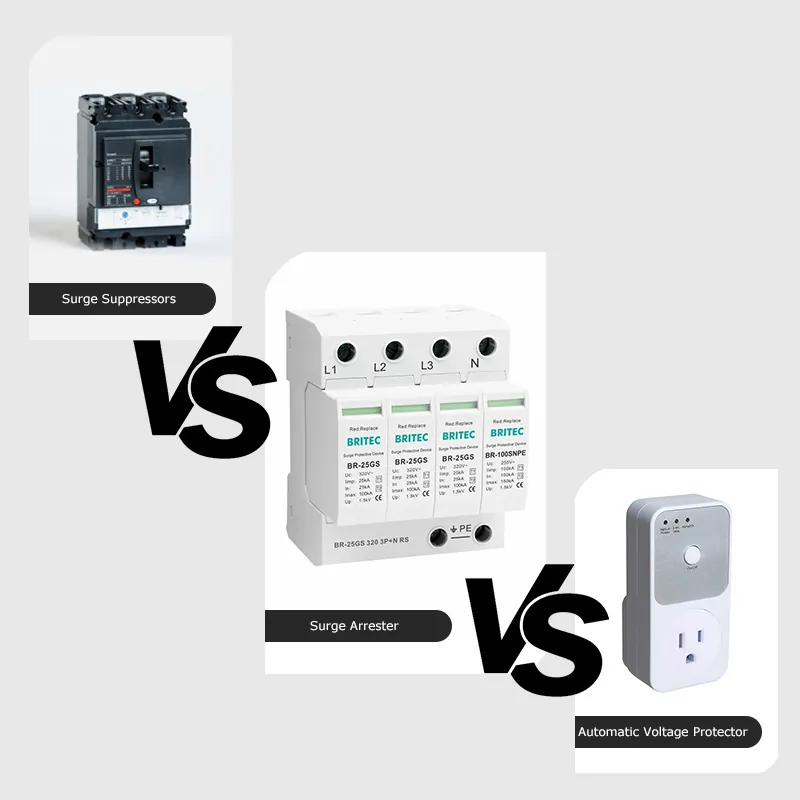
It’s not a “power strip”: Ordinary power strips are just for extending distance, while SPDs are for “bulletproofing.” Don’t confuse the two.
Grounding is crucial: Without a ground wire, a surge protector is useless. In the event of a surge, it has nowhere to discharge current, not only failing to protect equipment but also potentially exploding itself.
A close neighbor is worse than a distant relative: Besides protecting against lightning strikes (distant relatives), it primarily protects against internal power surges generated when your refrigerator or elevator starts (closer neighbors), which are the more frequent threats.
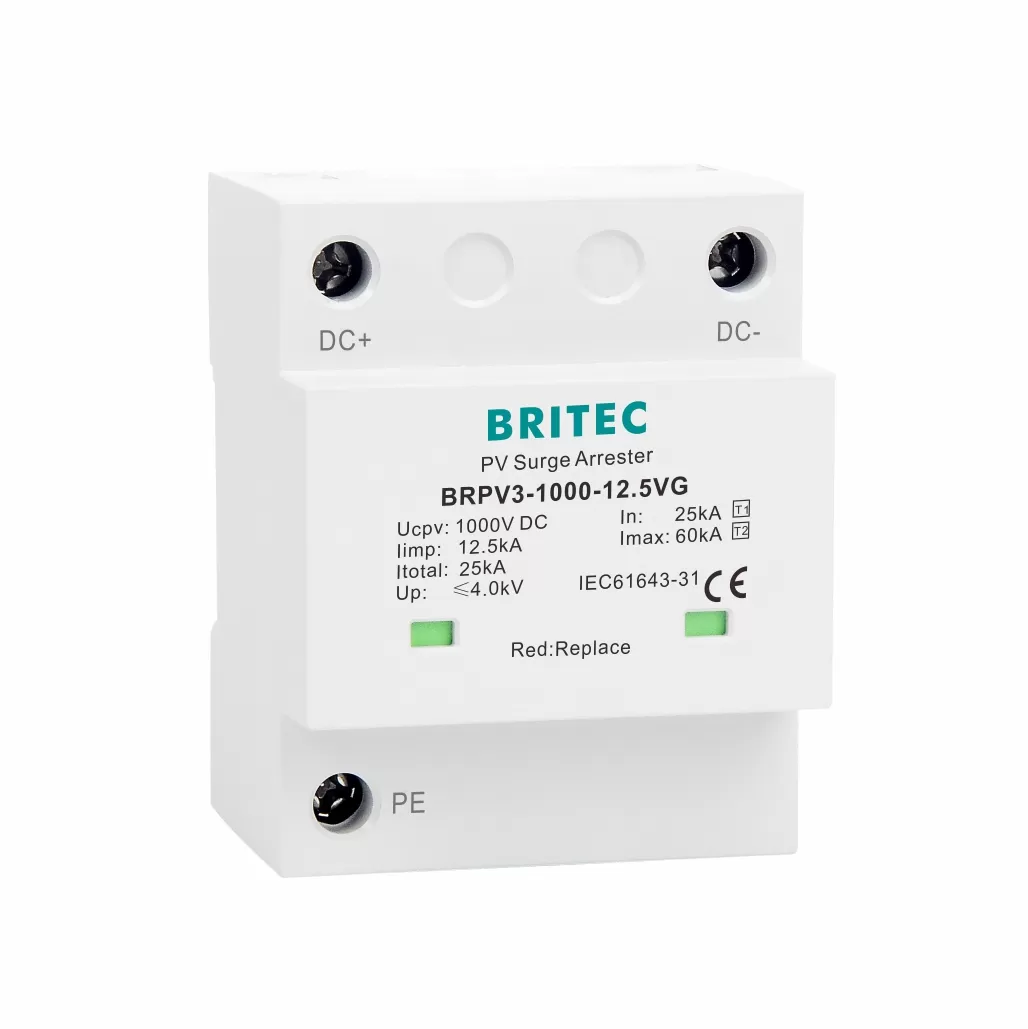
Surge protectors are designed to handle indirect surges caused by lightning, such as high voltage transmitted through power lines after a lightning strike to a pole or the ground. If lightning strikes the power lines directly in front of your house, the voltage of millions of volts is too high for any household surge protector to withstand. In this case, a building lightning protection system (lightning rod) and a higher-level Type 1 Surge Protective Device are required.
Besides in humid environments and when connecting high-power appliances, as mentioned above, never use it if it is damaged or has exceeded its lifespan. Also, do not use it with life support equipment or emergency lighting systems, as the consequences of a power outage caused by its failure would be far more severe.
Look at the markings! Legitimate surge protectors will clearly indicate the “Joules” rating, clamping voltage, and response time on the packaging or the product itself. Ordinary power strips are simply metal strips with no electronic components to “shield” power. If the product packaging doesn’t mention “surge protection” or “Joules,” it’s just an ordinary power strip.
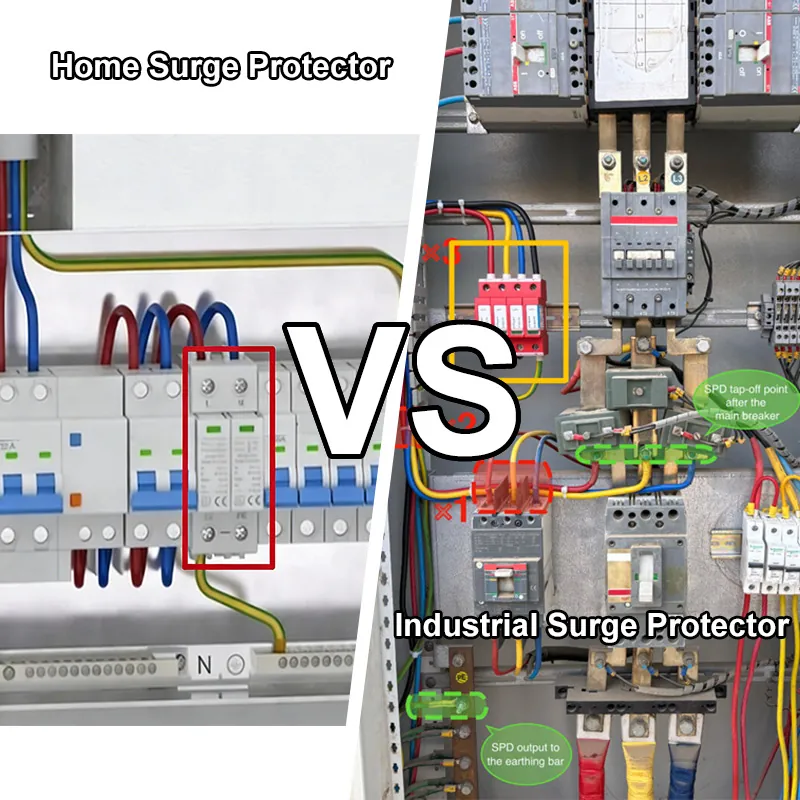
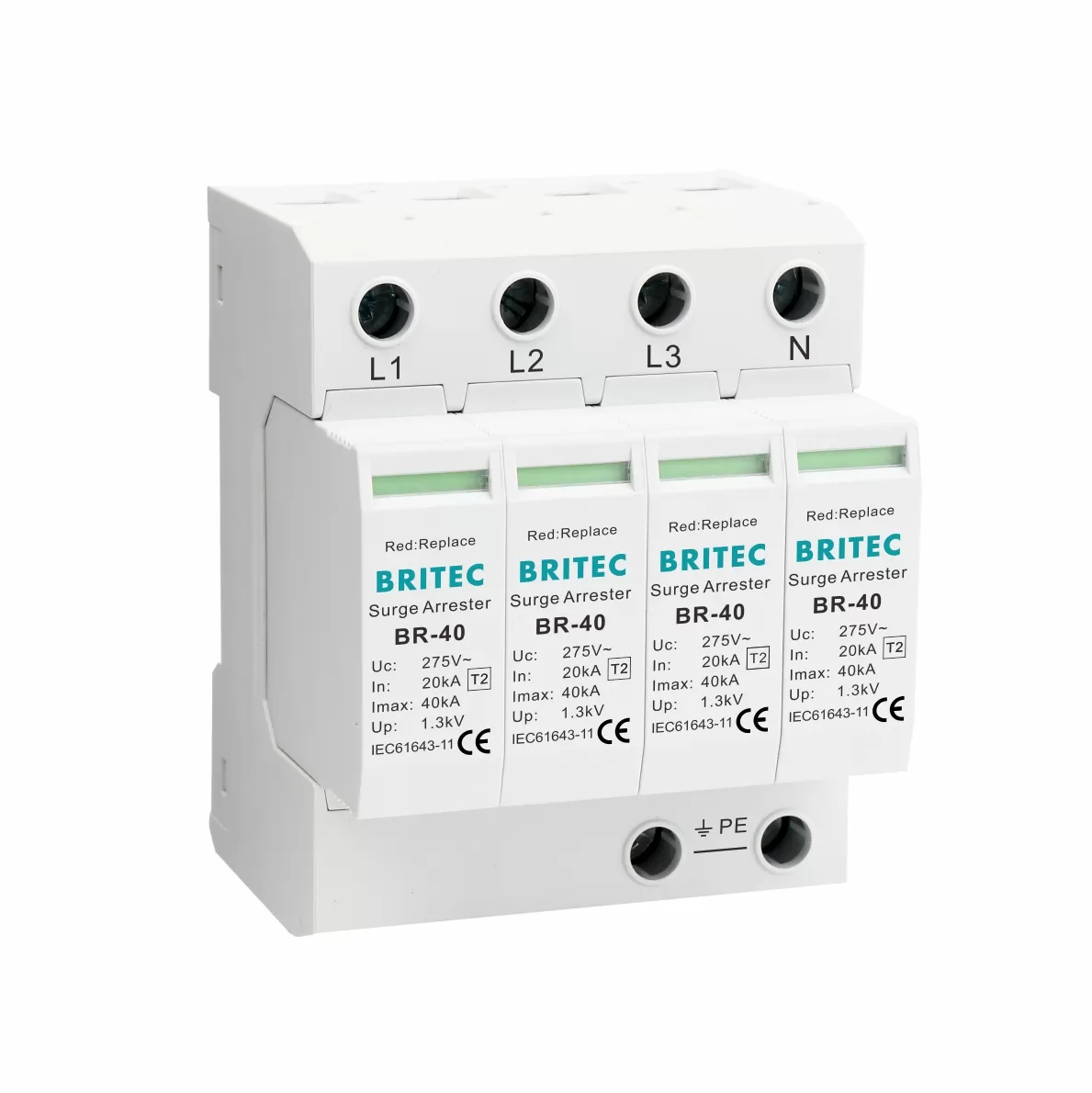
Type 2 Surge Protective Device is an international classification (IEC standard) for surge protectors. Type 2 is typically installed in floor distribution boxes or distribution cabinets to limit surges from the main line. If you are purchasing for an entire building or workshop, you usually need to use Type 2 in addition to Type 1 at the entrance. Household wall sockets are usually Type 3.
The most direct way is to check the “PROTECTED” indicator light. If the light goes out, replace it immediately. If the light is still on, but you’ve used it for several years, or it’s been through a major thunderstorm, I suggest you use it as a regular power strip for a desk lamp and fan, and buy a new one for your computer and TV. After all, data is priceless, and there’s no need to take the risk.
Feel free to leave your surge protector on all the time; that’s its purpose. But remember, this is only true if it’s a high-quality, high-joule, certified, and healthy device.
As a buyer, you should now understand that this isn’t just about purchasing a small component; it’s about buying an indispensable safeguard for the data security of your entire production line and your entire office.


 Optimized by Seraphinite Accelerator