

If you’re sourcing electrical protection devices, you’ve probably asked yourself whether a Single Phase Surge Protector is really enough. The short answer? It depends on how and where you use it. In this guide, you’ll walk through real-world applications, cost trade-offs, and decision logic that procurement professionals rely on every day.
When you evaluate surge protection, you’re not just buying a component—you’re managing operational risk. Choosing a single phase surge protector can be a smart, focused decision, but only if it aligns with your load type, installation environment, and failure tolerance.
Let’s break it down in practical terms.
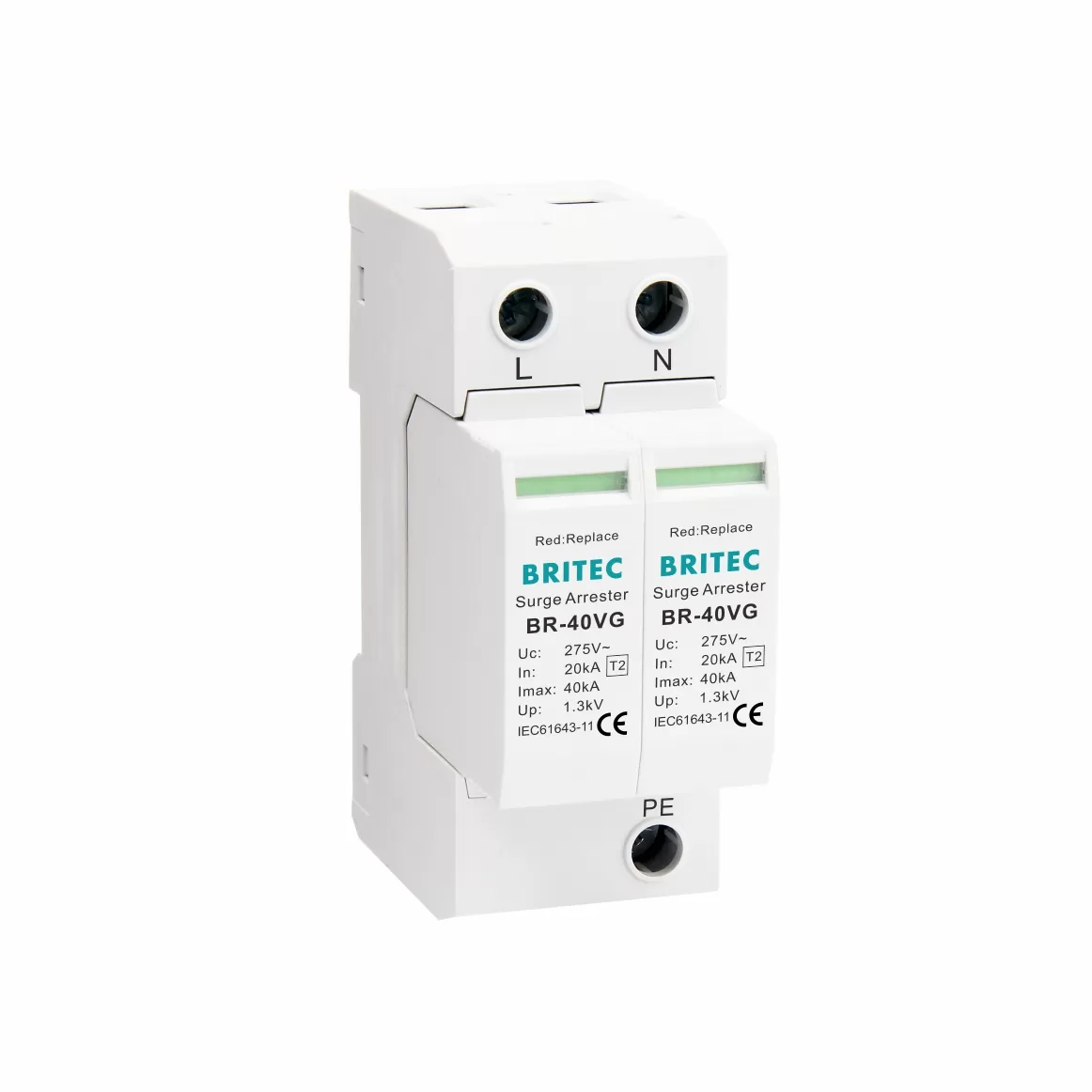
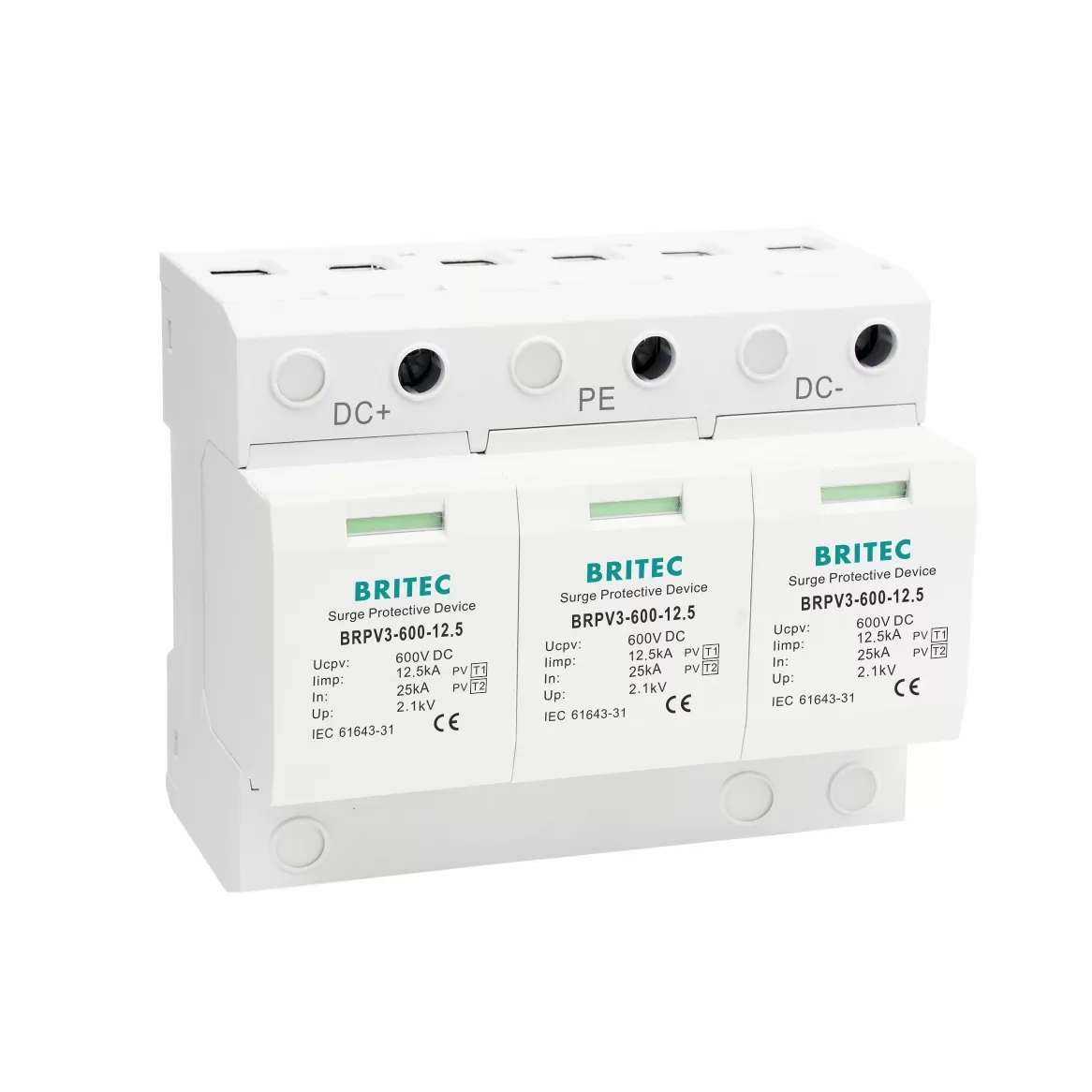
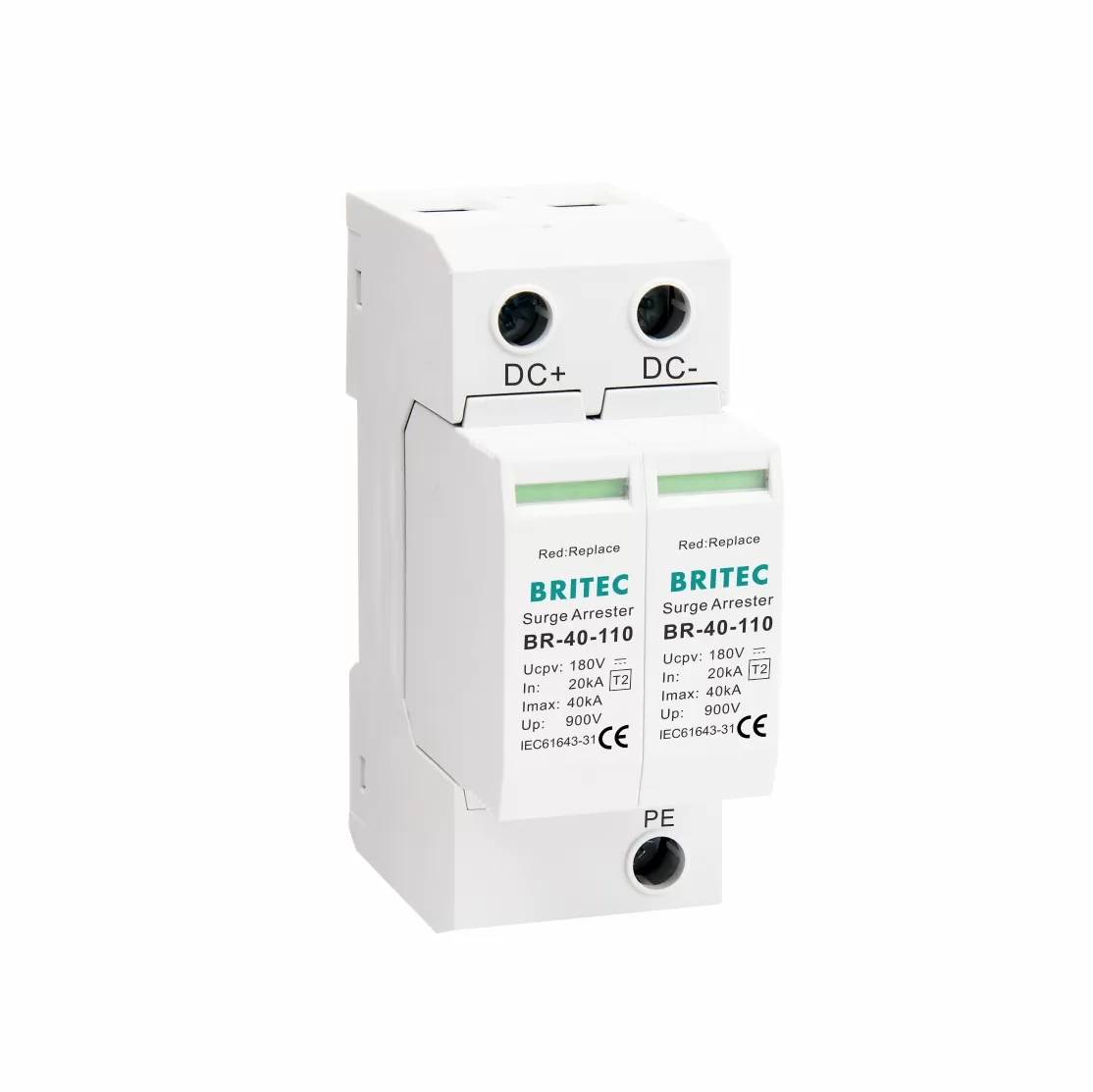
A single-phase surge protector is a surge protective device (SPD) designed to protect single-phase power systems—typically 120V or 230V lines—from transient overvoltages caused by lightning, switching operations, or grid disturbances.
Unlike three-phase SPDs, it monitors and clamps surges on one live conductor and neutral (or ground), making it ideal for:
Residential circuits
Small commercial loads
Single-phase industrial control equipment
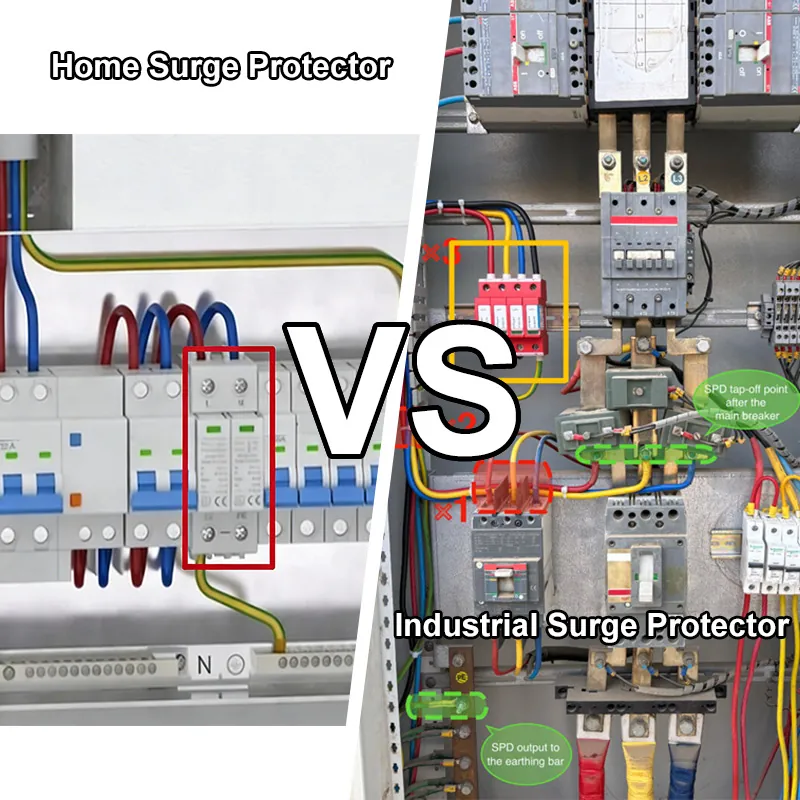
From a procurement standpoint, this means less material, fewer poles, and lower unit cost—but also a narrower protection scope.
You don’t need to be an engineer to understand how it works, but knowing the basics helps you avoid bad purchasing decisions.
A typical single phase surge protector relies on non-linear components such as metal oxide varistors (MOVs) or gas discharge tubes (GDTs). Under normal voltage, these components remain passive. The moment a voltage spike exceeds the clamping threshold, they react in nanoseconds, diverting excess energy to ground.
Here’s the key point you should care about:
If the grounding system is poor, even the best surge protector becomes unreliable.
This is why experienced buyers always evaluate the earthing quality before blaming SPD performance.
Single-phase protection is precise, not universal.
It protects:
Sensitive electronics
Control panels
IT equipment
Lighting circuits
Small motors
It does not protect:
Three-phase motors
High-power distribution boards
Industrial substations
Think of it like a seatbelt, not an airbag system. It’s excellent for targeted protection but not designed for whole-facility resilience in complex power networks.
From an installation and labor-cost perspective, this is where single-phase devices shine.
You usually deal with:
Fewer terminals
Simpler wiring
Compact DIN-rail mounting
In real projects, this means:
Faster installation
Lower electrician hours
Fewer wiring errors
One procurement manager I worked with in Southeast Asia replaced a bulky three-phase SPD with multiple single phase surge protector at branch circuits. The result? Faster maintenance and zero downtime during future replacements.
You should seriously consider a single phase surge protector if you’re sourcing for:
Residential housing projects
Retail stores
Office buildings
Telecom cabinets
Solar inverter inputs
EV charging points (single-phase)
In these environments, over-specifying protection often means wasted budget with no operational gain.
In these application scenarios, single-phase power is predominant, and the equipment is highly sensitive to voltage fluctuations. The losses caused by downtime or equipment damage often far outweigh the cost of protective devices. Therefore, from a procurement decision perspective, using a more suitable single-phase surge protector can achieve stable, easy-to-maintain, and scalable surge protection while effectively controlling costs.
Let’s talk money—because that’s what procurement is really about.
Single-phase surge protectors are typically:
Lower unit price
Lower shipping cost
Lower inventory burden
However, don’t fall into the trap of comparing price only.
A cheaper SPD with:
Low surge current rating
No thermal disconnector
No failure indicator
…can cost you more in downtime and replacements than a premium unit.
| Parametr | Single Phase SPD | Three Phase SPD | Procurement Impact | Typical Use |
|---|---|---|---|---|
| Voltage Lines | 1P + N | 3P + N | Material cost | Homes, offices |
| Instalacja | Simple | Complex | Labor savings | Branch circuits |
| Surge Capacity | Umiarkowany | Wysoki | Risk coverage | Main panels |
| Footprint | Kompaktowy | Larger | Panel space | Distribution boards |
Here’s the uncomfortable truth: you don’t always need it—but when you do, you really do.
Ask yourself:
Are you protecting electronics worth more than the SPD?
Is your facility exposed to lightning or unstable grids?
Do you have downtime penalties?
One buyer in Eastern Europe skipped surge protection on office power strips to save budget. After a single switching surge wiped out multiple workstations, the replacement cost exceeded 10× the SPD budget they avoided.
That’s not bad luck.
That’s predictable risk.
Before approving a purchase order, anchor your decision around these principles:
• Match protection level to load sensitivity
• Verify grounding system quality
• Choose replaceable or pluggable modules
• Avoid under-rated surge current capacity
• Balance unit price with lifecycle cost
No formulas. No overthinking. Just disciplined evaluation.
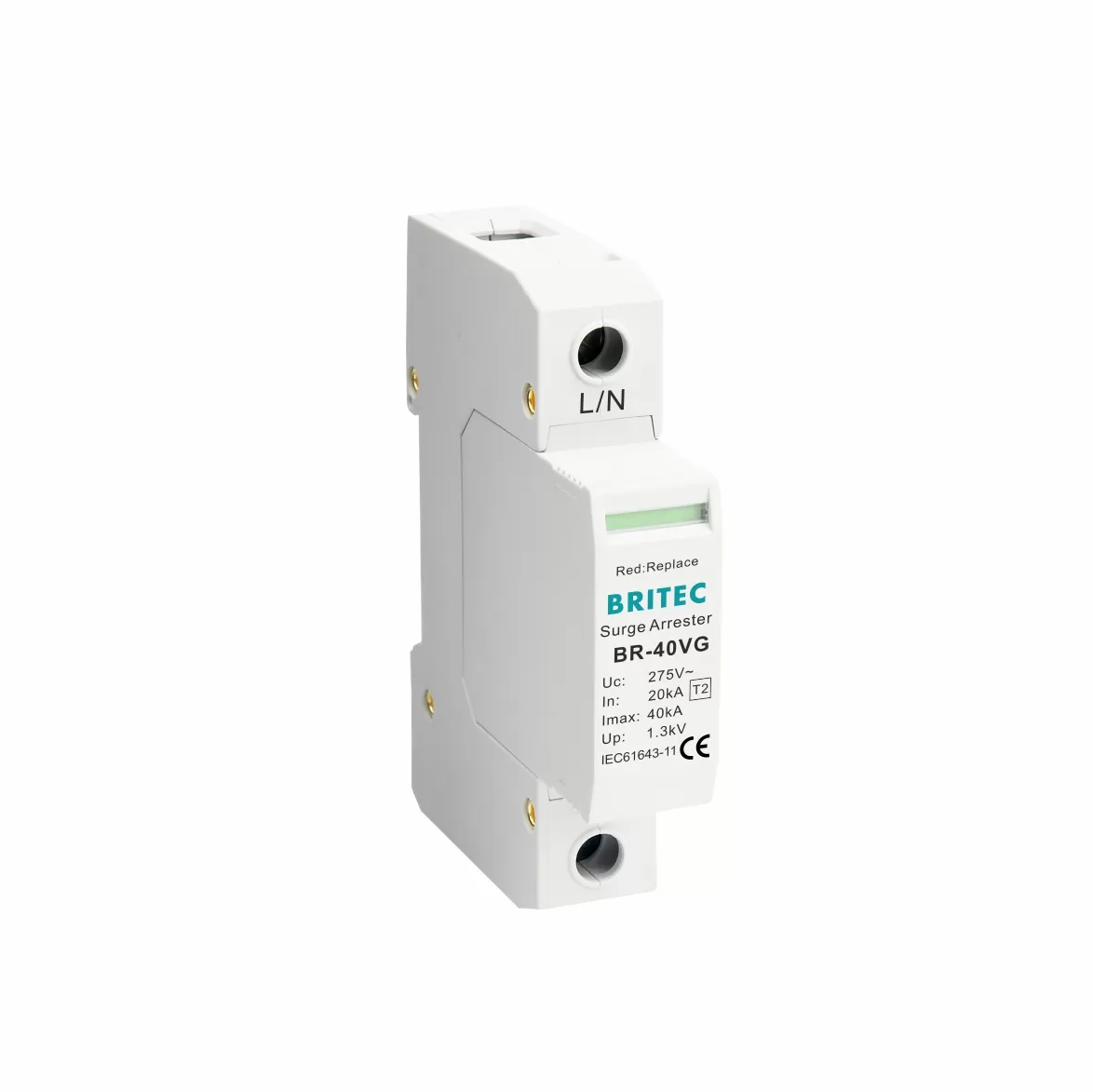
When sourcing a single phase surge protector, you should scrutinize datasheets the same way you would contracts.
Pay attention to:
Nominal discharge current (In)
Maximum discharge current (Imax)
Poziom ochrony napięcia (w górę)
Compliance with IEC 61643-11
Visual or remote status indication
When Should You Use A Surge Protector?
You should use one whenever equipment downtime, data loss, or replacement cost exceeds the price of protection. If a device plugs into the grid and matters to operations, it deserves surge protection.
Choosing a single-phase surge protector doesn’t mean choosing a “low-end” option, but rather selecting the most suitable solution.
As a procurement professional, your goal isn’t to pursue the highest specifications, but to achieve maximum value.
If you are evaluating surge protection solutions for an upcoming project, now is the time to thoroughly examine your load, review your grounding system, and select a single-phase surge protector that truly fits your system (and not just the data in your spreadsheet).
If you’re sourcing reliable single phase surge protectors for your next project, Britec Electric is ready to support you.
From stable quality control to application-based recommendations, you get more than a product—you get a solution that fits your power system and budget.


 #!trpst#trp-gettext data-trpgettextoriginal=78#!trpen#Optimized by #!trpst#trp-gettext data-trpgettextoriginal=77#!trpen#Akcelerator Serafinitu#!trpst#/trp-gettext#!trpen##!trpst#/trp-gettext#!trpen#