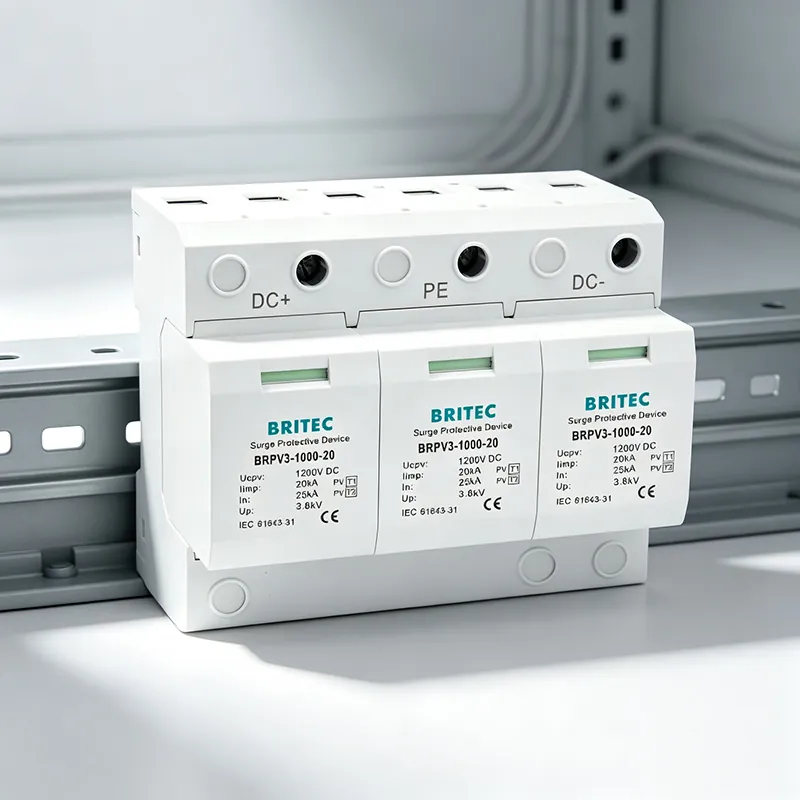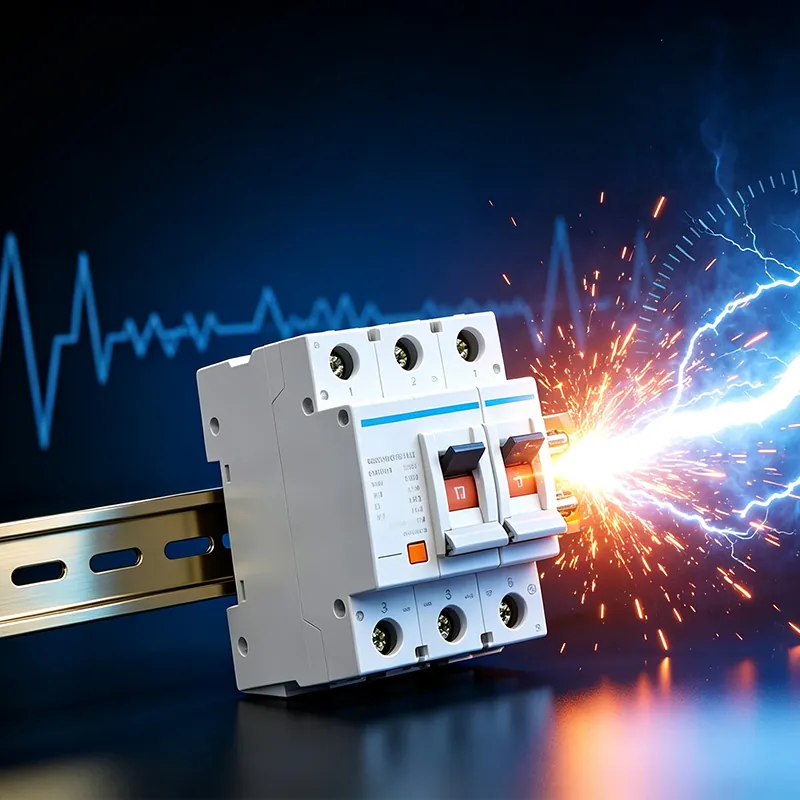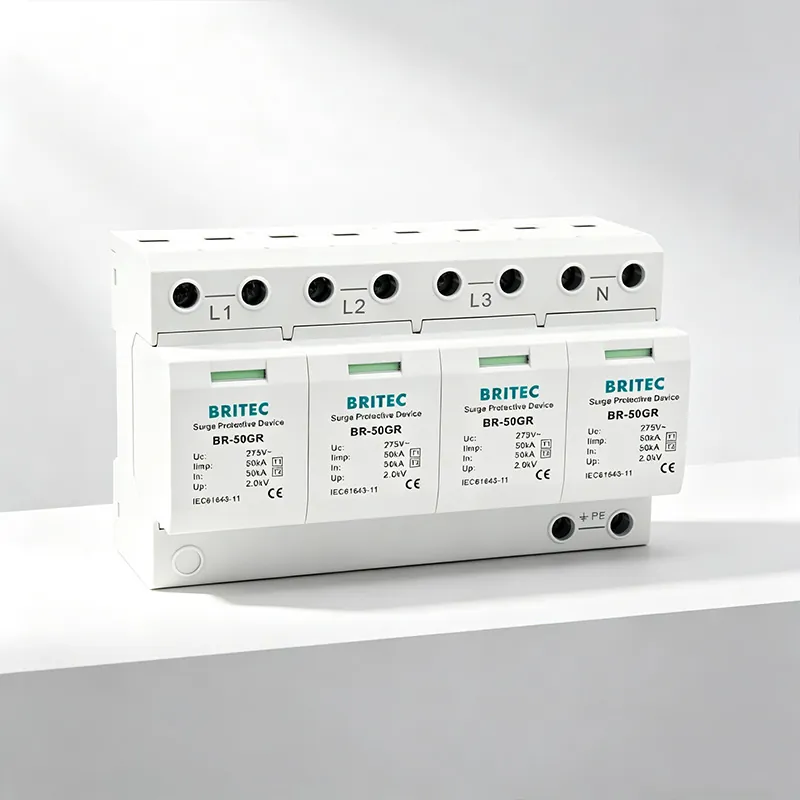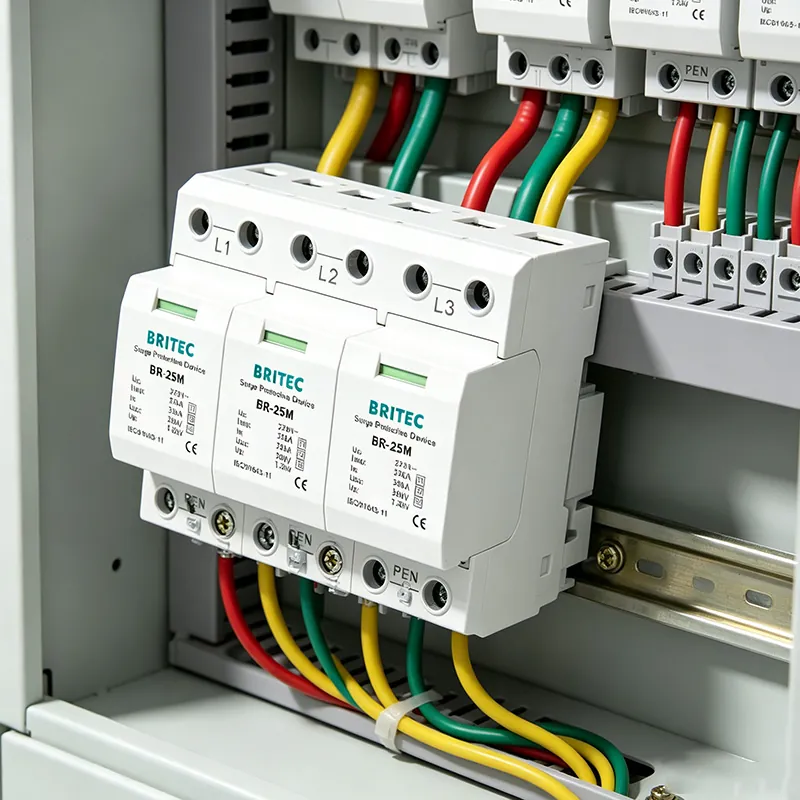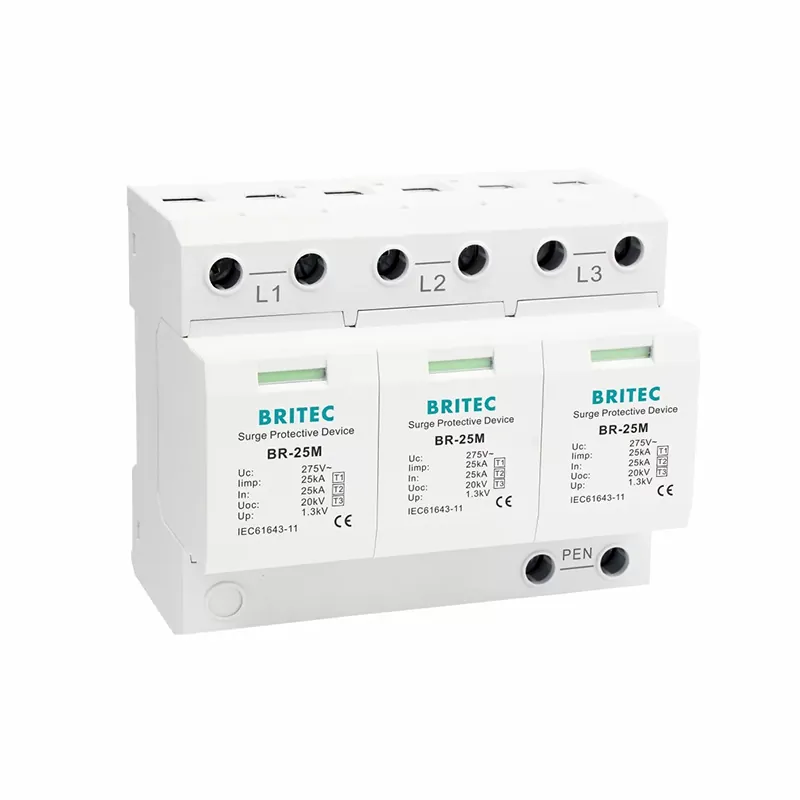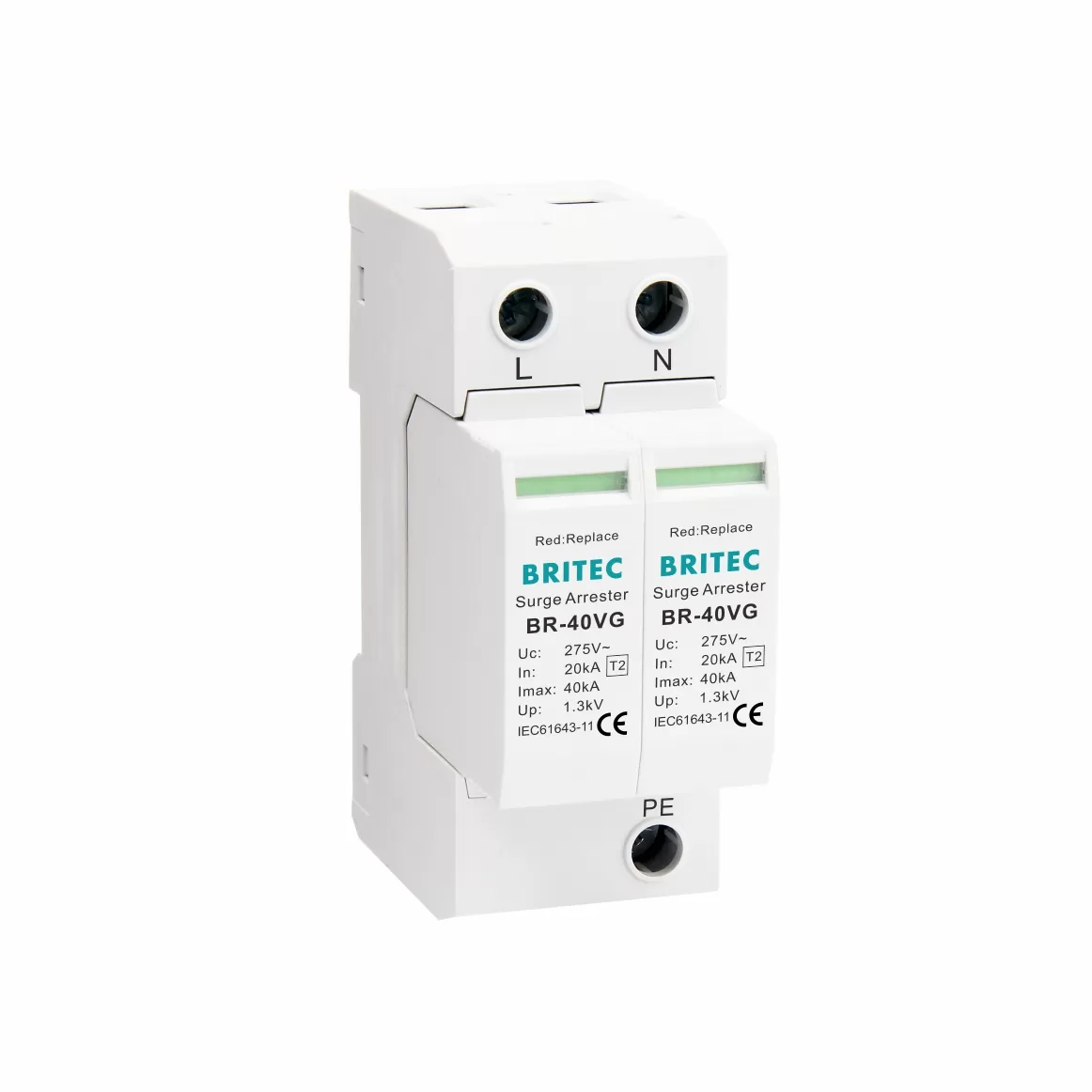

In today’s electrically intensive environments, even a brief voltage spike can cause significant disruption. A reliable surge protection device is no longer optional—it is a core component of modern infrastructure. Whether in manufacturing plants or commercial facilities, electrical surge protection ensures operational continuity, safeguards investments, and supports long-term system stability in increasingly sensitive electrical ecosystems.
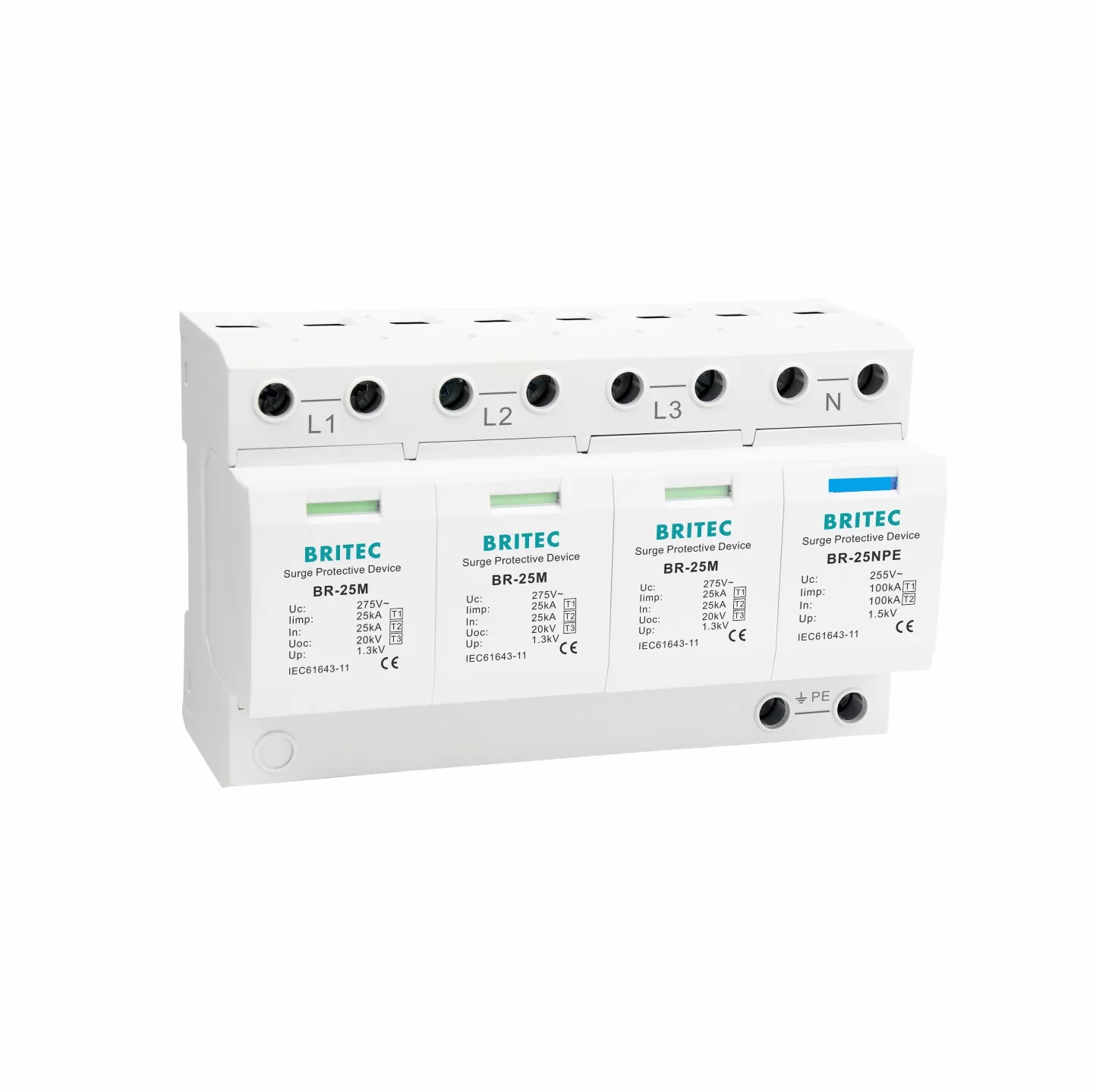
Modern industrial systems rely heavily on precision electronics—PLCs, sensors, inverters, and control boards. Without surge protection, even a minor transient voltage can damage these components instantly. The result is not always dramatic failure; sometimes it’s silent degradation, which is even more dangerous.
Electrical systems today are more intelligent but also more fragile. Without a properly installed SPD device, these sensitive components are continuously exposed to unpredictable voltage spikes caused by lightning strikes, grid switching, or internal load changes.
Downtime in industrial environments is rarely just an inconvenience—it’s a financial event. A single surge event can halt production lines, disrupt logistics, and delay delivery schedules. Without industrial surge protection, recovery may take hours or even days.
What makes this worse is the unpredictability. Surges don’t announce themselves. They strike suddenly, often during peak operations, amplifying the economic impact.
Even when equipment doesn’t fail immediately, repeated exposure to transient overvoltage gradually weakens internal components. This leads to premature aging and frequent maintenance cycles.
Without electrical surge protection, businesses unknowingly shorten the lifespan of expensive machinery. Over time, replacement costs accumulate—quietly eroding profitability.
The most severe consequence of neglecting surge protection is safety risk. Voltage surges can break down insulation, overheat conductors, and create arc faults. These conditions may lead to electrical fires or complete system instability.
In high-load environments, this risk is not theoretical—it is very real. Without a reliable SPD supplier solution, systems operate under constant hidden threat.
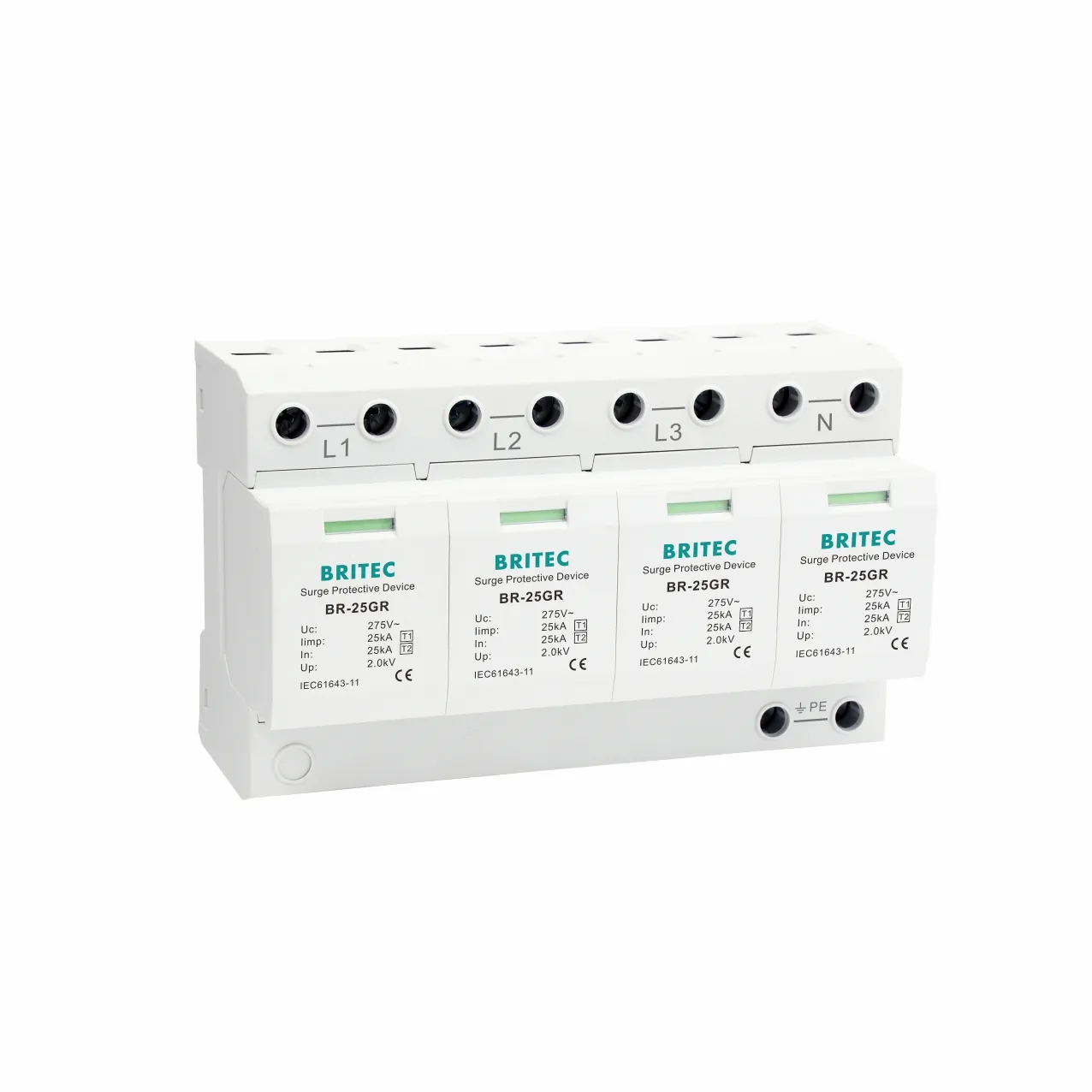
A well-designed surge protection device does more than just absorb voltage spikes. It acts as a controlled discharge path, redirecting excess energy safely to ground. This process stabilizes voltage levels and protects downstream equipment.
The importance goes beyond basic protection. In industrial systems, where automation and digitalization are increasing, stability becomes essential. A properly selected SPD device ensures signal integrity, protects communication lines, and prevents cascading failures.
There is also a strategic layer to consider. Investing in industrial surge protection is not just about avoiding damage—it’s about ensuring reliability, compliance, and operational resilience. In competitive industries, reliability often defines reputation.
The short answer is yes—but the reasoning deserves nuance.
Industrial environments typically operate with high-power equipment, variable loads, and complex distribution networks. These conditions naturally generate internal surges. At the same time, external sources such as lightning and grid fluctuations introduce additional risks.
Commercial buildings, on the other hand, rely heavily on IT infrastructure, HVAC systems, and automated controls. These systems are equally sensitive, if not more so.
Without surge protection, both environments face similar vulnerabilities—unexpected downtime, equipment damage, and safety hazards. The difference lies in scale and impact.
In my view, treating electrical surge protection as optional is outdated thinking. It should be integrated into system design from the beginning, not added as an afterthought.
Selecting the right surge protection device is not just a technical decision—it’s a strategic one. The wrong choice can result in insufficient protection or unnecessary cost.
This parameter defines how much surge current the SPD device can safely handle. Higher values are typically required for environments exposed to frequent or high-energy surges, such as industrial facilities.
Choosing an inadequate rating may lead to device failure during a surge event.
The lower the Up value, the better the protection. It indicates the residual voltage that passes through the device to the equipment.
A high-quality surge protection device minimizes this value, ensuring that connected equipment remains safe even during strong surges.
Speed matters. A good SPD device reacts in nanoseconds, clamping voltage before it can cause harm.
Delayed response—even by microseconds—can be enough to damage sensitive electronics.
Proper placement is critical. Surge protection should be installed at key points such as the main distribution board and near sensitive loads.
Layered protection strategies often provide the best results, combining Type 1, Type 2, and Type 3 SPDs.
Reliable products must comply with international standards such as IEC and UL. Compliance ensures performance consistency and safety.
Working with a reputable SPD supplier guarantees that these standards are met.
One common mistake is focusing only on price rather than performance. Another is ignoring system-specific requirements, leading to mismatched protection levels.
Some buyers also overlook installation practices, assuming that any surge protection device will work in any configuration—which is far from true.
| Type | Sollicitatie | Imax Range | Up Level | Reactietijd | Installation Point |
|---|---|---|---|---|---|
| Type 1 SPD | Lightning protection | 50–100 kA | Hoog | Fast | Main distribution board |
| Type 2 SPD | General protection | 20–40 kA | Medium | Very fast | Sub-distribution panels |
| Type 3 SPD | Point-of-use protection | <10 kA | Laag | Ultra fast | Near equipment |
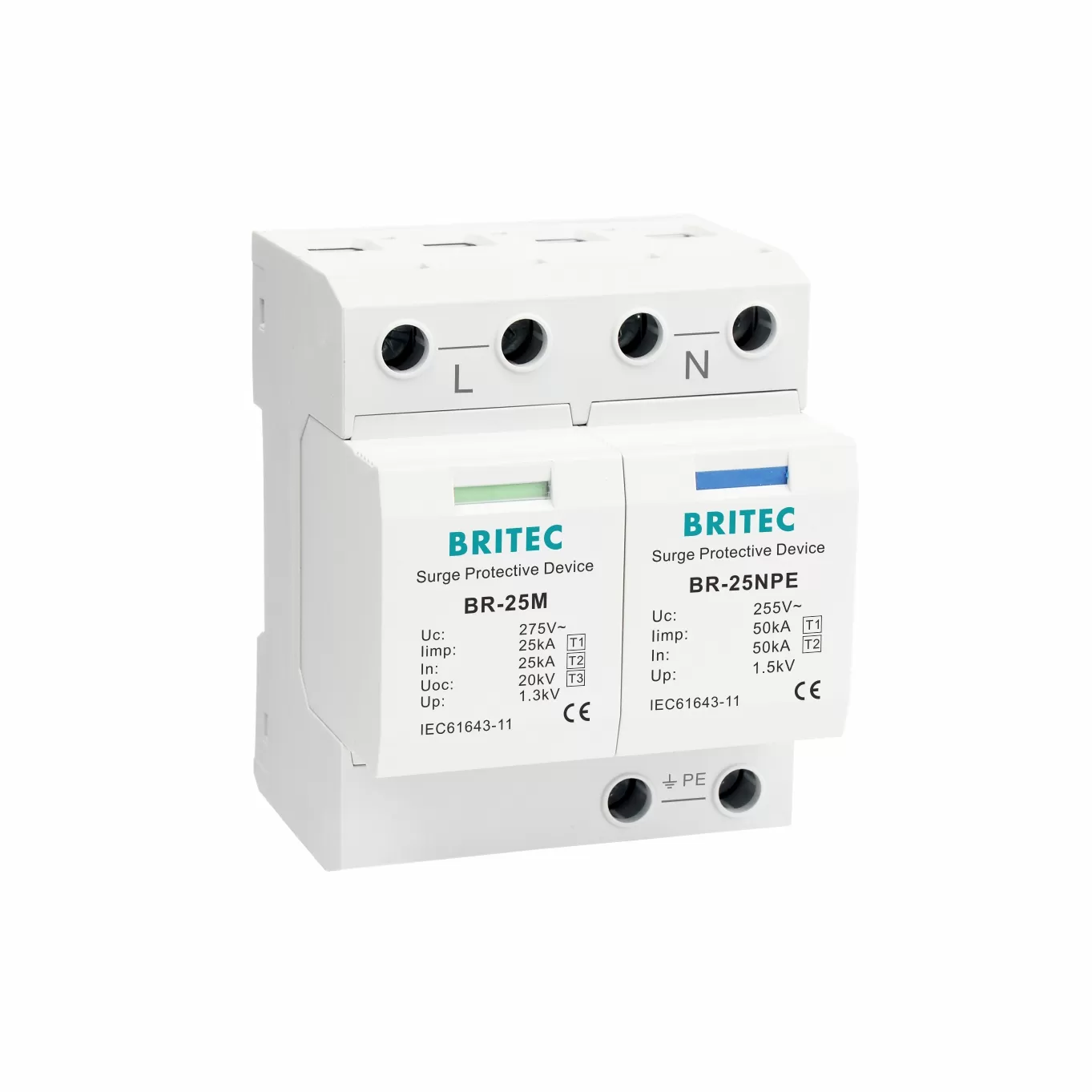
Choosing the right partner is just as important as choosing the right product.
Britec Electric positions itself as a reliable SPD supplier, offering a comprehensive range of solutions tailored for industrial and commercial applications. Their products are engineered with precision, ensuring consistent performance under demanding conditions.
A practical example illustrates this well. A manufacturing client operating CNC machines experienced repeated downtime due to unexplained control failures. After implementing a layered industrial surge protection solution from Britec Electric, the system stabilized—downtime dropped significantly, and maintenance costs were reduced.
What stands out is not just product quality, but system-level thinking. Britec Electric focuses on delivering complete protection strategies rather than isolated components.
Type 1 SPDs are designed for direct lightning strikes and are installed at the main power entry, while Type 2 SPDs protect against indirect surges and are used in distribution panels.
While technically possible, it is recommended to have a qualified electrician install the SPD device to ensure proper configuration and safety.
SPDs should comply with IEC 61643 or UL 1449 standards to ensure reliability and performance.
No system is 100% foolproof, but a properly selected surge protection device significantly reduces risk.
Regular inspection is recommended annually, with replacement depending on usage and exposure to surge events.
They offer high-quality, compliant, and reliable surge protection solutions tailored for industrial applications.
Yes, by limiting voltage stress, electrical surge protection helps extend equipment lifespan.
In rare cases, a failed SPD may require replacement, but this is far less disruptive than system-wide damage.
A lack of surge protection exposes systems to risks that are often underestimated until failure occurs. From equipment damage to costly downtime and safety hazards, the consequences are both immediate and long-term. Investing in a reliable surge protection device is not just a technical upgrade—it is a strategic decision that enhances operational stability and protects valuable assets.
For businesses aiming to improve system reliability and reduce risk, partnering with a trusted SPD supplier is essential. Britec Electric offers proven solutions designed for real-world industrial challenges. If you are looking to strengthen your electrical surge protection strategy, now is the time to act—reach out to Britec Electric for expert guidance and tailored product recommendations.