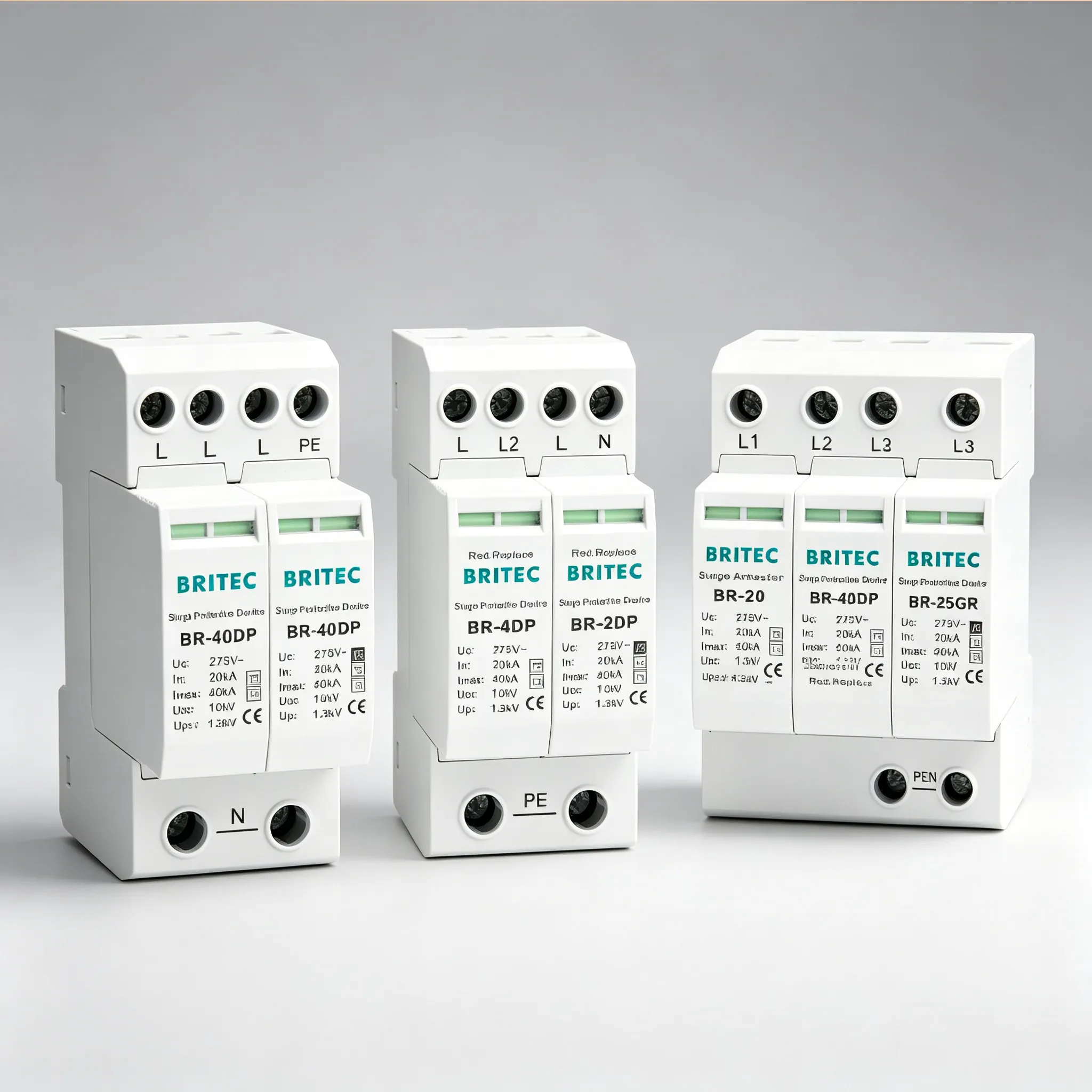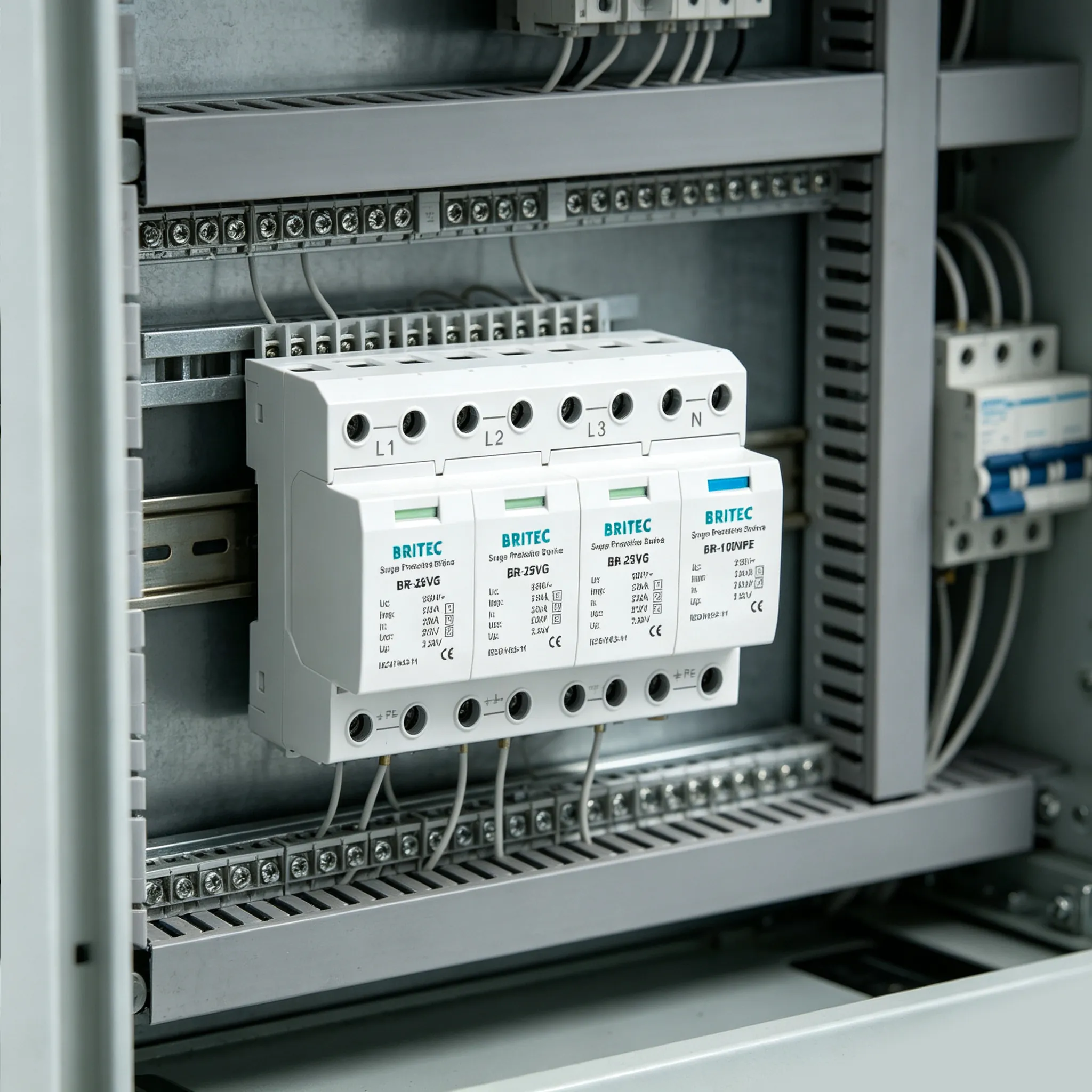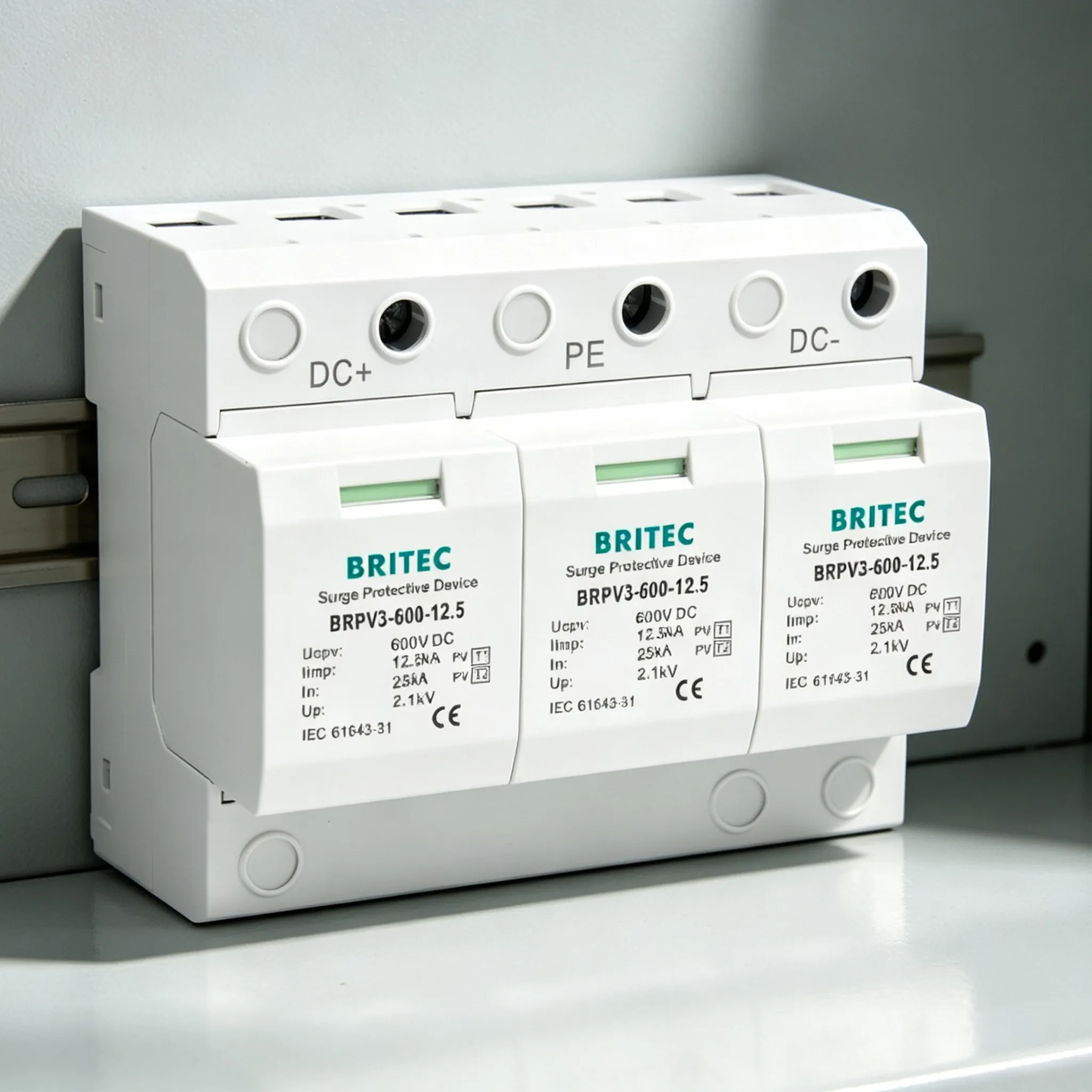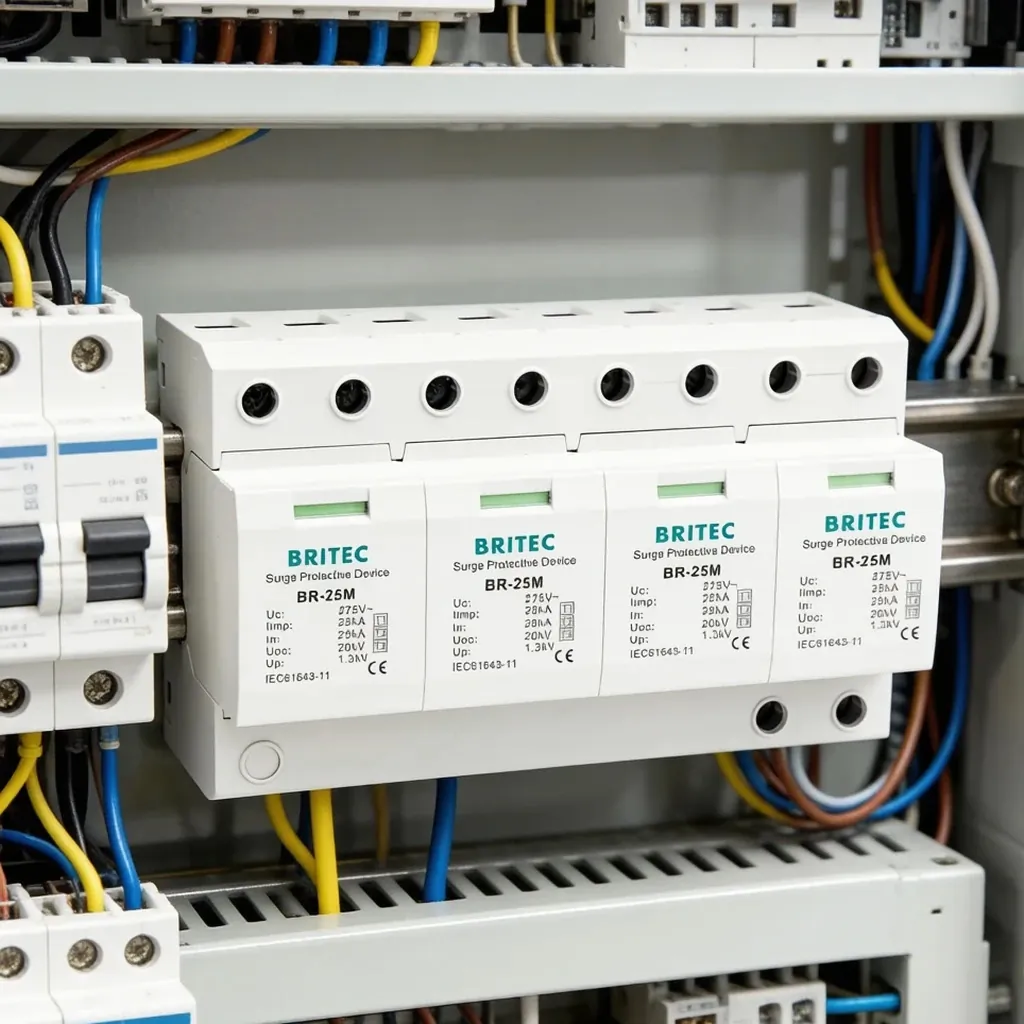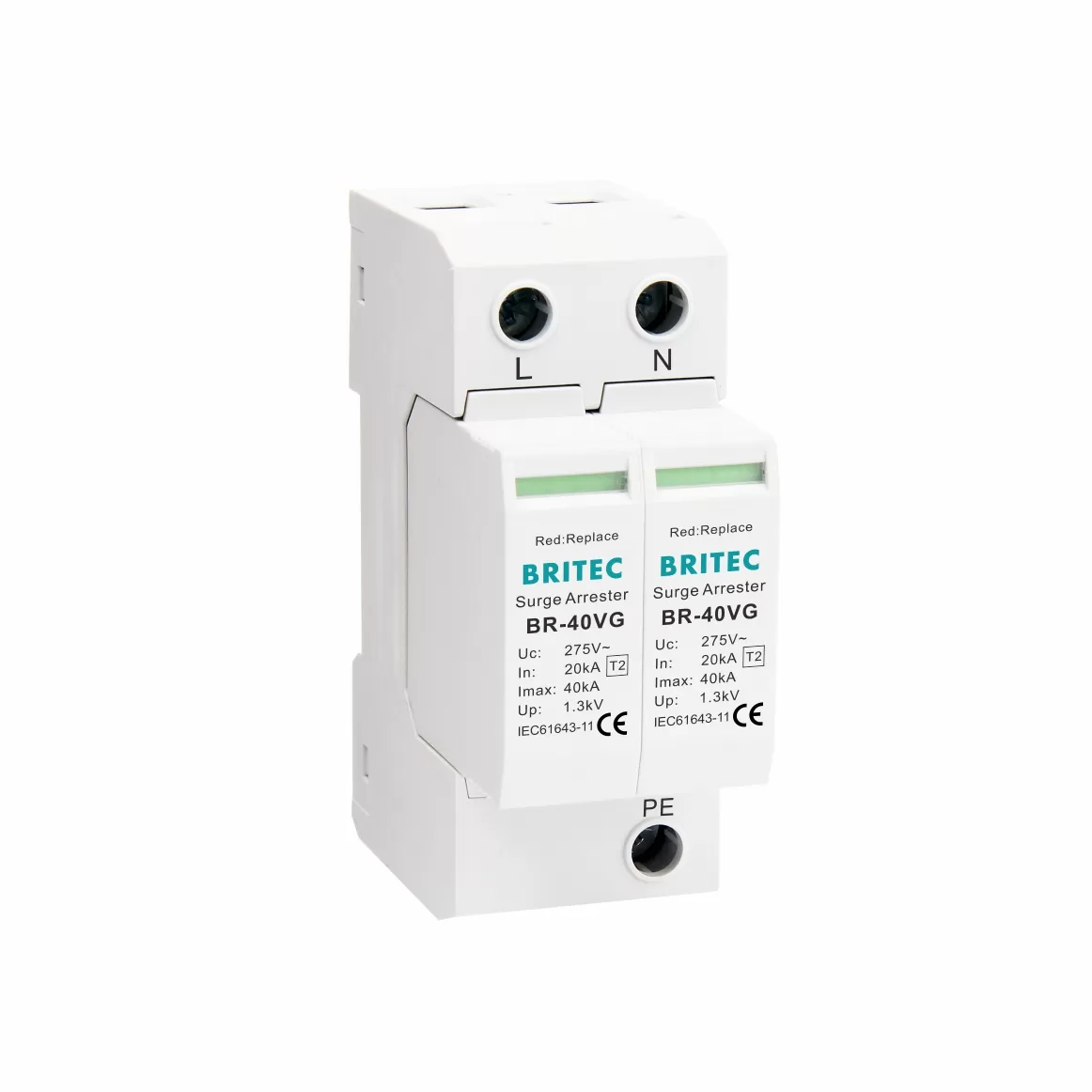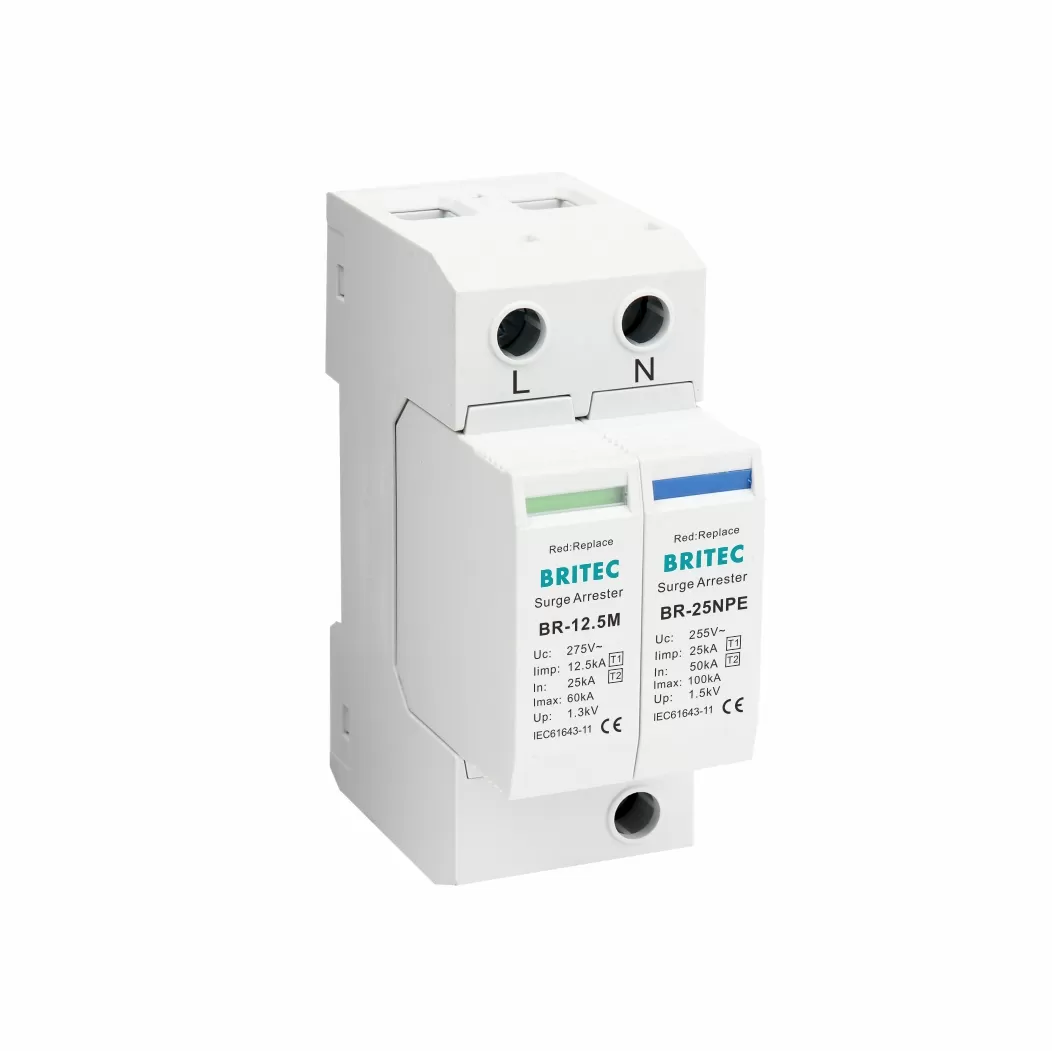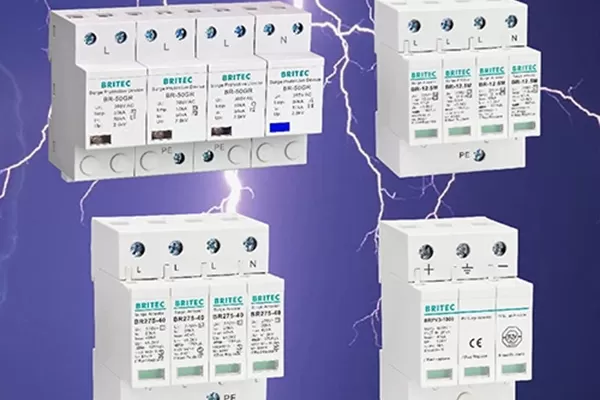

In industrial automated environments, sudden voltage spikes caused by lightning strikes or heavy machinery switching can devastate sensitive electronics. An industrial surge protection device (SPD) is your facility’s first line of defense. However, an SPD does not last forever—its components degrade after handling repetitive surges. Knowing how to test an industrial surge protection device is vital to prevent catastrophic power failures, costly downtime, and equipment damage.
As a leading manufacturer of industrial surge protection devices, 브리텍일렉트릭 has compiled this practical testing and maintenance guide for facility managers, electrical engineers, and B2B procurement specialists.
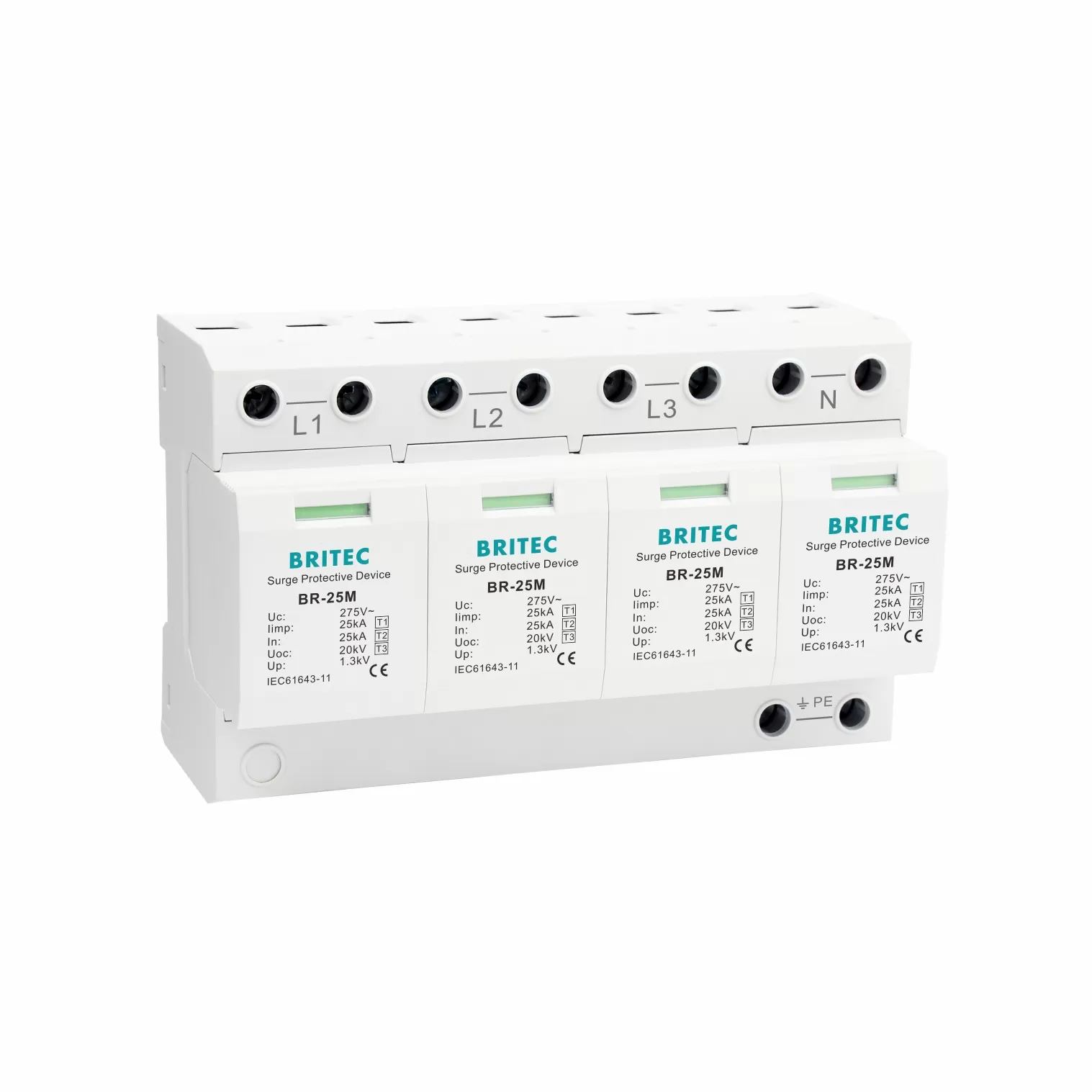
Industrial SPDs rely heavily on Metal Oxide Varistors (MOVs) or Gas Discharge Tubes (GDTs). Each surge event wears down these components. Regular testing ensures:
Testing high-voltage industrial equipment involves inherent electrical hazards. Always adhere to these safety steps:
Before conducting electrical tests, perform a thorough visual check on your Din-rail or panel-mounted SPD:
Using an infrared thermal camera while the system is under normal operating load can reveal abnormal heat spots. Elevated temperatures often signal internal degradation, excessive leakage current, or loose terminal screws.
Use a Megohmmeter (Megger) to test the insulation resistance between line-to-neutral (L-N), line-to-ground (L-PE), and neutral-to-ground (N-PE).
For modular MOV-based SPDs, precise testing requires a dedicated SPD tester to measure the nominal varistor voltage (V1mA):
Protect your critical infrastructure with Britec Electric’s premium AC, DC, and Data Line Surge Protectors. Manufactured to rigorous IEC standards with certified quality.
We recommend conducting visual inspections quarterly and performing full electrical testing (insulation/varistor voltage tests) annually or immediately after major lightning storms.
Visual inspections can be done while energized. However, electrical testing (such as insulation resistance or varistor testing) requires completely disconnecting the SPD to avoid test signal interference or damage to surrounding loads.
A red indicator signifies that the internal thermal disconnector has opened due to overheating or excessive surge currents. The SPD module is no longer protective and must be replaced.
Most quality industrial SPDs have an operational life of 5 to 10 years, depending on the severity and frequency of localized surge activity.
A standard multimeter can test basic continuity or detect a short circuit. However, it cannot deliver the required breakdown voltage to test MOV health accurately; a Megohmmeter or specialized SPD tester is required.
While the basic electrical principles remain similar, Type 1 SPDs handle high-energy direct lightning currents (10/350µs wave) and require higher voltage tolerance checks compared to Type 2 or Type 3 SPDs (8/20µs wave).
No. Industrial SPDs are safety-critical components. Damaged pluggable modules or units should always be replaced with brand-new, factory-certified replacements.
Common causes include sustained overvoltage events (TOV), improper voltage rating selection during installation, extreme environmental heat, or surges exceeding the device’s Maximum Discharge Current (Imax).
Check the product label for the part number, Maximum Continuous Operating Voltage (Uc), and Nominal Discharge Current (In). You can also contact Britec support for direct cross-reference assistance.
An SPD works by diverting excess surge current safely to the ground. If your grounding system has high resistance or poor bonding, the SPD cannot discharge the surge current effectively, rendering the protection useless.