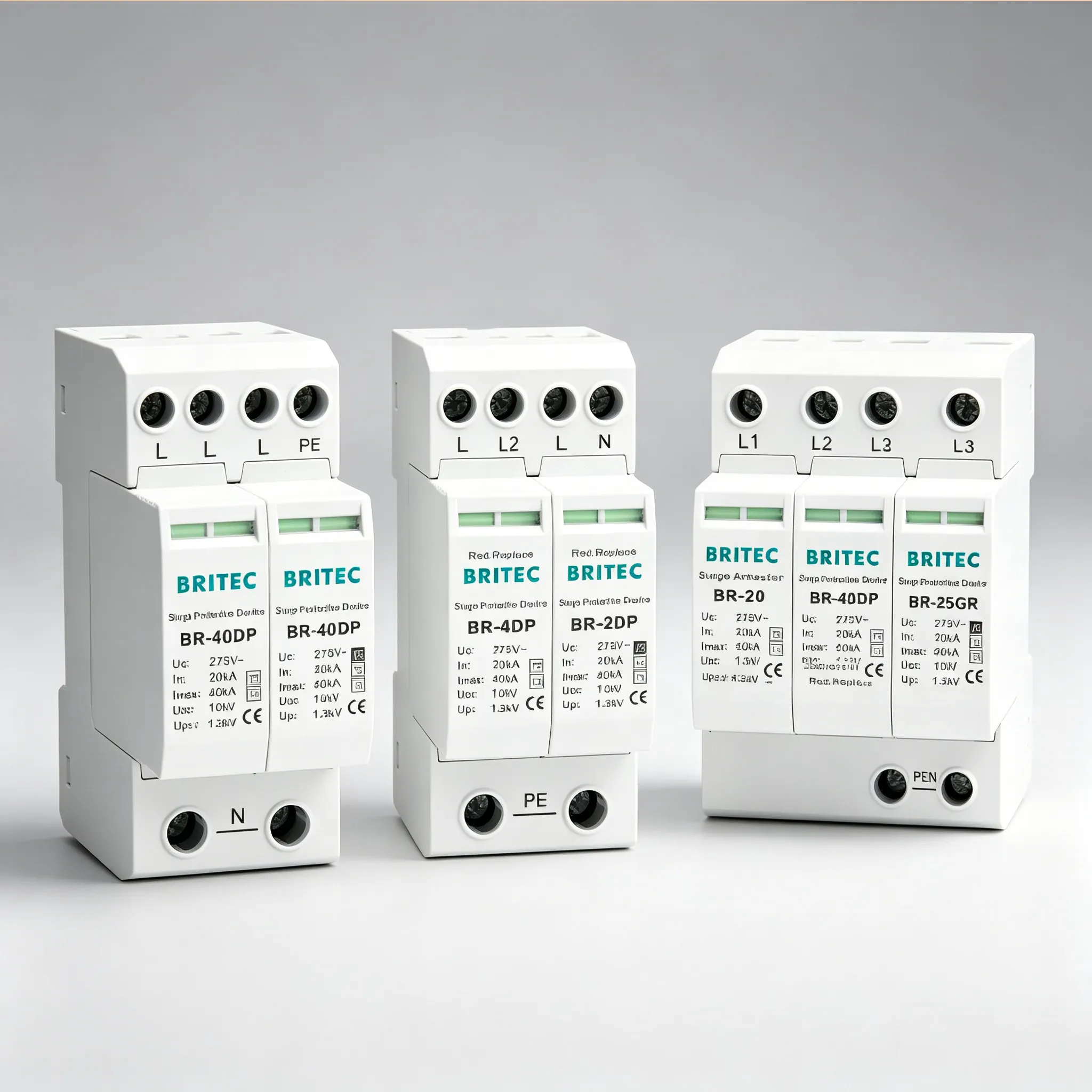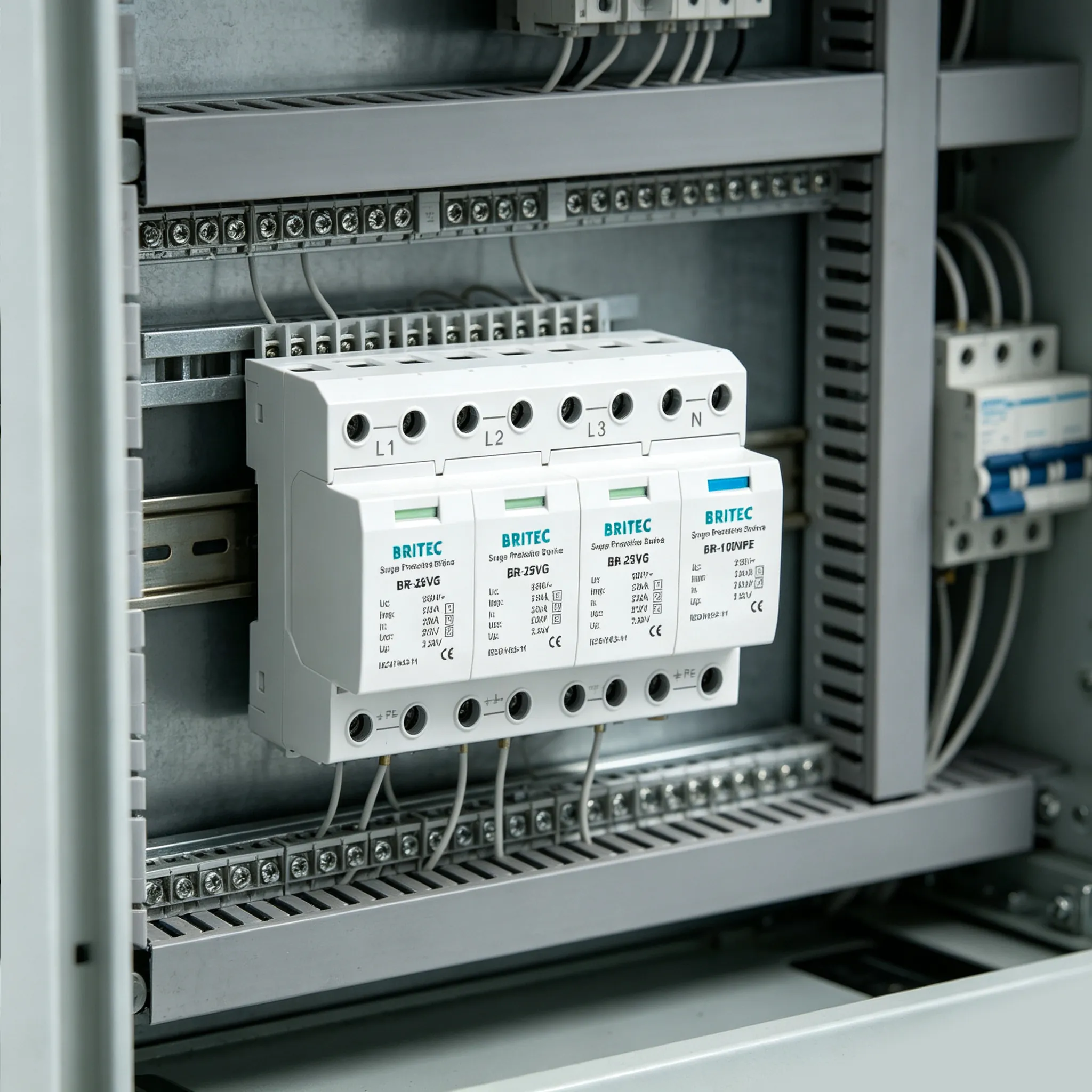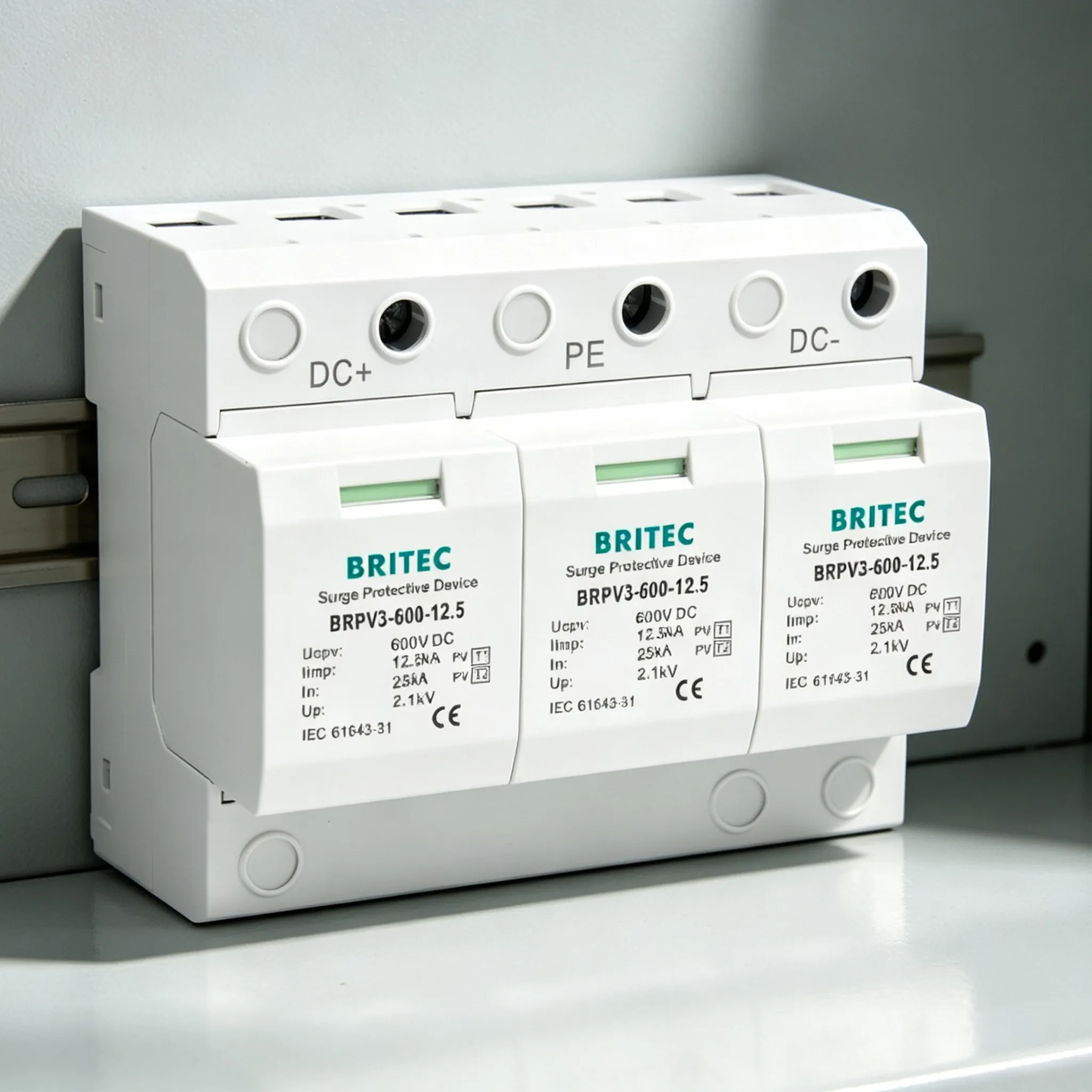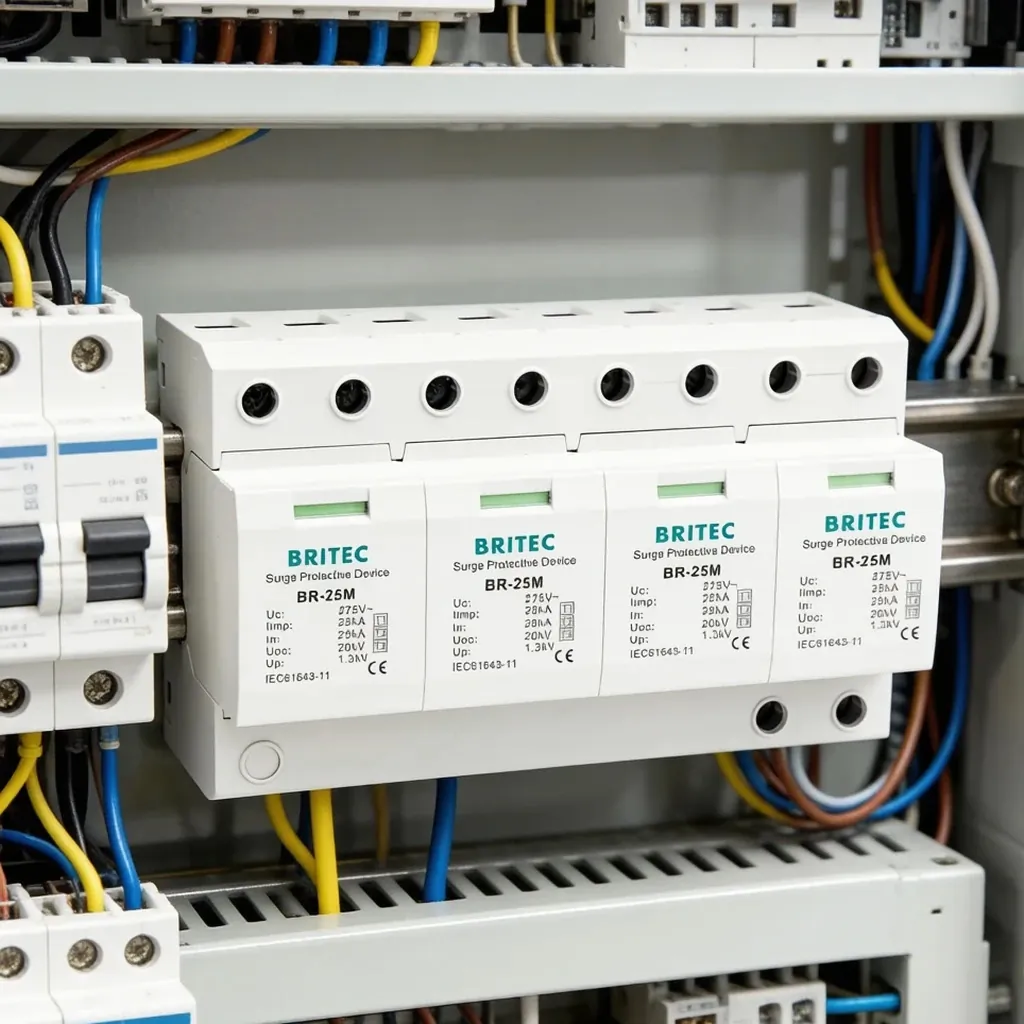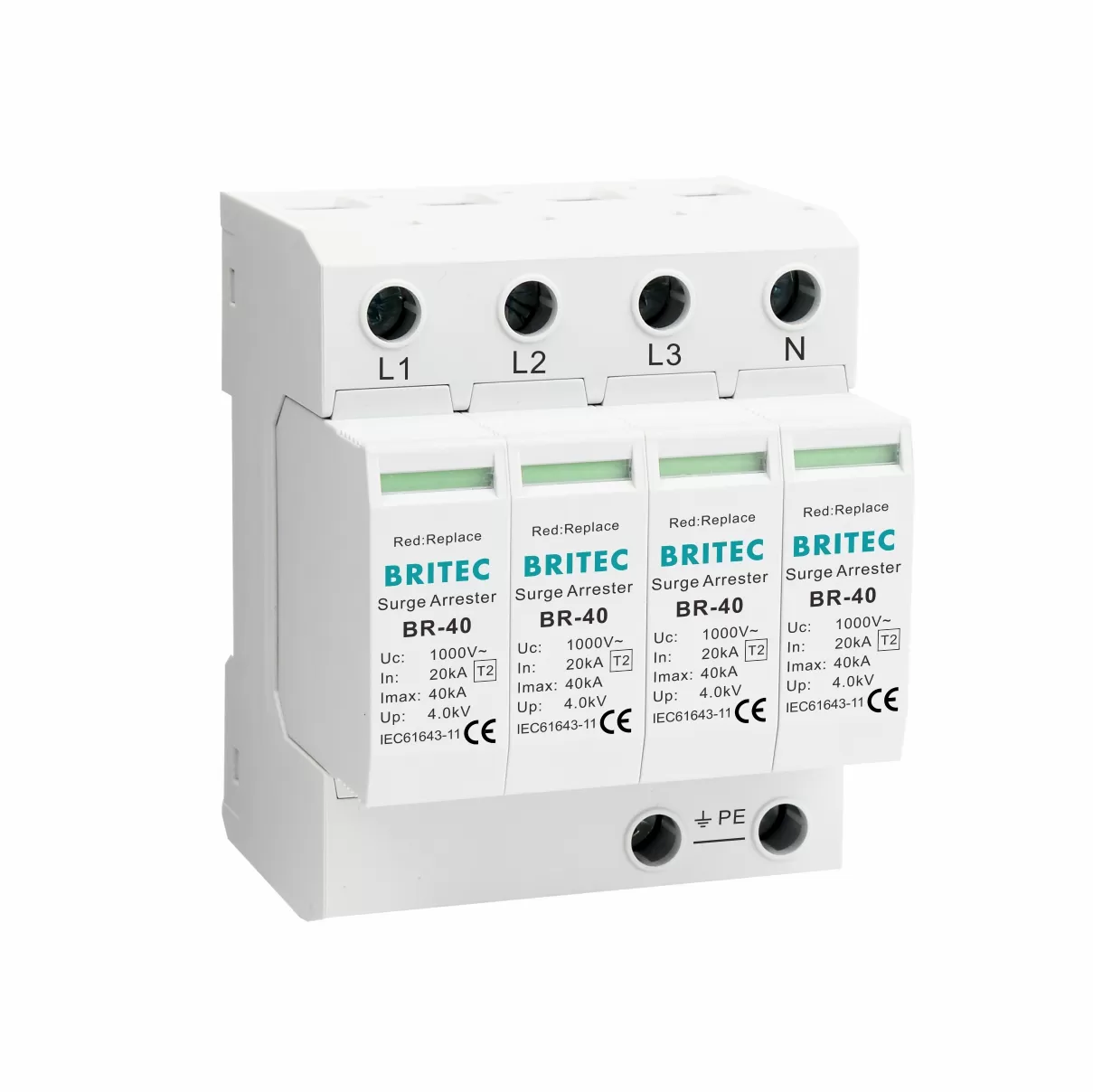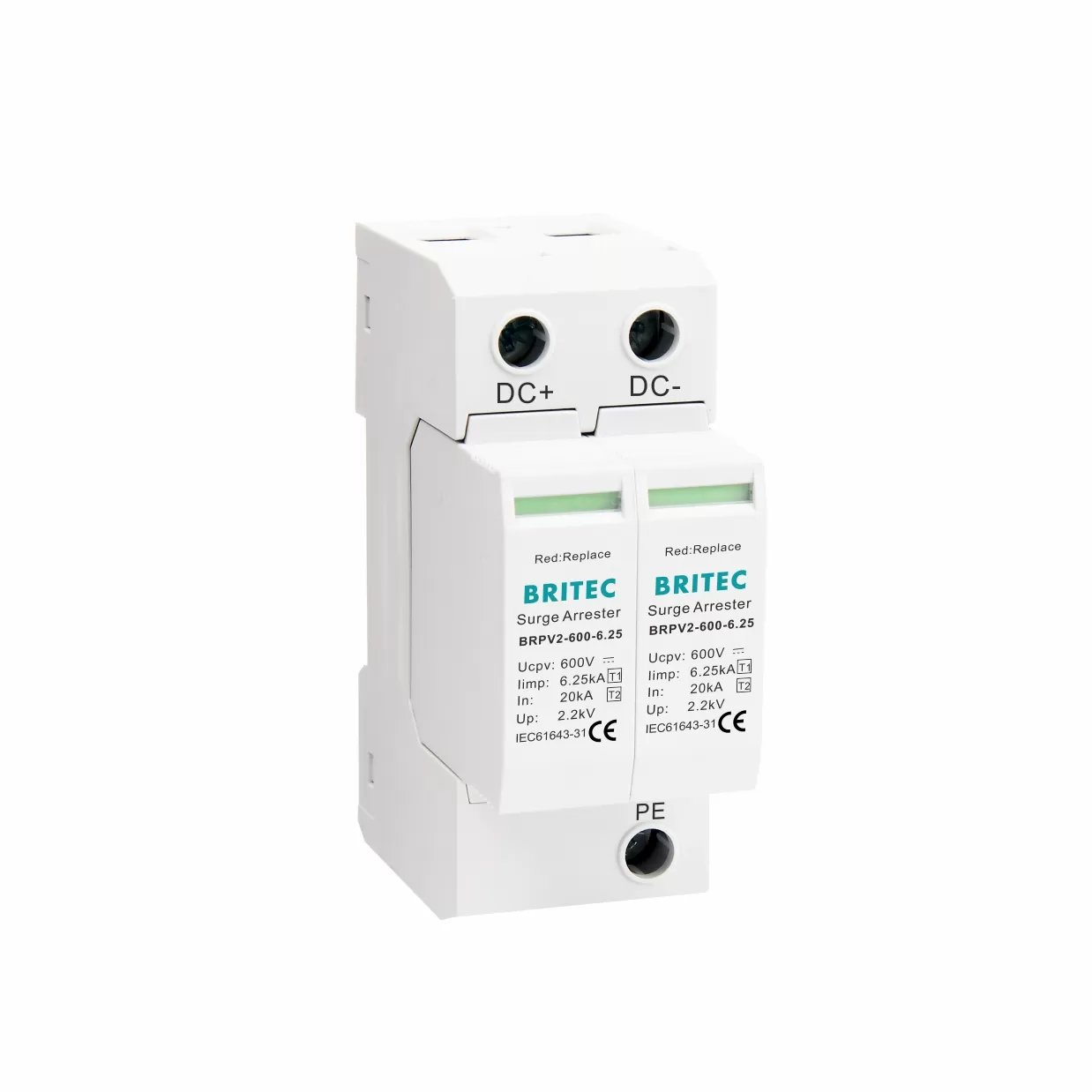

an SPD Surge Protective Device is a critical component in modern electrical infrastructure, designed to limit transient overvoltages and protect sensitive equipment from lightning strikes and switching surges. In today’s industrial and commercial environments, system reliability depends heavily on effective surge mitigation. Understanding how an SPD Protection Device integrates into electrical system design helps engineers reduce downtime, improve safety, and extend equipment lifespan.
Modern electrical systems are increasingly sensitive due to automation, IoT devices, and power electronics. A properly engineered SPD Surge Protective Device network ensures voltage transients are safely diverted without disrupting normal operations. In system design, SPDs are not optional accessories—they are coordinated protection layers integrated across distribution levels.
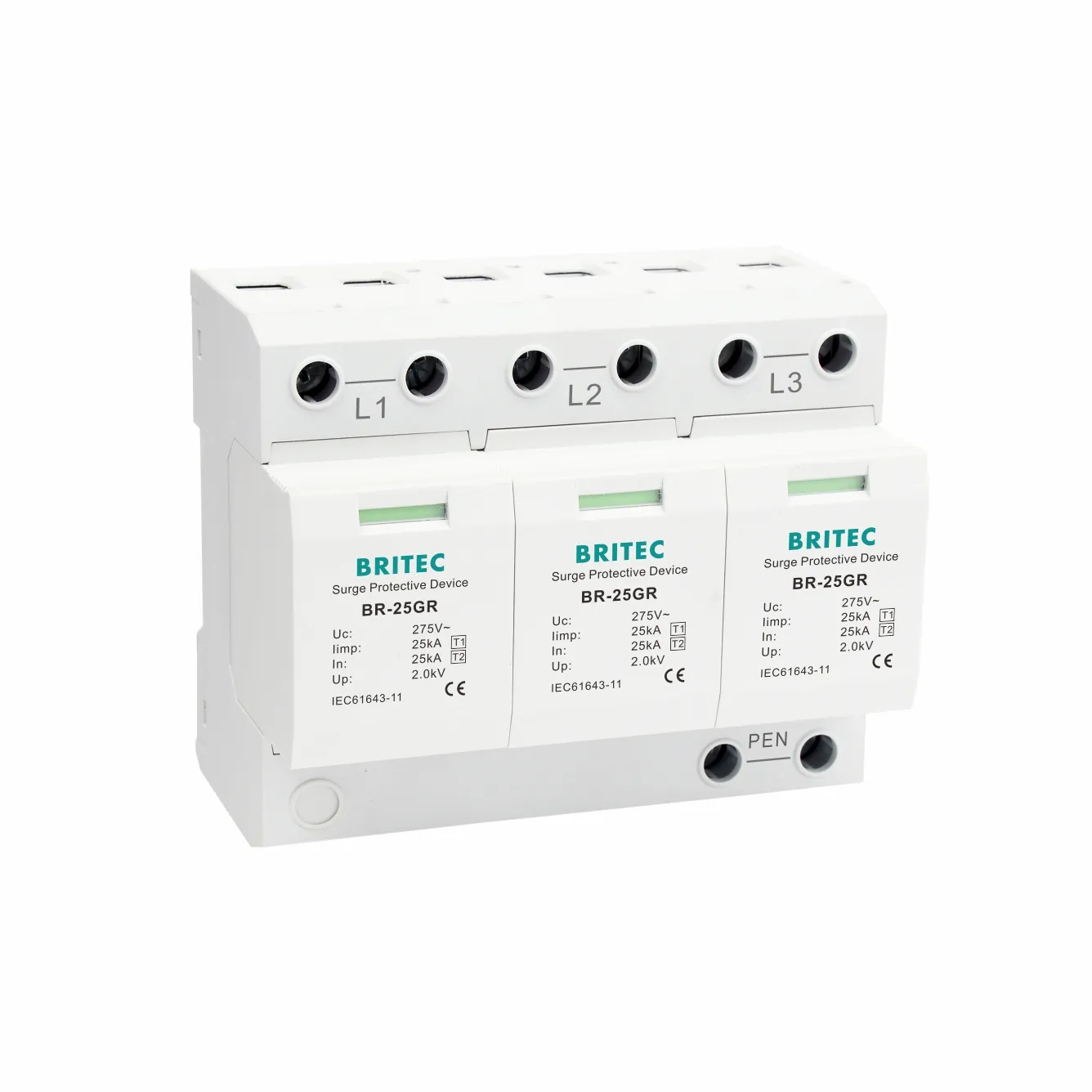
An SPD is a protective device designed to limit transient overvoltage by diverting surge current to ground. It reacts within nanoseconds when voltage exceeds a predefined threshold.
Key functions include:
● Clamping excessive voltage
● Diverting surge energy safely to earth
● Protecting downstream electrical and electronic loads
● Resetting automatically after the surge event
In industrial systems, an Electrical Surge Protective Device is typically installed at multiple distribution levels for coordinated protection.
Electrical surge protection is typically categorized into three main types, each serving a specific layer of protection.
| 유형 | Installation Point | 보호 수준 | Surge Capacity | Typical Application |
|---|---|---|---|---|
| 유형 1 SPD | Main incoming service | High-energy lightning surge | Very High | Utility entrance, industrial plants |
| 유형 2 SPD | Distribution boards | Switching & residual surges | 중간 | Commercial buildings, factories |
| 유형 3 SPD | Near equipment | Fine protection | 낮은 | Sensitive electronics, PLCs |
A complete Power Surge Protection Device strategy always combines all three types for full system coordination.
A Power Surge Protection Device works by detecting abnormal voltage spikes and activating internal protective components such as MOVs (Metal Oxide Varistors), GDTs (Gas Discharge Tubes), or semiconductor-based suppression circuits.
Working principle:
● Normal operation: High impedance state, no interference with power flow
● Surge event: Rapid transition to low impedance
● Energy diversion: Excess current flows to grounding system
● Recovery: Device returns to standby state automatically
This process occurs in nanoseconds, preventing damage before it reaches sensitive equipment.
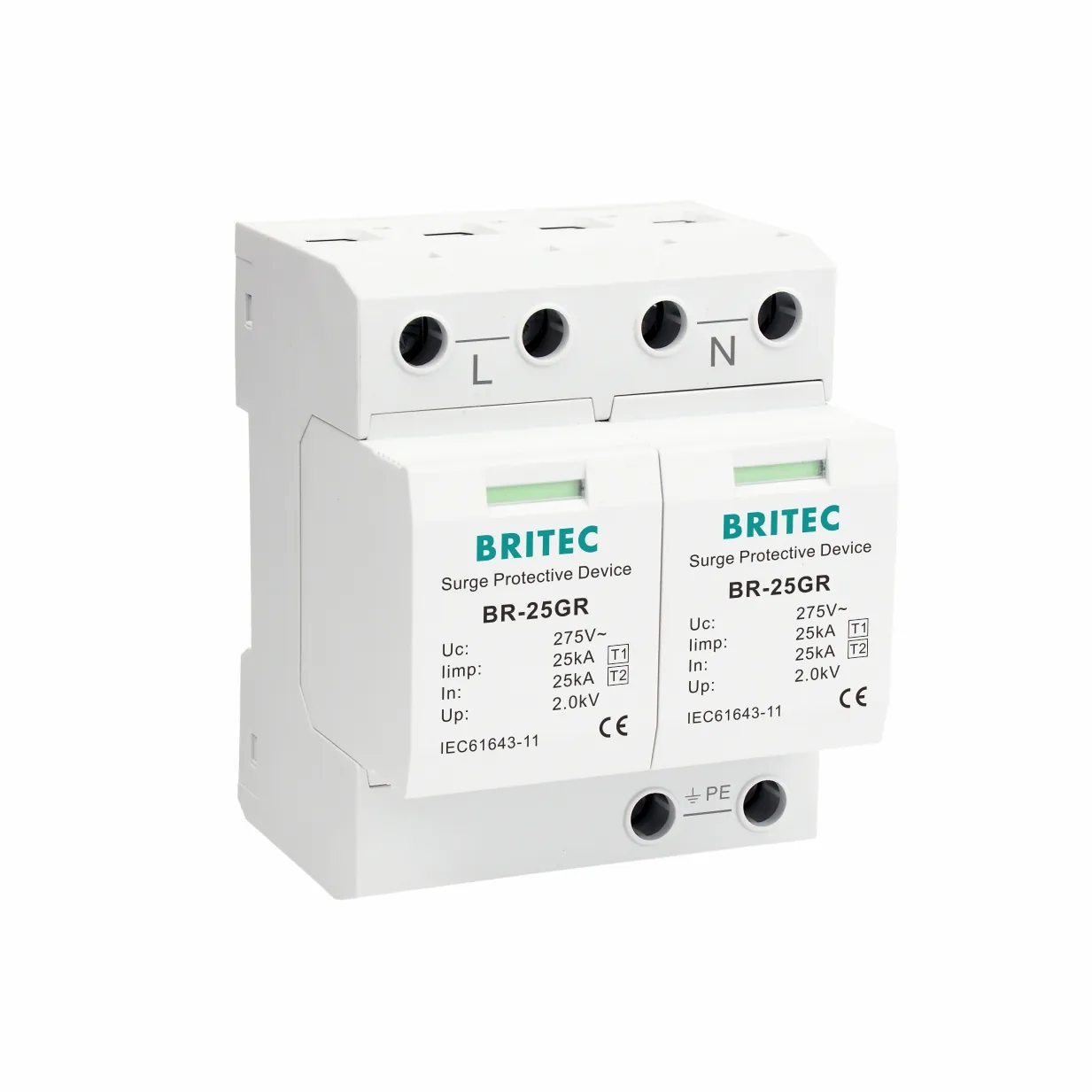
Selecting the right SPD Protection Device requires evaluating electrical system conditions and surge risk levels.
Key parameters include:
● Uc (Continuous Operating Voltage): Must match system voltage
● In(공칭 방전 전류): Defines routine surge handling capacity
● Imax(최대 방전 전류): Maximum surge capability
● 위로(전압 보호 수준): Residual voltage after activation
● 응답 시간: Faster is better for sensitive loads
● Short-circuit withstand rating: Ensures safety under fault conditions
Proper selection ensures coordination between protection stages and prevents premature SPD failure.
Correct installation is as important as device selection. Poor wiring or grounding can significantly reduce performance.
Best practices include:
● Keep SPD lead lengths as short as possible (ideally <0.5m)
● Use low-impedance grounding systems
● Install SPDs in parallel, not series
● Coordinate Type 1, 2, and 3 protection stages
● Ensure proper upstream overcurrent protection
● Avoid sharp cable bends to reduce inductance
A well-installed Electrical Surge Protective Device system ensures maximum energy diversion efficiency and compliance with safety standards.
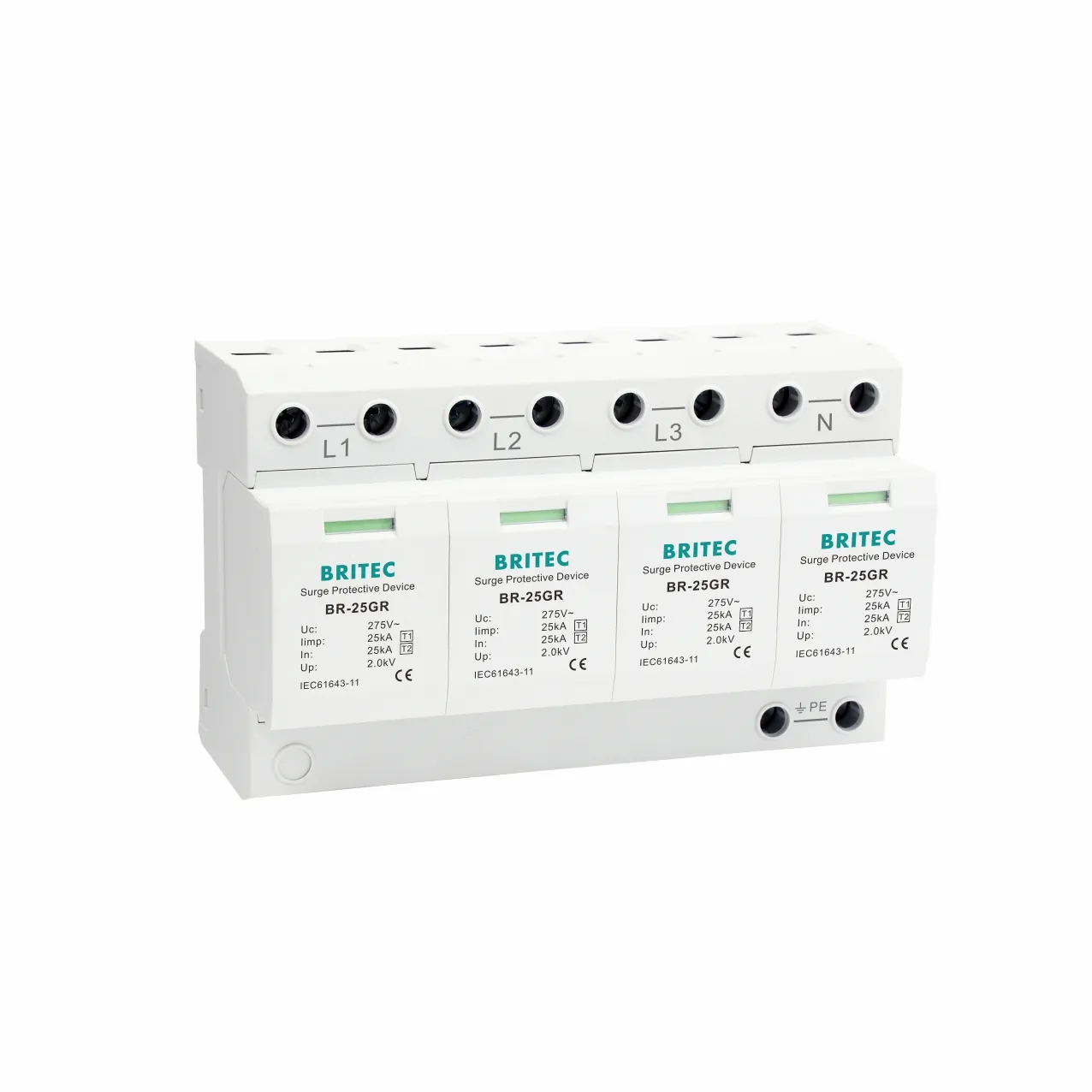
Industrial environments are highly vulnerable to surge events due to heavy machinery and switching loads.
Common applications include:
● Manufacturing plants with motor-driven systems
● Renewable energy (solar PV and wind systems)
● Data centers and communication infrastructure
● Oil & gas control systems
● Railway and transportation networks
In these scenarios, a reliable Industrial SPD Manufacturer is essential for providing robust, certified protection solutions designed for harsh environments.
SPD systems must comply with international safety and performance standards to ensure reliability.
Key standards include:
● IEC 61643 series (global SPD standard)
● UL 1449 (North American standard)
● EN 61643 (European compliance)
● ISO 9001 quality management systems
Certifications ensure that a Power Surge Protection Device performs consistently under real-world surge conditions and meets regulatory requirements for industrial deployment.
Selecting the right supplier directly impacts system reliability and lifecycle cost.
Important evaluation criteria:
● Compliance with IEC/UL standards
● In-house R&D capability
● Manufacturing quality control systems
● Proven field performance data
● Technical support and customization ability
● Long-term product availability
A trusted Industrial SPD Manufacturer not only supplies devices but also supports system-level surge protection design.
Although SPDs are low-maintenance devices, periodic inspection is essential for long-term protection performance.
Recommended practices:
● Check visual status indicators regularly
● Replace modules after end-of-life indication
● Inspect grounding integrity annually
● Monitor surge event counters (if available)
● Perform thermal checks in high-load environments
Lifecycle management ensures your SPD Protection Device continues operating at optimal performance throughout its service life.
When an SPD fails, it typically transitions into a safe open-circuit or disconnected state, depending on its internal design. This prevents further electrical damage but also means the system loses surge protection. Most modern SPDs include visual indicators or remote alarm contacts to signal failure. If not replaced promptly, sensitive equipment becomes exposed to voltage spikes, significantly increasing the risk of downtime and hardware damage.
Yes, in many regions SPDs are now required or strongly recommended by electrical codes, especially for commercial and industrial installations. Standards such as IEC and NEC encourage surge protection at service entrances and distribution panels. The requirement depends on building type, risk category, and equipment sensitivity. Even when not mandatory, installing an SPD is considered best engineering practice for modern electrical system protection.
Not all systems legally require SPDs, but practically all modern electrical systems benefit from them. Even small residential or light commercial systems can suffer damage from lightning or switching surges. Industrial systems, automation lines, and data-driven environments absolutely require layered surge protection. The cost of installing an SPD is significantly lower than the cost of equipment failure or operational downtime.
SPDs should be installed in a coordinated manner across multiple levels. The primary location is the main service entrance (Type 1 SPD), followed by distribution panels (Type 2 SPD), and finally near sensitive equipment (Type 3 SPD). This layered approach ensures both high-energy and low-energy surges are properly controlled. Proper grounding and minimal wiring distance are critical for effective performance.
The lifespan of an SPD typically ranges from 5 to 10 years, depending on surge frequency, environmental conditions, and system stress levels. In high-lightning or industrial environments, lifespan may be shorter. Many devices include degradation indicators that show remaining service life. Regular inspection ensures timely replacement before failure occurs, maintaining continuous protection for electrical systems.
The number of SPDs depends on system complexity and protection strategy. A standard industrial or commercial building typically requires at least three levels: one at the main service entrance, one at each distribution board, and additional units near sensitive equipment. Larger facilities may require multiple coordinated SPD networks to ensure complete coverage across different voltage zones.
Choosing the right SPD involves evaluating system voltage, expected surge levels, and equipment sensitivity. Key factors include voltage rating (Uc), discharge current capacity (In/Imax), and protection level (Up). You should also consider installation location and coordination between protection stages. Consulting with an experienced supplier or Industrial SPD Manufacturer ensures the selected device matches your system requirements precisely.
A properly designed surge protection strategy is essential for maintaining electrical system reliability, especially in environments with sensitive electronics or heavy industrial loads. An effective SPD network combines multiple protection levels, correct installation practices, and compliance with global standards to ensure long-term system stability. Selecting a reliable Industrial SPD Manufacturer further enhances performance and ensures technical support throughout the product lifecycle.
For engineered surge protection solutions built for industrial and commercial applications, 브리텍일렉트릭 provides a comprehensive range of SPD technologies designed to safeguard modern power systems with precision and reliability.