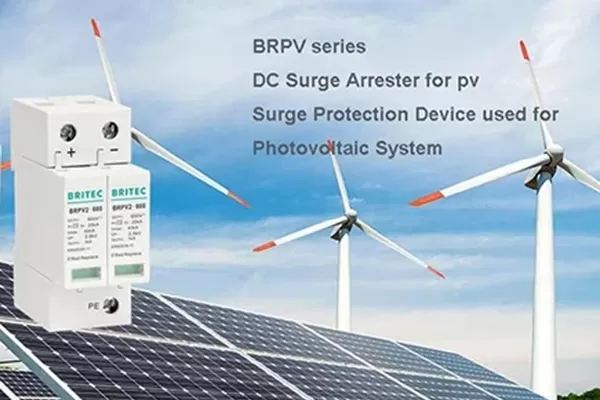
Overspændingsbeskyttelse til solcelleanlæg
Indirekte lynnedslag er ødelæggende. Anekdotiske observationer om lynaktivitet er normalt en dårlig indikator for niveauet af lyninduceret overspænding i PV-arrays.
SE MERE


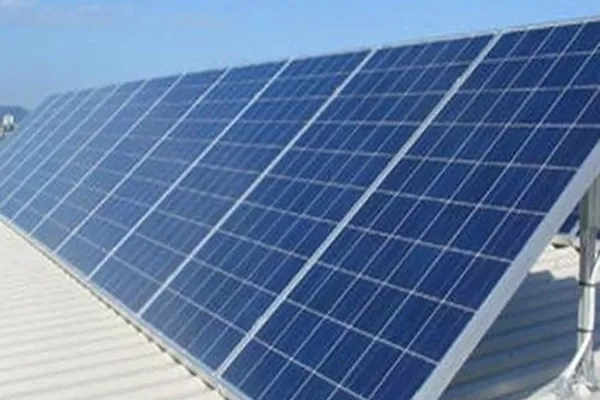
De fjerntliggende steder, udsatte overfladeområder og omfattende indretninger af solenergianlæg sætter dem i høj risiko for skader fra elementerne, især elektriske storme. En væsentlig bekymring for fotovoltaiske (PV) kraftværksoperatører er udstyrsskader forårsaget af direkte eller indirekte lynnedslag. Skader fra disse hændelser kan bringe en PV-installation offline i dage eller måske uger, hvilket resulterer i strømafbrydelse og indtægtstab. For at undgå de destruktive virkninger af lynnedslag,overspændingsbeskyttelse skal installeres ved inverteren og på forskellige andre steder i PV-anlægget.
Valg og installation af overspændingsbeskyttelsesenhed til PV-systemer
PV-systemer har unikke egenskaber, som derfor kræver brug af SPD'er, der er specielt designet til PV-systemer.
PV-systemer har høje DC-systemspændinger op til 1500 volt. Deres maksimale effektpunkt fungerer ved kun et par percentiler under systemets kortslutningsstrøm.
For at bestemme det korrekte SPD-modul til PV-systemet og dets installation skal du vide:
– den lynrunde blitztæthed;
- systemets driftstemperatur;
- systemets spænding;
– systemets kortslutningsstrømmærke;
– niveauet af bølgeform, der skal beskyttes mod (indirekte eller direkte lyn); og
– den nominelle afladningsstrøm
For at have en beskyttende effekt bør en SPDs spændingsbeskyttelsesniveau (Op) være 20 % lavere end den dielektriske styrke af systemets terminaludstyr.
Det er vigtigt at bruge en SPD med en kortslutningsmodstandsstrøm, der er større end kortslutningsstrømmen i den solcellestreng, som SPD'en er tilsluttet. SPD'en, der leveres på DC-udgangen, skal have en DC MCOV lig med eller større end panelets maksimale solcellesystemspænding.
Når et lyn slår ned i punkt A (se figur 1), vil solcellepanelet og inverteren sandsynligvis blive beskadiget. Kun inverteren vil blive beskadiget, hvis lynet slår ned i punkt B. Inverteren er dog typisk den dyreste komponent inden for et PV-anlæg, hvorfor det er essentielt at vælge og installere den korrekte SPD på både AC- og DC-linjerne. Jo tættere strejken er på inverteren, jo mere beskadiget vil inverteren være.
DC & AC Side SPD'er til kombinationsbokse og invertere
Overspændingsbeskyttelsesanordninger er installeret på DC- og AC-siden af central- og strenginvertere, i kombinationsbokse og for at beskytte signalledninger (målinger og kommunikation). Afhængigt af solcelleanlæggets atmosfæriske eksponering for lyn, kan entreprenører og designere foreskrive enten standard type 2 IEC SPD'er (indirekte påvirkning 8/20 μs) eller mere robuste type 1+2 SPD'er (testet til at modstå direkte lynpåvirkninger i 10/350 μs bølgeform).
DC sidebeskyttelse ved kombinationsbokse og invertere har typisk en Y-forbindelse DIN-skinne konfiguration for at give fælles og differentiel beskyttelse.
På AC-siden er overspændingsbeskyttelse af inverteren ligeledes påkrævet. Uanset om det er ved selve inverteren eller ved AC-kombinationsboksen, håndteres eksponering for spændingsstigninger generelt ved at bruge standard DIN-skinne type 2 SPD'er i TN S-, IT- eller endda TT-konfigurationer.
Afhængigt af PV-installationen kan type 1+2 AC desuden i nogle tilfælde foretrækkes af EPC-entreprenører og designere for at opnå en længere levetid for SPD'er og endda beskyttelse, hvor forholdene er hårdere med hensyn til den forventede direkte lynnedslag. Dette vil typisk være tilfældet i områder med et meget højt isoceraunisk niveau, ofte forbundet med store højder.


 #!trpst#trp-gettext data-trpgettextoriginal=16#!trpen#Optimized by #!trpst#trp-gettext data-trpgettextoriginal=15#!trpen#Seraphinite accelerator#!trpst#/trp-gettext#!trpen##!trpst#/trp-gettext#!trpen#