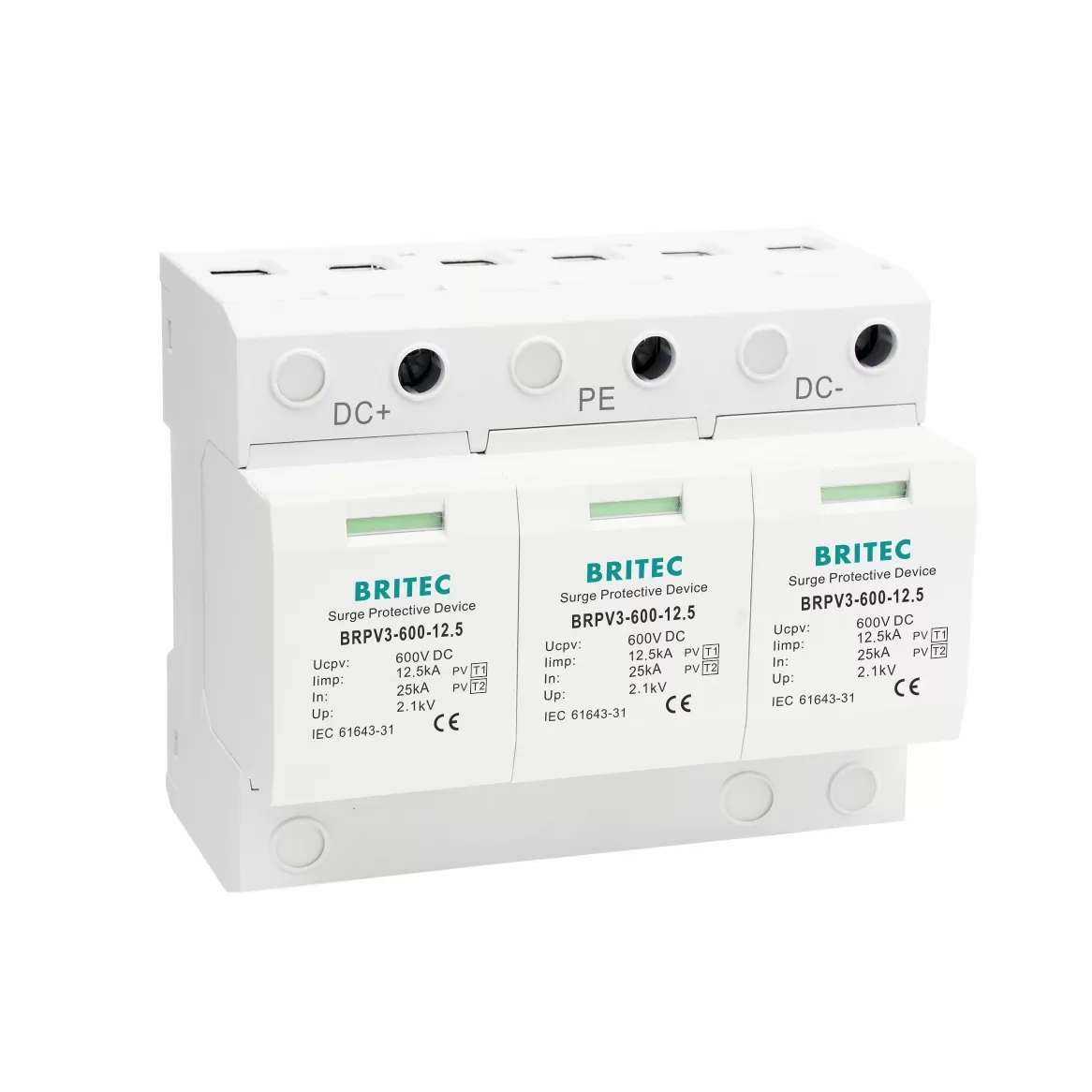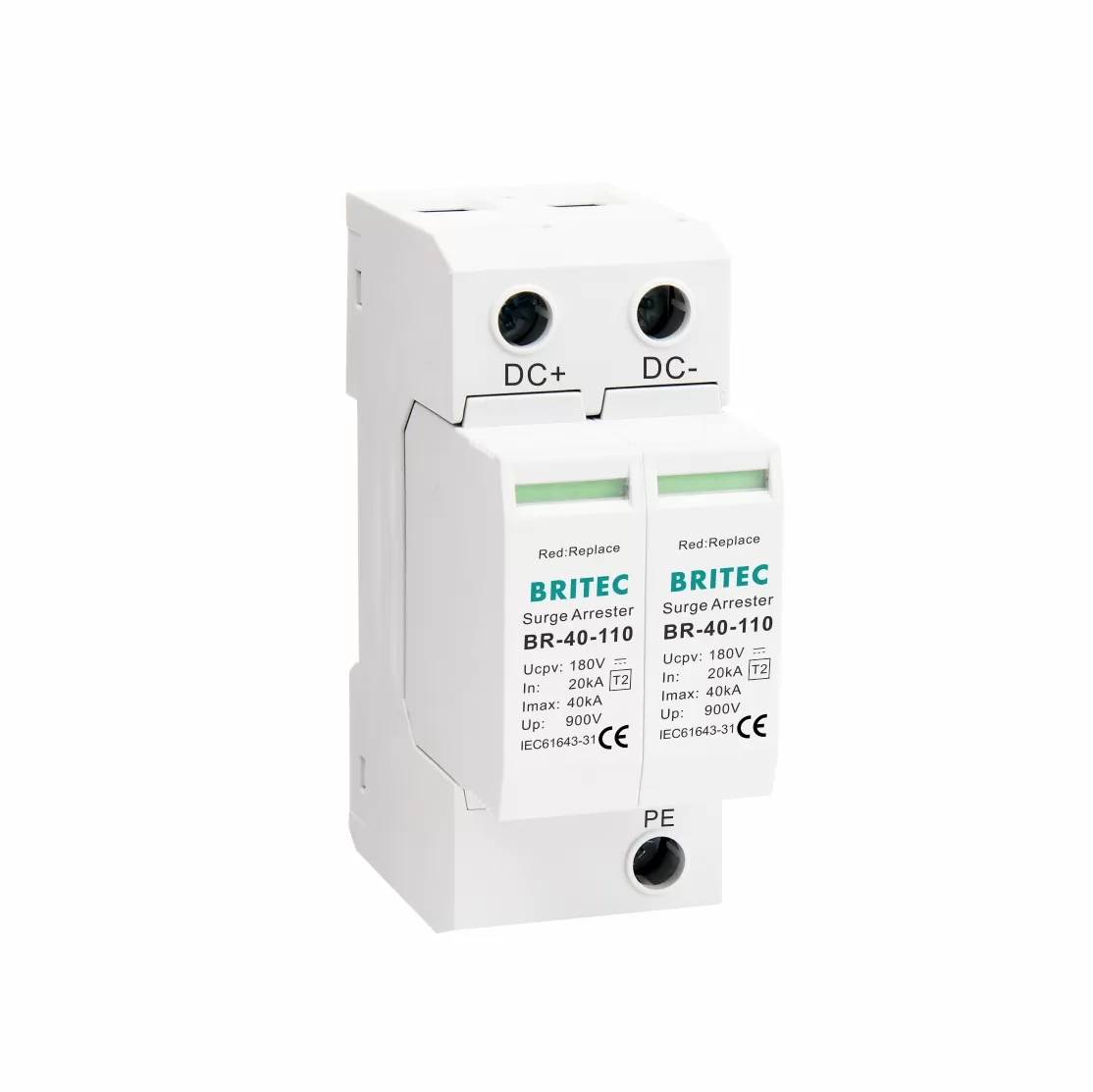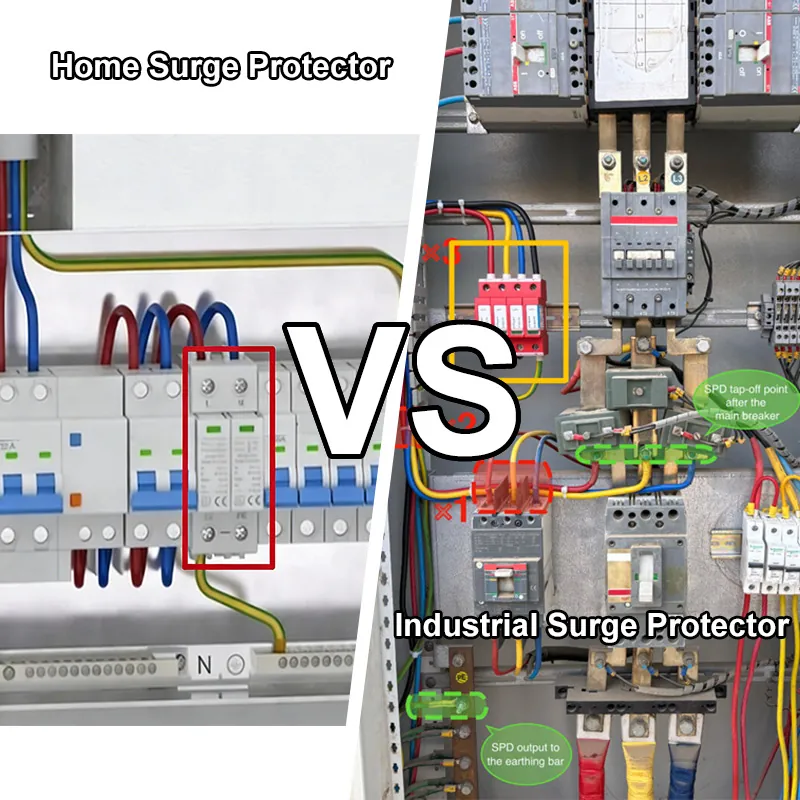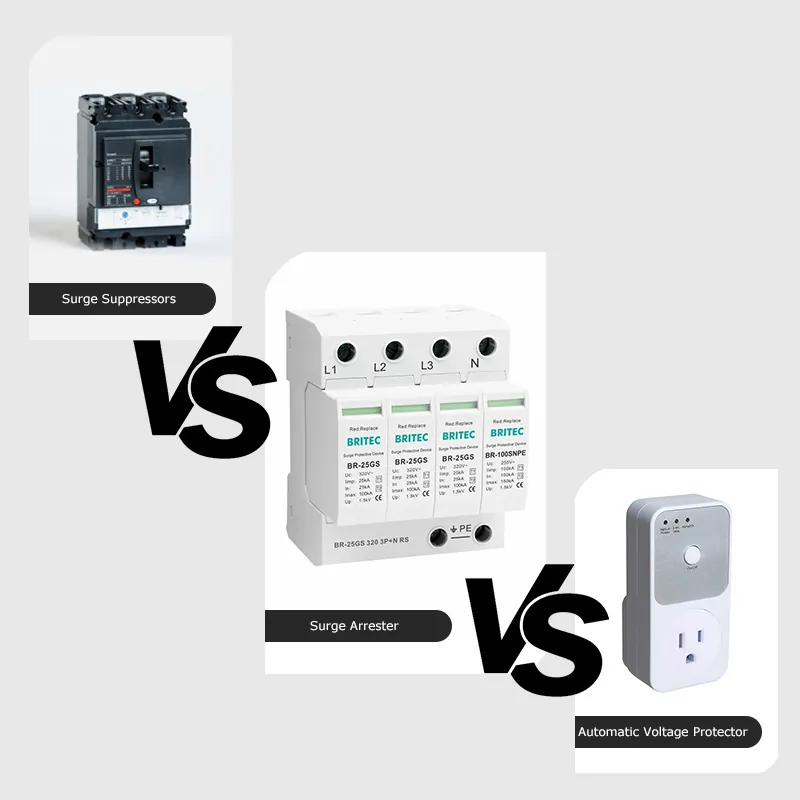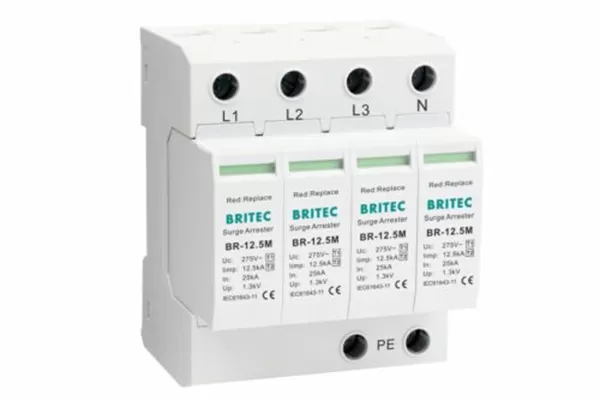


In this guide, you’ll clearly see how Home Surge Protector og Industrial Surge Protector differ in design philosophy, parameters, protection depth, and installation logic—so you can avoid expensive mismatches and make decisions with confidence.
At the design level, these two products are created for completely different risk profiles.
A Home surge protector is optimized for affordability, compact size, and convenience. Its primary job is to absorb occasional transient overvoltages caused by lightning induction or appliance switching. You’re protecting TVs, routers, refrigerators—important, but not mission-critical assets.
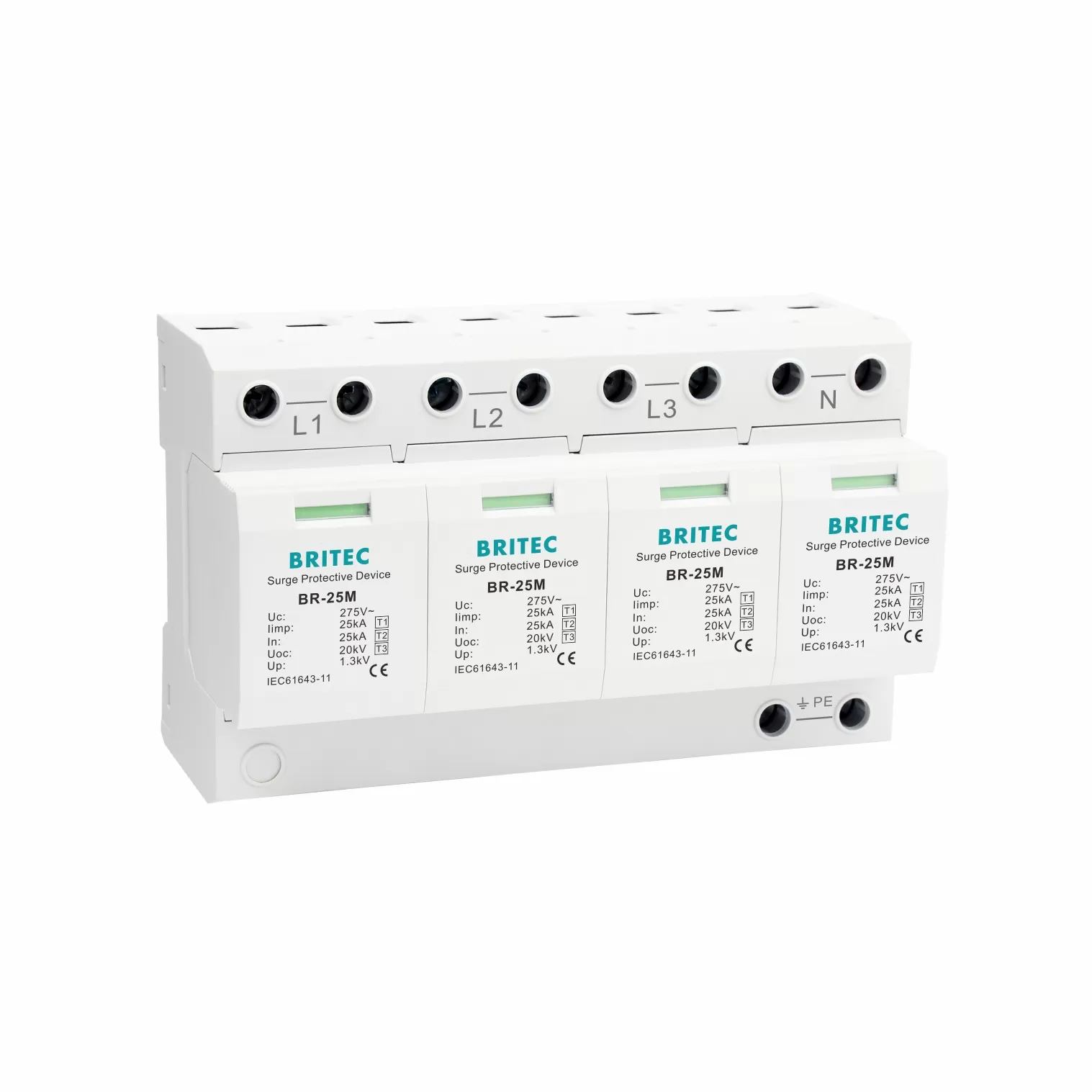
An Industrial surge protector is engineered around system continuity and equipment survival. Downtime here means production loss, safety risk, or contract penalties. That’s why surge protector design in industrial environments prioritizes robustness, redundancy, and long service life under repeated surge stress.
In procurement terms, one is a consumer-grade insurance policy; the other is an infrastructure defense component.
Context defines everything.
Home environments typically face:
Industrial sites face:
You wouldn’t use residential fire extinguishers in a chemical plant—and the same logic applies here. An Industrial Surge Protector is built for continuous exposure to harsh electrical environments, not occasional events.
This is where many purchasing mistakes happen.
A home surge protector usually provides single-stage or limited multi-stage protection. It reacts fast but sacrifices endurance. Once its MOVs degrade, protection weakens—often silently.
An industrial surge protector is normally part of a multi-level protection architecture:
This layered approach dissipates surge energy step by step, dramatically improving system survival.
Below is a clear comparison table you can use during supplier evaluation:
| Parameter | Home Surge Protector | Industrial Surge Protector |
|---|---|---|
| Nominal Voltage | 110V / 220V | 230V / 400V / 690V+ |
| Discharge Current (In) | 5–10 kA | 20–80 kA |
| Impulse Current (Iimp) | Not rated | 12.5–25 kA |
| Svartid | < 25 ns | < 100 ns (with endurance) |
| Service Life | Limited, non-replaceable | Long-term, modular replacement |
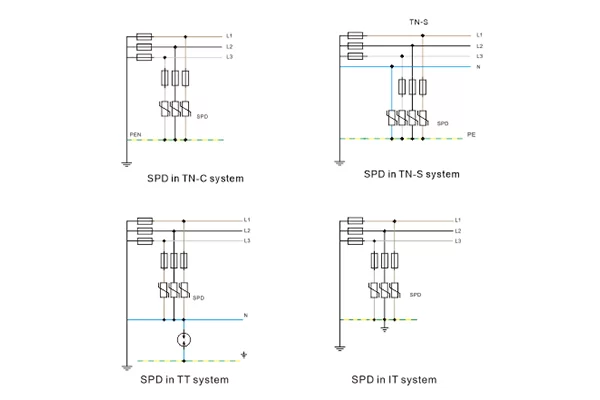
Surge Protector Install is not just about wiring—it’s about strategy.
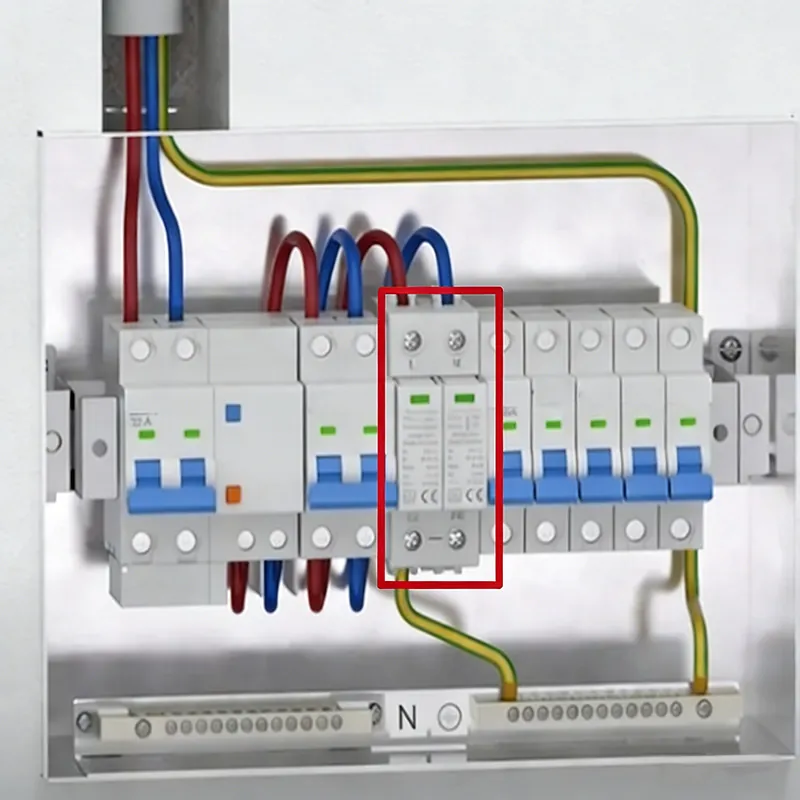
Home installations are simple:
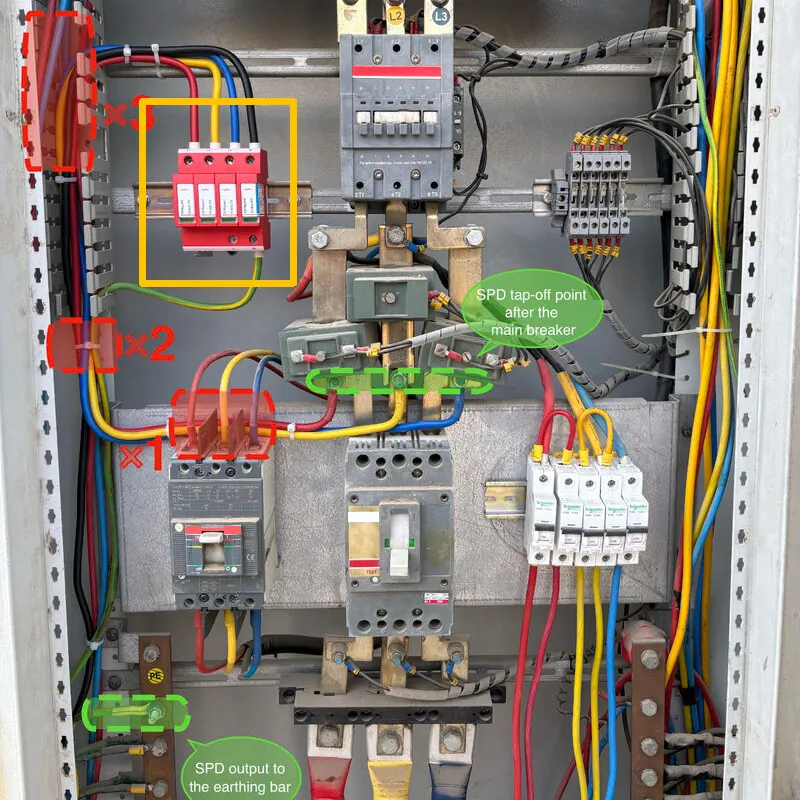
Industrial installations are engineered:
In one real-world case, a food processing plant replaced consumer-grade SPDs every six months due to unnoticed degradation. After switching to industrial modular SPDs with status windows, failures dropped to zero over three years. Procurement finally saw total cost reduction, not just unit price savings.
If you’re protecting personal electronics, routers, or smart appliances, a certified Home Surge Protector is usually sufficient.
Here’s where things get fuzzy—and mistakes are common.
If you run POS systems, CCTV, or light machinery, hybrid solutions often make sense:
This balances budget and reliability.
If you manage factories, data centers, water plants, or substations, the answer is simple:
You need Industrial Surge Protectors—by design, not by choice.
It’s a coordinated SPD system using multiple protection stages to gradually absorb surge energy instead of stopping it all at once.
Generally no. Over-specification increases cost without proportional benefit—unless your home has industrial loads or extreme lightning exposure.
It degrades rapidly, may fail short-circuit, and often provides false security before total failure.
Household SPDs react slightly faster, but industrial SPDs survive repeated surges. Speed without endurance is meaningless in factories.
Always industrial. Even light manufacturing environments exceed residential electrical stress levels.
It refers to how much surge current the SPD can safely conduct to ground without destruction—a critical industrial parameter.
Check Iimp rating, modular design, and installation method. No Iimp usually means non-industrial.
Because you’re paying for engineering margin, replaceable modules, compliance, and reliability—not plastic housing.
Choosing between a residential or industrial surge protector is not just a matter of power rating; it’s about responsibility.
As a purchasing decision-maker, you’re not just buying a device; you’re managing operational risks, lifecycle costs, and system uptime.
Protection is truly effective only when the surge protector’s design matches the actual application environment, rather than being a reactive measure.
If you’re unsure which type of surge protector is truly suitable for your system, now is the time to consult with professional suppliers, review relevant standards, and incorporate surge protection into your infrastructure strategy—to avoid being caught unprepared the next time a surge strikes.


 #!trpst#trp-gettext data-trpgettextoriginal=16#!trpen#Optimized by #!trpst#trp-gettext data-trpgettextoriginal=15#!trpen#Seraphinite accelerator#!trpst#/trp-gettext#!trpen##!trpst#/trp-gettext#!trpen#